
Yes, you absolutely can wear socks for yoga, especially if they are designed specifically for yoga and have a non-slip grip on the bottom. While many people practice yoga barefoot, wearing special yoga socks can offer benefits like warmth, hygiene, and improved stability, particularly grip socks for yoga.
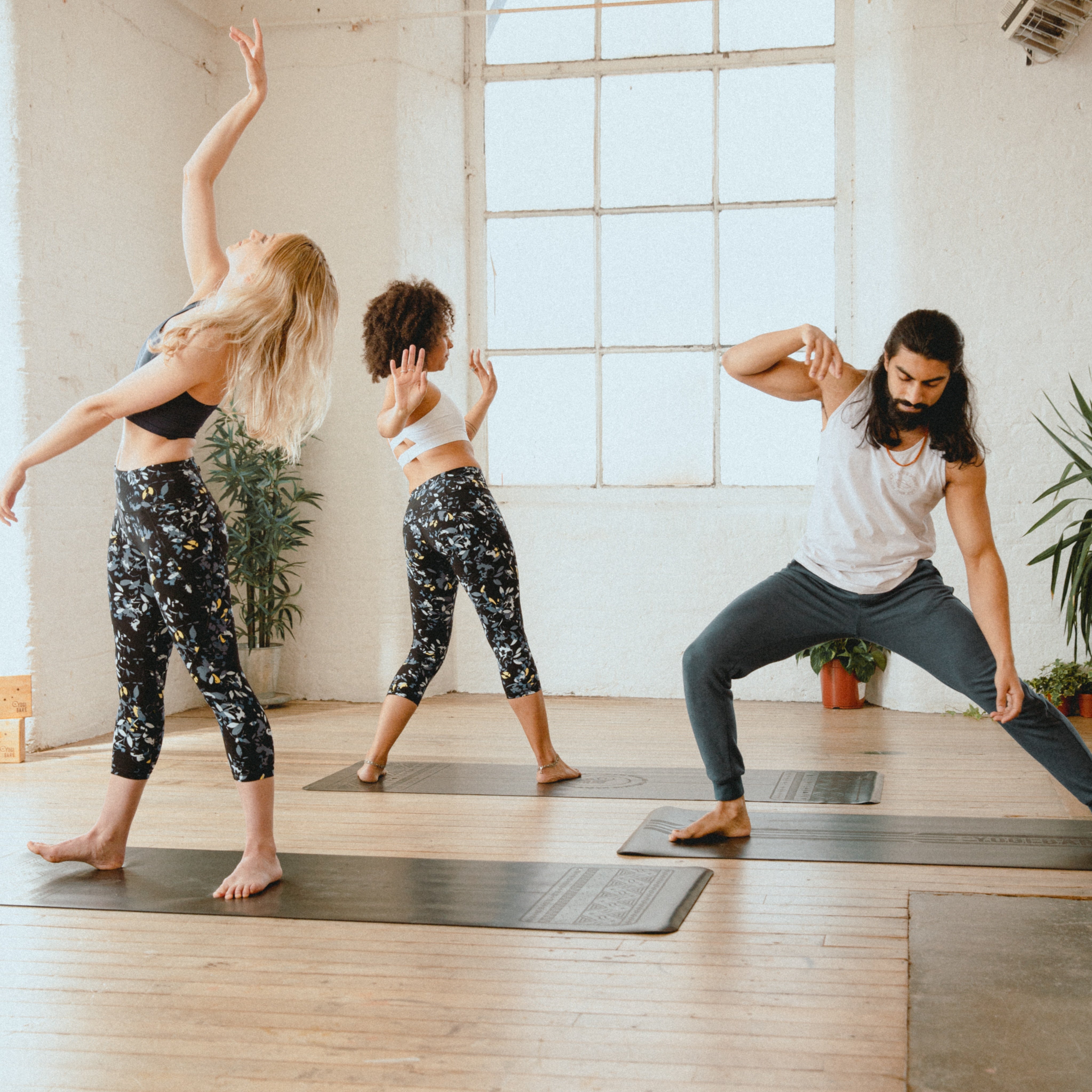
Image Source: www.yogi-bare.co.uk
The Heart of the Question: Can You Wear Socks?
Most people picture yoga done with bare feet. This is very common. Teachers often suggest taking off your shoes and socks. But is it a rule? No, not really. It’s more about what feels right and works for you.
Think about why you might want to wear socks. Are your feet cold? Do you worry about clean floors? Do you have a foot issue? These are all good reasons to think about socks.
However, regular socks can make yoga harder. They can make you slip. Slipping during yoga with socks that are not made for it is a real problem. This can make poses feel unsafe. It can also make you lose your balance.
This is where special yoga socks come in. These are different from the socks you wear with shoes. They have a sticky bottom. This sticky part helps you grip the floor or your mat. These are often called non-slip yoga socks or grip socks.
So, while you can wear socks, wearing the right socks matters a lot. Plain socks are usually not a good idea for yoga. Non-slip yoga socks are the better choice if you want to cover your feet.
Why Most People Practice Yoga Without Socks
Doing yoga without socks is very common. There are good reasons for this tradition. It is not just a random choice. It helps your practice in key ways.
The Feel of the Mat
When your feet are bare, you can feel the mat. You can feel the texture. You can feel how the mat grips your skin. This feeling tells your body where you are. It helps you balance.
Your feet have many nerves. These nerves send messages to your brain. These messages help you know how to move. They help you adjust your balance. Bare feet get more of these messages from the mat.
Feeling the mat directly helps you connect. It helps you feel grounded. It helps you feel stable in poses. This direct touch is a big part of why many people go barefoot.
Building Foot Strength
Bare feet can grip and spread. They can press into the floor. This action uses small muscles in your feet and ankles. These muscles get stronger over time.
When you wear socks, these muscles might not work as hard. The sock can do some of the gripping for you. Going barefoot lets your feet work more naturally. This can make your feet and ankles more stable and strong.
Strong feet are good for balance. They are good for standing poses. They help you feel solid on the mat. Barefoot practice encourages this strength.
Natural Grip
Your skin has natural grip. The skin on the bottom of your feet can connect well with many surfaces. Yoga mats are often made to work well with skin.
When you are barefoot, your body uses its natural grip. This grip helps you hold poses. It helps you move from one pose to the next safely. It prevents slipping for many people.
This natural grip is a big reason for practicing barefoot. It gives you a direct link to the mat. It helps your body feel secure. It is the default way for many yogis.
Reasons You Might Want to Wear Socks
Even with the benefits of barefoot yoga, there are reasons to wear socks. These reasons are personal. They can make your practice more comfortable or safer for you.
Feeling Cold
This is a simple reason. Your feet can get cold. This is true in cool studios. It is true if you have poor circulation. Cold feet can be distracting.
If your feet are cold, it is hard to focus on your breath. It is hard to focus on the poses. Warm feet feel better. They help you feel more relaxed. Yoga socks for cold feet are a real benefit. They keep your feet warm without letting you slip.
Hygiene Concerns
Some people worry about clean floors or mats. This is a valid point. Yoga studios can have many people. You might not know how clean the floor or mats are.
Wearing socks can feel cleaner. It puts a layer between your feet and the surface. This can give you peace of mind. Hygiene wearing socks yoga is a reason some people choose this path. It can help you feel more comfortable practicing in shared spaces.
Foot Injuries or Conditions
Sometimes, your feet need protection. You might have a cut or a sore. You might have a condition like plantar fasciitis. Stepping directly on the mat might hurt.
Socks can offer a little padding or support. They can protect sensitive spots. They can make certain poses less painful. If you have a foot issue, wearing socks might help you keep practicing. Always check with a doctor first if you have a medical condition.
What Happens When You Wear Regular Socks?
Let’s be clear about “regular” socks. These are the socks you wear with shoes. They are usually made of cotton, wool, or synthetic material. They cover your feet and often your ankles. They do not have a special grip on the bottom.
Wearing these kinds of socks for yoga is usually not a good idea. It can cause problems.
The Problem of Slipping
This is the biggest issue. Regular socks are smooth on the bottom. Yoga mats are often made to be a bit sticky. But the smooth sock material does not stick to the mat well.
When you push off the mat, your foot can slide. When you try to hold a pose like Downward Dog, your hands and feet push away from each other. If you wear regular socks, your feet can slip back.
Slipping during yoga with socks can be dangerous. You could fall. You could strain a muscle. It makes balancing poses much harder. Triangle pose, Warrior poses, balancing poses – they all become tricky. The lack of grip makes it hard to feel stable.
Losing Connection
Wearing thick, regular socks can make you feel less connected to the mat. You cannot feel the small textures. You cannot spread your toes and grip the mat’s surface.
This loss of feeling makes it harder to adjust your body. You might not notice small slips happening until it is too late. It can make your practice feel less grounded. It takes away some of the feedback your feet usually give you.
So, while regular socks might keep your feet warm, they usually cause more problems than they solve in yoga. They are not designed for the movements and poses of yoga.
Unpacking Yoga Socks: A Different Story
Now let’s talk about socks made for yoga. These are different from regular socks. They are designed to help your yoga practice, not hurt it. They address the problems that regular socks create.
What Are Grip Socks?
Grip socks are socks with special material on the sole. This material is usually made of rubber or silicone. It is applied in dots, patterns, or a full layer on the bottom of the sock.
This sticky material creates friction. Friction helps you grip a surface. In yoga, it helps you grip the mat or the floor. These are specifically called grip socks for yoga because they are made for the demands of this activity.
They come in different styles. Some cover the whole foot. Some are like mittens for your feet, with spaces for each toe. These are called yoga toe socks.
How Non-Slip Yoga Socks Work
The key feature is the non-slip bottom. The rubber or silicone dots press into the mat. This creates a strong hold. It stops your foot from sliding.
Think of car tires on the road. They have treads that grip the road. Non-slip yoga socks have ‘treads’ on the bottom. These help you stay put even when you push or pull on the mat.
This non-slip feature is crucial. It means you can wear socks for warmth or hygiene without losing your grip. It makes stability in yoga with socks possible. It changes the game compared to regular socks.
Benefits of Grip Socks for Yoga
Using socks with grip offers clear advantages. They solve the main problems of wearing regular socks. They also add new benefits.
Better Grip and Stability
This is the main benefit. The sticky sole gives you a much better grip. You can hold poses like Downward Dog or Warrior III more firmly. You are less likely to slip.
This improved grip leads to better stability in yoga with socks. You feel more secure in balancing poses. You can put more energy into holding the pose itself. You do not have to worry as much about your feet sliding. This can help you deepen your practice.
Keeping Feet Warm
Grip socks keep your feet warm, just like regular socks. This is great for cold studios or for people who get cold easily. Warm feet are more comfortable feet. This helps you focus on your yoga.
Yoga socks for cold feet are designed to do this job. They keep your feet warm. But they also provide grip. This is the key difference. They give you warmth and stability.
Helping with Hygiene
Wearing grip socks adds a layer between your feet and the mat. This can help with hygiene wearing socks yoga. It can make you feel more comfortable using shared mats or floors.
It can also protect your mat from sweat. If your feet sweat a lot, socks can soak some of that up. This can help keep your mat cleaner.
Protecting Your Feet
Sometimes, your feet need protection. Maybe you stubbed your toe. Maybe you have a small cut. Grip socks can cover these areas. They can protect your feet from getting scraped on the mat. They can make certain poses less painful.
They also protect your feet from touching anything on the floor you would rather not touch. This adds a layer of safety and comfort.
Looking at Toe Socks for Yoga
Yoga toe socks are a specific type of grip sock. They have individual slots for each toe. This is like a glove for your foot.
These socks offer the same benefits as regular grip socks (warmth, hygiene, grip). But they also allow your toes to spread. Spreading your toes is important in many yoga poses. It helps with balance. It helps you grip the mat actively.
Yoga toe socks let your toes move freely. They give you the benefits of socks and the ability to use your toes for grip and balance. For many people, these feel more like being barefoot while still wearing a sock. This makes them some of the best socks for yoga.
Comparing Barefoot Practice to Socks
Now we can compare the two main ways: barefoot vs. wearing yoga socks. Both have their pros and cons. The best choice depends on you and your needs.
Barefoot Yoga vs Socks: Pros and Cons
Let’s look at a quick comparison:
| Feature | Barefoot Yoga | Yoga Socks (Grip Socks) |
|---|---|---|
| Grip | Natural skin grip, depends on mat | Excellent non-slip grip from sole |
| Feel | Direct connection to mat | Less direct feel, layer added |
| Foot Strength | Encourages muscle work, spreading | Toes socks encourage spreading, less muscle work with full socks |
| Warmth | None | Good for cold feet |
| Hygiene | Direct contact with mat/floor | Barrier between feet and surface |
| Protection | None | Some protection from scrapes/cuts |
| Balance | Relies on foot muscles & feel | Can enhance stability due to grip |
| Slipping | Can slip on sweaty mat/feet | Reduces slipping significantly |
This table helps show the trade-offs. Barefoot is great for natural feel and foot strength. Yoga socks are great for grip, warmth, and hygiene.
Addressing Common Worries
People often have questions or worries about wearing socks for yoga. Let’s look at a few common ones.
Slipping During Yoga With Socks
Yes, this is a big worry. As we said, regular socks cause slipping. They are smooth. They do not grip.
But yoga socks are different. They are made to prevent slipping. The grip on the bottom holds you in place. So, if your worry is slipping, the answer is to get the right kind of socks. Non-slip yoga socks are designed exactly to stop this problem. They turn a smooth surface (the sock) into a sticky one.
Is Stability in Yoga With Socks Possible?
Yes, it is very possible. In fact, grip socks can improve stability for many people.
How? By giving you a solid base. If you are trying to balance on one leg, your standing foot needs to be firm. If you are barefoot and the mat is a little slick, or your feet are sweaty, you might wobble.
With grip socks, your foot is locked in place. This firm connection helps you feel more steady. It allows you to focus on finding your balance from your core and legs, not fighting a slippery foot.
Of course, true stability comes from your body, not just your grip. But a good grip helps your body find that stability.
Hygiene Wearing Socks Yoga: Sorting it Out
Wearing socks can feel more hygienic. You are not putting your bare feet on a mat or floor that others have used. This can be especially helpful in public studios or gyms.
However, socks can also get dirty and hold sweat. You need to wash yoga socks after every use, just like you would wash your yoga clothes. If you do not wash them, they can become less hygienic than bare feet.
Think of socks as a personal mat for your feet. They keep your feet away from the main mat. They also keep sweat from your feet off the main mat. This can be a good thing for shared mats.
So, for hygiene, wearing socks adds a layer of protection. But you must keep the socks clean. Clean socks are key for hygiene.
Fathoming if You Need Yoga Socks
Do you need yoga socks? Most of the time, the answer is no. Yoga is practiced barefoot around the world. You can have a full, deep practice without ever wearing yoga socks.
However, you might want yoga socks if:
- Your feet get very cold during practice (yoga socks for cold feet are a great solution).
- You feel worried about hygiene in a shared space.
- You have a minor foot issue that needs a little cover or protection.
- You feel your feet slip on your mat when barefoot (make sure your mat is clean, but socks can also help).
- You want extra grip for challenging poses.
- You want to try yoga toe socks to see if they help your balance or toe spreading.
Think about what would make your practice better. If one of these points applies to you, yoga socks could be helpful. They are not required, but they are an option.
Picking the Best Socks for Yoga
If you decide to try yoga socks, how do you choose? There are many types. What makes the best socks for yoga?
What to Look For
Here are key things to check when buying yoga socks:
- The Grip: This is the most important thing. Look for a strong non-slip pattern on the bottom. It should be made of rubber, silicone, or a similar sticky material. Check reviews to see if the grip works well.
- Material: The sock material should be breathable. Cotton is okay, but it can hold moisture. Blends with polyester, spandex, or nylon are often better. They can wick away sweat and dry faster. Some are made with bamboo or organic cotton, which are good choices too.
- Fit: The socks should fit snugly but not too tight. They should not bunch up. A good fit ensures the grip stays where it needs to be.
- Style: Do you want full socks or toe socks? Toe socks allow more toe movement. Full socks keep your toes together but might feel simpler. Try both if you can to see what you like. Some socks also cover the ankle, others are low-cut.
- Thickness: Some socks are thin, others are thicker for more warmth. Choose based on how cold your feet get or how much padding you want.
Looking for these features helps you find effective non-slip yoga socks that will support your practice. The best socks for yoga for you will depend on your personal needs and comfort.
Yoga Socks for Cold Feet: A Simple Fix
Cold feet can really take away from your yoga experience. It is hard to relax when your toes are freezing. Yoga socks are an easy answer to this.
Regular socks keep feet warm but make you slip. Yoga socks for cold feet solve this. They provide the warmth you need. And they have the non-slip grip to keep you safe and stable.
You can practice in a cold room and still feel warm and secure. The sock material keeps your body heat in. The grip keeps you from sliding. It is a simple but effective tool for staying comfortable in cooler settings.
Finding Your Path: Barefoot or Socks?
In the end, the choice is yours. There are benefits to practicing barefoot. There are benefits to wearing the right kind of socks.
Try both if you can. See how barefoot feels. See how wearing grip socks feels.
- Do you feel more grounded barefoot?
- Do you feel safer or warmer in grip socks?
- Do your feet need extra protection?
- Does the grip of the socks help you hold poses better?
- Does wearing socks help you feel more comfortable with hygiene?
Your body and your feelings are your best guides. Listen to them. Some people switch depending on the day or the studio. On a hot day, barefoot might feel best. On a cold day, yoga socks for cold feet might be perfect.
Neither way is “more yoga” than the other. What matters is finding a way to practice that supports your well-being. Whether you choose barefoot yoga vs socks, make sure you feel safe, comfortable, and connected to your practice.
Questions People Often Ask (FAQ)
Here are quick answers to questions many people have about socks and yoga.
h4: Do you need yoga socks?
No, you do not need them. Many people practice yoga barefoot. But yoga socks can be helpful for warmth, hygiene, or better grip if you have a problem with slipping.
h4: Can I wear normal socks for yoga?
It is not a good idea to wear normal, smooth socks for yoga. They will likely make you slip, which can be unsafe. Use non-slip yoga socks with grip on the bottom if you want to wear socks.
h4: What are the benefits of grip socks for yoga?
Benefits include improved non-slip grip, better stability, keeping feet warm, helping with hygiene, and protecting your feet.
h4: Are yoga toe socks better than regular yoga socks?
Yoga toe socks allow your toes to spread and move independently, which is helpful for balance and grip. Regular yoga socks keep your toes together. It is a matter of personal preference and what feels best for your feet.
h4: How does hygiene wearing socks yoga compare to barefoot?
Wearing clean yoga socks puts a barrier between your feet and the mat or floor, which can feel more hygienic in shared spaces. However, socks must be washed after each use to stay clean.
h4: Does wearing socks affect stability in yoga?
Regular socks can make you unstable due to slipping. Grip socks, however, can improve stability by providing a strong hold on the mat, helping you feel more secure in poses.
h4: Can yoga socks help with cold feet?
Yes, yoga socks, especially those made with warmer materials, can keep your feet warm during practice. Look for yoga socks for cold feet that also have good grip.
h4: What should I look for in the best socks for yoga?
Look for a strong non-slip grip on the sole, breathable material, a snug fit, and a style (full or toe sock) that you prefer.