
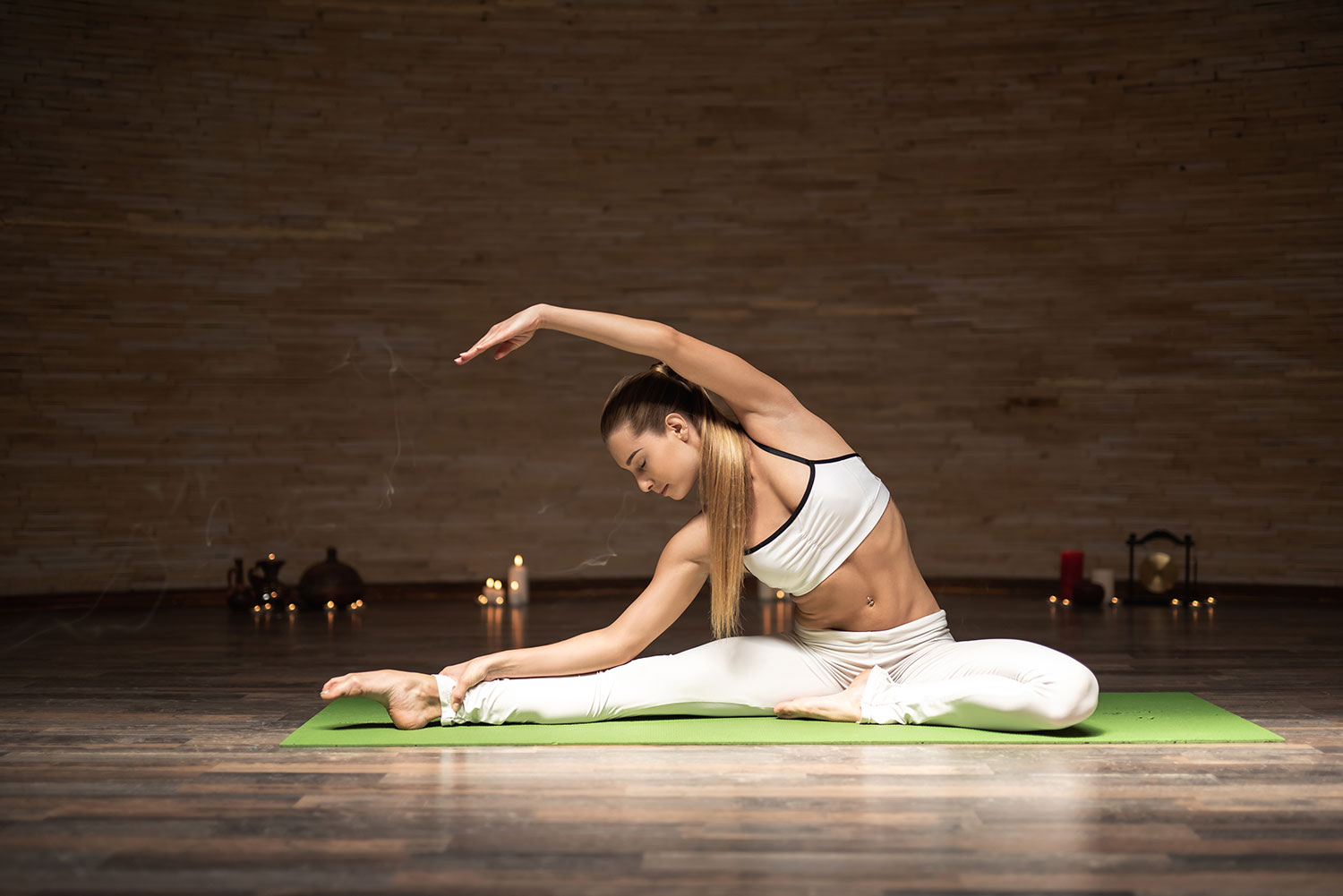
Image Source: yogapractice.com
How Old Is Yoga? Uncover Its Ancient History & Origins
When did yoga start? This is a question with a long answer. The origin of yoga is not a single event. It did not begin on a specific day. Instead, yoga grew over thousands of years. Its history of yoga is rich and complex. It has deep roots of yoga in ancient yoga practices. We can trace its yoga timeline back very far in time. Pinpointing one start date is impossible. But we can look at different yoga historical periods to see how it changed.
Deciphering the Earliest Hints
How far back does yoga go? We can look at old things found in the ground. Some people think yoga started in a very old time. This was the Indus Valley Civilization yoga. This civilization lived many thousands of years ago. It was around 3000 to 1900 BCE (Before Common Era).
Indus Valley Civilization Yoga: What We Found
Workers digging found old cities. They found small statues and seals. Some of these show people sitting in ways that look like yoga poses.
- One famous seal is called the Pashupati Seal.
- It shows a figure sitting with legs crossed.
- The posture looks like a meditative pose.
- Animals are around the figure.
Why This Is Not So Clear
These findings are exciting. They might show early yoga. But we must be careful.
- We cannot read the writing from the Indus Valley Civilization.
- So, we do not know what these pictures truly mean.
- The figure could be a god.
- The posture might just be a way people sat long ago.
- It might not be yoga as we know it today.
So, the origin of yoga in the Indus Valley is a guess. It is an interesting idea. But we do not have proof that yoga started there. It is part of the discussion about the roots of yoga.
The Vedic Period: Seeds of Yoga
After the Indus Valley Civilization, a new time began. This is called the Vedic period. It lasted from about 1500 BCE to 500 BCE. This time gets its name from important old books called the Vedas. The Vedas are some of the oldest writings we have.
What the Vedas Tell Us
The Vedas are mostly about rituals, songs, and prayers. They do not talk about yoga poses. But they do talk about ideas that are key to Vedic yoga.
- Meditation: The Vedas mention meditation. This is thinking deeply or focusing the mind. This is a core part of yoga.
- Connecting with the Divine: The goal was often to connect with gods or a higher power. Yoga later also aimed at connection, but sometimes with the self or ultimate truth.
- Inner Focus: The Vedas encourage looking inward. This is different from just doing outside actions.
The word ‘yoga’ comes from a Sanskrit word, ‘yuj’. This word means to yoke or to join. In the Vedic time, this joining was often about joining with the divine through rituals and inner thought.
Early Ideas, Not Poses
So, Vedic yoga was not about bending your body. It was about practices for the mind and spirit. It was about living according to right principles. It was about early forms of meditation and controlling thoughts. This period laid some groundwork. It is an important part of the history of yoga. It shows the very early ancient yoga ideas taking shape. This period helps us see how far back the concepts go in the yoga timeline.
The Pre-Classical Period: New Ways of Thinking
This time came after the Vedic period. It lasted from about 500 BCE to 200 CE. During this time, new books were written. These books explored deeper ideas.
The Upanishads: Grasping Inner Truth
The Upanishads are part of the Vedas. But they came later. They shift the focus.
- They talk less about outside rituals.
- They talk more about inner truth and knowledge (Jnana).
- They introduce ideas like Atman (the self) and Brahman (the ultimate reality).
- They suggest that Atman and Brahman are the same.
- The goal becomes realizing this truth.
- Meditation is a key way to do this.
- Some Upanishads mention early ideas that relate to breath control (Pranayama) and withdrawing the senses (Pratyahara). These later became part of physical yoga.
This period shows the evolution of yoga moving inward. It is less about outside gods and more about inner discovery.
The Bhagavad Gita: Yoga for Everyone
A very important book from this time is the Bhagavad Gita. It is part of a larger story, the Mahabharata. The Bhagavad Gita talks about different paths of yoga.
- Karma Yoga: The path of action. Doing your duty without wanting rewards.
- Bhakti Yoga: The path of devotion. Loving and surrendering to God.
- Jnana Yoga: The path of knowledge. Using wisdom to find truth.
The Bhagavad Gita says everyone can do yoga. You don’t have to be a monk. You can live in the world and practice yoga. This was a big change. It shows the history of yoga becoming more open. It added new kinds of practice to the yoga timeline. It expanded the origin of yoga beyond just meditation.
During this yoga historical period, different ideas about yoga grew. People explored various ways to connect with the higher self or truth. These ideas came from the earlier Vedic yoga roots but branched out.
The Classical Period: The Path Takes Shape
This period is often dated from about 200 CE to 500 CE. It is a very important time in the history of yoga. This is when the Yoga Sutras were written.
Patanjali’s Important Teachings
A person named Patanjali collected ideas about yoga. He wrote them down in a book. It is called the Yoga Sutras of Patanjali. This book is central to ancient yoga. It is like a guide book.
- The Yoga Sutras are short verses (sutras).
- They are organized into four chapters.
- The main focus is on the mind.
- The first line says, “Yoga is stopping the mind from changing.” (Yogas chitta vritti nirodha).
- The goal is to calm the mind completely.
- This leads to seeing who you truly are.
Grasping the Eight Limbs
Patanjali describes a path to reach this calm state. He calls it Ashtanga Yoga. This means “Eight Limbs of Yoga”. These limbs are steps or parts of the path.
- Yamas: How to act towards others (like not harming).
- Niyamas: How to act towards yourself (like being clean).
- Asana: Sitting postures for meditation. Note: This is not about lots of poses. It is about finding a steady, comfortable seat to sit and meditate for a long time.
- Pranayama: Breath control. Using breath to calm the mind.
- Pratyahara: Withdrawing the senses. Pulling your attention inward.
- Dharana: Focus. Concentrating on one thing.
- Dhyana: Meditation. A steady, quiet state of mind.
- Samadhi: Absorption. A state of deep peace and connection.
Not Your Modern Gym Class
It is key to understand this: Patanjali’s yoga is mostly about the mind and meditation. Asana (posture) is just one small part. And that part is about sitting still. It is not about doing handstands or complex stretches. This is very different from much of the yoga done today.
Patanjali’s Yoga Sutras brought together ideas from earlier times. They gave a clear system. This book is a major landmark in the yoga timeline. It shaped how people thought about yoga for hundreds of years. It is a core text for ancient yoga study. It helps us see the clear path described in this yoga historical period. It is a key part of the evolution of yoga.
The Post-Classical Period: The Body Becomes Important
This period starts after the Classical period, around 500 CE and goes up to about the 1500s CE. This is where we see a big shift. Yoga starts to focus more on the physical body.
Shift to Hatha Yoga
New forms of yoga came about. The most important is Hatha Yoga. The people who practiced Hatha Yoga had different ideas.
- They believed the body could be used to reach spiritual goals.
- They thought the body was not just something to ignore or overcome.
- They saw the body as a tool or even a sacred vessel.
- They developed physical methods to purify and strengthen the body.
- They believed this would help calm the mind and lead to higher states.
This was a major change in the evolution of yoga. It moved away from only focusing on meditation and the mind. It added physical practices.
Key Texts and Practices
Important books from this time describe Hatha Yoga:
- Hatha Yoga Pradipika: Written in the 15th century. It describes:
- Asanas (physical postures)
- Pranayama (breath control)
- Mudras (hand gestures or body locks)
- Bandhas (energy locks in the body)
- Cleansing practices (like cleaning nasal passages)
- Gheranda Samhita: Written later, perhaps 17th century. It describes:
- More cleaning practices.
- Many more asanas (32 are described).
- Mudras, Pranayama, and meditation steps.
These books show that physical postures (asanas) became much more important. They were no longer just about sitting still. They were seen as ways to make the body strong and healthy. This physical strength was needed for long hours of meditation and other practices.
Influence of Tantra
This shift to the body was influenced by Tantra. Tantra is a set of practices and ideas that use the body and energy to reach spiritual goals. Tantric texts often include Hatha Yoga methods.
The Post-Classical period is crucial. It is the time when the physical side of yoga grew. This Hatha Yoga is the direct ancestor of most yoga practiced in the world today. It is a key part of the yoga timeline. It shows a big step in the history of yoga, moving from mind-focus to body-focus. It is a significant yoga historical period for the physical aspect of yoga.
Later Periods: Growth and Spread
After the main Hatha Yoga texts, yoga continued to develop in India.
- Different teachers and schools arose.
- They had their own ways of teaching Hatha Yoga.
- Yoga practices were often passed down secretly from teacher to student.
- Yoga remained mostly focused on spiritual goals, often practiced by monks, ascetics, or dedicated students.
- While Hatha Yoga developed more physical poses, it was still different from modern postural yoga. The number of poses described was limited compared to today. The purpose was often very specific – to prepare the body for long meditation or awaken inner energy.
This period saw the practices refined. It kept the ancient yoga roots but built upon them with more physical techniques. This was part of the continuous evolution of yoga.
The Modern Period: Yoga Goes Global
The most recent period is the modern one. It began roughly in the late 19th and early 20th centuries. This is when yoga started to become known outside of India, especially in the West.
Bringing Yoga to the World
Several key people helped bring yoga to the global stage:
- Swami Vivekananda: Spoke at the Parliament of World Religions in Chicago in 1893. He talked about Raja Yoga (Patanjali’s path) and other Indian philosophies. He introduced yoga ideas to a Western audience.
- Paramahansa Yogananda: Moved to the US in 1920. Taught Kriya Yoga, a type of Raja Yoga with techniques for energy control. Wrote the famous book “Autobiography of a Yogi.”
- Tirumalai Krishnamacharya: Often called the “father of modern yoga.” Lived in Mysore, India. Taught in the 20th century. He taught famous students who spread different styles of yoga:
- B.K.S. Iyengar (developed Iyengar Yoga, focusing on alignment and props)
- K. Pattabhi Jois (developed Ashtanga Vinyasa Yoga, a flowing, athletic style)
- Indra Devi (taught yoga in Hollywood)
- T.K.V. Desikachar (taught Viniyoga, adapting yoga to the person)
The Big Change: Focus on Asana
When yoga came to the West, it changed. Western people were often interested in health and fitness. The physical postures (asanas) of Hatha Yoga became very popular. Teachers started to create new poses. They linked poses together in flowing movements (vinyasa).
- The focus shifted from mostly meditation and spiritual goals to physical health, flexibility, and strength.
- Many new styles of yoga were created (Vinyasa, Power Yoga, Bikram Yoga, etc.).
- Yoga studios opened everywhere.
- Yoga became a multi-billion dollar industry.
This evolution of yoga in the modern period is huge. It took ancient practices and made them popular worldwide. The yoga you see in most studios today – with many poses, flowing movements, and focus on exercise – is largely a product of this modern period. It is built on the Hatha Yoga from the Post-Classical period. But it is a very different practice from the Vedic yoga or Patanjali’s yoga.
This shows how the yoga timeline has evolved. From ancient ideas about mind control and ritual, through physical preparation, to a global health and fitness trend. The history of yoga is a story of constant change and adaptation. The roots of yoga are deep, but the tree has grown many new branches. The yoga historical periods show this amazing journey.
Interpreting the Yoga Timeline: A Quick Look
Here is a simple look at the different times in yoga’s history:
| Time Period | Rough Dates | What Yoga Was Like | Key Ideas/Texts |
|---|---|---|---|
| Indus Valley Civilization | 3000-1900 BCE | Possible early hints from seals/statues. Not proven. | Pashupati Seal |
| Vedic Period | 1500-500 BCE | Focus on ritual, early meditation, connecting with divine. Not physical poses. | Vedas (Rig Veda) |
| Pre-Classical Period | 500 BCE – 200 CE | Ideas deepen, focus on inner truth, different paths (action, devotion, knowledge). Early mention of breath/senses control. | Upanishads, Bhagavad Gita |
| Classical Period | 200 CE – 500 CE | Yoga becomes a clear system for calming the mind. Focus is on meditation and the 8 limbs. Posture is for sitting. | Patanjali’s Yoga Sutras |
| Post-Classical Period | 500 CE – 1500 CE | Big shift to the body. Hatha Yoga develops. Focus on physical postures, breath control, cleansing. Body seen as a tool for spiritual growth. | Hatha Yoga Pradipika, Gheranda Samhita (later in period) |
| Later Periods | 1500 – Late 19th Century | Hatha Yoga continues to develop. Different schools and practices. Mostly passed teacher-to-student. Still focused on spiritual goals using the body. | Various Hatha texts, oral traditions |
| Modern Period | Late 19th Century – Today | Yoga spreads globally. Becomes popular as a physical exercise. Focus shifts to health, fitness, flexibility, strength. Many new styles created. | Teachers like Vivekananda, Yogananda, Krishnamacharya & his students. |
This yoga timeline helps us see the long journey. It shows how the ancient yoga of meditation and ritual slowly evolved. It changed into the physical practices we see today. This is the story of the evolution of yoga.
Fathoming the Complexity
Tracing the history of yoga is not easy. There are challenges in understanding its past.
- Few Early Writings: For the earliest times (like the Indus Valley), we have no writings we can read about yoga.
- Texts Written Later: Some important texts, like the Yoga Sutras, were written down long after the ideas might have first appeared.
- Different Traditions: Yoga wasn’t just one thing. Different groups and teachers had their own practices. Not all of them wrote things down.
- Oral Tradition: Knowledge was often passed from teacher to student by talking, not by writing. This makes it hard to track changes over time.
- Interpretation: Reading old texts can be hard. People understand them in different ways. What did ‘asana’ truly mean 2000 years ago?
These things mean that the history of yoga is not a straight line. It is more like a tree with many roots and branches. The origin of yoga is fuzzy. But we can see the main steps in its evolution of yoga through the yoga timeline and different yoga historical periods. The ancient yoga practices slowly changed over the centuries.
Yoga Today: Many Paths
Today, yoga is practiced by millions worldwide. It is diverse.
- Some people practice mainly for physical fitness.
- Some use it for stress relief and mental peace.
- Some explore its deeper spiritual and philosophical sides.
- Many combine physical poses, breath work, and meditation.
Modern yoga often includes elements from different yoga historical periods. It has poses from Hatha Yoga. It might include meditation methods that have ancient yoga roots. It might use ideas about energy from Tantra. It shows the continued evolution of yoga.
The history of yoga is a living history. It keeps changing as people practice it in new ways around the world. But its core roots of yoga remain in the ancient Indian traditions. The origin of yoga might be hard to pin down, but its long and winding path is clear to see through the yoga timeline.
Frequently Asked Questions About Yoga’s History
Here are some common questions people ask about how old yoga is.
Is modern physical yoga the same as ancient yoga?
No, it is not the same. Ancient yoga, like Vedic yoga and Patanjali’s yoga, focused mainly on meditation, mind control, and spiritual practices. Physical postures (asanas) were a small part, mostly for sitting quietly. Modern yoga, especially in the West, focuses much more on doing many different physical poses for health, fitness, and flexibility. This physical focus grew mainly in the Post-Classical and Modern periods (Hatha Yoga and later).
What is considered the most important book for classical yoga?
Patanjali’s Yoga Sutras is the most important book for the Classical Period of yoga. It provides a structured path, the Eight Limbs, focused on calming the mind to reach a state of peace and insight.
Did the Indus Valley people definitely do yoga poses?
We don’t know for sure. We have found seals and figures from the Indus Valley Civilization yoga that show people in sitting postures. These postures look like some yoga poses. But we cannot read their writing. We do not know what these images truly meant to them. It is possible they show early forms of practice. But it is not proven that it was “yoga” as we understand it from later texts.
When did physical postures become a major part of yoga?
Physical postures became a major part of yoga in the Post-Classical Period, starting around 500 CE. This is when Hatha Yoga began to develop. Texts like the Hatha Yoga Pradipika (15th century) and Gheranda Samhita (17th century) describe many more poses and physical practices compared to earlier periods.
Is Hatha Yoga the oldest type of yoga?
No. Hatha Yoga developed much later, during the Post-Classical period (starting around 500 CE). Earlier forms of yoga mentioned in the Vedas, Upanishads, and Yoga Sutras focused on meditation, ritual, knowledge, devotion, and mind control. These are considered older roots of yoga.
How did yoga spread from India to the rest of the world?
Yoga started spreading more widely outside of India in the late 19th and 20th centuries. Indian teachers traveled to other countries, especially to the West (Europe and North America). They shared yoga ideas and practices. Key figures like Swami Vivekananda and teachers from the lineage of Krishnamacharya were important in this global spread.
Wrapping Up the Journey
So, how old is yoga? It is very, very old. Its origin of yoga is lost in the mists of time, possibly with early people in the Indus Valley. Its roots of yoga are clearly seen in the ancient Vedas, focusing on mind and spirit. The yoga timeline shows it changing over thousands of years.
From the Vedic yoga of ritual and meditation, to the mind-science of ancient yoga in Patanjali’s time. Then came the focus on the body with Hatha Yoga in later yoga historical periods. Finally, the evolution of yoga led to its spread around the world, becoming the diverse practice many know today.
The history of yoga is a long and winding road. It shows a deep search for connection, truth, and well-being that has been part of human life for ages. The journey of yoga is far from over.