
People often ask, “What is a yoga therapist?” A yoga therapist uses yoga tools in a structured way to help people with health issues. They work with individuals or small groups to meet specific needs. This is different from a regular yoga teacher who teaches general classes for fitness or well-being. Becoming a yoga therapist means getting special training that goes deep into how yoga affects the body and mind for healing.
Becoming a yoga therapist is a rewarding path. It lets you help people manage health problems using ancient practices. This guide will walk you through the steps needed to reach this goal.
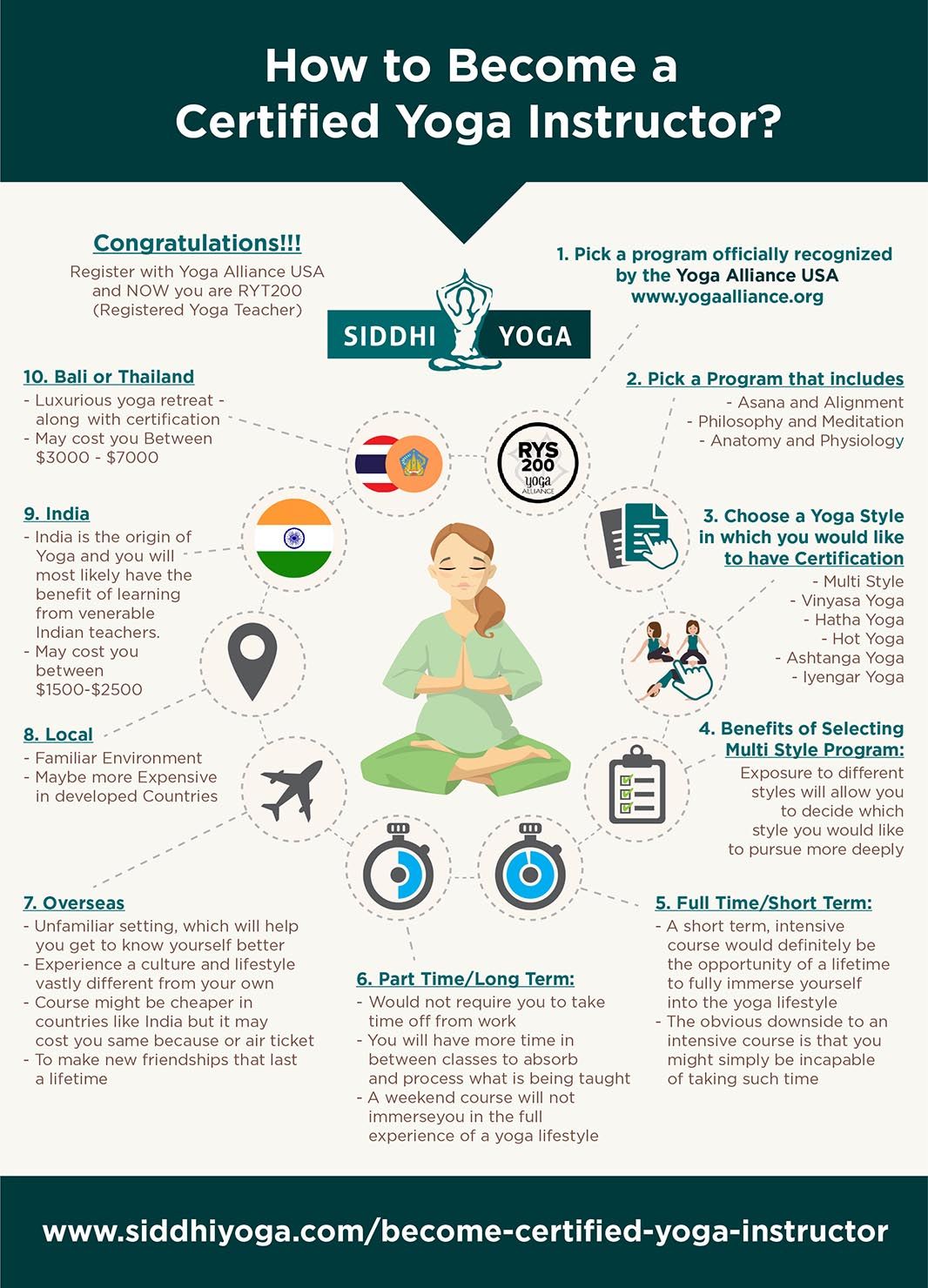
Image Source: www.siddhiyoga.com
What Yoga Therapy Is
Yoga therapy is not just a yoga class. It is a form of therapy. It uses yoga methods to help people facing health issues. These methods include poses, breathing, meditation, and guided relaxation. A yoga therapist works with clients to ease pain, reduce stress, and improve how their body works. They build plans just for one person’s needs.
Grasping the Scope of Practice
The yoga therapist scope of practice is wide but specific. Therapists work with conditions like back pain, anxiety, depression, heart problems, and chronic stress. They do not diagnose medical conditions. They work alongside doctors and other health pros. They teach clients tools to help themselves manage their conditions. It’s about giving power to the person getting help.
The Difference Between Yoga Teacher and Yoga Therapist
Many people wonder about the difference between yoga teacher and yoga therapist. Think of it this way:
* Yoga Teacher: Teaches yoga classes. Focuses on general health, fitness, or style of yoga (like Hatha or Vinyasa). Works with healthy people or groups. Training is usually 200-500 hours.
* Yoga Therapist: Works with people who have specific health problems. Creates one-on-one plans. Focuses on using yoga as a tool for healing and managing conditions. Training is much longer and more in-depth, often 800-1000+ hours. Requires a deeper knowledge of anatomy, physiology, and disease.
So, a yoga teacher helps healthy people stay healthy. A yoga therapist helps people with health problems feel better.
Why Choose This Path?
Becoming a yoga therapist is a big step. It takes time and effort. People choose this path for many reasons:
* Deep Desire to Help: You want to make a real difference in people’s lives, especially those dealing with pain or illness.
* Love for Yoga’s Healing Power: You have seen or felt how yoga can heal and want to share that with others in a focused way.
* Grow Your Skills: You want to learn more about the body, mind, and how yoga works on a deeper level than teaching classes.
* Work in Healthcare: You want to be part of the healthcare world, helping people alongside doctors and nurses.
It’s a path for those who feel called to use yoga in a therapeutic setting.
Getting Ready: The First Steps
Before you can start yoga therapy certification training, you usually need a strong base.
Build Your Yoga Practice
You should have a steady personal yoga practice. This means doing yoga regularly yourself. You need to know the poses, breathing methods, and ideas of yoga well. This helps you teach others from your own experience.
Finish Yoga Teacher Training
Most accredited yoga therapy programs require you to be a certified yoga teacher first. You usually need at least a 200-hour certification. This training gives you the basic skills to teach yoga. It covers poses, simple anatomy, and how to guide groups. It is the base you build upon.
Having finished teacher training shows you have a basic grasp of yoga methods. It is the first brick in the wall towards becoming a therapist.
Finding the Right Training
Choosing where to train is very important. You need a program that teaches you what you need to know to be a good therapist. Not all programs are the same.
Look for Accredited Yoga Therapy Programs
The main group that sets standards for yoga therapy training is the International Association of Yoga Therapists (IAYT). Finding accredited yoga therapy programs by the IAYT is key. An accredited program meets high standards for teaching, content, and teacher skills.
Why is accreditation important?
* It shows the program is good quality.
* It means the training covers all the needed topics.
* It is usually required for IAYT certification requirements.
Look for programs listed on the IAYT website. These are the reliable choices for getting certified.
Check Out Different Yoga Therapy Schools
Many yoga therapy schools offer training. They may have different ways of teaching or focus on certain areas (like mental health or physical issues).
When looking at schools:
* Check if they are IAYT accredited.
* Look at the teachers’ backgrounds. Do they have healthcare or therapy knowledge?
* See what the training covers (the curriculum). Does it match what you want to learn?
* Ask about the hands-on practice you will get.
* Think about the cost and location.
Visiting schools or talking to past students can help you decide.
The Training Process
Once you pick a program, the real work starts. Yoga therapy training is deep and takes a lot of time.
Figuring Out Yoga Therapy Training Duration
The yoga therapy training duration is much longer than teacher training. It usually takes between 800 and 1000+ hours of study and practice. This often takes 2 to 4 years to complete, especially if you study part-time while working.
This long period is needed because you learn much more than in basic teacher training. You learn about many health conditions and how to adapt yoga for them.
Deciphering the Therapeutic Yoga Curriculum
The therapeutic yoga curriculum in an accredited program is broad. It covers many topics needed to work with clients safely and well.
Here are some main areas you will study:
* Detailed Anatomy and Physiology: Going much deeper than teacher training. Learning how muscles, bones, organs, and systems work. How health problems affect the body.
* Pathology: Learning about common diseases and conditions. How they affect people.
* Psychology Basics: Understanding how the mind works, stress, trauma, and mental health issues.
* Adapting Yoga Methods: How to change poses, breathing, and meditation for different health needs and body types.
* Client Care Skills: How to talk with clients, listen well, ask the right questions, and build a plan for them.
* Specific Conditions: Learning how to use yoga for things like back pain, cancer, heart problems, anxiety, depression, chronic pain, etc.
* Ethics: How to be a good, responsible therapist. Keeping client information private.
* Business Skills: If you plan to work for yourself.
* Philosophy and History: How the deep ideas of yoga support therapy.
The clinical yoga therapy training part is very important. This is where you get real experience.
Getting Clinical Yoga Therapy Training
Clinical yoga therapy training is hands-on work with real clients. This is often done under the watch of a senior yoga therapist or healthcare pro. You might work with people in different settings like:
* Yoga therapy clinics
* Hospitals
* Rehab centers
* Private homes
* Online
This practical part lets you use what you learned in class. You learn to assess clients, create therapy plans, teach sessions, and see how people improve. It is where you build confidence and skill. Accredited programs require a set number of clinical hours.
Getting Your Yoga Therapy Certification
Finishing your training program is a huge step. The next step is getting certified. Getting certified by the IAYT is the main goal for many. This certification is called C-IAYT.
Meeting IAYT Certification Requirements
To get the C-IAYT certification, you must meet specific IAYT certification requirements:
1. Finish an IAYT-accredited program: This is the main requirement. Your training must come from a program that the IAYT has reviewed and approved.
2. Complete all program requirements: This includes all study hours, clinical hours, tests, and projects set by your school.
3. Have a certain number of hours of professional practice: After training, you need to work as a yoga therapist for a set number of hours (currently 200 hours of teaching therapeutic yoga to clients).
4. Apply to the IAYT: You submit your proof of training, hours, and pay a fee.
5. Pass a test: The IAYT may require a test to show you know the core skills and knowledge. (Note: requirements can change; always check the IAYT website for the latest details).
Meeting these IAYT certification requirements shows you have reached a high level of skill and knowledge. It tells clients, doctors, and employers that you are a qualified professional.
What Happens After Training?
You have your training and maybe your certification. Now, you need to use your skills.
The Yoga Therapist Scope of Practice Again
As a certified yoga therapist, you work within your yoga therapist scope of practice. You help clients manage specific health issues using yoga methods. You might work on:
* Reducing chronic pain (like back or neck pain)
* Helping people manage stress and anxiety
* Working with people recovering from injury or surgery
* Supporting those with chronic diseases (like diabetes or heart disease)
* Helping with mental health challenges (like depression or trauma)
You create private sessions or run small group programs for specific needs (like “yoga for healthy aging” or “yoga for cancer support”). You do not give medical advice or treatments that only doctors can give. You are part of the team helping the client.
Understanding Where Yoga Therapists Work
Yoga therapists can work in many places:
* Private Practice: Many start their own business. They may rent a space or see clients online or at their homes.
* Yoga Studios: Some studios hire therapists to offer private sessions or special small classes.
* Hospitals and Clinics: More and more hospitals and health centers are seeing the value of yoga therapy. They may hire therapists to work with patients.
* Rehab Centers: Working with people recovering from substance abuse or injuries.
* Mental Health Centers: Using yoga to help people with mental health issues.
* Corporate Wellness: Helping employees manage stress.
* Online: Offering sessions through video calls.
Career Paths and What to Expect
Becoming a yoga therapist opens doors to different career paths.
Interpreting Yoga Therapist Salary Expectations
What can you expect to earn? Yoga therapist salary expectations can vary a lot. They depend on:
* Where you live: Pay rates are different in different areas.
* Where you work: Hospitals or clinics might pay a set salary. Private practice income depends on how many clients you have and what you charge.
* Your experience: More experienced therapists can charge more.
* Your specialty: Having a focus area might help you get more clients.
* Certification: C-IAYT certification can help you get hired and attract clients.
In private practice, therapists often charge per session. Rates can range from $75 to $150 or more per hour. If working for a hospital or center, a salary might range from $40,000 to $70,000+ per year, depending on the role and location. These are just general ideas; actual earnings can be higher or lower.
Building a full-time career can take time. It is common to start part-time while working another job.
Different Settings, Different Roles
- Private Therapist: You manage your own business. You find clients, set prices, and handle everything. This offers freedom but requires business skills.
- Employee in Healthcare: You are part of a team. You get a steady paycheck but have less control over your schedule and how you work. This can be a great way to gain experience and work with specific patient groups.
- Specialized Programs: You might work for a center that focuses on one type of care, like a cancer support group or a pain management clinic.
Keeping Your Skills Sharp
Learning does not stop after you get certified.
Staying Current and Growing
To keep your yoga therapy certification (C-IAYT) active, you need to do more training each few years. This is called continuing education.
Why is this important?
* New Knowledge: Research in yoga therapy and healthcare is always changing. You need to stay updated.
* Learn New Skills: You can learn about new methods or how to work with different health issues.
* Improve Your Practice: Continuing education helps you become a better therapist.
* Meet IAYT Rules: It is needed to keep your certification valid.
This might mean taking workshops, online courses, reading research, or going to conferences. It shows you are serious about your work and helping clients well.
Summarizing the Path
Becoming a yoga therapist is a journey. It starts with loving yoga and wanting to help others. It moves through getting strong training and practical experience.
Here are the main steps again:
1. Have a strong personal yoga practice.
2. Get a basic yoga teacher certification (200 hours).
3. Find and finish an IAYT-accredited yoga therapy program (800-1000+ hours). This includes deep study and clinical yoga therapy training.
4. Meet IAYT certification requirements and get your C-IAYT.
5. Start working within the yoga therapist scope of practice, maybe building your own business or working for others.
6. Keep learning to renew your yoga therapy certification.
The yoga therapy training duration is long, but the skills you gain let you help people in deep ways. You learn a wide therapeutic yoga curriculum to work with many needs. You join a growing field that helps bring health and ease to those who need it most.
Choosing from the many yoga therapy schools is the first big step in the formal training process. Do your homework to find the right fit. The path requires hard work, but it can lead to a very fulfilling career helping others through the power of yoga. Your yoga therapist salary expectations might start modest, but the chance to help people is a great reward itself.
Frequently Asked Questions (FAQ)
Q: Do I need a 200-hour yoga teacher training before starting yoga therapy training?
A: Yes, almost all IAYT-accredited accredited yoga therapy programs require you to have completed a 200-hour yoga teacher training program or have similar training before you can enroll. This gives you the necessary basic teaching skills and understanding of yoga practices.
Q: How long does it take to become a certified yoga therapist?
A: The yoga therapy training duration is typically 800 to 1000+ hours. This usually takes between 2 and 4 years to complete, depending on if you study full-time or part-time. After training, you also need to get some professional experience before applying for IAYT certification.
Q: Is IAYT certification needed?
A: While you can practice without it, IAYT certification (C-IAYT) is the main standard in the field. Meeting the IAYT certification requirements shows you have met high standards of training and practice. Many employers or clients look for this certification. It gives you more trust and standing as a professional yoga therapist.
Q: What is the main difference between a yoga teacher and a yoga therapist?
A: The key difference between yoga teacher and yoga therapist is the focus. A yoga teacher teaches general yoga classes for fitness or well-being to healthy people. A yoga therapist works one-on-one or with small groups dealing with specific health problems. They create special plans using yoga tools to help manage conditions within their yoga therapist scope of practice.
Q: Where can I find IAYT-accredited yoga therapy programs?
A: You can find a list of accredited yoga therapy programs on the official website of the International Association of Yoga Therapists (IAYT). This is the best place to start your search for reputable yoga therapy schools.
Q: What kind of things will I learn in a yoga therapy program?
A: The therapeutic yoga curriculum is wide. You will study detailed anatomy and how the body works, common health problems, adapting yoga poses and breathing for different needs, how to work with clients, ethical rules, and much more. A big part is clinical yoga therapy training, where you work with real clients under guidance.
Q: Can yoga therapists work in hospitals?
A: Yes, more and more hospitals and healthcare centers are hiring yoga therapists or having them work with patients. Your yoga therapist salary expectations might be different in a hospital setting compared to private practice.
Q: What are the usual salary expectations for a yoga therapist?
A: Yoga therapist salary expectations vary widely based on location, experience, where you work (private practice vs. employee), and whether you are certified. Income can range from $40,000-$70,000+ yearly for employed positions, while private practice income depends on client load and rates, possibly ranging from $75-$150+ per session. Building a full income takes time.