
You ask, “How often should I do yoga?” or “How many times a week yoga is right for me?” The simple truth is, there’s no single perfect number for everyone. How often you should do yoga depends on many things, like what you want to achieve, how much time you have, how your body feels, and how new you are to yoga. Some people find daily yoga practice benefits their lives greatly, while others thrive on a solid weekly yoga routine. The key is finding your optimal yoga frequency that fits your life and helps you reach your goals, remembering that consistency yoga practice is often more important than doing it for long periods every single day.
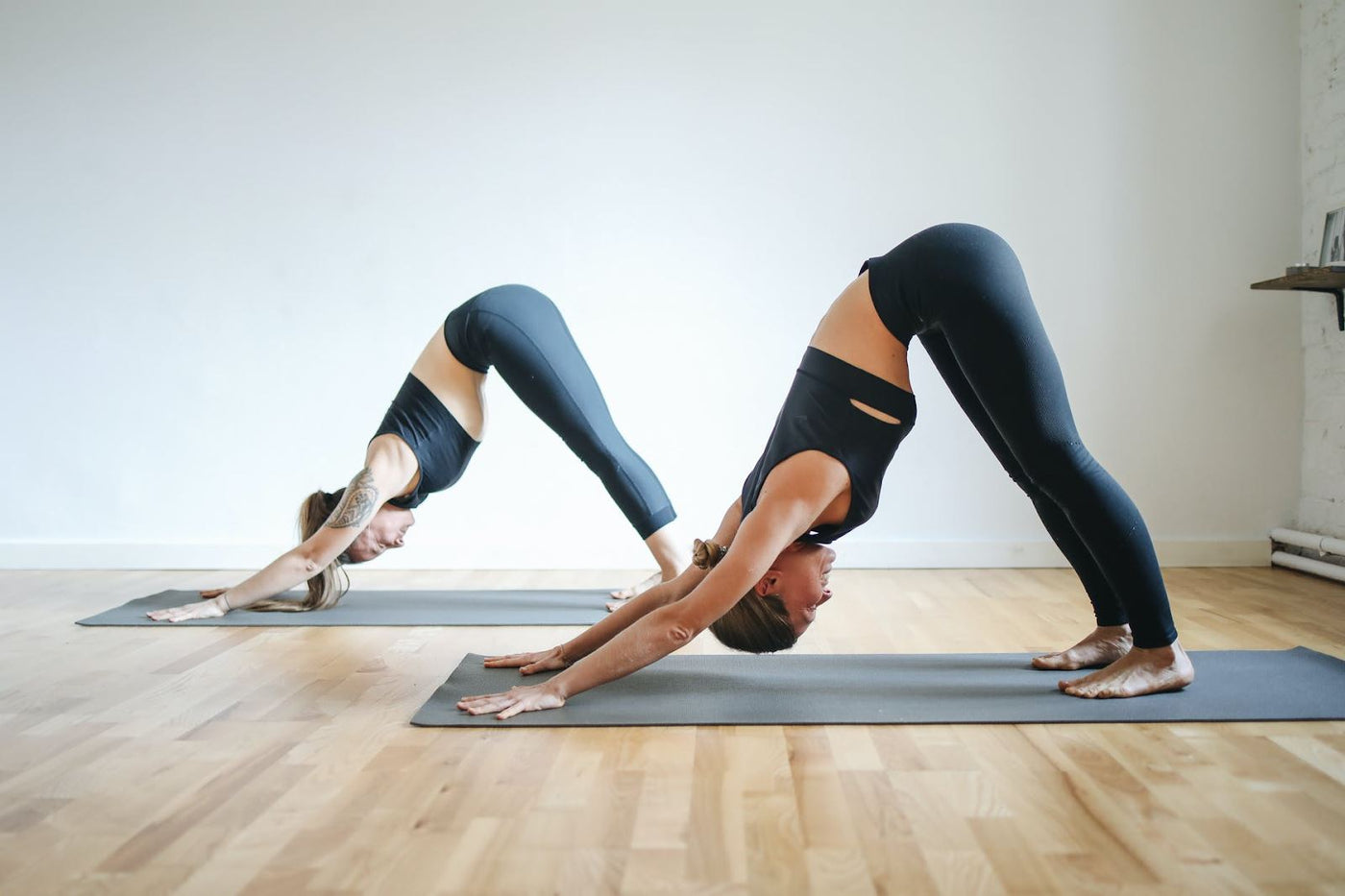
Image Source: www.yoga-society.com
Grasping Yoga Frequency
Figuring out how often to roll out your mat is a common question for people starting or continuing their yoga journey. Think about what you hope to get from yoga. Do you want to become very flexible? Get stronger? Feel less stressed? These goals can help guide your yoga frequency.
How often you practice affects the results you see. Doing yoga often can bring different benefits than doing it just a little. Let’s look at what different levels of yoga frequency might mean for you.
Why Consistency Matters More Than Quantity
When people think about exercise, they often think about doing it every day or for long hours. But with yoga, doing it regularly is often better than doing it rarely for a very long time. This idea is called consistency yoga practice.
- Building habits: Doing yoga even for a short time every day or several times a week helps make it a regular part of your life. It becomes a habit.
- Steady progress: Small, regular efforts build up over time. Think of watering a plant a little each day instead of dumping a lot of water on it once a month. The plant does better with regular care. Your body and mind are the same.
- Listening to your body: Practicing often helps you notice how your body feels on different days. You learn when to push a little and when to rest.
- Less stiffness: Regular movement helps keep your body from getting stiff. Even short sessions can help.
So, instead of aiming for very long or hard practices that you might only do once in a while, try to do yoga often, even if it’s for a short time.
Fathoming the Benefits of Daily Yoga Practice
Doing yoga every single day might seem like a lot. But for some people, a daily yoga practice brings wonderful benefits. These benefits can touch your body, mind, and feelings.
- More flexibility: Doing poses every day helps your muscles stretch and lengthen bit by bit. This leads to greater ease in movement.
- Increased strength: Many yoga poses build muscle strength. Practicing daily helps build this strength faster and keep it up.
- Better balance: Holding poses improves your balance over time. Daily practice makes this improvement happen more steadily.
- Less stress: Yoga helps calm the mind. Daily practice gives you a regular time to breathe deeply and let go of worries.
- More energy: Moving your body daily can actually make you feel more energetic over time.
- Improved sleep: Regular physical activity and stress relief from yoga can lead to better rest at night.
- Mindfulness: Daily practice helps you become more aware of your body and thoughts. This can help you feel more present in your daily life.
- Stronger mind-body link: You learn to understand what your body needs and how your thoughts affect you.
A daily practice doesn’t mean doing a hard 90-minute class every day. It could be a short 15 or 20-minute routine. The key is making it a daily habit.
When Daily Yoga Works Well
Daily yoga is great if:
* You have specific fitness goals, like touching your toes or holding a pose for a long time.
* You want to manage stress or anxiety daily.
* You enjoy the feeling of moving your body every day.
* You can fit even a short practice into your day.
* You want to build a strong habit quickly.
Remember, daily doesn’t always mean intense. It can mean gentle movements, stretching, or just focusing on breathing.
Designing a Weekly Yoga Routine
Maybe doing yoga daily doesn’t fit your life. That’s perfectly okay! A weekly yoga routine can still give you many benefits. Practicing a few times a week is a very common and effective way to do yoga.
How many times a week yoga should you do? For most people, 3 to 5 times a week is a great goal. This allows for regular practice while also giving your body time to rest and recover.
A weekly routine lets you mix different types of yoga or focus on different parts of your body on different days.
Here is an example of what a weekly yoga routine could look like:
| Day | Suggested Practice Type | Focus | Example Session Length |
|---|---|---|---|
| Monday | Gentle Flow | Warm-up, Flexibility | 30-45 minutes |
| Tuesday | Strength-focused Yoga | Building muscle, Balance | 45-60 minutes |
| Wednesday | Rest or Short Gentle | Recovery, Light movement | 10-15 minutes (optional) |
| Thursday | Hatha or Yin Yoga | Deeper stretches, Calmness | 45-60 minutes |
| Friday | Faster Flow (Vinyasa) | Energy, Movement | 30-45 minutes |
| Saturday | Longer practice or Try a new class | Explore, Deeper dive | 60-75 minutes |
| Sunday | Rest or Restorative Yoga | Relax, Heal | 30-45 minutes (optional) |
This is just an example. You can change it based on your time and goals. The main point is to schedule your yoga sessions like other important appointments.
Why a Weekly Schedule is Good
- Balance: It helps you fit yoga in with work, family, and other activities.
- Recovery: Your body gets time to rest and rebuild muscles.
- Variety: You can try different yoga styles or focus on different goals throughout the week.
- Sustainable: For many, this frequency is easier to keep up long-term than daily practice.
Even 2-3 times a week can make a big difference, especially if you are consistent.
Interpreting a Beginner Yoga Schedule
If you are just starting yoga, figuring out how often to practice can feel confusing. A beginner yoga schedule should focus on learning the basics safely and making yoga a pleasant experience.
- Start slow: Don’t feel like you need to do yoga every day right away. This can be too much for your body and mind when you are new.
- Aim for 2-3 times a week: This is a great goal for beginners. It gives you enough practice to learn poses and feel the benefits without overdoing it.
- Keep sessions shorter: Beginner yoga session length can be shorter, maybe 20-30 minutes. This helps you learn the poses correctly and build strength slowly.
- Listen carefully to your body: Pay attention to how you feel during and after practice. If something hurts, stop or change the pose.
- Find good instruction: Learning from a qualified teacher or a good beginner video is important to avoid injuries.
A sample beginner yoga schedule might look like this:
- Week 1-4: 2 times a week, 20-30 minutes each. Focus on basic poses and breathing.
- Week 5-8: 3 times a week, 30 minutes each. Start trying a few more poses as you feel comfortable.
- After 2 months: If you feel good, you can slowly increase the length of your sessions or add another day.
The most important thing for a beginner yoga schedule is to build a habit and enjoy the process. Don’t worry about being perfect. Just show up and do your best on that day.
Deciphering Optimal Yoga Frequency
What is the optimal yoga frequency for you? This isn’t a fixed number. It changes based on several things:
-
Your Goals:
- Flexibility: Yoga for flexibility frequency might be higher, focusing on gentle, long holds several times a week.
- Strength: Building strength might involve more challenging styles 3-4 times a week.
- Stress Relief: Even short, daily breathing and gentle movement can help manage stress.
- General Health/Well-being: 2-3 times a week of mixed practice is often enough.
-
Your Time: Be honest about how much time you can really set aside. A realistic schedule you stick to is better than an overly ambitious one you quickly drop.
-
Your Body’s Needs:
- Are you recovering from an injury? Talk to a doctor or physical therapist first. You might need very gentle, infrequent practice.
- Do you have health conditions? Some conditions might benefit from daily gentle movement, others might require more rest.
- Are you feeling tired or stressed? Sometimes rest is more important than forcing a practice.
-
Your Experience Level: Beginners should start slower than experienced practitioners.
-
Other Activities: Are you also running, lifting weights, or playing sports? Your yoga frequency needs to fit in with your other training and allow for rest.
There’s no magic number of how many times a week yoga you must do. Find what feels good and is sustainable for you.
Interpreting Yoga Session Length
How long should a yoga session be? Like frequency, it depends on many factors. Yoga session length can be anywhere from 5 minutes to 90 minutes or more.
- Short Sessions (5-20 minutes): These are great for daily practice, fitting yoga into a busy day, warming up before other activities, or a quick stretch break. Even 10 minutes of yoga can help you feel more centered and less stiff. This is perfect for consistency yoga practice when time is short.
- Medium Sessions (30-60 minutes): This is a common length for full classes or home practices. It allows time for warm-up, building heat and strength, deeper stretches, and a short rest period at the end. This is a good length for most weekly yoga routine sessions.
- Long Sessions (75+ minutes): These are often found in studio classes or workshops. They allow for a more in-depth exploration of poses, breathing techniques, and meditation. They are great for a less frequent, deeper dive into your practice.
Choosing the Right Length:
- If you are doing yoga daily, shorter sessions are often better to avoid burnout and allow for rest.
- If you are doing yoga 2-3 times a week, longer sessions (45-60 minutes) can be very effective.
- Listen to your energy levels. On days you have less energy, choose a shorter, gentler practice. On days you feel strong, you might try a longer or more challenging one.
It is better to do a consistent 15-minute practice most days than to aim for 90 minutes and only do it once in a while. The right yoga session length is one you can realistically commit to.
Comprehending Yoga for Flexibility Frequency
Many people come to yoga wanting to improve their flexibility. How often should you do yoga for flexibility?
Flexibility improves with consistent stretching that is held for a period of time. Doing poses that lengthen your muscles and connective tissues regularly is key.
- Aim for regular stretching: If flexibility is your main goal, practicing yoga 4-6 times a week can be very effective.
- Focus on specific poses: Include poses that target the areas you want to stretch, like hamstrings, hips, and shoulders.
- Consider Yin or Restorative Yoga: These styles often involve holding poses for longer times (3-5 minutes or more), which is very beneficial for increasing flexibility and getting deeper into the tissues. Doing these styles 1-2 times a week can significantly help flexibility.
- Gentle daily stretches help: Even a 10-15 minute daily routine focused on gentle stretches can help maintain and slowly improve flexibility.
Important points for flexibility:
* Warm up first: Always warm up your muscles before deep stretching to avoid injury. Gentle movements or a few sun salutations are good ways to start.
* Breathe into the stretch: Use your breath to help you relax into the pose.
* Don’t push too hard: Flexibility takes time. Listen to your body and stretch only to where you feel a good stretch, not pain. Pushing too much can cause injury.
* Mix it up: Combine active, flowing yoga (like Vinyasa) which also builds flexibility, with longer hold styles (like Yin).
Consistent, gentle stretching is the most effective way to improve flexibility through yoga.
Grasping the Need for Yoga Rest Days
Is it okay to skip a day? Should you take rest days from yoga? Yes! Yoga rest days are important, just like rest days from any other physical activity.
Rest days allow your body to recover, rebuild muscle tissue, and prevent overuse injuries. Even if your practice is gentle, your muscles and joints still need time to repair.
- Listen to your body: If you feel tired, sore, or just not up to practicing, take a rest day. Pushing through when your body needs rest can lead to injury or burnout.
- Active rest is an option: A rest day doesn’t always mean doing nothing. You might choose active rest, like a very gentle stroll, light stretching, or a short, restorative yoga session focused purely on relaxation and breathing.
- Schedule rest: You might plan for 1-2 rest days each week, especially if you are doing more intense or longer practices.
- Mental rest: Sometimes, you might need a mental break from your routine too. A rest day can provide that.
Ignoring the need for yoga rest days can be counterproductive. Rest helps your body get stronger and improves your overall well-being. It’s a key part of consistency yoga practice over the long term.
Expert Tips for Finding Your Yoga Rhythm
Finding the right yoga frequency is a personal journey. Here are some tips to help you find what works best for you:
- Start with a realistic goal: If you haven’t been doing much yoga, aim for 2-3 times a week first. Don’t try to go from zero to daily.
- Schedule it: Look at your week and decide exactly when you will do yoga. Write it down or put it in your phone calendar. Treat it like any other important appointment.
- Be flexible (off the mat!): Life happens. If you miss a planned session, don’t worry about it. Just get back on track with your next scheduled session. One missed day won’t ruin your progress.
- Mix up your practice: Doing the same thing every day can get boring and might lead to overuse of certain muscles. Try different styles, lengths, or focus areas (like flexibility one day, strength another).
- Listen to your body (again!): This is the most important tip. Your body will tell you what it needs. Some days you might need rest, other days a strong practice. Honoring your body prevents injury and makes yoga more enjoyable.
- Track your progress (optional): Some people find it helpful to write down when they practice and how they felt. This can help you see what frequency and type of practice are working for you.
- Connect with others: Practicing with a friend, joining a class, or being part of an online community can help you stay motivated and consistent.
- Remember why you started: Keep your goals in mind. This helps you stay motivated when it’s hard to get on the mat.
- It doesn’t have to be perfect: Your practice doesn’t need to look like pictures you see online. Show up as you are, do what you can, and know that’s enough.
Finding your optimal yoga frequency is about creating a sustainable practice that supports your well-being. It might take some trying different things to figure out what works best for you right now. And remember, what’s optimal for you today might change in the future.
Summarizing Yoga Frequency Considerations
Let’s put it all together. The question of how often should you do yoga doesn’t have one simple answer. It’s a balance based on what you want from yoga, how much time you have, and how your body feels.
- Yoga frequency: This is the number of times you practice within a certain period, usually a week.
- Daily yoga practice benefits: These include faster gains in flexibility and strength, better stress management, and a stronger mind-body connection, but require commitment and listening to your body to avoid burnout.
- Weekly yoga routine: Practicing 2-5 times a week is very common and effective, offering a good balance of practice and rest.
- Beginner yoga schedule: Start slow, maybe 2-3 times a week for 20-30 minutes, focusing on learning safely.
- How many times a week yoga: A good starting point for many is 3 times per week, adjusting based on goals and time.
- Optimal yoga frequency: This is the frequency that best supports your individual goals, fits your life, and feels good for your body. It’s unique to you.
- Yoga rest days: Important for recovery and preventing injury. Listen to your body and take rest when needed.
- Consistency yoga practice: Doing yoga regularly, even in short sessions, is often more beneficial than infrequent long sessions.
- Yoga session length: Can range from 5 minutes to over an hour. Shorter sessions are great for daily practice or busy days; longer sessions allow for deeper exploration.
- Yoga for flexibility frequency: Benefits from regular practice, potentially 4-6 times a week, including poses held for longer times (like in Yin yoga).
No matter if you choose to practice daily, a few times a week, or even just once a week, the most important thing is that you are doing it at all. Yoga is a powerful tool for well-being, and any amount of consistent practice will bring positive changes to your life. Find your rhythm, listen to your body, and enjoy the journey.
Frequently Asked Questions (FAQ)
h3 Is doing yoga every day bad?
h4 Can I really do yoga daily?
h5 Are there risks to daily practice?
Doing yoga every day is not bad for everyone. For many, daily practice brings great benefits. However, it’s important to listen to your body. If you do very intense yoga daily without rest, you could risk injury or burnout. Daily practice is often best when you mix different types of yoga or keep some sessions gentle. Make sure to get enough rest overall.
h3 How many days a week should a beginner do yoga?
h4 What is a good starting point for new students?
A good starting point for a beginner is often 2 to 3 times per week. This allows you to start learning the poses and build strength and flexibility without overdoing it. It also helps you create a regular habit. You can increase the frequency as you feel stronger and more comfortable.
h3 Is 3 times a week enough yoga?
h4 What can I achieve with yoga 3 days a week?
Yes, 3 times a week is absolutely enough yoga for many people to see and feel great benefits. Practicing 3 times a week consistently can significantly improve flexibility, strength, balance, and reduce stress. It’s a realistic goal for many busy lives and provides a good balance with rest days.
h3 Is doing yoga once a week enough?
h4 Will one yoga session a week make a difference?
Doing yoga once a week is definitely better than not doing it at all! While you might see slower progress compared to practicing more often, one session a week can still help with stress relief, some flexibility, and body awareness. If once a week is what you can do, make the most of that session and focus on being present.
h3 How long should a yoga session be?
h4 What is a good duration for practicing yoga?
Yoga session length can vary a lot. It can be as short as 10-15 minutes for a quick stretch or breathing exercise. Many full classes are 45-60 minutes. Longer workshops or intensive practices can be 90 minutes or more. The best length is one you can consistently fit into your schedule and that makes you feel good afterward. Even short practices done often are very effective.
h3 How often should I do yoga for flexibility?
h4 What is the best yoga frequency for becoming more flexible?
If flexibility is your main goal, practicing yoga more often, maybe 4-6 times a week, can help speed up progress. Include practices that focus on holding stretches longer, like Yin or Restorative yoga, along with more active styles. Remember to warm up and listen to your body to avoid injury.
h3 Do I need yoga rest days?
h4 Can I skip yoga sometimes?
Yes, yoga rest days are important. They allow your muscles to recover and prevent feeling burned out. Listening to your body is key. If you feel tired or sore, taking a day off or doing a very gentle practice is wise. Rest is part of getting stronger and maintaining a long-term practice.