
How hot is a hot yoga room? It’s usually quite warm, typically falling within a range of 90°F to 105°F (about 32°C to 40°C). However, the exact heat level depends on the style of hot yoga you are doing. For instance, a traditional Bikram yoga room temperature is set much higher, aiming for 105°F (40.5°C) with 40% humidity. Different studios and styles will have their own typical hot yoga class temperature, but they are all designed to make you sweat and work your body in a unique way.
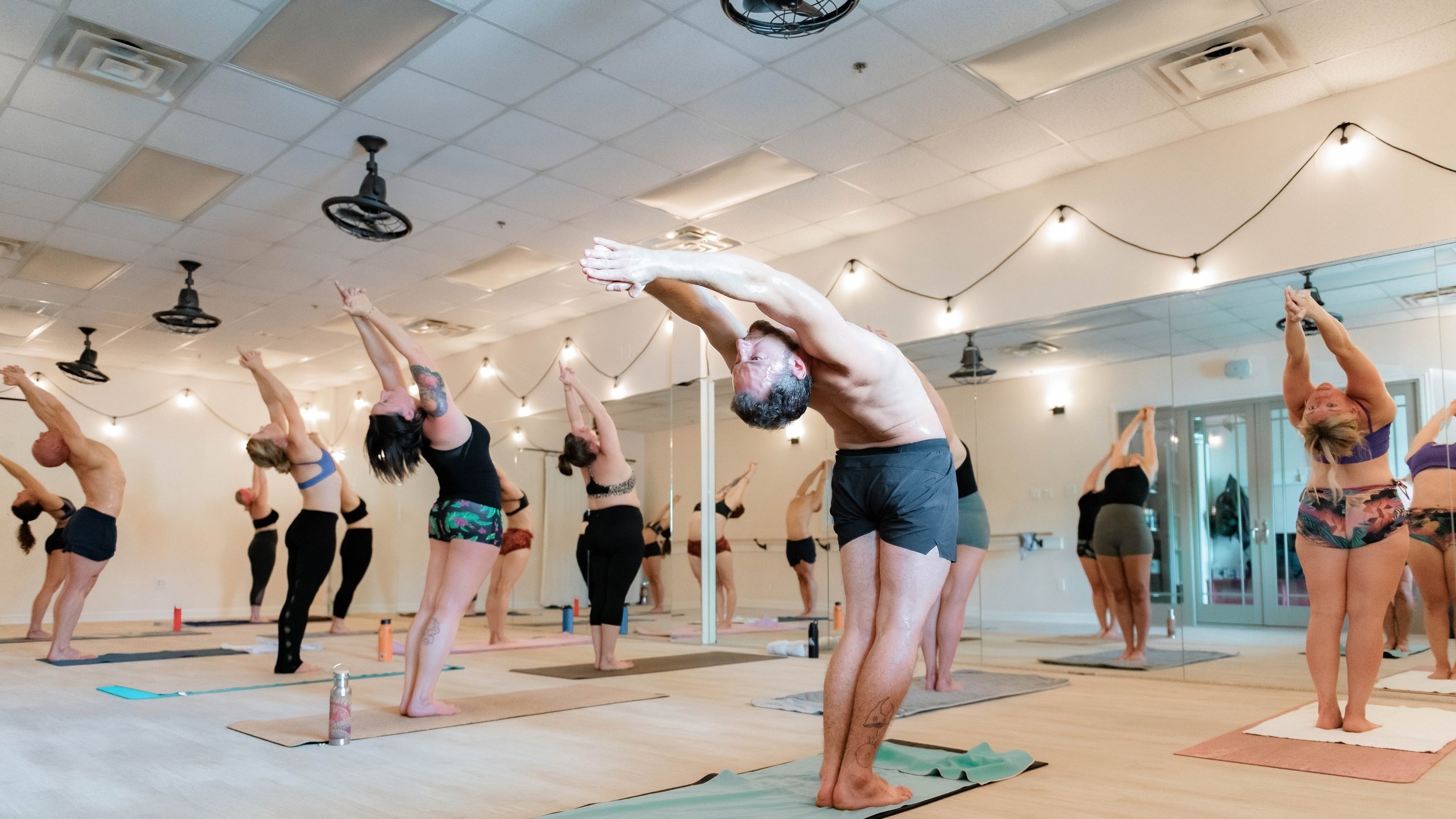
Image Source: images.squarespace-cdn.com
What is Hot Yoga?
Hot yoga is simply yoga practiced in a room that is heated above normal room temperature. It’s not just one type of yoga. Many different styles, like Vinyasa or Power Yoga, can be done in a hot room. The heat is added on purpose to change the experience and offer different benefits compared to doing yoga in a cool room. People do hot yoga for many reasons, from becoming more flexible to sweating a lot.
How Hot Do Rooms Get?
The temperature in a hot yoga studio is a key part of the practice. But it’s not the same everywhere. Think of it like different kinds of ovens; they all heat things up, but they use different temperatures for different results.
Bikram’s Specific Heat
One of the most well-known types of hot yoga is Bikram yoga. It follows a very strict plan. This plan includes doing 26 specific poses and 2 breathing exercises in a room heated to a precise temperature.
- Bikram yoga room temperature: The rule is 105°F (40.5°C).
- Humidity: On top of the heat, the air needs to have 40% humidity. This means there’s a good amount of water vapor in the air.
- Why so specific? The founder, Bikram Choudhury, said this temperature and humidity level are needed to warm the muscles properly and help the body detox through sweat. So, if you ask how hot is Bikram yoga, the answer is very specific: 105°F and 40% humidity. This high heat is a major part of the experience.
Other Hot Yoga Styles
Most hot yoga studios don’t follow the strict Bikram rules. They offer styles like Hot Vinyasa, Hot Power Yoga, or other flow-based classes. These studios have more freedom with their heating.
- Typical hot yoga class temperature: This often ranges from 90°F to 105°F (32°C to 40°C).
- Average hot yoga studio temperature: Most studios aim for somewhere in the middle of this range, perhaps 95°F to 100°F (35°C to 38°C).
- Hot yoga temperature range: So, the general range is quite broad, usually between 90°F and 105°F. Some studios might go slightly lower or higher, but this is the common area. The exact temperature can depend on the style of class, the teacher’s preference, and even the studio’s equipment. A faster, more active flow class might be slightly cooler than a slower, holding-pose class, though this isn’t a hard rule.
Here’s a simple look at temperature ranges:
| Yoga Style | Temperature Range | Notes |
|---|---|---|
| Bikram Yoga | Exactly 105°F (40.5°C) | Also requires 40% humidity, 26 poses. |
| Hot Vinyasa/Flow | Around 90°F to 100°F (32°C to 38°C) | Varies by studio, faster pace usually. |
| Hot Power Yoga | Around 95°F to 105°F (35°C to 40°C) | Can be on the hotter side, intense workout. |
| Other Hot Yoga | Around 90°F to 105°F (32°C to 40°C) | General range for studios not doing Bikram. |
So, the hot yoga temperature range is not fixed. It changes based on the style. But no matter the exact number, it’s always warm enough to make you sweat quite a bit!
Why the Heat Matters
People often ask, why is hot yoga so hot? It’s not just to make you uncomfortable or make you sweat more for no reason. The heat plays a big role in the practice.
Helping Muscles Move Freely
One main reason for the heat is how it affects your muscles. Warm muscles are more stretchy and flexible than cold muscles.
- The heat helps your muscles and connective tissues become more pliable. This means they can stretch more easily.
- With warmer muscles, you might find you can go deeper into yoga poses. This can help you improve your flexibility over time.
- Stretching warm muscles can also help reduce the risk of injuries like pulled muscles. Think of it like warming up before any sport; the heat in the room is a constant warm-up.
Sweating for Your Body
Sweating is a big part of hot yoga. People often feel like they are “detoxing” when they sweat a lot.
- Sweating is your body’s natural way to cool down. In a hot room, your body works harder to stay cool, and this makes you sweat more.
- Sweat is mostly water and salts. While science debates how much toxins you truly sweat out, many people feel like they are cleansing their body through sweating. It can feel refreshing and purifying.
- Sweating also helps open up your pores, which some people feel is good for their skin.
Focusing Your Mind
The heat can also help you focus. When you are in a very warm room, you have to pay attention to how your body feels.
- The challenging environment requires you to be present in the moment. It’s harder to let your mind wander to your to-do list when you are focused on your breath and how you feel in the heat.
- This forced focus can help build mental discipline and concentration. It teaches you to stay calm and centered even when things are difficult.
- Over time, this mental strength can help you both on and off the yoga mat.
A Good Workout for Your Heart
Being in a heated room makes your body work harder. Your heart rate goes up as your body tries to cool itself down and keep blood flowing to your muscles.
- This can turn a yoga class into a more intense cardio workout.
- A higher heart rate means your heart is getting stronger.
- Improved blood flow helps deliver oxygen to your muscles and organs.
So, why is hot yoga so hot? It’s a mix of things: to make muscles more flexible, encourage sweating, build mental focus, and give your body a stronger workout.
More Than Just Heat: Humidity’s Role
When talking about hot yoga room conditions, it’s not just the temperature that matters. The amount of water in the air, called humidity, is also very important.
What Humidity Does
Imagine a hot, dry desert compared to a hot, steamy jungle. Both are hot, but they feel very different because of humidity.
- Humidity affects how well your body can cool itself through sweating. When the air is very humid, your sweat doesn’t evaporate as easily. Evaporating sweat is how your body cools down.
- In hot yoga, some humidity is needed. If the air is too dry, your nose and throat can feel dry, and the heat can feel harsh and less comfortable.
- If the humidity is too high, the room can feel thick and heavy. Your sweat won’t evaporate, and you might feel like you’re overheating.
Finding the Right Balance
Different hot yoga styles handle humidity differently.
- Bikram yoga: As mentioned, this style strictly requires 40% humidity. This specific level is meant to help with sweating while still allowing some evaporation for cooling. It makes the air feel moist but not overly heavy.
- Other styles: Many other hot yoga studios also use humidifiers. They might not have a fixed percentage rule like Bikram. They aim for a level that makes the heat feel more comfortable and less drying. Often, they aim for a balance where you sweat a lot, but the air doesn’t feel completely stifling.
Good hot yoga room conditions mean controlling both temperature and humidity. The right mix helps create the intended environment for the practice. It makes the air feel right for stretching and sweating without being too dry or too heavy.
What Are the Good Things About Heated Yoga?
People choose hot yoga for many reasons. The combination of heat, humidity, and yoga poses offers several possible benefits of heated yoga.
Getting More Flexible
This is one of the most talked-about benefits.
- The warmth helps your muscles, tendons, and ligaments relax.
- With relaxed tissues, you can stretch further and hold poses longer, increasing your range of motion over time.
- This added flexibility can help you move more freely in your daily life.
Sweating it Out
Feeling like you’ve had a deep cleanse is a common benefit people talk about.
- Sweating intensely can feel like you are releasing toxins or impurities from your body. While the scientific proof of “detoxing” through sweat is limited, the feeling of it is real for many.
- It can leave you feeling refreshed and clean after class.
- Sweating also helps your body regulate its temperature, which is a good bodily function.
Boosting Your Circulation
Working out in the heat makes your heart pump faster.
- This improves blood flow throughout your body.
- Better circulation means more oxygen and nutrients get to your muscles and organs.
- It can help reduce blood pressure and improve your cardiovascular health over time.
Building Mental Strength
The heat adds an extra challenge. Facing this challenge on your mat can build mental toughness.
- It teaches you to stay calm and focus when things are hard.
- You learn to breathe through discomfort.
- This practice of staying present and calm can help you handle stress and tough situations in your life outside the studio.
Maybe Helping with Weight Management
While not a magic fix, hot yoga can be part of a healthy lifestyle for weight management.
- The high heat means your body burns more calories trying to cool itself down.
- It’s a good workout that builds muscle (which burns more calories than fat) and increases your heart rate.
- It can also help reduce stress, which is sometimes linked to weight gain.
Helping Soothe Muscles
For some people, the heat feels good on sore or stiff muscles.
- It can help ease tension and discomfort.
- It might help muscles recover faster after other types of exercise.
These are some of the potential benefits of heated yoga that draw people to practice in a warm room.
Staying Safe in the Heat
While hot yoga has many benefits, it’s very important to practice safely. The heat adds stress to your body, so you need to be careful. Knowing a safe hot yoga temperature and how your body reacts is key.
Drink Plenty of Water
This is perhaps the most important safety tip. You will sweat a lot, and your body loses vital fluids and electrolytes.
- Drink water before class. Don’t just chug right before, hydrate throughout the day.
- Bring a large water bottle into the room with you. Sip water during class, especially between poses.
- Drink water after class to replace what you lost.
- Consider adding electrolytes (like in sports drinks or powders) if you sweat very heavily or practice often, but water is the main thing.
Listen to Your Body
Your body will give you signals. Pay close attention to them.
- If you feel dizzy, lightheaded, very nauseous, or get a severe headache, these are signs of heat stress.
- It’s okay, and necessary, to take a break. Lie down on your mat, rest, and breathe. Don’t feel pressured to keep up with others.
- Know your limits. The goal is not to push yourself to the point of feeling sick. It’s about working with your body in the heat.
- The safe hot yoga temperature range exists, but what’s safe for you on any given day can vary based on how hydrated you are, how you slept, and how you feel.
Don’t Push Too Hard, Especially at First
Hot yoga is challenging. It takes time for your body to get used to the heat.
- If it’s your first class, focus on staying in the room and getting used to the heat. Don’t worry about doing every pose perfectly or going as deep as the person next to you.
- Modify poses if needed. Child’s pose is always an option.
- It’s okay to leave the room if you need to cool down, though many traditional studios encourage you to stay to build mental discipline. If you feel truly unwell, stepping out is the right choice for your safety.
Know When Not to Practice
Some health conditions make hot yoga risky.
- If you are pregnant, talk to your doctor before doing hot yoga.
- If you have heart problems, high or low blood pressure issues, diabetes, or a history of heatstroke, talk to your doctor first.
- Don’t do hot yoga if you are sick, especially with a fever. Your body is already stressed.
- Avoid alcohol or heavy meals right before class.
Practicing in a safe hot yoga temperature means being prepared, staying hydrated, listening to your body, and knowing when it’s not the right time for a heated class. The heat is a tool to enhance the practice, not something to fight against or ignore safety signals for.
Deciphering What a Hot Room Feels Like
Walking into a hot yoga studio is a unique feeling. It’s important to have realistic expectations for the hot yoga room conditions.
- Initial Blast: The first thing you feel is the wave of warmth, sometimes even heat. If the humidity is high, it might feel thick or heavy right away.
- Getting Used to It: After a few minutes, your body starts to adjust. You’ll start to sweat.
- Sweat City: Be prepared to sweat a lot. Like, a lot. Sweat will drip. It will get in your eyes. This is normal! Bring a towel, maybe even two. A non-slip mat or mat towel is essential because your hands and feet will get slippery.
- The Air: Depending on the humidity (ideal hot yoga humidity ranges, remember?), the air will feel different. 40% humidity feels warm and moist but usually okay. Very high humidity can feel like being in a steam room, which can be more challenging for some people. Very low humidity can feel dry and might make your throat scratchy.
- Feeling of Warmth: The heat sinks into your muscles. This contributes to that feeling of being more able to stretch.
- The Challenge: Beyond the physical poses, managing your comfort and breath in the heat is the mental challenge. It requires focus and acceptance.
Understanding the hot yoga room conditions before you go can help you prepare and feel more comfortable with the experience.
Summing It Up
Hot yoga rooms are designed to be warm, typically between 90°F and 105°F. This hot yoga temperature range varies by style, with Bikram yoga having a strict requirement of 105°F and 40% humidity (how hot is Bikram yoga? Very precise!). The average hot yoga studio temperature for other styles usually falls between 90°F and 105°F.
The heat and carefully managed humidity (ideal hot yoga humidity) are part of the hot yoga room conditions that help make muscles more flexible, encourage sweating for a feeling of cleansing, build mental focus, and provide a good workout. These are some of the key benefits of heated yoga.
While the heat offers unique advantages, practicing safely in a safe hot yoga temperature is most important. This means staying very hydrated, listening carefully to your body’s signals, and not pushing yourself too hard, especially when you are new. The challenging temperature is part of the practice, but your well-being always comes first. Knowing what to expect regarding the typical hot yoga class temperature and room feel can help you have a positive experience.
Frequently Asked Questions
h4> Is hot yoga safe for everyone?
No, it’s not safe for everyone. People with certain health conditions like heart issues, very high or low blood pressure, diabetes, or those who are pregnant should talk to a doctor before trying it. If you feel sick, skip class. Always listen to your body. A safe hot yoga temperature still requires your attention and care.
h4> Do I need special gear for hot yoga?
Yes, kind of. You don’t need fancy clothes, but you will need things to manage sweat and not slip.
* Mat: A standard yoga mat is fine, but it can get slippery.
* Mat Towel: A towel specifically designed to lay over your mat is very helpful to absorb sweat and give you grip.
* Towel: Bring at least one towel just for wiping off sweat.
* Water Bottle: A big one!
* Clothing: Wear clothes you are comfortable sweating in, like moisture-wicking fabrics. Less is often more, but wear what makes you feel okay.
h4> What if I feel dizzy or sick during class?
This can happen, especially when you are new or not well hydrated. If you feel dizzy, lightheaded, or sick:
* Stop doing the poses.
* Carefully lie down on your mat. Rest. Breathe deeply.
* If needed, leave the room slowly to cool down.
* Tell the teacher how you feel after class. Don’t push through strong feelings of sickness. Your safety is the priority.
h4> Does the humidity level really matter?
Yes, it does. Humidity impacts how you feel in the heat and how well your body cools down. The ideal hot yoga humidity makes the air feel warm and moist, helping muscles and promoting sweat without making the air too heavy or too dry. Good hot yoga room conditions manage both heat and humidity.
h4> How long does a hot yoga class usually last?
Most hot yoga classes, including Bikram, last about 60 or 90 minutes. Bikram yoga is always 90 minutes following the set sequence. Other hot yoga styles can vary between 60 and 90 minutes depending on the studio schedule.