
How many calories you burn doing yoga depends on many things. It changes based on the style of yoga, how hard you work, how long you do it, and your own body weight. For example, active styles like Vinyasa or Bikram yoga burn more calories than gentle Hatha or Restorative yoga. A bigger person will also burn more calories doing the same pose as a smaller person. This article will look at how to figure out how many calories you use in your yoga practice.
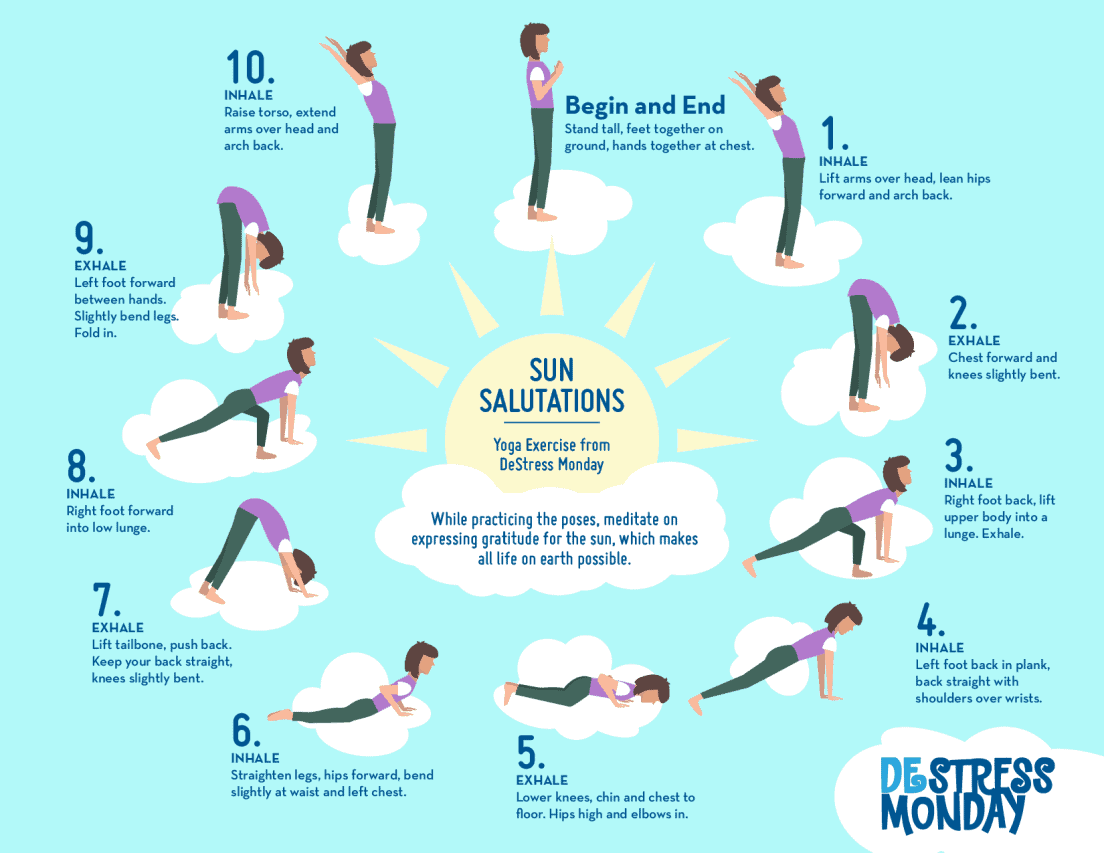
Image Source: shunyaapp.com
Figuring Out Your Yoga Calorie Burn
Knowing how many calories you burn can help if you are using yoga for weight loss calories. But it is not a simple, fixed number. Many things play a part in this number.
What Affects How Many Calories You Burn?
Think of this like a recipe. Change the ingredients, and the result is different. Here are the main things that change your yoga calorie burn:
- Your Body Weight: People who weigh more use more energy to do the same movement. This means they burn more calories.
- The Style of Yoga: Different yoga styles have different speeds and movements. This makes a big difference in how many calories you use. Gentle yoga burns less than fast-paced or heated yoga.
- How Hard You Work (Intensity): How much effort you put in matters. Holding poses longer, moving faster, or doing harder poses burns more energy. This is the yoga intensity calorie expenditure.
- How Long You Practice: Doing yoga for a longer time means you burn more calories overall. A 90-minute class burns more than a 30-minute class. This is the duration of yoga calorie burn.
- Your Experience Level: If you are new to yoga, you might use more energy just figuring out poses. As you get better, your body becomes more efficient. But advanced poses can also be very challenging and burn a lot.
Calories Burned in Different Yoga Styles
Not all yoga is the same for burning calories. Let’s look at some popular styles and see how many calories you might burn. Remember, these are just estimates. The actual number for you can be different. These numbers are usually based on calories burned per hour yoga.
Hatha Yoga Calories Burned
Hatha yoga is often a slower style. It focuses on basic poses and holding them for a few breaths. It is good for beginners. Because it is slow, it burns fewer calories than more active types.
- Estimate: A person weighing 150 pounds might burn about 180-200 calories in one hour of Hatha yoga.
- Why: Poses are held longer, but there is less movement between poses. The pace is calm and steady.
Vinyasa Yoga Calories Burned
Vinyasa yoga links breath to movement. You flow from one pose to the next. This style is more active and can be quite fast. This flow makes it a better calorie burner.
- Estimate: A person weighing 150 pounds might burn about 300-450 calories in one hour of Vinyasa yoga.
- Why: The constant movement, sun salutations, and quick transitions raise your heart rate more than slower styles.
Bikram Yoga Calories Burned
Bikram yoga is done in a very hot room (usually 105°F or 40°C) with 40% humidity. It follows a fixed series of 26 poses and 2 breathing exercises. The heat makes it feel harder and your body uses more energy to stay cool.
- Estimate: A person weighing 150 pounds might burn about 400-600 calories in one hour of Bikram yoga. Some sources say even more.
- Why: The heat forces your body to work harder. The fixed sequence is challenging. But be careful, some of the “burn” might be from your body working to cool down, not just the poses.
Other Yoga Styles and Their Burn
- Ashtanga Yoga: This is a physically demanding style with a set series of poses. It is often fast-paced and continuous. It burns a lot of calories, similar to high-end Vinyasa or even more, perhaps 400-550+ calories per hour for a 150-pound person.
- Power Yoga: Like Vinyasa, this is an active and strong style. It focuses on strength and flexibility. It burns a lot of calories, much like Vinyasa, maybe 350-500+ per hour.
- Kundalini Yoga: This style includes poses, breathing, chanting, and meditation. The physical part can vary in intensity. The calorie burn might be similar to Hatha or a bit more, maybe 200-350 calories per hour depending on the class.
- Restorative Yoga: This style uses props like blankets and bolsters to support the body in gentle stretches. It focuses on relaxation and healing. It burns very few calories, perhaps 50-100 calories per hour, similar to resting quietly.
- Yin Yoga: This style involves holding poses for long periods (3-5 minutes or more), focusing on deep stretches in connective tissues. It is slow and calm. The calorie burn is low, like Restorative or gentle Hatha, maybe 100-150 calories per hour.
Here is a simple table summarizing calorie estimates for a 150-pound person per hour:
| Yoga Style | Estimated Calories Burned (per hour) | Notes |
|---|---|---|
| Restorative | 50-100 | Very slow, focus on relaxation |
| Yin Yoga | 100-150 | Slow, long holds, deep stretch |
| Hatha Yoga | 180-200 | Basic poses, slower pace |
| Kundalini Yoga | 200-350 | Varies with class, includes other parts |
| Vinyasa Yoga | 300-450 | Flowing, movement-based |
| Power Yoga | 350-500+ | Active, strength-focused |
| Ashtanga Yoga | 400-550+ | Fixed series, often fast-paced |
| Bikram Yoga | 400-600+ | Hot room, fixed sequence |
Remember, these are just averages. Your actual burn will differ.
Deciphering METs: How Your Body Uses Energy
Scientists have a way to measure how much energy your body uses during different activities. It is called METs, short for Metabolic Equivalents. The METs value for yoga helps figure out how many calories you burn.
What is a MET?
- One MET is the energy your body uses when you are sitting still, doing nothing. It is your resting state.
- An activity with a MET value of 3 means you are using 3 times the energy you would use sitting still.
- An activity with a MET value of 6 means you are using 6 times the energy you would use sitting still.
So, higher METs mean you are burning more calories per minute.
METs Value for Yoga
Different types of yoga have different MET values because they need different amounts of energy.
- Hatha Yoga (Gentle/Moderate): The METs value for Hatha yoga is often around 2.5 to 3.0. This means you use about 2.5 to 3 times the energy of sitting still.
- Vinyasa/Power/Ashtanga Yoga (Vigorous): More active yoga styles have higher METs values, often around 4.0 to 5.0 or even higher for very intense practices. This means you use 4 to 5 times the energy of sitting still.
- Bikram Yoga (Hot Yoga): Because of the heat, the METs value for Bikram yoga can be higher than other vigorous styles, maybe 5.0 to 6.0 or more. Again, some of this is due to the body working against the heat.
- Restorative/Yin Yoga (Very Light): These very gentle styles have low METs values, maybe around 1.5 to 2.0. Close to sitting but slightly more.
Grasping How to Figure Out Your Calories
Knowing the MET value helps you learn how to calculate yoga calories for yourself. Here is a simple way to do it:
The Simple Formula
You can estimate calories burned using this formula:
Calories burned per minute = (METs value) × (Your body weight in kilograms) × 3.5 / 200
- METs value: Use the number for the style of yoga you did (e.g., 3.0 for Hatha, 5.0 for Vinyasa).
- Your body weight in kilograms: If you know your weight in pounds, divide it by 2.2 to get kilograms (e.g., 150 pounds / 2.2 = about 68 kg).
- 3.5: This is a constant number used in this formula.
- 200: This is also a constant number.
Once you have calories burned per minute, multiply it by the number of minutes you did yoga for the duration of yoga calorie burn.
Example Calculation
Let’s say you weigh 150 pounds (about 68 kg) and did one hour (60 minutes) of Vinyasa yoga with a METs value of 5.0.
- Calories burned per minute = (5.0) × (68 kg) × 3.5 / 200
- Calories burned per minute = (340) × 3.5 / 200
- Calories burned per minute = 1190 / 200
- Calories burned per minute = 5.95
Now, multiply by the time you practiced:
- Total calories burned = 5.95 calories per minute × 60 minutes
- Total calories burned = 357 calories
This number is close to the estimate we gave earlier for Vinyasa yoga calories burned for a 150-pound person. This shows how to calculate yoga calories using METs.
Using a Yoga Calorie Burn Calculator
Calculating calories by hand using the METs formula is one way. Another easier way is to use a yoga calorie burn calculator.
What is a Yoga Calorie Burn Calculator?
A yoga calorie burn calculator is an online tool or app. You usually type in:
- Your body weight
- The style of yoga you did
- How long you did it for (duration of yoga calorie burn)
The calculator uses built-in METs values for different activities and your weight to give you an estimate of calories burned.
How They Help
- Quick and Easy: You get a number fast without doing math.
- Estimate: They provide a good idea of your calorie burn.
- Comparison: You can compare the burn from different yoga styles or other activities.
Remember that these calculators still give estimates. They cannot know exactly how hard you were working in that specific class. But they are useful tools for tracking your activity and understanding your yoga calorie expenditure.
Comparing Yoga Calorie Burn to Other Activities
How does the calorie burn from yoga stack up against other common ways to exercise?
- Walking (moderate pace): A 150-pound person might burn about 250-300 calories per hour. Hatha yoga is similar, while Vinyasa/Power/Bikram burn more.
- Jogging (moderate pace): A 150-pound person might burn about 500-600 calories per hour. This is often more than most yoga styles, except maybe very intense Bikram or Ashtanga.
- Cycling (moderate pace): A 150-pound person might burn about 400-500 calories per hour. This is similar to active yoga styles.
- Weightlifting (general): A 150-pound person might burn about 300-400 calories per hour. This is comparable to Vinyasa or Power yoga.
This comparison shows that while gentle yoga is a mild activity for calorie burning, more dynamic styles burn a similar amount to moderate cardio or strength training. This is important when thinking about yoga for weight loss calories.
Yoga for Weight Loss: More Than Just Calorie Burning
Many people practice yoga for weight loss calories. While burning calories is key for weight loss, yoga helps in other ways too. Just counting calories burned per hour yoga might not show the full picture.
Burning Calories
Yes, active yoga styles do burn a good number of calories. Doing Vinyasa or Power yoga a few times a week can add up. If you burn more calories than you eat, you will lose weight. So, the yoga intensity calorie expenditure definitely helps.
Building Muscle
Yoga builds strength. Holding poses like Warrior II, Plank, or Chaturanga works your muscles. Muscles burn more calories at rest than fat does. So, building muscle through yoga can help your body burn more calories even when you are not moving.
Reducing Stress
Stress can make it hard to lose weight. High levels of the stress hormone cortisol can cause your body to store fat, especially around the belly. Yoga is great for reducing stress. The focus on breath and mindfulness calms the nervous system. This can help lower cortisol and make weight loss easier. This is a big benefit of yoga for weight loss calories that calculators don’t show.
Improving Sleep
Good sleep is important for healthy weight. Lack of sleep can mess up hormones that control hunger and fullness, leading to overeating. Yoga can help you sleep better. This supports weight loss goals.
Becoming More Mindful
Yoga teaches you to be more aware of your body and mind. This mindfulness can extend to how and what you eat. You might become more aware of hunger and fullness signals. You might make healthier food choices without even trying hard. This mindful eating is a powerful tool for weight loss.
So, while figuring out how many calories you burn is useful for yoga for weight loss calories, remember that yoga helps you lose weight and get healthy in many other important ways.
Maximizing Your Yoga Calorie Expenditure
If you want to burn more calories in your yoga practice, you can make some changes.
Pick a More Active Style
Choose Vinyasa, Power Yoga, Ashtanga, or Bikram yoga. These styles naturally have a higher METs value for yoga and higher calories burned per hour yoga.
Increase the Intensity
- Move with Breath: In flowing styles, focus on smooth, continuous movement with your breath. Avoid pausing too long between poses.
- Hold Poses Actively: Engage your muscles in poses instead of just sinking into them. Work actively.
- Try Harder Variations: If your teacher offers a more challenging version of a pose, try it if it feels safe for you.
- Add More Flow: If you practice on your own, add extra sun salutations or flowing sequences. This increases the yoga intensity calorie expenditure.
Practice Longer
The duration of yoga calorie burn directly affects the total number. If you usually practice for 45 minutes, try extending it to 60 or 75 minutes. More time on the mat means more calories burned.
Practice More Often
Doing yoga more days a week adds up your total weekly calorie burn. Even shorter practices done regularly can make a difference.
Combine Yoga with Other Activities
Yoga is great, but combining it with cardio like walking, running, or swimming can boost your overall calorie burning and fitness faster.
Interpreting the Numbers
Knowing how to calculate yoga calories or using a yoga calorie burn calculator gives you a number. But what does that number really mean for your health and fitness?
It is an Estimate
Remember that any number you get is an estimate. Your exact calorie burn depends on tiny details: the temperature of the room, how hydrated you are, your unique metabolism, and how you feel that day. Don’t treat the number as perfect truth.
Focus on Consistency
Instead of chasing a high calorie number every time, focus on doing yoga regularly. Consistent practice, even if it is lower intensity, builds strength, flexibility, and mindfulness over time. These things support a healthy weight and well-being more than a single high-calorie burn session.
Listen to Your Body
Pushing too hard just to burn more calories can lead to injury. Yoga is about finding balance. Pay attention to how your body feels. Some days you might have more energy for a strong Vinyasa. Other days, a gentle Hatha or Restorative practice might be what you need. Both have value.
Use Calories as One Metric
Calories burned is just one way to measure what happens during exercise. Also think about:
- How strong do you feel?
- How flexible are you becoming?
- How does your stress level feel?
- Are you sleeping better?
- Do you feel calmer and more focused?
These are all important results of yoga practice that go beyond the numbers from a yoga calorie burn calculator.
The Broader Advantages of Yoga
While we talked a lot about calories and weight, yoga gives so much more. These benefits are reasons why yoga is a great part of a healthy life, no matter how many calories burned per hour yoga you count.
Getting Stronger
Yoga builds functional strength. This is the strength you use in everyday life. Holding warrior poses builds leg strength. Planks and chaturangas build arm and core strength. Balancing poses improve stability.
Becoming More Flexible
Regular yoga stretches your muscles and improves your range of motion. This can help with stiffness, reduce the risk of injury, and make daily movements easier.
Improving Balance
Many yoga poses challenge your balance. Practicing these helps improve your stability and coordination, which is important as you get older.
Better Breathing
Yoga puts a lot of focus on the breath. Learning to breathe deeply and fully can improve lung capacity, calm the nervous system, and help manage stress.
Reducing Stress and Anxiety
The combination of movement, breath control, and mindfulness makes yoga a powerful tool for mental health. It helps calm the mind, reduce worrying, and bring a sense of peace.
Boosting Mood
Exercise, including yoga, releases feel-good chemicals in the brain. This can lift your mood and help fight feelings of sadness or depression.
Connecting Mind and Body
Yoga helps you become more aware of the connection between your thoughts, feelings, and physical body. This awareness can lead to better self-care and healthier habits.
When you think about starting or continuing yoga, remember these many benefits. The calories burned are just one small piece of a much larger picture of health and well-being that yoga offers.
FAQ: Common Questions About Yoga Calories
People often have questions about yoga and calorie burning. Here are some common ones.
h4> Does hot yoga burn more calories just because of the heat?
Yes, the heat in styles like Bikram yoga makes your body work harder. Your body uses energy to cool itself down. This adds to the total calorie burn compared to doing the same movements in a normal room. However, some of the reported high numbers might include this heat effect, not just the work of the poses.
h4> Is yoga enough for weight loss?
Yoga can be part of a weight loss plan. Active styles burn calories, and yoga helps build muscle and reduce stress. But for many people, combining active yoga with other types of exercise (like cardio) and healthy eating is the most effective way to lose weight. Yoga for weight loss calories works best with other healthy habits.
h4> How accurate are fitness trackers for yoga calories?
Fitness trackers like smartwatches try to estimate calorie burn based on your heart rate and movement. They can give you an idea, but they might not be perfect for yoga. They might not pick up subtle movements or the isometric holds (holding still) as well as constant motion like running. They are often better for tracking cardio. Use them as a guide, not an exact measurement.
h4> Does flexibility burn calories?
Stretching itself burns some calories, but not a lot. The calorie burning in yoga comes more from the effort to hold poses, move between them, and engage muscles, not just stretching.
h4> Can I burn calories doing gentle or restorative yoga?
Yes, you burn calories doing any activity, even resting! Gentle or restorative yoga burns calories, but fewer than more active styles. It is a very low calorie burn activity, similar to quiet sitting. But these styles have great benefits for flexibility, stress reduction, and relaxation, which are also important for health.
h4> How often should I do yoga to burn calories?
Doing yoga regularly is key. Aim for at least 3-5 times a week, depending on the duration and intensity of your practice. Even shorter, more frequent practices can add up calorie burn over the week (duration of yoga calorie burn is important).
h4> Does a yoga calorie burn calculator work for all styles?
Most yoga calorie burn calculators list different styles. They use average METs values for each style. They are more accurate for styles with clearer METs values (like Hatha or Vinyasa) than for very mixed classes or very personalized practices.
h4> What is a good METs value for yoga?
A “good” METs value depends on your goal. If you want a higher calorie burn, look for styles with METs values of 4.0 or higher (Vinyasa, Power, Bikram, Ashtanga). If you are looking for relaxation and gentle movement, styles with lower METs (1.5-3.0) are fine. The METs value for yoga helps you compare how hard different types are.
h4> How much does duration of yoga calorie burn matter?
It matters a lot! Burning 5 calories per minute for 30 minutes is 150 calories. Burning 5 calories per minute for 60 minutes is 300 calories. Longer practices mean more total calories burned, assuming the intensity stays the same.
By understanding these points, you can better appreciate how yoga fits into your fitness picture.
In Summary
How many calories do you burn in yoga? The answer is, it varies a lot! It depends on your weight, the style of yoga (Hatha yoga calories burned vs. Vinyasa yoga calories burned vs. Bikram yoga calories burned), how hard you work (yoga intensity calorie expenditure), and how long you practice (duration of yoga calorie burn).
Gentle yoga burns fewer calories (like 100-200 per hour) than active styles (like 300-600+ per hour). You can estimate this using METs values for yoga or a yoga calorie burn calculator. Knowing how to calculate yoga calories based on METs and your weight gives you a general idea.
If you are using yoga for weight loss calories, focus on more active styles and practice regularly. But remember that yoga helps with weight loss and overall health in many ways beyond just calorie burning. It builds strength, reduces stress, improves sleep, and helps you become more mindful.
So, while counting calories can be a useful tool, the true value of yoga comes from its many benefits for your body, mind, and spirit. Keep practicing, listen to your body, and enjoy the journey!