
So, you want to become a yoga teacher? Maybe you love yoga. You feel the benefits in your own life. You want to share that feeling with others. Getting certified is the first big step. What is yoga certification? It shows you finished a training program. It means you have learned enough to guide others safely. Can you teach yoga without it? In some places, maybe. But most studios and gyms ask for it. It gives you trust and knowledge. Who is the Yoga Alliance? It is a group that sets standards for many yoga teacher training programs. Many teachers register with them. This guide will show you the way. Let’s start your path to becoming a certified yoga teacher.
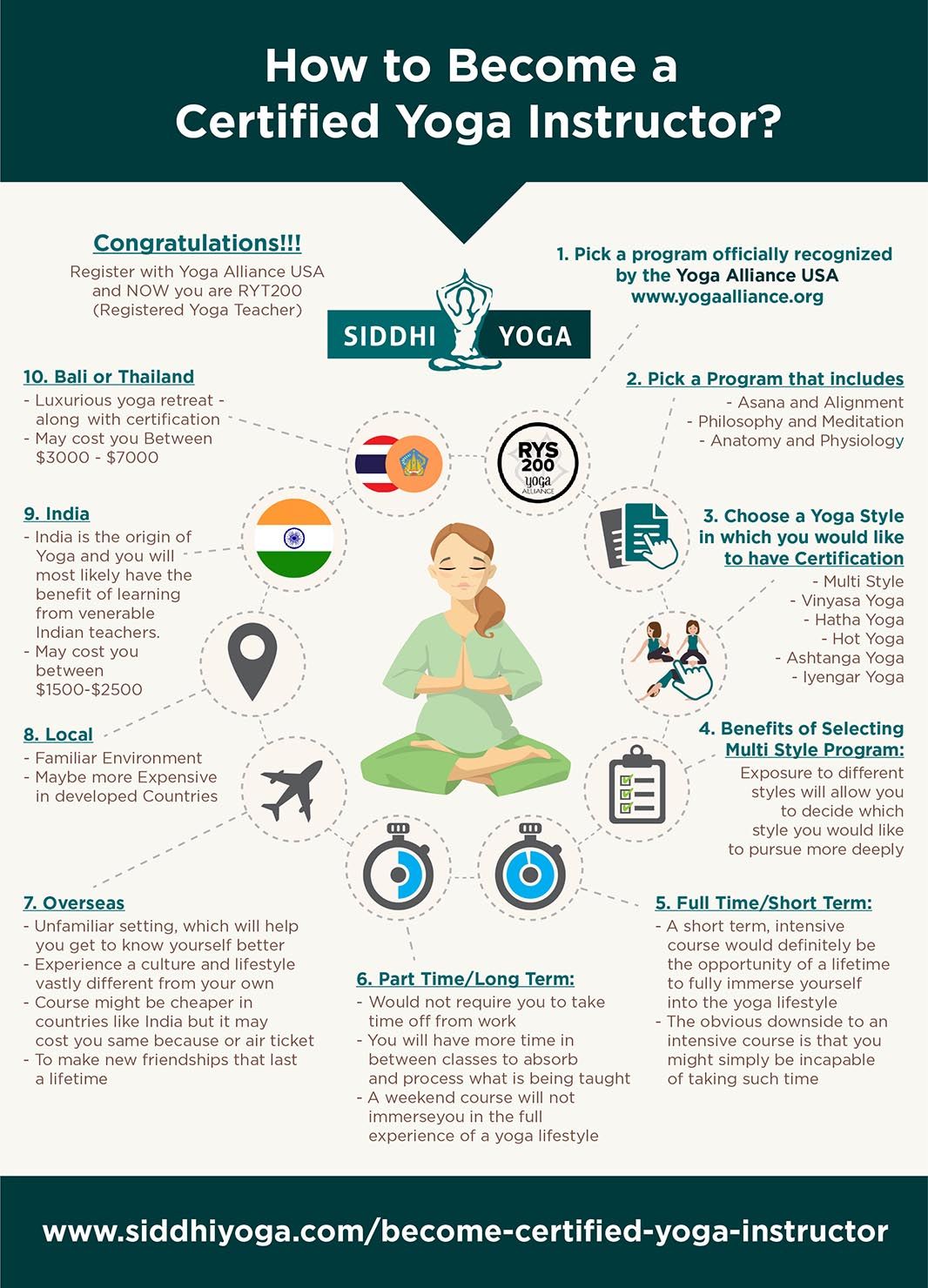
Image Source: www.siddhiyoga.com
Why Teach Yoga?
Yoga is more than just poses. It can bring calm and strength. It helps people feel better in their bodies and minds. As a teacher, you help people find this. You help them grow. You also deepen your own practice. Teaching makes you see yoga in new ways. It is a rewarding job. You share something you love. You make a difference in people’s lives.
Your First Big Choice: What Training Level?
Getting certified means finishing a special course. These courses are called Yoga teacher training programs. There are different levels.
The first step for most people is the 200-hour training.
* 200-hour yoga teacher training: This is the basic level. It teaches you how to teach beginner to medium-level classes. It covers poses, breathing, and yoga ideas.
* 300-hour yoga teacher training: You do this after the 200-hour course. It goes deeper into yoga. It is for teachers who want more skills.
* 500-hour training: This is the 200-hour plus the 300-hour combined or taken separately. It means you have done a lot of study.
Most people start with the 200-hour course. It gives you a strong base.
Grasping Yoga Certification Standards
Yoga does not have one single boss. But groups like Yoga Alliance help make things clear. They set Yoga certification standards. These standards say what a training program should teach. They help you know if a school is good.
When a school meets these standards, its program is registered with Yoga Alliance. After you finish such a program, you can register with Yoga Alliance. This makes you a Registered Yoga Teacher (RYT).
- RYT 200: You get this after finishing a 200-hour program registered with Yoga Alliance.
- RYT 500: You get this after finishing a 500-hour program (200 + 300) registered with Yoga Alliance.
Having RYT status is good. It shows you trained at a school that meets certain quality levels. Many studios look for this. It is like a mark of trust. It is a type of Yoga Alliance certification.
Picking Your Yoga Teacher Training Program
This is a big step. You need to find a program that fits you. Think about a few things.
Style of Yoga
What kind of yoga do you love?
* Hatha?
* Vinyasa?
* Ashtanga?
* Yin?
* Restorative?
Most 200-hour programs teach different styles. But some focus on one. Pick a style you feel good teaching.
Where to Train?
You can train close to home or far away.
* Local studios: This lets you stay home. You train over weekends or evenings. It takes longer, maybe a few months. It fits around a job.
* Yoga centers away from home: You might go to a retreat center. You live there during the training. It is often full-time for a few weeks. It is like a deep dive.
Both ways are good. Think about what works for your life.
In-Person vs. Online Training
Big changes came with the internet. Now you can get Online yoga certification.
* In-Person Training: You are in a room with teachers and other students. You get hands-on help. You practice teaching with others. You build connections.
* Online Yoga Certification: You learn from your home. It is more flexible. You can learn at your own speed. It might be cheaper.
For a long time, Yoga Alliance did not fully accept online training. But they changed their rules. Now, many online programs are registered with Yoga Alliance. This means you can get RYT status with some online courses.
Think about how you learn best. Do you need to be there in person? Or is learning online good for you?
Cost of Yoga Teacher Training
This is important. Training costs money. The Cost of yoga teacher training can be very different.
* 200-hour programs can cost from $1,000 to $3,000 or more.
* Retreat-style programs might cost $3,000 to $5,000. This might include food and housing.
* Online programs might be cheaper, perhaps $500 to $1,500.
Look at what the cost includes. Does it cover books? Is there a payment plan? Do they offer help with costs? Do not let cost be the only reason you choose a program. The quality of teaching matters most.
How to Choose?
- Look at the school’s website. Read about the teachers. What is their background?
- Read reviews from past students.
- Talk to the school. Ask questions. See if you like their energy.
- If possible, take a class with the lead teacher.
- Compare programs. Look at the course plan. What will you learn?
Picking the right program is key to your success. It is worth taking your time.
The Heart of It: What You Learn in 200 Hours
A 200-hour yoga teacher training program is packed with learning. It is not just about doing poses. It is about learning how to teach them. And much more.
Here is what you will likely study:
Yoga Poses (Asana)
- You learn the poses deeply.
- How to do them safely.
- How to guide others into and out of poses.
- How to change poses for different bodies or issues (like bad knees). This is called adjustments or modifications.
- How to plan a class flow.
Breathing (Pranayama)
- Learn different breathing methods.
- Know why they are helpful.
- Learn how to teach them.
Yoga Ideas and Books (Philosophy)
- You learn about the history of yoga.
- Read important yoga books, like the Yoga Sutras.
- Think about what yoga means for life today.
Body Knowledge (Anatomy)
- You learn about the human body.
- How muscles, bones, and breath work together in poses.
- This helps you teach safely. It helps you understand why some poses are hard for some people.
How to Teach (Methodology)
- Learn how to speak clearly.
- How to set the room.
- How to watch students and help them.
- How to plan a class for beginners or others.
- Learn the business side of teaching yoga.
Practice Teaching
- You will teach parts of a class.
- Then you might teach a full class.
- You get feedback from teachers and students. This helps you get better.
Other Things
- Maybe meditation.
- Maybe chanting.
- Maybe different styles of yoga.
It is a lot of work. It takes effort and study. But you learn so much about yoga and about yourself.
After Training: Getting Your First Certificate
Once you finish your 200-hour program, the school gives you a certificate. This paper says you finished the training. This is your first yoga certification. This is the start of your journey as a teacher.
Becoming a Registered Yoga Teacher (RYT)
Many teachers want to get Yoga Alliance certification. This means registering with Yoga Alliance. To do this, you must:
1. Finish a training program that is registered with Yoga Alliance. It must be at least 200 hours.
2. Apply on the Yoga Alliance website.
3. Pay a fee.
Once you do this, you become a Registered Yoga Teacher (RYT 200). Your name goes on their list. Studios might check this list. It helps show you are serious and trained at a good school.
If you later do a 300-hour training from a registered school, you can become RYT 500.
Is Yoga Alliance registration needed? No, not always. You can teach yoga without it. But it is widely known. It can help you get teaching jobs. It also shows you support standards in yoga teaching.
Steps to Become a Yoga Teacher: Let’s List Them
Here are the main Steps to become a yoga teacher:
- Practice Yoga: Be a student first. Find a style and teachers you like. Do yoga often.
- Choose Your Path: Decide what kind of training (200-hour) is right for you. Think about in-person vs. online, cost, and style.
- Find a Program: Research different Yoga teacher training programs. Talk to schools, read reviews, look at the plan of study. Make sure it meets Yoga certification standards, perhaps by being registered with Yoga Alliance.
- Apply and Get Accepted: Sign up for the program you chose.
- Complete the Training: Study hard. Practice teaching. Finish all the work for your 200-hour yoga teacher training.
- Get Your School Certificate: The school gives you proof you finished.
- Consider Yoga Alliance Registration: If your school was registered, you can apply to become a Registered Yoga Teacher (RYT). This gives you Yoga Alliance certification.
- Start Teaching: Look for places to teach. This could be studios, gyms, schools, or online.
- Keep Learning: A good teacher never stops learning. Do more training, go to workshops, or maybe do a 300-hour yoga teacher training later.
These steps take time and work. But each one brings you closer to your goal.
More Training: The 300-Hour Level and Beyond
After you teach for a while, you might want to learn more. This is where the 300-hour yoga teacher training comes in. This training is for teachers who want to go deeper.
What might you learn in a 300-hour course?
* More about helping students with injuries.
* Advanced poses and how to teach them.
* More about special kinds of yoga (like yoga for pregnant women, kids, or seniors).
* Deeper study of yoga history and ideas.
* More advanced breathing and meditation.
* How to be a better teacher and leader.
Finishing a 300-hour course (after your 200-hour) means you have 500 hours of training total. If both programs were registered with Yoga Alliance, you can register as RYT 500.
This extra training helps you teach more people. It makes you a more skilled teacher. It can also help you find more teaching jobs.
Knowing the Cost of Training
We talked about this briefly. Let’s look at the Cost of yoga teacher training more closely. It is a real investment.
What makes the cost high or low?
* Location: Training in a big city might cost more than in a small town. Training in India might cost less (but add travel costs).
* School Name: Very well-known schools might charge more.
* Included Items: Does the cost include books, mats, props? Is food or housing included for retreat styles?
* Teachers’ Experience: Programs led by very famous teachers might be more expensive.
* Program Type: Online yoga certification is often less expensive than in-person training.
It is important to budget for training. Some schools offer payment plans. Some offer early bird prices (cheaper if you pay early). Some might have jobs you can do to help pay (work-study).
Do not just pick the cheapest program. Think about the quality of the teachers and what you will learn. It is better to pay a bit more for great training than less for poor training. This training is the base for your future job.
What About Online Yoga Certification?
Getting Online yoga certification is now a real option. Is it right for you?
Good Points:
- Flexible: Learn any time, any place. This is great if you have a busy job or family.
- Cheaper: Often costs less than in-person training.
- Your Speed: You can often learn at your own pace. Take more time on hard parts.
- Access: Learn from great teachers anywhere in the world. You do not have to travel.
Not-So-Good Points:
- Less Hands-On: It is harder to learn physical adjustments or how to help students in person.
- Less Practice Teaching (in person): You might not get as much practice teaching in front of real people. This can make your first time teaching scary.
- Less Connection: You might miss the community of learning in person. The energy of being in a room together is special.
- Need to Be Good at Learning Alone: You need to keep yourself on track. There is no teacher watching you daily.
If you choose online, pick a program with lots of videos, live calls with teachers, and ways to practice teaching (even if it is just recording yourself). Check if it lets you register with Yoga Alliance if that is important to you.
Online training is a good way to start for many people. Just be aware of what you might miss compared to in-person. You might need to get more in-person help or practice later.
Common Yoga Teacher Training Requirements
What do you need before you start training? The Yoga teacher training requirements are usually quite simple.
- Age: Most schools ask you to be at least 18 years old.
- Yoga Practice: Schools want you to have done yoga for some time. This is often 6 months to a year or more. You should know basic poses and feel good doing yoga. This shows you are ready to learn to teach. You do not need to be super flexible or do fancy poses!
- Interest and Dedication: You need to really want to learn. Training takes time and effort.
That is usually it. You do not need college degrees or special tests. You need to love yoga and want to share it.
The requirements during training are much bigger. You must go to classes, study books, write papers, practice teaching, and pass tests.
Interpreting Yoga Certification Standards
Let’s look again at Yoga certification standards. Who sets them? How do they help?
Standards help make sure training programs teach important things. They help keep quality up.
Yoga Alliance standards, for example, say how many hours must be spent on different topics in a 200-hour training:
* Techniques, Training, Practice: 100 hours (poses, breathing, chanting, etc.)
* Teaching Methodology: 25 hours (how to teach, plan, manage a class)
* Anatomy and Physiology: 20 hours (how the body works)
* Yoga Philosophy, Lifestyle, Ethics: 30 hours (history, books, what it means to live yoga)
* Practice Teaching: 10 hours (teaching actual classes)
* Other hours: 15 hours (can be different things like business, special workshops)
Note: These hours are approximate and might change slightly based on the latest Yoga Alliance updates or the specific program structure. Always check the program’s syllabus.
This breakdown helps you know what a good program should teach. It is not just about doing poses for 200 hours. It is a study of many parts of yoga.
Even if a school is not registered with Yoga Alliance, they might follow similar standards. It is wise to look at the program’s plan. Does it cover these key areas? Does it have experienced teachers? These are signs of a good program that meets good Yoga certification standards.
What Happens After You Get Certified?
Getting your certificate is a great feeling! But it is not the end. It is the start of being a teacher.
Find Places to Teach
- Yoga Studios: Many look for RYT 200 teachers. Apply to studios you like.
- Gyms/Health Clubs: They often have yoga classes.
- Community Centers: Teach classes for different groups.
- Schools/Workplaces: Offer yoga for students or workers.
- Private Clients: Teach one-on-one sessions.
- Online: Teach classes over video calls or pre-record them.
- Start Your Own: Rent a space or teach in parks or homes.
Your first teaching jobs might not pay a lot. This is normal. You gain experience. Your teaching gets better with practice.
Get Insurance
As a teacher, it is smart to have insurance. This protects you if someone gets hurt in your class. Groups like Yoga Alliance offer insurance. Other groups do too. Look into this before you start teaching.
Keep Learning
This is very important. Yoga changes. You grow as a person and a teacher.
* Take workshops.
* Study with other teachers.
* Keep up your own yoga practice.
* Read yoga books.
* Maybe do your 300-hour yoga teacher training later.
Yoga Alliance requires RYTs to do some extra learning every few years to keep their registration. This is called Continuing Education.
Build Your Yoga Name
Tell people you are a teacher. Make a simple website or social media page. Let people know your style and where you teach.
Becoming a yoga teacher is a journey. It takes time to find your own voice and build a following. Be patient and keep learning.
Frequently Asked Questions About Yoga Certification
Here are some common questions people ask.
Is a 200-hour certification enough to teach?
Yes, a 200-hour certificate from a good program is the standard first step. It prepares you to teach basic to medium-level yoga classes safely. Many places will hire you with this.
Do I need to be able to do hard poses to be a teacher?
No! You do not need to touch your toes or stand on your head. You need to understand poses, how they feel, and how to teach them to others. Your own practice helps you understand, but being super flexible is not a requirement. Good teachers help people, no matter their body type or skill level.
How long does it take to get certified?
A 200-hour training takes 200 hours! How long that takes in calendar time depends on the program.
* Intensive (full-time, retreat style): 2-4 weeks.
* Part-time (weekends/evenings): 2-6 months.
* Online (self-paced): Can be longer or shorter, depending on how fast you study. Many might take 3-6 months.
Is online yoga certification as good as in-person?
It can be, but it depends on the program and how you learn. Online offers flexibility. In-person offers hands-on help and community. Both can lead to Yoga Alliance certification if the program is registered. Look closely at what the online program offers in terms of practice teaching and feedback.
How much can I make as a yoga teacher?
This varies a lot. Beginning teachers might make $20-$40 per class. Experienced teachers or those with private clients might make $50-$100 or more per class or session. Pay depends on where you teach (studio, gym, online, private), your experience, and how many classes you teach. It can be hard to make a full-time living just teaching classes at first.
Is Yoga Alliance certification required?
No, it is not legally required everywhere. But it is widely recognized in the yoga world. Many studios ask for Registered Yoga Teacher (RYT) status. It shows you completed a program that met certain Yoga certification standards. It can help you get jobs and gives students trust in your training.
What is the difference between 200-hour and 300-hour training?
200-hour is the first step, giving you the basics to teach. 300-hour is advanced training for teachers who already have their 200-hour. It goes deeper into topics and skills. Finishing both makes you eligible for RYT 500.
I have an injury. Can I still become a yoga teacher?
Often, yes! Having experience with an injury can make you a more caring and creative teacher. You will learn how to help students with their own body issues. Talk to the training school before you join to see if their program is a good fit for you. You should be able to do the required practice safely during the training.
Do I need a specific background to teach yoga?
No, people from all walks of life become yoga teachers. What is important is your love for yoga, your willingness to learn, and your wish to help others.
| Training Level | Hours Needed | What You Learn | Yoga Alliance Registration | Notes |
|---|---|---|---|---|
| Beginner Teacher | 200 | Poses, basic teaching, body knowledge, yoga ideas | RYT 200 (after program) | Standard first step to teach group classes. |
| Advanced Teacher | 300 | Deeper skills, helping injuries, special yoga types | RYT 500 (with 200hr) | Builds on 200hr knowledge. |
| Total Advanced Training | 500 | (200hr + 300hr) | RYT 500 | Shows deep study and skill. |
In Closing
Becoming a certified yoga teacher is a wonderful path. It starts with finding the right Yoga teacher training program for you. Look at the level (start with 200-hour), the cost, the style, and if it is online or in-person. Learn about Yoga certification standards and decide if getting Yoga Alliance certification and RYT status is for you.
Finish your training, get your certificate, and then start teaching. Remember the Steps to become a yoga teacher: practice, choose, learn, get certified, and teach. Keep learning always. Your journey as a student and teacher will bring growth and joy. Good luck on your path!