
So, how many times a week to do yoga? Is daily yoga good? How often practice yoga? The quick answer is: it depends on what you want to achieve and how your body feels. For many people, doing yoga 3 to 5 times a week is a great starting point. Daily yoga can be very good for you, offering many benefits, but it’s important to listen to your body and choose the right intensity. The best frequency for you is one you can stick to and that helps you reach your personal goals.
Image Source: images.squarespace-cdn.com
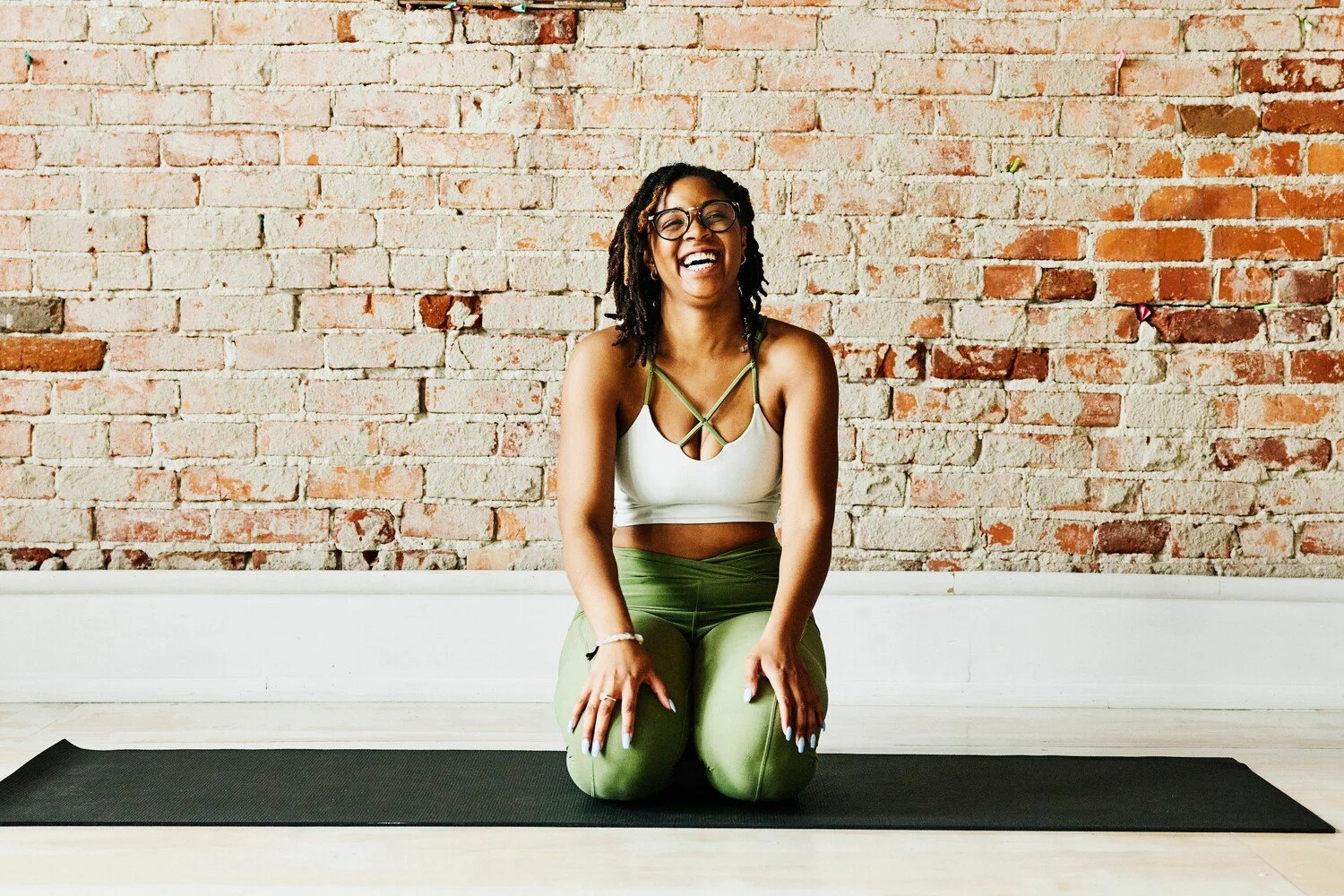
Grasping Yoga Frequency
Knowing the right yoga frequency is key to seeing results. Yoga is more than just stretching. It helps your body and your mind. How often you step onto your mat changes what you get out of it. Doing yoga sometimes is good. Doing it regularly is even better. It builds strength, makes you more flexible, calms your mind, and can help with many health issues. Your practice schedule is not a one-size-fits-all thing. It should match what you hope to get from your time doing yoga.
Why Yoga Frequency Matters
Putting yoga into your weekly life on a regular basis helps you see real change. This is where yoga routine consistency comes in. Think of it like learning a new skill or getting stronger at the gym. Doing it every now and then gives you small boosts. Doing it often builds lasting strength and flexibility. Your body learns the poses better. Your mind gets better at finding peace. The more you practice, the more natural it feels. Regular practice helps prevent going back to where you started. It keeps your progress moving forward.
Things That Change How Often You Should Do Yoga
How often you should do yoga is not the same for everyone. Several things play a big role. Think about these when planning your yoga schedule:
- Your Goals: What do you want yoga to do for you? Build muscle? Get flexible? Lose weight? Feel less stressed? Different goals need different approaches to frequency.
- Your Current Fitness Level: Are you new to exercise? Or do you already do other sports? Beginners might start slow. Fit people might do yoga more often or try harder types.
- How Much Time You Have: Be real about your schedule. It’s better to do yoga a few times a week for a shorter time than to plan for daily yoga and never do it.
- Your Health and Body: Do you have any old injuries? Any health problems? Listen to your body. Some days you might need rest or gentle yoga.
- What Types of Yoga You Do: Some yoga styles are very active and need rest days. Others are gentle and can be done daily.
- Your Lifestyle: Is your life busy and full of stress? Or is it calm? Yoga can help with stress, but a busy life might mean less time for long practices.
All these things together help you find the best yoga frequency for you.
General Recommended Yoga Frequency
So, what is a good place to start? The recommended yoga frequency for most people looking for general health benefits is around 3 to 5 times a week.
- 3 times a week: This is a great number to start seeing real progress. You get enough practice to learn and improve, but also have days to rest. Rest is important for muscles to grow stronger and for your body to heal.
- 4-5 times a week: If you want to see faster changes in strength, flexibility, or manage stress better, increasing to 4 or 5 times can be very helpful. This builds more consistency and skill.
- Less than 3 times a week: Doing yoga once or twice a week is still good! You will still get benefits like stress relief and some flexibility. But seeing big changes in your body might take longer.
- Daily Yoga: As we’ll talk about, daily yoga can be very good, but it needs care. It’s not just about the number of days. It’s also about what kind of yoga you do each day and listening to your body.
This is just a general guide. Let’s look closer at frequency for specific goals.
How Often To Do Yoga For Your Goals
Your personal goals are the best guide for how often you should practice yoga. Let’s break down how yoga frequency can change based on what you want to achieve.
Getting More Flexible
If your main goal is to touch your toes or just move more freely, flexibility yoga frequency is key.
* Doing gentle yoga styles like Hatha or Yin yoga 3 to 5 times a week is good.
* Short, daily sessions (even 15-20 minutes) focused on stretching can also help a lot.
* Consistency over intensity is important here. Gentle, regular stretching is better than pushing too hard sometimes.
Building Strength
To get stronger muscles through yoga, you need frequency and the right style.
* Styles like Vinyasa, Power Yoga, or Ashtanga are good for building strength.
* Doing these challenging styles 3 to 4 times a week works well. Your muscles need rest days to rebuild and get stronger.
* Make sure to use proper form. More frequency with bad form can lead to injury.
Finding Calm and Reducing Stress
Many people turn to yoga for their mind. Yoga frequency for stress relief is often about making it a regular habit.
* Even 2-3 times a week can make a big difference in how you feel.
* Gentle styles, restorative yoga, or even just short breathing and meditation sessions count.
* Daily practice (even just 10-15 minutes) can be very powerful for keeping stress low day-to-day. It helps you build a calm space in your mind.
The Best Yoga Frequency for Weight Loss
Can yoga help with weight loss? Yes, it can. And the best yoga frequency for weight loss involves a few things.
* More active yoga styles (like Vinyasa or Power Yoga) burn more calories. Doing these 3 to 5 times a week can help.
* Combining yoga with other exercises (like walking or running) is even better for weight loss.
* Yoga also helps by reducing stress. Stress can lead to unhealthy eating habits. Doing yoga regularly helps manage stress, which can support weight loss efforts.
* So, for weight loss, aim for 3-5 active sessions a week, mixed with other movement, and focus on consistency.
For Overall Wellness and Health
If you just want to feel better, move better, and support your general health, a balanced approach is good.
* 3 to 4 times a week of a mix of yoga styles is often recommended yoga frequency for this goal.
* Mix gentle days with more active days. This gives you flexibility, strength, and stress relief.
* Listen to your body. Some weeks might be busier or you might feel tired. Adjust your schedule as needed.
Table: Yoga Frequency by Goal
Here is a simple table showing suggested yoga frequency based on different goals:
| Goal | Suggested Frequency | Style Suggestion | Key Benefit |
|---|---|---|---|
| General Wellness | 3-4 times a week | Mix of styles (Hatha, Vinyasa) | Balanced body and mind health |
| More Flexibility | 3-5 times a week | Hatha, Yin, Restorative | Increased range of motion |
| Build Strength | 3-4 times a week | Vinyasa, Power Yoga, Ashtanga | Toned muscles, improved stability |
| Reduce Stress/Calm Mind | 2-5 times a week (or daily short sessions) | Gentle, Restorative, Yin, Meditation | Lower stress, improved mental clarity |
| Weight Loss | 3-5 times a week | Vinyasa, Power Yoga (combine with others) | Burn calories, reduce stress eating |
Remember, this is a starting point. You might need to change it based on how you feel and what works for your life.
Knowing About Daily Yoga
Many people wonder, “is daily yoga good?” Yes, it absolutely can be. There are many daily yoga benefits. However, it’s important to approach it the right way.
The Good Things About Daily Yoga Benefits
- Faster Progress: Your body learns and changes more quickly when you practice every day.
- Stronger Habit: Daily practice makes yoga a normal part of your life, like brushing your teeth. This builds yoga routine consistency.
- More Mindful: Practicing every day can help you become more aware of your body and feelings.
- Steady Stress Relief: Daily movement and breathing can help manage stress levels throughout the week.
- Body Awareness: You learn how your body feels each day. This helps you know when to push and when to rest.
Things to Watch Out For with Daily Yoga
- Risk of Injury: Doing the same hard yoga style every day without rest can lead to overuse injuries. Muscles need time to repair.
- Burnout: You might get tired or bored if you do the same thing every day.
- Not Listening to Your Body: The pressure to do yoga every day might make you ignore pain or tiredness.
- Making It a Chore: Yoga should feel good. If it becomes just another task, you lose the mental benefits.
How to Practice Daily Yoga Safely and Well
- Vary Your Practice: Don’t do a hard Vinyasa class every single day. Mix it up! Do a strong class one day, a gentle or restorative class the next. Add short sessions focused on breathing or meditation.
- Listen to Your Body: Some days you might feel strong. Other days you might feel tired. Be okay with doing a very gentle practice or just stretching and resting.
- Take Full Rest Days: Even if you practice daily, some days might be just meditation or gentle stretching, not a full physical practice. Or plan one day a week for total rest from movement.
- Keep Sessions Shorter: Daily practice doesn’t have to mean 90 minutes every time. A 20-30 minute mindful session is very effective.
So, is daily yoga good? Yes, if you do it smart. It’s about daily movement and mindfulness rather than daily hard workouts.
Yoga Schedule for Beginners
If you are new to yoga, figuring out how often to do it can feel tricky. A yoga schedule for beginners should be gentle and build slowly.
* Start with 2-3 times a week: This is a great way to begin. It lets your body get used to the poses and movements. It also gives you time to rest and not feel overwhelmed.
* Keep sessions shorter: Begin with 30-45 minute classes or home practices. A typical how long yoga session for a beginner doesn’t need to be long.
* Choose beginner-friendly styles: Look for Hatha yoga, gentle yoga, or classes specifically called “Beginner Yoga.”
* Focus on learning the basics: Pay attention to how the poses feel. Don’t worry about doing them perfectly.
* Be okay with rest: If you feel sore or tired, take an extra day off.
Sample Yoga Schedule for Beginners (3 times a week)
| Day | Activity | Focus | Time (approx.) |
|---|---|---|---|
| Monday | Beginner Hatha Class | Basic poses, alignment | 45-60 minutes |
| Tuesday | Rest | Let muscles recover | – |
| Wednesday | Gentle Yoga or Online Beginner Video | Stretching, calm | 30-45 minutes |
| Thursday | Rest | Rest | – |
| Friday | Beginner Flow or Hatha Class | Link breath & movement | 45-60 minutes |
| Saturday | Rest or Gentle stretching | Relax | Optional 15 min |
| Sunday | Rest | Prepare for week | – |
As you get stronger and more comfortable, you can slowly add another day or try slightly longer sessions.
How Long Yoga Session Should Be
The length of your yoga session affects your yoga frequency. How long yoga session is right for you?
* Short Sessions (15-30 minutes): These are great for daily practice, fitting yoga into a busy day, or focusing on specific areas (like hips or shoulders). Short sessions are good for maintaining flexibility and reducing stress.
* Medium Sessions (45-60 minutes): This is a common class length and allows for a well-rounded practice. You can warm up, work through poses, and cool down properly. Good for seeing progress in strength and flexibility.
* Long Sessions (75-90+ minutes): These allow for a deeper dive into poses, breathing, and relaxation. Less common to do daily, but good for weekly deeper practice or workshops.
You don’t always need a long session to get benefits. Even 15-20 minutes of mindful movement and breathing can make a difference. Choose a length that you can realistically fit into your day and that helps you meet your goals.
The Power of Yoga Routine Consistency
Achieving results in yoga is less about doing one hard class and more about yoga routine consistency. Doing yoga often, even in short bursts, is more effective than doing a very long or hard session just once in a while.
Why is consistency so important?
* Builds Muscle Memory: Your body remembers the poses better.
* Creates a Habit: It becomes easier to stick with it.
* Allows for Gradual Progress: You build strength and flexibility over time without shocking your body.
* Offers Ongoing Benefits: Stress relief and mental calm are best maintained with regular practice.
Think of it like saving money. Saving a little bit every week adds up over time. Saving a lot just once doesn’t build the same kind of long-term security. Consistent yoga practice builds long-term health and well-being.
Listening to Your Body is Key
No matter your goals or how often you plan to do yoga, listening to your body is the most important rule. Your body will tell you what it needs.
* Pain vs. Discomfort: Learn the difference. Discomfort in a stretch is normal. Sharp or strong pain is a sign to stop or change the pose.
* Energy Levels: Some days you will feel full of energy. Some days you will feel tired. Adjust your practice to match your energy. Do a gentle practice when you’re tired.
* Soreness: Mild muscle soreness is normal when you start or try new poses. If you are very sore, take a rest day or do very gentle movement.
* Injuries: If you have an injury, talk to a doctor or physical therapist. Ask them if yoga is okay and what poses to avoid. You might need to pause your practice or change it a lot.
Pushing too hard too often is the fastest way to get hurt. An injury stops your progress completely. Practicing mindfully, even if it means less frequency or intensity sometimes, keeps you on the mat in the long run.
Creating Your Personal Yoga Schedule
Ready to make your own plan? Here are steps to create your yoga schedule:
1. Know Your Goals: What do you really want from yoga? Write it down.
2. Check Your Calendar: Look at your week. When do you have free time? How long can you practice realistically?
3. Start Slow: Don’t plan to go from zero to daily yoga. Begin with 2-3 times a week.
4. Choose Your Styles: Based on your goals, what types of yoga fit best?
5. Decide Session Lengths: How long will your practices be? Mix longer and shorter sessions if you practice often.
6. Plan for Rest: Schedule rest days! They are just as important as practice days.
7. Be Flexible: Life happens. You might miss a session. Don’t worry about it. Just get back to your schedule as soon as you can.
8. Write It Down: Put your yoga times in your phone calendar or on a planner. This makes it more likely to happen.
9. Check In with Yourself: After a few weeks, see how you feel. Are you meeting your goals? Is the frequency too much or not enough? Change your schedule if needed.
Building a regular yoga practice is a journey. Your ideal yoga frequency might change over time as your goals change or your body feels different.
Types of Yoga and How They Affect Frequency
Different yoga styles have different energy levels and focus. This changes how often you might do them.
* Hatha Yoga: Often slower-paced, holding poses. Good for beginners and general practice 2-4 times a week.
* Vinyasa Flow / Power Yoga: More active, linking breath to movement. Can be quite physical. Good for strength and fitness 3-4 times a week, allowing for rest days.
* Yin Yoga: Holding passive stretches for longer times (3-5 minutes). Works deep connective tissues. Very relaxing but intense in its own way. Good for flexibility and calm. Can be done 2-3 times a week, or mixed with more active styles.
* Restorative Yoga: Uses props to fully support the body in gentle poses. Focus is deep relaxation and healing. Can be done any time you need to deeply rest, even daily if needed for stress relief.
* Ashtanga Yoga: A set series of poses, very physically demanding. Often practiced 5-6 times a week in a specific way, but requires lots of dedication and awareness to avoid injury. Not typically recommended for beginners daily.
* Kundalini Yoga: Combines movement, breathing, chanting, and meditation. Different from physical styles. Can be practiced daily.
Think about mixing styles to get different benefits and prevent boredom or overuse injuries.
Moving Forward with Your Yoga Practice
Finding the perfect yoga frequency is a personal thing. It takes trying things out and seeing what works for you. Don’s compare yourself to others. Your yoga journey is unique.
Start with a frequency that feels possible. Build consistency. Listen to your body’s needs every day. Adjust your schedule as your goals, fitness, and life change.
Whether you choose to do yoga daily, a few times a week, or even just weekly, the most important thing is that you are practicing mindfully and regularly enough to feel the positive effects. Yoga offers so many gifts – physical strength, mental peace, more flexibility. Unlock these benefits by finding the yoga frequency that helps you achieve your goals.
FAQ: Common Questions About Yoga Frequency
Here are answers to some common questions about how often to do yoga.
Q: Can I just do yoga on the weekends?
A: Yes, doing yoga on the weekends is still good! You will get benefits like reducing stress and improving flexibility. For bigger changes in strength or flexibility, adding a session or two during the week is better if you can.
Q: What if I miss a planned yoga session?
A: It’s okay! Don’t feel bad. Life gets busy. Just get back to your planned schedule as soon as you can. Missing one session won’t stop your progress if you are mostly consistent.
Q: Is doing yoga for 15 minutes every day enough?
A: Yes, absolutely! Doing yoga for 15 minutes daily can be very effective for stress relief, maintaining flexibility, and building a strong habit. It’s often better than doing one long session rarely.
Q: Do I need rest days from yoga?
A: For most people, yes. Especially if you do physically hard yoga styles like Vinyasa or Power Yoga. Muscles need rest to get stronger and prevent injury. Gentle yoga or restorative yoga can be done on days when you don’t do a strong practice.
Q: How soon will I see results from regular yoga?
A: This is different for everyone. You might feel calmer and less stressed after just one session. You might notice more flexibility in a few weeks of regular practice. Seeing big changes in strength or body shape usually takes a few months of consistent practice (3+ times a week).
Q: Can I do yoga and other exercises?
A: Yes, this is a great idea! Yoga works well with other activities like running, swimming, or weight lifting. It helps with flexibility, balance, and preventing injuries from other sports. You can adjust your yoga frequency based on your other workouts.