
Are you wondering about becoming a certified yoga instructor? Many people ask, “How long does it take to become yoga certified?” A common first step is a 200-hour program, which you can finish in a few weeks full-time, or several months part-time. This article will help you learn how to start your path to teaching yoga.
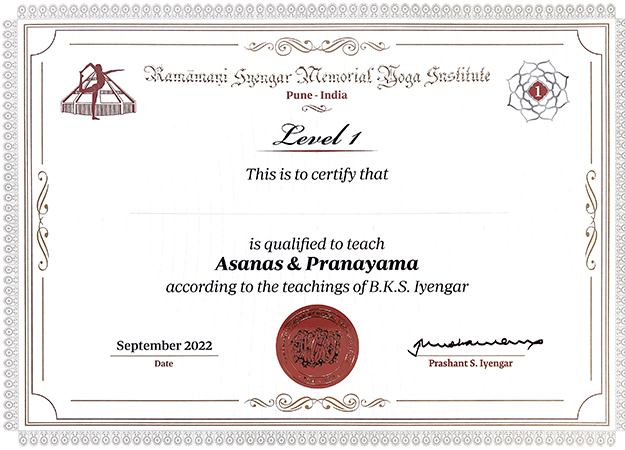
Image Source: iynaus.org
What Yoga Certification Means
Getting a yoga certification proves you have finished certain training. It shows you learned about yoga poses, breathing, how the body works (anatomy), and yoga ideas (philosophy). It’s a key step for becoming a certified yoga instructor. Most studios and gyms want teachers to be certified. It tells them you have a base level of knowledge and skill.
Why Get Certified?
Teaching yoga is a big job. You guide people through poses and breathing. You need to know how to keep people safe. Certification teaches you this. It gives you trust and skill. It opens doors to teaching jobs. It also helps you grow your own yoga path.
Steps to Becoming a Certified Yoga Instructor
Becoming a certified yoga instructor takes time and effort. It’s a path of learning. Here are the main steps:
- Deepen Your Practice: Spend time doing yoga yourself. Learn about different styles. Find out what you love.
- Choose a Training Program: Look for Yoga teacher training programs. Pick one that fits your style and goals.
- Finish the Training: Go to all the classes. Study hard. Learn everything the program teaches.
- Get Your Certificate: Once you finish the training, the school gives you a certificate.
- Think about Registration: You can register with groups like Yoga Alliance. This is often called RYT certification.
- Start Teaching: Look for chances to teach. Start small. Get more practice.
Different Types of Yoga Certifications
Yoga training comes in different levels. These levels show how many hours of training you have done.
H4: The 200-Hour Level
This is the most common starting point. Many Yoga teacher training programs are 200 hours long. It covers the basics.
* You learn main yoga poses (asanas).
* You learn breathing methods (pranayama).
* You study basic body structure (anatomy).
* You learn about yoga’s old ideas (philosophy).
* You learn how to teach a class.
Finishing a 200-hour program lets you get RYT 200 certification with Yoga Alliance. Many places hiring want teachers with this level.
H4: The 300-Hour Level
After your 200-hour training, you can take a 300-hour program. This adds to your knowledge.
* You go deeper into poses and teaching.
* You learn more complex anatomy.
* You study different styles of yoga.
* You learn more about helping people with injuries.
* You learn more about the business of yoga.
Finishing a 200-hour and a 300-hour program lets you get RYT 500 certification.
H4: The 500-Hour Level
This level means you have finished 500 hours of total training. This can be a 500-hour program or a 200-hour plus a 300-hour program.
* It shows you have spent a lot of time learning.
* You have a deep understanding of yoga.
With 500 hours of training and teaching time, you can get RYT 500 certification.
H4: Special Training
You can also get certified in specific types of yoga.
* Kids yoga
* Prenatal (for pregnant people) yoga
* Restorative yoga
* Yin yoga
* Yoga for seniors
These special trainings usually happen after your first 200-hour course. They add skills for teaching certain groups or styles.
Exploring Yoga Teacher Training Programs
Choosing the right program is a big step. There are many Yoga teacher training programs out there. They have different costs, lengths, and styles.
H5: What Programs Teach You
Most programs follow rules set by groups like Yoga Alliance. They teach certain things:
* Techniques: How to do poses, breathing, and meditation. You learn how to teach these too.
* Teaching Methods: How to plan classes, talk to students, show poses, and help people in poses.
* Anatomy and Physiology: How the body works and moves. This helps you teach safely.
* Philosophy and Ethics: The old stories and ideas of yoga. How to act as a yoga teacher.
* Practice Teaching: You get chances to teach others in your group.
H5: Picking the Right Program
Think about what is important to you.
* Style of Yoga: Do you want to teach Vinyasa, Hatha, Ashtanga, or something else? Find a program focused on that.
* Teachers: Who will be teaching you? Look up the lead teachers. Read about their background.
* Location: Is it close to you? Or is it in a place you want to visit?
* Cost: How much does it cost? Does it include books or other fees?
* Schedule: Is it full-time (fast) or part-time (slower)? Does it fit your life?
* Size: Do you like small groups or bigger ones?
* Reviews: What do past students say about the program?
Reading reviews and talking to people who went there can help a lot.
RYT Certification Requirements and Yoga Alliance Registration
Many people who become yoga teachers register with Yoga Alliance. This group sets standards for yoga training schools and teachers. RYT stands for Registered Yoga Teacher.
H4: What is Yoga Alliance?
Yoga Alliance is a non-profit group in the US. They keep a list of registered yoga schools (RYS) and registered yoga teachers (RYT). They have rules for training programs (like the 200-hour and 300-hour rules). When you finish a program from an RYS, you can register as an RYT.
H4: Why Register with Yoga Alliance?
- It shows you met certain rules: It tells people your training covered key topics and hours.
- Many places look for it: Studios often prefer or require teachers to be RYT.
- It’s a sign of quality: It means your school followed set standards.
- You join a group: You get access to resources and can connect with other teachers.
H4: RYT Certification Requirements
To become an RYT:
1. Finish a training program at a Registered Yoga School (RYS). Make sure the school is registered with Yoga Alliance.
2. Apply and pay a fee on the Yoga Alliance website.
3. Agree to follow their rules (like their code of conduct).
You can become an RYT 200 after a 200-hour program. You can become an RYT 500 after a 500-hour program (either one 500hr or a 200hr + 300hr). To keep your RYT status, you need to pay a yearly fee and do continuing education hours.
It’s good to know that you do not have to register with Yoga Alliance to teach yoga. Some teachers choose not to. But it is very common and helps many teachers find work.
Yoga Instructor Qualifications Beyond Training
Finishing a training program is the first step. But being a good yoga teacher needs more than just a certificate. Yoga instructor qualifications include:
- Your Own Practice: Keep doing yoga yourself. Learn new things. Grow your own skills.
- Teaching Skill: This comes with practice. Learn how to speak clearly, how to see what students need, and how to guide them.
- Knowledge: Keep learning about the body, yoga ideas, and different styles.
- Passion: Love what you do. Share your love for yoga with others.
- Ability to Connect: Be warm and friendly. Make students feel welcome and safe.
- Safety Awareness: Know how to help students do poses safely. Know what to do if someone gets hurt.
- Business Skills: If you teach on your own, you need to handle money, find places to teach, and get students.
Good teachers are always learning and growing.
Online Yoga Certification Courses
In the past, you had to go somewhere in person for yoga teacher training. Now, there are many Online yoga certification courses.
H4: How Online Courses Work
Online programs let you learn from home.
* You watch videos of lessons and poses.
* You read books and other materials online.
* You might have live video calls with teachers and other students.
* You practice teaching family or friends, or record yourself.
* You might take tests or write papers.
H4: Benefits of Online Training
- Flexible Schedule: You can learn when it works for you. This is good if you have a job or family to care for.
- Lower Cost: Online programs are often cheaper than in-person ones.
- Learn Anywhere: You can train with a school far away without traveling.
- Learn at Your Own Speed: Some programs let you take longer to finish.
H4: Drawbacks of Online Training
- Less Hands-On Help: It can be harder for teachers to help you with poses or teaching in person.
- Less Connection: You might not feel as connected to your teachers or classmates.
- Need Self-Discipline: You have to push yourself to study and practice without a set class time.
- Yoga Alliance Rules: Yoga Alliance has rules about online training. Especially for the main hours, they often want them to be in person. During certain times (like health crises), they might allow more online hours, but it’s good to check their latest rules.
Online courses are a good option for some people. Just make sure the school is trusted and meets the rules if you want RYT certification.
How Long Does It Take to Become Yoga Certified?
This is a common question. How long does it take to become yoga certified really depends on the program you choose and your schedule.
H4: Full-Time Programs
Some schools offer fast, full-time programs.
* A 200-hour program might be 3 to 5 weeks long. You spend many hours every day learning.
* These are like yoga “boot camps.” They are very strong and focused.
H4: Part-Time Programs
Many people choose part-time training.
* Programs might run on weekends over several months (like 3-6 months).
* Or they might be a few evenings a week for 6-12 months.
* Online courses can also be part-time, letting you take up to a year or more to finish.
H4: Adding More Training
Getting a 300-hour certification after your 200-hour will add more time.
* A 300-hour program might take another few weeks full-time.
* Or it could take several months part-time.
So, the quick answer is you can get a basic (200-hour) certification in about a month if you go full-time. But many people take 3-6 months part-time. Getting more advanced training takes longer.
Selecting Best Yoga Teacher Training Schools
Finding the Best yoga teacher training schools is important. It’s where you will learn the skills to teach. Look for schools that:
- Are Registered Yoga Schools (RYS) with Yoga Alliance if you want RYT certification.
- Have lead teachers with lots of experience and good reputations.
- Have a clear program that covers all the needed topics (poses, anatomy, philosophy, teaching).
- Offer a style of yoga that you want to teach.
- Have good reviews from past students.
- Feel right to you when you contact them or visit (if possible).
Don’t just pick the first school you see. Do some research. Talk to people. Make sure it’s a good fit for you.
Yoga Teacher Salary Expectations
Many people wonder about Yoga teacher salary expectations. How much money can you make teaching yoga? This can be very different depending on many things.
H4: What Affects How Much You Earn
- Where You Teach: Teaching in a big city studio usually pays more per class than in a small town community center. Teaching at a gym or corporate office might pay differently too.
- Your Experience: New teachers usually earn less than teachers with many years of experience and a strong following.
- Number of Classes: How many classes you teach each week makes a big difference.
- How You Are Paid:
- Per Class: Many places pay a set amount per class ($20 – $70+ per class, sometimes more in high-cost areas).
- Per Student: Some places pay based on how many students come to your class.
- Salary: A few places might hire you as a full-time employee with a set salary, but this is less common.
- Private Lessons: Teaching yoga to one person or a small group (private lessons) usually pays much more per hour ($50 – $150+).
- Other Income: Many yoga teachers make extra money from:
- Workshops (special classes on one topic)
- Retreats (yoga trips)
- Online classes or content
- Selling yoga clothes or mats
H4: What to Expect
Many yoga teachers do not make a high full-time income just from teaching classes. It often takes time to build up a lot of classes or students.
* A new teacher might start teaching a few classes a week, earning maybe a few hundred dollars a month.
* A teacher with more experience and more classes might earn $1000 – $3000+ a month, but this often means teaching many classes at different places.
* Some teachers make a good living by teaching many classes, private lessons, workshops, and retreats.
It’s important to know that for many, teaching yoga is a passion job, not just about the money. It might be a side job at first. Building a full-time income takes time, effort, and often adding other ways to earn money from yoga.
Interpreting RYT Certification Requirements
Let’s look a bit closer at RYT certification requirements from Yoga Alliance. This helps you interpret what they expect.
H4: RYT 200 Explained
To get RYT 200, you need:
* Finish a 200-hour training program at a school that Yoga Alliance calls an RYS (Registered Yoga School).
* The 200 hours must follow a set plan.
* Techniques, Training and Practice (learning poses, breathing, etc., and how to do them): At least 75 hours.
* Teaching Methodology (how to teach): At least 25 hours.
* Anatomy & Physiology (how the body works): At least 20 hours.
* Yoga Philosophy, Lifestyle and Ethics (ideas, way of life): At least 30 hours.
* Practice Teaching and Other (teaching others, observing, studying): At least 10 hours of practice teaching. The remaining hours go here.
* You must finish all 200 hours.
* Then you apply on the Yoga Alliance website and pay the fee.
H4: RYT 500 Explained
To get RYT 500, you need:
* Finish a 500-hour training program at an RYS. OR finish a 200-hour training at an RYS and then finish a 300-hour training at an RYS.
* If you do the 200 + 300 path, the 300 hours add more depth to the topics from the 200-hour course.
* You also need teaching experience: 100 hours of teaching after finishing your training.
* Then you apply on the Yoga Alliance website and pay the fee.
Remember, these are Yoga Alliance’s rules. Other groups might have different ones, or you might teach without joining any group. But Yoga Alliance is the most well-known.
Fathoming the Time to Certification
We touched on How long does it take to become yoga certified earlier. Let’s fathom this timing a bit more deeply.
H4: Factors Changing the Time
- Program Type: Full-time vs. Part-time is the biggest factor. Weeks vs. Months.
- Program Schedule: Even part-time programs differ. Some meet every weekend, some one weekend a month, some only evenings.
- Your Life: Do you have a job and family? This will affect how much time you have to study and practice outside of class hours. Most programs need time for homework, practice teaching, and your own yoga practice.
- The School: Schools set their own schedules. Some might have a 200-hour program that is spread over 8 months, even if it’s called part-time.
H4: Typical Timeframes
- Fastest: 200 hours in 3-5 weeks (full-time).
- Common Part-Time: 200 hours in 3-6 months (weekends or evenings).
- Longer Part-Time: 200 hours in up to 12 months or more (some online programs).
- Adding 300 Hours: Another few weeks full-time or several months part-time after the 200-hour.
- Getting RYT 500 with Experience: This takes the training time (500 hours total) plus at least 100 hours of teaching. The teaching hours might take many months or even a year or two depending on how much you teach.
So, just getting the first piece of paper (200-hour certificate) can be quick. But getting RYT 500 and building teaching experience takes longer. It’s a journey, not a race.
Comprehending Online Yoga Certification Courses
Let’s comprehend the details of Online yoga certification courses more. They gained popularity fast.
H4: Are They Real Training?
Yes, many online courses offer real and good training. The important part is the quality of the teaching and the program structure. A good online program will have:
* Experienced teachers.
* Clear videos and written guides.
* Ways to interact with teachers and other students (like live calls or online forums).
* Ways to give feedback on your teaching practice.
* A plan that covers all the key yoga topics.
Look for online programs run by well-known schools that also teach in person.
H4: Things to Look For in Online Training
- Live Interaction: How much time will you spend in live calls or sessions? This helps you ask questions and connect.
- Feedback: How will the teachers watch you teach or look at your poses? How will they give you advice?
- Course Platform: Is the website or app easy to use?
- Reviews: What do people who took the online course say?
- Yoga Alliance Status: If you want RYT, is this specific online program format accepted by Yoga Alliance? Check their website for the latest rules on distance learning.
Online training is a great option for many, but it requires you to be organized and motivated to study on your own.
Types of Yoga Certifications: A Deeper Look
We covered the hours, but let’s look closer at Types of yoga certifications by style.
H4: General vs. Specific Styles
- General 200-Hour: Most first-level trainings teach a mix of styles, often based in Hatha or Vinyasa yoga. They give you a broad base.
- Style-Specific: Some 200-hour programs focus only on one style, like Ashtanga, Iyengar, or Kundalini. If you are very passionate about one style, this might be for you. But a general training gives you more options for teaching different classes later.
- Advanced/Specialty: The 300-hour programs or shorter trainings (like 50 hours) often focus on specific areas:
- Restorative Yoga: Learning how to use props to help people relax deeply.
- Yin Yoga: Holding poses for a long time to work deep tissues.
- Prenatal Yoga: Safe yoga for pregnant people.
- Kids Yoga: Teaching yoga to children in fun ways.
- Therapeutic Yoga: Using yoga to help with health problems or injuries.
Getting different types of yoga certifications can help you teach to more people and offer different kinds of classes. It makes you a more skilled and useful teacher.
Best Yoga Teacher Training Schools: What Makes Them Stand Out?
How do you figure out the Best yoga teacher training schools? It’s not just about the name. It’s about the quality of the experience.
H4: Signs of a Great School
- Experienced Lead Trainers: Teachers who have taught for many years and trained many students. They should know the material well and be good at teaching others how to teach.
- Clear Curriculum: A plan that shows what you will learn each week or module. It should cover all the important topics.
- Hands-On Teaching Practice: You should get many chances to teach parts of a class to your classmates. Teachers should give you helpful feedback.
- Focus on Safety: The school should teach you how to spot risks and help students avoid injury.
- Support for Students: Are teachers easy to reach for questions? Does the school help you even after you finish training?
- Strong Community: Learning is better when you feel part of a group. Does the school help students connect?
- Good Reputation: Check online reviews, talk to past students if you can. What do people say about their experience?
- Clear Costs: All fees should be clear upfront.
The “best” school is also the best school for you. Think about your goals, your learning style, and the type of yoga you love.
Yoga Instructor Qualifications: Going Deeper
Let’s dive a bit deeper into Yoga instructor qualifications. What does it truly take to be a great teacher?
H4: Inner Qualities
- Presence: Being fully there when you teach. Giving your attention to your students.
- Empathy: Being able to understand how your students feel, maybe they are tired or stressed.
- Patience: Students learn at different speeds. Poses can be hard. You need patience.
- Passion: Your love for yoga will show and inspire others.
- Authenticity: Be yourself. Share your real experience with yoga.
- Dedication to Learning: The best teachers never stop learning.
H4: Practical Skills
- Clear Communication: Speaking loudly and clearly. Giving simple directions. Using helpful words to guide poses.
- Demonstration: Showing poses clearly.
- Observation: Watching your students to see if they are safe and understand.
- Giving Adjustments/Help: Knowing when and how to safely help a student in a pose (verbally or sometimes gently touching, with permission).
- Class Planning: Creating a flow of poses that makes sense and is safe.
- Time Management: Starting and ending class on time.
- Handling Different Levels: Teaching a class where some people are new and others have done yoga for years.
Becoming a skilled teacher takes time after your training. The training gives you the base, but teaching practice builds the skill.
Yoga Teacher Salary Expectations: More Details
Understanding Yoga teacher salary expectations means looking at the reality of the job market.
H4: The Average Range
It’s hard to give one number for how much yoga teachers make. But here’s a general idea:
* Per Class: $25 – $60 is common for group classes at a studio or gym. More experienced or in-demand teachers can earn more.
* Private Lessons: $50 – $150+ per hour. This is where many teachers earn a good rate for their time.
* Workshops/Retreats: Income here varies a lot. You might split fees with a studio or keep more if you run it yourself. It depends on how many people sign up and the cost.
* Online: Teaching online classes can range from donation-based to monthly subscriptions or per-class fees. Income depends on how many students you reach.
Many yoga teachers work other jobs or teach in many places to make enough money.
H4: Building Your Income
To earn more as a yoga teacher:
* Gain Experience: The more you teach, the better you get, and the more valuable you are.
* Find Your Niche: Teach a special style or group (like yoga for athletes, or trauma-sensitive yoga). This can make you stand out.
* Build a Following: If students like your classes, they will keep coming back and tell others.
* Teach Private Lessons: This is often the best hourly rate.
* Offer Workshops/Retreats: These can bring in extra money and let you share topics you love deeply.
* Teach in Different Places: Studios, gyms, offices, schools, community centers, online.
* Market Yourself: Use social media, have a simple website, network with people.
It takes effort to build a steady income as a yoga teacher.
Grasping Yoga Alliance Registration
Let’s grasp the process of Yoga Alliance registration clearly.
H4: Steps to Register
- Finish Training: Complete your training at an RYS (Registered Yoga School).
- Get Certificate: Make sure your school gives you a certificate that lists the hours completed (e.g., 200 hours).
- Go to Yoga Alliance Website: Visit yogaalliance.org.
- Create Account: Sign up for an account.
- Fill in Details: Provide information about yourself and the training you completed. You’ll need to name the RYS and the dates of your training.
- Pay Fees: Pay the first year’s registration fee.
- School Confirmation: Yoga Alliance will likely ask your school to confirm that you finished the training.
- Get Listed: Once everything is approved, you will appear in their directory of registered yoga teachers.
H4: Keeping Your Registration
To stay listed as an RYT:
* Pay Yearly Fee: You need to pay a renewal fee each year.
* Continuing Education: You need to report continuing education hours every three years (e.g., 30 hours for RYT 200). This means taking workshops or trainings to keep learning.
* Teaching Hours (for RYT 500): You need to report your teaching hours for RYT 500.
Registering is not the only way to be a teacher, but it is a standard step for many.
FAQs: Your Questions About Becoming a Yoga Certified Instructor
Here are answers to common questions people ask about becoming a certified yoga instructor.
H5: Do I need to be very flexible or strong to become a yoga teacher?
No. You do not need to be able to do every pose perfectly. What matters is your dedication to yoga, your willingness to learn, and your desire to help others. You will get stronger and more flexible during your training and your own practice.
H5: Can I teach yoga right after I get my 200-hour certification?
Yes, most places will let you teach after you get your 200-hour certificate, especially if the school is an RYS and you register as RYT 200.
H5: How much does yoga teacher training cost?
Costs vary a lot.
* In-person 200-hour: $2,000 – $4,000+ in the US. Prices can be lower in other countries or higher in big cities or with famous teachers.
* Online 200-hour: $300 – $1,500+ generally cheaper than in-person.
* 300-hour: Similar range to 200-hour programs, or sometimes a bit more.
* Specialty Trainings: $300 – $1,000+ depending on length (often 20-100 hours).
Remember to ask about extra costs like books, mats, or application fees.
H5: Is yoga teacher training only about learning poses?
No, it is much more. You learn poses, but also breathing, meditation, yoga history, old ideas, how the body works, and how to teach. It’s a full study of yoga.
H5: What is the difference between a Yoga Alliance RYT and a teacher not registered?
An RYT has finished training at a school (RYS) that meets Yoga Alliance’s rules. It shows they have a base level of training. A teacher not registered might have great training, but it’s not on the Yoga Alliance list. Both can be excellent teachers. Many studios look for RYT.
H5: How do I find teaching jobs after I get certified?
- Start at the place where you did your training or where you practice. They might hire new teachers.
- Look at local studio and gym websites.
- Check online job boards for yoga teachers.
- Offer to teach community classes, classes for friends, or at workplaces.
- Teach online.
- Tell everyone you are a yoga teacher! Networking helps.
H5: Do I need insurance to teach yoga?
Yes, it is a very good idea to get liability insurance. It protects you if a student gets hurt and tries to sue you. Many studios require you to have it. It usually costs a few hundred dollars a year.
H5: Can I make a living teaching yoga full-time?
It is possible, but it takes time and hard work. Most teachers start part-time. Building a full-time income often means teaching many classes, offering private lessons, leading workshops, and finding other ways to earn money related to yoga.
H5: How is online yoga training different from in-person?
Online training offers flexibility and can be cheaper. But you miss the in-person feeling, hands-on help with poses, and direct connection with teachers and classmates that in-person training gives. Both can be good, depending on what you need.
Starting Your Yoga Teaching Path
Becoming a certified yoga instructor is an exciting journey. It needs time, money, and effort, but it can be very rewarding. You will deepen your own yoga practice and learn how to share the benefits of yoga with others. Look into different Yoga teacher training programs, think about RYT certification requirements, explore Online yoga certification courses, and choose the path that feels right for you. Your adventure in teaching yoga is waiting.