
Image Source: shunyaapp.com
Unlock Weight Loss: How Many Calories Burned By Yoga
How many calories does yoga burn? It burns a decent number, but this changes a lot depending on many things. While yoga might not always burn as many calories as running fast, it helps with weight loss in many other important ways. Yoga is great for building strength, making you more flexible, lowering stress, and helping you feel better about your body. These things all play a part in reaching a healthy weight.
Why Calories Matter for Weight Loss
Losing weight is simple in theory. You need to use more calories than you take in. Think of calories as fuel for your body. When you eat food, you get calories. When you move, you use calories. If you eat more calories than your body uses, your body stores the extra fuel, often as fat. If you use more calories than you eat, your body uses stored fuel, and you lose weight.
Using calories through exercise is a big part of this. Yoga helps you use calories. The amount changes based on the type of yoga and how hard you work.
Figuring Out Your Burn: Factors at Play
How many calories you burn doing yoga is not one fixed number. Many things change the number. Learning about these things helps you guess how much energy you are using. These are the main things that matter:
- Your Body Weight: People who weigh more use more calories doing the same pose or flow. It takes more energy to move a heavier body.
- How Hard You Work (Intensity): This is a big one. Moving quickly, holding tough poses, and doing lots of poses without resting burns more calories than slow, gentle yoga.
- How Long You Do It: Doing yoga for 60 minutes burns more calories than doing it for 30 minutes. The longer you move, the more fuel you use.
- Type of Yoga: Different styles of yoga have different speeds and poses. This makes a big difference in the calorie burn. We will talk more about this soon.
- Your Fitness Level: As you get fitter, your body becomes better at using energy. You might burn slightly fewer calories doing the exact same workout. But fitter people often do harder poses or longer practices, which burns more.
- Room Temperature: Doing yoga in a hot room (like Bikram or hot yoga) can make your heart work harder. This uses more energy to cool your body down.
These factors influencing yoga calorie expenditure show why there is no single answer to how many calories yoga burns.
Measuring Energy Burned: METs
How do we measure how much energy different things use? Scientists use something called METs. MET stands for Metabolic Equivalent of Task.
- 1 MET means sitting quietly. It’s like your body’s resting speed.
- An activity with a MET value of 2 uses twice as many calories as sitting still.
- An activity with a MET value of 8 uses eight times as many calories as sitting still.
Higher MET values mean more calories burned per minute for any person. We can use MET values to guess the calorie burn for different types of yoga and even some MET values for yoga poses (though often METs are given for the general style or a flow).
The basic idea is:
Calories per minute = (MET value) * 3.5 * (your weight in kilograms) / 200
You can see how weight and the MET value (which relates to intensity) are key here.
Different Yoga Styles, Different Burns
The type of yoga you do greatly changes how many calories you burn. Different types of yoga calories burned vary a lot. Here is a look at some popular styles and their likely calorie burn.
h4. Calories Burned Hatha Yoga
Hatha yoga is often slow-paced. It involves holding poses for a few breaths. The focus is on basic poses, breathing, and finding calm. It’s a good place for beginners to start.
Because it is slow and gentle, Calories burned Hatha yoga are on the lower end compared to faster styles.
- MET Value (Estimate): Around 2.5 – 3.0
- Estimated Calories Per Hour (for a 150 lb or 68 kg person): Around 170 – 200 calories.
Hatha is great for learning poses, building basic strength, and relaxing. While it might not burn a huge number of calories fast, doing it often still helps.
h4. Calories Burned Vinyasa Flow
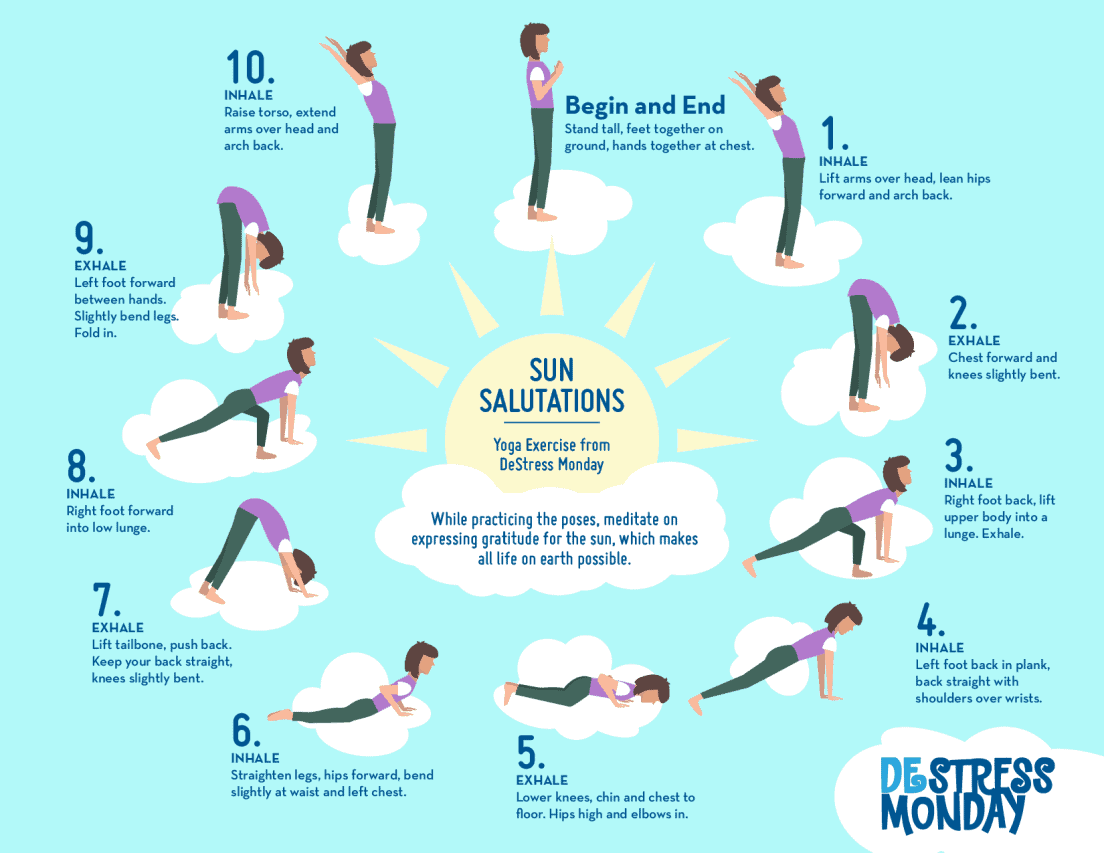
Vinyasa yoga links breath with movement. You move from one pose to the next more quickly than in Hatha. Think of it as a flowing dance. Sun Salutations are a common part of Vinyasa.
This constant movement makes Vinyasa more active. Calories burned Vinyasa flow are higher than Hatha.
- MET Value (Estimate): Around 3.5 – 4.5
- Estimated Calories Per Hour (for a 150 lb or 68 kg person): Around 240 – 300 calories.
The exact burn depends on how fast the flow is and how challenging the poses are. A fast, strong flow burns more than a slower one.
h4. Power Yoga and Ashtanga
These styles are often very strong and demanding. Ashtanga follows a set series of poses, moving quickly between them. Power yoga is similar but might not follow a fixed series. Both involve many challenging poses and rapid movements.
These styles are high intensity. They burn a lot of calories.
- MET Value (Estimate): Around 4.5 – 6.0+
- Estimated Calories Per Hour (for a 150 lb or 68 kg person): Around 300 – 400+ calories.
If you want to burn more calories in yoga, these styles are often the best choice.
h4. Bikram Yoga / Hot Yoga
Bikram yoga is a set series of 26 poses and 2 breathing exercises done in a room heated to 105°F (40°C) with 40% humidity. Other hot yoga classes might have different poses but use heat.
The heat makes your body work harder to cool down. This adds to the calorie burn. However, the poses themselves might be held longer, like Hatha, or flow like Vinyasa.
- MET Value (Estimate): Around 4.0 – 5.0 (The heat adds to this, but the exact MET of the poses might be lower).
- Estimated Calories Per Hour (for a 150 lb or 68 kg person): Around 280 – 350 calories.
Remember to drink plenty of water in hot yoga!
h4. Restorative and Yin Yoga
These styles are very gentle and slow. Restorative yoga uses props (like blankets, bolsters) to support your body in poses, helping you relax deeply. Yin yoga involves holding passive stretches for long periods (3-5 minutes or even longer) to target deep connective tissues.
These styles are focused on calming the mind, stretching, and flexibility, not burning many calories quickly.
- MET Value (Estimate): Around 1.5 – 2.0
- Estimated Calories Per Hour (for a 150 lb or 68 kg person): Around 100 – 140 calories.
While the calorie burn is low, these styles are great for reducing stress, which can help with weight loss in other ways.
Putting Numbers On It: Calories Per Hour Estimates
Let’s look at some Yoga intensity calorie burn estimates for calories burned yoga per hour based on body weight and general style intensity. These are just guesses. Your real burn might be higher or lower.
Here is a table showing approximate Calories burned yoga per hour for different body weights:
| Type of Yoga | MET Value (Approx.) | Calories Burned Per Hour (120 lbs / 54 kg) | Calories Burned Per Hour (150 lbs / 68 kg) | Calories Burned Per Hour (180 lbs / 82 kg) | Calories Burned Per Hour (210 lbs / 95 kg) |
|---|---|---|---|---|---|
| Restorative / Yin | 1.8 | 113 | 142 | 170 | 199 |
| Hatha | 2.8 | 177 | 221 | 265 | 310 |
| Vinyasa / Flow | 4.0 | 252 | 315 | 378 | 441 |
| Bikram / Hot Yoga | 4.5 | 283 | 353 | 424 | 495 |
| Power Yoga / Ashtanga | 5.5 | 346 | 433 | 519 | 606 |
Note: These numbers use the MET formula and are estimates. Your actual burn will vary.
This table clearly shows how your weight and the style of yoga make a big difference in the number of calories burned per hour.
MET Values for Yoga Activity Levels
Instead of just individual poses, let’s look at the MET values for different levels of yoga practice, as defined by exercise science groups. This helps confirm the estimates above and relates to MET values for yoga poses in a general sense.
- Yoga, Hatha: MET value = 2.5
- Yoga, Ashtanga: MET value = 4.0 (This seems a bit low compared to some estimates for very vigorous Ashtanga, maybe it averages the series)
- Yoga, Power: MET value = 5.0
- Yoga, Bikram: MET value = 5.5
- Yoga, Moderate Effort: MET value = 3.3 (This fits well with Vinyasa)
- Yoga, Light Effort: MET value = 2.0 (Fits with gentle or Restorative)
These standard MET values help health experts figure out the general energy cost of these activities. They support the idea that the harder the yoga style, the higher the MET value and the more calories burned.
Using a Yoga Calorie Burn Calculator
You can find many tools online called a Yoga calorie burn calculator. How do these work? They usually ask you:
- Your body weight.
- How long you did yoga (duration).
- What type or intensity of yoga you did.
Based on the general MET value for that type of yoga and your weight, the calculator uses a formula (like the one we saw) to give you an estimate of calories burned.
It’s important to know: These calculators give you a rough guess. They don’t know exactly how hard you were working, if you took extra breaks, or the specific poses you did. They are a helpful tool to get an idea, but don’t treat the number as perfectly exact.
Yoga Versus Walking Calories: A Look
People often ask about Yoga versus walking calories. Which one burns more? It depends on the speed of walking and the style of yoga.
- Walking (Moderate Pace, 3 mph or 4.8 km/h): MET value is about 3.5.
- Walking (Fast Pace, 4 mph or 6.4 km/h): MET value is about 5.0.
- Walking (Very Fast Pace, 4.5+ mph or 7.2+ km/h): MET value is 6.0+.
Comparing this to our yoga METs:
- Gentle yoga (Hatha, Restorative) burns fewer calories than most walking paces.
- Flow yoga (Vinyasa) burns about the same as moderate walking.
- Power yoga, Ashtanga, and Bikram yoga can burn as many calories as fast walking or even running.
So, Yoga versus walking calories doesn’t have a simple answer. A quick walk might burn more than slow yoga. But a strong yoga class can burn as much or more than a fast walk.
Both are good for you! Walking is great simple cardio. Yoga adds strength, flexibility, and calm. The best activity for weight loss is often the one you enjoy most and will do often.
Yoga for Weight Loss Calories: More Than Just Burning
Focusing only on yoga for weight loss calories misses a big part of why yoga helps people lose weight and keep it off. Yoga helps in ways that have nothing to do with the calories burned during the practice itself.
h4. Less Stress, Less Stress Eating
Many people eat when they feel stressed, bored, or sad. Yoga is well known for helping lower stress. It teaches you to breathe deeply and be more mindful. This can help you notice why you want to eat and choose not to eat when you’re not truly hungry. Lower stress can also help balance hormones that affect hunger and fat storage.
h4. Better Sleep
Not getting enough sleep can make you hungrier, crave unhealthy foods, and make your body store more fat. Yoga helps calm the mind and body, which can lead to better sleep. When you are well-rested, you make better food choices and have more energy to be active.
h4. More Muscle, More Burn
Some yoga styles, like Power or Ashtanga, build muscle strength. Muscles burn more calories at rest than fat does. Building muscle through yoga can slightly increase your metabolism, meaning you burn a little more energy even when you are not exercising.
h4. Body Awareness and Better Choices
Yoga encourages you to pay attention to your body. You notice how different poses feel, how your breath moves, and how food makes you feel. This body awareness can help you make healthier food choices and listen to your body’s true hunger signals.
h4. It Makes You Feel Good
Doing yoga regularly can boost your mood and make you feel stronger and more capable. When you feel good, you are more likely to stick to healthy habits, like eating well and being active. Yoga can be less intimidating than intense gym workouts for some people, making it easier to start and stick with.
So, while the Yoga for weight loss calories burned during practice is important, these other benefits are just as, if not more, crucial for long-term weight loss success.
Getting More Burn From Your Yoga
If one of your goals is to burn more calories with yoga, you can make choices to increase the intensity:
- Choose a more vigorous style: Go for Vinyasa, Power Yoga, Ashtanga, or Hot Yoga.
- Make it a flow: Move smoothly from pose to pose instead of stopping for long breaks.
- Hold poses longer (if it’s a strength pose): Holding Warrior II or Plank for extra breaths builds more heat and strength.
- Try harder versions of poses: If your teacher offers a more challenging option, try it if you feel ready.
- Practice regularly: The more often you do yoga, the more calories you burn over the week. Longer sessions also mean more burn.
- Engage your muscles: Don’t just hang in poses. Actively use your muscles to hold and support yourself. This increases the work your body does.
Making these changes can push the MET value of your practice higher, leading to a greater yoga calorie burn per hour.
Weight Loss Needs Consistency and Other Habits
Burning calories through yoga helps with weight loss, but it works best as part of a bigger plan.
- Eat Healthy Food: What you eat matters most. You cannot out-exercise a poor diet. Focus on whole foods, fruits, vegetables, lean protein, and healthy fats. Control portion sizes.
- Be Consistent: Doing yoga a few times a week is better than one very long session every once in a while. Find a routine you can stick to.
- Move More Every Day: Walk more, take the stairs, do chores. All movement adds up. Yoga is one part of an active life.
- Listen to Your Body: Rest when you need to. Don’t push too hard and get hurt.
- Manage Stress: Use yoga’s calming power or find other ways to handle stress.
Yoga is a wonderful tool for both your body and mind. It helps with calorie burn, builds strength, increases flexibility, and supports your mental health. All these things together make it a powerful help on your weight loss journey.
Frequently Asked Questions
h4. Is yoga good for losing weight?
Yes, yoga is good for losing weight. It burns calories, helps build muscle (which uses calories), and lowers stress. Stress can lead to overeating. Yoga also helps you become more aware of your body and make healthier choices. It’s a great part of a weight loss plan, especially when combined with healthy eating.
h4. Which type of yoga burns the most calories?
Styles that are faster and more intense generally burn the most calories. Power Yoga, Ashtanga, and Vinyasa Flow usually burn more than slower styles like Hatha, Restorative, or Yin. Hot yoga (like Bikram) also tends to burn more due to the added challenge of the heat.
h4. How often should I do yoga for weight loss?
Doing yoga 3-5 times a week is a good goal for weight loss. Shorter, more intense sessions (30-45 mins) several times a week can be effective, as can longer sessions (60-90 mins) a few times a week. Find a frequency and style you enjoy so you can stick with it. Consistency is more important than doing one or two super long sessions.
h4. Do I need to do other exercises besides yoga to lose weight?
Yoga can be enough activity for weight loss for some people, especially if they do vigorous styles regularly and eat healthily. However, adding other types of exercise, like brisk walking, running, swimming, or cycling, can help you burn even more calories and improve your heart health (cardio fitness). A mix of activities is often best for overall health and fitness.
h4. Can I really lose weight with just gentle yoga?
Losing weight with just gentle yoga is harder if you only focus on calorie burn during the practice. Gentle yoga doesn’t burn as many calories as more active exercise. However, if gentle yoga helps you manage stress, sleep better, and make healthier food choices, it can still be a valuable part of your weight loss path. Weight loss is mostly about diet, and gentle yoga can help support healthy eating habits in other ways.
h4. Are calorie burn numbers from wearables (like smartwatches) correct for yoga?
Wearable devices can give you an estimate of calories burned, but they are not always perfectly correct, especially for activities like yoga that involve varied movements and static holds. They usually use heart rate data and your profile (weight, age) to guess. The number they give you is a helpful guide, but treat it as an estimate, not an exact figure.
Summing Up
Yoga is a powerful practice that helps your body and mind. It does burn calories, and the number changes a lot based on the style you choose and how hard you work. Faster, more intense styles like Power Yoga or Vinyasa burn more calories than slower styles like Hatha or Restorative. Your weight and the time you spend practicing also play a big role in the yoga calorie burn per hour.
While burning calories through exercise is important for weight loss, remember that yoga helps in many other vital ways. It lowers stress, improves sleep, builds strength, and helps you feel better about yourself. These benefits support healthy eating and an active lifestyle, which are key to reaching and keeping a healthy weight.
Don’t just think about yoga for weight loss calories. Think about all the good things yoga does for you. Find a style you love, practice regularly, eat healthy foods, and move your body in other ways too. That’s the best way to unlock your weight loss goals and live a healthier, happier life.