
Yes, yoga absolutely can change your body. Practicing yoga regularly brings real, noticeable effects to your physique. These changes come from building strength, increasing flexibility, improving posture, and even helping with weight management, all contributing to a different body shape over time.
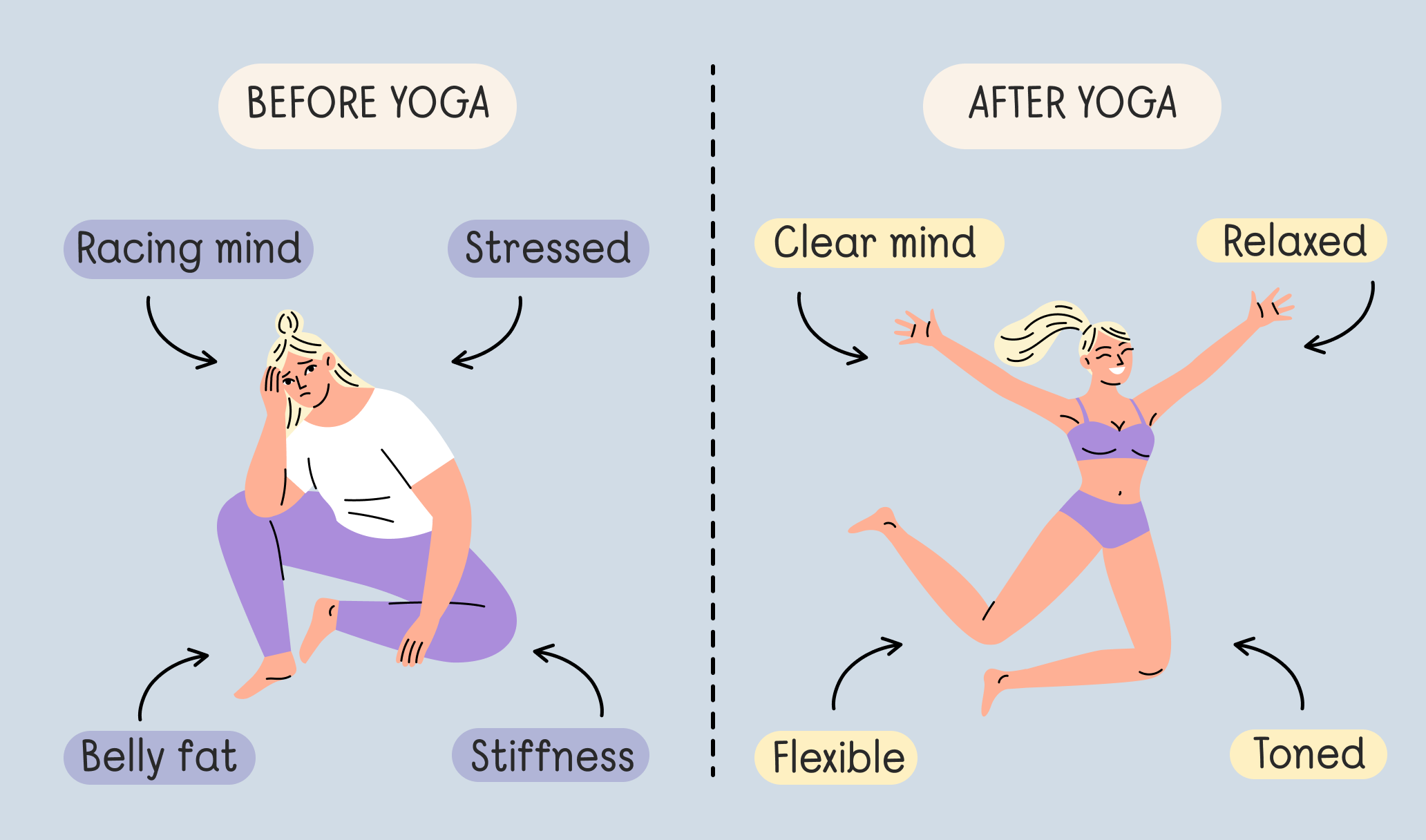
Image Source: cdn-prod.unimealplan.com
Exploring Yoga’s Impact on Your Body
Many people start yoga for stress relief or a gentle workout. But soon, they notice something else happening: their bodies start to shift. This isn’t just about feeling better on the inside. Yoga has clear and powerful effects on your physical shape and how your body works. It’s a journey that combines movement, breath, and focus to bring about transformation.
Yoga is more than just stretching. It involves holding challenging poses, moving through sequences (like Sun Salutations), and using your breath to help you stay present and push gently. This combination targets different parts of your body, leading to significant physical changes.
Yoga Physical Benefits You Will Notice
Regular yoga practice offers a wide range of benefits for your body. These benefits build on each other, leading to a healthier, more capable physique. You might feel stronger, move more freely, and even stand taller.
Some of the main yoga physical benefits include:
- Better muscle strength
- More flexibility
- Improved balance and stability
- Straightened posture
- Potential help with weight control
- Increased body awareness
- Reduced aches and pains
These benefits don’t happen overnight. They grow with time and effort, showing that consistency in yoga is key to seeing real change.
Building Yoga Muscle Tone and Strength
One of the biggest changes people see is in their muscle tone and strength. While yoga doesn’t usually build big, bulky muscles like weightlifting, it creates long, lean muscle tone.
Think about holding poses like Plank, Warrior II, or Chair Pose. These require your muscles to work against gravity and your own body weight.
- Holding Plank works your arms, shoulders, core, and legs.
- Warrior poses build strength in your legs, hips, and core.
- Chair Pose strengthens your thighs and glutes.
Each pose is a form of resistance training. You use your body weight to challenge your muscles. Doing this over and over makes your muscles stronger and more defined. This strength building isn’t just in the big muscle groups. Yoga also works smaller, stabilizing muscles that you might not use in other forms of exercise. This helps improve overall stability and reduces the risk of injury in daily life.
Honing your muscles through yoga is a gradual process. It requires you to hold poses for longer periods or repeat movements, putting your muscles under healthy stress. Over weeks and months, this leads to noticeable yoga muscle tone. You’ll feel firmer and see more definition in your arms, legs, core, and back.
Boosting Yoga Flexibility and Range of Motion
Yoga is famous for making people more flexible. This is a major part of the yoga physical benefits. Flexibility means your muscles can lengthen, and your joints can move through their full range.
Many yoga poses are designed to stretch muscles and connective tissues (like ligaments and tendons).
- Poses like Forward Fold and Downward-Facing Dog stretch the hamstrings.
- Cobra or Upward-Facing Dog stretch the front of the body and back.
- Hip openers like Pigeon Pose improve flexibility in the hips.
Regular stretching in yoga helps to release tightness that builds up from sitting, standing, or other activities. This increased flexibility doesn’t just make it easier to touch your toes. It improves your ability to move freely in everyday life. Things like bending down, reaching up, or twisting become easier.
Better flexibility also helps prevent injuries. When your muscles are flexible, they are less likely to strain or tear when you make sudden movements. Plus, increased range of motion in your joints can ease stiffness and pain.
It’s important to remember that flexibility takes time. You don’t need to be able to do splits when you start. The goal is gradual progress, respecting your body’s limits each day.
Yoga Posture Improvement for a Taller Look
Poor posture is common in modern life, often from sitting for long hours or looking at screens. This can lead to rounded shoulders, a hunched back, and neck pain. Yoga directly addresses these issues, leading to significant yoga posture improvement.
Many yoga poses focus on aligning the spine and strengthening the muscles that support it.
- Mountain Pose teaches you how to stand tall with proper alignment.
- Cobra, Locust, and Bridge poses strengthen the back muscles.
- Chest-opening poses like Camel or Fish counteract rounded shoulders.
By strengthening your core and back muscles and increasing flexibility in your shoulders and chest, yoga helps you hold yourself upright naturally. You become more aware of how you’re standing and sitting throughout the day.
Better posture doesn’t just make you look taller and more confident. It also has physical benefits. It can reduce back and neck pain, improve breathing (because your lungs have more space), and even help digestion. Correcting your posture through yoga is a simple yet powerful way to change your body’s structure and feel better overall.
Yoga Weight Loss and Changing Your Body Shape
Can yoga help you lose weight? Yes, it can be a part of a healthy weight loss plan. While not as calorie-intensive as running or high-impact cardio, yoga still burns calories. More importantly, it builds muscle (which burns more calories even at rest) and affects hormones and stress levels that can impact weight.
Dynamic styles of yoga, like Vinyasa or Power Yoga, involve continuous movement and can burn a significant number of calories. Holding poses for longer periods in styles like Hatha or Iyengar also requires effort and burns calories.
Beyond calorie burn, yoga helps with weight management in other ways:
- Building muscle: Increased yoga muscle tone boosts your metabolism.
- Reducing stress: High stress levels can lead to weight gain, especially around the belly. Yoga is known for reducing stress.
- Improving body awareness: Regular practice makes you more mindful of your body’s signals, including hunger and fullness, which can lead to healthier eating habits.
- Encouraging a healthier lifestyle: People who practice yoga often find themselves making healthier choices in other areas of their lives, like diet and sleep.
Over time, combining yoga with a balanced diet can lead to yoga weight loss. But even without significant weight loss, yoga changes your body shape. By building strength and improving posture, it can make you look leaner, more toned, and more upright. Your waist might become more defined as your core strengthens, and your limbs may look longer as your flexibility increases. This change in yoga body shape is a common and motivating result of consistent practice.
The Power of Consistency in Yoga
Seeing real changes in your body from yoga requires one main thing: consistency. Doing yoga once in a while will feel good, but it won’t reshape your body in a noticeable way. Like any fitness activity, the benefits build up over time with regular practice.
How often should you practice? Aim for at least 2-3 times per week to start seeing changes. If you can practice 4-5 times a week, you’ll likely see results faster.
Each session builds on the last. Your muscles remember the poses. Your flexibility slowly increases. Your balance gets better little by little. Consistency in yoga allows your body to adapt and grow stronger, more flexible, and more aligned.
It’s not just about physical practice. Consistency also means sticking with it even when you don’t feel like it or when progress seems slow. Showing up on your mat regularly trains your mind as well as your body, strengthening your resolve and making the practice a natural part of your routine.
Don’t get discouraged if you don’t see big changes immediately. Focus on showing up. Over weeks and months, you will notice the difference. Your clothes might fit differently, you might stand taller, and you’ll feel stronger in everyday movements.
Yoga Poses for Body Transformation
Certain yoga poses are particularly effective for building strength, improving flexibility, and changing your body shape. Incorporating these regularly can help speed up your yoga body transformation.
Here are some key poses and why they are effective:
h4. Strength Building Poses
These poses help create yoga muscle tone and overall strength building.
- Plank Pose: Works the entire body, especially core, arms, and shoulders. Builds stability.
- Chaturanga Dandasana (Low Plank): A challenging pose that builds significant arm and shoulder strength.
- Warrior Poses (I, II, III): Strengthen legs, hips, core, and shoulders. Improve balance (especially Warrior III).
- Chair Pose: Strengthens thighs, glutes, and ankles. Builds heat and endurance.
- Dolphin Pose: Builds shoulder and arm strength, stretches hamstrings and shoulders.
- Handstand or Forearm Stand (Inversions): Advanced poses that build immense upper body and core strength. (Practice with caution and guidance).
h4. Flexibility Enhancing Poses
These poses help improve yoga flexibility and range of motion.
- Downward-Facing Dog: Stretches hamstrings, calves, shoulders, and lengthens the spine.
- Forward Fold (Uttanasana): Deep stretch for hamstrings and calves.
- Low Lunge / High Lunge: Stretches hip flexors. High Lunge also builds leg strength.
- Pigeon Pose: Deep hip opener, stretches the glutes and hip flexors.
- Supine Spinal Twist: Increases flexibility in the spine and back.
- Bridge Pose: Stretches chest, neck, and spine, strengthens back, glutes, and hamstrings.
h4. Posture Improving Poses
These poses help with yoga posture improvement.
- Mountain Pose (Tadasana): Teaches proper standing alignment, strengthens ankles and legs.
- Cobra Pose (Bhujangasana): Strengthens back muscles, opens the chest and shoulders.
- Locust Pose (Salabhasana): Works upper and lower back muscles, improves spinal flexibility.
- Staff Pose (Dandasana): Helps you find proper seated posture, strengthens back.
- Warrior II: Opens hips and chest, improves stance and alignment.
Including a mix of these types of poses in your routine will target different aspects of your physical body transformation.
h5. Table of Example Poses and Benefits
| Pose Name | Primary Benefit Category | Specific Muscle Groups Worked/Stretched |
|---|---|---|
| Plank | Strength | Core, Arms, Shoulders, Legs |
| Downward-Facing Dog | Flexibility/Strength | Hamstrings, Calves, Shoulders, Back (Length) |
| Warrior II | Strength/Flexibility | Legs, Hips, Shoulders (Strength), Hips (Flexibility) |
| Cobra Pose | Posture/Flexibility | Back muscles (Strength), Chest, Shoulders, Spine (Flex) |
| Chair Pose | Strength | Thighs, Glutes, Ankles |
| Forward Fold | Flexibility | Hamstrings, Calves, Spine (Length) |
| Mountain Pose | Posture | Ankles, Legs (Stability), Overall Alignment Awareness |
| Pigeon Pose | Flexibility | Hips, Glutes, Hip Flexors |
Note: Always listen to your body and modify poses as needed.
The Yoga Mind-Body Connection in Physical Change
Yoga is unique because it strongly connects the mind and body. This connection plays a big role in how yoga changes your body physically. It’s not just about moving your limbs; it’s about paying attention while you move.
Being present in your practice means you are aware of your muscles working, your breath flowing, and how your body feels in each pose. This heightened body awareness helps you:
- Engage muscles properly: You learn to activate the right muscles in each pose, making the exercise more effective for building yoga muscle tone and strength.
- Notice and release tension: You become more aware of where you hold stress or tightness in your body and learn techniques (like breath) to release it, which improves yoga flexibility and reduces pain.
- Improve posture naturally: As you become more aware of your body’s alignment on the mat, you start to notice and correct poor posture habits off the mat.
- Manage stress and emotional eating: The calming effects of yoga and breathwork can reduce stress, which in turn can help manage stress-related eating and weight gain.
The yoga mind-body connection means you are not just exercising your body, but you are also training your brain to be more connected to your physical self. This deep connection makes your physical practice more effective and sustainable. It fosters patience with your progress and encourages self-care, which are essential for long-term yoga body transformation.
How Yoga Affects Daily Life and Your Overall Physique
The physical changes from yoga extend far beyond the yoga mat. As your yoga physical benefits grow, you’ll notice improvements in everyday activities.
- Easier movement: Increased yoga flexibility and strength make everyday tasks like lifting groceries, climbing stairs, or playing with kids feel easier.
- Less pain: Improved yoga posture improvement and muscle balance can reduce chronic aches in your back, neck, and joints.
- More energy: While it might seem counterintuitive, movement and breathwork in yoga can increase your energy levels.
- Improved balance: Better balance reduces the risk of falls and makes you feel more stable.
- Confidence: Standing taller with better posture and feeling stronger in your body can significantly boost your self-confidence.
All these small changes in how you move and feel add up to a noticeable change in your overall physique. You might carry yourself differently, look more upright, and have more visible yoga muscle tone. The changes in your yoga body shape are a direct result of the ongoing practice and the integration of the mind-body connection into your daily life.
Setting Realistic Expectations for Your Yoga Journey
It’s important to have realistic expectations about how and when yoga will change your body. Yoga body transformation is usually not as fast or dramatic as intense weightlifting or calorie restriction might promise in the short term. It’s a more gradual, holistic process.
- Timeframe: Don’t expect a completely new body in a few weeks. Noticeable changes in strength, flexibility, and posture usually start appearing after 1-3 months of consistent practice (2-5 times per week). More significant changes in yoga body shape or weight might take 6 months or longer.
- Individual differences: Everyone’s body is different. Genetics, age, starting fitness level, and lifestyle all play a role in how quickly you see results.
- Consistency is key: We’ve said it before, and it’s worth repeating. Missing weeks of practice will slow down your progress.
- Listen to your body: Pushing too hard too soon can lead to injury, which stops progress completely. Celebrate small wins – being able to hold a pose longer, touching your toes for the first time, or feeling more stable.
Focus on the journey, not just the destination. Enjoy the process of exploring your body’s capabilities and limitations. The physical changes will come as a natural result of consistent, mindful practice.
Combining Yoga with Other Fitness Activities
Yoga works wonderfully on its own, but it also pairs well with other types of exercise. Combining yoga with activities like running, swimming, cycling, or weight training can enhance your overall fitness and body transformation.
- Yoga for athletes: Yoga’s focus on flexibility, balance, and core strength is hugely beneficial for runners, cyclists, and athletes in other sports. It helps prevent injuries and improves performance.
- Yoga and strength training: Pairing yoga with weightlifting can help improve your range of motion for lifts and balance out muscles that might become tight from heavy lifting. It also aids in recovery.
- Yoga and cardio: Yoga provides strength and flexibility that complement the cardiovascular benefits of activities like running or swimming.
Adding yoga to an existing fitness routine can break through plateaus and bring new dimensions to your physical capabilities. It supports recovery, improves mobility, and adds a mental component that many other exercises lack. This can contribute to a more complete yoga body transformation.
Important Things to Know and Potential Challenges
While yoga offers many benefits, it’s important to practice safely and be aware of potential challenges.
- Risk of Injury: If not done correctly or if you push too hard, some poses can lead to injuries, especially in joints (knees, wrists, shoulders) or muscles. Always listen to your body, don’t force yourself into poses, and use modifications when needed.
- Finding the Right Style: There are many styles of yoga, from gentle Hatha to intense Power Yoga. The right style for you depends on your goals, fitness level, and preferences. Experiment to find what feels best and is sustainable for you.
- Finding a Good Teacher: Learning from a qualified teacher is highly recommended, especially when you are starting. They can help you with proper alignment and prevent injuries.
- It’s Not a Magic Cure: Yoga is a powerful tool, but it’s not a quick fix for major health issues or significant weight loss on its own. It works best as part of a balanced lifestyle including healthy eating and potentially other forms of exercise.
Being mindful of these points helps ensure your yoga journey is safe, enjoyable, and effective for achieving your desired physical changes.
Concluding Thoughts: Yoga’s Lasting Impact on Your Physique
So, can yoga change your body? Absolutely. The evidence is clear in the yoga physical benefits it provides: improved yoga muscle tone, increased yoga flexibility, significant yoga posture improvement, potential for yoga weight loss and changes in yoga body shape, and overall strength building.
These changes don’t happen by chance. They are the result of consistent practice and the powerful connection between your mind and body that yoga cultivates. Yoga reshapes your body not just by making muscles work, but by improving how you use and perceive your body as a whole.
Whether you’re looking to stand taller, move more freely, build lean strength, or simply feel more comfortable and capable in your own skin, yoga offers a proven path to physical transformation. It’s a journey of self-discovery and physical growth that yields rewarding and lasting results.
Frequently Asked Questions (FAQ)
h3. How quickly can I see body changes from yoga?
Most people start noticing changes in strength, flexibility, and posture within 1 to 3 months of practicing yoga 2-5 times per week. More visible changes in muscle tone or body shape might take 6 months or longer, depending on your starting point, consistency, and the style of yoga you practice.
h3. What type of yoga is best for changing my body shape?
For building yoga muscle tone and seeing noticeable changes in body shape, dynamic styles like Vinyasa, Power Yoga, or Ashtanga are often effective because they involve continuous movement and strength-building poses. Hatha or Iyengar yoga are also great for building strength and improving posture through longer holds and focus on alignment. A balanced practice incorporating different styles can be very beneficial.
h3. Do I need to be flexible to start yoga?
No! You definitely do not need to be flexible to start yoga. Flexibility is one of the main things yoga helps you build. Start with beginner classes and listen to your body. Your flexibility will improve over time with consistent practice.
h3. Can yoga help me build significant muscle mass?
Yoga builds lean muscle tone and strength through bodyweight resistance. While it increases muscle definition and capability, it typically won’t lead to the same level of muscle bulk as heavy weightlifting. If your goal is significant muscle mass, yoga is an excellent complement to weight training, improving flexibility and preventing injuries.
h3. Is yoga enough for weight loss?
Yoga can contribute to yoga weight loss by burning calories, building metabolism-boosting muscle, reducing stress, and increasing body awareness leading to healthier habits. However, for significant weight loss, it is often most effective when combined with a balanced, healthy diet and potentially other forms of cardiovascular exercise.
h3. How does yoga help with posture?
Yoga helps with yoga posture improvement by strengthening the core and back muscles that support the spine, stretching tight muscles that pull you out of alignment (like chest and hip flexors), and increasing body awareness so you can correct your posture throughout the day. Poses focus on aligning the body and holding it upright.
h3. Is consistency in yoga really that important?
Yes, consistency in yoga is crucial for seeing real and lasting physical changes. Like any form of exercise, the benefits accumulate over time. Regular practice allows your muscles to adapt, your flexibility to increase steadily, and your mind-body connection to deepen. Practicing sporadically will yield minimal physical transformation compared to a regular routine.