
How many calories burned in yoga? A yoga session can burn anywhere from about 150 calories to over 400 calories per hour, but the exact number changes a lot. It depends on things like the style of yoga you do, how hard you work, how long the session lasts (Yoga duration calorie burn), your body weight (Yoga calories burned by weight), and even things like the room temperature. This makes giving one simple number tricky. Different types of yoga calorie burn at different rates. Knowing these details helps you figure out how many calories you might burn in your own practice.
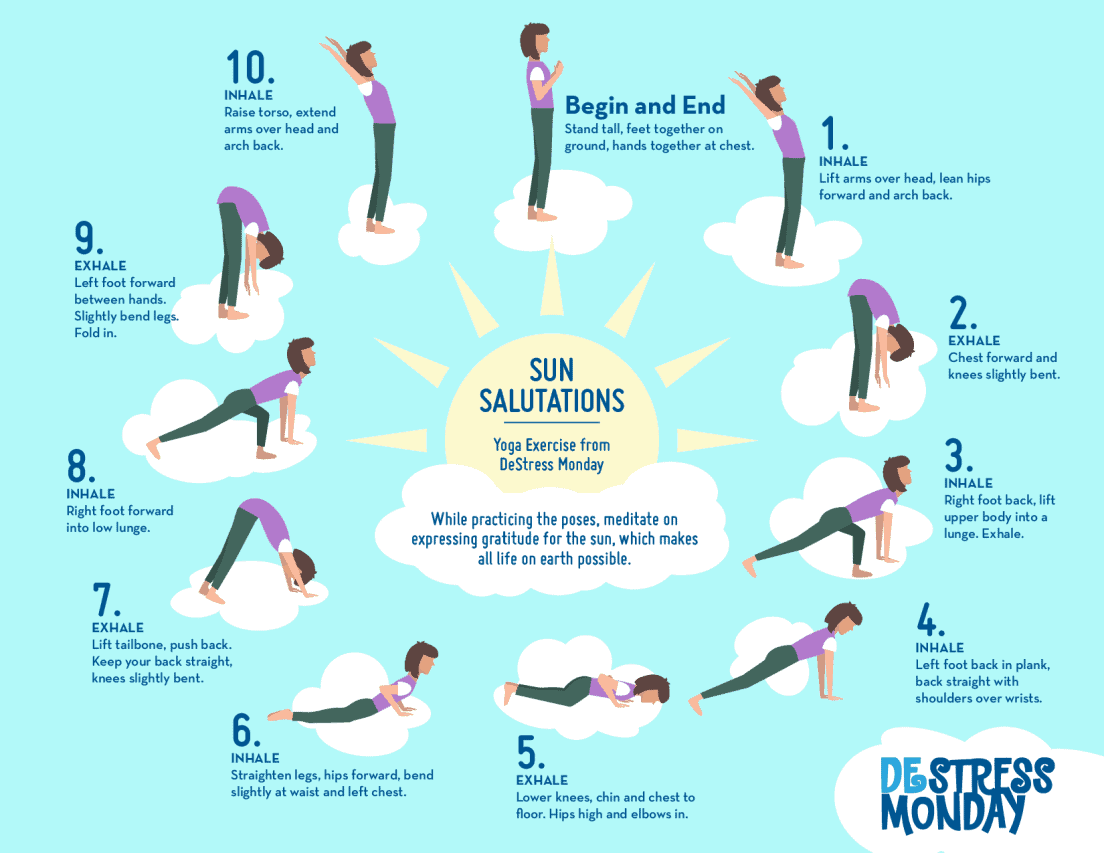
Image Source: shunyaapp.com
Deciphering Calorie Burning During Yoga
Many people think of yoga as just stretching or relaxation. It is true that yoga helps you stretch and relax. But it is also a physical activity. Any time your body moves, it uses energy. This energy is measured in calories. Yoga makes your muscles work. It also makes your heart pump faster, especially in more active styles. This work uses calories.
The number of calories you burn is not set in stone. It changes based on many things. Your size matters. A heavier person usually burns more calories doing the same activity than a lighter person. This is because a heavier body needs more energy to move. How hard you try matters too. Holding poses longer or moving faster between poses burns more calories.
The style of yoga is a big factor. A calm, slow class burns fewer calories than a fast, powerful class. Think of it like walking versus running. Both burn calories, but running burns more in the same amount of time. Yoga styles are like this too.
Your body burns calories all the time, even when you rest. This is called your metabolism. Exercise adds to the calories you burn. Yoga adds to your daily calorie burn.
How METs Help Measure Yoga Burn
To compare how much energy different activities use, scientists use something called METs. MET stands for Metabolic Equivalent of Task. It is a simple way to measure how hard your body is working compared to resting.
One MET is the energy your body uses when you are sitting quietly. It is like your resting energy level. If an activity has a MET value of 3, it means you burn three times as many calories doing that activity as you would sitting still.
MET values help us estimate calorie burn for different types of yoga. We can use these values in a simple formula.
Here is the basic idea of the formula:
Calories burned per minute = (METs x body weight in kilograms x 3.5) / 200
This looks a bit complex, but we can simplify it. The key part is that the MET value directly affects the calories burned. A higher MET value means more calories burned.
Different yoga styles have different Yoga METs values. This is why a fast-paced class burns more than a slow one. We will look at the MET values for specific yoga types soon. Knowing the Yoga METs value for a class helps you get a better idea of the energy used.
Unpacking Factors Affecting Your Yoga Calorie Count
Many things work together to decide how many calories you burn in a yoga class. It is not just one thing. Let us look at the main factors.
Your Body Weight
Your body weight is one of the most important factors. Simply put, moving a heavier body takes more energy. This means someone who weighs more will burn more calories doing the same yoga class for the same amount of time than someone who weighs less. This is true for any physical activity, not just yoga. The Yoga calories burned by weight is a key part of any estimate. A table later will show how weight changes the calorie burn.
The Duration of Your Session
How long you do yoga matters a lot. Doing yoga for 60 minutes will burn roughly twice as many calories as doing it for 30 minutes, assuming the intensity stays the same. This is pretty simple. The longer you move, the more energy you use. The Yoga duration calorie burn is a direct link. A longer class means more time for your body to work.
The Intensity of the Practice
This is perhaps the biggest variable in yoga. Intensity means how hard your body works. A slow, gentle class with lots of sitting or lying down is low intensity. A fast class with hard poses and constant movement is high intensity.
Intensity in yoga comes from:
- Pace: How quickly you move from one pose to the next.
- Difficulty of Poses: Holding challenging poses like inversions or arm balances takes more muscle effort.
- Muscle Engagement: Actively engaging muscles in poses, not just letting gravity do the work.
- Flow: Moving smoothly and quickly between poses (like in Vinyasa).
A low-intensity yoga session might have a low MET value, similar to a slow walk. A high-intensity session might have a MET value closer to jogging.
The Specific Style of Yoga
As mentioned, different styles of yoga have very different intensities. This leads to big differences in calories burned. We will look at the calories burned per hour yoga for various popular styles. This is where the Yoga calorie burn by type really shows its effect. Some styles are designed to build heat and strength quickly, while others focus on deep stretching and relaxation.
Environmental Factors
Sometimes the environment plays a role. Hot yoga, done in a heated room, can make your heart rate higher and make you sweat more. While sweating a lot does not necessarily mean you burn significantly more calories through muscle work, the body does use some extra energy to cool itself in the heat. The main burn comes from the poses, but the heat can add a little bit.
Yoga Styles and Calorie Burn Estimates
Here is a look at how many calories you might burn doing different popular yoga styles. These are estimates. Your actual burn might be higher or lower. We will give Calories burned per hour yoga estimates for someone weighing around 150 pounds (about 68 kg) as a common example. Remember, Yoga calories burned by weight means these numbers go up for heavier people and down for lighter people.
Hatha Yoga
Hatha yoga is often what people think of as traditional yoga. Classes usually involve holding poses for several breaths. The pace is typically slow to moderate. There is a focus on basic poses, breathing control, and alignment. It is not usually a fast flow.
- Intensity: Low to moderate.
- MET Value: Around 2.5 to 3.
- Hatha yoga calories burned per hour (for 150 lbs): About 170-200 calories.
Hatha yoga is great for learning the basics, improving flexibility, and building gentle strength. It is a good starting point for beginners. While the Hatha yoga calories burned might be lower than some other styles, it still adds to your total daily burn.
Vinyasa Yoga (Flow)
Vinyasa yoga links poses together with your breath. You move smoothly from one pose to the next, often at a steady pace. Sun Salutations are common in Vinyasa classes. This style is much more dynamic than Hatha.
- Intensity: Moderate to high.
- MET Value: Around 4 to 5.
- Vinyasa yoga calorie burn per hour (for 150 lbs): About 250-350 calories.
The constant movement keeps your heart rate up. This makes the Vinyasa yoga calorie burn much higher than slower styles. It builds heat in the body and can be quite a workout.
Power Yoga
Power yoga is a more athletic and intense style. It often comes from Vinyasa or Ashtanga yoga. Classes move quickly and include challenging poses. There is a strong focus on building strength and endurance. It is designed to be physically demanding.
- Intensity: High.
- MET Value: Around 5 to 6.
- Power yoga calorie burn per hour (for 150 lbs): About 350-450+ calories.
Power yoga is one of the most vigorous yoga styles. The fast pace, difficult poses, and focus on strength make the Power yoga calorie burn quite high. It is a popular choice for those seeking a strong physical workout.
Ashtanga Yoga
Ashtanga yoga follows a set sequence of poses. It is physically demanding and builds internal heat. Like Vinyasa, it links breath to movement. It is a very structured and disciplined practice.
- Intensity: High.
- MET Value: Around 4.5 to 5.5.
- Ashtanga yoga calorie burn per hour (for 150 lbs): About 300-400 calories.
The structured sequence and constant movement make Ashtanga a challenging and calorie-burning practice, similar to Power or intense Vinyasa.
Bikram or Hot Yoga
Bikram yoga is a specific style of hot yoga done in a room heated to about 105°F (40°C) with 40% humidity. It involves 26 specific poses and two breathing exercises performed in the same order every class. Other hot yoga classes exist that are not Bikram but are done in heated rooms.
- Intensity: Moderate to high (poses themselves). The heat adds a bit to the body’s work.
- MET Value: Around 4.5 to 5.5 (for the poses, heat effect varies).
- Hot yoga calorie burn per hour (for 150 lbs): About 300-400 calories.
The heat makes it feel harder and you sweat a lot. While the heat itself does not drastically increase the calorie burn from muscle work, it adds to the total energy used by the body to cope with the environment. So, the estimate is similar to Ashtanga or intense Vinyasa, but the feeling of exertion is often higher due to the heat.
Restorative or Yin Yoga
These styles are very slow and gentle. Poses are held for a long time, often with props like blankets, bolsters, and blocks for support. The focus is on deep stretching, relaxation, and releasing tension. There is minimal muscle effort involved.
- Intensity: Very low.
- MET Value: Around 2.
- Restorative/Yin yoga calories burned per hour (for 150 lbs): About 100-150 calories.
These styles burn calories at a rate only slightly higher than sitting still. Their main benefits are not calorie burning but relaxation, flexibility, and stress reduction.
Summary of Yoga Calorie Estimates by Type
Here is a quick look at the different Types of yoga calorie burn per hour for someone weighing 150 lbs (68 kg). Remember this is an estimate.
| Yoga Style | Intensity Level | Estimated Calories Burned per Hour (150 lbs / 68 kg) | Typical METs Value |
|---|---|---|---|
| Restorative / Yin | Very Low | 100 – 150 | ~2 |
| Hatha | Low to Moderate | 170 – 200 | ~2.5 – 3 |
| Vinyasa (Flow) | Moderate to High | 250 – 350 | ~4 – 5 |
| Ashtanga | High | 300 – 400 | ~4.5 – 5.5 |
| Bikram / Hot Yoga | Moderate to High | 300 – 400 | ~4.5 – 5.5 |
| Power Yoga | High | 350 – 450+ | ~5 – 6+ |
This table clearly shows how the style affects the Calories burned per hour yoga.
Using a Yoga Calorie Calculator (Or Estimating Yourself)
You can find Yoga calorie calculator tools online. These tools usually ask for your body weight, the type of yoga you did, and how long you did it. They use the MET values we talked about to give you an estimate.
For example, a Yoga calorie calculator uses the formula:
Calories Burned = Duration (in minutes) * (METs * 3.5 * Body weight in kg) / 200
Let us do an example calculation:
Say you weigh 180 pounds. First, convert that to kilograms. 180 lbs / 2.2 = about 82 kg.
You did a Vinyasa class for 60 minutes. Vinyasa has a MET value of around 4.5.
Calories Burned = 60 minutes * (4.5 * 3.5 * 82 kg) / 200
Calories Burned = 60 * (1291.5) / 200
Calories Burned = 77490 / 200
Calories Burned = 387.45
So, for a 180-pound person doing 60 minutes of Vinyasa, the estimate is about 387 calories.
You can see how Yoga calories burned by weight changes the number. Let us try the same Vinyasa class for a 120-pound person (about 54.5 kg):
Calories Burned = 60 minutes * (4.5 * 3.5 * 54.5 kg) / 200
Calories Burned = 60 * (858.375) / 200
Calories Burned = 51502.5 / 200
Calories Burned = 257.5
The 120-pound person burns about 258 calories in the same class. This highlights the importance of Yoga calories burned by weight in the calculation.
Remember, these are estimates. Your actual calorie burn might be different based on exactly how hard you worked in that specific class. Was it a very flowing Vinyasa or a slower one? Did you take breaks? All these things change the real number. But the METs formula and online tools give you a good starting point. They help you see the impact of the Yoga duration calorie burn and the Yoga calorie burn by type.
Yoga for Weight Loss: More Than Just Calories
Can you use Yoga for weight loss? Yes, you can. But it is important to see the whole picture. Weight loss happens when you burn more calories than you eat. This is called creating a calorie deficit.
While some yoga styles burn a good number of calories, they might not burn as many per minute as running, cycling, or high-intensity interval training (HIIT). So, relying only on yoga for a large calorie burn might take more time or very intense practice.
However, Yoga for weight loss is effective because it helps in other ways too:
- Builds Muscle: Especially in stronger styles like Power or Ashtanga, yoga helps build lean muscle mass. Muscle burns more calories at rest than fat does. So, building muscle helps boost your metabolism a little over time.
- Reduces Stress: Stress can lead to weight gain for some people. High stress levels can affect hormones that control appetite and fat storage. Yoga is known for its ability to reduce stress and promote relaxation. This can help manage stress-related eating or weight gain.
- Increases Body Awareness: Practicing yoga often makes you more aware of your body and how it feels. This can lead to healthier choices off the mat, like eating more mindfully and paying attention to hunger and fullness cues.
- Improves Sleep: Getting enough good-quality sleep is important for overall health and weight management. Yoga can help improve sleep quality for many people.
- Boosts Consistency: Yoga is an enjoyable practice for many. Finding an activity you like makes it easier to do it regularly. Consistency is key for burning calories and staying active over time.
So, while the number of calories burned per hour yoga might be less than some high-impact sports, yoga contributes to weight loss in many important ways. Combining yoga with a healthy diet and maybe other types of exercise is a powerful way to support weight loss goals.
Consistency is Key for Results
Whether your goal is calorie burning, weight loss, or just feeling better, doing yoga often is what brings results. One yoga class might burn a few hundred calories. But doing yoga several times a week adds up over time.
Think about it:
- Three 60-minute Vinyasa classes per week (for a 150 lb person) could burn roughly 250-350 calories/class * 3 classes = 750 – 1050 calories per week.
- Over a month, this is 3000 – 4200 calories.
- It takes roughly 3500 calories burned (or cut from diet) to lose one pound of fat.
So, consistent yoga practice can contribute to losing about one pound per month, or more if combined with dietary changes and other activities. The Yoga duration calorie burn becomes significant when you look at it over weeks and months.
Finding a style you enjoy and fitting it into your routine is more important than picking the style that burns the most calories but you won’t stick with. Even lower-calorie styles like Hatha or Restorative offer amazing benefits for your body and mind, which indirectly support a healthy lifestyle that includes maintaining a healthy weight.
Grasping Your Personal Burn
Estimating your personal calorie burn from yoga is helpful but does not need to be perfectly precise. The most important thing is that you are moving and challenging your body in a healthy way.
To get a rough idea:
- Know your weight: This is crucial for the Yoga calories burned by weight factor.
- Know the style’s intensity: Is it fast and sweaty (Power, Vinyasa, Ashtanga) or slow and gentle (Hatha, Restorative)? Use the MET values or calorie ranges listed earlier.
- Know the duration: How long was the class?
Use an online Yoga calorie calculator or the formula we discussed to get a number. But do not get too focused on the exact number. Focus on how you feel. Did you feel challenged? Did you sweat? Did you feel stronger or more flexible afterward?
Beyond the Calorie Count: Full Body Benefits
Focusing only on calories burned misses a huge part of what yoga offers. Yoga is a complete practice for both the body and the mind.
- Increased Flexibility: Yoga poses stretch your muscles and improve range of motion in your joints. This helps prevent injuries and makes everyday movements easier.
- Improved Strength: Holding poses builds muscle strength throughout your body, especially in core, legs, and arms.
- Better Balance: Many poses challenge your balance, which can improve coordination and stability as you get older.
- Enhanced Mindfulness and Mental Clarity: Yoga’s focus on breath and being present helps calm the mind, reduce anxiety, and improve concentration.
- Stress Reduction: The physical movement and breathing techniques in yoga are powerful stress relievers.
- Improved Posture: Strengthening core muscles and increasing body awareness can help improve posture.
All these benefits support a healthier, more active life, which in turn supports a healthy body weight. You might start yoga for the calorie burn or weight loss, but you will likely stay for all the other ways it makes you feel good.
Making Yoga Part of Your Fitness Plan
If you want to include yoga for its calorie-burning benefits or as part of a Yoga for weight loss plan, here are some tips:
- Choose the right style: If burning more calories is a goal, pick more intense styles like Vinyasa, Power, or Ashtanga. If you are new or recovering, start with Hatha or gentle Vinyasa.
- Be consistent: Aim for a regular practice, even if it is just a few times a week. Remember the Yoga duration calorie burn adds up over time.
- Push yourself safely: As you get stronger, challenge yourself within poses. Do not just go through the motions. Engage your muscles.
- Combine with other activities: Pair yoga with cardio exercises like walking, running, or swimming for a well-rounded fitness plan.
- Focus on diet: Remember that exercise is only one part of the weight loss equation. Eating nutritious food in the right amounts is also key.
- Listen to your body: Do not compare your calorie burn or progress to others. Everyone is different.
Yoga is a flexible practice. You can do it at home with videos, in a studio, or even outdoors. Find what works best for you.
Final Thoughts on Calories and Yoga
How many calories burned in yoga session? It varies a lot, from around 100 for gentle styles to over 450 for vigorous ones per hour. Your weight, the class duration (Yoga duration calorie burn), the specific style (Types of yoga calorie burn), and how hard you work all play a role.
Using a Yoga calorie calculator or understanding Yoga METs value can give you an estimate. Remember Yoga calories burned by weight means heavier people burn more. Hatha yoga calories burned are lower than Vinyasa yoga calorie burn or Power yoga calorie burn.
But do not get hung up on just the numbers. Yoga offers incredible benefits for your body and mind that go far beyond calories. It builds strength, flexibility, reduces stress, and promotes mindfulness. These benefits are vital for overall health and can strongly support Yoga for weight loss goals in a broader sense.
Make yoga a regular part of your life for how it makes you feel, not just for the numbers on a calorie tracker. The consistent movement and holistic benefits are what truly matter for long-term well-being.
Frequently Asked Questions (FAQ)
h4 Does hot yoga burn way more calories than regular yoga?
Hot yoga might burn slightly more calories than the same style done at room temperature, mostly because your body works a bit harder to stay cool. However, the biggest factor in calorie burn is the intensity of the poses and flow, not just the heat. A strong Vinyasa class in a regular room might burn more calories than a gentle Hatha class in a hot room.
h4 Is yoga enough for weight loss?
Yoga can help with weight loss, especially more vigorous styles combined with a healthy diet. However, to lose a lot of weight, you need a calorie deficit. Some people may need to add more intense cardio exercise alongside yoga and diet changes to create a larger calorie deficit. Yoga helps build muscle, reduce stress, and improve mindfulness, all of which support weight loss efforts.
h4 Which type of yoga burns the most calories?
Power yoga usually burns the most calories per hour because it is typically the most physically demanding and fastest-paced style. Ashtanga and intense Vinyasa are also high-calorie burners.
h4 How can I increase the calories burned in my yoga class?
You can increase calorie burn by choosing more intense styles (Vinyasa, Power), focusing on engaging your muscles more deeply in poses, holding challenging poses longer, and practicing more often or for longer sessions (Yoga duration calorie burn).
h4 How accurate are yoga calorie calculators?
Online yoga calorie calculators provide estimates based on general formulas using MET values and your weight. They are not perfectly accurate because they cannot measure your exact effort level in a specific class. Think of them as helpful guides, not precise measurements.
h4 Can I build muscle with yoga?
Yes, absolutely. Styles like Power yoga, Ashtanga, and Vinyasa require significant muscle strength to hold poses and move through sequences. Regular practice builds lean muscle tone throughout your body.
h4 Does yoga boost metabolism?
Yes, in a few ways. Building muscle increases your resting metabolism slightly. Consistent physical activity like yoga also keeps your metabolism active. Stress reduction through yoga can also positively impact metabolic health for some people.