
Becoming a yoga teacher is a path many people dream of. It lets you share the practice you love. You help others find peace and strength. People often ask, “How long does yoga teacher training take?” and “What is the cost of yoga teacher training?” Most basic yoga teacher training programs, often called RYT 200-hour programs, take from a few weeks to several months to finish. The cost varies a lot, usually between $1,500 and $4,000 or more, depending on where and how you train. This guide will walk you through each step. We will cover what you need. We will look at the training itself. We will discuss getting your yoga certification. We will even touch on your future career and yoga teacher salary.
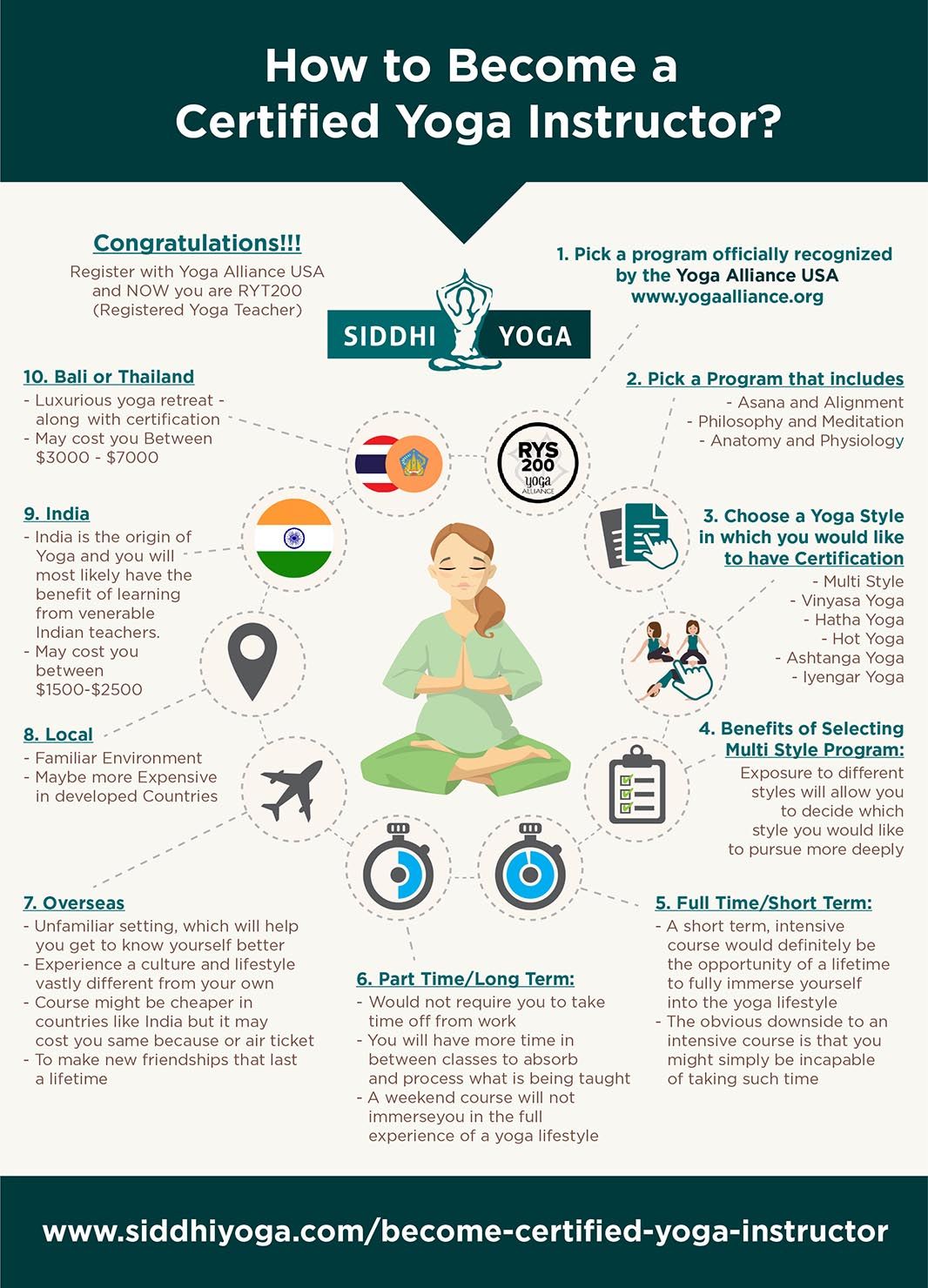
Image Source: www.siddhiyoga.com
The Appeal: Benefits of Becoming a Yoga Teacher
Why do people choose this path? There are many good reasons. Teaching yoga is more than just a job. It is a way to live.
Growing Yourself
Teaching helps you learn more. You study yoga deeper. You practice more often. Your own yoga gets stronger. You learn about your body. You learn about your mind. This journey helps you grow personally. You become more patient. You become more present.
Helping Others
This is a big one. As a teacher, you guide people. You help them feel better. You help them move better. You help them worry less. You see students change. You see them get stronger. This feeling of helping is very rewarding. You share a gift with the world.
Freedom and Flexibility
Teaching yoga can offer flexibility. You might set your own hours. You might teach in different places. Some teachers work full-time. Some teach part-time. You might teach in a studio. You might teach online. You might teach outside. This work can fit your life. It does not always mean a typical 9-to-5 job.
Getting Ready: Yoga Teacher Requirements
What do you need before you start? You do not need to be a yoga expert. You do not need to do the hardest poses. But you do need some things.
Yoga Experience Matters
You should have practiced yoga for a while. Most training programs suggest at least one or two years of regular practice. This means you know the basics. You know how yoga feels in your body. You understand how a class flows. You have felt the benefits yourself. This experience helps you learn how to teach. It gives you a base to build on.
Be Passionate and Dedicated
You must love yoga. You must want to learn more. Teacher training is intense. It asks for a lot of your time. It asks for a lot of energy. You need to be ready to study. You need to be ready to practice. You need to be ready to look at yourself. Passion helps you stay motivated. Dedication helps you finish the training.
Age Considerations
Most reputable yoga schools require students to be at least 18 years old. There is no upper age limit. People of all ages become yoga teachers. Life experience is valuable.
Where to Start: Finding Yoga Teacher Training
The first big step is finding a yoga teacher training program. This is where you get your formal education. This is where you work towards your yoga certification.
What is Yoga Teacher Training?
Yoga teacher training is a special course. It teaches you how to lead a yoga class. It covers more than just poses. You learn the history of yoga. You learn yoga philosophy. You learn about the body (anatomy). You learn how to plan a class. You learn how to speak to a group. You learn how to help students in poses.
Getting Yoga Certification
When you finish a training program, you get a certificate. This yoga certification shows you completed the course. It shows you learned the skills. This is often required to get hired. The most common first level is the 200-hour certification.
Finding Your Yoga School
Choosing a yoga school is a big decision. There are many options. You need to find a school that fits you.
- Think about the style: What style of yoga do you practice? What style do you want to teach? Look for a school that specializes in that style (like Hatha, Vinyasa, Ashtanga, Yin, etc.).
- Look at the teachers: Who will be teaching the training? Read about them. Do they have experience? Do you like their approach?
- Check the program details: Read the curriculum. What topics are covered? Does it seem complete?
- Visit the school: If possible, visit the yoga school. Take a class there. Talk to people. Get a feel for the place.
- Read reviews: Look for reviews online. What do past students say?
Searching for Yoga Teacher Training Near Me
Many people look for yoga teacher training near me. This makes it easier to attend if the training is local. You can search online for studios in your area that offer training. You can also check the Yoga Alliance website (more on that soon).
In-Person vs. Online Training
You can train in person. You can train online. Both have good points.
- In-Person: This gives you direct contact with teachers. You practice teaching in front of people. You get real-time help. You bond with your classmates. This is how training was done for a long time.
- Online: This offers flexibility. You can study from home. It might be cheaper. It works if you have a busy life. Make sure the online program is well-structured. Check if it includes live sessions. Make sure it has ways to get feedback on your teaching.
What You Will Learn: The Training Curriculum
Yoga teacher training covers many topics. It is a deep dive into the world of yoga.
Key Subjects Covered
A standard 200-hour program usually includes:
- Asana: Learning yoga poses. How to do them correctly. How to teach them safely. How to offer changes for different bodies.
- Anatomy and Physiology: Learning how the body works. Muscles, bones, breathing. How poses affect the body. How to avoid injuries. This helps you teach safely.
- Yoga Philosophy and Ethics: Studying old yoga texts (like the Yoga Sutras). Learning about yoga history. Talking about how to live a yogic life. Learning how to be a good and ethical teacher.
- Teaching Methodology: Learning how to teach. How to structure a class. How to talk clearly. How to manage a group. How to help students with touch (adjustments, though this is changing). How to teach different levels.
- Pranayama and Meditation: Learning breathing exercises. Learning how to meditate. Learning how to teach these practices.
- Practice Teaching: You will practice teaching parts of a class. You might teach a full class. You get feedback from your teachers. This builds your confidence.
Table: Typical 200-Hour Curriculum Hours
| Subject Area | Typical Hours | What You Learn |
|---|---|---|
| Techniques, Training | 100+ | Poses, breathing, meditation, chanting |
| Teaching Methodology | 25+ | How to teach, plan classes, talk to students |
| Anatomy & Physiology | 20+ | Body structure, how poses affect the body |
| Yoga Philosophy, Ethics | 30+ | Yoga history, texts, living a yogic life, teacher role |
| Practice Teaching | 10+ | Leading parts/whole classes, getting feedback |
| Electives/Other | Varies | Special topics, business of yoga |
Note: These hours are based on Yoga Alliance standards for an RYS 200 program. Actual hours per subject can vary slightly between schools.
How Long Does It Really Take?
We asked “how long does yoga teacher training take” at the start. Let’s look closer.
The 200-Hour Standard
The most common first step is a 200-hour yoga teacher training. The “200 hours” is the total time you spend in training. This time can be spread out differently.
- Intensive Format: Some programs are very fast. They might be 3-4 weeks long. You attend classes all day, every day. This is good if you can take time off work or travel.
- Part-Time Format: Many programs happen over several months. They might meet on weekends. They might meet a few evenings a week. This lets you keep your job or manage family life while studying. These programs can last 3 to 6 months, sometimes longer.
So, while the hours are 200, the calendar time varies a lot.
Higher Levels of Training
After 200 hours, you can do more training.
- 300-Hour Training: This training is more advanced. It goes deeper into subjects from the 200-hour course. It adds new topics.
- 500-Hour Training: This is the total of 200-hour and 300-hour training. Getting a 500-hour certification shows a high level of training.
These higher levels also vary in how long they take to complete. They can be intensives or spread out over time.
Counting the Cost: Cost of Yoga Teacher Training
“What is the cost of yoga teacher training?” is a key question for many. It is an investment. The price can change a lot based on several things.
Factors Affecting Cost
- Location: Training in a big city or a famous destination (like India or Costa Rica) might cost more. Training in a smaller town might cost less.
- School Reputation: Well-known schools or teachers might charge more.
- Format: Intensive, residential programs often include food and housing. This makes the total cost higher. Local, part-time training might only cover tuition.
- What’s Included: Does the price include books? Do you get class passes during training? Are there extra workshops?
- Yoga Alliance Registration: Some schools are registered with Yoga Alliance (RYS). Their training might be priced based on meeting those standards.
Typical Price Range
For a 200-hour training, expect the cost to be roughly:
- Local/Part-Time: $1,500 – $3,000
- Intensive/Residential (in your country): $3,000 – $4,000+
- Intensive/Residential (Abroad, e.g., India): $2,000 – $4,000+ (plus travel costs)
This table shows general costs. Always check the specific program details.
Finding Help with Costs
- Payment Plans: Many schools let you pay in steps over time.
- Early Bird Discounts: Signing up early often saves you money.
- Scholarships: Some schools offer help to students who need it. Ask the school if they have options.
What is Yoga Alliance?
You will hear about Yoga Alliance often. What is it?
Not a Government Body
Yoga Alliance is a non-profit group in the USA. It sets standards for yoga teacher training. It is not a legal requirement to register with them to teach yoga. Some places might prefer teachers who are registered. But it is not a must-have everywhere.
Registered Yoga Teacher (RYT)
When you finish a training program from a school registered with Yoga Alliance (a Registered Yoga School or RYS), you can register with Yoga Alliance. If you finish a 200-hour RYS program, you can register as an RYT 200. If you finish a 300-hour RYS program (after your 200-hour), you can register as an RYT 500.
Why Register?
Registering with Yoga Alliance gives you a listing in their directory. This might help students find you. It gives you a kind of widely known credential. Some studios look for RYT teachers. Registration shows you met certain training standards.
However, many wonderful teachers are not registered with Yoga Alliance. Their quality comes from their training and experience, not just registration.
Getting Your Yoga Certification
Finishing your yoga teacher training earns you your certification.
Completing the Program
To get your yoga certification, you must finish all parts of the training. This includes:
- Attending classes and workshops.
- Completing homework and reading.
- Passing exams (written or practical).
- Doing practice teaching sessions.
- Sometimes, finishing a final project or teaching a full class.
Earning Your Certificate
Once you meet all the school’s requirements, they give you a certificate. This paper proves you finished the training. This is your yoga certification. You can now officially say you are a certified yoga teacher.
Starting Your Career
You have your certificate! Now what? It is time to start teaching.
Finding Places to Teach
- Yoga Studios: This is common. Go to studios you like. Talk to the managers. Offer to substitute. Show them your skills.
- Gyms and Health Clubs: Many gyms offer yoga classes. This can be a good place to start.
- Community Centers: Local centers often look for yoga teachers.
- Corporate Classes: Teach yoga at workplaces.
- Private Clients: Teach one-on-one sessions. You can charge more for these.
- Online: Teach classes through video calls or recorded videos. This became very popular.
- Outdoors: Teach in parks or other public spaces.
Getting Insurance
It is very important to get liability insurance. This protects you if a student gets hurt in your class. It is usually not expensive. Many places you teach will require it.
Keep Learning
Getting your first certification is just the start. Good teachers keep learning.
- Take workshops.
- Study with different teachers.
- Do more advanced training (300-hour).
- Learn about special topics (like pre-natal yoga, kids yoga).
- Keep up your own practice.
Earning a Living: Yoga Teacher Salary
People want to know about yoga teacher salary. How much can you make? It is different for everyone.
Factors Affecting Pay
- Where you teach: Studios, gyms, private clients, and online platforms pay differently.
- Location: Pay is often higher in bigger cities. It is lower in smaller towns.
- Experience: Teachers with more experience usually earn more.
- Number of classes: How many classes you teach per week matters.
- Type of class: Workshops or special series can pay more than regular classes.
- Other services: Offering retreats, private lessons, or online content adds to your income.
Typical Earnings
It is hard to give an exact yoga teacher salary. Many teachers do not make a high full-time salary just from teaching classes. Many teach part-time.
- Per Class Pay: Studios and gyms often pay per class. This can range from $20 to $60+ per class, maybe more in high-cost areas or for experienced teachers.
- Hourly Rate (Private): Private lessons pay more, maybe $50 to $150+ per hour.
- Salary: If you are hired as a full-time staff member at a large studio or club, you might get a salary. This is less common.
Many teachers earn income from different sources. They might teach a few studio classes. They might have some private clients. They might run a workshop now and then. They might teach online.
Becoming a yoga teacher is often more about passion than getting rich. But you can earn a good living, especially as you gain experience and offer different services.
Life as a Yoga Teacher
What is it really like?
It Takes Effort
Being a yoga teacher is rewarding. But it is also work. You prepare classes. You travel to different places. You might work evenings or weekends. You need to market yourself. You need to manage your time.
It is Fulfilling
Despite the work, most teachers find it deeply fulfilling. You connect with people. You see them progress. You share something positive. You continue your own yoga journey. It is a path of constant learning and giving.
Frequently Asked Questions (FAQ)
What is the minimum age for yoga teacher training?
Most standard yoga schools require you to be at least 18 years old to join their training program.
Do I need to be good at all yoga poses?
No. You need a regular yoga practice and knowledge of the basics. You do not need to be able to do advanced poses. The training will help you understand poses for teaching, not just doing them yourself.
Can I teach online after training?
Yes. Many teachers teach online classes. Some teacher training programs now include how to teach yoga online.
What style of yoga should I get certified in?
Choose a style you practice and love. If you like flowing classes, look at Vinyasa training. If you like holding poses longer, look at Hatha training. Your passion for the style will show in your teaching.
Is Yoga Alliance registration required?
No, not legally in most places. Yoga Alliance is a voluntary registry. Some studios prefer RYT teachers, but many hire teachers based on their training, experience, and teaching skill.
How long does it take to find a teaching job?
It varies. Some teachers find jobs quickly. Others take time to build connections. Network with studios. Take classes. Let people know you are teaching. Substitute teaching is a great way to start.
Your Journey Awaits
Becoming a yoga teacher is a wonderful path. It takes time. It takes effort. It costs money. But the rewards are great. You deepen your own practice. You help others find health and peace. You join a community of caring people.
If you feel the call, take the first step. Find a yoga teacher training program that feels right for you. Explore yoga teacher training near me options or online programs. Get ready to learn a lot. Get ready to grow. Your journey as a yoga teacher can start today.