
There are many kinds of yoga. It’s more than just doing poses. Yoga is a big system. It helps connect your mind, body, and spirit. People have used yoga for thousands of years. Over time, different ways of practicing yoga have grown. These ways have different names and focus on different things. Some focus on poses, some on breathing, and some on thinking quietly. This article talks about the different yoga types explained. It covers the popular yoga styles and major yoga practices you might find.
Yoga is a very old practice. It comes from India. Long ago, it was mostly about thinking deeply and living a good life. People learned how to control their minds and bodies. They wanted to find peace and a deeper meaning in life.
Later, people started focusing more on the body. They found that certain body shapes, called poses or asanas, helped prepare the body for sitting still and thinking. Breathing methods, called pranayama, also became important. These physical parts of yoga grew into different styles.
Today, when most people talk about yoga, they mean the physical practice. This involves doing poses. But even in the physical practice, there are many different ways to do it. Some are slow and gentle. Others are fast and strong. Some use props like blocks and straps. Some are done in a hot room.
Let’s look at some of the main branches or paths of yoga before we talk about the physical styles. These paths show the different goals and ways people can practice yoga.
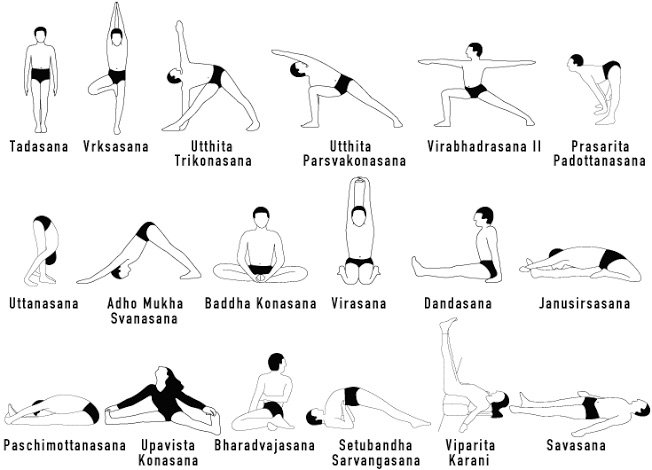
Image Source: addayogabali.com
Different Paths of Yoga
Yoga is a big word. It means ‘union’. It’s about joining things together, like you and something bigger than you, or your mind and body. There are a few main paths people talk about:
- Karma Yoga: This is the path of action without wanting a reward. It’s about doing your best work for the good of others. You do your duty without thinking about what you will get back. It’s about living a selfless life.
- Bhakti Yoga: This is the path of love and giving yourself to something greater. It’s about feeling strong love and respect. People might sing songs, pray, or do actions out of love. It’s about opening your heart.
- Jnana Yoga: This is the path of knowledge and wisdom. It’s about asking deep questions and studying to understand the truth. It’s for people who use their minds to learn and grow. You think deeply about life.
- Raja Yoga: This is the ‘royal’ path. It includes many things, especially controlling the mind. The famous book, the Yoga Sutras, explains this path. It talks about eight steps to follow. One of these steps is Asana, which means physical poses. Hatha yoga is a part of Raja yoga.
Most of the yoga we see today in classes comes from Hatha yoga. Hatha yoga focuses on the body and breath to get the mind ready for quiet thinking.
Exploring Physical Yoga Styles
When people ask, “How many kinds of yoga are there?”, they usually mean the different physical styles. There are many. New ones pop up all the time. But some are much more common than others. These are the popular yoga styles you will find in many studios. Here is a yoga styles list covering the major ones.
Hatha Yoga Explained
Hatha yoga is like the base for many other physical styles. It’s one of the oldest forms of physical yoga. The word “Hatha” can mean “sun” (Ha) and “moon” (Tha). This shows the idea of bringing opposite things together, like strong and soft, or hot and cool.
A Hatha yoga class usually involves holding poses for a few breaths. The pace is often slow and calm. You might do poses while standing, sitting, or lying down. Breathing exercises are also a key part. It’s a good class if you are new to yoga or want a steady, gentle practice.
Hatha Yoga Benefits:
- Makes your body stronger.
- Helps your body become more bendy.
- Teaches you how to breathe better.
- Helps you feel less stressed.
- Gets your body ready for deeper thinking (meditation).
- Good for learning the basic yoga poses.
- Improves your balance.
- Helps you feel more in tune with your body.
A Hatha class is usually not too hard. It lets you learn the poses well. You can focus on getting the pose right and breathing deeply. It’s a classic style that many people enjoy.
Deciphering Vinyasa Flow Yoga
Vinyasa is very popular today. The word “Vinyasa” means connecting movement with breath. In a Vinyasa flow yoga class, you move smoothly from one pose to the next. Each move is linked to breathing in or out. It feels like a dance sometimes.
Vinyasa classes can be different depending on the teacher. Some are fast, some are slower. The teacher often creates a “flow” or sequence of poses. This sequence might change in each class. This makes it different from styles that do the same poses every time.
Vinyasa flow yoga builds heat in the body. It can make you sweat. It helps build strength and makes your heart pump faster. It’s known for being a dynamic style.
What Vinyasa Classes Are Like:
- Starts with breathing or warm-up poses.
- Moves through many poses linked by breath (the “flow”).
- Often includes poses like Plank, Chaturanga (lowering down), Upward Dog, and Downward Dog, which are often linked together. This is sometimes called a “vinyasa”.
- Might have standing poses, balancing poses, and seated poses.
- Often ends with lying down quietly (Savasana).
Vinyasa is good for people who like to move and sweat. It helps build strength and fitness. Because the classes can change, it keeps things interesting. But because it moves faster, it can be harder for complete beginners to keep up with the poses. However, many studios offer beginner Vinyasa classes.
Interpreting Ashtanga Yoga
Ashtanga means “eight limbs” in an old language. It’s another style where you connect breath and movement. But Ashtanga is different from Vinyasa flow yoga. It uses a set sequence of poses. You do the same poses in the same order every time.
There are six main series of Ashtanga poses. Most people start with the first series. It’s very challenging. This style is quite demanding physically.
In Ashtanga, you use a special type of breathing called Ujjayi breathing. It makes a soft sound in your throat. You also use special body locks called bandhas. These help create heat and energy.
Key Things About Ashtanga:
- Follows a set sequence of poses.
- Strong focus on breath (Ujjayi) and body locks (bandhas).
- Builds a lot of heat and strength.
- Can be done in a led class (teacher tells you what to do) or Mysore style (you do the sequence at your own pace while the teacher helps you quietly).
- It’s a powerful and disciplined practice.
Ashtanga yoga is great for people who like structure and a strong workout. It helps build amazing strength, stamina, and focus. Because it’s the same sequence, you can see your progress over time. But it can be very hard and might not be suitable if you have certain injuries or health problems.
Fathoming Iyengar Yoga Practice
Iyengar yoga is named after B.K.S. Iyengar. This style is known for being very careful about how you do the poses. Getting the right shape and alignment is super important.
Iyengar yoga often uses props. These props include blocks, straps, blankets, bolsters, and chairs. Props help you get into the poses correctly, even if your body is stiff or tired. They also help you stay in poses longer.
Classes focus on holding poses for a longer time than in Vinyasa. Teachers give very clear and detailed instructions on how to do each pose.
Why Iyengar is Unique:
- Strong focus on doing poses correctly (alignment).
- Uses props a lot to help students.
- Poses are held for longer times.
- Teachers are highly trained to help students adjust poses.
- Good for people recovering from injury or with body limits.
Iyengar yoga practice is excellent for people who want to learn the poses deeply and safely. It’s great for building strength, flexibility, and body awareness. It’s also very good for people with injuries or special needs because of the use of props and careful teaching. It might feel slower than Vinyasa, but it is very powerful in its own way.
Grasping Restorative Yoga
Restorative yoga is about resting and healing. It’s the opposite of a fast or hard style. The goal is to help your body and mind relax completely.
In a Restorative yoga class, you use lots of props. You might use bolsters, blankets, and blocks to support your body in gentle poses. These poses are often held for a long time, maybe 5 to 20 minutes each.
The props hold you up so your muscles can let go. There is no strain. You just rest in the pose. This helps calm your nervous system. It’s very peaceful.
Benefits of Restorative Yoga:
- Reduces stress and worry.
- Helps your body relax deeply.
- Can lower blood pressure.
- Helps with sleep problems.
- Good when you feel tired, stressed, or sick.
- Creates a sense of peace and calm.
Restorative yoga is perfect when you need to slow down and recover. It’s not about stretching or strength. It’s all about letting go and being supported. It’s a major yoga practice for people who need deep rest.
Other Popular Yoga Styles and Major Practices
Besides the main ones like Hatha, Vinyasa, Ashtanga, Iyengar, and Restorative, there are many other types of yoga. Here are a few more different yoga types explained:
- Yin Yoga: Yin yoga focuses on holding poses for a long time, like 3 to 5 minutes or even longer. But unlike Restorative yoga, you don’t use as many props, and you feel a stretch or pressure in the pose. Yin poses target the deep tissues in your body, like your joints, bones, and connective tissues (fascia). It’s slow and quiet. It helps improve flexibility, especially in the hips, pelvis, and spine. It also helps calm the mind. It can be intense because you hold poses for so long.
- Bikram Yoga / Hot Yoga: Bikram yoga is a specific style with a set sequence of 26 poses and two breathing exercises. It is always done in a room heated to about 105°F (40°C) with 40% humidity. Classes are usually 90 minutes long. The heat makes you sweat a lot. The idea is that heat helps muscles stretch more and helps your body clean itself. Many studios offer “Hot Yoga,” which is yoga done in a heated room but might not follow the exact Bikram sequence. Hot yoga can be very challenging because of the heat.
- Kundalini Yoga: Kundalini yoga is very different from the other styles mentioned. It focuses on freeing up energy believed to be at the base of your spine (called Kundalini energy). Classes include physical poses, but also a lot of focus on breathing exercises (pranayama), chanting (repeating sounds), singing, and meditation. Classes often include fast, repeated movements. It can be a powerful experience and is very different from a typical Vinyasa or Hatha class.
- Prenatal Yoga: This type of yoga is designed for pregnant people. It uses gentle poses and movements that are safe during pregnancy. It helps strengthen the body, improve balance, reduce swelling, and prepare for giving birth. Breathing exercises are important here too, to help with relaxation and labor. It’s a wonderful way for expecting parents to stay active and connect with their changing bodies.
- Kids Yoga: Yoga for children is fun and playful. It uses poses, but often tells stories, plays games, and sings songs. Poses might be named after animals or nature. It helps kids build strength, flexibility, coordination, and body awareness. It also teaches them how to focus, be calm, and manage their feelings.
- Aerial Yoga: In Aerial yoga, you use a soft hammock that hangs from the ceiling. The hammock supports you in different poses. You can do poses you might not be able to do on the mat, like inversions (going upside down). It can help with flexibility and strength. It’s a fun and different way to practice.
- AcroYoga: AcroYoga mixes yoga with acrobatics and healing arts. It’s done with partners. One person is the “base” (usually on the ground), one is the “flyer” (lifted by the base), and often there’s a “spotter” to help. It builds trust, strength, and connection with others. It looks impressive and is a very social way to practice yoga.
This is not every single type of yoga, but it covers the most common types of yoga and major yoga practices you are likely to find. Many studios combine elements from different styles. For example, a class might be called “Hatha Flow” which might be slower than Vinyasa but links poses more than classic Hatha.
How to Choose the Right Yoga Style for You
With so many types of yoga, how do you pick one? Think about what you want from yoga.
- Want to relax and reduce stress? Try Restorative yoga or gentle Hatha.
- Want a strong workout and like to move? Try Vinyasa or Ashtanga.
- Want to learn poses carefully and use props? Try Iyengar yoga practice.
- Want to improve flexibility and hold poses for a long time? Try Yin yoga.
- Want a different experience with breath, chanting, and energy? Try Kundalini.
- Are you pregnant? Look for Prenatal yoga.
- Like heat and sweat? Try Hot Yoga or Bikram.
It’s also good to try different classes and teachers. What works for one person might not work for you. Most studios offer beginner classes. Some have special deals for new students to try many types.
Think about your body and any health issues. If you have injuries, talk to your doctor. Tell the yoga teacher about any health concerns before class starts. Iyengar or gentle Hatha might be safer if you are new or have limits.
Finding the right style is part of the fun journey of yoga. Don’t feel like you have to stick with the first one you try. Explore the different yoga types explained here. Find what feels best for your body and mind.
Grasping the Idea of Practice
No matter which of the types of yoga you choose from the yoga styles list, the idea is to practice regularly. Even a short practice a few times a week is good.
Practice helps you:
- Get stronger and more flexible.
- Learn to calm your mind.
- Handle stress better.
- Sleep better.
- Feel more connected to yourself.
Yoga is a journey, not a race. It’s about finding peace and health inside. The different styles just offer different ways to get there.
Some people like to practice different styles at different times. Maybe Vinyasa on some days for energy, and Restorative on others for rest. This is perfectly fine.
Going Beyond the Physical
Remember that yoga is more than just the poses. While the popular yoga styles focus on the physical, yoga also includes:
- Breathing: Learning to breathe deeply and calmly.
- Thinking Quietly (Meditation): Training your mind to focus or just be present.
- Doing Good Things: Living a kind and honest life (part of Karma Yoga).
- Being Happy with What You Have: Finding joy within yourself.
So, even if you start with just the poses, know that there is a whole world of yoga beyond that. The physical practice is often the first step that helps people feel better and opens the door to explore other parts of yoga.
Table: Comparing Popular Yoga Styles
Here is a simple table comparing some of the popular yoga styles:
| Style | Main Focus | Pace | Props Used? | Good For… |
|---|---|---|---|---|
| Hatha | Basic poses, holding poses, breath | Slow to Medium | Sometimes | Beginners, learning basics, gentle practice |
| Vinyasa | Connecting poses with breath (flow) | Medium to Fast | Sometimes | Building heat/strength, dynamic movement, fitness |
| Ashtanga | Set sequence of poses, breath, body locks | Fast, Strong | Rarely | Building strength/stamina, discipline, structure |
| Iyengar | Correct pose shape (alignment), holding poses | Slow | Yes, often lots | Injuries, beginners, detail, deep learning |
| Restorative | Deep relaxation, rest, healing | Very Slow | Yes, lots | Stress relief, tiredness, recovery, calming |
| Yin | Holding deep stretches for a long time | Very Slow | Sometimes | Flexibility (joints), calming, patience |
| Bikram/Hot | Set poses (Bikram) or varied (Hot) in a hot room | Medium | Rarely | Sweating, detox, intensity (check health first) |
| Kundalini | Energy release, breath, chanting, movement | Varies (can be fast) | Sometimes | Energy work, different experience, powerful |
This table helps show how the different yoga types explained here can vary a lot.
Finding a Class
Look for a local yoga studio. Check their schedule online. Read the descriptions of the classes. Most studios have websites or social media pages.
If you can’t go to a studio, there are many online yoga classes. You can find videos on websites and apps. This is a great way to try different types of yoga at home.
When you go to a class, arrive a little early. Tell the teacher you are new if you are. Don’t worry about being perfect. Just do your best and listen to your body. Yoga is for everyone.
Frequently Asked Questions (FAQ)
Here are some common questions people ask about different yoga types:
h4 What is the easiest type of yoga for beginners?
Gentle Hatha, Restorative, and sometimes beginner Vinyasa or Iyengar are good choices. Gentle Hatha and Restorative are usually slower and less demanding. Iyengar teaches you how to do poses correctly using props, which is great for learning safely.
h4 What is the hardest type of yoga?
Ashtanga and some forms of Hot Yoga or Vinyasa that are very fast or physically demanding can be the hardest. It depends on your fitness level and what you find challenging.
h4 Is Hatha yoga good for losing weight?
Hatha yoga can help with weight loss as part of a healthy lifestyle. It builds muscle and helps you move more. More active styles like Vinyasa and Ashtanga burn more calories. But any yoga practice can help by reducing stress, which can affect weight.
h4 How often should I do yoga?
Even practicing 1-3 times a week can give you benefits. More often is great if you can. Find a balance that works for your life. Consistency is more important than doing it every single day.
h4 Do I need special clothes or equipment?
You need comfortable clothes you can move in. Yoga mats help with grip and comfort. For some styles like Iyengar or Restorative, the studio provides props. If practicing at home, you might want to get a mat, block, and strap.
h4 Can men do yoga?
Yes, absolutely! Yoga is for everyone, regardless of gender, age, size, or fitness level. Many famous yogis throughout history have been men.
h4 What is the main goal of yoga?
The physical styles often help with physical health and stress. But the deeper goal of yoga is often seen as helping you connect with yourself, find peace, and understand life better. Different paths of yoga focus on different ways to reach this goal.
So, how many kinds of yoga are there? Many! There’s no single answer because new styles appear, and teachers mix things up. But understanding the main branches and the popular yoga styles helps you find a practice that fits your needs and helps you on your path to well-being. Explore the different yoga types explained here and find what works for you.