
So, how many calories can you burn doing yoga? The number of calories you burn doing yoga changes a lot based on the kind of yoga you do, how hard you work, and your own body weight. A calm, slow class like restorative yoga burns fewer calories than a fast, powerful class like Vinyasa or Bikram yoga. For most people, a yoga calorie burn per hour can range from about 150 calories for a very gentle class to over 500 calories for a tough, hot yoga session. We will look at this more closely.
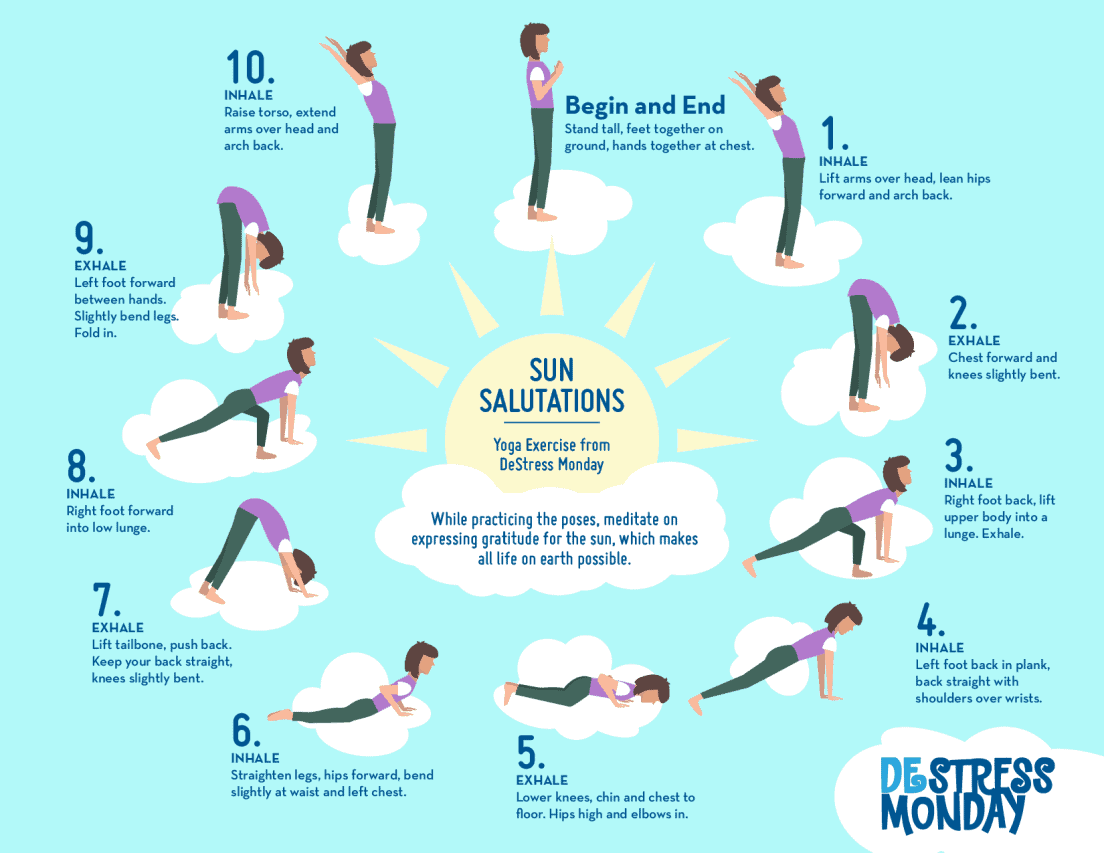
Image Source: shunyaapp.com
What Makes Your Body Burn Calories?
Your body burns calories all the time. It needs energy just to stay alive. This energy comes from the food you eat. When you move, your body needs more energy. It burns more calories.
Doing any activity uses energy. This energy is measured in calories. When you do yoga, your muscles work. Your heart beats faster. These actions need energy. So, you burn calories.
How many calories you burn depends on many things. We will look at these things. Knowing this helps you see why the number changes so much for different types of yoga.
Grasping How Calories Burn
Think of your body like a car engine. It needs fuel to run. Food is your body’s fuel. When you sit still, your body uses a little fuel. This is like a car idling. When you move, your body uses more fuel. This is like driving the car.
Doing hard things makes your body use a lot of fuel. Doing easy things makes it use less fuel. Yoga is a type of activity. It makes your body work. It burns calories.
Scientists have a way to measure how much energy different activities use. It is called a MET value. MET stands for Metabolic Equivalent of Task. It compares an activity to just sitting quietly. Sitting quietly is 1 MET. An activity with a MET value of 4 means it uses 4 times more energy than sitting quietly.
- Sitting = 1 MET
- Light activity = 2-3 METs
- Medium activity = 4-6 METs
- Hard activity = 7+ METs
Different types of yoga have different MET values. This is a main reason why the yoga calorie burn per hour changes a lot. A slow, calm yoga class might have a low MET value. A fast, hard yoga class will have a higher MET value. A higher MET value means more calories burned.
Your body weight also matters a lot. A bigger body needs more energy to do the same work. Think about pushing a small cart versus a big cart. The big cart needs more effort to move. Your body is similar. A person who weighs more will burn more calories doing the same yoga class for the same amount of time than a person who weighs less.
We will use this idea of METs and body weight to look at how many calories you might burn in different yoga classes.
Knowing Different Kinds of Yoga and Their Burn
Not all yoga is the same. There are many types. Some are very active. Some are very calm. The type of yoga you choose has a big effect on the calories burned during yoga session.
Let’s look at some popular types of yoga and how many calories they might burn. Remember, these numbers are just ideas. Your actual burn might be different.
Hatha Yoga
Hatha yoga is a common type of yoga. It often includes basic poses. You hold poses for a few breaths. The pace is usually slow and gentle. It is good for beginners.
Because Hatha yoga is slower, it has a lower MET value than faster types. This means the hatha yoga calorie expenditure is usually lower.
For a person weighing around 150 pounds, a Hatha yoga class might burn about 170-190 calories in an hour.
For a person weighing around 200 pounds, the same class might burn about 220-250 calories in an hour.
Hatha yoga is great for learning the basics. It helps with strength and flexibility. But if your main goal is to burn a lot of calories quickly, Hatha might not be the best choice compared to more active styles.
Still, any movement is good. Doing Hatha is much better than sitting. It helps you move your body. It builds some strength. It reduces stress. All these things are good for your health.
Vinyasa Flow Yoga
Vinyasa means “to place in a special way.” Vinyasa yoga links poses together. You move from one pose to the next with your breath. It is often called “flow” yoga because you move smoothly.
Vinyasa classes are usually faster than Hatha. You keep moving. Your heart rate goes up more. This makes Vinyasa yoga a more active workout. It has a higher MET value.
The vinyasa flow calorie burn is usually higher than Hatha yoga.
For a person weighing around 150 pounds, a Vinyasa flow class might burn about 300-450 calories in an hour.
For a person weighing around 200 pounds, the same class might burn about 400-600 calories in an hour.
The exact number depends on the speed of the flow and how hard you work. A very fast flow with many challenging poses will burn more calories than a slower flow. Yoga intensity calorie burn is very clear in Vinyasa. Moving faster and doing harder poses burns more.
Vinyasa is popular for those who like a more active yoga class. It builds strength, flexibility, and stamina. It can make you sweat.
Bikram Yoga
Bikram yoga is a set series of 26 poses and two breathing exercises. It is done in a heated room. The room is usually heated to 105°F (about 40°C) with 40% humidity.
The heat makes Bikram yoga feel very hard. You sweat a lot. Your heart rate is higher because your body is working to cool down in the heat. This high heat makes the bikram yoga calories burned very high.
For a person weighing around 150 pounds, a Bikram yoga class might burn about 350-550 calories in 90 minutes (a typical class length). Per hour, this is roughly 230-370 calories. But remember, classes are usually 90 minutes.
For a person weighing around 200 pounds, the same class might burn about 450-700 calories in 90 minutes. Per hour, this is roughly 300-470 calories.
Some studies suggest the calorie burn might be even higher, but other studies say the heat makes it feel harder without burning that many more calories than a tough non-heated class. The heat adds stress to the body, which uses energy, but the main burn still comes from the poses and movement.
Even if the heat doesn’t add a huge amount to the calorie burn from movement, the class is still physically demanding. It involves holding poses for set times. It can be a strong workout.
Important note: Sweating a lot in Bikram means you lose water, not fat. This can make you feel lighter right away, but it’s not true weight loss. Stay hydrated!
Restorative Yoga
Restorative yoga is very gentle. It uses props like blankets, bolsters, and blocks to help you relax deeply into poses. You hold poses for a long time, sometimes 5-10 minutes or more. The goal is to calm the nervous system and release tension.
Restorative yoga has a very low MET value. You are not moving much. Your muscles are relaxing, not working hard. The restorative yoga calorie burn is very low.
For a person weighing around 150 pounds, a Restorative yoga class might burn about 100-150 calories in an hour.
For a person weighing around 200 pounds, the same class might burn about 130-200 calories in an hour.
Restorative yoga is not about burning calories. It is about healing, relaxing, and reducing stress. These are very important for health, but not for burning a lot of energy during the class itself.
Other Yoga Types
There are many other types of yoga. Their calorie burn falls somewhere in the range of Hatha, Vinyasa, or Bikram, depending on how active they are.
- Ashtanga Yoga: This is a set series of poses. It is often fast-paced and physically demanding. Like Vinyasa, it can have a high yoga calorie burn per hour, often similar to or higher than a fast Vinyasa class. It builds a lot of strength.
- Power Yoga: This is a general term for a more athletic, fitness-focused style of yoga. It is usually based on Vinyasa. It is designed to be challenging and build strength and stamina. The yoga intensity calorie burn is high. It is similar to a high-end Vinyasa class.
- Iyengar Yoga: This type focuses on holding poses with precise alignment. It uses props often. It can be slower than Vinyasa but holding poses for a long time with focus still uses energy. The calorie burn might be similar to Hatha or slightly higher depending on the poses.
- Kundalini Yoga: This type includes poses, breathing exercises, chanting, and meditation. The physical part might be less intense than Vinyasa, but the mix of activities burns calories.
What Changes How Many Calories You Burn?
As we saw, the type of yoga is a big factor. But other things matter too. These are the factors influencing yoga calorie burn:
- Your Body Weight: This is one of the biggest factors. A heavier person burns more calories than a lighter person doing the exact same activity for the same amount of time. We saw this in the examples for different yoga types.
- The Speed and Flow of the Class: How fast do you move? Do you rest a lot between poses? A faster flow keeps your heart rate up and burns more calories. A slow class with long rests burns less. This is yoga intensity calorie burn in action.
- The Difficulty of the Poses: Are you doing simple poses or hard poses like arm balances or inversions? Harder poses make your muscles work more. This uses more energy and burns more calories.
- How Much Effort You Put In: Even in the same class, one person might work harder than another. Are you fully engaged in the poses? Are you challenging yourself safely? Putting in more effort burns more calories. Your yoga intensity calorie burn depends on you.
- How Long the Class Is: A 90-minute class burns more calories than a 60-minute class of the same type and intensity. The total calories burned during yoga session increases with time.
- Your Metabolism: Everyone’s body is a little different. Some people naturally burn calories a bit faster than others. This is called your metabolism. Things like your age, gender, and muscle mass affect your metabolism.
A Quick Look at Yoga Type Calorie Comparison
Here is a simple table to help you see how different yoga types compare in calorie burn per hour. Remember, these are just rough numbers for a person weighing around 150-160 pounds. Your numbers will be different based on the factors we talked about.
| Yoga Type | Estimated Calories Burned Per Hour (150-160 lbs person) | MET Value (Rough Idea) | Intensity Level |
|---|---|---|---|
| Restorative Yoga | 100 – 150 | 2.0 – 2.5 | Very Low |
| Hatha Yoga | 170 – 200 | 2.8 – 3.5 | Low to Medium |
| Iyengar Yoga | 180 – 220 | 3.0 – 3.8 | Low to Medium |
| Vinyasa Flow | 300 – 450 | 5.0 – 7.5 | Medium to High |
| Ashtanga Yoga | 350 – 500+ | 6.0 – 8.5+ | High |
| Power Yoga | 350 – 500+ | 6.0 – 8.5+ | High |
| Bikram Yoga | 230 – 370 (this is per hour, classes are 90 mins) | 4.0 – 6.0 | Medium to High |
Note: The MET value for Bikram is tricky because of the heat. The feeling of intensity and sweat might be higher, but some sources say the pure movement MET is in this range.
This yoga type calorie comparison clearly shows that if burning a lot of calories is your main aim, faster, more active styles are better than slower ones.
Yoga for Weight Loss: More Than Just Calorie Burn
Can you use yoga for weight loss? Yes, you can. But it’s important to know that it’s not just about the yoga calorie burn per hour.
Weight loss happens when you burn more calories than you eat. This is called a calorie deficit. Any activity that burns calories helps create this deficit. So, doing yoga helps burn calories.
If you burn an extra 300 calories with yoga every day, and you don’t eat more, you will lose weight over time. It takes burning about 3500 calories to lose one pound of fat. So, burning 300 extra calories a day could lead to losing about a pound every 10-12 days.
However, yoga helps with weight loss in other ways too:
- Builds Muscle: Stronger yoga styles, like Vinyasa or Power yoga, build muscle. Muscle burns more calories than fat, even when you are resting. Building muscle helps your body burn more calories all day long.
- Reduces Stress: Stress can lead to weight gain or make it hard to lose weight. High stress levels can cause your body to hold onto fat. Yoga is known to lower stress. Lower stress can make weight loss easier.
- Improves Body Awareness: When you do yoga regularly, you become more aware of your body. This can help you make healthier food choices. You might start listening to your body’s hunger cues better.
- Gets You Moving Regularly: Doing yoga gets you into a routine of movement. Regular physical activity is key for weight loss and overall health. Even if a single Restorative class doesn’t burn tons of calories, making movement a regular part of your life is a big win.
- Improves Sleep: Good sleep is very important for managing weight. Yoga can help you sleep better.
So, while the direct yoga calorie burn per hour might be less than running or intense cardio, yoga is a powerful tool for weight loss when you look at the whole picture. Combining regular yoga with healthy eating is a great plan for losing weight and feeling better.
How Many Calories Burned During Yoga Session: Putting It Together
To figure out the calories burned during yoga session, you need to think about:
- Your body weight: Heavier people burn more.
- The type of yoga: Is it Hatha, Vinyasa, Bikram, or something else? This tells you the base intensity.
- How long the class is: More time means more calories burned.
- How hard you work: Your personal effort matters.
Let’s use an example. Imagine a person who weighs 180 pounds.
- Doing Hatha Yoga (60 minutes, low-medium intensity): This person might burn about 200-230 calories.
- Doing Vinyasa Flow (60 minutes, medium-high intensity): This person might burn about 380-520 calories.
- Doing Bikram Yoga (90 minutes): This person might burn about 500-650 calories (this is for the full 90 mins).
- Doing Restorative Yoga (60 minutes, very low intensity): This person might burn about 130-180 calories.
These numbers show the range. A fast Vinyasa class where you push yourself will burn more than a slow Hatha class. A longer session always burns more total calories than a shorter one of the same type.
It is important not to get too focused on the exact calorie number. Wearable fitness trackers can give you an estimate, but they are not always perfectly accurate for yoga because the movements are different from running or cycling. Focus more on how the yoga makes you feel. Are you challenged safely? Are you consistent? Consistency is key for results, whether it is weight loss, strength, or flexibility.
Maximizing Your Yoga Calorie Burn
If you want to burn more calories during your yoga practice, here are a few simple tips:
- Choose More Active Styles: Pick Vinyasa, Power Yoga, or Ashtanga more often. These have a higher yoga calorie burn per hour.
- Increase Your Intensity: Even in a Hatha or Vinyasa class, you can increase the yoga intensity calorie burn. Move with intention. Engage your muscles fully in poses. Try to move a bit faster during flows if it feels safe. Hold challenging poses for the full time.
- Stay Consistent: Doing yoga regularly, even moderate types, adds up the calorie burn over time. Aim for a few classes a week.
- Try Longer Sessions: If you have time, a 75 or 90-minute class will burn more calories than a 60-minute class. The total calories burned during yoga session goes up.
- Combine Yoga with Other Activities: For maximum calorie burning and fitness, mix yoga with cardio exercises like walking, running, or swimming.
Remember to listen to your body. Pushing too hard can cause injury. The goal is a healthy, consistent practice.
The Simple Facts About Yoga and Calories
Let’s make it super simple.
- Yoga burns calories. Yes!
- How many depends on the type of yoga and how hard you work. Yes!
- Fast, flowing, or hot yoga burns more than slow, gentle yoga. Yes!
- A bigger person burns more calories than a smaller person doing the same class. Yes!
- Doing yoga helps with weight loss, but not just by burning calories during the class. It helps in many other ways too. Yes!
- Consistency is more important than trying to burn a huge number of calories in just one class. Yes!
Think of yoga as a wonderful way to move your body, get stronger, become more flexible, and feel calmer. The calorie burn is a nice bonus!
Frequently Asked Questions About Yoga and Calories
Here are simple answers to common questions.
Can I lose weight only by doing yoga?
Yes, it’s possible. If doing yoga helps you burn more calories than you eat, you will lose weight. However, for many people, the calorie burn from yoga alone might not be enough for fast weight loss, especially if you do slower styles. Combining yoga with healthy eating and perhaps other activities often works best for yoga for weight loss.
Which type of yoga burns the most calories?
Styles that involve a lot of movement, hold challenging poses, or are done in heat tend to burn the most. Vinyasa, Power Yoga, Ashtanga, and Bikram yoga usually have the highest yoga calorie burn per hour.
Is the calorie count on my fitness tracker right for yoga?
Fitness trackers use heart rate and movement to guess calorie burn. They are often okay for steady activities like running. For yoga, where movements change a lot and intensity varies, they might not be perfectly accurate. They can give you a general idea, but don’t treat the number as exact.
Does sweating mean I am burning more fat?
No. Sweating means your body is trying to cool down. You lose water when you sweat. This can make you feel lighter, but you have not lost fat. Burning fat takes time and a calorie deficit.
How often should I do yoga to burn calories?
Doing yoga several times a week is best for consistent calorie burning and other health benefits. How many times depends on your schedule and body. Even 2-3 times a week can make a difference.
Is Hatha yoga good for calorie expenditure?
Hatha yoga has a lower hatha yoga calorie expenditure compared to faster styles. It is not the best choice if burning maximum calories is your only goal. But it is excellent for flexibility, strength, and learning poses, and it definitely burns more calories than sitting.
How does my body weight affect my yoga calorie burn per hour?
Your body weight is a key factor influencing yoga calorie burn. A person who weighs more has to use more energy (burn more calories) to move their body through the same poses and class as a person who weighs less.
What is the typical calories burned during a yoga session?
This varies a lot. A 60-minute gentle class might burn 150-200 calories for an average person. A 60-minute intense flow class might burn 350-500 calories. A 90-minute Bikram class could be 500-700 calories or more. The total calories burned during yoga session depends on all the factors we discussed.
Does yoga intensity calorie burn change much?
Yes, very much. How hard you work in a pose, how quickly you move between poses, and how challenging the poses are directly impact the yoga intensity calorie burn. Pushing yourself (safely) leads to burning more calories.
In Simple Closing
Yoga is a wonderful practice for your body and mind. It burns calories, which helps with weight loss, but it does so much more. It makes you stronger, more flexible, and helps you feel calm. The number of calories you burn changes with the type of yoga and how hard you work. Choose a style you enjoy and practice regularly. This is the best way to get all the great benefits yoga offers, including its help with managing your weight and improving your overall health.