
Image Source: lh7-rt.googleusercontent.com
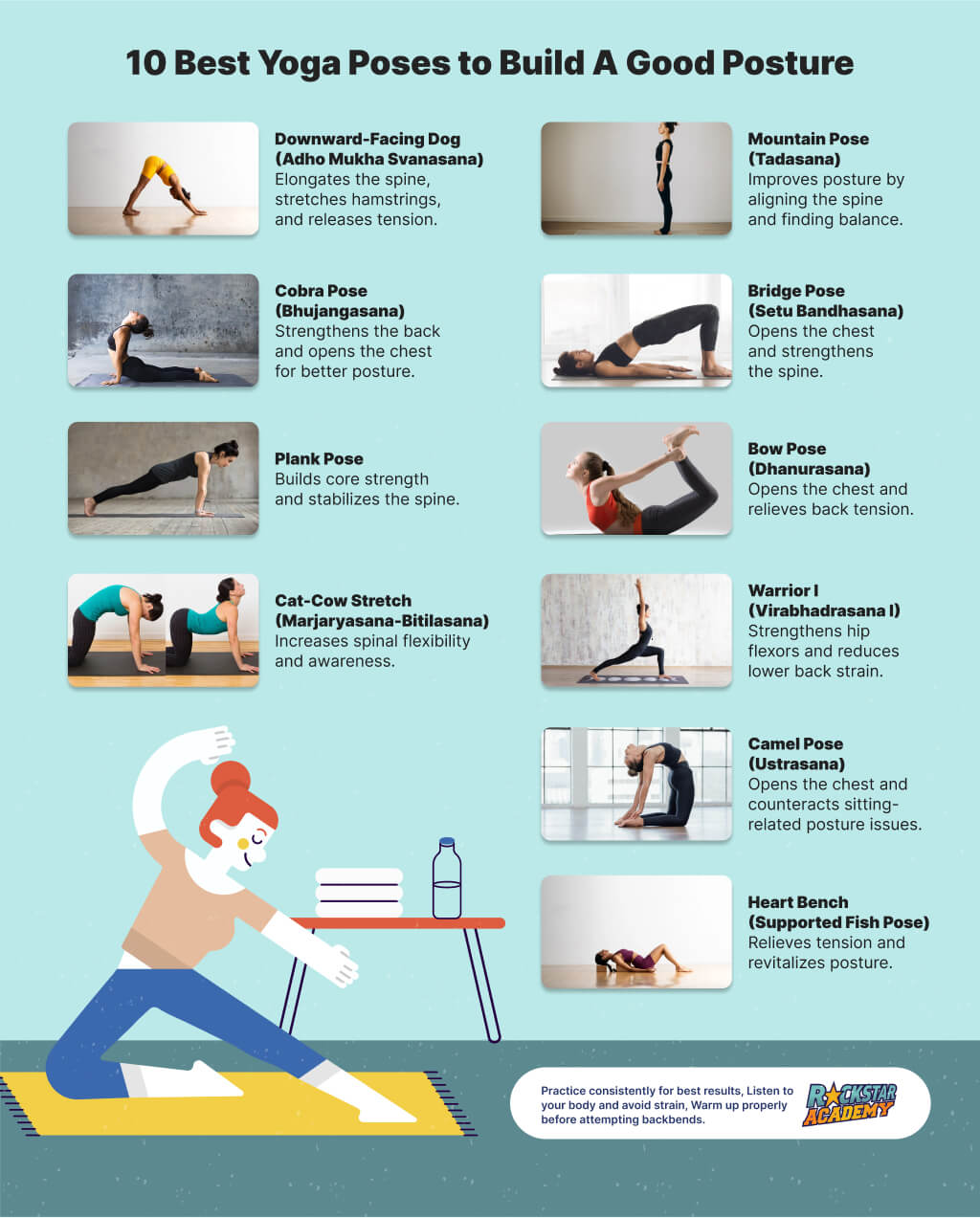
The Truth: Can Yoga Correct Posture & Enhance Spine Health?
Can yoga help fix bad posture and make your spine healthier? Yes, for many people, practicing yoga regularly can indeed help improve posture and support spine health. Yoga works by making muscles stronger, stretching tight spots, and helping you know where your body is in space. It teaches you how to line up your body better, which helps your spine work like it should.
What is Good Posture Anyway?
Good posture means your body is lined up right. It means your bones stack up correctly. Your muscles work together to hold you up without too much effort.
- Think of it like this: Your head sits over your shoulders. Your shoulders are over your hips. Your hips are over your knees and ankles.
- Your spine: It has natural curves, like a gentle S shape. Good posture helps keep these curves balanced.
When your posture is good, your body works well. It puts less stress on your joints, muscles, and spine.
Why Does Posture Go Wrong?
Many things can lead to poor posture, like slouching.
- Sitting at a desk for long hours.
- Looking down at phones or computers.
- Weak core and back muscles.
- Tight muscles, like in the chest or hips.
- Stress can cause muscles to tense up.
- Habits we don’t even notice.
Bad posture can cause problems. It can lead to back pain, neck pain, headaches, and even trouble breathing well. It puts extra strain on the discs and joints in your spine.
Grasping How Yoga Aids Posture
Yoga isn’t a magic fix that works overnight. It’s a practice. By doing yoga often, you build strength, become more flexible, and learn to feel where your body is. These things together help you stand and sit taller.
Making Muscles Stronger
Many yoga poses ask your muscles to work to hold your body up. This builds strength.
- Back Muscles: Poses like Cobra or Locust make the muscles along your spine stronger. Strong back muscles help you stand up straight.
- Core Muscles: Poses like Plank or Boat make your belly and side muscles strong. A strong core supports your spine and pelvis, which is key for good posture.
- Shoulder Muscles: Poses like Downward-Facing Dog or Warrior poses engage shoulder muscles. Strong shoulders help hold your upper body in a good place.
Stretching Tight Spots
Some muscles get tight from daily life. Tight chest muscles can pull your shoulders forward, causing rounding. Tight hip flexors (at the front of your hips) can affect your lower back and pelvic tilt. Yoga stretches these tight areas.
- Chest Openers: Poses like Fish Pose or Camel Pose stretch the chest and front of the shoulders. This helps pull your shoulders back naturally.
- Hip Flexor Stretches: Poses like Lunges or Pigeon Pose help stretch the front of the hips. This can help the pelvis sit in a better position.
- Hamstring Stretches: Tight hamstrings (back of the thighs) can affect the lower back. Poses like Standing Forward Bend stretch these muscles.
Boosting Body Awareness Yoga
This is a big part of why yoga helps posture. Yoga asks you to pay attention to how your body feels and where it is in space.
- As you do poses, you learn what it feels like to be aligned. You learn what a straight spine feels like, or what it feels like when your shoulders are back.
- This awareness carries into your day. You start to notice when you are slouching at your desk or rounding your shoulders while walking.
- Once you notice bad habits, you can start to change them. This is the first step in correcting slouching yoga helps make possible.
Teaching Better Alignment
Each yoga pose has a right way to do it. Yoga teachers talk a lot about “alignment cues.” These cues tell you how to place your hands, feet, hips, and spine.
- “Stack your shoulders over your hips.”
- “Lengthen your spine.”
- “Draw your shoulder blades down your back.”
By trying to get the alignment right in poses, you train your body and mind. You learn how to hold your body in a way that supports good posture in all parts of your life, not just on the yoga mat. This is one of the key yoga alignment benefits.
Key Yoga Poses for Posture Correction
Many yoga poses can help improve posture. They work by strengthening weak muscles, stretching tight ones, and improving your body’s alignment. Here are some important yoga poses for posture correction.
Poses for Upper Back Posture and Rounded Shoulders
Rounded shoulders and upper back slouching are very common, especially from computer use. These poses help open the chest and strengthen the upper back.
- Cobra Pose (Bhujangasana):
- How it helps: Strengthens upper and middle back muscles. Stretches the chest and shoulders.
- How to do it (simple version): Lie on your belly. Put your hands under your shoulders. Press your feet and hips down. Gently lift your chest off the floor, keeping your shoulders relaxed and down. Look slightly forward.
- Sphinx Pose (Salamba Bhujangasana):
- How it helps: A gentler backbend than Cobra. Still strengthens the back and opens the chest.
- How to do it: Lie on your belly. Place your forearms on the floor, elbows under shoulders. Hands point forward. Lift your chest, resting on your forearms. Press down through your forearms and hips.
- Locust Pose (Salabhasana):
- How it helps: Builds significant strength in the entire back of the body – back muscles, glutes, hamstrings.
- How to do it (simple version): Lie on your belly. Arms along your sides, palms down. On an inhale, lift your head, chest, arms, and legs off the floor. Keep your neck long.
- Cow Face Pose (Gomukhasana) – Arm Variation:
- How it helps: Deep stretch for shoulders and chest. Great for yoga for rounded shoulders.
- How to do it: Sit tall. Reach one arm up, bend the elbow, and drop the hand down your back. Reach the other arm down, bend the elbow, and reach the hand up your back. Try to link fingers if you can. Or use a strap. Switch sides.
Yoga Exercises for Better Alignment
These poses help teach your body how to line up correctly and build full-body strength and awareness.
- Mountain Pose (Tadasana):
- How it helps: This is the base of standing poses. It teaches you what proper standing alignment feels like.
- How to do it: Stand tall with feet together or hip-width apart. Ground down through your feet. Lift through the crown of your head. Shoulders relaxed and down. Gently tuck your tailbone. Feel energy moving up your spine. This seems simple but is key for body awareness yoga.
- Downward-Facing Dog (Adho Mukha Svanasana):
- How it helps: Stretches the back, shoulders, hamstrings. Strengthens arms and legs. Helps decompress the spine.
- How to do it: Start on hands and knees. Hands shoulder-width, fingers spread. Push back, lifting hips up and back. Make an A shape with your body. Let your head hang. You can keep knees bent slightly if hamstrings are tight. Focus on a long spine.
- Warrior II (Virabhadrasana II):
- How it helps: Builds strength in legs, core, and shoulders. Teaches hip and shoulder alignment in a wide stance. Strengthen back muscles yoga also addresses.
- How to do it: Step feet wide apart. Turn one foot out 90 degrees, the other slightly in. Bend the front knee over the ankle (knee points the same way as the foot). Extend arms out to the sides, parallel to the floor. Look over the front hand. Keep shoulders stacked over hips.
- Plank Pose (Phalakasana):
- How it helps: Builds total core strength, arm strength, and awareness of a straight line from head to heels. Essential for a strong base to improve posture through yoga.
- How to do it: Start on hands and knees or from Downward Dog. Bring your body forward until shoulders are over wrists. Body is in a straight line. Engage your belly muscles. Don’t let hips drop or lift too high.
Poses for Correcting Slouching Yoga
Slouching often involves a rounded upper back and sometimes a slumped lower back or forward head. These poses help counter those patterns.
- Cat-Cow Pose (Marjaryasana-Bitilasana):
- How it helps: Gentle movement for the spine. Improves spinal flexibility and helps you feel the difference between a rounded and lengthened spine.
- How to do it: Start on hands and knees. Hands under shoulders, knees under hips. As you inhale, drop your belly, lift your chest and tailbone (Cow). As you exhale, round your spine, tuck your chin and tailbone (Cat). Move slowly with your breath.
- Child’s Pose (Balasana):
- How it helps: A resting pose, but it helps lengthen the spine and gently stretch the back muscles. Helps release tension.
- How to do it: Kneel on the floor. Bring your big toes together. Knees can be wide or close. Fold forward, resting your torso on your thighs. Arms can reach forward or back alongside your body. Let your forehead rest on the mat.
- Boat Pose (Paripurna Navasana):
- How it helps: Very strong core builder. A strong core is vital for supporting the spine and preventing slouching.
- How to do it: Sit on the floor with knees bent, feet flat. Lean back slightly, keeping your back straight. Lift your feet off the floor. You can keep knees bent or straighten legs. Arms can reach forward. Keep your chest lifted.
Putting it Together: A Yoga Routine for Posture
You don’t need to do every pose every day. A short, regular practice is better than a long, rare one. Here is a simple idea for a routine focused on posture:
- Start with Awareness: Sit or stand in Mountain Pose. Close your eyes for a moment. Notice how your body feels. Where are you holding tension? How is your posture right now? (3-5 minutes)
- Warm Up the Spine: Do Cat-Cow poses. Focus on making your spine move slowly and fully with each breath. (5-8 rounds)
- Build Heat and Strength: Move through a few rounds of Sun Salutations (simple version). This links breath and movement, warms up muscles, and includes poses like Downward Dog and Cobra. (3-5 rounds)
- Target Key Areas:
- Upper Back/Shoulders: Practice Cobra or Sphinx Pose (hold for 5 breaths, repeat 2-3 times). Add a shoulder stretch like Eagle Pose arms or Cow Face arms.
- Core: Practice Plank Pose (hold for 30-60 seconds) or Boat Pose (hold for 30 seconds, repeat 2 times).
- Lower Body Support: Practice Warrior II on both sides (hold for 30-60 seconds each). This strengthens legs and teaches alignment.
- Stretch and Lengthen:
- Do a gentle Standing Forward Bend (keep knees soft).
- Practice Child’s Pose to release the back. (3-5 minutes)
- Finish with Rest and Awareness: Lie down on your back in Savasana (Corpse Pose). Let your body relax completely. As you lie there, just notice your body’s position. Can you feel your spine long on the mat? (5-10 minutes)
Consistency is key. Try to do a short version of this routine, or even just some of the poses, a few times a week. Even 10-15 minutes can help.
Yoga Therapy for Postural Issues
For people with bigger posture problems or pain, like scoliosis or severe kyphosis (hunchback), simply doing general yoga classes might not be enough. Sometimes it can even make things worse if done incorrectly. This is where yoga therapy comes in.
- What it is: Yoga therapy is a more focused approach. A certified yoga therapist works with you one-on-one or in small groups. They look at your specific body, your posture habits, and any pain or issues you have.
- How it helps: The therapist creates a yoga practice just for you. They choose specific poses and movements that address your particular needs. They teach you how to modify poses safely. They also help you use breath and mindfulness to manage pain and tension related to posture.
- Why it’s different: While a regular yoga class is great for general fitness and well-being, yoga therapy is more like physical therapy using yoga tools. It’s targeted yoga for postural issues.
If you have ongoing pain or significant posture problems, talking to a doctor or a qualified yoga therapist is a good idea before starting a new practice.
Seeing the Benefits for Spine Health
Good posture directly helps your spine. When your body is aligned:
- Less Pressure on Discs: The soft cushions between your spinal bones (discs) have less uneven pressure on them. This can help prevent wear and tear.
- Joints Work Better: The small joints in your spine are lined up correctly. This reduces stress and can help prevent pain or arthritis later.
- Muscles are Balanced: Muscles on the front and back of your body work in balance. No single muscle group is constantly overworked or stretched too much.
- Nerves Have Space: Good alignment helps ensure that nerves exiting the spine have clear pathways.
- Natural Curves are Supported: Instead of exaggerating curves (like a big hunch or a deep low back curve), good posture supports the spine’s natural, healthy shape.
So, by helping you improve posture through yoga, you are also directly helping your spine stay healthier over time.
Important Points to Remember
- It Takes Time: Don’t expect perfect posture after one yoga class. It takes practice, patience, and consistency.
- Listen to Your Body: Yoga should not cause sharp pain. If a pose hurts, ease out of it or modify it. A qualified teacher can show you how.
- Focus on Quality, Not Quantity: Doing a pose correctly with good alignment is much better than forcing yourself into a pose just to look a certain way. Focus on feeling the pose in your body.
- Combine with Daily Habits: Yoga helps, but you also need to be mindful of your posture when sitting, standing, and walking throughout your day. Yoga gives you the strength and awareness to make those changes.
- Not a Cure-All: Yoga can significantly help with posture and spine health, but it can’t fix all problems, like severe structural issues that might need medical attention.
Summing Up
The truth is, yoga offers a powerful way to work on posture and improve spine health. It helps build the right muscles, stretch the tight ones, boost your awareness of your body, and teach you how to line up correctly. By making yoga a regular part of your life, you can improve posture through yoga, stand taller, move more easily, and give your spine the support it needs.
Frequently Asked Questions (FAQ)
Q: How long does it take to see posture changes from yoga?
A: It varies for everyone. Some people feel a difference in body awareness quite quickly, maybe within a few weeks. Noticeable changes in how you stand or sit might take a few months of regular practice (2-3 times a week or more). Consistency is key.
Q: Can yoga make my posture worse?
A: If you do poses incorrectly, especially forcing yourself or using bad alignment, it can potentially strain muscles or joints. This is why listening to your body and learning proper form (perhaps from a qualified teacher) is important. Gentle, mindful practice is usually safe and helpful.
Q: Which style of yoga is best for posture?
A: Many styles can help. Hatha, Iyengar (which focuses strongly on alignment), Vinyasa (when alignment is taught well), and restorative yoga can all play a role. Finding a style and teacher you like is most important. Yoga therapy is best for specific, complex issues.
Q: Do I need to be flexible to do yoga for posture?
A: No! Yoga helps you become more flexible and stronger. You start from where you are. Many poses can be changed to fit your current body. Focus on gaining strength and awareness first; flexibility will often improve with practice.
Q: Can yoga help with scoliosis?
A: Yoga can help people with scoliosis manage pain, improve body awareness, and build strength to support the spine. However, it cannot “cure” scoliosis. A specialized yoga therapist trained in scoliosis is highly recommended for personalized guidance.
Q: Is yoga enough to fix posture if I sit all day?
A: Yoga is a great tool, but it works best when combined with changing daily habits. Take breaks from sitting, set up your workspace ergonomically, and be mindful of how you hold your body when you’re not on the mat. Yoga gives you the strength and awareness to make those changes stick.