
How do you start yoga at home? You can start yoga at home easily by finding a quiet spot, getting a mat, and following a simple beginner sequence or online class. It’s about finding a routine that fits your life and gently introducing your body and mind to movement and breath.
Welcome! Ready to bring the calm and strength of yoga right into your home? Starting yoga at home is a great choice. It gives you freedom and comfort. No need to go anywhere. You set the time. You pick the place. This guide will walk you through every step. We make it simple and clear. Let’s get you started on your home yoga path.
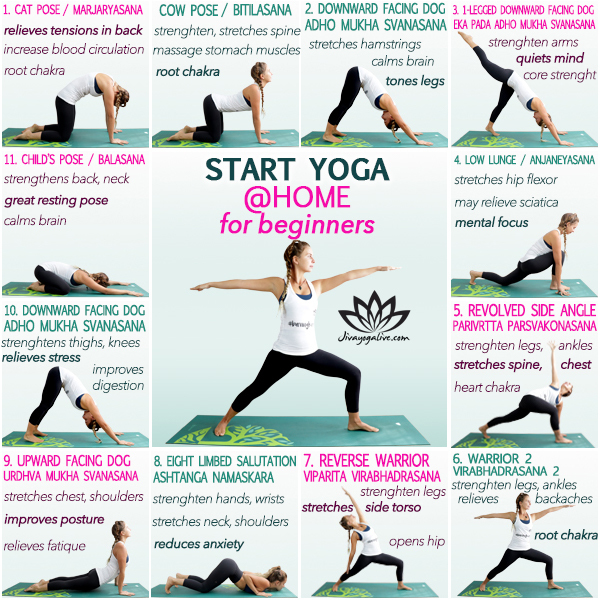
Image Source: jivayogalive.com
Why Start Yoga At Home? Grasping the Benefits
Practicing yoga at home offers many good things. It’s more than just stretching. It helps your body and mind.
- Comfort and Privacy: You are in your own space. Wear what you like. No one is watching. This helps you relax more.
- Flexibility: You can do yoga any time. Morning, noon, or night. Fit it around your work or family. A home yoga routine for beginners is easy to fit in.
- Save Money: No class fees. Many great resources online are free or low cost.
- Learn at Your Pace: Pause videos. Try poses again. Go slow. Learn what your body needs.
- Build a Habit: Making yoga part of your home life makes it easier to do often. Benefits come from doing it regularly.
The benefits of practicing yoga at home include feeling stronger, more flexible, and less stressed. It can help you sleep better. It can boost your mood. It connects your breath to your movement. This is good for your whole self.
What You Need: Basic Yoga Equipment for Home Practice
You do not need much to start yoga at home. Keep it simple. These are the basic items:
- Yoga Mat: This is key. A mat gives you grip. It stops you from slipping. It also adds a little cushion for your joints. Mats come in different types and costs. For starting out, a basic mat is fine. Look for one that is not too thin. It should feel good under your hands and feet.
- Comfortable Clothes: Wear clothes you can move freely in. Stretchy pants or shorts and a t-shirt work well. Make sure nothing feels tight or pulls when you stretch.
- Space: You need a small area. Enough room to lie down. Enough room to reach your arms out. We will talk more about setting up your space later.
That is really all you need to begin. Other things can help but are not needed at first.
Helpful, But Not Needed Right Away:
- Yoga Blocks: These help you reach the floor. They make some poses easier. You can use thick books or pillows instead.
- Yoga Strap: This helps with stretching. It can make some reaches easier. A belt or scarf can work too.
- Blanket: A folded blanket can cushion knees. It can also support hips in seated poses.
Start simple. Get a mat. Find some comfy clothes. That is your first step.
Finding Your Guide: Finding Online Yoga Classes for Beginners
One of the best ways to start is with a guide. Since you are at home, online resources are perfect. There are many options.
- YouTube: Lots of free yoga videos. Search for “yoga for absolute beginners” or “easy yoga sequence for beginners“. Look for videos that are gentle and explain poses clearly. Channels often have series for new people.
- Yoga Apps: Many apps offer beginner programs. Some are free, some cost money. Apps can track your progress. They often have different styles of yoga.
- Online Yoga Platforms: Websites like Glo, Yoga International, or Peloton offer many classes. These usually have a monthly fee. They often have high-quality videos and many beginner options.
- Studio Websites: Local yoga studios might offer online classes. This is a good way to support local business and maybe visit in person later.
When choosing a resource, look for these things:
* Clear Instructions: Can you hear and understand the teacher? Do they explain how to do the pose safely?
* Pace: Does the class move too fast? For beginners, a slower pace is better.
* Style: Start with gentle styles like Hatha or restorative yoga. Avoid fast styles like Vinyasa or Ashtanga until you know the basics.
* Teacher: Do you like the teacher’s voice and style?
Try a few different videos or apps. See what feels right for you. Don’t worry about picking the perfect one first. Just pick one and start.
Making Your Spot: Setting Up a Home Yoga Space
Your yoga space does not need to be big. It just needs to feel good to you. It should be a place where you can move freely and feel peaceful.
- Find Your Area: A corner of a room, a clear spot in the living room, or even outdoors if you have space. It just needs enough room for your mat and for you to extend your arms and legs.
- Keep it Clear: Move furniture or other items out of the way. You do not want to trip.
- Quiet is Good: Try to find a place where you will not be interrupted. Turn off your phone or put it on silent.
- Fresh Air: Open a window if you can. Good air flow helps.
- Lighting: Soft, natural light is nice. Avoid harsh bright lights.
- Make it Nice: You can add things that make the space feel calming. Maybe a small plant, a candle (be safe!), or a picture you like. This is your special spot.
Think of this space as your yoga home within your home. It is where you go to care for yourself. Setting it up helps you get in the right mindset.
Starting Simple: Yoga Poses for Beginners at Home
You do not need to know many poses to start. A few basic ones are enough. These poses build strength, flexibility, and balance. They are often part of an easy yoga sequence for beginners.
Here are some simple poses to try:
- Mountain Pose (Tadasana): Stand tall. Feet hip-width apart or together. Arms by your sides. Feel the ground under your feet. Stand up straight. Shoulders relaxed. This pose is simple but helps you find balance and good posture.
- Chair Pose (Utkatasana): Stand tall. Bend your knees like you are sitting in a chair. Keep your back straight. Raise your arms overhead. This builds leg strength.
- Downward-Facing Dog (Adho Mukha Svanasana): Start on hands and knees. Push your hips up and back. Make your body like an upside-down V. Hands are shoulder-width apart. Feet are hip-width apart. You can bend your knees if your hamstrings are tight. This pose stretches your whole body.
- Child’s Pose (Balasana): Kneel on your mat. Bring your big toes together. Sit back on your heels. Let your body rest on your thighs. Put your forehead on the mat. Arms can be by your sides or stretched overhead. This pose is for rest and comfort.
- Cat-Cow Pose (Marjaryasana to Bitilasana): Start on hands and knees. Hands under shoulders. Knees under hips. As you breathe in (inhale), drop your belly, lift your chest and head (Cow). As you breathe out (exhale), round your back, tuck your chin (Cat). Do this pose back and forth with your breath. It warms up your spine.
- Warrior II (Virabhadrasana II): Stand with feet wide apart. Turn one foot out 90 degrees. Turn the back foot in a little. Bend the front knee over the ankle. Keep the back leg straight. Lift arms parallel to the floor. Look over your front hand. This pose builds strength in legs and arms.
- Triangle Pose (Trikonasana): From Warrior II stance, straighten the front leg. Reach your front hand forward, then tip down. Rest your front hand on your shin, ankle, or a block. Lift your other arm to the sky. Open your chest. This pose stretches your legs and sides.
- Staff Pose (Dandasana): Sit on the floor with legs stretched out in front. Sit up tall. Flex your feet. Hands by your hips or slightly behind for support. Simple pose for posture.
- Seated Forward Bend (Paschimottanasana): From Staff Pose, reach your arms up. As you breathe out, fold forward over your legs. You can bend your knees a lot here. Let your back round if needed. Rest your hands on your legs or the floor. This pose stretches the back of your legs and back.
- Corpse Pose (Savasana): Lie flat on your back. Legs stretched out. Arms by your sides, palms up. Let your whole body relax. Close your eyes. This pose is for rest and absorbing the benefits of your practice. It is very important!
Do not worry about doing these poses perfectly at first. The goal is to move your body and feel what it needs. Listen to your body. Do not push into pain.
Putting Poses Together: Easy Yoga Sequence for Beginners
A sequence is just a flow of poses. Doing poses in a sequence helps warm up your body and links movement with breath. Here is a very simple easy yoga sequence for beginners you can try at home. Do each pose for a few breaths.
- Start Seated: Sit comfortably on your mat. Maybe on a blanket. Close your eyes. Just breathe for a few moments. Notice how you feel.
- Cat-Cow Pose: Move to hands and knees. Do 5-10 rounds with your breath.
- Downward-Facing Dog: From hands and knees, push up and back into Downward Dog. Stay for 5 breaths. You can walk your feet gently.
- Child’s Pose: Rest here for 5 breaths.
- Mountain Pose: Stand up slowly. Find your balance in Mountain Pose. 3 breaths.
- Chair Pose: Do Chair Pose for 3-5 breaths.
- Mountain Pose: Stand tall again.
- Downward-Facing Dog: Come back to Downward Dog. 5 breaths.
- Child’s Pose: Rest again. 5 breaths.
- Seated Forward Bend: Sit up and stretch your legs out. Fold forward gently. 5 breaths.
- Staff Pose: Sit up straight again. 3 breaths.
- Corpse Pose (Savasana): Lie down and relax completely for 5-10 minutes. Let your body rest.
This is just one example. You can find many other simple sequences online. The key is to move slowly and connect with your breath. This home yoga routine for beginners is a gentle way to start.
Building a Habit: How to Create a Yoga Schedule at Home
Doing yoga now and then is good. Doing it regularly is better. Creating a schedule helps you make it a habit.
- Be Realistic: Do not plan to do yoga for an hour every day if you are busy. Start small. Maybe 15-20 minutes, 2-3 times a week.
- Find Your Time: When are you most likely to do it? Morning to wake up? Lunch break? Evening to wind down? Pick a time that works for you.
- Put it in Your Calendar: Treat your yoga time like any other important meeting. Write it down.
- Be Flexible: Life happens. If you miss a session, do not worry. Just try again next time. Do not let one missed day stop you.
- Start Short: Even 10 minutes is good. A short practice is better than no practice.
- Listen to Your Body: Some days you might have more energy. Some days less. Adjust your practice. Do gentle poses when you feel tired.
Here is an example of a simple home yoga routine for beginners schedule:
| Day | Time | Type of Practice | Notes |
|---|---|---|---|
| Monday | 7:00 AM | 20-min gentle flow | Wake up your body |
| Wednesday | 6:30 PM | 15-min stretching/relax | Wind down after work |
| Saturday | 9:00 AM | 30-min beginner sequence | More time on the weekend |
This is just an idea. Change it to fit your life. The goal is to do it often enough to feel the benefits. Consistency is key.
Tips for Starting Yoga At Home
Here are some extra pieces of advice to help you on your way:
- Listen to Your Body: This is the most important tip. Pain is a sign to stop or ease back. Discomfort is normal as you stretch, but sharp pain is not.
- Use Your Breath: Yoga connects movement and breath. Breathe in and out through your nose. Let your breath guide you. Deep breaths help you relax and go deeper (safely) into poses.
- Do Not Compare: Do not compare yourself to others you see online. Everyone is different. Focus on how you feel.
- Stay Hydrated: Drink water before and after practice.
- Yoga is More Than Poses: Yoga is also about being present, breathing, and finding calm. Do not just focus on the physical shapes.
- Be Patient: Progress takes time. Do not expect to be super flexible or strong overnight. Celebrate small wins.
- Try Different Teachers/Styles: If one online class does not click with you, try another. There is a teacher out there for everyone.
- Warm-up: Start with gentle movements like Cat-Cow or simple stretches before doing more complex poses.
- Cool Down: Always end with a few minutes of rest in Corpse Pose (Savasana).
- Have Fun: Enjoy the process! Yoga should feel good.
Following these tips for starting yoga at home will make your journey smoother and more enjoyable.
Steer Clear: Common Beginner Yoga Mistakes to Avoid
Starting something new can come with small errors. Knowing them helps you avoid them. Here are some common beginner yoga mistakes to avoid:
- Holding Your Breath: Beginners often hold their breath when poses feel hard. Remember to breathe smoothly in and out. Breath is your anchor.
- Pushing Too Hard: Trying to do poses perfectly or pushing into pain can cause injury. Yoga is not a contest. Ease into poses.
- Not Warming Up: Jumping into deep stretches cold is risky. Always start with gentle movements to prepare your body.
- Skipping Savasana (Corpse Pose): This final rest pose is vital. It allows your body and mind to soak in the benefits of the practice. Do not skip it.
- Using the Wrong Equipment: Trying yoga on a slippery floor without a mat can lead to falls. While you do not need fancy gear, a basic yoga mat is important.
- Watching Instead of Doing: It is easy to just watch a video. Try to move with the teacher’s cues. Look at the screen only when you need to check your pose.
- Eating Right Before: It is best to practice yoga on an empty stomach or at least 1-2 hours after a meal.
- Ignoring Your Body’s Signals: If something hurts, stop. Modify the pose. Pain is your body telling you something is wrong.
- Doing Too Much Too Soon: Starting with very long or advanced classes can be overwhelming and lead to burnout or injury. Begin with short, easy sessions.
- Comparing Yourself to Others: As mentioned before, this is a big one. Focus on your own journey and progress.
Being aware of these common beginner yoga mistakes to avoid helps you stay safe and enjoy your practice more.
Going Deeper: Adding More to Your Home Practice
Once you feel comfortable with the basics, you might want to add more to your home yoga routine.
- Longer Sessions: Slowly add more time to your practice. Go from 15 minutes to 20, then 30.
- More Poses: Learn new poses. Find sequences that include slightly more challenging but still beginner-friendly poses.
- Different Styles: Try a beginner Vinyasa class to explore linking breath to movement more fluidly. Explore restorative yoga for deep relaxation.
- Focus on Breathwork (Pranayama): Yoga includes breathing exercises. Simple ones like Ujjayi (ocean breath) or Nadi Shodhana (alternate nostril breathing) can be added. Find beginner guides for these.
- Meditation: Add a few minutes of sitting quietly to breathe at the start or end of your practice. This helps calm the mind.
- Use Props: If you have blocks or a strap, start using them. See how they can help you find better alignment or deepen stretches safely.
- Journaling: After practice, write down how you feel. Notice any changes in your body or mood over time.
Adding these elements can make your home practice richer and help you explore more aspects of yoga beyond just the physical poses.
Keeping it Going: Making Yoga a Long-Term Habit
Starting is one thing, keeping it going is another. How do you make yoga a lasting part of your life?
- Connect to Your Why: Remember why you started. Was it for stress? For flexibility? For strength? Keep your goal in mind.
- Celebrate Progress: Notice the small changes. Maybe you can reach a little further, balance a little longer, or feel calmer after practice.
- Find a Community (Optional): While you practice at home, you can still connect with others. Join online yoga groups or challenges. Share your journey.
- Be Patient with Yourself: There will be days you don’t want to practice. That’s okay. Don’t beat yourself up. Just get back on the mat when you can.
- Mix It Up: Don’t do the exact same routine every time. Try different online classes or sequences to keep it fresh and challenge your body in new ways.
- Listen to the Seasons of Life: Your practice might change depending on what’s happening in your life. Some periods might allow for longer, stronger practices. Other times, gentle, short sessions are all you can manage. Both are valid.
Making yoga a habit is about building a kind and consistent relationship with yourself through movement and breath. Your home yoga routine for beginners is the start of this relationship.
Reviewing the Basics: Your Home Yoga Checklist
Let’s quickly recap the key steps to starting yoga at home:
- Decide to Start: Make the choice to begin.
- Find a Space: Pick a quiet, clear area in your home.
- Get a Mat: Buy or borrow a basic yoga mat.
- Wear Comfy Clothes: Put on clothes you can move in.
- Find a Resource: Choose an online video, app, or platform for beginners.
- Learn Basic Poses: Get familiar with simple yoga poses for beginners at home.
- Try a Simple Sequence: Follow an easy yoga sequence for beginners.
- Create a Schedule: Plan when you will practice, even if it’s just 15 minutes. This is your home yoga routine for beginners.
- Listen to Your Body: Pay attention to how you feel.
- Breathe: Focus on your breath throughout your practice.
- Avoid Mistakes: Be aware of common beginner yoga mistakes to avoid.
- Rest: Always end with Savasana.
By following these steps, you are well on your way to a fulfilling home yoga practice.
Frequently Asked Questions (FAQ)
Q: How long should a beginner yoga session be?
A: Start with 15-20 minutes. This is enough time to move your body and feel some benefits without getting tired or overwhelmed. You can slowly increase the time as you feel stronger and more comfortable.
Q: Is it okay if I can’t do all the poses?
A: Absolutely! Yoga is not about perfection. It’s about trying, moving your body, and listening to yourself. It’s okay to modify poses, use props, or skip a pose if it doesn’t feel right. Everyone starts somewhere.
Q: How often should a beginner do yoga at home?
A: Aim for 2-3 times a week to start seeing and feeling benefits. Consistency is more important than doing long sessions rarely. Even 10-15 minutes a few times a week is great.
Q: Do I need special yoga clothes?
A: No, just comfortable clothes that allow you to move freely. Stretchy pants or shorts and a t-shirt or tank top are perfect.
Q: What if my space is very small?
A: Even a small space works! Just clear enough area for your mat and to be able to extend your arms and legs without hitting things. You can move furniture temporarily if needed.
Q: Can I hurt myself doing yoga at home without a teacher?
A: Injury is possible if you push too hard or ignore pain signals. Start with beginner-specific classes that emphasize safety and proper form. Listen very carefully to your body. Avoid advanced poses until you have more experience. Using online resources from qualified teachers helps a lot.
Q: Should I eat before yoga?
A: It’s best to practice yoga on an empty stomach or at least 1-2 hours after a light meal. A full stomach can make twists and forward bends uncomfortable.
Q: What is the best time of day for yoga?
A: The best time is the time that works for you and that you can stick to. Some people like mornings to energize, others prefer evenings to relax. Experiment and see what fits your schedule and energy levels.
Q: What is Savasana and why is it important?
A: Savasana, or Corpse Pose, is the final resting pose. You lie flat on your back and relax completely. It’s important because it allows your nervous system to calm down and helps your body absorb the benefits of the physical practice. It’s a time for deep rest and integration. Do not skip it!
Q: How do I know if I’m doing a pose correctly?
A: For beginners using online resources, watch the teacher closely. Many beginner videos give clear instructions on alignment cues (where your hands/feet should be, how your spine should feel). Focus on the feeling in your body rather than the look of the pose. If you feel sharp pain, adjust or come out of the pose.
Starting yoga at home is an act of self-care. It’s a path to building strength, flexibility, and peace in your own personal space. With a mat, a little guidance, and a willingness to try, you can create a powerful practice that supports your well-being. Take a deep breath, find your space, and begin. Your body and mind will thank you.