
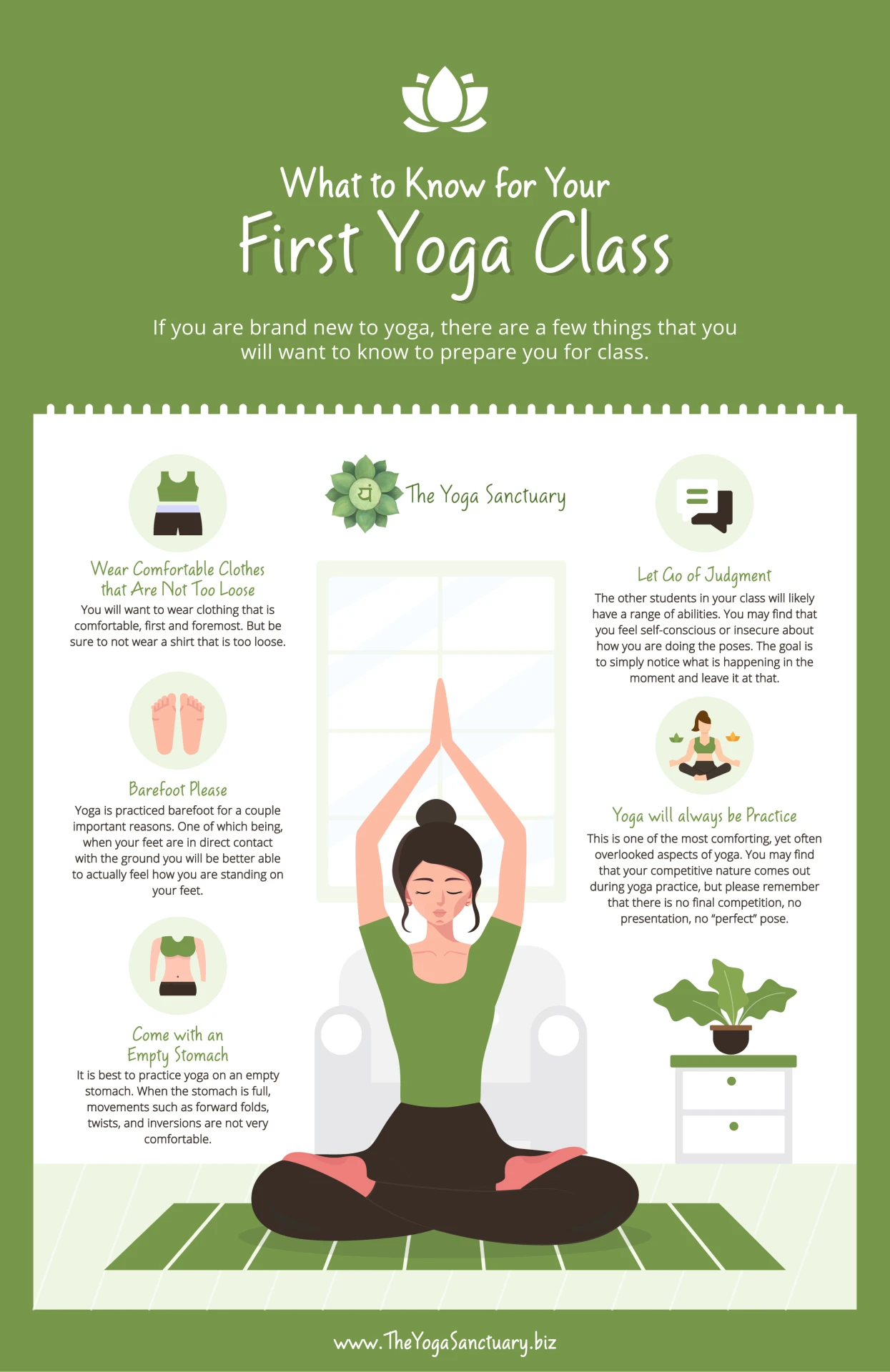
Image Source: www.theyogasanctuary.biz
Easy Steps: Learn How To Begin Yoga Practice At Home
So, how do you begin yoga practice? You can start right now, in your own home! Getting started with yoga at home for beginners is simpler than you think. It means taking gentle steps to move your body, quiet your mind, and learn how to breathe better. You can try beginner yoga poses and discover the many benefits of starting yoga without needing a fancy studio.
Why Start Yoga? Getting the Good Stuff
Beginning yoga brings many good things to your life. It is more than just stretching. It helps your body and your mind feel better. Think about these benefits of starting yoga:
- Your Body Gets Stronger: Yoga uses your own body weight. This helps build muscle. It makes you stronger little by little.
- You Become More Flexible: Yoga helps you move your body in new ways. This loosens tight muscles. You can reach further and bend easier.
- It Helps Your Balance: Many yoga shapes need you to stand on one leg or balance in other ways. This makes your balance better over time.
- Your Posture Gets Better: Yoga teaches you to stand and sit tall. This helps your back and neck. Good posture makes you look and feel better.
- It Can Help Reduce Pain: Gentle movements can ease aches in your back, neck, and joints. Moving helps keep your body from getting stiff.
- You Feel Less Stress: Yoga links movement with breath. This calms your nervous system. It helps you feel more peaceful.
- It Helps You Sleep Better: Being more relaxed and less stressed can make it easier to fall asleep and stay asleep.
- You Learn to Breathe Better: Yoga teaches you how to use your breath fully. Good breathing brings more oxygen to your body. It also helps calm your mind.
- It Connects Your Mind and Body: Yoga is a practice where you pay attention to how your body feels. You notice your breath and your thoughts. This helps you feel more connected to yourself.
- It Can Boost Your Mood: Moving your body releases feel-good chemicals. Plus, the calming effect of yoga can lift your spirits.
Starting yoga at home lets you get all these good things in a comfortable place.
Getting Ready for Practice
You do not need much to start yoga at home. A little bit of space and a few simple things are enough. This is about setting up for yoga at home for beginners.
Finding Your Space
Look for a quiet spot in your home.
* It should have enough room for you to stretch your arms and legs.
* Make sure the floor is flat.
* It is nice if the space is peaceful. Maybe close a door or turn off the TV.
* Find a place where you will not be stepped on or bothered.
* You do not need a big room. Just a spot where you can move freely.
Essential Gear: What You Need
For yoga equipment for beginners, you only need a few things.
* Yoga Mat: This is the most important thing. A mat gives you grip so you do not slip. It also puts a little cushion under your knees and hands.
* You do not need a super thick or fancy mat to start.
* Any mat that keeps you from slipping will work fine.
* Choose one that fits your height.
* Roll it out in your space.
* Comfortable Clothes: Wear clothes you can move in.
* Loose or stretchy pants or shorts work well.
* A comfortable top is good.
* Do not wear anything too tight or that gets in your way.
* Yoga is usually done with bare feet. This helps you grip the mat.
That is really all you need to begin. Over time, you might want to add more yoga equipment for beginners, like:
- Yoga Blocks: These are like firm foam bricks.
- They can help you reach the floor in some poses.
- They bring the ground closer to you.
- They can make some poses easier or help you feel more stable.
- Yoga Strap: This is a long piece of fabric.
- It helps you reach parts of your body in stretches.
- It is good if you have tight muscles.
- It can help you deepen a stretch safely.
- Blanket: A folded blanket can cushion your knees or sit bones.
- It can make seated poses more comfortable.
- It can also be used for warmth during relaxation.
But remember, start simple. A mat and comfortable clothes are perfect for your first steps in yoga at home for beginners.
Grasping Yoga Basics
Before you jump into shapes, it helps to know a little about what yoga is. It is more than just bending your body. This section is about grasping some core ideas.
What is Yoga?
Yoga comes from an old language called Sanskrit. The word “yoga” means to join or unite.
* It is a way to bring your body, mind, and spirit together.
* It has been practiced for thousands of years, mostly in India.
* Modern yoga often focuses on physical poses (called asanas), breathing exercises (called pranayama), and meditation.
* It is not a religion. People of any background can do yoga.
* It is a practice for well-being. It helps you feel whole.
Types of Yoga for Starting
There are many styles of yoga. Some are fast, some are slow. Some use heat, some do not. For yoga at home for beginners, slower, gentler styles are best.
* Hatha Yoga: This is a good place to start. It often moves slowly. It focuses on holding poses for a few breaths. It gives you time to learn the shapes.
* Restorative Yoga: This style is very gentle. It uses props like blankets, bolsters, and blocks a lot. The goal is deep relaxation. You hold poses for a long time but in a very restful way. This is great for reducing stress.
* Gentle Yoga: This term is often used for classes that are slow and easy. They are designed for people who are new or have physical limits.
When you look for online yoga classes, look for classes that say “Beginner,” “Gentle,” “Hatha,” or “Restorative.”
The Importance of Breath: Learning to Breathe
Breath is key in yoga. It is called Pranayama. Pranayama means controlling your life force or energy through breath. Yoga breathing exercises help calm your mind and give you energy.
Basic Breathing
You can start with simple breath awareness.
* Sit or lie down in a comfortable place.
* Let your body be soft.
* Close your eyes if you like.
* Just notice your breath. Do not try to change it.
* Feel the air go in and out of your nose.
* Notice your belly or chest rise and fall.
* Just watch your breath for a few minutes.
A simple breath technique is Ujjayi breath (Victorious Breath).
* Breathe in and out through your nose.
* Gently close the back of your throat a little bit.
* It should sound like a soft ocean sound or like you are fogging up a mirror with your mouth closed.
* This helps make your breath long and smooth.
* It also helps you focus.
* Do this breath while you do the poses.
Learning yoga breathing exercises is a big part of the practice. It helps you stay present and connects you to your body.
Starting with Movement: Trying Shapes
Now for the fun part: moving your body! You will learn basic yoga postures and easy yoga poses. Do not worry about making shapes look perfect at first. Just try them out. Listen to your body.
Learning Basic Yoga Postures
Yoga poses have names, often in Sanskrit and English. You do not need to know all the names. Learn the main ones as you go. Basic yoga postures are the building blocks.
Easy Yoga Poses to Try
Here are some beginner yoga poses that are simple and good to start with. Try holding each pose for 5-10 breaths.
-
Mountain Pose (Tadasana):
- Stand tall with your feet together or hip-width apart.
- Feel the ground under your feet.
- Straighten your legs but do not lock your knees.
- Lift your chest.
- Let your shoulders relax down your back.
- Let your arms hang by your sides, palms facing forward.
- Stand tall like a mountain. This pose helps with posture and grounding.
-
Child’s Pose (Balasana):
- Start on your hands and knees.
- Bring your big toes to touch.
- Spread your knees wide or keep them closer.
- Sit your hips back towards your heels.
- Walk your hands forward.
- Rest your forehead on the floor or a block/blanket.
- Let your belly rest between your thighs (if knees are wide).
- This is a resting pose. Use it whenever you feel tired or need a break.
-
Cat-Cow Pose (Marjaryasana-Bitilasana):
- Start on your hands and knees.
- Place your hands under your shoulders, knees under your hips.
- On a breath in (inhale): drop your belly, lift your chest and tailbone. Look up slightly. (Cow pose)
- On a breath out (exhale): round your back like a cat, pull your belly button in. Tuck your chin to your chest. (Cat pose)
- Move slowly between these two shapes with your breath.
- This warms up your spine and helps with flexibility.
-
Downward-Facing Dog (Adho Mukha Svanasana):
- Start on your hands and knees.
- Place your hands shoulder-width apart, fingers spread wide.
- Tuck your toes under.
- Lift your hips up and back, making an upside-down V shape with your body.
- Press your hands into the floor.
- Let your head hang heavy.
- Bend your knees a lot if your hamstrings feel tight.
- You can “walk” your dog by bending one knee and then the other.
- This pose stretches your legs and shoulders.
-
Warrior II (Virabhadrasana II):
- Stand with your feet wide apart.
- Turn your right foot out 90 degrees.
- Turn your left foot in slightly.
- Bend your right knee over your right ankle. Make sure your knee is over your ankle, not past it.
- Keep your back leg straight and strong.
- Lift your arms parallel to the floor, reaching forward over your right leg and back over your left leg. Palms face down.
- Look forward over your right hand.
- Keep your torso centered over your hips.
- Repeat on the other side. This pose builds strength in the legs and opens the hips.
-
Tree Pose (Vrksasana):
- Stand in Mountain Pose.
- Shift your weight to your left foot.
- Lift your right foot off the floor.
- Place the sole of your right foot on your inner left ankle, calf, or thigh (avoid pressing on the knee joint).
- Bring your hands together at your chest or reach them overhead.
- Find something to look at that is not moving (a focal point).
- Try to stand tall and steady.
- Repeat on the other side. This pose helps with balance and focus.
-
Bridge Pose (Setu Bandhasana):
- Lie on your back with your knees bent.
- Place your feet flat on the floor, hip-width apart. Your heels should be close to your sitting bones.
- Let your arms rest by your sides, palms down.
- Press your feet into the floor.
- Lift your hips off the floor towards the ceiling.
- You can keep your arms by your sides or clasp your hands under your back.
- Keep your neck long. Do not turn your head in this pose.
- Lower your hips back down slowly. This pose strengthens your back and opens your chest.
-
Corpse Pose (Savasana):
- Lie flat on your back.
- Let your arms rest by your sides, palms facing up.
- Let your legs fall open naturally.
- Close your eyes.
- Relax your whole body. Let go of any tension.
- Just rest here quietly for 5-10 minutes.
- This pose is very important for letting your body and mind take in the benefits of the practice. Do not skip it!
These easy yoga poses give you a taste of different movements. They stretch, strengthen, and help you connect with your breath. They are great basic yoga postures for anyone starting out.
Putting Poses Together: A Gentle Sequence
Doing poses one after another in a flow is a sequence. Here is a simple gentle yoga sequence you can try at home. Do this sequence slowly, linking your breath to each movement. You can repeat it a few times if it feels good.
- Start in Child’s Pose: Rest here for 5 breaths. Focus on your breath.
- Move to Table Top: On hands and knees. Do 5 rounds of Cat-Cow with your breath.
- Move to Downward Dog: Stay here for 5 breaths. Bend your knees if you need to.
- Walk Your Hands Back: Slowly walk your hands towards your feet. Let your head hang heavy in a forward bend. Bend your knees a lot.
- Roll Up to Stand: Slowly roll your spine up, head comes up last. Stand in Mountain Pose. Take 3 breaths.
- Reach Up: On an inhale, sweep your arms up overhead. On an exhale, bring them back down by your sides. Do this 3 times.
- Warrior II: Step your feet wide. Turn your right foot out. Bend your right knee. Arms out. Stay for 5 breaths. Straighten your right leg. Turn your feet forward.
- Warrior II (Other Side): Turn your left foot out. Bend your left knee. Arms out. Stay for 5 breaths. Straighten your left leg. Turn feet forward. Step feet together into Mountain Pose.
- Tree Pose: Try Tree Pose on your right leg for 5 breaths. Then on your left leg for 5 breaths. Use a wall for balance if needed.
- Lie Down: Gently come down to sit, then lie on your back.
- Bridge Pose: Do Bridge Pose. Lift hips on an inhale, lower on an exhale. Repeat 3-5 times.
- Finish in Savasana: Lie flat and rest completely for 5-10 minutes.
This gentle yoga sequence includes many basic yoga postures and easy yoga poses. It is a simple flow that feels good in the body.
Finding Resources for Practice
You do not have to figure it all out by yourself. There are many ways to learn yoga at home.
Exploring Online Yoga Classes
Online yoga classes are a fantastic way to begin yoga at home for beginners.
* Lots of Choices: You can find classes for every level, style, and length.
* Practice Anytime: You can do yoga when it fits your schedule. Early morning, late night, whenever you want.
* Practice Anywhere: Your home is your studio. You can also do it when you travel.
* Often Cheaper: Many online yoga classes are less costly than studio classes. Some are even free.
Where to find online yoga classes?
* YouTube: Many yoga teachers and studios offer free classes here. Search for “beginner yoga,” “gentle yoga,” or specific poses.
* Yoga Apps: Apps like Down Dog, Glo, Yoga with Adriene, etc., offer guided practices. Many have specific beginner programs.
* Studio Websites: Local yoga studios often have online libraries or live streaming classes you can join from home.
* Membership Sites: Some websites offer a large collection of online yoga classes for a monthly fee.
When choosing online yoga classes:
* Look for teachers you like. Their style and voice matter.
* Make sure the class level is for beginners.
* Read reviews if you can.
* Start with shorter classes (15-30 minutes).
* Have your mat and props ready before you start.
The Value of a Teacher: Finding Support
Even when practicing at home, a teacher can help a lot. Finding a yoga instructor can speed up your learning and keep you safe.
* Guidance: A teacher can show you how to do poses correctly. This helps you get the full benefits and avoid injuries.
* Tips and Adjustments: Good teachers offer ways to change poses to fit your body. This is called providing modifications.
* Motivation: Practicing with a teacher (even online) can help you stay on track.
* Learning More: Teachers can explain the breathing, history, and other parts of yoga.
How to go about finding a yoga instructor?
* Online Classes: Choose online yoga classes with teachers who explain things clearly. Many online platforms let you find teachers you like.
* Local Studios: Even if you practice mostly at home, a local studio might offer beginner workshops or private sessions. This can give you a strong start.
* Ask Friends: If you know people who do yoga, ask who they recommend.
* Search Online: Look for certified yoga teachers in your area or online. Look for RYT (Registered Yoga Teacher) certification.
You might try a few different teachers until you find one that feels right for you. Do not be afraid to try a few online yoga classes from different teachers.
Staying Consistent: Making Yoga a Part of Your Life
Starting is great, but doing yoga regularly is where the real benefits of starting yoga grow. How can you keep going with yoga at home for beginners?
Setting Realistic Goals
Do not feel like you need to do yoga for an hour every day.
* Start small. Maybe 15-20 minutes, 2-3 times a week.
* Even 10 minutes is better than none.
* As you feel stronger and more comfortable, you can do it more often or for longer.
* Think about what you can actually do with your current schedule.
* It is better to do a little bit often than a lot only sometimes.
Listening to Your Body
This is super important in yoga.
* Yoga should not hurt. You might feel a stretch or like your muscles are working, but sharp pain means stop.
* Pay attention to how your body feels each day. Some days you might feel strong. Other days you might feel tired or stiff.
* Choose poses and sequences that match how you feel.
* Use props like blocks or blankets if they make a pose feel better or safer.
* Do not push yourself too hard, especially when you are new.
* It is okay to rest in Child’s Pose or Savasana whenever you need to.
* Your body is your best teacher. Listen to its signals.
Making it a Habit
Making yoga a regular thing takes effort at first.
* Schedule It: Put your yoga time in your calendar like any other important meeting.
* Be Consistent: Try to do it around the same time or on the same days each week. This helps it become a routine.
* Find Your “Why”: Remember why you started yoga. What are the benefits of starting yoga that you want most? Keep that in mind when you do not feel like practicing.
* Create a Ritual: Make your yoga space inviting. Maybe light a candle or play soft music. Roll out your mat. This signals to your brain that it is yoga time.
* Track Your Progress: Notice how you feel after practice. Do you feel calmer? Stronger? More flexible? Paying attention to the good results can keep you motivated.
* Do Not Worry About Missing a Day: If you miss a practice, do not give up. Just start again the next day. Progress is not linear.
Building a habit takes time. Be kind to yourself. Celebrate your progress, no matter how small. Doing yoga at home for beginners is a gift you give yourself.
Frequently Asked Questions (FAQ)
Here are some common questions people ask when they start yoga at home for beginners.
Q: How long should my yoga practice be?
A: Start with 10-20 minutes, 2-3 times a week. As you get more comfortable, you can increase the time or frequency. Even a short practice is beneficial.
Q: Do I need a special yoga mat?
A: You need a mat that gives you grip so you do not slip. Any mat designed for yoga or general fitness that prevents slipping will work well for starting. You do not need an expensive one right away.
Q: Can I do yoga every day?
A: Yes, you can! But it is important to listen to your body. Some days might be a gentle, short practice. Other days might be longer. Rest days are also okay and important. Start slow and see how your body feels.
Q: What if I am not flexible at all?
A: That is okay! You do not need to be flexible to start yoga. Yoga helps you become more flexible over time. Just do the poses as much as you can without pain. Use props like blocks or straps to help you. Everyone starts somewhere.
Q: What kind of online yoga classes should I look for?
A: Look for classes labeled “Beginner,” “Gentle Yoga,” “Hatha Yoga,” or “Restorative Yoga.” Read the class description to make sure it is suitable for newcomers.
Q: Is finding a yoga instructor necessary if I am doing online yoga classes?
A: It is not strictly necessary, but it can be very helpful. A good instructor, even online, can provide clearer guidance on basic yoga postures and yoga breathing exercises, help you avoid common mistakes, and offer tips for your body type. Consider trying different instructors online to find a good fit.
Q: I feel silly trying the beginner yoga poses. Is that normal?
A: Yes, totally normal! Learning new movements can feel awkward at first. Practice in your private space at home where you feel comfortable. Focus on how the pose feels in your body, not how it looks. Everyone started as a beginner.
Q: What is the most important thing to remember when doing yoga at home for beginners?
A: Listen to your body and focus on your breath. Do not push into pain. Make it enjoyable, not a chore. Consistency over intensity is key when you begin.
Wrapping Up
Starting yoga at home for beginners is a kind and powerful step you can take for yourself. You do not need a perfect body, fancy clothes, or expensive yoga equipment for beginners. You just need a little space and a willingness to try.
Begin with easy yoga poses. Link your breath with your movement using simple yoga breathing exercises. Find online yoga classes or consider finding a yoga instructor to guide you. Create a simple gentle yoga sequence that feels good.
Remember the many benefits of starting yoga, from feeling stronger and more flexible to feeling calmer and less stressed. Be patient with yourself. Enjoy the process. Your home is a wonderful place to begin this journey. Roll out your mat and take your first easy step today.