
Image Source: www.yogabasics.com
Unlock Serenity: How To Learn Yoga At Home Step-by-Step
Learning yoga at home is a great way to start your journey to feeling calmer and stronger. It gives you freedom and saves you travel time. You can practice when it suits you. This guide will show you how to begin. You will learn the basics, find help online, and build your own practice. It’s simple to start right where you are.
Getting Started at Home
Starting yoga at home is easy. You do not need much space or fancy gear. All you need is a small area and a few basic items.
Why Home Yoga?
Yoga at home offers many good points.
* Flexibility: You set the schedule. Wake up early, practice at lunch, or wind down in the evening. You choose the time.
* Comfort: Your home is a safe space. You can relax without feeling watched. This makes learning new things easier.
* Cost: Learning at home is often cheaper. You save money on studio fees. You might only pay for online classes or a yoga app.
* Privacy: Some poses feel strange at first. Practicing alone lets you try them without worry. You can move freely.
* Pace: You go at your own speed. Hold poses longer if you like. Rest when you need to. No one is rushing you.
Home yoga fits into a busy life. It makes well-being reachable every day.
What You Need
You do not need a lot to start yoga. The most helpful item is a yoga mat.
- Yoga Mat: A yoga mat gives you grip. It stops your hands and feet from slipping. It also gives a little cushion for your joints. Mats come in different sizes and thickness. A standard mat works fine for beginners. Pick one that feels good to stand on. A good yoga mat makes your practice safer and more comfortable.
- Comfortable Clothes: Wear clothes that let you move freely. Loose or stretchy clothes are best. Think leggings, shorts, and t-shirts. You do not need special yoga clothes.
- Optional Items:
- Yoga Blocks: These help bring the floor closer. They can help you reach poses when your body is still tight.
- Yoga Strap: A strap helps you hold onto feet or hands in stretches. It is great for increasing flexibility gently.
- Blanket or Cushion: You can use these for kneeling poses or sitting. They make sitting still for breathing or meditation at home more comfortable.
Start simple with just a yoga mat. Add other items later as you need them.
Creating Your Space
Your yoga space does not need to be big. Find a spot where you can lay your yoga mat flat. Make sure you have room to stretch your arms out to the sides and overhead.
- Choose a Quiet Spot: Find a place free from noise and things that pull your attention away. This helps you focus.
- Make it Pleasant: Open a window for fresh air. Play soft music if you like. Light a candle or use nice smells (like essential oils). Make it a place you enjoy being.
- Clear Clutter: Remove anything you might trip over. A clean space helps clear your mind too.
- Good Lighting: Natural light is nice. Make sure it is not too dark or too bright.
Your yoga spot is your calm corner. Even a small space can work.
Fathoming Basic Yoga Concepts
Yoga is more than just stretching. It is a practice that joins the body and mind.
What is Yoga?
Yoga comes from an old practice in India. The word ‘yoga’ means to ‘join’ or ‘unite’. It aims to bring your body, mind, and spirit together. Yoga uses physical poses (called asanas), breathing exercises (pranayama), and meditation. It is a path to feel balanced and peaceful inside. It is not a religion. People of any background can practice yoga.
Yoga Styles for Beginners
Many types of yoga exist. Some are fast and hard. Others are slow and gentle. For beginners learning at home, gentle styles are a good start.
- Hatha Yoga: This is a general term. Many basic classes are called Hatha. It moves at a slow pace. You hold poses for a few breaths. It is great for learning the poses and breathing.
- Vinyasa Yoga: This style links breath to movement. Poses flow from one to the next. Some Vinyasa classes can be fast. Look for “slow flow” or “beginner Vinyasa” online.
- Restorative Yoga: This is very gentle. You use props like blankets and bolsters to support your body fully. You hold poses for a long time. It is very calming and good for stress reduction techniques.
- Yin Yoga: This style holds poses for several minutes. It targets deep connective tissues like ligaments and joints. It is slow and quiet. It helps increase flexibility.
Start with Hatha or gentle Vinyasa. These help you build strength and learn basic poses.
Breathing in Yoga (Pranayama)
Breathing is key in yoga. Pranayama means ‘breath control’. Paying attention to your breath calms your mind. It also helps you move deeper into poses.
- Simple Breath: Just notice your breath. Breathe in through your nose. Breathe out through your nose. Make your breaths smooth and even.
- Ujjayi Breath (Ocean Breath): This breath makes a soft sound in your throat. Breathe in and out through your nose. Gently squeeze the back of your throat. It sounds like ocean waves. This breath helps you focus and build heat.
- Deep Abdominal Breathing: Place one hand on your belly. As you breathe in, feel your belly rise. As you breathe out, feel your belly fall. This breath is very calming.
Focusing on your breath helps you stay present. It links your body and mind during your yoga sequence.
Starting Your Movement Journey
The physical part of yoga involves different poses. Do not worry about doing them perfectly at first. Just try your best and listen to your body.
Exploring Beginner Yoga Poses
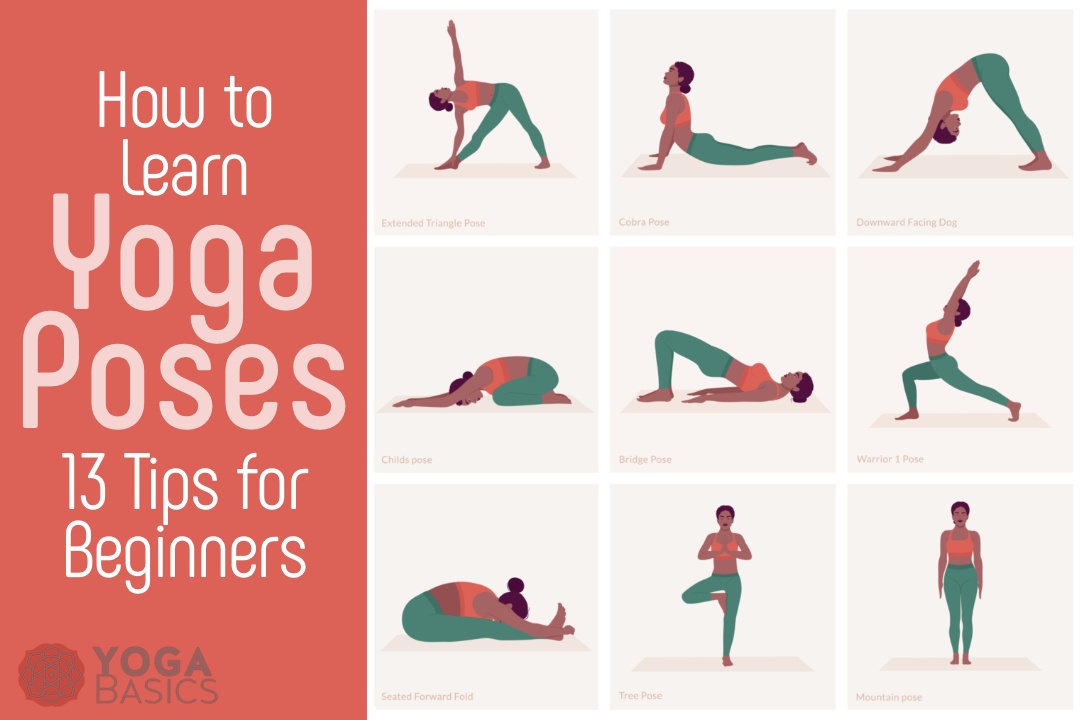
Here are some basic poses perfect for those starting yoga at home. Practice these to build strength and flexibility. Remember to breathe smoothly in each pose.
- Mountain Pose (Tadasana):
- How to do it: Stand tall with your feet together or hip-width apart. Feel your feet grounding down. Straighten your legs but do not lock your knees. Pull your belly button gently in. Lift your chest. Let your arms hang by your sides, palms facing forward. Imagine a string pulling you up from the top of your head.
- Why it’s good: This pose teaches you how to stand with balance and good posture. It is the base for many other standing poses.
- Child’s Pose (Balasana):
- How to do it: Kneel on your yoga mat. Bring your big toes to touch. Spread your knees wide or keep them closer. Lower your hips back to your heels. Fold your body forward over your thighs. Rest your forehead on the mat. You can stretch your arms forward or bring them back along your body.
- Why it’s good: This is a resting pose. It gently stretches the back, hips, and thighs. It helps calm the mind. Use this pose whenever you need a break during your practice.
- Cat-Cow Pose (Marjaryasana-Bitilasana):
- How to do it: Start on your hands and knees. Your hands should be under your shoulders. Your knees should be under your hips. As you breathe in, drop your belly, lift your chest, and look up (Cow). As you breathe out, round your spine towards the sky, tuck your chin to your chest (Cat). Move slowly with your breath.
- Why it’s good: This simple movement warms up the spine. It links breath and movement. It is great for improving flexibility in the back.
- Downward-Facing Dog (Adho Mukha Svanasana):
- How to do it: Start on your hands and knees. Place your hands a little ahead of your shoulders. Tuck your toes under. Lift your hips up and back, forming an upside-down V shape with your body. Straighten your legs as much as you can, but a bend in the knees is okay. Let your head hang freely. Press your hands into the mat.
- Why it’s good: This pose stretches the whole body. It strengthens the arms and legs. It is good for calming the brain and relieving stress. It is a core pose in many yoga styles.
- Warrior II (Virabhadrasana II):
- How to do it: Step your feet wide apart. Turn your right foot out 90 degrees. Turn your left foot in slightly. Line up your right heel with the middle of your left foot. Bend your right knee over your right ankle (make sure you can still see your toes). Keep your hips open to the side. Lift your arms to shoulder height, reaching in opposite directions. Look over your right fingertips.
- Why it’s good: This pose builds strength in the legs and ankles. It opens the hips and chest. It improves balance and focus.
- Triangle Pose (Trikonasana):
- How to do it: Start with feet wide apart, like in Warrior II. Straighten your right leg. Reach your right arm forward over your right leg. Tip your body over your right leg. Let your right hand rest on your shin, ankle, or a block. Extend your left arm straight up towards the sky. Look up at your left hand or forward.
- Why it’s good: This pose stretches the legs, hips, and spine. It opens the chest and shoulders. It is good for balance and calming the mind.
- Cobra Pose (Bhujangasana):
- How to do it: Lie on your belly. Place your hands under your shoulders. Keep your elbows close to your body. Press your feet and hips into the mat. On an inhale, gentle lift your chest off the mat. Keep your shoulders relaxed and neck long. Do not push up too high.
- Why it’s good: This pose strengthens the spine and chest. It stretches the front of the body. It can help improve posture.
- Tree Pose (Vrksasana):
- How to do it: Stand in Mountain Pose. Shift your weight to your left foot. Lift your right foot. Place the sole of your right foot on your inner left ankle, calf, or thigh (avoid the knee joint). Bring your hands together at your chest or reach them overhead. Find a point to look at that is not moving.
- Why it’s good: This pose improves balance and focus. It strengthens the legs and core.
These are just a few beginner yoga poses. There are many more to explore as you practice.
Building Your First Yoga Sequence
A yoga sequence is simply linking poses together. For your home practice, start with a simple yoga sequence. This helps your body move smoothly from one pose to the next.
Here is a basic structure for a beginner yoga sequence:
1. Start: Begin sitting or lying down quietly for a few minutes. Focus on your breath (meditation at home practice).
2. Warm-up: Do gentle movements like Cat-Cow, gentle twists, or stretching your arms and legs.
3. Standing Poses: Include poses like Mountain Pose, Warrior II, or Triangle Pose. These build heat and strength.
4. Balancing Poses: Try Tree Pose to work on balance.
5. Floor Poses: Move to the mat for poses like Cobra, Downward Dog, or seated stretches.
6. Cool-down: Do gentle stretches, like Child’s Pose or lying on your back with knees to chest.
7. Rest: End with Savasana (Corpse Pose). Lie flat on your back, close your eyes, and relax completely for 5-10 minutes. This is a very important part of the practice for stress reduction techniques.
Aim for a shorter sequence when you start, maybe 15-20 minutes. As you get used to it, you can make your yoga routine longer. You can find many simple yoga tutorial videos online that guide you through a sequence.
Importance of Proper Form
Doing poses with proper form is very important. It helps you get the full benefit of the pose. More importantly, it helps you avoid hurting yourself.
- Listen to Your Body: This is the golden rule. Never push into pain. A stretch might feel strong, but it should not hurt.
- Use Modifications: If a pose feels too hard or hurts, change it. Use blocks under your hands. Keep a bend in your knees in Downward Dog. Child’s Pose is always there for rest. Online yoga classes often show different ways to do poses.
- Alignment: Try to follow basic alignment cues. For example, in Warrior II, make sure your front knee is over your ankle, not falling inward. A yoga tutorial or yoga app often gives these cues.
- Breathe: Your breath is your guide. If you are holding your breath, you are likely pushing too hard.
Do not aim for a perfect-looking pose. Aim for a pose that feels right and safe for your body today.
Finding Guidance at Home
You do not need a teacher in the room to learn yoga. The internet offers many ways to learn.
Navigating Online Yoga Classes
Online yoga classes are a fantastic resource for learning at home. They bring teachers and guided practices to you.
- Types of Classes: You can find classes for all levels and styles. Look for “beginner yoga classes” specifically. Many platforms offer classes focused on flexibility exercises, stress reduction techniques, or specific pose families.
- Where to Find Them:
- Subscription Platforms: Sites like Glo, Alo Moves, or Yoga International offer many classes for a monthly fee. They often have structured beginner programs.
- YouTube: Many yoga teachers offer free yoga tutorial videos on YouTube. Search for “beginner yoga sequence,” “yoga for flexibility,” or “stress relief yoga.”
- Specific Studio Online: Some local yoga studios offer online classes too. This might be a good way to support them.
- Choosing a Teacher: Try different teachers. Find someone whose voice and style you like. A good teacher gives clear instructions and alignment cues. They remind you to breathe and listen to your body.
- Setting Up: When taking online yoga classes, make sure your device is where you can see it clearly. Have your yoga mat ready.
Online classes provide structure. They guide you through warm-ups, poses, and cool-downs. This is very helpful when you are building your first yoga routine.
Using a Yoga App
Many yoga apps offer guided practices, pose libraries, and programs. A yoga app can be a handy tool for home practice.
- What Apps Offer:
- Guided Practices: Like online videos, but often you can choose length, style, or focus (e.g., “yoga for back pain,” “morning yoga routine”).
- Pose Library: Look up specific beginner yoga poses to see how they are done.
- Building Sequences: Some apps let you create your own yoga sequence from their pose list.
- Progress Tracking: Some apps track how often and how long you practice.
- Meditation: Many yoga apps include guided meditation at home options.
- Finding an App: Search your phone’s app store for “yoga app.” Many offer free trials. Some popular ones include Down Dog (you can customize length and focus), Yoga with Adriene (free YouTube content, but some apps link to it), or Daily Yoga.
- How to Use: Use the app to follow a guided practice when you do not know what to do. Use the pose library to check your form. Use it to build a quick yoga routine if you are short on time.
A yoga app puts yoga guidance right in your pocket.
Following a Yoga Tutorial
A yoga tutorial usually focuses on explaining one pose or a short sequence in detail. This is different from a full class.
- What to Look For: A good yoga tutorial breaks down the pose step-by-step. It shows you where to put your hands and feet. It tells you what muscles to use or stretch. It shows modifications if the pose is hard.
- How They Help:
- Learn Pose Details: If you are unsure about Downward Dog or Warrior II, find a specific yoga tutorial for that pose.
- Improve Form: Watch a tutorial to check your alignment. This is key for practicing safely at home.
- Understand Benefits: Tutorials often explain why a pose is good for you.
- Where to Find Them: YouTube is a great source for free yoga tutorial videos. Yoga websites and blogs also offer written and video tutorials.
Use tutorials to deepen your knowledge of specific poses within your home yoga routine.
Developing Your Practice
Starting is great, but making yoga a habit is where you see lasting changes.
Building a Consistent Yoga Routine
Doing yoga often is better than doing it perfectly once in a while.
- Start Small: Aim for short sessions, maybe 15-20 minutes, a few times a week. Even 10 minutes is good.
- Schedule It: Put your yoga time in your calendar. Treat it like any other important meeting.
- Tie it to Another Habit: Do yoga right after you wake up, before breakfast, or before you go to bed. Linking it to something you already do helps it stick.
- Be Flexible: If you miss a day, do not worry. Just get back on your mat the next day. Some days you might do a full yoga sequence, other days just 10 minutes of flexibility exercises.
- Mix It Up: Use different online yoga classes, try a new yoga sequence from your yoga app, or focus on different poses. This keeps it interesting.
A regular yoga routine helps your body get stronger and more flexible. It also helps you feel calmer and more focused over time.
Listening to Your Body
Your body talks to you. In yoga, it is crucial to listen. Some days you will feel strong and ready for anything. Other days you might feel tired or stiff.
- Respect Limits: Never force yourself into a pose. If it hurts, back off. It is okay to modify the pose or skip it.
- Rest When Needed: Child’s Pose is your friend. Take a break whenever you need one.
- Notice Sensations: Pay attention to how poses feel. Where do you feel the stretch? What feels strong? What feels tight? This helps you learn about your body.
- Modify Poses: Use your yoga mat, blocks, blankets, or straps to make poses easier or more comfortable. Online yoga classes often show how to modify.
Your home practice is for you. There is no competition. Honor what your body needs each day.
Adding Flexibility Exercises
Yoga is great for improving flexibility. The poses are like guided flexibility exercises. As you hold poses and breathe, your muscles and connective tissues stretch.
- Key Poses for Flexibility:
- Downward Dog stretches the hamstrings and calves.
- Triangle Pose stretches the sides of the body and hamstrings.
- Child’s Pose stretches the back and hips.
- Seated forward folds stretch the back and hamstrings.
- Consistency is Key: Doing flexibility exercises regularly helps your body open up over time. Even short, daily stretching sessions can make a difference.
- Hold and Breathe: In yoga, you hold stretches for several breaths. This gives your body time to release tension.
- Use Props: Blocks and straps are very helpful flexibility exercises tools, allowing you to get a stretch without straining.
Adding yoga to your life means adding effective flexibility exercises in a mindful way.
Grasping the Mental Benefits
Yoga is not just about the body. It has deep effects on your mind and feelings.
Yoga for Stress Reduction Techniques
Many people start yoga to deal with stress. It is a powerful tool for stress reduction techniques.
- Calming the Nervous System: Slow movements and deep breathing tell your body it is safe to relax. This lowers stress hormones.
- Focusing the Mind: When you focus on poses and breath, your mind has less room to worry about other things. This gives your mind a break.
- Releasing Tension: We hold stress in our bodies, often in the neck, shoulders, and hips. Yoga poses help release this stored tension.
- Mindfulness: Yoga teaches you to be present in the moment. You notice what is happening now, not worrying about the past or future. This is a core part of many stress reduction techniques.
- Ending with Rest (Savasana): Lying still at the end of practice allows your body and mind to fully take in the benefits. It is a conscious practice of letting go of stress.
Making yoga a regular yoga routine is a big step towards managing stress better.
Including Meditation at Home
Meditation is often part of yoga practice. You can easily add meditation at home. It boosts the mental benefits of yoga.
- What is Meditation? Meditation is training your mind to focus, usually on your breath or a feeling. When thoughts come (and they will!), you gently bring your focus back. It is not about stopping thoughts, but about not getting caught up in them.
- How to Start Meditation at Home:
- Find a comfortable seat. You can sit on a cushion, blanket, or chair. Keep your spine straight but relaxed.
- Close your eyes or soften your gaze.
- Bring your attention to your breath. Feel the air entering and leaving your body. Do not try to change your breath. Just notice it.
- When your mind wanders (which it will), gently guide your attention back to your breath. Do this without judging yourself.
- Start with short sessions, like 5 minutes. You can gradually increase the time.
- Meditation Before or After Yoga: Some people like to meditate for a few minutes before their yoga sequence to calm down. Others like to meditate after, when the body is relaxed. Find what works for you.
- Guided Meditation: If sitting alone feels hard, try guided meditation at home. Many yoga apps and online platforms offer guided meditations.
Adding meditation at home to your yoga routine helps you feel more centered, calm, and peaceful. It is a powerful stress reduction technique.
Moving Forward
You have started your home yoga journey. What is next? Keep practicing and keep learning.
Progression and Challenges
As you practice, you will get stronger and more flexible. Poses that felt hard will become easier.
- Try New Poses: As you feel ready, explore more advanced beginner yoga poses or poses from different styles. A yoga tutorial can help you learn new ones safely.
- Longer Practices: You might find you want to practice for longer. Extend your yoga routine as you have time and energy.
- Explore Different Styles: Once you are comfortable with basics, you might try a slightly more active style like faster Vinyasa or a structured program through online yoga classes.
- Meet Challenges Gently: There will be days you do not feel like practicing. That is okay. Even 5 minutes of gentle movement or sitting for meditation at home can help.
Your practice will change as you do. Celebrate small steps. Every time you step onto your yoga mat, you are doing good for yourself.
When to Seek Professional Help
Learning at home is great, but sometimes getting help from a qualified teacher is a good idea.
- If You Feel Pain: If you have ongoing pain in a pose or after practice, an in-person teacher can look at your form and suggest corrections or modifications.
- If You Have Injuries or Health Issues: If you have a bad back, knee problems, or other health concerns, a teacher can show you how to practice safely for your specific needs.
- To Learn Advanced Poses: For complex or inversion poses, it is best to learn from a teacher who can spot you or give hands-on help.
- For Deeper Questions: If you have questions about yoga ideas or need more personal guidance, a teacher can provide support.
Even if you mostly practice at home, visiting a local studio for a few sessions or booking a private online session can be very helpful for your growth and safety.
Frequently Asked Questions (FAQ)
Q: How often should I do yoga at home?
A: Start with 2-3 times a week for 15-20 minutes. As you enjoy it, you can practice more often or for longer times. Even daily short sessions are great. Consistency is more important than length.
Q: What if I am not flexible?
A: Yoga is for everyone, including those who are not flexible. Flexibility is something you build with practice. Beginner yoga poses are chosen to help you gain flexibility gently. Do not compare yourself to others.
Q: Is a yoga mat really needed?
A: A yoga mat is highly recommended. It provides grip, which prevents slipping and falling, especially in poses like Downward Dog. It also adds comfort for kneeling or lying poses.
Q: Can I learn yoga just from a yoga tutorial or online classes?
A: Yes, many people successfully learn yoga at home using online resources. Start with beginner-level online yoga classes and follow clear yoga tutorial videos. Pay close attention to instructions and listen to your body to avoid injury.
Q: What should my first yoga sequence look like?
A: A simple first yoga sequence might include standing poses like Mountain and Warrior II, floor poses like Cat-Cow, Downward Dog, and Cobra, and end with Child’s Pose and Savasana. Focus on linking simple poses with your breath.
Q: How does yoga help with stress reduction techniques?
A: Yoga combines movement, deep breathing, and mindfulness. This calms the nervous system, reduces muscle tension (where stress is often held), and pulls your focus away from worries, acting as effective stress reduction techniques. Ending with rest (Savasana) and adding meditation at home further boosts these benefits.
Q: Can a yoga app replace an in-person class?
A: A yoga app is a great tool for home practice and provides guidance. However, it cannot give you personal feedback on your form or hands-on help like an in-person teacher can. It is a wonderful supplement, not always a full replacement, especially if you have injuries or complex poses in mind.
Q: Are flexibility exercises the main goal of yoga?
A: Flexibility is one benefit of yoga, but not the only goal. Yoga also builds strength, improves balance, and brings mental calm. It is a whole-body and mind practice.
Conclusion
Learning yoga at home is a journey within reach. You do not need a special place or expert skills to start. With a yoga mat, a little space, and guidance from online yoga classes, a yoga app, or a simple yoga tutorial, you can begin today. Explore beginner yoga poses, build a simple yoga sequence, and start a regular yoga routine. As you practice, you will gain physical strength and flexibility through gentle flexibility exercises. More importantly, you will find tools for stress reduction techniques and learn to include calming meditation at home. Listen to your body, be patient with yourself, and enjoy the process. Your peaceful space, and your path to serenity, starts right at home.