
Can you start yoga at home even if you’ve never done it before? Yes! Starting yoga at home is absolutely possible for anyone, no matter your fitness level or experience. You do not need fancy gear or a special studio. You can begin right where you are with simple steps and a bit of guidance. This guide will show you how to get started easily and safely.
Yoga is an ancient practice that connects your mind and body. It uses poses, breathing, and sometimes meditation. It helps you move better, feel calmer, and get stronger. Many people want to try yoga but feel shy about going to a class. Starting at home is a great way to begin. It is easy, comfortable, and fits into your own time. Let’s look at how you can make yoga a part of your life, right in your own home.
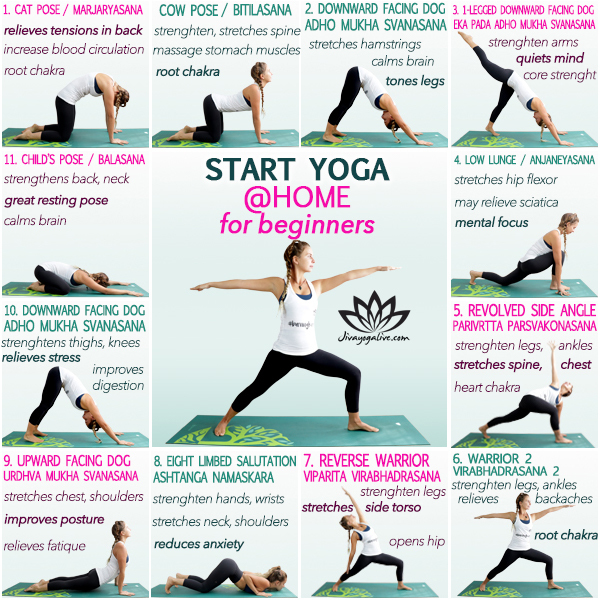
Image Source: jivayogalive.com
What Yoga Does For You: Benefits of Yoga
Why do people love yoga? There are many good reasons. Doing yoga regularly can change how you feel, both inside and out.
- Stronger Body: Yoga poses make your muscles work. This builds strength over time.
- More Flexible: Yoga helps stretch your muscles. This makes your body able to bend and move more easily. This is how yoga for flexibility works.
- Better Balance: Many poses help you stand steady on your feet. This improves your balance.
- Calmer Mind: Yoga includes breathing practices and helps you focus. This can lower stress and make you feel more peaceful.
- Less Pain: Moving your body and stretching can help ease aches and pains in your back, neck, and other places.
- Better Sleep: When your mind is calmer and your body is tired in a good way, you often sleep better.
- More Energy: Moving and breathing deeply can boost your energy levels.
These are just some of the amazing Benefits of yoga you can get from starting a home practice. Even a few minutes a day can make a difference.
Getting Ready: Yoga Equipment for Home
You do not need much to start yoga at home. The list is quite simple. The most important thing is a comfortable surface.
The Right Surface: Yoga Mat Recommended
The number one piece of Yoga equipment for home that is Yoga mat recommended is a yoga mat. Why?
* It stops you from slipping.
* It gives cushion for your joints (knees, wrists, hips) when you are on the floor.
* It marks your space.
How to choose a good yoga mat?
* Look at the thickness: Beginners often like a slightly thicker mat (about 4-6mm). It gives more padding. Too thick can make balancing hard.
* Feel the grip: Make sure it is not slippery, even when you sweat a little.
* Consider the material: Some mats are made from PVC, rubber, or TPE. Read reviews to see what people say about grip and smell.
* Think about price: You do not need the most expensive mat. A basic, good-grip mat is fine to start. You can often find one for $20-$40.
Other Helpful Items
You can add these things later if you like, but they are not needed to start.
* Yoga Blocks: These are foam, cork, or wood blocks. They help bring the floor closer to you in certain poses. This makes poses easier if you are not very flexible yet.
* Yoga Strap: This is a long piece of fabric. It helps you reach parts of your body, like your feet, in stretches. It helps improve Yoga for flexibility.
* Blanket: A folded blanket can give cushion under your knees or hips. It can also make sitting more comfortable.
* Pillow or Bolster: A firm pillow or special yoga bolster can support your body in relaxing poses.
Start with just a mat. You can use towels or thick books instead of blocks and straps when you are starting.
Setting Up Your Spot: Home Yoga Space Setup
Where will you do yoga at home? You do not need a big room. A small corner works fine. What you need is a place where you have enough room to fully stretch your arms and legs without hitting things.
Making Your Space Work
- Find enough room: Lay your mat down. Lie on it and stretch out. Stand on it and reach your arms up and out to the sides. Make sure you have space.
- Choose a quiet place: Try to find a spot where you won’t be interrupted. Turn off your phone sounds.
- Make it calming: You can make your space feel nice. Maybe light a candle, use a gentle scent (like lavender spray), or put a small plant there. Keep it tidy.
- Good air: Make sure the air feels fresh. Open a window if you can.
- Right temperature: You should be comfortable. Not too hot or too cold.
- Nice light: Soft, natural light is best. Avoid harsh bright lights.
This Home yoga space setup helps you feel ready to practice. It makes your yoga time special. Even a small corner can be your peaceful yoga spot.
How to Learn: Finding Online Yoga Classes for Beginners
You might wonder how to learn the poses and flow of yoga. This is where Online yoga classes for beginners are super helpful. You do not need to go to a studio. Teachers can guide you through videos or live streams.
Where to Find Classes
- YouTube: This is a free place to start. Search for “beginner yoga,” “yoga for complete beginners,” or “easy home yoga.” Look for teachers who explain things clearly and show different options for poses.
- Yoga Apps: Many apps offer yoga classes. Some are free, some cost money. Apps like Down Dog (you set the time and level) or Daily Yoga have lots of beginner options.
- Online Yoga Platforms: Websites like Glo, Alo Moves, or Yoga International have many classes. They usually cost a monthly fee but offer a huge library of classes for all levels, including many for beginners. They often have free trials.
- Fitness Apps/Platforms: Some general fitness apps (like Peloton, Apple Fitness+) also include yoga classes.
Choosing the Right Class
- Look for “Beginner” or “Gentle”: These classes are made for people just starting. They go slower and explain poses well.
- Check the length: Start with shorter classes (10-20 minutes). You can do longer ones later.
- Find a teacher you like: Different teachers have different styles. Watch a few minutes of different videos to find someone you enjoy listening to.
- Read comments/reviews: See what other beginners say about the class.
Online yoga classes for beginners are a great way to learn safely and at your own speed. You can pause the video, try a pose again, and learn without feeling watched.
Getting Started With Poses: Beginner Yoga Poses
You do not need to know many poses to start. Just a few basic ones are perfect. These poses are simple, help you feel your body, and build a good base. Here are some key Beginner yoga poses:
- Mountain Pose (Tadasana): This is standing straight. It might sound easy, but it teaches you how to stand strong and balanced.
- Stand with feet together or a little apart.
- Press down through your feet.
- Straighten your legs, but don’t lock your knees.
- Lift your chest, drop your shoulders down.
- Look straight ahead. Breathe steady.
- Child’s Pose (Balasana): This is a resting pose. It is great to do any time you need a break.
- Kneel on your mat.
- Bring your big toes together.
- Spread your knees wide (or keep them closer).
- Fold your body forward over your thighs.
- Rest your forehead on the mat.
- Arms can be back by your feet or stretched forward. Breathe deep.
- Downward-Facing Dog (Adho Mukha Svanasana): This pose stretches your whole body. It might feel hard at first, but it gets easier.
- Start on your hands and knees.
- Hands shoulder-width apart, fingers spread wide.
- Knees hip-width apart.
- Lift your hips up and back, making an upside-down “V” shape with your body.
- Try to straighten your legs (a little bend is okay!).
- Let your head hang. Push the mat away with your hands.
- Cat-Cow Pose (Marjaryasana to Bitilasana): These two poses move with your breath and warm up your spine.
- Start on hands and knees. Hands under shoulders, knees under hips.
- Cow: Breathe in, drop your belly, lift your chest and tailbone, look up.
- Cat: Breathe out, round your spine, pull your belly button in, tuck your chin to your chest.
- Do this slowly several times, moving with your breath.
- Warrior II (Virabhadrasana II): This standing pose builds strength in your legs and opens your hips.
- Step one foot forward, bending the front knee to a 90-degree angle (knee over ankle).
- Back leg is straight, back foot turned out to the side (about 90 degrees).
- Arms reach out to the sides, parallel to the floor.
- Look over your front hand. Keep your chest open.
- Repeat on the other side.
- Triangle Pose (Trikonasana): This standing pose stretches your sides and legs.
- Start like Warrior II legs, but straighten the front leg.
- Reach your front hand forward, then bring it down to your shin, ankle, or a block.
- Lift your other arm straight up to the sky.
- Look forward or up at your top hand. Keep your chest open.
- Repeat on the other side.
- Seated Forward Bend (Paschimottanasana): This pose stretches the back of your legs and back.
- Sit on the floor with legs stretched straight out in front of you.
- Sit up tall.
- Breathe in, lift your arms up.
- Breathe out, fold forward from your hips, reaching towards your feet.
- It is okay if you cannot touch your feet. Rest your hands on your shins or knees.
- Keep your back as straight as you can. Do not round your back too much.
- Bridge Pose (Setu Bandhasana): This pose strengthens your back and legs and opens your chest.
- Lie on your back with knees bent, feet flat on the floor, hip-width apart. Feet are close to your hips.
- Arms are by your sides, palms down.
- Breathe in, press into your feet and lift your hips off the floor.
- Keep your knees pointing forward. Do not let them fall out wide.
- You can keep your arms flat or join hands under your back.
- Breathe and hold, then lower slowly.
- Corpse Pose (Savasana): This is a resting pose at the end of practice. It is very important!
- Lie flat on your back.
- Let your legs stretch out, feet falling open to the sides.
- Arms are by your sides, palms facing up.
- Close your eyes. Let your body feel heavy.
- Try to relax every part of your body. Just breathe.
- Stay here for 5-10 minutes.
Practice these Beginner yoga poses slowly. Do not worry if you cannot do them perfectly at first. Just try your best and feel what your body is doing.
Table: Simple Beginner Poses
Here is a quick look at some basic poses:
| Pose Name | How it Helps | What to Do Simply |
|---|---|---|
| Mountain Pose | Good posture, feel strong | Stand tall, feet down, chest up. |
| Child’s Pose | Rest, gentle back stretch | Kneel, fold forward, forehead down. |
| Downward-Facing Dog | Stretch whole body, build arm strength | Hands and knees, lift hips up and back like a V. |
| Cat-Cow Pose | Warm up spine, good for back | On hands/knees, arch back (Cow) then round back (Cat) with breath. |
| Warrior II | Strong legs, open hips, focus | Stand with one leg forward bent, other back straight, arms out, look ahead. |
| Triangle Pose | Stretch sides, legs | Standing with straight legs, bend to side, one hand down, other up. |
| Seated Forward Bend | Stretch back of legs and back | Sit with legs out, fold forward from hips. |
| Bridge Pose | Strong back/legs, open chest | Lie on back, knees bent, lift hips off floor. |
| Corpse Pose (Savasana) | Relax, let body rest | Lie flat, close eyes, let everything relax. |
Building Your Routine: Simple Yoga Routine & Yoga Schedule Beginner
Starting yoga at home works best if you make it a habit. You do not need to practice for hours every day. Short, regular sessions are better than long, rare ones. This is how to build a Simple yoga routine and plan a Yoga schedule beginner.
How Often to Practice
- Start small: Try to do yoga 2-3 times a week.
- Be regular: Pick days and times that work for you. Maybe Monday, Wednesday, Friday mornings for 15 minutes. Or Tuesday, Thursday evenings for 20 minutes.
- Listen to your body: If you are very tired, a short, gentle practice is fine. It is okay to skip a day if you need to, but try to get back to it soon.
How Long to Practice
- Beginner length: 15-30 minutes is a good goal for beginners.
- Even 10 minutes helps: If you only have 10 minutes, do a few poses you know and Savasana. It is still worth it.
- Grow slowly: As you get stronger and more comfortable, you can try longer sessions.
Planning Your Yoga Schedule Beginner
Think about your week.
* When do you have a little free time?
* Are you a morning person or an evening person?
* Could you do yoga before breakfast, after work, or before bed?
Write it down or put it in your phone calendar. For example:
* Monday: 7:00 AM, 20 minutes
* Wednesday: 7:00 AM, 20 minutes
* Saturday: 9:00 AM, 30 minutes
Having a Yoga schedule beginner helps you stick with it. Be flexible though! If you miss a session, do not worry. Just try again the next day.
What Goes in a Simple Yoga Routine
A simple home practice can include:
1. Start quietly (1-2 minutes): Sit comfortably on your mat. Close your eyes or look softly ahead. Just notice your breath. This helps you switch from your day to your yoga time.
2. Warm-up (5-10 minutes): Gentle movements to get your body ready. Cat-Cow is great here. You can also do gentle neck rolls, shoulder circles, and gentle twists while sitting or lying down.
3. Poses (10-20 minutes): Move through the Beginner yoga poses you know. Link poses together if you are using a video, or just do them one by one. Hold each pose for a few breaths.
4. Cool-down (2-5 minutes): Finish with gentle stretches, like lying on your back and hugging knees to chest, or a simple seated forward bend.
5. Rest (5-10 minutes): Lie down in Corpse Pose (Savasana). This is key! Let your body and mind rest completely. Do not skip this part.
This Simple yoga routine structure gives you a clear path for each practice. As you learn more poses, you can add them in.
Keeping It Safe: Safe Yoga Practice Tips
Doing yoga at home is wonderful, but it is important to be careful. Here are some Safe yoga practice tips to help you stay injury-free:
- Listen to Your Body: This is the most important rule. Yoga is not about pushing yourself into pain. It is okay to feel a stretch, but sharp pain means stop. Your body will feel different each day. Respect that.
- Do Not Compare: Do not try to look exactly like the teacher on the screen or pictures you see online. Your body is unique. Focus on how the pose feels in your body, not how it looks.
- Modify Poses: Many poses can be changed to make them easier or harder.
- Use blocks under your hands if you cannot reach the floor (like in Triangle Pose or standing forward folds).
- Keep a slight bend in your knees in poses like Downward Dog or standing forward bends if your hamstrings are tight.
- Pad your knees with a blanket if they feel sensitive when kneeling.
- Use a wall for balance in standing poses if needed.
- Focus on Breath: Your breath is your guide. Breathe smoothly and deeply. If you are holding your breath or your breath is shaky, you might be pushing too hard.
- Move Slowly and With Control: Do not rush through poses. Move in and out of poses slowly. This helps you feel your body and avoid sudden strains.
- Know Your Limits: If you have any health issues (like back problems, knee pain, high blood pressure), talk to your doctor before starting. Also, tell the online teacher (if interactive) or choose videos made for specific conditions.
- Warm Up First: Always start with some gentle movements before going into deeper stretches or stronger poses. Cat-Cow and gentle twists are good warm-ups.
- Be Mindful in Savasana: This rest pose is key for your body to take in the benefits of the practice. Do not just rush off your mat.
Following these Safe yoga practice tips will help you have a happy and injury-free yoga journey at home.
Going Deeper: Yoga for Flexibility and Beyond
As you keep practicing your Simple yoga routine, you will notice changes. One of the first things people often see is more flexibility. Yoga for flexibility is a big draw for many beginners.
How Yoga Boosts Flexibility
Yoga improves flexibility in a few ways:
* Stretching Muscles: Holding poses gently stretches muscle fibers, making them longer over time.
* Moving Joints: Yoga takes your joints through their full range of motion, helping them stay healthy and mobile.
* Relaxing Tension: When you are stressed, your muscles tighten. Yoga helps you relax, releasing this tension and allowing muscles to lengthen.
* Connecting Mind and Body: By focusing on your breath and body in a pose, you learn to relax into the stretch instead of fighting it.
You do not need to be flexible to start! Yoga gives you flexibility. Just start with the basic poses and modifications, and you will see progress. Poses like Seated Forward Bend, Triangle Pose, and simple hamstring stretches will really help improve Yoga for flexibility.
Growing Your Home Practice
Once you are comfortable with the basics and have a regular Yoga schedule beginner, you might want to try new things:
* Try Different Styles: There are many types of yoga (Hatha, Vinyasa, Yin, Restorative). Hatha is usually slower. Vinyasa links poses with breath in a flow. Yin and Restorative are very gentle and focus on deep stretching and relaxation. Try different online classes to see what you like.
* Learn More Poses: Explore new poses as you feel ready. Online classes will guide you.
* Add Breathing Practices (Pranayama): Yoga has special breathing exercises that can help calm your mind or boost energy.
* Try Short Meditation: After Savasana, you might want to sit quietly for a few minutes and just focus on your breath.
Your home yoga practice can grow with you. Keep it fun and keep listening to your body.
Making it Stick: Staying Motivated
Starting is one thing, keeping going is another. Here are tips to help you stick to your Yoga schedule beginner:
- Make it Easy: Have your mat ready. Choose a time when you are less likely to be interrupted.
- Keep it Short on Busy Days: A 10-minute practice is better than skipping.
- Try Different Classes/Teachers Online: If you get bored, find a new video or style to keep things fresh. Online yoga classes for beginners offer huge variety.
- Notice How You Feel: After yoga, how does your body feel? How does your mind feel? Remembering these good feelings can motivate you to come back.
- Do It with Someone (Virtually): Maybe a friend wants to start too? You could pick a class and do it at the same time in your own homes, then talk about it.
- Celebrate Small Wins: Did you stick to your schedule for a week? Did a pose feel easier? Give yourself credit!
- Do Not Be Perfect: Some days practice will feel hard. Some days you might not want to do it. That is okay. Just try again tomorrow.
Remembering the Benefits of yoga you are working towards can also help keep you motivated.
Wrapping Up Your Home Yoga Journey
Starting yoga at home is a gift you give yourself. It is a way to move your body, quiet your mind, and feel better all around. You have learned about the simple Yoga equipment for home you need (mostly just a Yoga mat recommended), how to set up your Home yoga space setup, finding great Online yoga classes for beginners, and simple Beginner yoga poses to start with. You also have a plan for a Simple yoga routine and Yoga schedule beginner, learned important Safe yoga practice tips, and know how yoga can help with Yoga for flexibility.
It is a journey, not a race. Be kind to yourself, be patient, and enjoy the process. Even a little bit of yoga done regularly can bring wonderful changes to your life. Roll out your mat, pick a class, and start today. Your body and mind will thank you.
Frequently Asked Questions (FAQ)
Q: Do I need special yoga clothes?
A: No, you do not need special clothes. Just wear comfortable clothes that you can move freely in. Things like leggings, sweatpants, shorts, and a t-shirt work well. Make sure they are not too baggy so they don’t get in the way.
Q: Is yoga okay if I am not flexible at all?
A: Absolutely! You do not need to be flexible to start yoga. Yoga is a tool that helps you become more flexible. Beginners often start stiff, and that is totally fine. Simple yoga routine and Beginner yoga poses are chosen because they are accessible. Use modifications like blocks or straps to help you. Everyone starts somewhere.
Q: How long until I see results from doing yoga?
A: This is different for everyone. You might feel calmer or sleep better after just a few sessions. Physical changes like more strength or flexibility might take a few weeks or months of regular practice (2-3 times per week). The key is consistency. Do not focus too much on fast results, just enjoy the practice itself.
Q: What if I have pain when doing a pose?
A: Stop! Listen to your body is one of the most important Safe yoga practice tips. Sharp or sudden pain means something is wrong. Gently come out of the pose. You can try a simpler version, use a modification (like a block), or skip the pose for today. If pain continues or is severe, talk to a doctor or a qualified yoga teacher in person.
Q: Should I eat before yoga?
A: It is best not to eat a heavy meal right before yoga. A full stomach can make some poses uncomfortable. If you need a little energy, have a small, light snack (like a piece of fruit) about 1-2 hours before practice. Drink water before and after your session.
Q: Can I do yoga every day?
A: Yes, you can! Some people love daily yoga. Others find 3-5 times a week works best. If you do practice daily, some days might be shorter, gentler practices (like stretching or restorative yoga) and others can be more active. Just make sure you are not overtraining or ignoring signs of tiredness from your body.
Q: What time of day is best for yoga?
A: The best time is the time that works for you and that you can stick to! Some people like morning yoga to wake up their body and mind. Others prefer evening yoga to relax before bed. Find a time that fits your Yoga schedule beginner and your energy levels.