
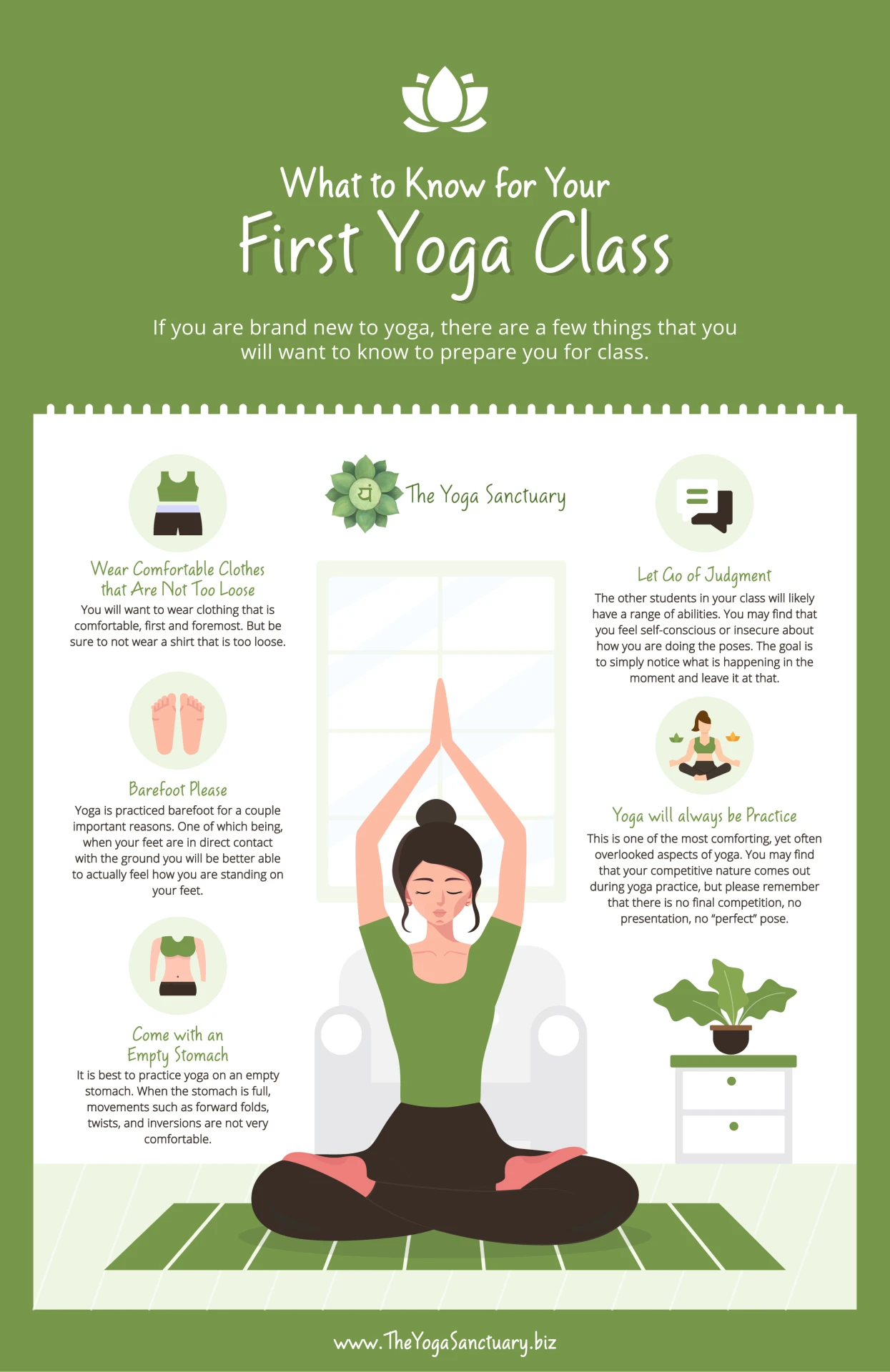
Image Source: www.theyogasanctuary.biz
Simple Steps: How To Begin Doing Yoga For Absolute Beginners
Starting yoga is easier than you think. Anyone can begin doing yoga, no matter their age, size, or fitness level. It just takes a mat, a little space, and a wish to try something new. Think of it as giving your body and mind a gentle workout. You can start today, right where you are. This guide will walk you through the simple steps.
Grasping Why Start Yoga?
Why do people start yoga? There are many good reasons. Yoga helps your body and your mind. It can make you feel better all over. Here are some big benefits of starting yoga:
- Body Feels Better: Yoga helps you move better. It makes your muscles stronger. It helps you stretch your body. This can make aches go away.
- More Flexible: Yoga stretches your body. Over time, you can bend and move more easily. This helps with daily things. It also helps stop injuries.
- Stronger Muscles: Holding yoga shapes builds strength. You use your own body weight. This makes your muscles stronger without needing weights.
- Better Balance: Many yoga shapes help you stand steady on your feet. This is good for everyone. It helps you feel more sure in your body.
- Mind Feels Better: Yoga helps calm your mind. It is a great way for yoga for stress relief. When you focus on breathing and moving, your worries can quiet down.
- More Energy: Moving your body gives you more energy. Yoga can help you feel less tired.
- Better Sleep: When your body and mind are calm, you sleep better. Yoga can help you relax before bed.
- Know Your Body: Yoga makes you pay attention to your body. You learn what feels good. You learn what your body can do.
These are just a few reasons why people start yoga. It is a gentle way to care for yourself.
Deciphering Types of Yoga for Beginners
There are many types of yoga. This can feel confusing at first. But some types are better for beginners. They are slower or focus on simple poses. Here are some types of yoga for beginners:
- Hatha Yoga: This is a good place to start. Hatha yoga moves slower. You hold poses for a few breaths. It focuses on basic poses and breathing. It is not too fast. You can learn the main shapes of yoga here.
- Gentle Yoga: As the name says, this yoga is gentle. It moves very slowly. It is great if you have body pain or are not very active yet. It often uses props to help you.
- Restorative Yoga: This yoga is all about rest and healing. You hold simple poses for a long time. You use lots of props like blankets and bolsters. It is very calming. It is great for deep rest and yoga for stress relief.
- Iyengar Yoga: This type uses props a lot. Props like blocks, straps, and chairs help you get into the right shape safely. It focuses a lot on getting the pose just right. It moves slower. This can be very helpful for learning the poses safely.
- Vinyasa (Slow Flow): Some Vinyasa classes move fast. But look for “Slow Flow” Vinyasa. In Vinyasa, you link poses together with your breath. It feels like a dance. Slow Flow is less intense than regular Vinyasa. It lets you learn the flow slowly.
When you are new, look for classes or videos that say “Beginner,” “Intro,” “Gentle,” or “Hatha.” You can also try different types to see what you like best.
Getting Ready to Begin
You do not need much to start yoga. Just a few things can make it more comfy and safe.
Picking Your Yoga Mat
A yoga mat for beginners is helpful. You can do yoga without one, but a mat gives you a soft spot. It also helps stop you from slipping.
- How Thick? Mats come in different sizes. A thicker mat (about 1/4 inch or 6mm) is good for beginners. It gives your knees and joints more cushion.
- How Sticky? You want a mat that does not slip. It helps you hold poses. Look for one with a good grip.
- What Else? Mats come in many colors and prices. Pick one you like. You do not need the most costly one to start. A simple, comfy, non-slip mat is great.
What to Wear?
Wear clothes that you can move in easily.
- Loose or stretchy pants or shorts.
- A comfy shirt.
- Yoga is usually done with bare feet.
You do not need special yoga clothes. Just be sure you can stretch and move without your clothes getting in the way.
Find Your Space
You need a small space to do yoga. Make sure you have room to stretch your arms and legs out. Find a quiet spot where you will not be bothered. This helps you focus.
Your First Steps: Simple Moves
Ready to move? Let us start with some simple yoga exercises. These are yoga poses for beginners. They help you feel your body and start stretching.
Easy Warm-Up Stretches
Before big poses, warm up your body a bit. These are simple yoga stretches for flexibility.
- Neck Rolls: Sit up tall. Gently drop your chin to your chest. Then slowly roll your head to one side. Then roll it back to the middle. Do this a few times. Then roll to the other side. Go slowly.
- Shoulder Rolls: Sit or stand tall. Roll your shoulders up towards your ears, back, and down. Do this 5 times. Then roll them forwards 5 times.
- Wrist Circles: Hold your arms out. Make gentle circles with your wrists. Go both ways.
- Cat-Cow Pose: Get on your hands and knees. Hands under shoulders, knees under hips. As you breathe in, drop your belly, lift your chest and tailbone (Cow). As you breathe out, round your back, tuck your chin (Cat). Do this flow slowly 5-10 times. This warms up your spine.
Basic Yoga Poses for Beginners
Here are some main yoga poses for beginners. Try them slowly. Do not push too hard. Just see how they feel.
-
Mountain Pose (Tadasana): This pose looks simple, but it is important. Stand tall with your feet together or a little apart. Feel the ground under your feet. Stand up straight but not stiff. Let your arms hang by your sides. Feel your body standing tall. This pose helps you feel centered.
- Stand tall.
- Feet together or hip-width apart.
- Stand straight.
- Feel your feet on the ground.
- Breathe here.
-
Child’s Pose (Balasana): This is a resting pose. You can come here any time you feel tired. Kneel on your mat. Bring your big toes together. Spread your knees wide (or keep them closer). Sit back on your heels. Walk your hands forward, resting your forehead on the mat. Your arms can be forward or back by your sides.
- Kneel on the mat.
- Big toes touch.
- Knees wide or close.
- Sit back on heels.
- Forehead on mat.
- Rest.
-
Downward-Facing Dog (Adho Mukha Svanasana): This is a famous yoga pose. Start on your hands and knees. Hands under shoulders, knees under hips. Tuck your toes under. Push your hands into the mat. Lift your hips up and back. Make your body like an upside-down ‘V’. You can keep your knees bent a lot at first. It is okay if your heels do not touch the floor.
- Start on hands and knees.
- Tuck toes.
- Push hands into mat.
- Lift hips up and back.
- Body makes an upside-down ‘V’.
- Knees can be bent.
-
Warrior II (Virabhadrasana II): This pose builds strength. Stand with your feet wide apart. Turn your right foot out to the side. Keep your left foot turned slightly in. Bend your right knee over your right ankle. Keep your knee over your ankle. Lift your arms out to the sides at shoulder height. Look over your right hand. Keep your body facing forward.
- Stand with feet wide.
- Right foot out, left foot slightly in.
- Bend right knee over ankle.
- Arms out to sides.
- Look over right hand.
- Strong legs.
-
Tree Pose (Vrksasana): This pose helps with balance. Stand in Mountain Pose. Shift your weight to your left foot. Place the sole of your right foot on your left ankle, calf (not on the knee), or inner thigh. Find something still to look at (your gaze). Bring your hands together at your chest or lift them over your head.
- Stand tall.
- Shift weight to one foot.
- Place other foot on ankle, calf, or inner thigh.
- Hands at chest or up.
- Find a spot to look at.
- Balance.
-
Corpse Pose (Savasana): This is another resting pose. It is very important. Lie flat on your back. Let your arms rest by your sides, palms up. Let your legs fall open. Close your eyes. Let your whole body relax. Do not move. Just breathe and be still. This pose helps your body take in all the good from the yoga you just did.
- Lie flat on your back.
- Arms by sides, palms up.
- Legs fall open.
- Eyes closed.
- Relax everything.
- Be still.
Practice these simple poses. Stay in each pose for 3 to 5 breaths at first. Just feel what your body is doing.
Putting Moves Together: A Simple Flow
A basic yoga sequence links poses together. It is like a mini-routine. Here is a very simple one for beginners. You can try these simple yoga exercises together.
- Start in Mountain Pose: Stand tall. Take a few deep breaths.
- Reach Up: Breathe in and lift your arms up towards the sky.
- Forward Bend (Uttanasana – modified): Breathe out and bend forward from your hips. You can keep your knees bent a lot! Let your hands hang down or touch your shins. Let your head hang.
- Halfway Lift (Ardha Uttanasana): Breathe in. Lift your chest and straighten your back a little. Put your hands on your shins or thighs. Look forward a little.
- Forward Bend: Breathe out and bend forward again. Keep knees bent.
- Step Back to Plank (modified): Place your hands on the mat. Step your right foot back. Then step your left foot back. You can stay on your hands and knees here if plank feels too hard. This is a good place to modify.
- Child’s Pose: From hands and knees or plank, push back to Child’s Pose. Rest here for a few breaths.
- Come to Table Top: Get back on your hands and knees.
- Cat-Cow Flow: Do the Cat-Cow movement a few times.
- Downward-Facing Dog: From hands and knees, tuck toes and lift hips to Downward Dog. Hold for 3-5 breaths with bent knees.
- Walk Forward: Slowly walk your feet forward to your hands. Keep knees bent.
- Forward Bend: Let your body hang in the forward bend again.
- Stand Up Slowly: Breathe in and slowly roll or lift your body all the way up to standing. Lift arms up.
- Hands to Heart: Breathe out and bring your hands together at your chest.
- Back to Mountain Pose: Stand tall. Take a few breaths.
- Finish in Corpse Pose: Lie down on your back for at least 5 minutes to rest.
This is a very basic flow. You can repeat it or just do parts of it. The key is to move and breathe.
Here is a table of some yoga poses for beginners to try:
| Pose Name | How it Looks (Simple) | Benefits | Tips for Beginners |
|---|---|---|---|
| Mountain Pose | Standing tall and strong. | Helps you feel grounded, good posture. | Feel your feet on the floor. |
| Child’s Pose | Kneeling, folded forward, resting. | Resting, calming, gentle back stretch. | Widen knees if needed. |
| Downward Dog | Upside-down ‘V’ shape. | Stretches back and legs, builds arm strength. | Keep knees bent a lot! |
| Warrior II | Wide stance, bent front knee, arms out. | Strong legs, open hips, builds focus. | Knee over ankle, not past it. |
| Tree Pose | Standing on one leg, other foot up. | Balance, focus, strengthens legs. | Put foot on ankle or calf, not knee. |
| Cat-Cow | On hands/knees, arching/rounding back. | Warms up spine, connects breath to movement. | Move slowly with breath. |
| Forward Bend | Bending forward from hips. | Stretches back and legs, calming. | Bend knees a lot! Let head relax. |
| Corpse Pose | Lying flat, relaxing everything. | Deep rest, stress relief, lets body heal. | Stay still, let go of thoughts. |
Trying Yoga At Home for Beginners
You do not need a studio to start. Yoga at home for beginners is a great way to begin.
- Find a Space: Pick a place where you have room. It can be a corner of a room.
- Use a Mat: Put your yoga mat for beginners down.
- Find a Guide: Use videos or apps. There are many free yoga videos online just for beginners. Find an teacher you like. Follow their simple steps.
- Start Short: Begin with short practices. Even 15-20 minutes is good. You can do more later.
- Be Quiet: Try to find a time when your home is quiet. This helps you focus.
- Props at Home: You can use things you have. A blanket can cushion knees. A pillow can sit on in Child’s Pose. A belt or scarf can be a strap.
- Listen to Your Body: This is key when doing yoga at home. You are your own teacher. If something hurts, stop or change the pose.
Yoga at home for beginners is flexible. You can do it any time that works for you. You can wear anything comfy. It is a safe place to learn the moves.
More Helpful Advice: Beginner Yoga Tips
Starting something new can bring questions. Here are some beginner yoga tips:
- Listen to Your Body: This is the most important tip. Your body will tell you what feels right. Do not push into pain. If a pose feels bad, try a different one or rest. Yoga is not about forcing yourself. It is about caring for yourself.
- Focus on Breathing: Yoga uses breath a lot. Try to breathe in and out through your nose. Deep, slow breaths help calm you. Your teacher in a video will guide your breath. Just try to follow along. Do not hold your breath.
- Do Not Compare: Everyone is different. Do not look at others (in a video or class) and think you must do what they do. Your yoga journey is your own. It does not matter how high you lift your leg or how deep you bend. What matters is how it feels in your body.
- Be Okay with Not Being Perfect: There is no “perfect” yoga pose. You are just learning. It is okay if you wobble in Tree Pose. It is okay if your knees are bent in Downward Dog. This is normal! Keep trying and you will get stronger.
- Make it a Habit: Try to do yoga a few times a week. Even short, regular practice is better than long, rare practice. Find a time that works for you. Maybe in the morning or before bed.
- Try a Class: If you feel ready, a beginner class can be helpful. A teacher can see you and help you with poses. But starting at home is totally fine too.
- Stay Hydrated: Drink water before and after yoga.
These beginner yoga tips will help you start yoga safely and happily. Remember, it is a practice. It gets better over time.
How Yoga Helps Your Mind
We talked about yoga helping the body. It also does great things for your mind. Yoga is truly helpful for yoga for stress relief.
- Calming Your Thoughts: When you do yoga, you focus on your breath and how your body feels. This pulls your mind away from worries and busy thoughts. It is like giving your mind a break.
- Less Stress: Stress makes your body feel tight and your mind race. Yoga helps undo this. Gentle movements and deep breathing tell your body to relax. Over time, yoga can make you feel less stressed even when you are not doing poses.
- Better Focus: By practicing staying present on your mat, you train your mind to focus better in daily life.
- Feeling More Peaceful: Yoga connects your body and mind. This can give you a feeling of peace inside. It helps you feel more present in your life.
Think of yoga as cleaning up your mind. It helps let go of things you do not need, like stress.
Keeping It Going
You have started! That is great! Now, how do you keep doing yoga?
- Find Your Reason: Remember why you started. Was it for a stronger body? Less stress? Better sleep? Keep that reason in mind.
- Set Small Goals: Maybe aim for 15 minutes, 3 times a week. Or try one new pose each week. Small goals are easier to reach.
- Make it Fun: Try different videos or poses. Do yoga with a friend (even online). Find music you like to play softly.
- Do Not Stop if You Miss a Day: It is okay to miss practice. Just start again the next day. Do not be hard on yourself.
- Notice the Changes: Pay attention to how yoga makes you feel. Do you feel less stiff? More calm? Noticing these good changes can help you keep going.
- Listen When Your Body Needs Rest: Some days you might feel tired. It is okay to do a very gentle practice or just rest in Child’s Pose. Yoga is about listening to your body, not pushing it always.
Building a yoga habit takes time. Be kind to yourself. Enjoy the process.
What About Simple Yoga Exercises?
We talked about some poses like Mountain Pose or Child’s Pose. These are simple yoga exercises. They are easy to learn. You can do them any time.
- Sitting Stretches:
- Sit on the floor with legs crossed. Sit tall.
- Gently twist your body to one side. Put one hand behind you and the other on your opposite knee. Look gently over your shoulder. Breathe. Twist the other way. This is a simple twist.
- Reach one arm up and over to the side for a side stretch.
- Lying Down Stretches:
- Lie on your back. Pull one knee into your chest. Hug it gently.
- Lie on your back and let both knees fall to one side for a gentle twist.
- Standing Simple Moves:
- Stand tall. Reach arms up. Then fold forward.
- Stand tall. Step one foot back a little. Keep both legs mostly straight. Lean forward gently to feel a stretch in the back leg. This is a simple calf stretch.
These are just a few ideas for simple yoga exercises. You can do them anywhere. They help your body feel better without doing full yoga poses. They are also great yoga stretches for flexibility.
Bringing it All Together: Your Basic Yoga Plan
Here is a simple plan to start yoga:
- Get Ready: Find a small space. Get a yoga mat for beginners (if you want). Wear comfy clothes.
- Pick Your Style: Choose a type of yoga for beginners, like Hatha or Gentle Yoga.
- Find a Guide: Look for a free beginner yoga video online or an app. Many focus on yoga at home for beginners.
- Start Slow: Try a short practice, maybe 15-20 minutes.
- Learn Basic Poses: Focus on yoga poses for beginners like Mountain, Child’s Pose, Downward Dog (bent knees!), and Warrior II.
- Try a Simple Flow: Use the basic yoga sequence idea to link a few easy poses.
- Include Rest: Always finish with Corpse Pose.
- Listen and Breathe: Pay attention to your body. Breathe slowly and deeply.
- Do it Again: Try to practice a few times a week.
Remember the beginner yoga tips: listen to your body, do not compare, and it is okay not to be perfect. Enjoy the feeling of moving and breathing. Yoga is a gift you give yourself.
Comprehending Yoga for Stress Relief
Let us look a bit more at how yoga helps with stress. Stress can make you feel tight, tired, and worried. Yoga helps fight these feelings.
- Moving Helps: Gentle movement helps release muscle tension that stress creates. It is like shaking off the stress.
- Breathing Helps: When you are stressed, your breath is often fast and shallow. Yoga teaches you to breathe slowly and deeply. This kind of breathing tells your nervous system to calm down. It is a powerful tool for yoga for stress relief.
- Focus Helps: When your mind is busy with worries, focusing on your body and breath during yoga gives your mind a break. It is a form of active rest for your brain.
- Resting Helps: Poses like Child’s Pose and Corpse Pose are made for rest. Allowing your body and mind to be fully still is very healing. This quiet time is key for reducing stress.
Doing yoga regularly creates a space where you can let go of stress. Even short yoga breaks during the day can help. Try a few simple stretches or just sit and focus on your breath when you feel stressed.
Interpreting Simple Yoga Exercises and Stretches
Let us talk more about how simple yoga exercises can be used as yoga stretches for flexibility.
- Leg Stretches:
- Hamstrings (Back of Thighs): Sit with legs straight out. Sit tall. Gently reach towards your toes. It is okay if you can only reach your shins. Bend your knees if you need to.
- Hips: Sit with soles of feet together, knees out to sides (Butterfly Pose). Sit tall. Gently press knees towards floor (do not force!).
- Spine Stretches:
- Twists: We talked about sitting twists. Standing twists are also simple. Stand tall, feet wide. Turn your body to one side, letting your arms swing loosely.
- Side Bends: Stand tall. Reach one arm up and gently bend your body to the opposite side.
- Shoulder/Chest Stretches:
- Clasp your hands behind your back. Stand or sit tall. Gently lift your clasped hands away from your back. This opens your chest and shoulders.
These simple yoga exercises are not full poses you might hold for a long time in a class. They are gentle movements or holds that help open your body. Doing a few of these each day can really help with flexibility. They are perfect for yoga at home for beginners because you do not need much space or instruction. They are also great warm-ups before a more full practice.
Fathoming Yoga at Home for Beginners
Doing yoga at home for beginners offers many good points.
- It is Easy to Start: You do not need to go anywhere. You save travel time.
- It Costs Less: Many online videos are free.
- You Choose the Time: Do yoga when it works best for you. Morning, lunch break, evening.
- You Choose the Length: Do a 10-minute quick stretch or a 45-minute class. You decide.
- You are Private: You can feel free to try poses without feeling watched. You can wobble or fall. No one sees!
- You Control the Space: Make your space comfy. Play music you like. Light a candle (safely!).
To make yoga at home for beginners work, try to:
- Pick a time and stick to it most days.
- Remove things that might bother you (turn off phone!).
- Tell others in your home you need quiet time.
- Have your mat ready.
- Have water nearby.
Starting at home can build your comfort. Once you feel good with the basics, you might feel ready to try a studio class. Or you might find you love practicing at home the most!
Frequently Asked Questions
Here are some common questions people ask when starting yoga.
h4: Do I need to be flexible to start yoga?
No! This is a big myth. You do not need to be flexible at all. Yoga helps you become more flexible over time. Everyone starts from where they are. Just come as you are. The yoga stretches for flexibility are for helping you gain it, not for showing you already have it.
h4: How often should a beginner do yoga?
Try for 2-3 times a week at first. Even short practices (15-20 minutes) are great. Doing yoga often is better than doing it for a long time just once. Find what works for your life.
h4: What if a pose hurts?
Stop the pose. Or change it to make it easier. Your teacher in a video might show easier ways. Listen to your body. Yoga should not cause sharp pain. Discomfort in a stretch is normal, but pain is a sign to back off. Remember the beginner yoga tips about listening to your body.
h4: What is the best time of day to do yoga?
Any time that works for you! Some like morning yoga to wake up. Some like evening yoga to relax. Try different times to see what feels best. The best time is the time you will actually do it.
h4: Should I eat before yoga?
It is best not to eat a big meal right before yoga. A light snack is okay. Doing yoga on an empty stomach is most comfy for many poses, especially twists and bends.
h4: Can yoga help me lose weight?
Yoga can be part of a healthy life that includes eating well and moving your body. Some types of yoga are more active than others. But yoga is more focused on making your body strong, flexible, and healthy inside and out. It is also great for yoga for stress relief, and less stress can help with overall health goals.
h4: Is yoga a religion?
No. Yoga started in India a very long time ago. It has roots in old traditions. But modern yoga as done in classes or videos is mostly a way to move your body, breathe, and calm your mind. People from all backgrounds and beliefs do yoga. You can do yoga just for the exercise and stress relief.
Simple Steps to a New You
Starting yoga is a path. It is not a race. It is about finding a way to care for your body and mind. With these simple yoga exercises, yoga poses for beginners, and a basic yoga sequence, you have a great start. Remember your yoga mat for beginners, find a space for yoga at home for beginners, and use the beginner yoga tips to guide you. The many benefits of starting yoga, like yoga for stress relief and yoga stretches for flexibility, are waiting for you. Just take the first simple step. You can do it.