
Absolutely, yoga can be a wonderful and safe way to stay active and support your body during pregnancy, if you take the right steps and listen closely to your body. It offers many physical and mental benefits that can help you feel better throughout your pregnancy and prepare for birth. However, it is very important to know about prenatal yoga safety and get guidance on which movements are best and which yoga poses to avoid pregnant. Talking to your doctor before starting any new exercise, including yoga, is always the first and most important step.
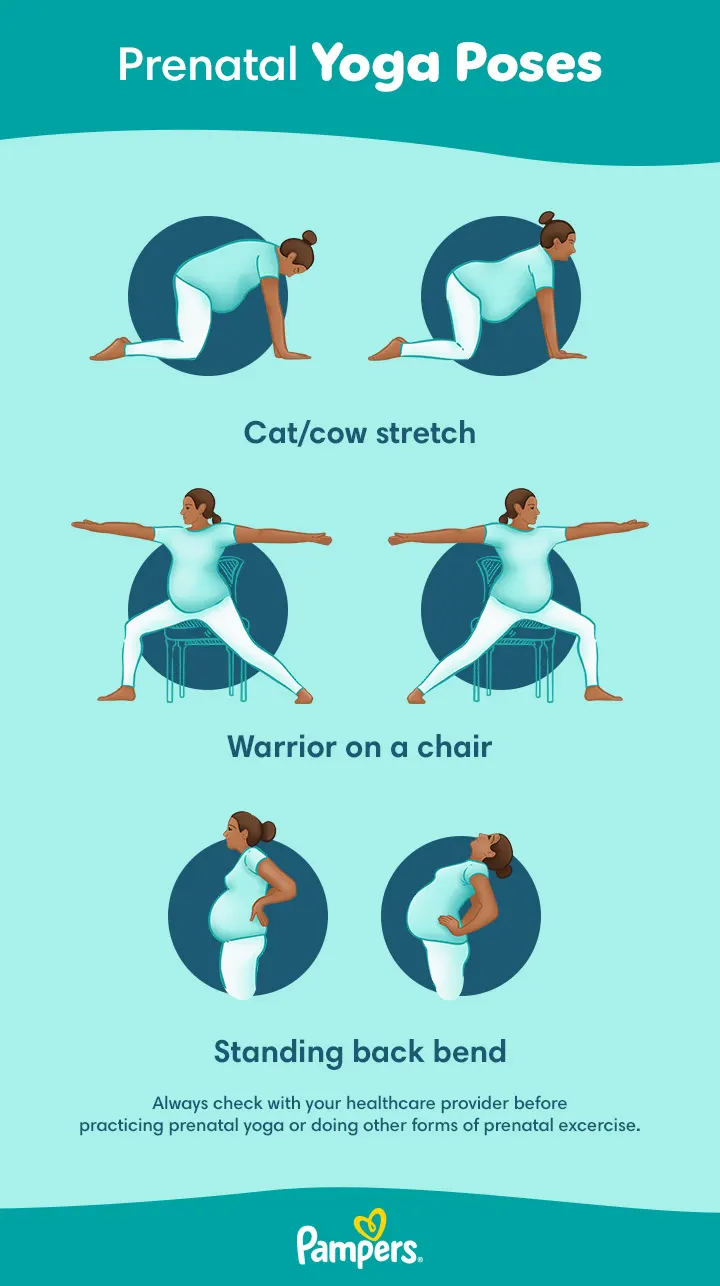
Image Source: images.ctfassets.net
Getting to Grips with Prenatal Yoga Safety
Doing yoga while pregnant is often suggested, but it’s not like doing regular yoga. Pregnancy changes your body in big ways. This means you need to change how you do yoga too. Keeping prenatal yoga safety in mind is key for both you and your baby.
Why Safety is Number One
- Your Body Changes: As your baby grows, your center of balance shifts. This can make you feel less steady. Your body also makes hormones that loosen your joints, especially around your hips and pelvis. This can make you more flexible but also more likely to get hurt if you stretch too far.
- Blood Flow: Your blood flow changes too. Lying flat on your back for too long, especially later in pregnancy, can press on a big vein (the vena cava). This can make you feel dizzy or lightheaded.
- Overheating: It’s easier to get too hot when you’re pregnant. Getting too hot can be bad for the baby, especially early on.
- Listening to Your Body: Pregnancy is a time to listen very carefully to what your body tells you. Pain is a sign to stop. Pushing too hard is not safe.
Knowing these things helps you understand why specific changes and tips for gentle yoga for pregnancy are needed.
Discovering the Benefits of Yoga in Pregnancy
Many people find that doing yoga helps them a lot while they are expecting. The benefits of yoga in pregnancy touch on your body, mind, and even help get you ready for giving birth.
How Yoga Helps Your Body
- Stronger Muscles: Yoga helps build strength in the muscles you need most, like those in your back, legs, and core (your belly and back area). This helps you carry the extra weight.
- Better Balance: As your belly grows, yoga helps you find your new balance. This helps you stay steady and avoid falls.
- More Flexibility: Gentle stretches help keep your body moving well. This can ease stiff spots and make you feel less achy.
- Less Pain: Yoga is great for common pregnancy pains, especially yoga for back pain during pregnancy. Gentle moves and stretches can ease pressure and discomfort.
- Better Sleep: Being active helps you sleep better. Yoga’s focus on slowing down and breathing also calms your mind, which makes it easier to rest.
- Improved Blood Flow: Gentle movement helps your blood move better. This can help with swelling in your hands and feet.
- Helps with Breathing: Yoga teaches you how to breathe deeply. This is super helpful during labor. It also helps you stay calm when you feel stressed or uncomfortable.
How Yoga Helps Your Mind
- Less Stress: The focus on breathing and being present in yoga helps calm your nervous system. This lowers stress and worry.
- Feeling Happier: Being active releases feel-good chemicals in your brain. This can help with mood swings or feeling down.
- Connecting with Your Baby: Many prenatal yoga classes include time to focus on your baby and the changes happening inside you.
- Feeling Ready for Birth: Yoga helps you build strength, stamina, and a calm mind. These are all important for labor and delivery. Learning how to breathe through tough moments in yoga can be a practice run for labor.
When to Start Prenatal Yoga
Many people wonder when it’s the right time to begin. There’s no one perfect answer for when to start prenatal yoga, but most experts agree that the second trimester is a popular time to begin.
Thinking About the First Trimester Yoga
The first few months (the first trimester) can be tricky. You might feel very tired, sick, or have morning sickness. For some, even gentle movement feels hard.
- Listen to Your Body: If you have lots of energy and feel well, you can start gentle yoga in the first trimester.
- Keep it Very Gentle: Focus on simple stretches, learning to breathe deeply, and relaxing.
- Avoid Risks: Be extra careful about overheating or trying anything too hard.
- Talk to Your Doctor: Always clear it with your doctor first, especially in the early weeks.
Many people wait until the second trimester (around 14 weeks) because they feel better and have more energy by then. The risk of early pregnancy loss is also lower by this time.
Starting Later Is Okay Too
You can start prenatal yoga any time in your pregnancy, even in the third trimester. It’s never too late to gain some benefits, like easing discomfort, learning breathing skills, and finding relaxation. Just remember to take it slow if you’re starting late or haven’t been active.
Learning About Different Stages: Trimester Focus
How you do yoga will likely change as your pregnancy moves from one stage to the next.
First Trimester (Weeks 1-13)
- Focus: Gentle movement, breathing, relaxation. Getting used to exercising while pregnant. Managing tiredness and nausea.
- What Your Body is Doing: Big hormonal shifts, feeling tired, potential nausea, breasts may be sore. Your belly might not show yet.
- Yoga Tips:
- Keep it simple.
- Rest when you need to.
- Avoid hot yoga or getting too warm.
- Focus on grounding poses that help you feel steady.
- Start building a breathing practice.
Second Trimester (Weeks 14-27)
- Focus: Building strength and flexibility, improving balance, easing aches like back pain. This is often the time people feel best and can do more.
- What Your Body is Doing: Energy often returns, nausea might go away, belly starts to grow. Ligaments are loosening.
- Yoga Tips:
- This is a great time for prenatal yoga classes.
- Work on poses that open the hips and strengthen the legs.
- Start using modifications as your belly grows (e.g., widening your stance).
- Avoid lying flat on your back for long times after about week 20.
- Continue focusing on breathing.
Third Trimester (Weeks 28-40)
- Focus: Staying comfortable, preparing for labor with hip openers and breathing, resting, relaxation.
- What Your Body is Doing: Belly is large, feeling heavier, may have more aches and pains, possibly swelling. Center of balance is very different.
- Yoga Tips:
- Focus on gentle, comfortable poses.
- Use lots of props for support (blocks, bolsters, chairs).
- Practice labor-friendly poses (squats with support, hip circles).
- Spend more time on breathing and relaxation.
- Listen very closely to your body and don’t push it. It’s okay if you can’t do as much as before.
Discovering Prenatal Yoga Classes and Gentle Yoga for Pregnancy
Finding a class made just for pregnant people is one of the safest and best ways to do yoga while expecting. Prenatal yoga classes are designed with pregnant bodies in mind.
What Makes Prenatal Classes Special?
- Expert Teachers: Instructors in prenatal yoga classes are trained to teach pregnant students. They know about the changes in your body, what’s safe, and how to help you.
- Safe Poses: The poses taught are chosen to be safe and helpful during pregnancy. They will avoid poses that are not advised.
- Built-in Modifications: The teacher will show you how to change poses to fit your growing belly and changing body. This includes using props.
- Focus on What You Need: Classes often include poses for common pregnancy issues like back pain, swelling, and hip tightness. They also focus on breathing and relaxation for labor.
- Community: You get to meet other pregnant people! This can be a great source of support and friendship.
Why Gentle Yoga for Pregnancy is Important
Regular yoga classes, even “gentle” ones, might not be right for pregnancy. They might include poses that are not safe, or the teacher might not know how to help pregnant students.
- Go Slow: Gentle yoga means moving slowly and mindfully.
- No Hard Pushing: It’s about easing into stretches, not forcing them.
- Breath Focus: Gentle yoga puts a lot of attention on your breath.
- Props Are Your Friends: Using blocks, blankets, bolsters, and chairs helps support your body and makes poses safer and more comfortable.
- Listen Inside: Gentle yoga is about listening to your body’s signals and respecting them.
If you can’t find prenatal classes, look for very gentle, slow-paced yoga styles like restorative yoga or Yin yoga, but make sure the teacher knows you are pregnant and can offer safe modifications. Still, a certified prenatal class is the best choice.
Learning About Yoga Poses to Avoid Pregnant
While many yoga poses are safe with changes, some should be avoided completely or done with extreme care and guidance. Knowing which yoga poses to avoid pregnant is very important for your safety.
Here are types of poses generally not advised:
- Lying Flat on Your Belly: This is impossible and unsafe as your belly grows. Avoid from the start or when it becomes uncomfortable.
- Lying Flat on Your Back for Long Periods: After the first trimester (or around 20 weeks), lying flat on your back can press on a major blood vessel (vena cava), reducing blood flow to you and the baby. Modify by propping up your upper back and head with a bolster or blanket, or lie on your side.
- Deep Twists: Twisting can put pressure on your belly. Gentle, open twists (where you twist away from your belly, keeping your chest open) might be okay, but deep, closed twists should be avoided.
- Hot Yoga (like Bikram): Getting too hot is dangerous during pregnancy. Avoid any yoga style done in a heated room.
- Strong Core Work: Poses that work the front abdominal muscles deeply (like boat pose, crunches) can strain the belly or contribute to diastasis recti (when the abdominal muscles separate). Gentle core work like cat-cow or pelvic tilts is usually okay.
- Deep Backbends: Poses like full wheel can put too much stretch on the abdominal muscles and lower back. Gentle backbends like cat-cow or standing gentle backbends might be okay, but avoid deep ones.
- Inversions (going upside down): Poses like headstand or handstand carry a risk of falling. Also, the change in blood flow might not be good. If you had a strong inversion practice before pregnancy, talk to your doctor and a prenatal expert, but generally, it’s advised to stop or greatly modify these.
- Poses with a High Risk of Falling: Any pose where you feel unsteady or could easily fall should be skipped or done with strong support (like holding onto a wall or chair).
- Deep Stretches: Because your ligaments are looser, it’s easier to overstretch and injure yourself. Don’t push into stretches. Aim for a gentle ease, not your deepest stretch ever.
- Breath Holding (Pranayama): Some strong breathing exercises in yoga involve holding your breath. This is not advised during pregnancy as it can affect oxygen levels. Stick to simple, steady, deep breathing.
Always listen to your body. If a pose feels wrong, painful, or just not right, skip it or ask for a different way to do it.
Getting a Grip on Modifications for Pregnant Yogis
Making changes to yoga poses is not just helpful, it’s essential for safe and comfortable prenatal yoga. Modifications for pregnant yogis allow you to continue practicing as your body changes.
Simple Ways to Change Poses
- Widen Your Stance: In standing poses like Warrior or Forward Fold, spread your feet wider apart. This makes space for your belly and helps with balance.
- Use Props:
- Blocks: Place blocks under your hands in forward folds or lunges if you can’t reach the floor comfortably. Use them to sit on in seated poses to tilt your pelvis forward, making it easier to sit tall.
- Bolster or Cushions: Use a bolster or pillow under your head and chest when lying on your back (to lift you up). Use it between your knees when lying on your side. Sit on it in seated poses.
- Blankets: Pad your knees or sit on a folded blanket for comfort.
- Chair: Use a chair for balance in standing poses or sit on it for seated poses if the floor is uncomfortable.
- Change Lying Positions:
- Instead of lying flat on your back, prop your upper body up with a bolster or pillow at an angle.
- Lie on your side instead of your belly or back for resting poses.
- Open Twists: If a twist is needed, do an open twist where your belly isn’t compressed. For example, in a seated twist, twist towards the open side, not towards your front leg.
- Gentle Forward Folds: Don’t fold deeply. Keep your back straight and fold from your hips. You can place your hands on your shins, blocks, or a chair.
- Kneeling or Sitting: If standing is too tiring, do poses on your hands and knees (like cat-cow) or while sitting in a chair.
A good prenatal yoga teacher will show you these and many other modifications.
Looking at Yoga for Back Pain During Pregnancy
Back pain is very common when you’re pregnant. The extra weight, changing posture, and loosening ligaments all put stress on your back. Yoga can be a great help for yoga for back pain during pregnancy.
Gentle Yoga Poses to Help Your Back
- Cat-Cow Pose (Marjaryasana to Bitilasana): On your hands and knees, gently arch your back as you breathe in, then round your spine as you breathe out. This gentle movement helps your spine stay flexible and eases tension. Keep your core soft and let your belly hang gently.
- Pelvic Tilts: Lie on your back with knees bent and feet flat (make sure your upper body is propped up if you’re past the first trimester). Gently flatten your lower back into the floor by tilting your pelvis up a little. Then release. This is a small movement that helps strengthen the muscles around your lower back and pelvis.
- Child’s Pose (Balasana) with Wide Knees: Kneel on the floor, separate your knees wide enough for your belly to fit between them. Rest your forehead on the floor or a bolster. Stretch your arms forward or bring them back along your body. This pose is very relaxing for the back.
- Standing Gentle Backbend: Stand tall, place your hands on your lower back for support. Gently lift your chest towards the sky without leaning back too far. This helps counter the forward slump that can happen.
- Supported Forward Fold: Stand with feet wide, place hands on a chair or table. Gently fold forward from your hips, keeping your back straight. Let your head relax. This takes pressure off the lower back.
- Side Stretches: Standing or seated, gently reach one arm up and over to the side, stretching the side of your body. This can help ease tightness around the ribs and back.
- Downward-Facing Dog (Modified): If this pose feels okay, you can do it. Keep your knees bent deeply to take pressure off the hamstrings and lower back. You can also place your hands on blocks or against a wall for less intensity. This pose can help stretch the back and legs.
Always move slowly and breathe deeply in these poses. Stop if you feel any sharp or increasing pain.
More Important Safety Tips
Beyond knowing which poses to avoid and how to modify, here are other key safety points for doing yoga while pregnant:
- Talk to Your Doctor: Get the okay from your healthcare provider before you start or continue yoga. This is a must.
- Find a Qualified Teacher: Look for an instructor who is certified in prenatal yoga. They have the specific training needed.
- Listen to Your Body! This cannot be said enough. Your body will tell you what feels good and what doesn’t. Pain is a signal to stop. Fatigue is a signal to rest.
- Stay Hydrated: Drink plenty of water before, during, and after your yoga practice.
- Avoid Overheating: Don’t practice in a hot room. Wear layers you can remove. Take breaks if you feel too warm.
- Don’t Push It: Pregnancy is not the time to try new, hard poses or push for your deepest stretch or balance. Focus on comfort and ease.
- Use Props Generously: Don’t feel shy about using blocks, bolsters, blankets, or chairs. They are there to support you and make the practice safer and more comfortable.
- Move Slowly When Changing Positions: Get up slowly from lying down or sitting to avoid feeling dizzy. Roll to your side when getting up from your back.
- Keep Your Feet Stable: Make sure you have good grip. If your mat is slippery, use socks or a towel.
- Pay Attention to Balance: As your center of gravity changes, you might feel wobbly. Use a wall or chair for support in standing poses if needed.
- Breath is Key: Focus on steady, smooth breathing. Avoid holding your breath.
- Be Aware of Diastasis Recti: This is the separation of the abdominal muscles. Avoid poses that cause your belly to cone or bulge forward in the middle (like crunches or getting up from lying flat in one go). A prenatal teacher can show you how to check for this and modify.
- Know When to Stop: If you feel dizzy, sick, sharp pain, or notice any unusual symptoms (like bleeding or contractions), stop immediately and rest. Contact your doctor if needed.
Comprehending Warning Signs
It’s important to know what signals from your body mean you should stop and possibly get medical help. Stop doing yoga right away and consider contacting your doctor if you experience:
- Any pain (especially sharp pain in the belly or pelvis)
- Feeling dizzy or lightheaded
- Shortness of breath before starting exercise
- Bleeding from the vagina
- Any gush or leak of fluid
- Contractions that do not stop
- Calf pain or swelling (could be a sign of a blood clot)
- A headache that is strong or doesn’t go away
- Chest pain
- Muscle weakness
This list is not everything, but these are important signs that something might not be right.
Putting It All Together: Your Prenatal Yoga Path
Starting or continuing yoga during pregnancy can be a very rewarding experience. It’s a time to connect with your changing body, prepare for the journey of birth, and find moments of peace and calm.
- Start with a Chat: Always begin by talking to your doctor or midwife.
- Seek Guidance: Find a certified prenatal yoga teacher or class. They are your best resource for learning how to practice safely.
- Listen Deeply: Pay close attention to your body’s signals. Modify poses generously. Rest when needed.
- Focus on Gentle Movement: Embrace the idea of gentle yoga for pregnancy. It’s not about pushing limits, but about supporting your body.
- Use It for Common Issues: Remember yoga for back pain during pregnancy and other discomforts can bring real relief.
- Enjoy the Benefits: Allow yourself to soak in the many benefits of yoga in pregnancy, from feeling stronger and more comfortable to feeling calmer and more ready for labor.
Prenatal yoga is a gift you can give yourself during this special time. By keeping prenatal yoga safety in mind, learning which yoga poses to avoid pregnant, and finding the right guidance, you can have a safe and helpful practice throughout your pregnancy journey.
Frequently Asked Questions (FAQ)
Is it safe to do yoga if I’ve never done it before and am pregnant?
Yes! Pregnancy is a great time to start yoga, even if you are new to it. Prenatal yoga classes are perfect for beginners. They go slow, teach you the basics, and focus on safe movements for pregnancy.
Can I do my regular yoga class if the teacher knows I’m pregnant?
It’s generally safer to join a prenatal yoga class. While a regular teacher might know you’re pregnant, they might not have the specific training in prenatal yoga safety, poses to avoid, and modifications needed for every stage of pregnancy. Prenatal classes are made just for you.
How often should I do prenatal yoga?
Aim for 2-3 times a week if you can. Even shorter, gentle practices at home a few times a week can make a difference. Consistency is more important than doing long or hard sessions. Listen to how you feel each day.
What should I wear?
Wear comfortable clothes that you can move freely in. Make sure your pants aren’t too tight around your belly. Bare feet or yoga socks with grip are best for stability.
What if I feel out of breath?
Feeling slightly out of breath is normal during exercise while pregnant, but you should still be able to talk in full sentences. If you are very short of breath or feel like you can’t get enough air, stop and rest. If it continues, contact your doctor.
Can yoga help with labor?
Yes! Prenatal yoga teaches you breathing techniques that are very helpful during labor. It also builds strength and stamina, helps you stay calm, and prepares your body with poses that can be useful during contractions and birth (like squats and hip openers).
Are there any types of yoga I should absolutely avoid?
Yes. Avoid hot yoga (like Bikram). Avoid intense styles like power yoga or Ashtanga unless you had a very strong practice before pregnancy AND have expert guidance on how to modify everything safely. Stick to gentle yoga for pregnancy, prenatal classes, or restorative yoga.
Is it normal to feel tired after yoga?
Feeling pleasantly tired is normal. Feeling completely exhausted or unwell is a sign you might have done too much. Hydrate, rest, and maybe do a shorter or gentler practice next time.
Can I do yoga if I have a high-risk pregnancy?
If you have a high-risk pregnancy (due to certain medical conditions or pregnancy issues), it is extra important to talk to your doctor before doing any exercise, including yoga. They can tell you if it’s safe for your specific situation and what limits you should follow. Some high-risk pregnancies might mean no exercise is advised.
Will yoga help with swelling?
Gentle movement like yoga helps improve blood flow, which can sometimes help reduce swelling in the hands and feet. Poses where you elevate your feet can also help.
Disclaimer: This blog post provides general information and is not a substitute for professional medical advice. Always consult with your healthcare provider before starting any new exercise program, including yoga, during pregnancy.