
Can you get fit with yoga? Yes, you absolutely can! Yoga is much more than just stretching or relaxation. It offers a full range of physical Yoga benefits for fitness, including building strength, improving flexibility, boosting cardiovascular health, helping with Yoga for weight loss goals, and achieving Muscle toning with yoga. It’s a powerful practice for building a truly fit body and mind.
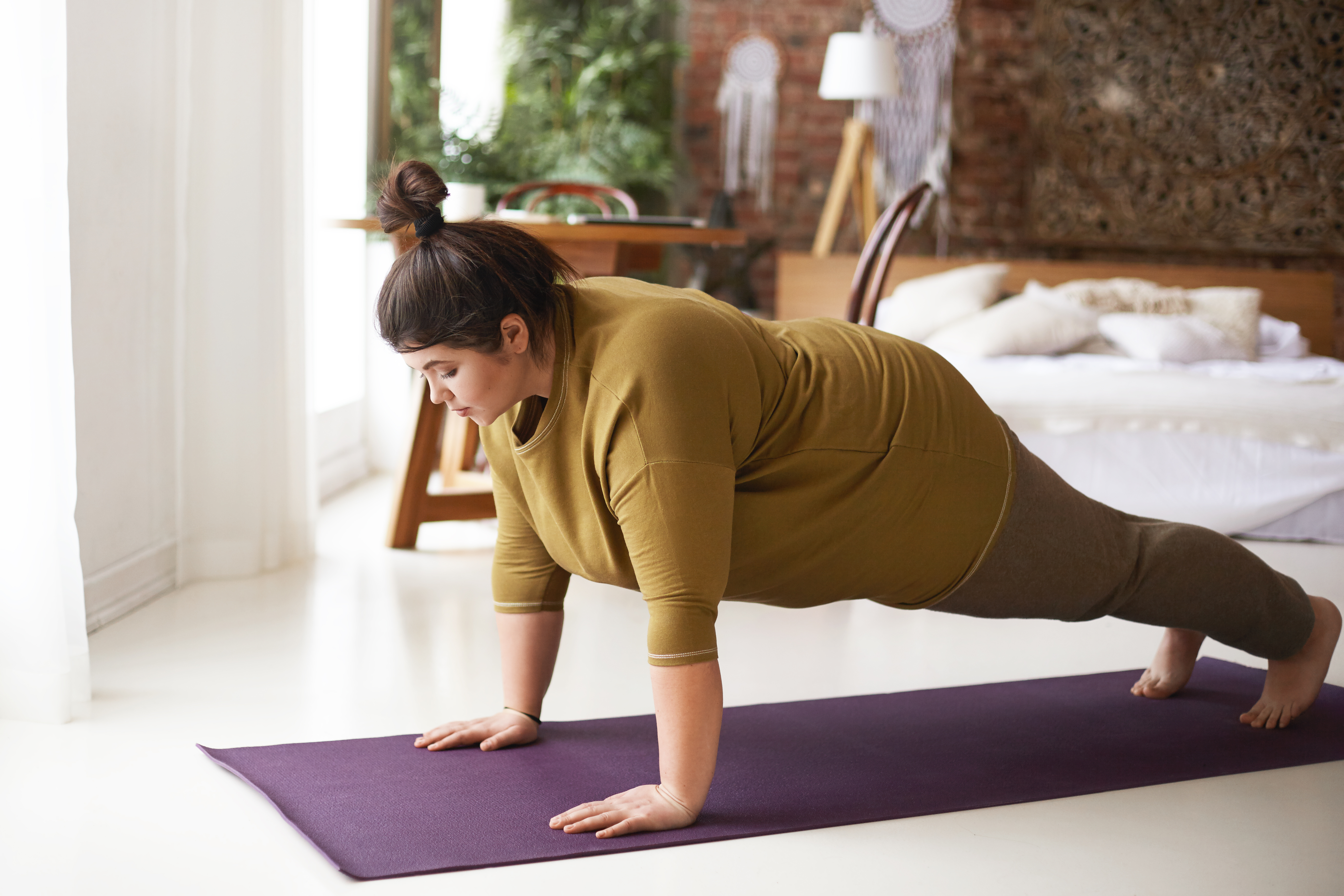
Image Source: img.livestrong.com
Why People Doubt Yoga’s Fitness Power
Many people think of fitness as only running miles or lifting heavy weights. They see yoga as slow or gentle. They might see pictures of people sitting quietly or doing simple stretches. This leads to a common myth that yoga is not a serious workout.
But this idea is wrong. Yoga uses your body weight to build power. It makes you hold poses that challenge your muscles. Some yoga styles are fast-paced and get your heart pumping. When you look closely, you see yoga can be a complete workout.
Comprehending What ‘Fit’ Means
What does it mean to be “fit”? It’s not just one thing. Being fit usually means having:
- Strength: Your muscles are strong and can work hard.
- Stamina: Your body can keep going for a long time (like running or hiking).
- Flexibility: Your joints and muscles can move through a full range.
- Balance: You can stay steady on your feet or in different positions.
- Healthy Body Size: Being at a weight that is good for your health.
- Good Heart Health: Your heart and lungs work well.
Yoga helps improve all these parts of fitness. It doesn’t just focus on one area. This makes it a great way to get fit in a balanced way.
Building Strength with Yoga
Let’s talk about Strength training with yoga. Can yoga really build strong muscles? Yes, it can. Think about poses like Warrior II or Plank. You hold your body weight against gravity. This makes your muscles work hard.
How yoga builds muscle is often through something called isometric contraction. This is when a muscle holds a position without getting shorter or longer. Holding a Plank pose makes your core, arms, and legs work hard just to stay still. Holding a chair pose makes your leg muscles burn. Over time, doing these poses often makes your muscles stronger.
Yoga works many different muscle groups at the same time. A pose like Downward-Facing Dog works your shoulders, arms, back, and legs. This whole-body approach builds balanced strength. It’s not like lifting a weight that only works one muscle.
Here are some yoga poses that are great for building strength:
- Plank Pose: Works core, arms, shoulders, chest.
- Chaturanga Dandasana (Low Plank): Works arms, shoulders, chest, core (very challenging!).
- Warrior Poses (I, II, III): Build strength in legs, core, shoulders.
- Chair Pose (Utkatasana): Targets thigh and glute muscles.
- Dolphin Pose: Builds strength in shoulders and arms.
- Crow Pose (Bakasana): Builds arm, wrist, and core strength (needs practice!).
- Bridge Pose (Setu Bandhasana): Works glutes, hamstrings, and back.
When you do these poses regularly, and maybe hold them a bit longer or try more difficult versions, your muscles get stronger. This is how Strength training with yoga works. It uses your own body as the weight.
Grasping Muscle Toning
Many people want Muscle toning with yoga. What does toning mean? It usually means making muscles firmer and more defined. You don’t build huge muscles like a bodybuilder, but you make the muscles you have look better and work more efficiently.
Yoga is excellent for this. Holding poses forces your muscles to engage fully. This helps them become firmer. The flowing movements in styles like Vinyasa also work muscles through their full range of motion, which can help with definition.
Think about poses like Side Plank or Boat Pose. They really make your core muscles contract and hold. Over time, this helps tone your stomach and sides. Warrior poses tone your legs and arms. Balancing poses tone smaller muscles that help you stay steady.
Muscle toning with yoga happens because you are constantly using and challenging your muscles. It’s not just about big movements. It’s also about control and stability in each pose. This constant effort shapes and firms your muscles.
Deciphering the Cardiovascular Boost
Can yoga help your heart? Yes, it can provide Cardiovascular benefits of yoga, especially certain styles. While a very slow, gentle yoga class might not raise your heart rate much, faster styles definitely will.
Power yoga for fitness and Vinyasa yoga fitness are great examples. Vinyasa means linking breath to movement. You flow smoothly from one pose to the next. This keeps you moving almost constantly. Your heart rate goes up as you move through a sequence of poses. It’s like doing an aerobic workout, but with added strength and flexibility work.
Think of a Vinyasa class where you do Sun Salutations repeatedly. You move quickly from standing, to forward bend, to plank, to chaturanga, to upward dog, to downward dog, and back again. Doing this several times gets your blood pumping. Your heart has to work harder to send oxygen to your working muscles.
Over time, regular practice of these dynamic styles can:
- Lower your resting heart rate.
- Improve your body’s ability to use oxygen.
- Lower blood pressure.
- Reduce stress, which is good for heart health.
So, while yoga might not feel like running on a treadmill, the right style done with energy can definitely give you a good cardio workout and provide important Cardiovascular benefits of yoga.
Exploring Yoga for Weight Loss
Many people want to know about Yoga for weight loss. Can yoga help you lose weight? Yes, it can be a helpful part of a weight loss plan.
Losing weight happens when you burn more calories than you eat. Yoga burns calories. How many calories you burn depends on a few things:
- The style of yoga: A fast Vinyasa class burns more calories than a slow Yin class.
- How long the class is: A longer class burns more calories.
- How much you weigh: Heavier people burn more calories doing the same activity.
- How hard you work: Pushing yourself in challenging poses burns more calories.
Let’s look at estimated Yoga calorie burn for different styles. These are just averages and can change a lot:
| Yoga Style | Estimated Calorie Burn per Hour (Avg. Person) | Notes |
|---|---|---|
| Hatha Yoga | 180-250 calories | Slower pace, focus on holding poses. |
| Vinyasa Flow | 300-450 calories | Faster pace, continuous movement. |
| Power Yoga | 400-600+ calories | Very dynamic, challenging, fitness-focused. |
| Bikram Yoga (Hot) | 400-600+ calories | Done in a heated room, adds intensity. |
| Restorative Yoga | 100-150 calories | Very slow, focus on relaxation. |
Yoga calorie burn from dynamic styles is similar to walking or other moderate activities. While it might not burn as many calories per hour as running or intense sports, yoga helps in other ways for weight loss:
- Building Muscle: Muscle burns more calories at rest than fat does. How yoga builds muscle helps improve your metabolism.
- Reducing Stress: Stress can lead to weight gain or make it hard to lose weight. Yoga is known for reducing stress and promoting calm.
- Improving Mindfulness: Yoga teaches you to be more aware of your body. This can help you make healthier food choices and notice when you are full.
- Increasing Activity: Simply adding yoga to your week means you are more active overall.
So, Yoga for weight loss isn’t just about the calories burned during class. It’s about building muscle, reducing stress, improving healthy habits, and increasing your total daily movement. Combined with healthy eating, yoga can be a great tool for reaching a healthy weight.
Blending Flexibility and Strength
Often, fitness programs focus on one thing: lifting weights for strength or stretching for flexibility. Yoga uniquely combines both. This is why Yoga for flexibility and strength is such a powerful concept.
Holding strength poses also stretches muscles. For example, in Warrior II, your front leg is strong, but the inner thigh of your back leg is getting a stretch. In Downward-Facing Dog, your shoulders and hamstrings are stretching, but your arms and legs are also working to hold you up.
This combination is very good for your body.
- Improved Movement: When you are strong and flexible, your body can move more freely and with less risk of injury.
- Better Posture: Strength helps you stand taller, and flexibility lets your body sit or stand in better alignment.
- Reduced Pain: Many types of pain, especially back pain, can be helped by improving core strength and flexibility.
- Increased Body Awareness: Yoga helps you notice how your body feels and moves, allowing you to make adjustments for better health.
Working on Yoga for flexibility and strength together leads to a balanced and functional body. You’re not just strong or just flexible; you are strongly flexible!
Choosing the Right Yoga Style for Fitness
Not all yoga is created equal when it comes to physical fitness goals. If your main goal is to get fit, some styles are better than others.
- Power Yoga: This is often the most physically demanding style. It’s based on Vinyasa but is usually faster, more challenging, and focused on building heat and strength. If you want Power yoga for fitness and a serious workout, this is a great choice. It burns a lot of calories and builds significant strength and stamina.
- Vinyasa Yoga: As mentioned, Vinyasa yoga fitness comes from its flowing nature. Classes vary in speed and difficulty, but a typical Vinyasa class provides a good mix of strength, flexibility, and cardiovascular work. It’s less structured than Power Yoga, allowing for more variety.
- Ashtanga Yoga: A set sequence of poses done in the same order every time. It’s physically demanding, involves flowing movements (like Vinyasa), and builds incredible strength and stamina. It’s a very structured path to Strength training with yoga.
- Bikram Yoga: A set sequence of 26 poses and 2 breathing exercises done in a heated room (around 105°F or 40°C with 40% humidity). The heat makes it feel harder and increases sweating, potentially boosting Yoga calorie burn. It’s very challenging and focuses on flexibility and endurance.
- Hatha Yoga: Often a slower pace, focusing on holding poses for a few breaths. It’s great for beginners and building a strong foundation in poses. While not as intense for cardio as Vinyasa or Power, it still provides Muscle toning with yoga and improves flexibility and basic strength.
- Yin Yoga / Restorative Yoga: These styles are much slower and focus on deep stretching or relaxation. They are wonderful for flexibility, calming the mind, and reducing stress, but they are not the best choice if your main goal is Cardiovascular benefits of yoga or high Yoga calorie burn. They are great as a complement to more active styles or other fitness activities.
To get fit with yoga, look for classes labeled Vinyasa, Power, Ashtanga, or potentially Bikram if you like the heat. Start with beginner levels in these styles if you are new.
Interpreting Your Progress and Results
Getting fit with yoga takes time and regular practice, just like any other fitness plan. You won’t see major changes after one class. But with consistent effort, you will notice a difference.
What kind of results can you expect from practicing yoga for fitness?
- Feeling Stronger: Everyday tasks might feel easier. You might notice you can hold poses longer or try more challenging variations. This shows How yoga builds muscle.
- More Energy: Regular movement boosts energy levels.
- Better Sleep: Exercise, including yoga, can help you sleep more soundly.
- Improved Mood: Yoga reduces stress and can improve your overall mental well-being.
- Increased Flexibility: You’ll likely notice your body feeling more open and less stiff. Touching your toes might become easier!
- Better Balance: Poses that seemed impossible before might become steady.
- Changes in Body Shape: While weight loss depends on diet too, the Muscle toning with yoga and increased activity can lead to a leaner look. Clothes might fit differently.
Track your progress not just by how you look, but by how you feel and what your body can do. Can you hold plank longer? Can you do a pose you couldn’t before? These are signs you are getting fitter.
Making Yoga Your Primary Fitness Activity
Can yoga be the only physical activity you do to get fit? For many people, yes. If you choose a challenging style like Power Yoga or Ashtanga and practice several times a week, it can provide a comprehensive workout covering strength, cardio, and flexibility.
However, like any single activity, it has its limits. Very intense cardio like running or cycling might provide higher peak heart rates than most yoga. Lifting very heavy weights will build a different kind of muscle mass than bodyweight yoga.
Yoga is fantastic because it offers a balanced approach. If you love yoga, you can definitely make it your main way to stay fit. You might choose to add other activities if you have specific goals, like training for a marathon or competitive weightlifting. But for general fitness, mobility, strength, and well-being, yoga is often enough.
Tips for Maximizing Fitness Gains with Yoga
To really get fit with yoga, just showing up isn’t always enough. Here are some tips to make your practice more effective:
- Be Consistent: Aim for 3-5 sessions per week. Regularity is key for building Strength training with yoga and Cardiovascular benefits of yoga.
- Choose Dynamic Styles: If fitness is your main goal, focus on Vinyasa, Power, or Ashtanga classes.
- Don’t Be Afraid to Sweat: Work hard! Challenge yourself in poses. Don’t just go through the motions.
- Hold the Poses: Don’t rush. Holding poses for several breaths increases the Muscle toning with yoga and strength benefits. Feel the muscles working.
- Listen to Your Body, But Also Challenge It: Know the difference between pain (stop!) and discomfort (it’s working!). Gently push your limits.
- Focus on Breath (Pranayama): Linking breath to movement in Vinyasa helps with flow and endurance. Deeper breathing also helps calm the nervous system.
- Use Modifications and Props Wisely: Don’t feel like you have to do the hardest version of a pose right away. Props like blocks or straps can help you get into poses safely and effectively, allowing you to build strength and flexibility correctly.
- Progress Gradually: As you get stronger, try more challenging variations or longer holds. This How yoga builds muscle over time requires increasing the challenge.
- Consider Private Sessions: A teacher can help you perfect your form, which makes the poses more effective for building Yoga benefits for fitness and prevents injury.
- Combine with Healthy Eating: Remember Yoga for weight loss works best when combined with good nutrition.
Making yoga a serious part of your fitness routine requires effort and intention, just like any other workout plan.
Fathoming the Mind-Body Connection in Fitness
One major way yoga differs from many other forms of exercise is its focus on the mind-body connection. This isn’t just a nice extra; it’s a key part of Yoga benefits for fitness.
Being present in your body helps you:
- Move More Safely: You’re more aware of alignment and less likely to injure yourself.
- Work Muscles More Effectively: When you focus on engaging the right muscles, you get more out of each pose.
- Build Resilience: Learning to stay with challenging poses and breath can build mental toughness that helps you push through physical limits.
- Reduce Stress: Chronic stress negatively impacts physical health, including weight and recovery. Yoga’s stress-reducing effects are a major fitness benefit.
This mental aspect of yoga makes your physical practice stronger and contributes to overall well-being, which is a vital part of true fitness.
Addressing Common Concerns
Maybe you’ve heard reasons why yoga can’t make you fit. Let’s tackle a couple:
- “Yoga isn’t enough cardio.” As we discussed, dynamic styles like Vinyasa and Power Yoga absolutely raise your heart rate and provide Cardiovascular benefits of yoga. If you want more, you can do these styles more intensely or combine them with other cardio.
- “Yoga won’t build big muscles.” True, you likely won’t become a bodybuilder with yoga alone. But it excels at Muscle toning with yoga and building lean, functional strength using bodyweight. It’s about building strong, capable muscles, not necessarily massive ones. How yoga builds muscle focuses on endurance and controlled strength.
- “Yoga is just for flexible people.” Not at all! Yoga improves flexibility. If you are stiff, gentle yoga styles are a great place to start. You’ll gain flexibility and strength together (Yoga for flexibility and strength).
Yoga meets you where you are and helps you build fitness from there, no matter your starting point.
Conclusion: Yoga is a Path to Fitness
So, let’s state it clearly again: Can you get fit with yoga? Yes, absolutely.
Yoga provides comprehensive Yoga benefits for fitness. It builds real Strength training with yoga using your own body weight and teaches you How yoga builds muscle through holds and controlled movements. It’s excellent for Muscle toning with yoga, creating firm, defined muscles. Dynamic styles offer significant Cardiovascular benefits of yoga, getting your heart pumping. And Yoga for weight loss is possible by increasing Yoga calorie burn, building metabolism-boosting muscle, and reducing stress. It uniquely combines Yoga for flexibility and strength, leading to a balanced, functional body.
Whether you choose challenging Power yoga for fitness or flowing Vinyasa yoga fitness, consistent practice is key. Yoga is a complete system for well-being that makes you stronger, more flexible, boosts your heart health, and can support a healthy weight. It’s a proven path to becoming truly fit, inside and out.
Frequently Asked Questions
Q: Is 30 minutes of yoga enough to get fit?
A: Yes, 30 minutes done consistently and intensely can provide benefits. Focus on dynamic styles and make the most of the time. Longer sessions (45-60+ minutes) often give more significant results, but 30 minutes is a great start and much better than doing nothing.
Q: How often should I do yoga to see fitness results?
A: Aim for 3 to 5 times per week. This allows for consistency needed to build strength, stamina, and flexibility. Even two times a week is good, but more frequent practice will likely show faster fitness gains.
Q: Can I replace all my other workouts with yoga?
A: For general fitness, yes, especially if you practice challenging styles regularly. If you train for specific sports or goals (like lifting very heavy weights or running marathons), you might need to supplement yoga with other activities. But yoga can be your main fitness activity.
Q: Does hot yoga burn more calories?
A: Yes, practicing in a heated room (like Bikram or Hot Vinyasa) often increases Yoga calorie burn due to the added stress on the body and increased sweating. Be sure to stay hydrated.
Q: Is yoga good for core strength?
A: Absolutely! Many yoga poses require you to engage your core muscles to balance and stabilize. Plank, boat pose, and many standing poses are excellent for building core strength. This is a key part of Strength training with yoga.
Q: Will yoga make me bulky?
A: No, it’s highly unlikely that yoga will make you bulky. Yoga uses bodyweight for resistance, which tends to build lean muscle tone rather than large muscle mass. It promotes Muscle toning with yoga and functional strength.
Q: I’m not flexible at all. Can I still do yoga for fitness?
A: Yes! Yoga is for everyone, regardless of flexibility. You will gain flexibility over time as you practice. Focus on beginner classes and listen to your body. Yoga for flexibility and strength is about improving where you are now.
Q: What type of yoga is best for weight loss?
A: Styles that are more physically demanding and keep you moving, like Vinyasa, Power Yoga, or Ashtanga, will provide higher Yoga calorie burn and muscle-building benefits, making them more effective for Yoga for weight loss when combined with diet.
Q: Does yoga improve balance?
A: Yes, significantly. Many yoga poses challenge your balance, forcing your body to use stabilizing muscles. Regular practice greatly improves balance and body control.