
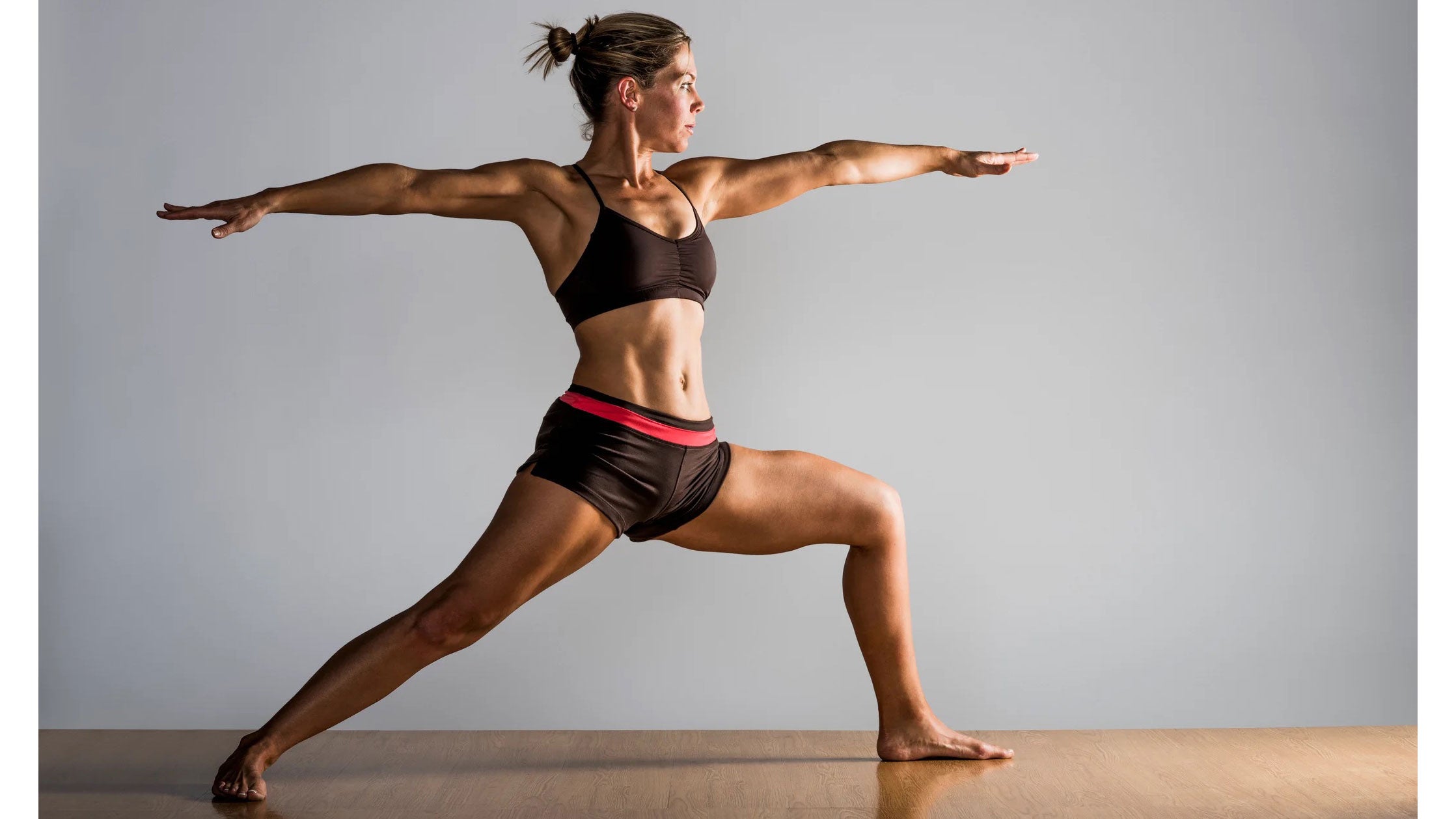
Image Source: cdn.yogajournal.com
The Answer: Can You Get Fit From Yoga Workouts?
Yes, you absolutely can get fit from yoga workouts. Yoga helps build strength, improve flexibility, and can even help with weight loss and overall health. It’s a form of exercise that works your body and calms your mind. So, whether you want yoga for strength, yoga for muscle tone, or help with yoga for weight loss, regular practice can make you fit.
Grasping What “Fit” Really Means
What does it mean to be “fit”? Many people think it just means running fast or lifting heavy weights. But fitness is more than that.
Being fit means your body can do many things well. It means:
- Having good strength in your muscles.
- Being able to move your body easily (flexibility).
- Having a strong heart and lungs (cardio health).
- Keeping a healthy weight.
- Feeling good in your body and mind (overall health).
Yoga helps with all these parts of fitness. It’s not just stretching. It makes you strong, flexible, and helps your body work better inside.
How Yoga Builds Strength
Many yoga poses ask you to hold your body weight. This works your muscles hard. Think about poses like Downward Dog, Plank, or Warrior poses. You use your arms, legs, and core muscles to stay in place.
Holding poses for a few breaths makes your muscles work over time. This builds muscle endurance. It means your muscles can keep working for longer.
Moving slowly from one pose to another, like in Vinyasa flow yoga, also builds strength. You control your body’s movement against gravity. This slow, controlled work builds long, lean muscles. This is how yoga helps with yoga for muscle tone. Your muscles get firmer and more defined.
Specific types of yoga are great for building strength quickly. Power yoga, for example, uses poses that really challenge your muscles. It’s a dynamic workout that makes you strong.
Yoga also builds core strength. Your core muscles are in your stomach and back. They help you stand tall and move safely. Many yoga poses, like Boat Pose or Plank variations, work your core deeply. A strong core helps with balance and prevents back pain.
You might not lift heavy weights in yoga, but you lift the weight of your own body. This is a great way to build functional strength. This is strength you use in everyday life.
Boosting Flexibility and Balance
Yoga is famous for making you more flexible. Poses stretch your muscles gently. Holding a stretch helps muscles relax and lengthen. This improves your range of motion. You can move your joints more freely.
Better flexibility helps prevent injuries. When muscles are tight, they can pull on joints or tear. Flexible muscles move safely.
Yoga also greatly improves balance. Many poses ask you to balance on one leg or even your hands. This challenges your body’s balance system. Over time, your body gets better at finding its center and staying steady.
Good balance is important as you get older, but it helps at any age. It improves coordination and makes activities easier. Think about how much easier it is to walk on uneven ground or climb stairs when you have good balance.
Yoga for flexibility and strength go hand-in-hand. As you get stronger, you can hold stretches longer and go deeper into poses. As you get more flexible, you can move into strength-building poses with better form. They work together to make your body more capable.
Yoga, Calories, and Weight
Can yoga help you lose weight? Yes, it can, especially when done regularly along with healthy eating. Yoga helps with yoga for weight loss in several ways.
First, yoga burns calories. How many calories you burn depends on the style of yoga and how hard you work. A gentle class might burn fewer calories, like walking slowly. A fast-paced class, like power yoga or Vinyasa, can burn many more, similar to a brisk walk or light jog. We can look at yoga calorie burn more closely.
Think about these estimates for a 150-pound person:
| Yoga Style | Minutes | Estimated Calories Burned |
|---|---|---|
| Hatha (Gentle) | 60 | 175 |
| Vinyasa Flow | 60 | 350-450 |
| Power Yoga | 60 | 400-550+ |
| Hot Yoga | 60 | 400-600+ |
These numbers are just estimates. Your own calorie burn depends on your weight, how hard you try, and the exact class.
Hot yoga can lead to more yoga calorie burn. The heat makes your body work harder. It also makes you sweat a lot, but this is mostly water loss, not fat loss. However, the higher heart rate from the heat adds to the calorie burn. This contributes to hot yoga weight loss efforts.
Beyond just burning calories, yoga helps with weight loss in other ways. It lowers stress. High stress levels can make your body hold onto fat and make you crave unhealthy food. Yoga helps you relax, which can make healthier choices easier.
Yoga also makes you more mindful. You learn to pay attention to your body’s signals. This can help you notice when you are truly hungry and when you are full. This mindful eating can be a big help for weight loss.
So, while yoga might not burn as many calories per minute as intense running or weightlifting, it helps with weight management through calorie burn, stress reduction, and mindful habits. It’s a piece of the puzzle for healthy weight loss.
Different Yoga Styles, Different Fitness Goals
Not all yoga is the same. Different styles focus on different things. Some are slow and relaxing, while others are fast and challenging. Choosing the right style helps you reach your fitness goals.
Interpreting Power Yoga Benefits
Power yoga is one of the most athletic types of yoga. It’s based on Ashtanga yoga but is less strict. It moves quickly from pose to pose. Poses are held for fewer breaths than in some other styles.
Power yoga focuses on building strength and endurance. You will do poses like push-ups (chaturanga), planks, and standing poses that work your legs hard. The quick pace keeps your heart rate up. This makes it a good cardio workout too.
Power yoga benefits include:
- Significant muscle strength increase.
- Improved stamina and endurance.
- Higher calorie burn compared to gentler styles.
- Better focus and mental toughness.
If your main goal is to get strong and build heat in your body, power yoga is a great choice.
Fathoming Vinyasa Yoga Fitness
Vinyasa yoga is very popular. “Vinyasa” means connecting breath to movement. In a Vinyasa class, you smoothly flow from one pose to the next on your inhale and exhale.
Vinyasa classes vary a lot depending on the teacher. Some can be very gentle, while others are very intense and challenging. Fast Vinyasa flows build heat, strength, and flexibility. The constant movement raises your heart rate, offering a good cardio workout. This dynamic nature makes Vinyasa yoga fitness effective.
Benefits of Vinyasa yoga include:
- Improved flexibility and range of motion.
- Increased muscle strength and endurance.
- Better cardiovascular health (in faster classes).
- Reduced stress and improved mental clarity due to the focus on breath.
Vinyasa is great if you like variety and movement. It builds a well-rounded kind of fitness.
Deciphering Hot Yoga Weight Loss Effects
Hot yoga is done in a heated room, often around 95-105°F (35-40°C). Bikram yoga is a well-known type of hot yoga. It uses a set series of 26 poses and two breathing exercises.
The heat makes you sweat a lot. This can feel like a deep cleanse. The heat also makes your muscles more pliable, meaning you might be able to stretch further. However, stretching too far in the heat is also possible.
Hot yoga weight loss comes partly from the higher calorie burn due to the heat. Your body works harder to cool itself down. The heavy sweating is mostly water, so you will likely weigh less right after class, but this is not true weight loss (fat loss). However, combining the physical effort with the heat can contribute to overall calorie deficit over time.
Benefits of hot yoga include:
- Higher calorie burn than non-heated classes.
- Improved flexibility (use caution not to overstretch).
- Detoxification through sweating (though the body also detoxifies through organs like the liver and kidneys).
- Improved mental focus and discipline from working in challenging conditions.
Hot yoga is intense. It’s important to stay hydrated and listen to your body.
Other Styles
Other yoga styles exist too:
- Hatha Yoga: Often slower paced, focusing on holding poses and proper alignment. Good for beginners and building basic strength and flexibility.
- Restorative Yoga: Uses props like blankets and bolsters to support the body in gentle stretches. Very relaxing, focused on healing and stress relief rather than fitness.
- Yin Yoga: Holds poses for several minutes to target deep connective tissues like ligaments and joints. Improves flexibility, especially in the hips, pelvis, and spine. Less about muscle fitness, more about deep stretching and joint health.
Choosing the right style for your goals is key to getting the fitness results you want from yoga.
Yoga for Overall Health
Fitness is more than just physical. It includes your mind and how well your body works inside. Yoga helps with yoga for overall health in many ways that go beyond just muscle and flexibility.
Less Stress, Better Mood
Yoga is well known for reducing stress. The focus on breath and movement helps calm the nervous system. Regular practice lowers levels of stress hormones like cortisol.
Less stress leads to many health benefits:
- Better sleep quality.
- Lower blood pressure.
- Improved digestion.
- Reduced risk of heart problems.
- A stronger immune system.
Moving your body also releases feel-good chemicals called endorphins. This is why you often feel happier and more relaxed after yoga. Yoga helps with conditions like anxiety and depression.
Improved Body Awareness
Yoga teaches you to pay attention to your body. You learn how different poses feel. You notice tension in your muscles. This body awareness helps you catch problems early. You might notice you are slouching or holding tension in your shoulders. This lets you make small changes to feel better.
Better body awareness also helps prevent injuries in other activities. You know how your body moves and when something doesn’t feel right.
Better Breathing
Yoga puts a lot of focus on breathing (pranayama). You learn to breathe deeply and fully. Most people breathe shallowly without realizing it. Deep breathing brings more oxygen into your body.
Improved breathing helps:
- Reduce anxiety.
- Increase energy levels.
- Calm the mind.
- Support your organs.
Using your breath during poses also helps you stay present and focused.
Helping with Pain
Yoga can help manage chronic pain, like back pain or arthritis. Gentle movement and stretching can ease stiffness and improve mobility. Strengthening muscles around painful joints can provide support and relief. However, it’s important to talk to a doctor before starting yoga if you have pain, and find a qualified teacher who can help you modify poses safely.
Yoga’s benefits for the mind, stress, and physical body all work together. This makes it a powerful tool for improving your yoga for overall health.
Yoga vs. Gym Fitness: Which is Better?
Is yoga better than the gym? Or is the gym better than yoga? This is like asking if a hammer is better than a screwdriver. They are different tools for different jobs, or they can work together. Comparing yoga vs gym fitness isn’t about finding a winner. It’s about seeing what each offers.
A traditional gym workout often focuses on:
- Weightlifting: Building muscle mass and strength using machines or free weights.
- Cardio: Running, cycling, or using machines to improve heart and lung health.
- Classes: Step aerobics, spin, Zumba, etc., for cardio and sometimes strength.
Gym fitness is great for targeting specific muscle groups with heavy weights or getting a very high-intensity cardio workout. If your main goal is to build large muscles or train for a marathon, the gym might be your primary tool.
Yoga offers a different but overlapping set of benefits:
- Strength: Builds functional strength using bodyweight, improving muscle tone.
- Flexibility: Deeply improves range of motion in joints and muscles.
- Balance: Specifically trains stability and body control.
- Mind-Body Connection: Focuses on breath, mindfulness, and reducing stress.
- Overall Wellness: Helps with stress, sleep, digestion, and mental health.
Yoga excels at improving mobility, stability, and the mind-body connection, areas a typical gym routine might miss. While you can build strength in yoga, you likely won’t build as much raw muscle mass as someone focused on heavy weightlifting. While you can get a cardio workout in dynamic yoga, it might not reach the same intensity as sprinting or high-intensity interval training (HIIT).
So, which is better for getting fit?
- If your main goal is significant muscle mass or peak cardiovascular performance, the gym might be more direct.
- If your goal is balanced strength, flexibility, balance, injury prevention, and stress reduction, yoga is excellent.
- If your goal is overall well-rounded fitness, combining yoga and gym workouts might be the best approach.
Many athletes use yoga to complement their sport or gym routine. It helps with flexibility, prevents injuries, and improves focus. Doing yoga a few times a week alongside weightlifting or cardio can give you the benefits of both worlds. It’s not about choosing one over the other. It’s about choosing what fits your goals or using both together.
How to Get Fit with Yoga: Tips for Starting
Ready to use yoga to get fit? Here are some tips to help you start and stick with it:
- Set Clear Goals: What do you want? More strength? Better flexibility? Less stress? Weight loss? Knowing your goal helps you choose the right style and stay motivated.
- Pick the Right Style: As we discussed, different styles offer different benefits. Try a few classes or online videos to see what you like and what fits your goals. Start with Hatha or a gentle Vinyasa if you are new.
- Start Slow: Don’t try the hardest poses on day one. Listen to your body. Yoga is not about competition. It’s about doing what feels right for you.
- Be Regular: Consistency is key for any fitness plan. Aim for 2-4 yoga sessions per week. Even short, regular practices are better than long, infrequent ones.
- Focus on Form, Not Just Getting Deep: Doing a pose correctly is more important than how far you can stretch or bend. Good form prevents injuries and works the muscles the right way. Consider taking a beginner class to learn the basics.
- Use Your Breath: Remember to breathe deeply throughout your practice. This is a core part of yoga. It helps you stay calm and makes poses easier.
- Combine with Other Activities: For overall fitness, try combining yoga with walking, running, or other activities you enjoy. Yoga for overall health is best when it supports an active lifestyle.
- Eat Well: Fitness and weight loss also depend on what you eat. Combine your yoga practice with healthy eating habits for the best results.
The Journey to Fitness with Yoga
Getting fit is a journey, not a race. Yoga offers a path that builds your body and calms your mind. It builds strength, improves flexibility, and can help with weight goals. It supports your overall health and well-being.
Whether you choose active styles like power yoga for strength and calorie burn, flowing Vinyasa for fitness and flexibility, or hot yoga for an intense challenge, yoga can be a powerful part of your fitness plan. It’s a workout for your whole self. So roll out your mat and start your journey. Fitness is within reach.
Frequently Asked Questions (FAQ)
Can I build big muscles with yoga?
Yoga builds muscle tone and functional strength using your body weight. You will get stronger and more defined muscles. However, if your goal is to gain significant muscle mass like a bodybuilder, you would likely need to add weightlifting. Yoga builds lean strength.
Is yoga enough for cardio?
It depends on the style and how you practice. Gentle styles like Hatha or Restorative offer little cardio benefit. Faster styles like Vinyasa, Power Yoga, or Ashtanga can raise your heart rate and provide a moderate cardio workout, similar to brisk walking. For high-level cardio fitness, you might need to add running, cycling, or other intense activities.
How often should I do yoga to get fit?
Aim for 3-5 times per week. Even 30-60 minutes per session can make a difference. Consistency is more important than length or intensity when you are starting.
Can yoga help me lose a lot of weight quickly?
Yoga supports weight loss through calorie burn, muscle building (which boosts metabolism), stress reduction, and mindfulness. It is a great tool for sustainable weight loss as part of a healthy lifestyle with balanced eating. Quick weight loss is rarely healthy or lasting. Yoga helps build habits for long-term health.
Do I need to be flexible to start yoga?
No! Yoga helps you become flexible. Everyone starts from where they are. You don’t need to touch your toes or do splits. Just show up and do what you can. Your flexibility will improve over time with practice.
What equipment do I need for yoga?
Mostly, you just need a yoga mat. Comfortable clothing is also important. Some styles or classes use props like blocks, straps, blankets, or bolsters, but studios often provide these. You don’t need much to start at home either.
Is hot yoga safe for everyone?
Hot yoga is intense and not suitable for everyone. People with heart problems, high blood pressure, or who are pregnant should talk to their doctor first. It’s also crucial to stay hydrated and leave the room if you feel dizzy or sick.
Can yoga replace going to the gym?
Yoga can replace some aspects of gym fitness, like improving core strength, muscle tone, and overall flexibility. However, it generally doesn’t offer the same high-intensity cardio or opportunity for very heavy weightlifting. Many people find that combining yoga with gym workouts gives the best all-around fitness results. Yoga is a great complement to other forms of exercise.