
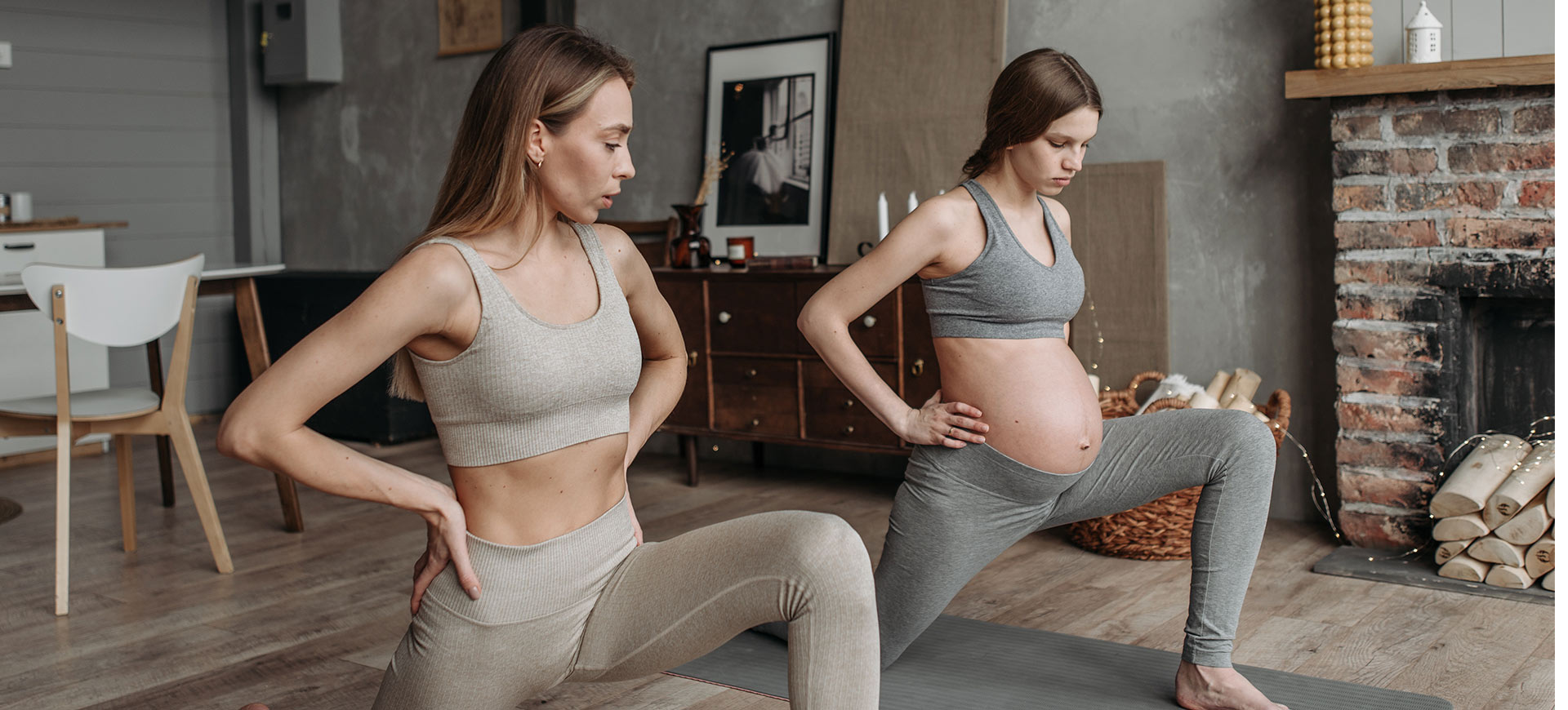
Image Source: www.momoyoga.com
Can You Do Yoga While Pregnant: What Experts Say
Yes, you absolutely can do yoga while pregnant, according to most doctors and yoga experts. They say that regular, safe exercise like yoga is good for many pregnant women. It helps your body and your mind during this special time. But it is very important to talk to your doctor first. Every pregnancy is different. Your doctor knows what is best for you. They can tell you if yoga is a safe choice for you right now.
Why Yoga Helps During Pregnancy
Many people agree that prenatal yoga benefits expectant mothers a lot. Yoga is more than just stretching. It helps your body get ready for giving birth. It also helps you feel better day-to-day.
Here are some ways yoga can help:
- Makes you stronger: It builds strength in your legs, arms, and back. These muscles help carry the extra weight of pregnancy. Strong muscles also help during labor.
- Helps with aches: Pregnancy can cause back pain, hip pain, and other aches. Gentle yoga can help stretch tight muscles. This can make you feel more comfortable.
- Makes you more flexible: Yoga helps you move your body more easily. Being flexible can be helpful in different labor positions.
- Improves balance: Your body changes during pregnancy. Your center of gravity shifts. This can make you feel unsteady. Yoga helps you work on balance. This can lower your chance of falling.
- Calms your mind: Pregnancy can bring worries. Yoga includes breathing work and quiet time. This helps you feel less stressed. It can make you feel more peaceful.
- Helps you sleep: Being pregnant can make sleep hard. Exercise like yoga can help you sleep better at night.
- Gets you ready for labor: Yoga teaches you how to breathe deeply. These breathing techniques for labor are very useful. Yoga also helps you learn to relax your body. This is key during contractions.
- Connects you with other moms: Often, prenatal yoga classes are just for pregnant women. This is a great way to meet others going through the same thing. You can share stories and support each other.
- Lowers chance of problems: Some studies show that regular, safe exercise like yoga might lower the risk of some issues. These include high blood pressure caused by pregnancy and needing a C-section.
These are just some of the reasons experts suggest yoga for pregnant women. It is a gentle way to stay active and healthy.
Thinking About Safety
Yoga is generally safe for pregnant women. But there are risks of prenatal yoga if you do not take care. It is very important to know how to practice safely. You also need to know when yoga is not a good idea.
Talking to Your Doctor First
Before you start any new exercise, including yoga, you must talk to your healthcare provider. This could be your doctor, midwife, or nurse practitioner. They know your health history. They know about your pregnancy.
Tell them you want to do yoga. Ask them if it is safe for you right now.
There are some reasons why yoga or other exercise might not be safe. These are called contraindications yoga pregnancy.
Contraindications Yoga Pregnancy
Some health problems or pregnancy conditions mean you should not do yoga. Or maybe you should wait.
Here are some reasons your doctor might say no to yoga or ask you to be very careful:
- Heart or lung disease: These conditions can make exercise risky.
- Severe anemia: This means you do not have enough healthy red blood cells. It can make you tired and dizzy.
- High blood pressure during pregnancy: This includes preeclampsia. Exercise could make it worse.
- Problems with your cervix: Like a weak cervix or a cerclage (a stitch to keep the cervix closed). Exercise could put pressure on it.
- Bleeding or spotting: Any unexplained bleeding should be checked by a doctor. Exercise might not be safe.
- Placenta problems: Like placenta previa (placenta covers the cervix). Exercise could cause bleeding.
- Risk of early labor: If you have had early labor before or are showing signs of it.
- Multiple babies: Carrying twins, triplets, or more might mean you need to rest more.
- Other serious health issues: Your doctor will know if any other condition makes exercise unsafe.
If you have any of these issues, listen to your doctor. They might say no to yoga completely. Or they might say you can do very light exercise under close watch. Your safety and the baby’s safety come first.
Signs to Stop
Even if your doctor says yoga is fine, you need to pay attention to your body. If you feel any of these things while doing yoga, stop right away:
- Vaginal bleeding
- Feeling dizzy or faint
- Headache
- Muscle weakness
- Pain in your calf or swelling (could be a blood clot)
- Shortness of breath before exercise
- Chest pain
- Fluid leaking from your vagina
- Regular, painful contractions
If you feel any of these, sit down and rest. If the feeling does not go away, call your doctor.
Getting Started with Prenatal Yoga
So, you have talked to your doctor. They say yoga is okay. Great! Now, how do you start prenatal yoga?
It is best to start with classes made just for pregnant women. These are often called prenatal yoga classes.
Finding a Good Class
Look for a class taught by someone who knows about pregnancy. They should be trained in prenatal yoga.
Why does this matter? A teacher trained in prenatal yoga knows:
* How your body changes during pregnancy.
* Which poses are safe and which are not.
* How to change poses for your growing belly.
* How to help you use props (like blocks, blankets, bolsters) to be comfortable.
* How to help you breathe and relax.
Taking a regular yoga class might not be safe. The teacher might not know how to help pregnant students. They might do poses that are not good for you.
What to Expect in a Prenatal Class
Prenatal yoga classes are usually gentle. They focus on things that help during pregnancy and birth.
A class might include:
- Warm-up stretches.
- Gentle poses for strength and flexibility.
- Poses to help open your hips.
- Breathing exercises.
- Time to relax quietly at the end.
The teacher will remind you often to listen to your body. They will show you how to use props. They will help you change poses as needed.
When to Start
You can start prenatal yoga almost anytime in your pregnancy.
- Yoga first trimester safety: Many women feel very tired or sick in the first three months. It might be hard to go to a class. If you feel okay, gentle yoga is usually safe. Focus on simple movements and rest. Avoid poses where you lie flat on your belly. Listen very closely to your body. If you feel tired, rest.
- Second trimester: This is often a good time to start. Many women feel more energy now. Your belly is growing, but you can still move around easily.
- Third trimester: It is not too late to start in your last few months. Yoga can help with third trimester aches and prepare you for labor. The poses might need more changes now.
Even if you did yoga before pregnancy, a prenatal class is a good idea. Your body is different now.
Yoga Poses and Modifications for Pregnancy
Yoga poses need to change as your body changes. Safe yoga poses pregnant focus on stability and openness. Yoga modifications pregnancy help you do poses safely and comfortably.
Poses to Do
Many yoga poses are safe with some changes. Here are examples of poses often done in prenatal yoga:
- Cat-Cow Pose (Marjaryasana-Bitilasana): Good for the back. On your hands and knees, gently arch and round your spine. Helps ease back pain.
- Warrior II (Virabhadrasana II): Builds leg strength. Widen your stance. Bend your front knee over your ankle. Helps open hips.
- Triangle Pose (Trikonasana): Stretches the sides of the body. Legs wide, reach one hand down your leg or to a block. Helps with balance.
- Bound Angle Pose (Baddha Konasana): Good for hips and groin. Sit with soles of feet together. Helps open the hips for labor.
- Squatting (Malasana or Garland Pose): Great for hip opening and preparing for birth. Sink hips towards the floor (use a block to sit on if needed). Helps strengthen legs and pelvic floor.
- Legs Up the Wall (Viparita Karani): Good for tired legs and swelling. Lie on your back with legs up a wall (make sure your head and shoulders are higher than your hips as belly grows).
- Corpse Pose (Savasana): Important for rest. After mid-pregnancy, do not lie flat on your back. Lie on your left side with a pillow or bolster under your head and between your knees.
Poses to Avoid or Change
As your pregnancy moves forward, some poses become unsafe or uncomfortable.
Here are general guidelines on yoga modifications pregnancy:
- Avoid lying flat on your belly: This is obvious as your belly grows.
- Avoid lying flat on your back after the first trimester: Lying flat can put pressure on a major blood vessel (vena cava). This can lower blood flow to you and the baby. Always use props to lift your upper body or lie on your side.
- No deep twists: Twists that squeeze your belly are not safe. Gentle open twists (turning away from your front leg) are usually okay in early pregnancy. Later, avoid twists that compress your belly.
- Be careful with forward bends: As your belly grows, bending forward from the hips might not work. Widen your feet or bend your knees a lot. Make space for your belly.
- Avoid poses that strain your core: Poses like boat pose (Navasana) can put too much pressure on your abdominal muscles. This can cause diastasis recti (separation of abdominal muscles).
- Limit inversions (going upside down): Poses like headstand or handstand are risky due to balance changes. Even downward-facing dog might feel different. Widen your hands and feet in downward dog to make space for your belly.
- Avoid hot yoga (Bikram, Hot Flow): High heat can be dangerous during pregnancy. It can cause you to overheat.
- Do not overstretch: Pregnancy hormones (like relaxin) make your joints looser. It is easy to overstretch and hurt yourself. Only stretch to a comfortable point. Do not push into pain.
- Avoid jumping or jerky movements: Keep movements slow and controlled.
A trained prenatal yoga teacher will guide you through these changes. They will show you the safe yoga poses pregnant and how to modify others.
Yoga Through the Trimesters
Your body changes a lot during pregnancy. How you do yoga will change too.
Yoga First Trimester Safety (Weeks 1-13)
The first trimester is a time of big changes inside. You might feel very tired, sick, or emotional.
- Listen to your body: If you feel tired, rest. If you feel sick, skip yoga that day. Do not push yourself.
- Keep it gentle: Focus on gentle stretching and simple movements.
- Avoid heating up too much: Do not get too hot.
- Hydrate: Drink plenty of water.
- Modify for nausea: If certain movements make you feel sick, do not do them. Lying flat on your belly is okay if comfortable, but you might want to avoid it early on.
- Basic poses: Focus on poses like cat-cow, gentle standing poses, and simple seated stretches.
Even if you feel okay, this is a good time to start building a gentle practice. Or just rest if you need to!
Yoga Second Trimester (Weeks 14-27)
Many women feel better in the second trimester. Nausea often goes away. You might have more energy. Your belly starts to show.
- Modify lying on back: Stop lying flat on your back in poses like Savasana or reclined stretches. Use props to prop yourself up or lie on your side.
- Make space for your belly: Widen your stance in standing poses. Change forward bends.
- Focus on strength and balance: Work on strengthening legs and back. Practice balance poses carefully.
- Continue gentle twists: Only do open twists that do not squeeze your belly.
- Use props: Blocks under hands in standing poses, bolsters for seated poses, blankets for knees. Props help you be more comfortable and stable.
- Pelvic floor awareness: Start thinking about your pelvic floor muscles. Gentle poses like Kegels can be part of your practice.
This trimester is often a good time to feel strong and active.
Yoga Third Trimester Poses (Weeks 28-40+)
The third trimester can bring new aches and fatigue. Your belly is much bigger. Moving might feel harder.
- Gentler practice: Focus on poses that are comfortable and help with common third trimester issues. Think hip opening, gentle stretches, and rest.
- Support your body: Use props generously. Sit on blocks or bolsters. Use a chair for balance in standing poses.
- More focus on rest: Savasana (on your side!) becomes even more important.
- Opening the hips: Poses like Bound Angle Pose, Squatting (with support), and Pigeon Pose variations can help prepare your pelvis for labor.
- Yoga third trimester poses often include:
- Supported squats (holding onto a chair or wall)
- Bound Angle Pose
- Cat-Cow
- Gentle lunges (low lunge with knee down)
- Side-lying poses
- Legs up the wall (on your side or propped up well)
- Supported bridge pose (block under hips)
- Resting poses like Child’s Pose (widen knees for belly)
- Focus on breathing: Practice breathing techniques for labor often. This is key preparation.
- Listen VERY closely: Do only what feels good. If a pose feels hard or painful, skip it.
Your practice might become shorter or simpler. That is okay. The goal is comfort, relaxation, and preparation for birth.
Choosing the Best Prenatal Yoga Styles
Not all yoga styles are good for pregnancy. The best prenatal yoga styles are gentle and focus on safety and preparation.
- Prenatal Yoga: This is the top choice. Classes are designed just for pregnant bodies. Teachers are trained in pregnancy safety and modifications.
- Hatha Yoga: This is a slower style. It often holds poses for longer. It can be safe if the teacher knows how to offer modifications for pregnant students. Make sure the class is not too fast or challenging.
- Restorative Yoga: This style uses lots of props (bolsters, blankets) to support your body completely. Poses are held for a long time with no effort. It is very relaxing and gentle. This is a great option for pregnancy, especially when you are tired or have aches.
- Yin Yoga: This style holds poses for several minutes. It targets deep connective tissues. While it is slow, some poses might put too much stress on loose joints during pregnancy. If you do Yin, be extra careful not to overstretch. Listen carefully to your body. Avoid deep stretches or poses that put pressure on your belly.
- Gentle Flow or Vinyasa (with caution): A very gentle flow class might be okay if you are used to yoga AND the teacher is trained in prenatal modifications. Vinyasa means linking breath with movement, often moving quickly. This can be too fast or heating for pregnancy. If you choose this, move slowly, skip poses that do not feel right, and modify everything needed. It is usually better to choose a dedicated prenatal class.
Styles to generally avoid:
- Hot Yoga (Bikram, Hot Vinyasa): The heat is unsafe.
- Power Yoga/Ashtanga: These are often fast-paced, intense, and include complex poses or jumps that are not safe.
- Acro Yoga: Partner acrobatics is not safe.
When choosing a style, ask the teacher about their experience with pregnant students. Or better yet, stick to prenatal-specific classes for the safest practice.
Breathing Techniques for Labor
Yoga is not just about poses. Breathing is a key part. Yoga breathing (pranayama) can be a powerful tool during labor.
Here are some breathing techniques for labor that you can practice:
-
Diaphragmatic Breathing (Belly Breathing): This is the most basic and useful.
- Sit or lie comfortably.
- Put one hand on your chest and one hand on your belly.
- Breathe in slowly through your nose. Feel your belly rise under your hand. Your chest should not move much.
- Breathe out slowly through your mouth or nose. Feel your belly fall. Try to make your exhale longer than your inhale.
- Why it helps: This sends oxygen deeply into your body. It helps you relax. During labor, you can use this deep breath to help manage contractions. It gives you something to focus on.
-
Ujjayi Breath (Victorious Breath): This breath makes a soft sound in your throat.
- Breathe in and out through your nose.
- Slightly narrow the back of your throat, like you are whispering “ahh” but with your mouth closed.
- You should hear a gentle ocean-like sound.
- Why it helps: The sound can be calming. The focus helps shut out distractions. It can be used during contractions to stay present and centered.
-
Alternate Nostril Breathing (Nadi Shodhana): This breath balances energy. It is very calming. (Avoid if you have trouble breathing through your nose).
- Sit comfortably.
- Close your right nostril with your right thumb. Breathe in through your left nostril.
- Close your left nostril with your right ring finger. Open your right nostril and breathe out.
- Breathe in through the right nostril.
- Close the right nostril. Open the left nostril and breathe out.
- This is one round. Repeat for several rounds.
- Why it helps: It calms the nervous system. Great for reducing stress and anxiety during pregnancy and early labor.
Practice these breathing techniques for labor regularly during pregnancy. The more you practice, the easier they will be to use when you need them most – during birth.
Building Your Prenatal Yoga Routine
Consistency is helpful, but do not feel pressured. Even just 10-15 minutes a few times a week can offer prenatal yoga benefits.
- How often? Aim for 2-3 times a week if you can. Listen to your energy levels. Some days might be rest days.
- How long? A class is usually 60-75 minutes. At home, even 15-30 minutes can be good.
- Where? A prenatal yoga studio is great. Community centers, hospitals, or online prenatal yoga classes are also options. Make sure online teachers are qualified.
- What time of day? Whatever time works best for you. Some women like morning to feel energized. Others prefer evening to relax before bed.
- Props are your friends: Do not be shy about using blocks, blankets, bolsters, pillows, or a chair. They help support your body and make poses accessible.
- Stay cool: Wear comfortable, breathable clothes. Make sure the room is not too hot.
- Drink water: Have water nearby and sip it during practice. Drink more after.
Starting prenatal yoga is about finding what feels good for your changing body. It is a time to connect with your baby and prepare for motherhood.
Summary: Is Prenatal Yoga Right For You?
Based on what experts say, doing yoga while pregnant is generally safe and highly recommended for many women. It offers many physical and mental prenatal yoga benefits.
However, it is not right for everyone. It is crucial to:
- Get clearance from your doctor or midwife before starting. Discuss any health conditions or pregnancy risks.
- Choose a qualified prenatal yoga teacher or class. They know the necessary yoga modifications pregnancy and which safe yoga poses pregnant are best.
- Listen to your body. Pay attention to how you feel. Do not push through pain. Know the signs that mean you should stop.
- Modify poses as your belly grows and your body changes through the first trimester safety focus, second trimester adaptations, and specific yoga third trimester poses.
- Practice breathing techniques for labor. This is a powerful tool for birth.
- Avoid risky styles like hot yoga, power yoga, and complex inversions. Be aware of contraindications yoga pregnancy.
By taking these steps, you can enjoy the many positive effects of yoga during this special time in your life. It is a gentle way to stay active, ease discomfort, calm your mind, and get ready for meeting your baby.
Frequently Asked Questions (FAQ)
Q: I did yoga before I was pregnant. Can I just keep going to my regular class?
A: It is much safer to switch to a prenatal yoga class. Your body changes a lot during pregnancy. A regular class teacher might not know how to help you safely. Poses you did before might not be safe now. A prenatal class focuses on your specific needs and safety during pregnancy.
Q: When should I stop doing yoga during pregnancy?
A: You can usually do yoga until your baby is born, as long as you feel comfortable and your doctor says it is okay. Your practice will likely become much gentler in the last weeks. Listen to your body and rest when you need to. Some women stop a week or two before their due date. Others continue until the day they give birth.
Q: What if I feel dizzy during a pose?
A: If you feel dizzy at any point, stop the pose right away. Sit or lie down on your side. Drink some water. Dizziness can happen from blood pressure changes or getting up too fast. If dizziness continues or is severe, tell your doctor. Always get up slowly from sitting or lying down.
Q: Can yoga help turn a breech baby?
A: Some specific poses are sometimes suggested to help a breech baby turn head-down. These might include elevated hips or certain inversions (done with extreme caution and guidance from a trained professional). However, these methods are not guaranteed to work. Always talk to your doctor or midwife before trying any poses for a breech baby. A prenatal yoga teacher might be able to guide you on safe poses that encourage optimal fetal positioning, but they cannot guarantee a baby will turn.
Q: Is it okay to start yoga if I’ve never done it before and I’m pregnant?
A: Yes, it is absolutely fine to start yoga when you are pregnant, even if you are new to it! Starting with a beginner prenatal yoga class is the best way to learn safe movements and modifications designed for pregnant bodies. It is a gentle way to begin an exercise program. Make sure you get your doctor’s approval first.
Q: Can yoga help with morning sickness?
A: Gentle movement and breathing exercises might help some women feel better with morning sickness. However, intense yoga or certain movements could make it worse. Listen to your body. If you feel sick, skip the class or practice very gently at home. Focus on simple breathing or rest poses.
Q: How can yoga help me push during labor?
A: Yoga helps you connect with your breath. Learning to breathe deeply and relax during contractions (using breathing techniques for labor) can help you stay calm and focused during the pushing phase. Squatting poses and hip-opening poses practiced during pregnancy can also help make space in the pelvis, which can aid in pushing. It helps you feel more in tune with your body’s natural urges.