
Image Source: www.choosingtherapy.com
Wondering: Can Yoga Help With Anxiety? Yes; Here’s How.
Yes, yoga can indeed help with anxiety. Many people find that doing yoga regularly helps quiet their worries and makes them feel calmer. Yoga works by using simple movements, special ways of breathing, and quiet focus to help your body and mind relax. It offers tools like breathing exercises for anxiety, relaxation techniques yoga, and methods for stress management through yoga. These simple tools can make a big difference in how you feel.
Grasping How Anxiety Affects You
Anxiety is a common feeling. It’s like a feeling of worry, nervousness, or unease. Sometimes we feel this when we have a test or a big event. But for some people, this feeling is very strong and happens a lot. It can make everyday life hard.
Anxiety can show up in many ways. It’s not just in your head. It can make your body feel tense. Your heart might beat fast. You might feel short of breath. Your stomach might hurt. You might have trouble sleeping. Your thoughts might race and feel hard to stop.
When you feel anxious, your body goes into “fight or flight” mode. This is a natural response. It helped our ancestors run from danger. Your body gets ready for action. Stress hormones like cortisol go up. Your muscles tense up. Your breathing gets fast and shallow. Your mind becomes alert to threats. This mode is helpful for a short time if there is real danger. But if you stay in this mode too long, it wears you out. It can make you feel tired, worried, and stressed all the time. This is where yoga for stress relief can help.
Exploring Yoga’s Core Ideas for Calming
Yoga is an old practice. It came from India. It is more than just stretching your body. Yoga brings together simple body movements, controlled breathing, and quiet thinking. It is a way to connect your body and mind. Many studies now show that yoga can help lower stress and anxiety. It is seen as a good part of stress management through yoga.
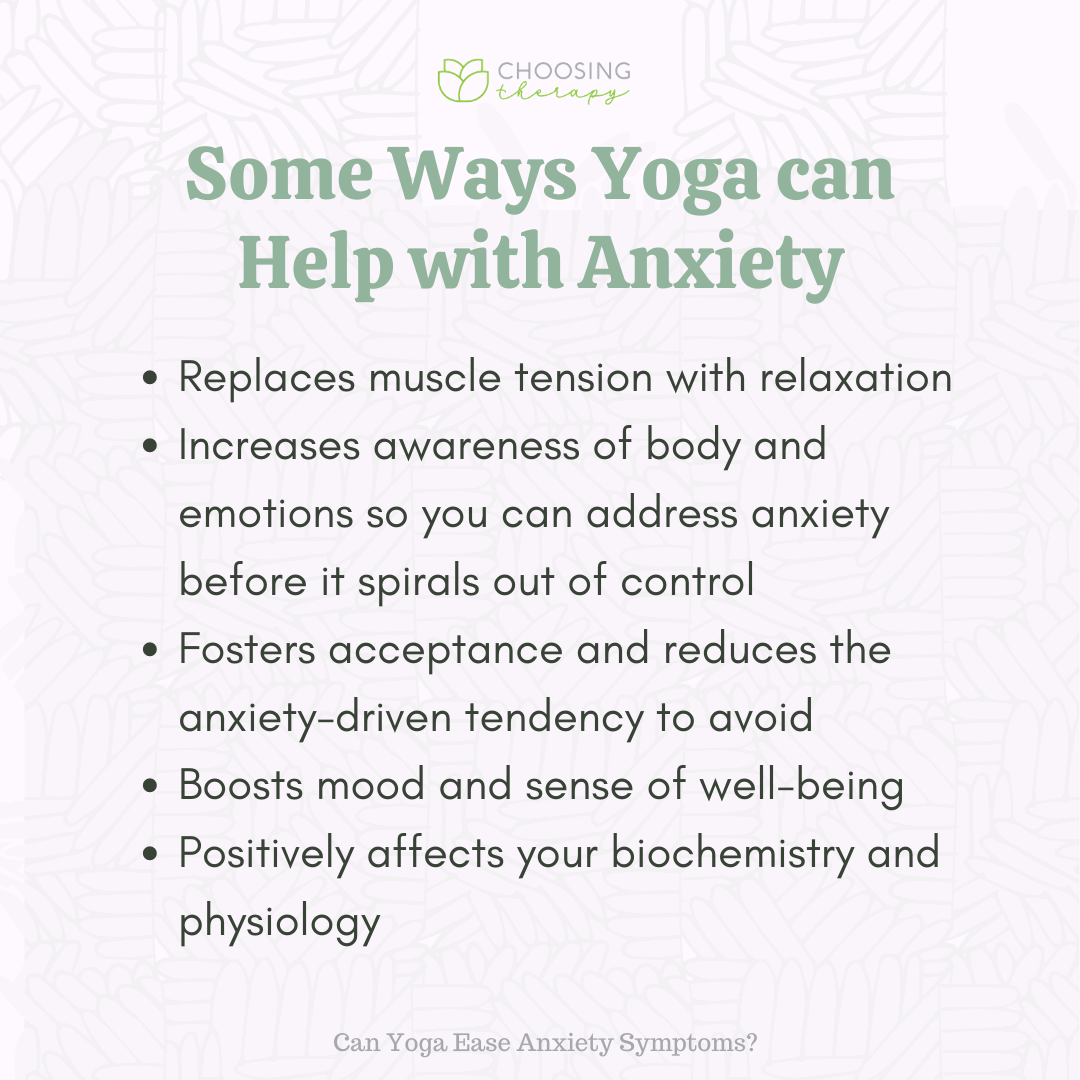
How does yoga work to calm anxiety? It helps in several ways:
- It calms the nervous system. Your body has a system that handles stress (sympathetic) and a system that handles rest (parasympathetic). Anxiety keeps you in the stress system. Yoga helps you shift to the rest system.
- It helps you notice your body. When you do yoga, you pay attention to how your body feels. This is called body awareness. This can help you spot signs of anxiety early. You can then use yoga tools to feel better.
- It teaches you to breathe better. Most people breathe quickly and shallowly when they are anxious. Yoga teaches deep, slow breaths. This signals your body to relax. These are key breathing exercises for anxiety.
- It helps quiet your mind. Anxiety often means having many racing thoughts. Yoga includes parts that help you focus your mind. This can give your mind a break from worries. This connects to mindfulness for anxiety.
- It lowers stress hormones. Doing yoga regularly can help lower the levels of stress hormones like cortisol in your body. Lower cortisol means less stress and anxiety.
- It releases muscle tension. Anxiety makes muscles tight. Holding poses in yoga and then relaxing helps release this tightness. This is part of relaxation techniques yoga uses.
Deciphering the Mind-Body Link in Yoga
Yoga is powerful because it works on both your mind and your body at the same time. They are connected. What affects one affects the other.
When your mind is full of worries, your body feels it. Your muscles tighten. Your breath gets short. You might feel restless.
When you do yoga, you move your body. You stretch. You hold poses. This physical action helps release tension stored in your muscles. As your body relaxes, it sends signals to your brain that it’s safe.
At the same time, yoga asks you to focus your mind. You focus on your breath. You focus on how your body feels in a pose. This focus takes your mind away from anxious thoughts. It helps you stay in the present moment. The present moment usually feels less scary than worrying about the future or thinking about the past.
This back and forth between body movement and mind focus is key. It helps break the cycle of anxiety where worried thoughts lead to tense body, which leads to more worried thoughts. Yoga helps you step out of this cycle. It helps you feel more in control of your body and your reactions to thoughts.
Key Tools in Yoga for Easing Worries
Yoga uses several simple tools. These tools work together to help calm anxiety.
h4 Breathing Exercises (Pranayama)
Breathing is central to yoga. The way you breathe affects how you feel. Fast, shallow breaths can make you feel more anxious. Slow, deep breaths tell your body to relax. Yoga teaches many types of breathing exercises for anxiety.
One simple one is called Ujjayi breath. It sounds like soft ocean waves. You breathe slowly in and out through your nose. You make a gentle sound in the back of your throat. This sound helps you focus. It also makes your breath slow and steady.
Another is Dirga Pranayama, or Three-Part Breath. You fill your belly, then your ribs, then your chest with air. Then you let the air out slowly from chest, ribs, then belly. This fills your lungs fully and calms the nervous system.
Learning to control your breath gives you a tool you can use anytime, anywhere. When you feel a wave of anxiety, you can stop and focus on your breath. This simple act can help you feel more grounded and less overwhelmed. Breathing exercises are fundamental relaxation techniques yoga offers.
h4 Movement and Poses (Asana)
Yoga poses, or asanas, are the physical shapes you make with your body. Some poses help stretch and release tight muscles. Others help you feel strong and stable. Doing poses helps you get out of your head and into your body. This can be a relief when your mind is racing. These yoga poses for relaxation are chosen to help you feel calm.
Moving slowly and mindfully through poses can feel like a moving meditation. You focus on the feeling in your body and your breath. This helps you stay present.
Different poses have different effects. Poses that ground you, like Standing Forward Bend or Child’s Pose, can make you feel safe and secure. Poses that gently open your chest, like Cobra or Bridge, can help ease tightness from shallow breathing. Gentle twists can help release tension in the back. Poses done close to the ground, like Seated Forward Bend or Reclining Bound Angle Pose, are very calming.
h4 Focusing the Mind (Meditation and Mindfulness)
Yoga is not just physical. It also trains your mind. Mindfulness is a big part of this. It means paying attention on purpose, without judgment. When you practice mindfulness for anxiety, you learn to notice your thoughts and feelings without getting caught up in them. You see them for what they are – just thoughts or feelings – and let them pass.
Many yoga classes end with a few minutes of sitting quietly. This is often a form of meditation for calming. You might focus on your breath, a sound, or just sit in stillness. This quiet time allows your nervous system to settle fully after the movement and breathing. It trains your mind to be more peaceful. Even a few minutes of quiet sitting can lower stress hormones and slow down brain activity linked to worry.
h4 Deep Rest (Savasana)
Almost all yoga classes end with Savasana, or Corpse Pose. This is a pose where you lie flat on your back. You let your whole body relax completely. This might seem simple, but it can be the hardest pose. It asks you to let go of doing and just be.
Savasana is a powerful relaxation technique. It allows your body and mind to fully absorb the benefits of the practice. Your heart rate slows. Your breathing deepens. Your muscles release tension. It is a state of deep rest. Regular practice of Savasana teaches your body how to relax deeply, which is crucial for managing anxiety. These relaxation techniques yoga provides are vital tools.
Looking at Different Kinds of Yoga for Worries
Not all yoga styles are the same. Some are fast and intense. Others are slow and gentle. For anxiety, gentler styles are often best, especially when you are starting.
h4 Hatha Yoga for Stress
Hatha yoga is a general term. It often refers to practices that include poses, breathing, and sometimes meditation. A Hatha class usually moves at a slower pace. Poses are held for a few breaths. This gives you time to focus on your alignment and your breath. This slower pace is great for stress management through yoga. It allows your nervous system to calm down. It helps you build body awareness without feeling rushed or overwhelmed. Hatha yoga for stress is a very popular choice. It offers a balanced practice that works on both strength and flexibility, as well as mind-calming.
h4 Restorative Yoga Benefits
Restorative yoga is designed for deep relaxation. You use props like blankets, bolsters, and blocks to support your body in gentle poses. You hold these poses for longer times, maybe 5-10 minutes. The goal is to feel fully supported so your muscles can let go completely.
Restorative yoga activates the parasympathetic nervous system. This is the “rest and digest” system. It counteracts the “fight or flight” response of anxiety. Restorative yoga benefits include deeply lowering stress, calming the mind, and helping with sleep problems often linked to anxiety. It is a powerful tool for relaxation techniques yoga offers.
h4 Other Styles
Other styles can also help, but it depends on the person and the class.
* Vinyasa Flow: Some people find the movement helpful for releasing energy. But the faster pace might feel too much for others with anxiety. Look for slower flow classes.
* Yin Yoga: Yin holds poses for a long time, focusing on deep tissues. The stillness can be challenging but also very calming once you settle in.
* Yoga Therapy: This is a specific type of yoga. A yoga therapist works with you one-on-one or in a small group. They create a yoga plan just for you and your needs, like managing anxiety. Yoga therapy for anxiety is often used alongside other treatments.
Finding the right style for you is important. Try a few different kinds. See what feels best for your body and mind.
Interpreting the Science Behind Yoga and Calmness
More and more studies show that yoga changes the brain and body in ways that reduce anxiety.
h5 Lowering Stress Hormones
Studies have looked at cortisol levels in people who do yoga. Cortisol is the main stress hormone. High levels for a long time are linked to anxiety and other health problems. Research shows that regular yoga practice can lower cortisol levels. This helps the body feel less stressed and less likely to go into “fight or flight.”
h5 Calming the Nervous System
Yoga helps balance the autonomic nervous system (ANS). The ANS controls things like your heart rate, breathing, and digestion without you thinking about it. It has two parts: the sympathetic (fight or flight) and the parasympathetic (rest and digest). Anxiety keeps the sympathetic part on high alert. Yoga, especially deep breathing and gentle movement, helps turn up the parasympathetic part. This slows your heart rate, relaxes your muscles, and promotes a feeling of calm. It shifts your body out of alarm mode.
h5 Brain Changes
The brain of someone with anxiety might show more activity in areas related to fear and worry. Studies using brain scans (like fMRI) suggest that yoga can affect these areas. Regular yoga practice can increase activity in areas related to calmness and self-control. It can also change brain waves, promoting slower, calmer brain states. Yoga can help build new, calmer pathways in the brain.
h5 Increasing GABA
GABA is a chemical in the brain. It acts like a natural calming agent. It helps quiet nerve activity. Low GABA levels are sometimes linked to anxiety and depression. Some research suggests that yoga may increase GABA levels in the brain. This could be one way yoga helps reduce anxiety symptoms.
h5 Improving Heart Rate Variability (HRV)
HRV is a measure of the time between your heartbeats. It’s not about how fast your heart beats, but how much the time between beats varies. Higher HRV is a sign of a flexible nervous system and better ability to handle stress. Low HRV is linked to stress and anxiety. Yoga, especially practices involving deep breathing, can help increase HRV. This shows the nervous system is becoming better at shifting between stress and relaxation.
These scientific findings help explain why yoga makes people feel calmer. It’s not just a feeling; it’s changing your body and brain chemistry. This makes stress management through yoga a powerful approach.
Practical Steps for Starting Yoga for Anxiety
If you want to try yoga for anxiety, here are some simple steps:
h4 Start Slowly
You don’t need to be flexible or strong to start. You just need to be willing to try. Begin with a beginner’s class or find simple yoga videos online. Look for classes described as gentle, restorative, Hatha, or beginner.
h4 Focus on the Breath
Even if you only have a few minutes, simple breathing exercises for anxiety can help. Sit comfortably. Close your eyes if you want. Just notice your breath going in and out. Try to make your exhale a little longer than your inhale. Do this for 5-10 breaths.
h4 Simple Poses at Home
You don’t need a fancy studio. You can do simple yoga poses for relaxation at home.
* Child’s Pose: Kneel on the floor. Bring your big toes together. Separate your knees wide or keep them together. Lower your belly between your thighs. Rest your forehead on the floor. Extend your arms forward or back along your body. Breathe deeply here.
* Cat-Cow Pose: Get on your hands and knees. As you breathe in, drop your belly, lift your chest and tailbone (Cow). As you breathe out, round your spine, tuck your chin to your chest (Cat). Move slowly with your breath.
* Legs Up the Wall Pose: Lie on your back. Slide your hips close to a wall. Extend your legs up the wall. Rest your arms by your sides or on your belly. This is a very calming pose. Stay here for 5-15 minutes.
* Savasana: Lie flat on your back. Let your arms and legs rest wide. Close your eyes. Let your whole body feel heavy and relaxed. Stay here for 5-10 minutes.
h4 Find a Class or Teacher
Taking a class can be helpful. A teacher can guide you and correct your poses. Look for classes that feel welcoming and not competitive. Some studios offer gentle yoga or yoga for stress and anxiety. Yoga therapy for anxiety is also an option for personalized guidance.
h4 Be Patient
Yoga is a practice. The benefits build over time. Don’t expect to feel completely calm after one session. Try to practice regularly, even if it’s just for 15-20 minutes a few times a week. Make it part of your routine for stress management through yoga.
h4 Listen to Your Body
Only do poses that feel right for you. Don’t push yourself into pain. Yoga is about being kind to yourself. If a pose feels too hard or makes you feel more anxious, skip it or modify it.
Creating a Yoga Practice for Anxiety
Making yoga a regular habit is key to getting its benefits for anxiety. Here’s how you can build a practice:
h4 How Often?
Aim for consistency. Even short, regular practices are better than long, rare ones. Try for 15-30 minutes most days. If that’s too much, start with 10 minutes. Do what you can manage.
h4 What Time of Day?
Find a time that works for you.
* Morning: A gentle morning practice can help you start the day feeling calm and centered.
* Midday: A short break for breathing or a few poses can help reset your nervous system during a busy day.
* Evening: A calming practice, especially restorative yoga or gentle Hatha, can help you wind down before bed and improve sleep.
h4 Setting the Space
Find a quiet place where you won’t be disturbed. It doesn’t need to be big. A corner of a room is fine. You might want a mat, maybe a blanket or pillow for comfort. Soft lighting or quiet music can help create a calming mood for relaxation techniques yoga.
h4 What to Include?
A simple practice for anxiety can include:
* A few minutes of quiet sitting: Focus on your breath.
* Gentle movement: Cat-Cow, a few slow sun salutations, simple stretches.
* Specific calming poses: Child’s Pose, Downward-Facing Dog (can be grounding), Seated Forward Bend, Legs Up the Wall. Focus on yoga poses for relaxation.
* Breathing exercises: Ujjayi or Three-Part Breath for a few minutes. These are excellent breathing exercises for anxiety.
* Savasana: At least 5 minutes of deep rest.
This blend of movement, breath, and stillness addresses the mind-body connection. It provides comprehensive yoga for stress relief and stress management through yoga.
Comparing Yoga with Other Anxiety Helps
Yoga is one tool for managing anxiety. It works well for many people. How does it compare to other common ways people find help?
| Feature | Yoga | Talking Therapy (like CBT) | Medication |
|---|---|---|---|
| Approach | Mind-body, movement, breath, mindfulness | Talking about thoughts and feelings | Chemical balance in the brain |
| Focus | Present moment, physical sensation, breath | Identifying thought patterns, behaviors | Directly affecting brain chemistry |
| Skills Learned | Self-regulation, body awareness, calming breath, mindfulness | Coping strategies, challenging negative thoughts, problem-solving | N/A |
| Side Effects | Very low, possible muscle soreness | None major | Can vary (sleep issues, weight changes) |
| How it Works | Calms nervous system, lowers stress hormones, brain changes, body tension release | Changes thinking patterns, develops coping skills | Alters neurotransmitter levels |
| Active Role | High (You actively practice poses, breath) | High (You actively talk, do homework) | Low (You take a pill) |
| Cost | Varies (classes, online, free resources) | Varies (therapist fees) | Varies (drug cost, insurance) |
| Time to See Effect | Can feel some calm quickly, builds over time | Takes several sessions | Can take weeks |
Yoga can be used alone for mild anxiety or as part of a bigger plan for more severe anxiety. It pairs very well with talking therapy, which helps you understand the causes of your anxiety while yoga helps you manage the physical feelings and stress response in the moment. Medication can be necessary for some people and works on brain chemistry. Yoga offers a non-drug approach that gives you tools to use yourself. It’s a proactive way to build resilience to stress. It is a powerful form of stress management through yoga.
Restorative Yoga Benefits: Deep Dive into Healing
Let’s look closer at restorative yoga. It’s especially good for anxiety because its main goal is deep relaxation. It’s like giving your nervous system a long, soothing break.
h4 Why Restorative Yoga Helps Anxiety
- Zero Effort: In restorative poses, you use props so fully that you should feel no strain. This lack of effort signals to your body that it’s safe to completely relax.
- Long Holds: Holding poses for many minutes allows deep tension to release from muscles and connective tissues. This physical release helps emotional release too.
- Stimulates the Vagus Nerve: Gentle poses and deep, slow breathing stimulate the vagus nerve. This nerve is a major part of the parasympathetic nervous system. Stimulating it tells your body to slow down, rest, and digest. This directly counteracts the anxiety response.
- Safe and Supported: The props make you feel held and secure. For someone with anxiety who might feel unsafe or on edge, this feeling of being supported can be very calming.
- Mind Quieting: Because the body is so comfortable, the mind has less to react to. With practice, the long holds can lead to a quiet, still state of mind. This is a form of meditation for calming.
h4 Examples of Restorative Poses
- Supported Child’s Pose: Use a bolster under your torso.
- Supported Forward Fold: Sit with legs extended, use a bolster or pillows on your legs to rest your torso.
- Supported Bridge Pose: Lie on your back, place a block or bolster under your hips.
- Supported Reclining Bound Angle Pose: Lie on your back, place bolsters or blankets under your knees, maybe one along your spine.
- Legs Up the Wall: As described earlier, often with a blanket under the hips.
Restorative yoga benefits are significant for anyone dealing with high stress or anxiety. It teaches you how to truly let go and be still, a skill that is hard to come by in our busy world. It is pure relaxation techniques yoga offers.
The Role of Mindfulness for Anxiety in Yoga
Mindfulness is key in yoga’s power for anxiety. It’s not just about stretching; it’s about paying attention.
h4 How Mindfulness Works
- Present Moment Focus: Anxiety pulls you into worries about the future or regrets about the past. Mindfulness brings you back to right now. In yoga, you focus on your breath, the feeling in your body, the pose. This anchors you to the present.
- Non-Judgment: Mindfulness teaches you to notice your thoughts and feelings without calling them “good” or “bad.” You just see them. This is powerful for anxiety. Instead of thinking, “Oh no, I feel anxious, this is terrible,” you learn to notice the feeling and think, “Ah, there is a feeling of anxiety.” This distance helps reduce the power of the feeling.
- Observing Thoughts: Yoga’s focus on breath and movement trains your mind to observe thoughts without getting carried away by them. It’s like watching clouds pass in the sky instead of being swept up by a storm. This is a vital skill for managing a racing, worried mind. This is the essence of mindfulness for anxiety.
When you combine mindful movement, mindful breathing, and mindful stillness, yoga becomes a powerful practice for training your attention and calming your reaction to anxious thoughts and feelings. It helps you respond to anxiety with more awareness and less panic.
Yoga Therapy for Anxiety: A Deeper Path
For some people, joining a regular class might feel too big a step, or their anxiety might need a more specific approach. This is where yoga therapy for anxiety can be helpful.
h4 What is Yoga Therapy?
Yoga therapy is different from a regular yoga class. A yoga therapist is trained to work with specific health conditions, including mental health challenges like anxiety. They do an assessment to understand your needs, symptoms, and overall health. Then they create a personalized yoga practice for you.
This practice might include specific poses, breathing techniques, meditation, and relaxation exercises chosen just for you. The therapist guides you step-by-one and adjusts the practice as you progress. It’s often done in one-on-one sessions or small therapeutic groups.
h4 How it Helps with Anxiety
- Tailored Practice: The practice is designed to address your unique anxiety symptoms and triggers. For example, if your anxiety causes severe muscle tension in your shoulders, the therapist will include poses to release that specific area.
- Safe Environment: For someone with social anxiety, a one-on-one setting can be much less intimidating than a public class.
- Focus on Specific Tools: The therapist can spend more time teaching you specific breathing exercises for anxiety or relaxation techniques yoga offers that are most helpful for you.
- Integration: A yoga therapist can help you integrate yoga into your daily life and use it as a tool when anxiety arises. They can teach you how to use short, simple techniques during difficult moments.
- Working with Trauma: Sometimes anxiety is linked to past trauma. Yoga therapists can be trained to work with trauma-sensitive yoga, which provides a safe and healing space.
Yoga therapy for anxiety provides a more focused and supported way to use the tools of yoga to find relief. It is a professional approach within stress management through yoga.
Making Stress Management Through Yoga Part of Life
Using yoga to manage stress and anxiety is a journey. It’s not a quick fix. It’s about building healthy habits and learning tools you can use over time.
h4 Consistency is Key
Even short, regular practices are more effective than long, infrequent ones. Try to build yoga into your routine. It could be 15 minutes of gentle poses and breathing in the morning, or 10 minutes of Savasana before bed.
h4 Be Kind to Yourself
Some days practice will feel easy. Other days it might feel hard. That’s okay. Don’t judge yourself. Just show up and do what you can. If you miss a day, don’t worry, just start again tomorrow.
h4 Use the Tools Off the Mat
The real goal of yoga for anxiety is to take the calm you find on the mat into your daily life. When you feel overwhelmed, remember your breathing exercises for anxiety. When your body feels tense, take a few moments for a simple stretch or a Child’s Pose. Practice mindfulness for anxiety during simple tasks like washing dishes or walking.
h4 Combine with Other Supports
Yoga can be a wonderful part of managing anxiety, but it doesn’t have to be the only thing you do. It works well with therapy, and for some, medication. Talk to your doctor or a mental health professional about the best plan for you.
Making stress management through yoga a regular part of your life can give you powerful tools to feel calmer, more centered, and more resilient to the challenges of life. It is a gift you give to your body and mind.
Frequently Asked Questions About Yoga and Anxiety
h4 How quickly will yoga help my anxiety?
Some people feel a sense of calm after just one yoga session, especially after breathing exercises or Savasana. But for lasting change, it takes regular practice. Most people notice a significant difference in their stress and anxiety levels after practicing yoga consistently for a few weeks or months.
h4 What if I’m not flexible? Can I still do yoga for anxiety?
Absolutely! Flexibility is not required. Yoga is not about touching your toes. It’s about moving your body in a way that feels good and helps calm your mind. Beginner and gentle classes are designed for all levels. Restorative yoga uses props so you don’t need any flexibility at all. Focus on the breath and how the poses feel, not how they look.
h4 Are there any yoga poses I should avoid if I have anxiety?
Some people with severe anxiety or panic attacks might find very fast flows or poses that require strong balance or feel restricting (like some inversions) can sometimes trigger uncomfortable feelings. Listen to your body. Gentle, grounding, and restorative poses are usually best for anxiety. If a pose makes you feel worse, back out of it.
h4 Can I just do the breathing or meditation part of yoga?
Yes! While the combination of movement, breath, and meditation is powerful, you can certainly use individual yoga tools. Breathing exercises for anxiety or a short meditation for calming can be done anywhere, anytime, and can provide quick relief. Learning these relaxation techniques yoga offers is a great start.
h4 How is yoga different from just exercise for anxiety?
Regular exercise is great for anxiety! It releases endorphins (“feel-good” chemicals) and reduces stress hormones. Yoga offers these benefits plus the added focus on breath, mindfulness, and the mind-body connection. It specifically trains the nervous system to move towards a calm state, which goes beyond just the physical benefits of other exercise types. Yoga for stress relief incorporates specific techniques aimed at calming the nervous system.
h4 Is online yoga effective for anxiety?
Yes, online yoga can be very effective. There are many apps and websites offering gentle, Hatha, and restorative yoga classes. This allows you to practice at home, which can be more comfortable for some people. Make sure the teacher is qualified and the style is suitable for beginners or anxiety relief.
h4 Do I need special equipment?
Not really. A yoga mat is helpful for comfort and grip, but you can practice on any non-slip surface. For restorative yoga, props like blankets, pillows, or bolsters are useful, and you can use things you have at home. Comfortable clothing is recommended.
In Conclusion
Yoga offers a powerful and natural way to help manage anxiety. By combining movement, breath, mindfulness, and deep relaxation, it works on both your body and mind. It helps calm your nervous system, lower stress hormones, release muscle tension, and quiet worried thoughts.
Whether you try a gentle Hatha class, explore restorative yoga benefits, practice specific breathing exercises for anxiety, or simply use yoga poses for relaxation at home, you are giving yourself valuable tools. Stress management through yoga is not a cure, but it can be a significant support. It helps you build resilience and find moments of peace in a busy world. If you are wondering if yoga can help with anxiety, the answer is yes. It offers practical ways to feel better, right now and over time. Give it a try and see how it can help you find more calm in your life.