
Yes, pregnant women can do yoga, and for most, it is safe during pregnancy. Many find that regular yoga practice offers wonderful benefits for both body and mind throughout the journey to motherhood. However, it is important to do yoga safely during pregnancy, often by practicing specific prenatal yoga designed for this special time.
Pregnancy is a time of big changes. Your body is working hard to grow a new life. You might feel tired, sore, or just different. Yoga can be a gentle way to move your body, ease discomfort, and prepare for birth. It’s not just about stretching; it’s also about breathing, relaxing, and connecting with your changing body and your baby. But remember, it’s always best to talk to your doctor or midwife before starting any new exercise during pregnancy.
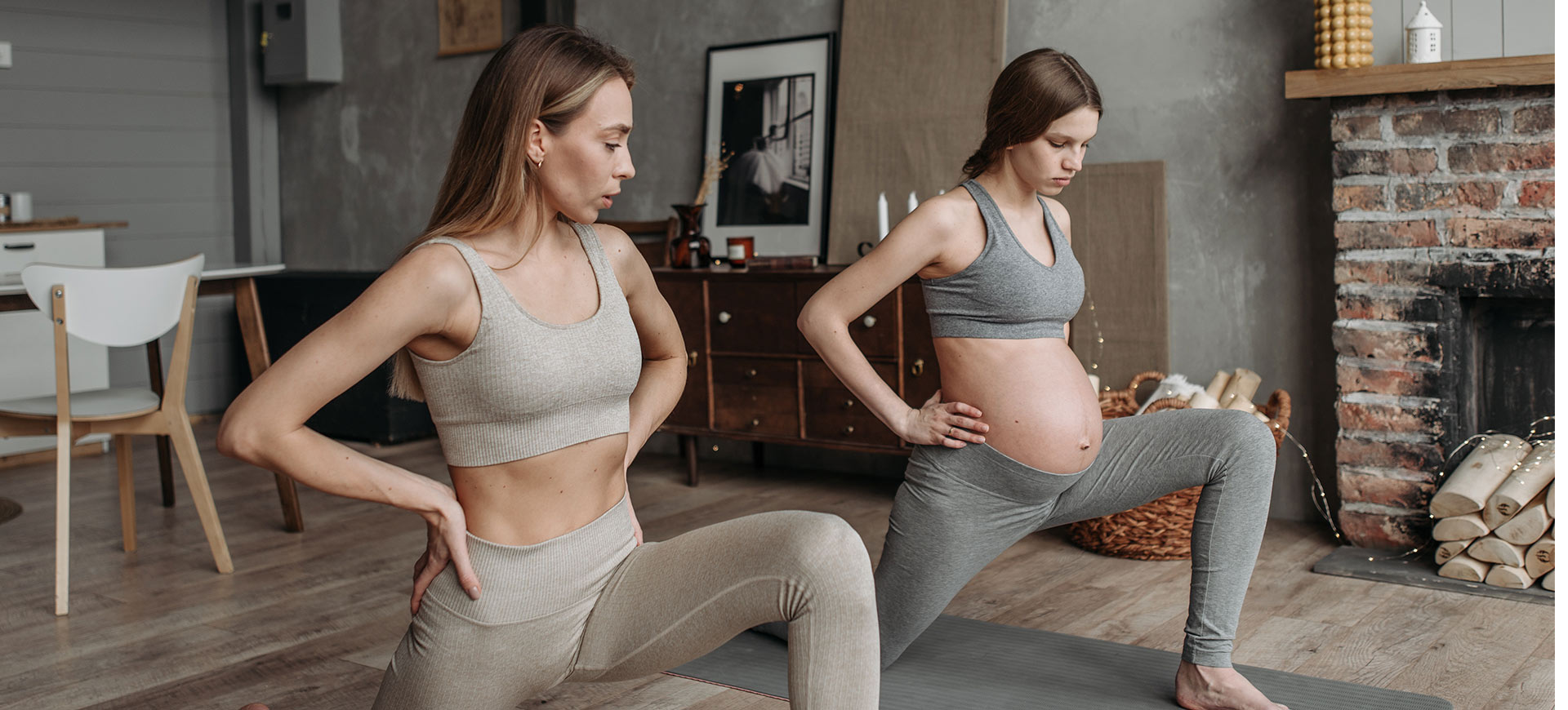
Image Source: www.momoyoga.com
Learning About Prenatal Yoga Benefits
Doing yoga while pregnant offers many good things. These prenatal yoga benefits help support your body and mind as they change. Regular practice can make you feel better in many ways.
H4 Easing Aches and Pains
As your baby grows, your body shifts. This can cause new aches, especially in your back, hips, and legs. Gentle yoga poses can help stretch and strengthen the muscles that support your growing belly. This can ease back pain. It can also help with hip discomfort and swelling in your ankles and feet. Simple movements improve blood flow, which can reduce swelling and cramps.
H4 Improving Strength and Flexibility
Yoga helps you build strength without putting too much strain on your body. Strong legs and arms help you carry extra weight. A strong core supports your back and posture. Flexibility can also increase. This can be helpful during labor and birth. You learn to open your hips and soften your body.
H4 Helping with Breathing
Breathing is a big part of yoga. You learn to take deep, full breaths. This can help you feel calmer. It also helps make sure you and your baby get enough oxygen. During labor, controlled breathing is a powerful tool. Yoga teaches you how to breathe through intense feelings and stay focused. This is a major part of yoga for childbirth preparation.
H4 Reducing Stress and Anxiety
Pregnancy can bring worries and stress. Yoga helps calm the mind. Focusing on your breath and gentle movements can help you relax. It gives you a quiet time just for you. This can lower stress levels and make you feel more peaceful. Connecting with your body in a positive way also helps.
H4 Boosting Energy Levels
Even when you feel tired, gentle movement can give you more energy. Yoga gets your blood flowing. It helps fight fatigue. It can make you feel more awake and active during the day.
H4 Better Sleep
Many pregnant women have trouble sleeping. Finding a comfortable position can be hard. Worries might keep you awake. The relaxation parts of yoga can help you fall asleep more easily. Easing physical discomfort also helps you sleep better through the night.
H4 Connecting with Your Baby
Yoga offers a time to focus inward. You can pay attention to your baby’s movements. This special time helps you feel more connected to the little life inside you. It’s a quiet moment for bonding.
H4 Preparing for Labor and Birth
Many yoga poses and breathing techniques are directly helpful during labor. Hip-opening poses create space. Leg strength helps you stay in different positions. Learning to relax your pelvic floor muscles can aid birth. The focus and breath control learned in yoga are key skills for managing contractions. This makes yoga a great part of yoga for childbirth preparation.
In short, the benefits are wide-ranging. They cover physical comfort, mental well-being, and preparation for the big day.
Is Yoga Safe During Pregnancy? Knowing the Basics
As asked before, Is yoga safe during pregnancy? Yes, generally it is, but it depends on several things. Your health before pregnancy, how far along you are, and any pregnancy complications you might have all matter. It’s crucial to practice safe yoga during pregnancy.
The safest way to do yoga while pregnant is to attend prenatal yoga classes taught by instructors trained to work with pregnant bodies. These teachers know how to offer modified yoga for pregnancy poses. They understand the changes your body is going through. They know what poses are safe and what poses to avoid.
If you want to practice at home, use videos specifically made for prenatal yoga. Do not just follow a regular yoga class video. Your needs are different now.
Always listen to your body. If something feels wrong or causes pain, stop doing it. Pregnancy is not the time to push yourself too hard or try challenging poses you haven’t done before. Gentleness is key. This is why gentle yoga pregnancy practices are often recommended.
Exploring Yoga Poses for Pregnant Women
Many yoga poses are wonderful for pregnant women. But they often need changes as your belly grows. Yoga poses for pregnant women focus on creating space, building strength, and easing tension. Here are some examples:
H4 Poses for Comfort and Space
- Cat-Cow Pose (Marjaryasana-Bitilasana): This simple movement is great for warming up the spine. It eases back pain.
- Start on your hands and knees.
- Breathe in, drop your belly, lift your chest and tailbone (Cow).
- Breathe out, round your back, tuck your chin and tailbone (Cat).
- Move slowly with your breath.
- Child’s Pose (Balasana): A resting pose that can be done with knees wide apart to make space for the belly. It calms the mind.
- Kneel on the floor.
- Spread your knees wide, wider than your hips.
- Sit back on your heels.
- Fold forward, resting your torso between your thighs.
- Rest your forehead on the floor or on a block.
- Bound Angle Pose (Baddha Konasana): This opens the hips and groins. It can help ease pressure in the pelvis.
- Sit on the floor.
- Bring the soles of your feet together.
- Let your knees fall out to the sides.
- You can place blocks under your knees for support.
- Sit tall, keeping your back straight.
- You can lean forward gently from your hips if it feels good. Keep your back long.
- Squatting Poses (like Garland Pose – Malasana): Squatting can help open the pelvis. This is useful for labor preparation. Use a wall or chair for support if needed.
- Stand with feet slightly wider than hips.
- Turn your toes out a bit.
- Bend your knees and lower your hips towards the floor.
- Bring your hands to your heart or place elbows inside knees.
- Keep your back straight. Use a block under your hips if they don’t reach the floor.
H4 Poses for Strength
- Warrior II (Virabhadrasana II): Builds leg strength and opens the hips. It helps with balance.
- Step your feet wide apart.
- Turn one foot out 90 degrees.
- Turn the back foot in slightly.
- Bend the front knee over the ankle. Keep the knee pointing forward.
- Extend your arms out to the sides at shoulder height.
- Look over your front hand.
- Keep your torso stacked over your hips.
- Triangle Pose (Trikonasana): Stretches the sides of the body and legs. It helps with balance and opens the chest.
- Step your feet wide apart.
- Turn one foot out 90 degrees.
- Turn the back foot in slightly.
- Straighten both legs (but don’t lock the knees).
- Reach your front hand forward, then lower it to your shin, ankle, or a block.
- Reach your top arm straight up.
- Look forward, up, or down.
- Keep your body in one flat line.
- Chair Pose (Utkatasana) – Modified: Good for leg strength. Avoid going too deep.
- Stand with feet hip-width apart.
- Bend your knees as if sitting in a chair. Don’t go too low.
- Keep your back straight.
- Raise your arms forward or overhead.
- This can be done with your back against a wall for support.
H4 Poses for Relaxation
- Legs-Up-the-Wall (Viparita Karani) – Modified: Eases swelling in the legs and feet. Helps you relax. Use support under your hips. Avoid lying flat on your back for long periods in later pregnancy.
- Sit with one hip close to a wall.
- Swing your legs up the wall as you lie back.
- Your body should be in an ‘L’ shape.
- Place a blanket or bolster under your hips for comfort and to keep your belly from pressing down too much on your organs.
- Rest your arms out to the sides or on your belly.
- Stay here for 5-15 minutes.
- Savasana (Corpse Pose) – Modified: Final resting pose. Essential for relaxation. Never lie flat on your back in later pregnancy. Use props to prop yourself up.
- Lie on your left side.
- Place a cushion or bolster between your knees.
- Place another cushion or blanket under your head.
- You can place a third cushion under your belly for support.
- Get as comfortable as possible.
- Let your body become heavy and soft.
- Relax your muscles from head to toe.
- Focus on your breath.
Grasping Modified Yoga for Pregnancy
As your pregnancy moves forward, your body changes a lot. What felt okay in the first trimester might not feel good in the second or third. This is why modified yoga for pregnancy is so important. Modifications make poses safe and comfortable for your changing body.
H4 Reasons for Modifications
- Growing Belly: As your belly expands, it changes your center of gravity. It also affects how you can bend and twist. Poses need to make space for the belly. Lying flat on your stomach is not possible. Lying flat on your back should be avoided after the first trimester (around 16 weeks) because the weight of the uterus can press on a major blood vessel (the vena cava). This can reduce blood flow to you and your baby.
- Ligament Loosening: Pregnancy hormones like relaxin make your ligaments looser. This is to help your pelvis open for birth. But it also means your joints are less stable. You need to be careful not to overstretch. Go gently into poses. Don’t push into deep stretches.
- Balance Changes: Your shifting weight can make you feel less stable. Poses might need support from a wall, chair, or props. Avoid poses where falling could be a risk.
- Energy Levels: Some days you might feel full of energy, others very tired. Modify your practice based on how you feel each day. Gentle movements are fine even when you’re tired.
- Specific Aches or Issues: If you have pelvic pain (like SPD), back pain, or other issues, some poses might need changes or should be skipped.
- Blood Pressure: Rapid changes in position can affect blood pressure. Move slowly when coming up or down from poses. Avoid inversions (like headstands) unless you did them regularly before pregnancy and have an experienced prenatal teacher’s guidance. Even then, they are often not recommended.
H4 How to Modify Poses
- Use Props: Blocks, bolsters, blankets, and straps are your friends. Use blocks under your hands in standing poses to bring the floor closer. Use a bolster to prop yourself up in Savasana or seated poses. Use a blanket under your knees for comfort.
- Widen Your Stance: In standing or seated poses, widen your feet or knees to make room for your belly.
- Avoid Lying Flat: As mentioned, don’t lie flat on your back after the first trimester. Prop yourself up or lie on your side. Avoid lying flat on your stomach at any stage.
- Limit Twists: Avoid deep closed twists (where you twist into your belly). Open twists (twisting away from your belly) can be done gently, leaving plenty of space.
- Go Gentle: Don’t push into stretches. Find a gentle edge and breathe there. Focus on feeling good and safe, not on achieving a certain shape.
- Listen to Your Body: This is the most important modification. If a pose doesn’t feel right, don’t do it. Rest in Child’s Pose or another comfortable position.
Knowing What’s Safe Yoga During Pregnancy
Beyond specific pose changes, overall safe yoga during pregnancy involves certain principles.
H4 Always Talk to Your Provider
Before starting any exercise program, including yoga, talk to your doctor, midwife, or healthcare provider. They know your health history and can tell you if yoga is safe for you based on your specific pregnancy.
H4 Find a Qualified Instructor
Ideally, join a prenatal yoga class led by an instructor who has special training in working with pregnant women. They understand the specific needs and risks of pregnancy yoga. If doing online classes, choose those clearly labeled for prenatal yoga.
H4 Listen to Your Body (Again)
Your body gives you signals. Pay attention. If you feel dizzy, nauseous, sharp pain, cramping, or any other discomfort, stop immediately and rest. Don’t try to push through pain.
H4 Stay Hydrated
Drink plenty of water before, during, and after your yoga session. Pregnancy increases your need for fluids.
H4 Avoid Overheating
Don’t practice in hot, humid rooms. Avoid hot yoga styles like Bikram yoga while pregnant. Overheating can be dangerous for your baby. Make sure the room is well-aired and comfortable.
H4 No Deep Backbends or Twists
Avoid poses that put pressure on your belly or compress your spine too much. Deep backbends can strain abdominal muscles that are already stretched. As noted, avoid deep closed twists.
H4 Be Mindful of Balance
As your center of gravity shifts, you might feel less steady. Use a wall or chair for support in standing poses if needed. Avoid challenging balancing poses.
H4 Avoid Poses with Risk of Falling
Inversions like headstand or handstand carry a risk of falling. These should be avoided unless you were doing them regularly before pregnancy and have expert guidance, but even then they are often considered too risky.
H4 No Jumping or Quick Movements
Keep movements slow and controlled. Avoid hopping, jumping, or sudden changes in position.
H4 Avoid Lying Flat on Your Back
As discussed, avoid lying flat on your back after the first trimester. Use props to elevate your upper body or lie on your left side.
Discovering the Best Yoga Styles for Pregnancy
Not all yoga styles are equal when you’re pregnant. The best yoga styles for pregnancy are typically gentle, slow-paced, and focus on safe movements and relaxation.
H4 Prenatal Yoga
This is the top choice. These classes are designed specifically for pregnant bodies. Instructors are trained in modifications and understand common pregnancy issues. The poses, breathing, and focus are all tailored to support you during pregnancy and prepare for birth.
H4 Hatha Yoga
Gentle Hatha yoga can be suitable, but you must be prepared to modify poses yourself or ensure the instructor is comfortable guiding you with pregnancy modifications. Hatha often holds poses for a few breaths, which can be good for building gentle strength and body awareness.
H4 Restorative Yoga
This style uses lots of props to support the body in gentle stretches and poses held for longer periods. It’s very relaxing and good for easing tension and reducing stress. It’s generally safe, but you still need to avoid lying flat on your back and make sure props support your belly comfortably.
H4 Gentle Flow or Vinyasa (with caution)
A very gentle Vinyasa or flow class might be okay in the first trimester if you were doing it before pregnancy. However, as pregnancy progresses, the faster pace and frequent transitions can be challenging and less suitable. If you choose a gentle flow, you must be very mindful of modifications, skip poses that don’t feel right, and be careful with linking breath to rapid movement, especially if you feel out of breath. Prenatal or Restorative are usually better choices.
H4 Styles to Avoid
- Hot Yoga (Bikram, Hot Vinyasa): Dangerous due to the risk of overheating.
- Power Yoga / Ashtanga: Too physically demanding and fast-paced with many poses not suitable for pregnancy.
- Inversions-focused classes: Avoid classes centered around challenging inversions.
- Any style that encourages pushing limits or competition: Pregnancy is a time for nurture, not strain.
Stick to gentle, supportive styles where listening to your body and modifying is encouraged.
Knowing About Risks of Yoga During Pregnancy
While yoga is generally safe and beneficial, there are potential risks if not done correctly or if you have certain health conditions. Knowing the risks of yoga during pregnancy helps you stay safe.
H4 Overstretching and Injury
Due to looser ligaments, it’s easier to overstretch muscles or strain joints. Be gentle. Do not push past a comfortable range of motion. Avoid deep stretches, especially in the hips and hamstrings.
H4 Dizziness or Fainting
Rapid changes in position, holding your breath, or overheating can lead to dizziness. Always move slowly when transitioning between poses, especially when coming up from a forward bend or lying down position. Make sure you are hydrated and not too hot.
H4 Reduced Blood Flow to the Baby
Lying flat on your back after the first trimester can compress the vena cava, a large vein that returns blood to your heart. This can reduce blood flow to your baby. Always modify Savasana and other poses to avoid lying flat on your back.
H4 Falling
Balance changes increase the risk of falling, especially in standing poses or transitions. Use support like a wall or chair. Avoid poses where a fall could cause harm.
H4 Overheating
Practicing in a hot environment can raise your body temperature, which can be harmful to the developing baby. Avoid hot yoga.
H4 Diastasis Recti
Certain poses, especially traditional core exercises like crunches or poses that require strong front-body opening with backbending, can worsen or contribute to diastasis recti (separation of the abdominal muscles). Prenatal yoga avoids these or offers safe alternatives. Listen for doming or bulging in your belly during poses, which can be a sign of pressure on the midline.
H4 Pushing Too Hard
Pregnancy is not the time for intense workouts or trying advanced poses. Pushing your limits can lead to fatigue, strain, or injury.
These risks are mostly avoidable by practicing safe, modified prenatal yoga with a qualified instructor and listening carefully to your body.
Fathoming Yoga Contraindications Pregnancy
In some situations, yoga might not be safe at all during pregnancy. These are called yoga contraindications pregnancy. If you have any of the following conditions, you should not do yoga or any exercise unless specifically cleared by your doctor, and likely with significant restrictions:
- High-risk pregnancy (e.g., history of premature labor)
- Certain types of heart or lung disease
- Pre-eclampsia or high blood pressure related to pregnancy
- Vaginal bleeding
- Placenta previa (placenta covering the cervix)
- Cervical insufficiency (cervix opening too early)
- Restricted fetal growth
- Any other condition your doctor advises against exercise for
If your pregnancy is complicated, your healthcare provider might recommend complete rest or very limited activity. Always follow their advice.
Even in a low-risk pregnancy, if you experience any warning signs like vaginal bleeding, severe pain, dizziness, or decreased fetal movement during or after yoga, stop immediately and contact your healthcare provider.
Emphasizing Gentle Yoga Pregnancy
The term gentle yoga pregnancy captures the right approach. Pregnancy yoga is not about intensity or achievement. It’s about support, comfort, and preparation.
H4 Focus on Nurturing, Not Pushing
Think of your yoga practice as caring for yourself and your baby. Choose movements that feel nourishing. Let go of any idea of needing to “work out hard.” Gentle movement, stretching, and breathing are the goals.
H4 Prioritize Breath and Relaxation
Two of the most valuable tools you gain from prenatal yoga are breathing techniques and the ability to relax deeply. Spend time focusing on your breath. Practice relaxation poses like modified Savasana. These skills are incredibly helpful during labor and the postpartum period.
H4 Shorter Practice is Fine
You don’t need long, intense sessions. Even 15-20 minutes of gentle stretching and breathing can make a big difference. Do what feels manageable on any given day.
H4 Listen to Your Pelvic Floor
Become aware of your pelvic floor muscles. Gentle yoga can help you learn to engage and relax these muscles, which is crucial for birth and recovery. Avoid poses that put too much downward pressure on the pelvic floor.
H4 Community and Support
If possible, join a prenatal yoga class. Being with other pregnant people creates a supportive community. You can share experiences and feel less alone.
Gentle movement respects the profound changes happening in your body. It helps you adapt gracefully and prepare physically and mentally.
Deepening Yoga for Childbirth Preparation
One of the most powerful aspects of prenatal yoga is its role in yoga for childbirth preparation. It’s not just physical; it’s also mental and emotional.
H4 Building Physical Stamina
Labor can be physically demanding. Strengthening your legs, back, and arms helps you stay comfortable and supported in various labor positions. Poses that open the hips create space and can help the baby descend.
H4 Learning Breath Control
Yoga breathwork (pranayama) teaches you to breathe deeply and calmly. This is a vital tool for managing labor contractions. You learn to breathe through intensity, staying present and focused. Focused breathing can help reduce the perception of pain and keep you from tensing up.
H4 Practicing Relaxation Techniques
Labor requires surges of intense work followed by periods of rest. Yoga teaches you how to relax deeply between contractions. This helps you conserve energy and manage discomfort more effectively. Modified Savasana and guided relaxation are key.
H4 Finding Different Positions
Prenatal yoga often explores different upright or forward-leaning positions that can be helpful during labor. Squats, kneeling poses, and hands-and-knees poses can use gravity to help the baby move down and may ease back labor.
H4 Building Body Awareness
Yoga helps you become more aware of your body’s signals. This is important during labor, as you learn to listen to your body’s needs and instincts. You learn to sense tension and actively release it.
H4 Cultivating Mental Strength
Labor can be mentally challenging. Yoga helps build focus, patience, and the ability to stay calm in the face of discomfort. It encourages a positive mindset towards birth.
H4 Connecting with Your Partner (Optional)
Some prenatal yoga classes include partners, teaching them poses and techniques to help support you during labor. This can strengthen your connection and give your partner practical ways to assist you.
Think of your prenatal yoga practice as training for a marathon – the marathon of labor and birth. You are building strength, endurance, and mental resilience.
Tips for Starting and Continuing Yoga in Pregnancy
Ready to give it a try? Here are some tips:
- Get clearance from your doctor: This is step number one.
- Find a prenatal class: This is ideal for safety and community.
- If practicing at home, use prenatal resources: Look for videos or books specifically for pregnant women.
- Gather your props: Have blankets, cushions, blocks, and maybe a strap handy.
- Choose a comfortable space: Find a quiet spot where you have room to move.
- Wear comfortable clothes: Choose clothes that allow you to move freely.
- Listen to your body, always: If it doesn’t feel right, don’t do it.
- Start slowly: Don’t try to do too much at once.
- Be consistent: A little bit several times a week is better than one long, infrequent session.
- Stay hydrated: Keep water nearby.
- Be patient and kind to yourself: Your body is doing amazing work. Appreciate it.
- Modify poses as needed: Don’t try to do poses the way you did before pregnancy or the way others in a class might be doing them.
- Finish with relaxation: Always end your practice with a modified Savasana.
Sample Gentle Yoga Pregnancy Session Outline
Here is a simple plan for a short, gentle home practice.
H4 Getting Started
- Find a comfortable seated position (on cushions if needed).
- Close your eyes or soften your gaze.
- Place hands on your belly.
- Notice your breath. Breathe in through your nose, breathe out through your nose or mouth.
- Take 5-10 slow, deep breaths.
- Do some gentle neck rolls and shoulder rolls.
H4 Warm-up and Gentle Movement
- Move to hands and knees. Place a blanket under knees for comfort.
- Do Cat-Cow Pose (5-10 rounds).
- Move hips side to side gently.
- Come to Child’s Pose (knees wide) to rest (a few breaths).
H4 Standing Poses (near a wall for support)
- Stand with feet hip-width apart. Gentle arm raises.
- Walk feet wide for Warrior II (hold for a few breaths on each side). Use a wall if needed.
- Come back to center. Gentle hip circles.
H4 Seated or Floor Poses
- Come to a comfortable seated position (like Bound Angle Pose).
- Sit tall. Gently breathe.
- Try a seated gentle side stretch (reach one arm up and over).
- Move to hands and knees, then lower to forearms and knees.
- Do some gentle pelvic tilts (tuck tailbone under, then release).
H4 Relaxation
- Prepare for modified Savasana on your left side with cushions between knees and under head/belly.
- Get completely comfortable.
- Close your eyes.
- Focus on your breath.
- Scan your body, noticing any tension. Release it with each out-breath.
- Stay here for 5-10 minutes.
- Slowly wiggle fingers and toes.
- Gently stretch if it feels good.
- Slowly press up to a seated position.
- Bring hands to heart. Take a final deep breath.
This is just an example. A full prenatal class will offer more variety and detailed guidance.
Frequently Asked Questions (FAQ)
H4 Q: When Can I Start Prenatal Yoga?
Most women can start prenatal yoga anytime in their pregnancy, often after the first trimester (around 12-14 weeks) when energy levels might improve and nausea decreases. However, if you had a strong yoga practice before pregnancy and your doctor says it’s okay, you might be able to continue a modified practice earlier. Always get your doctor’s okay first.
H4 Q: How Often Should I Do Prenatal Yoga?
Doing yoga 2-3 times a week is a good goal to feel the benefits. But even once a week or short daily practices are helpful. Do what feels realistic and manageable for you.
H4 Q: Can I Do Regular Yoga Classes Instead of Prenatal?
It’s not recommended, especially after the first trimester. Regular yoga classes might include poses or flows that are not safe during pregnancy. Instructors might not know how to offer proper modifications. Prenatal yoga is specifically designed for your changing body and needs.
H4 Q: What If a Pose Hurts?
Stop immediately. Pregnancy is not the time to push through pain. Listen to your body. Rest in Child’s Pose or another comfortable position. Talk to your instructor if you are in a class.
H4 Q: Is It Safe to Do Yoga Up Until My Due Date?
Yes, many women continue practicing gentle yoga right up until labor begins. It can help you stay comfortable and prepare for birth. Again, listen to your body and adjust your practice as needed in the final weeks.
H4 Q: Can Yoga Help with Postpartum Recovery?
Yes, gentle yoga and breathing exercises can be very helpful for postpartum recovery once your doctor clears you for exercise (usually around 6 weeks after vaginal birth, longer after a C-section). Specific poses can help rebuild core and pelvic floor strength and ease tension from caring for a newborn. Look for postnatal yoga classes.
In Conclusion
Doing yoga during pregnancy can be a safe and wonderful way to care for yourself. The prenatal yoga benefits are many, helping ease discomfort, build strength, calm the mind, and prepare you for childbirth. By understanding safe yoga during pregnancy practices, seeking out modified yoga for pregnancy guidance, knowing the risks of yoga during pregnancy and yoga contraindications pregnancy, and embracing gentle yoga pregnancy styles, you can enjoy a supportive and enriching practice throughout your journey to becoming a mother. Remember to always listen to your body and consult with your healthcare provider. Enjoy this special time and the peace that yoga can bring.