
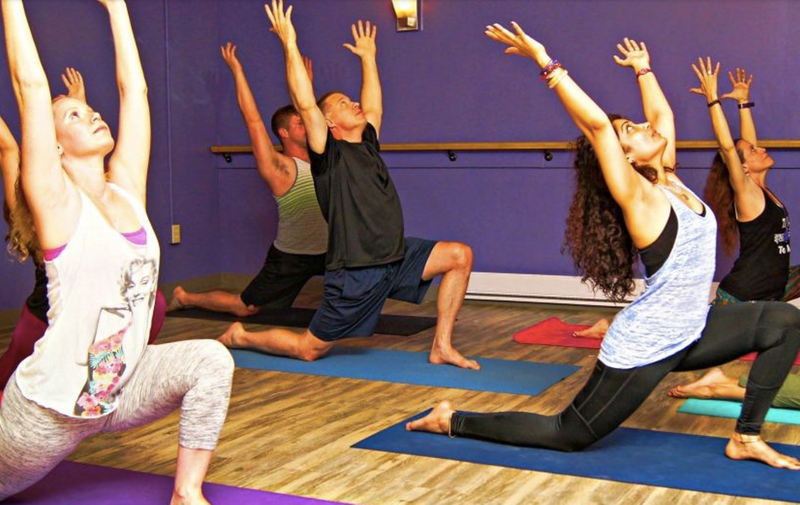
Image Source: static.mywebsites360.com
Essential Tips Guide: How To Prepare For Hot Yoga Class
Getting ready for hot yoga is simple if you know a few key things. What to wear for hot yoga is usually light, moisture-wicking clothes. What to bring to hot yoga should include a mat, a towel made for hot yoga, and lots of water. For hydration before hot yoga, start drinking water hours ahead of time. Eating before hot yoga is best done 2-3 hours before class, choosing light, easily digested foods. This timing helps prevent discomfort during the practice.
Hot yoga can be a great workout and a calming practice. It is done in a heated room, often between 95°F and 105°F (35°C to 40°C), sometimes with humidity added. This heat helps your muscles relax more deeply and makes you sweat a lot, which some people feel helps detoxify the body.
Preparing for your first hot yoga class or getting ready for your next session is key to having a good experience. This guide gives you practical steps and hot yoga beginner tips to feel ready and comfortable in the warm room.
Getting Your Gear Ready
Bringing the right things with you makes a big difference in hot yoga. The heat and sweat mean you need specific items that you might not need for regular yoga.
What to Bring to Hot Yoga
Your yoga bag for hot yoga will look a bit different from a regular class bag. Here are the important items:
- Yoga Mat: You need a mat that offers good grip, even when wet. Some mats become slippery when wet.
- Yoga Mat Towel: This is very important for hot yoga. A special yoga mat towel hot yoga absorbs sweat and covers your mat to stop you from slipping.
- Water Bottle: A full water bottle hot yoga is a must. You will sweat a lot and need to replace fluids.
- Small Towel: Besides the mat towel, a small towel for wiping sweat from your face and body is helpful.
- Change of Clothes: After class, you will likely be very sweaty. Fresh clothes feel great.
- Flip-flops or Sandals: Easy-to-wear shoes for before and after class are good, as you practice barefoot.
Think of this as your hot yoga essentials list. Having these items ready before you leave home saves you stress.
Choosing the Right Yoga Mat
Your mat is your personal space. In hot yoga, it also needs to keep you safe.
- Grip Matters: Look for mats designed for hot yoga or those known for good wet grip. Some standard mats get very slippery.
- Material: Mats made from natural rubber or special PU materials often offer better grip in sweaty conditions than traditional PVC mats.
- Thickness: A standard thickness (around 4-6mm) is usually fine. Too thin might not cushion well, too thick might be unstable.
- Cleaning: Hot yoga mats get very sweaty. Choose a mat that is easy to wipe down and clean well after each class.
You can also put a mat towel on top of almost any mat to make it work for hot yoga.
The Importance of a Yoga Mat Towel
Do not skip this item! A yoga mat towel hot yoga is perhaps the most crucial piece of gear besides your mat and water.
- Sweat Absorption: Hot yoga towels are made from special microfiber materials that soak up sweat quickly.
- Slip Prevention: By covering your mat, the towel gives you a grippier surface to practice on, even when your mat is wet with sweat. This stops your hands and feet from sliding.
- Hygiene: It adds a layer between you and your mat, which is good for hygiene in a sweaty environment.
- How to Use: Lay the towel over your mat. Some towels have silicone dots on the bottom to help them stay in place. You might need to slightly dampen parts of the towel (where your hands and feet go) at the start of class to activate its grip.
Having a good mat towel greatly improves your safety and comfort during class.
Selecting Your Water Bottle
Staying hydrated is vital. Your water bottle hot yoga should be easy to use and hold enough water.
- Size: Bring a bottle that holds at least 24-32 ounces (about 700ml to 1 liter). Some people prefer even larger bottles.
- Material: Reusable bottles are eco-friendly. Stainless steel or durable plastic are good choices.
- Lid: A leak-proof lid is a must. An easy-open top (like a sport cap) lets you drink quickly between poses.
- Keep it Cold: An insulated bottle can keep your water cool during the hot class, which is very refreshing.
Fill your bottle completely before you leave home. There might not be a place to fill it easily at the studio, or you might arrive just in time.
Getting Ready Physically
Your body needs to be prepared for the heat and the physical effort of hot yoga. This involves thinking about what you eat and drink.
Hydration Before Hot Yoga
This is incredibly important. You will sweat more in one hot yoga class than you might all day.
- Start Early: Do not just drink water right before class. Begin hydrating several hours before. Drink water steadily throughout the day.
- More Than Just Water: While water is best, consider adding electrolytes if you sweat heavily normally or have trouble staying hydrated. You can get electrolytes from drinks like coconut water, sports drinks (choose those lower in sugar), or electrolyte powders added to water.
- Listen to Your Body: If you feel thirsty, you are already starting to dehydrate. Drink consistently before you feel thirsty.
- How Much? There is no exact amount, but aim to be well-hydrated when you arrive. Your urine should be light yellow or clear, not dark.
Arriving dehydrated can make you feel dizzy, weak, or sick in the hot room. Proper hydration before hot yoga sets you up for success and helps prevent overheating.
Eating Before Hot Yoga
What and when you eat affects how you feel during twists, bends, and maybe inversions in the heat.
- Keep it Light: Heavy meals can sit in your stomach and feel very uncomfortable when you are moving around and sweating in the heat.
- Easily Digested Foods: Choose simple foods like fruit (a banana is good), a small handful of nuts, yogurt, or a piece of toast with jam.
- How Long Before Hot Yoga to Eat: The general rule is to avoid eating a large meal for at least 2-3 hours before class. A small snack (like a banana) can be eaten about 45-60 minutes before if you are hungry, but test what works for you.
- Avoid: Heavy, fatty, spicy, or very fibrous foods right before class. These take longer to digest and can cause discomfort, nausea, or heartburn in the heat.
It’s better to be slightly hungry than to feel overly full or have digestive issues during class. Learn what your body likes before exercise in heat.
What to Wear for Hot Yoga
Choosing the right clothes makes you feel much more comfortable and lets you move freely, even when you are very sweaty.
- Fabric is Key: Look for moisture-wicking fabrics. These pull sweat away from your skin, helping it evaporate and keeping you feeling drier than cotton, which just gets heavy and wet.
- Avoid Cotton: Cotton is a bad choice for hot yoga. It absorbs sweat and stays wet, making you feel heavy, cold when the sweat cools, and can cause chafing.
- Fit: Wear clothes that fit well but allow for full range of motion.
- Tops: Women often wear sports bras, tank tops, or crop tops. Men might wear tank tops or go shirtless (check studio rules). Choose tops that won’t fall over your head in inversions.
- Bottoms: Shorts or capri leggings are popular for both men and women. Some prefer full-length leggings. Make sure they aren’t see-through when stretched and stay in place when you move. Men often wear compression shorts or briefs under looser shorts.
- Keep it Minimal: The less fabric, the cooler you might feel, but wear what you are comfortable in. Remember you will be bending and moving in various ways.
- Hair: Tie long hair back so it does not get in your face or stick to your sweaty neck and back.
Feeling comfortable in your clothes lets you focus on your practice, not your wardrobe.
Pre-Class Warm-up (Optional, but helpful)
Before entering the hot room, doing a little gentle movement can help.
- Light Stretching: A few simple stretches like calf stretches, hamstring stretches, or arm circles can loosen up muscles.
- Gentle Breathing: Take a few deep breaths to calm your mind and connect with your body.
- Acclimatize: Spend a few minutes in the reception area or a slightly cooler part of the studio before going into the hottest part.
This is just to get your body and mind slightly ready. The hot room itself will provide a significant warm-up effect quickly.
Preparing Mentally
Your first hot yoga class, or even subsequent classes, can feel intense due to the heat. Mental preparation is just as important as physical.
Hot Yoga Beginner Tips
If you are preparing for first hot yoga class, here are some specific tips to help you feel less nervous and more confident:
- Arrive Early: Give yourself time to check in, find a spot, lay out your mat and towel, and get used to the heat before class starts. Rushing makes stress worse.
- Tell the Teacher: Let the instructor know it is your first time or that you are new to hot yoga. They can offer extra guidance or modifications.
- Find a Spot: Many beginners like to set up towards the back of the room to observe others, but anywhere you feel comfortable is fine. Avoid setting up right in front of the heaters.
- Listen to Your Body: This is the most important tip. The heat is intense. It is okay to rest in child’s pose or sit on your mat whenever you need to. Do not feel pressured to do every pose or hold it for the full time.
- Stay Hydrated During Class: Take sips of water whenever the teacher suggests or when you feel you need it. Do not chug water, just small sips.
- Focus on Breathing: Pay attention to your breath. Deep, steady breathing (Ujjayi breath, if you know it) helps calm the nervous system and can make the heat feel more manageable.
- It Gets Easier: The first class is often the hardest as your body gets used to the heat. It genuinely becomes easier with practice.
- Do Not Compare: Focus on your own practice. Do not worry about what others are doing. Everyone is at a different place in their yoga journey.
- Expect to Sweat: You will sweat A LOT. This is normal. It is part of the practice. Embrace it!
Going in with realistic expectations and a focus on listening to your body makes the first class much more enjoyable.
Setting Intentions (Optional)
Before class, you might take a moment to think about why you are there.
- What Do You Hope to Get? Maybe you want to feel stronger, more flexible, less stressed, or just try something new.
- Focus: Setting a simple intention, like “be present” or “listen to my body,” can give you something to focus on during the challenging parts of class.
This helps shift your focus from the discomfort of the heat to the purpose of your practice.
In the Hot Yoga Studio
Knowing what to expect when you arrive and inside the room helps ease any anxiety.
Arrival and Check-in
- Time: Aim to arrive 15-20 minutes before the scheduled start time. This gives you plenty of time without feeling rushed.
- Studio Rules: If it is your first time, ask about their specific rules for hot yoga (e.g., where to put your bags, if shoes are allowed past the front desk, rules about talking in the yoga room).
Setting Up Your Space
- Choose Your Spot: Find a clear space for your mat. Unroll your mat and lay your hot yoga towel smoothly on top, making sure it covers the mat well.
- Place Your Water Bottle: Keep your water bottle hot yoga near the top of your mat where you can easily reach it. Your small sweat towel can go there too.
- Personal Items: Leave phones, keys, and bags outside the yoga room, usually in lockers or cubbies provided by the studio.
- Quiet Zone: The yoga room is often a quiet space, especially as class time approaches. Keep talking to a minimum and speak softly if needed. This helps everyone prepare mentally.
Understanding the Heat and Humidity
Comprehending the environment is key. The heat serves specific purposes.
- Warming Muscles: The heat helps muscles become more pliable and flexible, potentially allowing for deeper stretches than in a cooler room.
- Sweating: Sweating is the body’s way of cooling down. In hot yoga, it is increased. This is why hydration is so important.
- Focus: For some, the intensity of the heat requires more mental focus, helping to quiet the ‘monkey mind’ and stay present.
It is not about enduring misery, but about working with the heat while respecting your body’s limits.
Etiquette in the Hot Room
Following simple studio etiquette makes the experience better for everyone.
- Be on Time: Arriving late disrupts the class and the focus of others.
- Stay on Your Mat: Try to keep your practice contained to your mat space. Be mindful of others near you.
- Minimize Movement: Once class starts, try to stay in the room if possible. Leaving and re-entering can be disruptive and can make the heat feel more intense when you return. If you need to leave, do so quietly.
- No Talking: During the class itself, there is typically no talking unless the teacher is giving instructions.
- Wipe Down: Some studios ask you to quickly wipe down the floor around your mat after class if you dripped sweat outside your mat towel.
These simple rules help create a calm and respectful space for everyone’s practice.
After Your Hot Yoga Class
Preparation does not end when the final pose finishes. What you do immediately after is also important.
Rehydrate Properly
- Keep Drinking: Continue to drink water or an electrolyte drink after class. Your body is still recovering and rehydrating.
- Do Not Rush: Do not try to drink a huge amount too quickly. Sip steadily.
Changing and Cleaning Up
- Fresh Clothes: Put on your dry change of clothes. It feels wonderful.
- Clean Your Mat and Towel: This is crucial for hygiene and maintaining your gear.
- Drape your wet mat towel somewhere to air out immediately, or put it in a wet bag if you cannot hang it. Wash it soon.
- Wipe down your yoga mat with a mat-cleaning spray or a damp cloth. Let it air dry completely before rolling it up.
Eating Post-Class
- Replenish: After sweating so much, your body needs nutrients. Eat a balanced meal or snack that includes protein and carbohydrates within an hour or two after class.
- Healthy Choices: Fruits, vegetables, lean protein, and whole grains are good options.
Resting
- Take it Easy: Hot yoga is physically demanding. Give your body time to recover.
- Notice How You Feel: Pay attention to the effects of the practice on your body and mind.
Advanced Preparation Tips (For Regular Practitioners)
Once you are used to hot yoga, you might want to refine your preparation.
Deeper Hydration Strategies
- Track Your Intake: Pay closer attention to how much water and electrolytes you consume throughout the day, especially on days you practice hot yoga.
- Hydrating Foods: Eat foods with high water content like fruits (watermelon, strawberries) and vegetables (cucumbers, celery).
Experimenting with Pre-Class Meals
- Test Different Snacks: On different practice days, try slightly different light snacks to see what gives you the best energy without causing stomach upset.
- Timing Adjustments: Some people find they can tolerate a small snack closer to class over time. Listen to your body’s signals.
Gear Maintenance
- Regular Cleaning: Develop a routine for cleaning your mat and towels immediately after class to prevent odors and bacteria buildup.
- Multiple Sets: Having two sets of hot yoga gear (mat towel, outfit) can be helpful so one can be drying or in the wash while you use the other.
Listening to Your Body’s Limits
- Recognize Signs of Overheating: Be aware of symptoms like severe dizziness, nausea, headache, or confusion. If you feel these, rest immediately, leave the hot room if needed, and cool down.
- Modify Poses: Do not feel you have to do the advanced version of a pose every time. Modify as needed based on how you feel that day. The heat adds an extra challenge, and sometimes less is more.
Sample Hot Yoga Essentials List
Here is a quick overview of what to pack for hot yoga, serving as a handy checklist.
| Item | Why You Need It | Notes |
|---|---|---|
| Yoga Mat | Your base for practice, needs good grip. | Can be a standard mat used with a towel. |
| Yoga Mat Towel | Absorbs sweat, prevents slipping on your mat. | Look for microfiber specifically for hot yoga. |
| Water Bottle | To stay hydrated during and after class. | At least 24-32 oz, insulated keeps water cold. |
| Small Sweat Towel | To wipe sweat from face/body. | Any small, absorbent towel works. |
| Change of Clothes | For comfort after class. | Dry shirt, shorts, or underwear. |
| Flip-flops/Sandals | Easy to wear to and from the studio. | Convenient for public changing areas. |
| Wet Bag (Optional) | To carry wet towel/clothes home. | Keeps other bag items dry. |
| Electrolyte Mix (Opt) | For heavy sweaters or long classes. | Add to water. |
This list covers the main things you need to bring to hot yoga class.
The Mental Journey in Hot Yoga
Hot yoga is not just about the physical poses in a hot room. It is also a mental practice. The heat adds a layer that challenges your mind as well as your body.
- Building Focus: The intensity of the heat can make it harder to let your mind wander. This encourages you to stay present on your mat and in the moment.
- Developing Resilience: Learning to be comfortable in discomfort, like the heat, builds mental strength that can help you face challenges off the mat too.
- Practicing Acceptance: There will be times you feel tired, hot, or find poses difficult. Hot yoga teaches you to accept where you are without judgment.
Preparing for first hot yoga class mentally involves accepting that it will be challenging but also rewarding. It’s okay to feel overwhelmed at first. Breathe through it, rest when needed, and remember why you came.
What Happens During a Hot Yoga Class
A typical hot yoga class structure helps you know what to expect.
- Beginning: Classes often start with a brief centering period, focusing on breath. Then, gentle warm-up poses begin.
- Main Flow: The class moves into a series of poses (asanas). The style can vary (Bikram, Vinyasa, etc.), but poses will flow or be held for a time. The heat makes muscles feel warm quickly.
- Peak Poses: The teacher might introduce more challenging poses as the class progresses.
- Cool Down: The end of class usually includes seated or reclined stretches and often ends with Savasana (corpse pose), where you lie still to rest and absorb the benefits of the practice.
- Sweating: You will sweat throughout the class. It is important to stay hydrated by taking sips of water during breaks or when the teacher suggests.
Remembering that everyone is focused on their own practice can ease any self-consciousness, especially when preparing for first hot yoga class.
Potential Challenges and How to Handle Them
Even with good preparation, you might face some challenges. Knowing what they are can help you manage them.
Feeling Dizzy or Nauseous
- Cause: Often due to dehydration, low blood sugar, or simply adjusting to the heat.
- Solution: Rest immediately. Lie down in child’s pose or Savasana. Take sips of water. If it continues, calmly leave the room to cool down. Do not push through severe symptoms.
Slipping
- Cause: Sweat on the mat, especially if you do not have a good mat towel or dampened it slightly.
- Solution: Make sure your yoga mat towel hot yoga is properly covering your mat. If it’s still slippery, try dampening the hand and foot areas of the towel before class. Adjust your hands and feet positioning for better grip.
Overheating
- Cause: Not listening to your body, pushing too hard in the heat, dehydration.
- Solution: Rest, hydrate, focus on steady breathing. Leave the room if needed. It is always okay to take a break.
Muscle Cramps
- Cause: Dehydration, lack of electrolytes, or overexertion.
- Solution: Hydrate well before and after class, consider electrolytes. Gently stretch the cramped muscle. Do not force it.
By preparing well and listening closely to your body during the practice, you can minimize these issues and have a safe and beneficial experience. Preparing for first hot yoga class means accepting that you might experience some of these, and that is okay – it is part of learning.
Post-Yoga Care
Taking care of yourself after class helps with recovery.
- Replenish Fluids and Electrolytes: This is key as you have lost a lot through sweat.
- Gentle Movement: A short walk or gentle stretching can help prevent stiffness.
- Nutrition: A balanced meal helps restore energy and repair muscles.
- Rest: Allow your body time to recover, especially after your first few classes.
- Cleanliness: Showering soon after class washes away sweat and bacteria. Cleaning your gear promptly keeps it fresh.
This complete approach to preparation and post-class care helps you get the most out of hot yoga.
Frequently Asked Questions (FAQ)
h4> Can I leave the hot yoga room during class?
Yes, it is always okay to leave the room if you feel unwell, dizzy, or need a break. Try to do so quietly to minimize disruption. It is better to step out and cool down than to push yourself to a point of sickness or injury.
h4> Is hot yoga suitable for everyone?
Hot yoga can be intense due to the heat. It is generally not recommended if you are pregnant, have heart problems, high blood pressure, or certain other medical conditions. If you have any health concerns, talk to your doctor before trying hot yoga. Beginners should take it easy and listen to their bodies very carefully.
h4> How often should I do hot yoga?
This depends on your fitness level, goals, and how your body feels. Some people practice hot yoga daily, while others go 1-3 times a week or less. Listen to your body; rest days are important for muscle recovery.
h4> What is the difference between Bikram and other hot yoga styles?
Bikram yoga is a specific style with a set sequence of 26 poses and two breathing exercises, practiced in a room heated to 105°F (40°C) with 40% humidity. Other hot yoga classes might be different styles (like Vinyasa) simply done in a heated room. The temperature, humidity, and sequence can vary depending on the studio and teacher. Always check the studio’s class descriptions if you are looking for a specific style.
h4> My mat towel keeps slipping. What can I do?
Make sure the towel is designed for hot yoga and has silicone dots on the bottom to grip the mat. Try lightly dampening the areas of the towel where your hands and feet will be at the start of class – this often activates the grip of the microfiber towel material. Also, ensure your mat itself isn’t overly worn or slippery.
h4> What if I feel lightheaded during class?
This is a sign you need to rest. Immediately go into child’s pose or lie down on your back. Focus on slow, deep breaths. Take sips of water. If the feeling does not pass quickly, quietly leave the room to get some cooler air. This usually means you need better hydration or need to slow down.
h4> Is it okay to drink water during poses?
Most hot yoga classes allow you to drink water between poses or during specific water breaks. Avoid gulping large amounts; small sips are better for digestion while moving. Do not feel you have to wait for the teacher to say “drink water” if you genuinely need a sip – just do so mindfully.
Preparing properly is the first step to enjoying hot yoga. With the right gear, hydration, and a mindful approach, you can make your experience safe and rewarding.