
Can you exercise after a root canal? The quick answer is yes, you can, but not right away. How soon can I exercise after root canal? Most dentists tell you to wait at least 24 hours before doing any kind of exercise. Some say wait longer, maybe 48 hours or even a few days, especially if your procedure was tricky or you still feel pain. It is important to give your body time to rest right after the treatment.
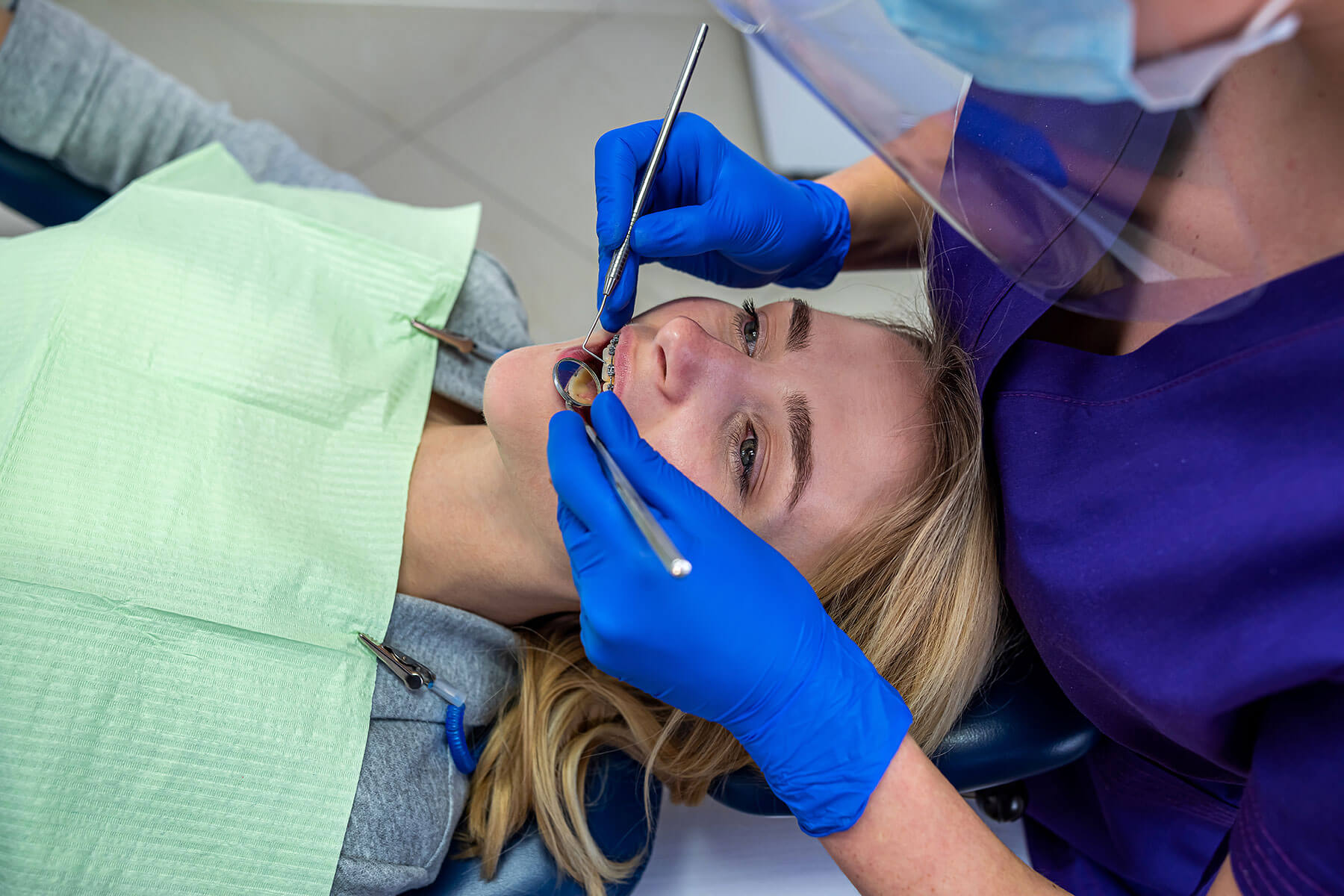
Image Source: www.supremedentistryhouston.com
What a Root Canal Does
Let’s first grasp what happens during a root canal. A root canal is a common dental treatment. It fixes a tooth that is badly decayed or infected. The dentist takes out the soft part inside your tooth. This part is called the pulp. The pulp has nerves and blood vessels. When it gets sick, it hurts a lot. The dentist cleans the inside of the tooth. They shape the space. Then they fill it with a special material. This seals the tooth. This helps save the tooth. It stops the pain and infection.
Why Rest After Dental Work
Why do dentists tell you to take it easy after a root canal? Your body needs time to heal. A root canal is a kind of surgery, even if it is on a small tooth. Your mouth has just gone through a procedure. There is often some swelling inside. The area might feel sore or tender. Your body uses energy to fix itself. Rest helps your body focus on healing the area where the root canal was done. Pushing your body too hard too soon can slow down this healing process.
Grasping Post-Procedure Healing
Healing time after root canal and exercise are closely linked. Right after the root canal, the area around the tooth is delicate. There might be stitches if the dentist had to cut the gum. Even without stitches, the tissue inside the tooth needs to settle down. Your body is working to reduce any swelling and fix the tissues. This healing takes a little time. You might feel numb for a few hours from the shot the dentist gave you. When the numbness goes away, you might feel some pain. This is normal. Taking prescribed pain medicine can help. Giving your body rest helps it heal faster and better.
Risks of Exercising Too Soon After Root Canal
Exercising after root canal side effects can happen if you do too much too soon. What are the risks of exercising too soon after root canal?
- Increased Swelling: Physical activity sends more blood flowing through your body. This includes your head and mouth. More blood flow to the root canal site can make swelling worse. Swelling after root canal exercise is a common problem if you do not wait long enough.
- More Pain: The area is already tender. Moving around a lot, especially with bouncing or jarring motions, can make the tooth and jaw hurt more.
- Bleeding: Sometimes, the dentist makes a small cut in the gum or works near the gum line. Heavy activity can raise your blood pressure. This can cause the small blood vessels to open up again. You might have some bleeding from the area. This is usually not a lot, but it is not good for healing.
- Feeling Unwell: After a dental procedure, some people feel a little tired or dizzy. Exercising can make you feel worse.
- Dislodging the Temporary Filling: The dentist might put a temporary filling or crown on the tooth. Vigorous activity could, in rare cases, cause this to loosen or fall out. This leaves the tooth exposed and could let bacteria back in.
These are the main post root canal exercise restrictions you need to think about. Taking it easy helps avoid these problems.
When Can You Return to Physical Activity?
This is the big question for many people: How soon can I exercise after root canal? As said before, waiting at least 24 hours is the general rule. But it really depends on how you feel and what your dentist says.
The First 24 Hours
During the first 24 hours, you should rest. Keep your head raised a bit, even when sleeping, to help with swelling. Eat soft foods. Do not rinse your mouth too hard. Do not drink alcohol. Do not smoke. And no exercise. Just relax. Watch TV, read a book, or listen to music.
Day 2 and Beyond
After 24 hours, you might feel better. You can think about light activity. What is light activity?
- A slow walk around your house.
- Gentle stretching.
- Doing small tasks around the house.
Avoid anything that makes your heart beat fast or makes you strain. If you feel any throbbing or discomfort in your tooth or jaw, stop. It is a sign you are doing too much.
When More Strenuous Activity Is Safe
Most people can go back to more normal physical activity after 48 to 72 hours. But it is very important to listen to your body. Are you still feeling pain? Is there swelling? If yes, wait longer.
Think about the healing time after root canal and exercise. A root canal takes time to heal inside the tooth and jawbone. While you might feel okay on the surface, the deeper healing is still happening. Pushing too hard can set back this healing.
Specific Exercise Types and Timelines
Let’s look at different kinds of physical activity after dental surgery like a root canal.
Running After Root Canal
Can you go running after a root canal? Running makes your heart pump fast. It increases blood flow everywhere. It also involves bouncing. This motion can be jarring. Running after root canal is generally not a good idea for the first 2 to 3 days. Starting back with running too soon can cause pain, swelling, and maybe bleeding. When you do start running again, go slow. Maybe just a short, easy jog at first. See how you feel. If it hurts, stop and wait another day or two. Build back up to your normal running speed slowly.
Heavy Lifting After Root Canal
What about going to the gym? Heavy lifting after root canal is probably one of the worst things you can do too soon. Lifting weights, especially heavy ones, makes you strain. It makes you clench your jaw, often without thinking about it. It really raises your blood pressure. This can cause throbbing pain and increase the chance of bleeding at the root canal site.
Avoid heavy lifting after root canal for at least 3 to 4 days. For very heavy weights, you might want to wait a full week. When you go back to the gym after root canal, start with much lighter weights than usual. Focus on more reps with less weight. See how your mouth feels. Avoid exercises that make you clench your teeth hard.
Gym After Root Canal: Other Activities
Going to the gym after root canal involves more than just lifting. What about cardio machines?
- Treadmill (walking): Okay for slow walking after 24 hours. Avoid running for 2-3 days.
- Elliptical: Less jarring than running. Might be okay for light use after 48 hours. Pay attention to how you feel.
- Stationary Bike: Often a good option. It is low impact. You can control the effort. Light pedaling might be okay after 24-48 hours. Avoid high resistance or sprinting.
- Swimming: The pressure changes and the motion might be uncomfortable. Also, public pools have bacteria. It might be better to wait a few days until the area is more healed. Ask your dentist.
Other Sports and Activities
- Yoga/Pilates: Gentle, low-impact forms might be okay after 24-48 hours, as long as you avoid positions where your head is lower than your heart for long periods (which can increase blood flow to the head). Avoid intense power yoga for a few days.
- Team Sports (Basketball, Soccer, etc.): These involve running, jumping, and possible contact. Definitely avoid these for several days, maybe even a week. A hit to the face or jaw while it is healing could be very bad.
- Contact Sports (Boxing, Martial Arts): These are high risk. You must wait until you are fully healed and have clearance from your dentist. Get a mouthguard when you return.
Table: Suggested Timeline for Return to Exercise
Remember, these are just general ideas. Always ask your dentist for advice based on your specific root canal and how you feel.
| Activity Type | When to Consider Starting (Listen to Body) | Things to Watch Out For |
|---|---|---|
| Rest (No Activity) | First 24 hours | Any pain, swelling, bleeding |
| Very Light Activity | 24-48 hours | Throbbing, increased pain, feeling unwell |
| Moderate Activity | 48-72 hours | Swelling after root canal exercise, bleeding, significant pain |
| Strenuous Activity | 3-7 days (or longer) | Pain, heavy throbbing, feeling pressure in the tooth |
| Heavy Lifting | 3-7 days (or longer) | Straining, jaw clenching, headache, throbbing |
| Contact Sports | 1 week + (with mouthguard) | Direct hits to the mouth/jaw |
This table gives you a simple guide for post root canal exercise restrictions.
Listening to Your Body: The Best Guide
More important than any timeline is how you feel. Your body will tell you if you are doing too much.
- Pain: If exercising makes the tooth or jaw hurt more than it did before you started, stop. Mild discomfort might be okay for light activity, but sharp or increasing pain is a red flag.
- Throbbing: Feeling a pulsing or throbbing in the tooth while exercising means blood flow is increasing there a lot. This can lead to more swelling and pain. Stop and rest.
- Swelling: If you notice swelling in your face or around the treated tooth gets bigger after exercising, you did too much. Swelling after root canal exercise indicates the area is stressed.
- Bleeding: Any bleeding from the mouth area after exercise is a sign you need to stop and rest more.
- Fatigue: If you feel unusually tired or weak, your body is telling you it is still healing.
These symptoms are your body’s way of telling you to slow down. Ignoring them can lead to complications and delay your healing time after root canal and exercise recovery.
Making a Safe Return to Exercise
When you do start exercising again, follow these tips for physical activity after dental surgery:
- Start Slow: Begin with much less intensity and duration than you normally do. If you usually run 5 miles, start with a 1-mile walk.
- Build Up Gradually: Do not try to do everything you did before the root canal on the first day back. Slowly increase how long and how hard you exercise over several days or a week.
- Stay Hydrated: Drink plenty of water before, during, and after your workout. This is good for overall healing.
- Avoid Clenching: Be mindful of whether you are clenching your jaw or teeth during certain exercises, especially lifting. Try to relax your jaw.
- Breathe Properly: Good breathing helps manage blood pressure.
- Keep the Area Clean: Follow your dentist’s instructions for cleaning your mouth. Gentle rinsing (saltwater rinse might be recommended) can help keep the area clean, but do not rinse too hard right after the procedure.
- Listen, Listen, Listen: Pay close attention to how your tooth, jaw, and the rest of your head feel. If something does not feel right, stop.
These simple steps help you manage post root canal exercise restrictions and reduce the risks of exercising too soon after root canal.
Factors Affecting Healing Time
Several things can affect how quickly you heal after a root canal and when you can safely return to exercise. Thinking about the healing time after root canal and exercise, consider these points:
- Complexity of the Procedure: Was it a simple root canal, or was it complicated? Did it take a long time? Was there a bad infection? More complex cases might need more recovery time.
- Your General Health: Are you generally healthy? Do you have conditions like diabetes that can slow down healing? Your overall health plays a big role.
- Your Body’s Healing Rate: Everyone heals at a different speed. Some people bounce back very fast, others take more time.
- Following Aftercare Instructions: Did you follow everything your dentist told you? This includes taking medicine, avoiding certain foods, and resting. Not following instructions can delay healing.
- Smoking: Smoking slows down healing. If you smoke, try to avoid it as much as possible after the procedure.
- The Tooth’s Location: Sometimes, the location of the tooth can slightly affect recovery, though this is less common for exercise readiness.
These factors influence your personal timeline. That is why talking to your dentist is key. They know your specific situation.
Signs You Might Need to Call Your Dentist
While some discomfort is normal after a root canal, certain signs mean you should call your dentist. Do not exercise if you have these problems:
- Severe pain that does not get better with medicine.
- Swelling that gets worse or spreads.
- Signs of infection, like a fever or pus.
- Bleeding that does not stop.
- Pain when biting or chewing that gets worse.
- The temporary filling or crown comes out.
If you try to exercise and these problems get worse, stop and call your dentist. This is part of understanding potential exercising after root canal side effects.
Long-Term Physical Activity After a Root Canal
Once the tooth is fully healed and has the final filling or crown, you should be able to return to all your normal physical activity after dental surgery. The tooth itself, having had the root canal, should not limit you. It no longer has nerves inside that can feel pain from heat or cold. However, it can still feel pressure. If you do heavy clenching during lifting or certain sports, the tooth and the bone around it can still feel that strain.
If you play contact sports, getting a custom mouthguard is highly recommended. This protects the tooth and your other teeth from injury. Even a tooth with a root canal can be broken or knocked out.
Summing Up When Exercise is Safe
So, to summarize when is it safe to exercise after a root canal:
- First 24 hours: No exercise. Rest completely.
- 24-48 hours: Maybe start with very light activity if you feel good. Think slow walking.
- 48-72 hours: Can often return to moderate activity like faster walking, light cycling, or gentle yoga, if you have little to no pain or swelling.
- 3-7 days: Can usually start back with more strenuous activity like running or going to the gym after root canal, if you are feeling well. Start slowly and build up.
- Heavy Lifting / Contact Sports: Wait longer, maybe 5-7 days or more, and start very light. Consider a mouthguard for contact sports.
Always put listening to your body first. If it hurts, stop. If you have concerns about exercising after root canal side effects, talk to your dentist. They can give you the best advice based on your personal healing.
FAQ: Your Questions Answered
Here are some common questions people ask about exercise after a root canal.
Can I walk after a root canal?
Yes, you can. A very slow, short walk around your house is usually okay after the first 24 hours if you feel up to it. Avoid fast walking or walking long distances in the first 1-2 days. Listen to your body.
Is it okay to bend over after a root canal?
Bending over increases blood pressure in your head, which can cause throbbing or bleeding at the site. Try to avoid bending over as much as possible for the first 24-48 hours. If you must pick something up, try squatting instead of bending from the waist.
Why does my tooth throb when I exercise after a root canal?
Throbbing means there is increased blood flow to the area. Exercise increases blood flow. Right after a root canal, the tissues are sensitive. Increased blood flow can cause pulsing pain or throbbing. This is a sign you are doing too much too soon.
Can I lift light weights after 2 days?
Maybe, but be very careful. “Light” is different for everyone. If you mean using small dumbbells for easy movements, it might be okay after 48 hours if you have no pain or swelling. Avoid anything that makes you strain or clench your jaw. Heavy lifting after root canal should wait longer.
What if I accidentally exercised too soon?
Do not panic. Stop exercising immediately. Check for increased pain, swelling, or bleeding. If you have any worrying symptoms, or if the pain gets much worse, call your dentist. Rest and follow your dentist’s aftercare instructions carefully from that point on.
How long before I can play sports like basketball or soccer?
These sports involve a lot of running, jumping, and the risk of hitting your mouth. It is best to wait at least 5-7 days, possibly longer, depending on your healing and the sport. Get clearance from your dentist before returning to contact sports.
Does exercise help or hurt healing?
Right after the procedure, exercise hurts healing by increasing risks like swelling and bleeding. Rest helps healing. Once the initial healing is done (usually a few days), light activity can help blood circulation, which is good. But the key is waiting through the initial sensitive period.
Choosing the right time to return to physical activity after dental surgery like a root canal is important for smooth healing. Prioritizing rest initially helps avoid complications and ensures you can get back to your full exercise routine safely sooner rather than later. Always check with your dentist if you are unsure.