
If you have a urinary tract infection (UTI), you might wonder if you can stay active. Can I exercise with UTI symptoms? The simple answer is maybe, but often it is best to rest. Exercising with UTI symptoms depends on how you feel. If your symptoms are mild, very gentle movement might be okay. But if you feel sick, tired, or have pain, exercise is not a good idea. Many people ask, can you work out with a urinary tract infection? For most people, resting helps your body fight the infection faster.
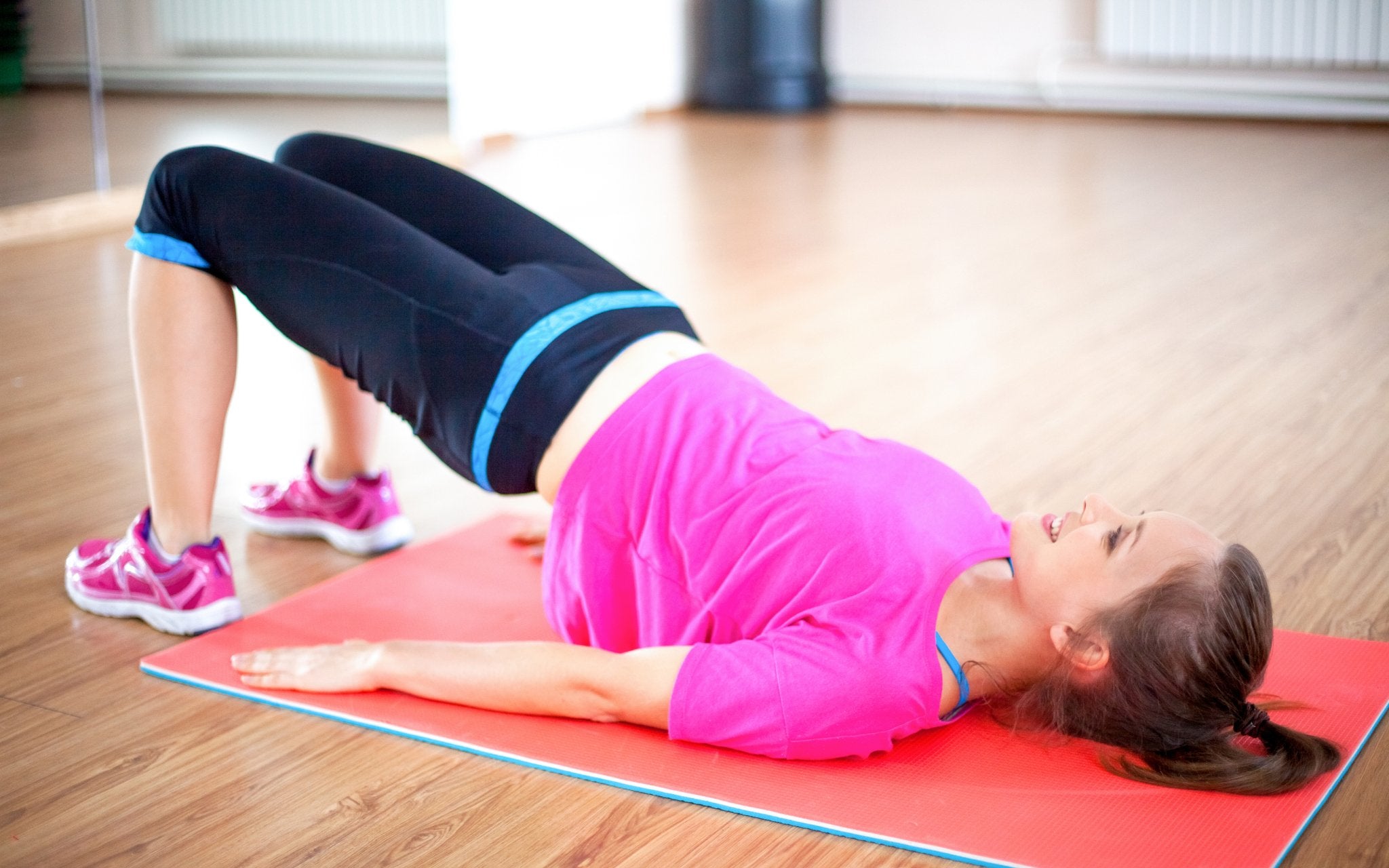
Image Source: www.utivahealth.com
What Happens When You Have a UTI?
A UTI is an infection. Tiny germs, usually bacteria, get into your urinary system. This system includes your kidneys, tubes from kidneys to bladder (ureters), bladder, and tube from bladder outside (urethra). Most UTIs affect the bladder. This is called cystitis.
Symptoms can vary. You might feel a strong need to pee often. You might feel pain or burning when you pee. Your pee might look cloudy or smell bad. You could feel pain low in your belly or back. Sometimes, you can feel tired and just not well. This feeling of being very tired is known as UTI fatigue.
Your body works hard to fight this infection. Your immune system is busy. It uses energy to kill the germs. When you have an infection, your body needs rest.
Grasping Why Rest is Important
When your body is fighting off germs, it uses a lot of energy. Think of your body as a soldier fighting a battle. The soldier needs to rest and save energy for the fight. If the soldier runs a race during the battle, they will get too tired to fight well.
The same is true for your body with a UTI. Your body needs energy to:
* Send immune cells to the area.
* Make substances to fight germs.
* Repair damaged tissue.
Exercising uses energy. Hard exercise uses a lot of energy. This energy is taken away from the fight against the infection. This can make it harder for your body to heal.
Interpreting UTI Symptoms and Exercise
Your symptoms are a big sign of what your body needs.
* Mild symptoms: You feel a little burning when you pee. Maybe you need to pee more often. You don’t feel sick or tired. In this case, very light activity might be possible. But listen carefully to your body.
* Moderate symptoms: You have pain. Burning is strong. You feel tired (UTI fatigue). Pain is in your belly or back. Exercising with these symptoms is usually not a good idea. Your body is telling you it needs rest.
* Severe symptoms: You have a fever. You have chills. Pain is bad in your back (near kidneys). You feel sick to your stomach. Do not exercise. See a doctor right away. These could be signs the infection has spread to your kidneys. This is a serious problem.
Exercising with UTI symptoms can make you feel worse. It can stress your body when it is already stressed.
Does Exercise Make UTI Worse?
This is a key question. Does exercise make UTI worse? For many people, yes, it can. Here’s why:
- Taking Energy: As we talked about, exercise uses energy. Your body needs this energy to fight the infection. When you exercise hard, you take energy away from your immune system. This can slow down healing.
- Dehydration: Exercise makes you sweat. Sweating means you lose water. If you do not drink enough water, you can get dehydrated. Staying hydrated is very important when you have a UTI. Drinking water helps flush germs out of your urinary system. Dehydration can make it harder to flush germs.
- Increased Inflammation: A UTI causes inflammation in your urinary tract. Inflammation means the tissue is swollen and irritated. Sometimes, exercise can increase inflammation in the body. This could make your bladder feel more irritated. Exercising with bladder infection might make the burning or pain worse.
- Pressure and Movement: Certain movements can put pressure on your bladder or pelvic area. This might cause more discomfort if your bladder is already sore.
- Hygiene Issues: Sweat and tight clothing can create a warm, damp area around your genital area. This is not ideal when trying to clear an infection. Poor hygiene after exercise can also be a small risk factor, though less direct than the others.
So, while light movement might be okay if you feel almost normal, hard exercise like running with a UTI is generally not advised. It can slow recovery and make symptoms feel worse.
UTI and Physical Activity Levels
Think about your physical activity level based on how sick you feel.
h4: High-Intensity Exercise (Running, HIIT, Heavy Lifting)
- Risk: High.
- Why avoid? Uses lots of energy, causes dehydration, puts stress on the body, can increase inflammation. Running with a UTI can be especially bad because of the constant impact and strain.
- Recommendation: Avoid completely while you have symptoms. Your body needs to focus on healing.
h4: Moderate-Intensity Exercise (Brisk Walking, Cycling, Swimming)
- Risk: Medium.
- Why be cautious? Still uses significant energy, risk of dehydration.
- Recommendation: Probably best to avoid if you have moderate symptoms. If symptoms are very mild and you feel well, a very short, slow walk might be okay, but listen to your body and stop if you feel any discomfort.
h4: Low-Impact Exercise (Gentle Walking, Light Stretching, Easy Yoga)
- Risk: Low, if done carefully.
- Why it might be okay (with caution): These activities use less energy. They are less likely to cause significant dehydration or stress.
- Recommendation: If symptoms are very mild and you do not feel tired, a very short, gentle activity might be possible. Low impact exercise with UTI can sometimes help you feel a little better mentally, but physical healing is the priority. Stop immediately if symptoms worsen or you feel tired.
Exercising with Bladder Infection: Specific Considerations
A bladder infection (cystitis) is the most common type of UTI. The main symptoms are in the bladder and urethra. This means pain, burning, and urgency to pee.
When you have a bladder infection, your bladder wall is likely inflamed and sensitive.
* Impact: Activities with impact, like running or jumping, can cause discomfort in the pelvic area.
* Pressure: Activities that put pressure on your lower belly or pelvis might feel bad.
* Sweat and Clothing: Tight workout clothes and sweat can irritate the area around the urethra.
Exercising with bladder infection often makes these local symptoms worse. The jarring motion of running or the pressure from lifting weights can be very uncomfortable.
Yoga Poses to Avoid with UTI
Yoga can be gentle, but some poses might not be good when you have a UTI.
* Poses that put pressure on the belly/pelvis: Deep twists, intense core work, poses where you lie on your stomach and press down. These could put pressure on your bladder.
* Inversions: Poses where your hips are higher than your head (like headstand or handstand) might change blood flow and pressure in a way that could be uncomfortable.
* Hot Yoga: Intense heat can cause dehydration very quickly. Hot yoga is definitely not recommended.
If you try very gentle yoga with mild symptoms, focus on simple stretches, breathing exercises, and relaxed standing or lying poses. Avoid anything that causes discomfort in your lower body. Certain yoga poses to avoid with UTI are those that strain or compress the bladder area.
Listening to Your Body: The Most Important Rule
Your body has ways of telling you what it needs. With a UTI, these signals are important.
* Increased Pain: If exercise makes your burning, pain, or cramping worse, stop.
* More Frequent Urge to Pee: If activity makes you feel like you need to pee even more often, stop.
* Feeling More Tired: If you feel more exhausted after trying to exercise, your body is telling you it needs rest. This connects directly to UTI fatigue and exercise levels. Pushing through fatigue is harmful, not helpful.
* General Sickness: If you start feeling more unwell, weak, or nauseous, stop and rest.
Ignoring these signs can lead to a longer recovery. It could even allow the infection to get worse or spread.
When Can I Exercise After UTI Treatment?
This is a common question. When can I exercise after UTI treatment? The best time to return to exercise is when your symptoms are completely gone and you feel like your normal self again.
* During Antibiotic Treatment: Even if symptoms start to improve a day or two after starting antibiotics, the infection is still there. Your body is still healing. Continue to rest as much as possible while taking your medication.
* After Finishing Antibiotics: Once you have taken all your medication and your symptoms have fully disappeared (no burning, no urgency, no pain, no fatigue), you can think about returning to exercise.
* Start Slow: Do not jump back into your hardest workouts right away. Even if you feel better, your body used energy to fight the infection. Start with low impact exercise. A short, gentle walk is a good first step.
* Gradually Increase: Over several days or a week, slowly increase the length and intensity of your workouts. Pay close attention to how you feel. If any symptoms return or you feel unusually tired, back off and rest more.
Rushing back to intense physical activity too soon can sometimes lead to symptoms returning or just make you feel overly exhausted. Give your body time to fully recover its strength.
Table: Exercise Recommendations with UTI Symptoms
| Symptom Severity | How You Feel | Exercise Recommendation | Why? |
|---|---|---|---|
| Mild | Slight burning/urgency, otherwise feel fine | Very short, gentle walk or stretching only. | Low risk, but still listen carefully to body. |
| Moderate | Pain, strong burning/urgency, fatigue, achy | Rest completely. No exercise. | Body needs energy to fight infection. Risk of making symptoms worse. |
| Severe | Fever, chills, bad back pain, vomiting | Rest completely. Seek medical help right away. | Infection may have spread. Exercise is dangerous. |
| During Treatment | Symptoms improving, still taking medicine | Continue resting. Very gentle movement only if feeling much better. | Body is still fighting infection and healing. |
| After Treatment | All symptoms gone, feel normal again | Start with light exercise, slowly increase intensity. | Body needs time to regain full strength. Avoid pushing too hard early. |
This table provides a quick guide. Always put your body’s signals first.
Avoiding Exercise Risks
When you have a UTI, your focus should be on recovery. Exercising adds risk:
* Prolonging Illness: Pushing yourself can make you sick for longer.
* Worsening Symptoms: Pain, burning, and urgency can get worse with activity.
* Dehydration Issues: Not drinking enough water during exercise can hinder flushing germs.
* Fatigue: Exercise adds to the fatigue you already feel from the infection (UTI fatigue and exercise together are a bad mix).
* Potential Complications: Though less common, extreme stress on the body when fighting infection could theoretically increase risk of complications, especially if the infection is more severe than it feels.
It’s much better to take a break from your routine. A few days or a week off will not hurt your fitness in the long run. Trying to push through can hurt your health now.
Tips for Resting and Recovery
While you are taking a break from physical activity, focus on helping your body heal:
* Drink Plenty of Water: This is the most important thing you can do. It helps flush bacteria from your system. Drink until your pee is light yellow or clear.
* Take Your Medication: If your doctor gave you antibiotics, take them exactly as prescribed. Finish the whole course, even if you feel better.
* Get Lots of Rest: Sleep helps your body repair and fight infection. Listen to your body’s need for rest.
* Use Heat for Pain: A warm bath or a heating pad on your lower belly or back can help ease discomfort.
* Avoid Irritants: Stay away from things that can irritate your bladder, like caffeine, alcohol, spicy foods, and sugary drinks.
* Wear Loose Clothing: This can help you feel more comfortable.
* Don’t Hold Your Pee: Go as soon as you feel the urge. This helps clear bacteria.
Focusing on these things helps your body get rid of the infection faster.
Understanding How Exercise Helps Prevent UTIs (When Healthy)
It’s worth noting that regular physical activity is good for your overall health. A strong, healthy body with a good immune system is better able to fight off infections in the first place. Exercise improves circulation and can help manage stress, both of which are good for your health.
However, this applies when you are healthy. When you already have a UTI, the benefits of exercise are overridden by the stress it puts on your body during an active infection. Think of it like this: eating healthy food is good for staying healthy. But if you have food poisoning, your focus is on resting and getting rid of the bad food, not eating a big, healthy meal.
Once you are fully recovered from your UTI, returning to a regular exercise routine is a great idea for preventing future infections and staying healthy.
Considering Specific Activities
Let’s look at some specific types of activities people often ask about:
h4: Running with a UTI
- Recommendation: Avoid.
- Reasoning: Running is high-impact and requires significant energy. The jarring motion can be uncomfortable for an inflamed bladder. It also increases the risk of dehydration if you don’t drink enough. Running with a UTI is likely to make your symptoms worse and delay recovery.
h4: Swimming with a UTI
- Recommendation: Generally avoid while symptomatic.
- Reasoning: While low-impact, swimming requires energy. Also, being in a wet swimsuit for extended periods is not ideal for maintaining dryness around the urethra. Public pools also carry a very small risk of introducing new bacteria, although the main issue is your body fighting the existing infection. Wait until symptoms are gone.
h4: Lifting Weights with a UTI
- Recommendation: Avoid.
- Reasoning: Weightlifting, especially heavy lifting, puts stress on the body. It also often involves bearing down or creating core pressure, which could be uncomfortable with an inflamed bladder. Energy is needed for muscle repair and fighting infection, you don’t want to split that energy.
h4: Yoga with a UTI
- Recommendation: Very gentle yoga might be okay for mild symptoms, but avoid intense poses. Rest is usually better.
- Reasoning: Some yoga is very gentle. But as discussed, certain poses can put pressure on the bladder or pelvic area. Hot yoga is bad due to dehydration risk. If you choose gentle yoga, focus on breathing and simple stretches, avoiding any discomfort. Remember yoga poses to avoid with UTI, like deep twists or inversions.
h4: Walking with a UTI
- Recommendation: Gentle walking might be okay for very mild symptoms. Avoid brisk walking or long distances.
- Reasoning: Walking is low-impact and uses less energy than running or other intense sports. Low impact exercise with UTI like a slow walk around your house or block might be possible if you feel almost normal. But stop if you feel any extra pain or fatigue.
The overall theme is: if you have symptoms, your body is fighting something. Give it the best chance to win by resting.
Can You Work Out With a Urinary Tract Infection? Final Thoughts
To sum it up, can you work out with a urinary tract infection? For most people, most of the time, the answer is no, or at least, not beyond very light, careful movement. Exercising with UTI symptoms usually makes you feel worse and can slow down your recovery. Your body needs its energy to fight the infection, not run a race or lift weights.
Pay attention to UTI fatigue and exercise. Fatigue is a clear signal your body needs rest. Pushing through it with exercise is counterproductive.
Wait until your symptoms are completely gone and you have finished your treatment before returning to your normal physical activity. When you do go back, start slowly with low impact exercise and gradually build back up. Prioritize hydration and rest during your recovery period. Your fitness can wait; your health cannot.
Taking a break when you’re sick with a UTI is not being lazy. It’s being smart. It’s giving your body the best chance to heal quickly and completely.
Frequently Asked Questions (FAQ)
h5: Is it okay to walk around the house with a UTI?
Yes, gentle walking around the house is generally fine and doesn’t count as strenuous exercise. Listen to your body; if it causes discomfort or makes you feel more tired, rest.
h5: Can exercise make a UTI go away faster?
No, exercise does not make a UTI go away faster. In fact, exercising with a UTI can sometimes slow down the healing process because it takes energy away from your immune system.
h5: How soon after antibiotics can I exercise?
Wait until you have finished the full course of antibiotics and all your UTI symptoms are completely gone. Then, start with light exercise and slowly return to your normal routine over a few days or a week.
h5: What should I drink if I have a UTI and want to exercise (if only very lightly)?
Water is the best thing to drink. Stay very well hydrated. Avoid sugary drinks, caffeine, and alcohol, as these can irritate the bladder. If you are exercising at all, make sure you are drinking plenty of water to replace fluids lost through sweat.
h5: Can being dehydrated cause a UTI?
Dehydration doesn’t directly cause a UTI, but it is a risk factor. Not drinking enough water means you don’t pee as often. Peeing helps flush bacteria out of the urinary tract. If you don’t pee often, bacteria have more time to multiply and cause an infection. Staying hydrated helps prevent UTIs.
h5: My symptoms are gone but I still have antibiotics. Can I exercise?
It is best to wait until you have finished your full course of antibiotics and all symptoms have been gone for a day or two before starting back to exercise. Your body is still recovering even if you feel better, and finishing the medication is important to make sure the infection is fully cleared.
h5: What kind of low impact exercise with UTI might be acceptable for very mild cases?
For very mild symptoms (like just slight urgency), a very short, slow walk (5-10 minutes) or gentle, easy stretching might be possible. But stop immediately if you feel any pain, burning, or increased fatigue. Rest is almost always the safer choice.
h5: Does sweating make a UTI worse?
Sweating itself doesn’t make the internal infection worse. However, if you become dehydrated from sweating during exercise, it can make it harder for your body to flush bacteria out. Also, staying in sweaty, tight clothes can create a warm, moist environment externally which is not ideal.
h5: Should I talk to my doctor before exercising with a UTI?
Yes, if you are unsure or have any concerns, it is always best to talk to your doctor or healthcare provider. They can give you advice based on your specific situation, symptoms, and overall health.
This information is for general knowledge and does not replace medical advice. Always consult with a healthcare professional for any health concerns or before making any decisions related to your health or treatment.