
When can I workout after liposuction? Most people can start very light movement, like short walks, almost right away. But you cannot do intense exercise after lipo surgery for several weeks or even months. The exact timing depends a lot on your body, how much liposuction you had, and which areas were treated. Your surgeon’s recommendations exercise after lipo are the most important guide. This blog post will walk you through a typical liposuction recovery timeline for returning to exercise.
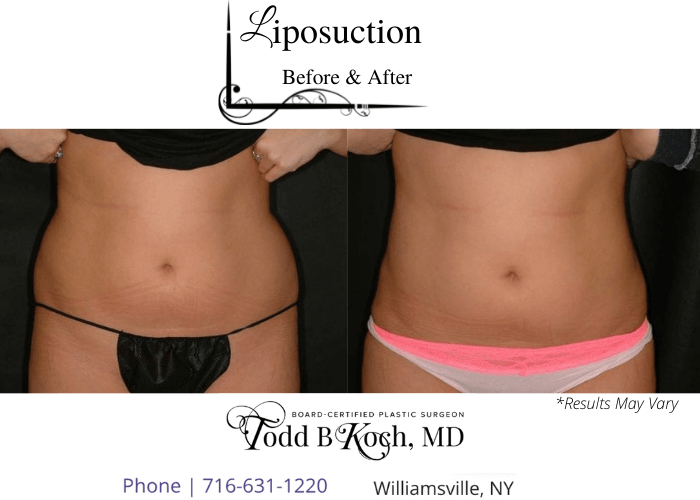
Image Source: www.toddbkochmd.com
Grasping Your Recovery Journey
Getting liposuction is surgery. Your body needs time to heal. Exercise puts stress on the body. Doing too much too soon can cause problems. It can slow down your healing process after liposuction. It can make swelling worse. It might even affect your final shape.
The recovery timeline is not the same for everyone. It goes step by step. You start slow and build up. Listening to your body is key. And listening to your surgeon is even more important.
Here is a general idea of how you might feel and what you can do as you heal:
Immediately After Surgery (Day 1 to Day 3)
This is the start of your liposuction recovery timeline. You will feel tired. You will likely have swelling, bruising, and soreness in the treated areas. You will probably wear a compression garment. This garment helps reduce swelling and supports your body.
- Exercise Level: Rest is most important now.
- Movement: Very gentle movement is okay. Short walks around your house are good. This helps prevent blood clots. Do not push yourself.
- Restrictions: Exercise restrictions after liposuction are very strict. No lifting. No bending that strains the area. Absolutely no strenuous activity.
The First Full Week (Days 4 to 7)
You might still feel quite sore. Swelling and bruising will still be there. Some people feel better, others are still uncomfortable.
- Exercise Level: Still very low.
- Movement: Keep walking. You can likely walk a bit more now. Maybe a slow walk outside for a few minutes.
- Restrictions: Exercise restrictions after liposuction continue. No exercise that makes your heart beat fast or makes you sweat. Do not lift anything heavy. Do not stretch the treated areas hard.
- Healing Focus: Your body is working hard to repair itself. It’s clearing away damaged cells. It’s building new tissue. Hard exercise would interrupt this.
Weeks 2 to 4 Post-Surgery
Many people start to feel much better during this time. Swelling and bruising begin to go down. You might feel less stiff. You can move more easily. This is the stage for light exercise post liposuction.
- Exercise Level: You can add a little bit more.
- Movement: Continue walking. You can make your walks longer. Maybe 15-20 minutes. You can walk a little faster if it feels okay.
- Light Exercise Post Liposuction:
- Gentle stretching that does not pull on the treated areas.
- Very light stationary cycling (no resistance) if approved by your surgeon.
- Maybe some very light chores.
- Listening to Your Body: If something hurts, stop. If swelling gets worse after you move, you did too much. These weeks post liposuction exercise are about gentle progress.
Weeks 4 to 6 Post-Surgery
This is often when people think about returning to the gym after lipo. Swelling is usually much less noticeable, though it can still be there. You have more energy.
- Exercise Level: You can start adding more activity, but still be careful.
- Return to Gym After Lipo:
- Low-impact cardio machines are often okay. Think elliptical or stationary bike with light resistance. Start slow. Maybe 20-30 minutes at a gentle pace.
- Very light weightlifting might be allowed. Use very low weights. Focus on areas not treated first. Avoid exercises that strain your core or the liposuction areas.
- Yoga or Pilates might be okay, but only very gentle classes. Avoid deep stretches or positions that put pressure on treated spots.
- Intense Exercise After Lipo Surgery: Still not recommended. No heavy lifting. No running yet for most people. No high-impact sports. You are still healing inside.
Interpreting the Healing Process After Liposuction
Why does it take so long? What is happening inside your body?
When fat is removed during liposuction, small tunnels are created under the skin. Blood vessels and nerves are affected. Your body sees this as an injury. The healing process after liposuction involves:
- Inflammation: Swelling and bruising happen because blood and fluid rush to the area. This is the body’s first response to heal. Exercise increases blood flow. Too much blood flow too soon can make swelling worse.
- Tissue Repair: Your body lays down new tissue (collagen) to close the tunnels and help the skin tighten. This process takes weeks and months. Strenuous exercise can disrupt this delicate process.
- Fluid Drainage: Special channels in your body drain away extra fluid. The compression garment helps this. Hard exercise can sometimes create more fluid or make it harder to drain.
Doing too much too soon can lead to:
- Increased pain and swelling.
- Seroma (a pocket of fluid that collects under the skin). This might need to be drained.
- Hematoma (a pocket of blood).
- Delayed healing.
- Less optimal final results (unevenness, poor skin tightening).
- Injury to the healing tissues.
This is why following exercise restrictions after liposuction is so important.
Fathoming Surgeon Recommendations Exercise After Lipo
Your surgeon knows your specific case. They know how much fat was removed. They know where it was removed from. They know about your overall health.
- Personalized Advice: Your surgeon will give you a specific timeline. It might be faster or slower than the general guide here. They will tell you exactly when you can start light exercise post liposuction. They will tell you when you might consider return to gym after lipo.
- Specific Area Advice: If you had lipo on your tummy, core exercises will be restricted longer. If you had lipo on your legs, running after lipo will be off-limits for a while.
- Progress Checks: They might want to see you for follow-up appointments. They will check your healing. Based on how you look and feel, they will adjust their recommendations for weeks post liposuction exercise.
Always get clearance from your surgeon before increasing your activity level. Do not guess. Do not compare yourself too much to others. Everyone heals differently.
Specific Activities: When Are They Okay?
Let’s look at when you might be able to do certain types of exercise. Remember, this is a general guide. Get your surgeon’s okay first.
Walking
- When: Can usually start very short, slow walks within 1-3 days. Gradually increase time and speed over weeks 2-4.
- Why: Helps blood flow, reduces clot risk, aids circulation. It’s a great example of light exercise post liposuction.
Stationary Cycling (light resistance)
- When: Might be okay around weeks 3-4, if it doesn’t strain the treated areas. Start with no resistance.
- Why: Low impact cardio. Builds stamina gently.
Elliptical Trainer
- When: Possibly around weeks 4-6. Start with slow pace and low resistance.
- Why: Another good low-impact option for cardio. Easier on joints than running.
Weightlifting (light weights)
- When: Maybe around weeks 4-6, but only very light weights and not exercises that work the treated areas or strain your core.
- Why: Helps maintain muscle tone. Be very careful. Listen to your body. Intense exercise after lipo surgery with heavy weights is still far off.
Swimming
- When: Often okay after all incisions are fully closed and healed, and your surgeon approves. This might be around weeks 4-6 or later. You must not get open wounds wet.
- Why: Great low-impact, full-body exercise. Gentle on healing tissues.
Running After Lipo
- When: This is often one of the last activities you can return to. High impact can jostle healing tissues. Most surgeons recommend waiting at least 6-8 weeks, sometimes longer.
- Why: Running involves pounding and high impact. This creates stress on the body. It can increase swelling and be painful on treated areas, especially the abdomen or thighs. Start with short jogs and build up slowly. This is a form of intense exercise after lipo surgery, so take it seriously.
High-Impact Sports / Intense Training
- When: Generally 2-3 months or even longer.
- Why: Activities like jumping, contact sports, intense boot camps, heavy lifting, and sprinting put a lot of stress on the body. They involve quick movements and high forces that can easily disrupt healing and potentially cause injury. Intense exercise after lipo surgery requires full internal healing.
Sample Timeline (General Guide Only!)
Here is a sample liposuction recovery timeline focused on exercise. Remember: Your surgeon’s advice is the only one that matters for YOU.
| Time After Surgery | Recommended Activity | Things to Avoid | Keyword Relevance |
|---|---|---|---|
| Day 0-3 | Rest. Very short, slow walks indoors (5-10 min). | All exercise. Lifting. Straining. | Liposuction recovery timeline, Exercise restrictions |
| Week 1 | Rest. Continue short, slow walks. Increase length slightly if comfortable (10-15 min). | All exercise except gentle walking. Anything strenuous. | Healing process after liposuction, Restrictions |
| Weeks 2-3 | Longer walks (20-30 min). Gentle stretching (not on treated area). Very light stationary bike (no resistance) if approved. | Moderate or intense cardio. Weightlifting. Running. | Weeks post liposuction exercise, Light exercise post lipo |
| Week 4 | Continue longer walks. Light stationary bike/elliptical (low resistance). May start very light weights on untreated areas if cleared. | Running. Jumping. Heavy lifting. Core work. Intense cardio. | Return to gym after lipo (gentle start), Weeks post lipo |
| Weeks 5-6 | Increase time/resistance on cardio machines slowly. May start gentle full-body weights (very light). Swimming if incisions closed & cleared. | Running (likely). Intense lifting. Contact sports. | Return to gym after lipo, Light exercise post lipo, Exercise restrictions (lessening) |
| Months 2-3 | Gradually introduce more activities. May start short, slow jogs if comfortable and cleared. Can increase weightlifting slowly. | Very intense training. High impact sports (maybe). | Running after lipo (start), Intense exercise after lipo surgery (easing in), Surgeon recommendations exercise after lipo (check-in) |
| Month 3+ | Most activities can be resumed gradually, based on comfort and surgeon’s final approval. | Push yourself slowly. Listen to your body. | Running after lipo, Intense exercise after lipo surgery |
This table is a potential path. Your personal path might look different.
Grasping Signs to Slow Down
How do you know if you are doing too much? Your body sends signals. Pay attention to them.
- Increased Pain: If your treated areas start hurting more while or after exercising, you are likely doing too much. Pain means your tissues are stressed or still healing.
- Increased Swelling: Swelling should be going down over time. If it gets worse after you exercise, you need to scale back.
- More Bruising: New bruising or darker bruising could mean you caused some bleeding under the skin.
- Feeling Very Tired: Recovery takes energy. If light activity leaves you exhausted, you are overdoing it.
- Sharp or Pulling Sensations: This could mean you are stretching or stressing internal stitches or healing tissues. Stop immediately.
It is much better to go too slow than too fast. Pushing too hard can set you back weeks in your liposuction recovery timeline.
Optimizing More Than Just Exercise
Exercise is just one part of getting back to normal. Other things help your healing process after liposuction and your return to exercise.
- Wear Your Compression Garment: Wear it as long as your surgeon tells you to. It is vital for reducing swelling and helping your skin tighten. This helps prepare your body for exercise.
- Stay Hydrated: Drink plenty of water. Hydration helps your body heal and flush out fluids.
- Eat Nutritious Food: Your body needs fuel to repair itself. Focus on protein, fruits, and vegetables.
- Get Enough Sleep: Sleep is when your body does a lot of its major repair work. Aim for 7-9 hours a night.
- Avoid Smoking: Smoking slows down healing dramatically.
- Manage Stress: Stress can affect healing. Find ways to relax.
Following these tips supports your body through the weeks post liposuction exercise. It helps you move safely towards your return to gym after lipo and maybe eventually running after lipo.
Deciphering Individual Healing Speeds
Why do some people bounce back faster? Many factors affect your personal liposuction recovery timeline.
- Amount of Fat Removed: Removing a small amount of fat is less traumatic than removing a large amount. Smaller procedures usually mean faster recovery.
- Number of Areas Treated: Having lipo on multiple areas at once means more overall trauma to the body. This lengthens recovery and delays return to intense exercise after lipo surgery.
- Location of Lipo: Areas like the abdomen or flanks can feel more sensitive to movement than, say, the chin. Core strength is needed for many activities.
- Your General Health: If you are healthy and fit before surgery, your body might recover more efficiently. Conditions like diabetes or poor circulation can slow healing.
- Age: Younger people often heal faster than older people.
- How Well You Follow Instructions: Wearing the garment, resting, avoiding bad habits – these all speed up or slow down healing.
- Genetics: Some people are just naturally faster healers.
Do not get discouraged if your friend was back to the gym sooner than you. Focus on your own healing process after liposuction. Follow your surgeon recommendations exercise after lipo.
Looking Long Term: Exercise After Full Recovery
Once you are fully healed and cleared for all activities (this might be 3-6 months out), regular exercise is important.
- Maintaining Results: Liposuction removes existing fat cells in treated areas. But the remaining fat cells can still grow if you gain weight. Exercise helps you manage your weight and maintain your new shape.
- Overall Health: Regular physical activity is crucial for your heart, muscles, bones, and mental health.
- Not a Weight Loss Solution: Liposuction is for body contouring, not major weight loss. Exercise should be part of a healthy lifestyle after lipo, not seen as a way to lose more weight from the surgery itself.
Your return to gym after lipo and eventual comfortable running after lipo are milestones. But consistent activity after recovery is key to long-term success.
Frequently Asked Questions About Exercise After Lipo
How soon can I walk after liposuction?
You should start walking within 1-3 days. These are short, slow walks around your home. It helps prevent blood clots.
When can I lift weights after liposuction?
Very light weights might be allowed on untreated areas around 4-6 weeks, if cleared by your surgeon. Heavy lifting is usually restricted for 2-3 months or more. Intense exercise after lipo surgery with weights takes time.
Can I run one month after liposuction?
Probably not. Most surgeons recommend waiting at least 6-8 weeks for running after lipo, sometimes longer. Running is high impact and can be painful and harmful to healing tissues before they are ready.
When can I do ab exercises after stomach liposuction?
Core exercises, including typical “abs” workouts, are usually restricted for longer, especially after abdominal liposuction. You might need to wait 2-3 months or more. Your surgeon will tell you when your core is healed enough for this type of intense exercise after lipo surgery.
What kind of light exercise post liposuction is okay early on?
Walking is the best example. Gentle stretching (away from treated areas), very light stationary cycling with no resistance (if approved) are other possibilities starting a few weeks out.
How long do exercise restrictions after liposuction last?
Significant restrictions on strenuous and intense exercise usually last at least 6-8 weeks. Some restrictions might last longer, depending on the activity and the treated area.
Will exercising too soon affect my liposuction results?
Yes, it can. Exercising too soon can increase swelling, cause fluid collections (seromas), and potentially affect how your skin tightens. This can lead to uneven or less ideal final results. It disrupts the healing process after liposuction.
What if my job involves physical activity?
If your job is physically demanding, you will need to take more time off. Discuss your job duties with your surgeon before your procedure. They can give you a realistic timeline for returning to work and starting weeks post liposuction exercise.
When can I return to gym after lipo for regular workouts?
You can typically start returning to the gym for light, low-impact activities around 4-6 weeks. Returning to your previous workout routine, especially if it included intense exercise after lipo surgery or heavy lifting, usually takes 2-3 months or more. Follow your surgeon recommendations exercise after lipo.
Final Thoughts
Your liposuction recovery timeline is a personal journey. Getting back to exercise is a big part of feeling normal again. Start slow. Be patient with your body. Listen to the signals it sends you.
Most importantly, always follow your surgeon recommendations exercise after lipo. They are the best person to guide you safely through the healing process after liposuction and back to all the activities you enjoy, including eventually running after lipo and intense exercise after lipo surgery. Rushing things will not help. A careful, step-by-step approach to weeks post liposuction exercise will give you the best results and a smooth return to gym after lipo.