
Yes, you can exercise after hand surgery, but it is very important to do it safely and only when your doctor says you can. Exercise is a key part of getting your hand back to normal. How much and what kind of exercise you do depends on your specific surgery, how you are healing, and the plan your doctor and therapist make for you.
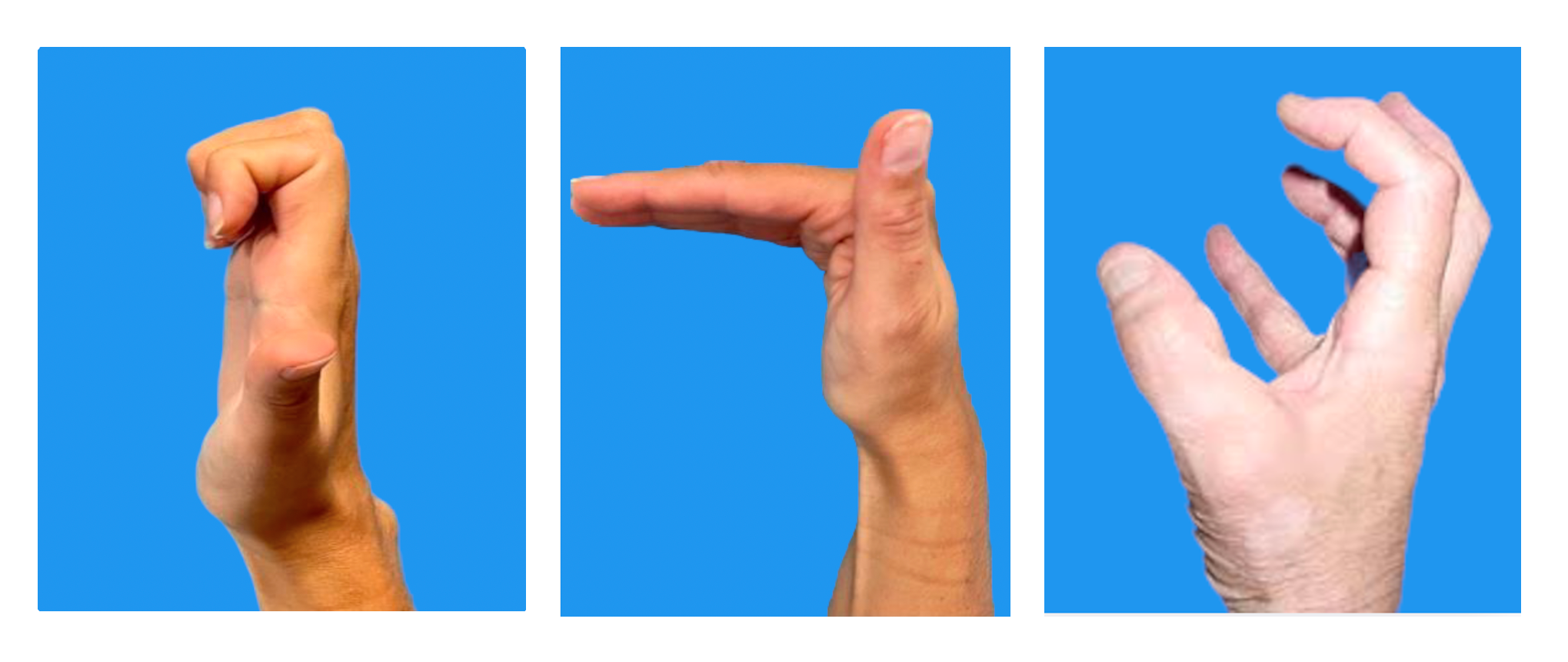
Image Source: www.handsurgeonnearme.com
Deciphering Hand Surgery Recovery
Getting better after hand surgery takes time. The time it takes is often called hand surgery recovery time. This is not the same for everyone. It depends a lot on what kind of surgery you had. A small procedure might mean a few weeks to feel better. A big surgery could mean many months of getting back to normal.
Healing is like a path with many steps. You need to go through each step carefully. The first step is usually resting and keeping the hand safe. Then comes gentle movement. Later, you add exercises to make the hand strong again.
It is easy to want to rush things. But rushing can cause problems. It could hurt the part that was fixed. This could make your hand surgery recovery time longer. Or, it might mean you need another surgery. So, being patient is very important. Following the plan given to you is key.
Why Exercise Matters After Surgery
Moving your hand might be the last thing you want to do right after surgery. It might hurt or feel stiff. But exercise is very, very important for healing well.
Here is why exercise helps so much:
- Stops Stiffness: When you do not move a joint, it gets stiff. Your hand has many small joints. Keeping them moving helps them stay loose. This is crucial after surgery.
- Boosts Blood Flow: Gentle movement helps blood move around. Blood carries things your body needs to fix itself. Better blood flow means faster healing.
- Keeps Muscles Strong: When you do not use muscles, they get weak. Exercise helps keep the muscles in your hand, wrist, and arm from getting too weak.
- Gets Movement Back: Surgery can make it hard to move your hand the way you used to. Exercise helps you get back the full range of motion in your fingers, thumb, and wrist.
- Reduces Swelling: Moving gently can help push swelling out of the hand. Swelling can cause pain and stiffness.
- Prevents Scar Issues: Scars can become tight and limit movement. Special exercises, sometimes with massage, can help keep scars soft and flexible.
Think of exercise as fuel for healing. Without it, your hand will not get back to working as well as it could.
The Journey of Recovery: Stages
Recovery after hand surgery happens in steps. Your doctor and physical therapy after hand surgery team will guide you through these steps. Each step has different goals and types of exercises.
Stage 1: Early Protection Phase
This stage starts right after your surgery. It usually lasts for a few weeks. Your hand might be in a cast, a splint, or bandages.
- Goal: Protect the part that was fixed. Reduce swelling and pain. Prevent things from getting worse.
- Exercise Type: Very gentle movements, if allowed. Sometimes, this means just moving parts not affected by the surgery (like your shoulder or elbow) to keep them from getting stiff. If your hand is in a cast, you might not do any hand movement yet. If a splint allows, you might do very small finger movements.
- Key Point: Do not do anything unless your doctor or therapist says it is okay. Following
doctor's instructions after hand surgeryis most important now. Overdoing it can seriously harm your healing.
Stage 2: Early Movement Phase
This phase usually starts a few weeks after surgery, when your doctor says the initial healing is stable enough for some movement. You might start seeing a hand therapist for physical therapy after hand surgery.
- Goal: Start getting movement back in a safe way. Reduce stiffness. Control swelling.
- Exercise Type: Gentle range of motion exercises for your fingers, thumb, and wrist. These are
safe exercises after hand surgeryat this stage. They might include bending and straightening your fingers as far as allowed, moving your wrist up and down or side to side gently. Nerve gliding exercises might also start, especially for surgeries like carpal tunnel release. These arerehabilitation exercises for hand surgery. - Key Point: These movements are slow and controlled. You should not push into pain. The goal is movement, not force.
Stage 3: Strengthening Phase
This phase begins when you have gained back some good movement without pain, and your hand is strong enough to start building muscle. This might be several weeks or months after surgery.
- Goal: Build strength in your hand and wrist. Improve how well you can use your hand for daily tasks. Get ready for more normal activities.
- Exercise Type: Exercises using light resistance. This could be squeezing soft putty or a foam ball, using light resistance bands, or lifting very light objects.
Wrist exercises after hand surgeryto build strength might include holding a light weight and moving the wrist gently. - Key Point: Start very light. Increase resistance slowly. Listen to your body. If an exercise causes new pain, stop and talk to your therapist.
Stage 4: Returning to Activity
This is the final stage, where you work towards getting back to all your normal activities, including sports, hobbies, and work.
- Goal: Full return to desired activities. Maximize strength and function.
- Exercise Type: Exercises that copy the movements you need for your specific activities. This is when questions like
when can I lift weights after hand surgeryandreturning to gym after hand surgerybecome relevant. This stage involves increasing the weight and resistance you use in exercises, getting back to using gym equipment, and practicing movements specific to your job or sport. - Key Point: This return must be gradual and guided by your therapist and doctor. Do not jump back into heavy lifting or intense sports too quickly.
Safe Exercises After Hand Surgery: Examples
The exact safe exercises after hand surgery for you will be given by your hand therapist or doctor. They create a plan based on your specific surgery and how you are healing. But here are some general examples often used in rehabilitation exercises for hand surgery, typically starting in the early movement phase:
Gentle Finger Movements
- Finger Bends: Slowly curl your fingers down towards your palm, making a loose hook or fist if allowed. Then slowly straighten them back out. Do this many times.
- Finger Spreads: Gently spread your fingers apart, then bring them back together.
- Thumb Touches: Gently touch your thumb to the tip of each finger, making a circle. Then move your thumb across your palm towards your pinky finger.
Wrist Exercises After Hand Surgery
- Wrist Bends (Up and Down): With your forearm resting on a table (hand hanging off the edge), slowly bend your wrist up and down.
- Wrist Sides (Left and Right): With your forearm on the table (hand off the edge), slowly move your wrist side to side, like waving.
- Wrist Circles: Gently make small circles with your wrist.
Nerve Gliding Exercises
These are key exercise after carpal tunnel surgery but can help with other nerve issues too. They help the nerves move freely. Your therapist will show you the exact steps, which involve specific hand and finger positions. An example sequence might be:
- Start with a straight wrist and straight fingers.
- Bend wrist back, fingers straight.
- Straight wrist, bend fingers like making a loose claw.
- Straight wrist, make a full fist.
- Straight wrist, straighten fingers, bend just the knuckles (like a table).
- Etc., with specific wrist and arm positions.
Strengthening Exercises (Later Stages)
- Putty Squeeze: Squeeze therapeutic putty in different ways (making a fist, pinching, squeezing between fingers).
- Rubber Band Finger Spread: Put a rubber band around your fingertips. Spread your fingers apart against the band’s pull.
- Grip Strengthener: Use a soft foam ball or a hand grip tool set to a very low resistance to squeeze and release.
- Wrist Weights (Very Light): Hold a very light weight (like a can of soup or a small dumbbell) and do the wrist bend and side-to-side movements you did earlier, but with the added weight. Start with almost no weight and add very slowly.
Special Cases: Specific Surgeries
Recovery and exercise plans can be quite different depending on exactly what was fixed in your hand.
Exercise After Carpal Tunnel Surgery
Carpal tunnel release surgery creates more space for the median nerve in the wrist. Healing usually does not involve fixing bones or tendons in the same way a fracture or repair might.
- Early Focus: Reducing swelling, moving fingers right away to prevent stiffness. Nerve gliding exercises are very important soon after surgery to help the median nerve move freely.
- Later Focus: Strengthening grip and pinch. Wrist range of motion is important, but often less limited than after some other surgeries.
- Key Difference: Often, you can start gentle movements and nerve gliding exercises sooner than with bone or tendon repairs. The goal is to prevent scar tissue from pressing on the nerve again.
Hand Fracture Recovery Exercises
Fixing a broken bone in the hand (hand fracture recovery exercises) is about letting the bone heal strongly while trying to prevent stiffness in the joints around it.
- Early Focus: Keeping the fracture stable. Often, the hand is in a cast or splint for several weeks. During this time, exercises focus on moving parts not in the cast (like the elbow and shoulder) and possibly gentle wiggling of fingertips if they are free.
- After Cast/Splint Removal: This is when active
rehabilitation exercises for hand surgeryreally start. The hand and wrist will be stiff. Exercises focus on regaining full range of motion in the fingers, thumb, and wrist. - Later Focus: Strengthening begins only when the bone is healed enough (seen on X-ray). This takes longer than with soft tissue surgeries. Strengthening exercises are added slowly.
Tendon Repair Exercises
Repairing a cut or torn tendon is one of the most complex recoveries. Tendons are like ropes that connect muscles to bones. If you move too hard or too soon, you can snap the repair.
- Early Focus: Very controlled movement or sometimes no active movement at all, just passive movement guided by a therapist or a special brace. This is done under strict
doctor's instructions after hand surgeryandphysical therapy after hand surgeryguidance. The goal is to let the tendon ends heal together without pulling them apart. - Later Focus: Gradually introducing gentle active movement, then light resistance.
- Key Difference: The pace is often much slower and more cautious than with other surgeries. You must follow the therapist’s exact instructions on how much to move and when.
Comprehending the Role of Physical Therapy
Attending physical therapy after hand surgery is likely the most important thing you can do for a good recovery besides following your doctor’s initial orders. A hand therapist is specially trained to help people recover from hand and arm injuries and surgeries.
What they do for you:
- Create a Custom Plan: They make an exercise plan just for you, based on your surgery, your healing, and your goals.
- Teach Exercises: They show you exactly how to do each
rehabilitation exercises for hand surgerycorrectly and safely. This is critical to avoid doing too much or the wrong kind of movement. - Manual Therapy: They might use their hands to gently move your joints or massage scar tissue to help with stiffness and swelling.
- Splinting: They may make or adjust splints to protect your hand, help with stretching, or help you do certain exercises.
- Monitor Progress: They check how you are doing, how much movement you have, how strong you are getting, and adjust your plan as needed.
- Guidance on Activities: They help you figure out when it is safe to go back to doing daily tasks, hobbies, work, and sports. This includes advising on
when can I lift weights after hand surgeryandreturning to gym after hand surgery.
Think of your hand therapist as your coach. They have the map for your recovery journey. Following their guidance closely is essential.
Returning to Gym After Hand Surgery
This is a big step in recovery. Returning to gym after hand surgery or getting back to lifting weights requires patience and planning. It is usually one of the last things you will do in your hand surgery recovery time.
When Can I Lift Weights After Hand Surgery?
There is no single answer to when can I lift weights after hand surgery. It depends entirely on:
- Type of Surgery: Bone repairs need much more time before lifting than some soft tissue surgeries. Tendon repairs require extreme caution.
- How Well You’ve Healed: Your doctor will need to confirm that the tissues (bone, tendon, etc.) are strong enough.
- Your Strength and Movement: You need to have good basic strength and pain-free movement in your hand and wrist before adding weights.
- Doctor and Therapist Approval: You absolutely must get the okay from both your surgeon and your hand therapist before you start any weight lifting.
Often, it is many months after surgery before you can lift anything more than very light weight. For heavy lifting, it could be six months or even longer.
How to Start Lifting Safely
When you are cleared to start lifting, do it the smart way:
- Start Very Light: Lighter than you think. Use very small dumbbells or even just your body weight at first.
- Focus on Form: Do the exercises slowly and with good control. Do not let the weight pull your hand into awkward positions.
- Listen to Your Hand: If it hurts, stop. Pain is a sign you are doing too much, too soon.
- Increase Slowly: Add weight or reps little by little over many weeks.
- Warm Up: Always do some gentle movement exercises before lifting weights.
- Avoid Painful Moves: If a certain exercise causes pain in your healing hand, do not do it, or modify it.
- Keep Doing Rehab Exercises: Do not stop your
rehabilitation exercises for hand surgeryjust because you are lifting weights. The rehab exercises often target small, important stabilizing muscles.
Returning to the gym means more than just lifting weights. It means being careful with machines, knowing how to use them without hurting your hand, and sometimes modifying exercises. Your physical therapist can help you plan your return to the gym safely.
The Absolute Need for Doctor’s Instructions After Hand Surgery
Every hand surgery is unique. What worked for someone else might not be right for you. This is why the doctor's instructions after hand surgery are the most critical guide you have.
Your surgeon knows exactly what they did during the operation. They know the strength of the repair or the stability of the bone. Your hand therapist works closely with your surgeon and knows the best ways to help that specific surgery heal while regaining function.
Ignoring their advice can lead to serious problems:
- Damaging the Repair: Moving too soon or too forcefully can pull apart stitches, break a healing bone, or rupture a repaired tendon.
- Increased Pain and Swelling: Overdoing it almost always makes your hand hurt more and swell up.
- Stiffness: If you do the wrong exercises, or do too much too soon and cause pain, you might stop moving altogether, leading to severe stiffness.
- Longer Recovery: Any setback means you will need more time to heal and get back to normal.
- Need for More Surgery: In the worst cases, you might need another operation to fix damage caused by not following instructions.
Always ask your doctor or therapist before trying any new exercise or activity. If something they told you to do feels wrong or causes bad pain, tell them right away. Communication is key.
What Not to Do During Hand Surgery Recovery
Just as important as knowing what exercises to do is knowing what not to do.
- Do not Ignore Pain: Pain is your body’s way of saying “stop!” Push through mild discomfort if your therapist says it is okay for a stretch, but sharp or increasing pain is a warning sign.
- Do not Rush: Healing takes time. Trying to speed it up by doing too much too soon will backfire.
- Do not Skip Physical Therapy: Your therapist is vital for safe recovery. Missing sessions or not doing your home exercises slows down progress.
- Do not Compare Yourself to Others: Everyone heals differently. Your friend’s
hand surgery recovery timemight be faster or slower than yours. Focus on your own progress based on your plan. - Do not Lift Heavy Things Too Soon: This is a common mistake. Wait until your doctor and therapist say it is safe to start adding resistance or lifting weights. This includes everyday things like grocery bags or young children.
- Do not Forget Other Joints: Keep your shoulder, elbow, and fingers not affected by surgery moving if possible. This prevents stiffness higher up your arm.
Table of Exercise Examples by Recovery Stage
(Note: This is a general guide. Your specific exercises will come from your therapist.)
| Recovery Stage | Typical Timeframe | Exercise Examples | Key Point |
|---|---|---|---|
| Early Protection | First 1-3 weeks | – Gentle finger wiggles (if allowed) – Elbow/shoulder movement (if hand immobilized) – NO hand movement if in full cast |
Protect the repair! Follow doctor’s strict orders. |
| Early Movement | Weeks 3-8 | – Finger bending/straightening – Thumb touches – Gentle wrist bends/sides – Nerve gliding (if relevant) |
Gentle, pain-free motion. Focus on range of movement. |
| Strengthening | Weeks 8 – Months 3-6+ | – Putty squeezes/pinches – Rubber band finger spreads – Light grip tool – Very light wrist weights |
Start low resistance, increase slowly. Build muscle. |
| Return to Activity | Months 3-6+ onwards | – Increased weight/resistance – Functional tasks – Sport-specific drills – Returning to gym after hand surgery activities |
Gradually increase intensity. Listen to your body. Get clearance. |
Timeframes are estimates only. Your actual progress may be faster or slower.
FAQ: Common Questions About Exercise and Hand Surgery
Is some pain normal when I exercise?
A little discomfort or stretching feeling can be normal, especially in later stages when working on range of motion or strength. However, sharp, strong, or lasting pain is not normal. If an exercise causes significant pain, stop and talk to your therapist or doctor.
How long will I need to do these exercises?
You might need to do some form of rehabilitation exercises for hand surgery for many months. The most intensive phase is usually the first few months, but you might need to continue stretching or strengthening exercises for 6-12 months or even longer to get the best possible result. Your therapist will guide you on when you can do less.
What if my hand swells up after exercising?
Some mild increase in swelling might happen, especially early on. Elevating your hand and using ice (if your doctor says it is okay) can help. If swelling is significant, lasts a long time, or is combined with a lot of pain, you might be doing too much. Talk to your therapist.
Can I exercise on my own without a therapist?
While you will do home exercises on your own, it is strongly recommended to start with guidance from physical therapy after hand surgery. They will teach you the correct way to do the exercises and make sure you are doing safe exercises after hand surgery for your specific situation. Doing the wrong exercises or doing them incorrectly can harm your hand.
When can I go back to playing sports or hobbies?
This depends greatly on the sport or hobby and your specific surgery. Activities that need a lot of hand strength, grip, or involve risk of falling or impact will take longer to return to. Discuss your specific activities with your doctor and therapist. They can give you a timeline and suggest ways to gradually return safely. This ties into returning to gym after hand surgery and other activities.
What if I feel a pop or sharp pain during an exercise?
Stop immediately. Contact your doctor or therapist right away. This could mean you have re-injured something. Do not try to keep exercising through it.
My hand feels stiff in the morning. Is that okay?
Some morning stiffness is common after hand surgery and during recovery. Gentle warm-up exercises and moving your hand around can help ease this. If the stiffness is severe or does not get better after moving, mention it to your therapist.
How can I remember all the exercises?
Your hand therapist should give you written or printed instructions for your home exercises. They might also use pictures or videos. Keep these handy and follow them exactly. Ask questions if you are unsure.
Getting back to using your hand fully after surgery is a process. Exercise is a vital part of that process. By working closely with your doctor and hand therapist, listening to your body, and being patient, you give yourself the best chance for a successful recovery.