
Cleaning gym floors well is very important. It keeps everyone safe and healthy. It also helps the floor last a long time. This guide tells you how to clean gym floors the right way. We will talk about different types of floors. We will also share the best ways to clean them.
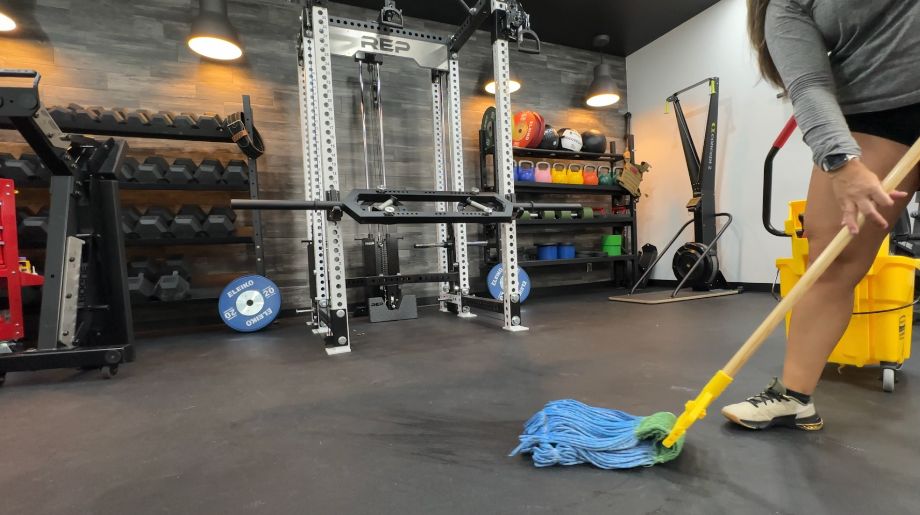
Image Source: www.garagegymreviews.com
Why Cleaning Gym Floors Matters
Gym floors get dirty fast. People walk on them. They sweat on them. Germs can live there. Cleaning stops the spread of sickness. It also prevents slips and falls. A clean floor looks nice too. It makes the gym a better place to be.
Keeping People Safe
A dirty floor can be slippery. Sweat or spilled drinks make floors unsafe. Cleaning removes these dangers. It helps stop accidents.
Stopping Germs
Many people use the gym. They touch the floor. They lie on it. Germs can spread easily. Cleaning helps kill germs. This keeps people healthy.
Helping Floors Last
Dirt and grit can scratch floors. This is bad for the floor. Regular cleaning removes dirt. This protects the floor surface. It helps the floor look good longer. It also saves money on repairs.
Types of Gym Floors
Gyms use different kinds of floors. The best way to clean depends on the floor type. Common gym floors include:
- Rubber
- Hardwood
- Vinyl or PVC
- Carpet (sometimes in specific areas)
Each type needs special care. Using the wrong cleaner can hurt the floor.
Cleaning Rubber Gym Floors
Rubber is common in weight rooms. It handles heavy things well. Cleaning rubber gym floor is simple but needs care.
- Sweep or Vacuum Often: Get rid of dirt and dust every day. Use a soft brush sweep. Or use a vacuum meant for hard floors.
- Damp Mop: Use a mop that is just a little wet. Do not use too much water. Too much water can get under the rubber. This can cause problems.
- Use the Right Cleaner: Choose a cleaner made for rubber floors. Avoid strong chemicals. Do not use cleaners with oil or petroleum. These can break down the rubber.
Hardwood Gym Floor Care
Hardwood floors are popular in basketball courts. They look great. But they need special hardwood gym floor maintenance.
- Dust Mop Daily: Use a wide dust mop. Go over the floor often. This picks up dust and dirt.
- Clean Spills Right Away: Wipe up spills fast. Liquids can hurt wood floors.
- Use a Wood Floor Cleaner: Use a cleaner made for sealed wood floors. Use a mop that is only slightly wet. Never use a soaking wet mop.
- Buffing: Wood floors need buffing sometimes. This helps keep them shiny. It also helps protect the finish.
Vinyl and PVC Floor Cleaning
Vinyl and PVC are tough and easy to clean. They are often used in cardio areas.
- Sweep or Vacuum: Clean off loose dirt regularly.
- Mop with All-Purpose Cleaner: These floors can handle water better than wood. Use a mop with warm water and a general floor cleaner.
- Rinse: Sometimes you need to rinse with clean water. This removes cleaner left on the floor.
Essential Gym Floor Cleaning Methods
There are main ways to clean gym floors. These gym floor cleaning methods keep the floor clean and safe.
- Sweeping or Dust Mopping: This is the first step. It removes loose dirt. Do this every day.
- Mopping: This uses water and cleaner. It removes dirt stuck to the floor.
- Spot Cleaning: Clean small dirty spots when you see them. Don’t wait for the whole floor cleaning routine.
- Deep Cleaning: Do this less often. It removes deep dirt. It might use special machines.
- Disinfecting: This kills germs. It is very important in a gym. We will talk more about how to disinfect gym floor areas.
Dry Cleaning First
Always start with dry cleaning. Use a sweep or a dust mop. Get up all the dirt. If you mop first, you will just push dirt around.
Wet Cleaning Steps
After dry cleaning, use a mop.
- Fill a bucket with warm water.
- Add the correct amount of cleaner. Use the best cleaner for gym floors you have chosen.
- Dip the mop in the water.
- Wring out the mop well. The mop should be damp, not dripping.
- Mop a small area.
- Rinse the mop in clean water.
- Wring it out again.
- Dip it back in the cleaner water.
- Keep mopping small areas.
- Let the floor dry fully.
Using two buckets is best. One has cleaner water. The other has clean rinse water. This keeps your cleaner water from getting too dirty.
Choosing the Best Cleaner for Gym Floors
Picking the right cleaner is key. The best cleaner for gym floors depends on the floor type. It also depends on the dirt you need to clean.
- Neutral pH Cleaners: These are good for most gym floors. They are not too acidic or too basic. They clean well without hurting the floor.
- Specialized Cleaners: Some floors need specific cleaners. Rubber floors need cleaners without oils. Wood floors need cleaners made for wood.
- Disinfectants: These kill germs. Use a cleaner that also disinfects or use a separate disinfectant after cleaning.
- Enzyme Cleaners: These are good for cleaning gym floor sweat and smells. They break down the stuff that causes odors.
Always read the cleaner bottle. Follow the instructions carefully. Test the cleaner on a small, hidden spot first. Make sure it does not hurt the floor.
Tackling Tough Gym Floor Problems
Gym floors face specific challenges. Sweat, scuff marks, and germs are common.
Cleaning Gym Floor Sweat
Sweat has salts and oils. It can make floors sticky. It can also leave marks.
- Wipe Spills Fast: If you see sweat, wipe it up right away.
- Use an Enzyme Cleaner: For areas with lots of sweat, use an enzyme cleaner. These cleaners break down organic matter like sweat. This helps clean the floor sweat and removes smells.
- Regular Mopping: Regular damp mopping with a good cleaner removes sweat build-up.
How to Remove Scuff Marks Gym Floor
Shoes leave black lines on floors. These are scuff marks. They make the floor look dirty. Here is how to remove scuff marks gym floor surfaces:
- Tennis Ball: You can often rub scuff marks off with a clean tennis ball. Just rub the mark hard with the ball.
- Eraser: A pencil eraser can also work on some marks.
- Floor Cleaner & Cloth: Put a little floor cleaner on a cloth. Rub the scuff mark firmly. Wipe the area clean.
- Special Scuff Mark Remover: There are products made just for scuff marks. Use these if other methods don’t work.
Always test any cleaner or product in a small area first. Make sure it doesn’t harm the floor.
How to Disinfect Gym Floor Areas
Disinfecting kills germs. This is very important in a gym. High-touch areas need disinfecting often.
- Choose a Disinfectant: Use a disinfectant approved for floors. Read the label. Make sure it kills common gym germs.
- Clean First: Always clean the floor to remove dirt before disinfecting. Disinfectants work best on clean surfaces.
- Apply the Disinfectant: Apply the disinfectant to the floor. You can use a mop or a spray bottle.
- Let It Sit: Disinfectants need time to work. The bottle will say how long (dwell time). Let the floor stay wet with the disinfectant for that time.
- Rinse (If Needed): Some disinfectants need rinsing. Check the bottle. If you need to rinse, use a clean mop and clean water.
- Let Dry: Let the floor dry completely before people use it.
Focus on areas where people sweat a lot or touch the floor. This includes areas around weights and mats.
Creating a Gym Floor Cleaning Routine
A regular cleaning plan keeps floors in good shape. A gym floor cleaning routine should include daily, weekly, and monthly tasks.
Daily Cleaning Tasks
- Sweep or dust mop all floors.
- Wipe up spills right away.
- Spot clean scuff marks or dirty spots.
- Quickly disinfect high-touch areas.
Weekly Cleaning Tasks
- Damp mop all hard floors with cleaner.
- Clean baseboards.
- Vacuum carpet areas well.
Monthly or Less Often Tasks
- Deep clean hard floors (this might use a machine).
- Clean or buff wood floors.
- Clean floor mats separately.
- Check for any needed repairs.
Having a checklist helps make sure everything gets done. Assign cleaning tasks to staff.
Gym Floor Cleaning Equipment
The right tools make cleaning easier and better. Gym floor cleaning equipment includes:
- Brooms and Dustpans: For sweeping up loose dirt.
- Dust Mops: Wide mops that pick up dust well.
- Mops: Different types for damp mopping. Microfiber mops are good.
- Buckets: Use two for best results (cleaner water and rinse water).
- Wet Floor Signs: Important for safety when floors are wet.
- Floor Machines:
- Automatic Scrubbers: These machines put down cleaner, scrub, and pick up the dirty water. They are great for large hard floors.
- Buffers: Used for polishing wood floors.
- Wet/Dry Vacuums: Can clean up spills and standing water.
- Spray Bottles: For spot cleaning or applying disinfectants.
- Microfiber Cloths: Good for wiping, spot cleaning, and disinfecting surfaces.
Choose equipment that fits the size of your gym. For commercial gym floor cleaning, machines save time and labor.
Safety When Cleaning Gym Floors
Safety must come first when cleaning. Cleaners can be strong. Wet floors are slippery.
- Read Product Labels: Always read instructions and warnings on cleaners.
- Wear Protection: Use gloves to protect your hands. Wear safety glasses if needed.
- Good Air Flow: Make sure the area has fresh air. Open windows or use fans.
- Use Wet Floor Signs: Put signs out any time the floor is wet. Remove them only when the floor is fully dry.
- Understand the Equipment: Know how to use cleaning machines safely.
- Store Cleaners Safely: Keep cleaners in a safe place. Make sure they are labeled clearly.
Commercial Gym Floor Cleaning
Cleaning a large commercial gym is a big job. It needs planning and the right resources.
- Schedule: Clean when the gym is closed or least busy.
- Staff Training: Make sure staff know how to clean each floor type safely.
- Use Machines: For big areas, automatic scrubbers are a good investment. They clean large spaces quickly and effectively.
- Bulk Supplies: Buy cleaners and supplies in larger amounts. This can save money.
- Focus on High-Traffic Areas: Spend extra time cleaning areas used most often.
- Regular Checks: Check floors often. Clean up problems as they happen.
Commercial gym floor cleaning needs a strong routine and good tools.
Different Floor Types Need Different Focus
Let’s look again at specific floor needs.
Deeper Dive into Rubber Gym Floor Cleaning
Rubber floors are tough but can be porous. They can trap smells.
- Avoid Harsh Chemicals: Never use bleach or strong acids. These damage rubber.
- No Solvents: Solvents can make rubber sticky or break it down.
- Consider Enzyme Cleaners: For fighting sweat and odor, these are excellent for rubber.
- Rinse Well: If using a cleaner that leaves residue, rinse it off. Residue can make the floor slippery or sticky.
- Drying: Allow rubber floors to dry fully. Good air flow helps.
Deeper Dive into Hardwood Gym Floor Maintenance
Wood floors need gentle care. Water is their enemy.
- Dust Often: This is the most important daily task for wood.
- Use Wood-Specific Cleaner: Use a cleaner made for the finish on your wood floor. Some finishes need different cleaners.
- Minimum Water: Use the dampest mop possible. Do not leave standing water.
- Recoating: Wood floors need their protective coat redone every few years. This protects the wood itself.
- Protect from Scratches: Use pads under heavy equipment.
Addressing Common Questions
People often ask about specific cleaning issues.
Can I use bleach on my gym floor?
Usually, no. Bleach is very strong. It can damage many types of gym floors, especially rubber and wood finishes. It can also make colors fade. Use cleaners made for floors. For disinfecting, use a disinfectant safe for the floor material.
How often should I clean gym floors?
Sweeping/dust mopping should be daily. Damp mopping or scrubbing should be weekly for most areas, perhaps more often in very busy spots. Deep cleaning depends on traffic and floor type, maybe monthly or every few months. Disinfecting should be daily in high-touch areas. Your gym floor cleaning routine should fit your gym’s use.
What removes bad smells from gym floors?
Bad smells often come from sweat and bacteria. Enzyme cleaners are best for this. They break down the source of the smell. Good ventilation also helps keep smells away. Make sure you are cleaning gym floor sweat properly.
My floor is sticky after cleaning. Why?
This can happen if you used too much cleaner, or if the cleaner wasn’t rinsed off properly (if rinsing was needed). It can also happen if the cleaner leaves a residue. Try cleaning again using less cleaner or rinsing with clean water. Make sure you are using the best cleaner for gym floors you have.
How do I remove stubborn scuff marks?
Try rubbing with a tennis ball or an eraser first. If that doesn’t work, use a little floor cleaner on a cloth and rub hard. There are also products made just for removing scuff marks gym floor surfaces get. Always test first.
Putting It All Together
Keeping gym floors clean is a constant job. It protects people. It protects the floor.
- Know your floor type.
- Sweep or dust mop daily.
- Mop regularly with the right cleaner.
- Spot clean problems fast.
- Disinfect key areas often.
- Use the right gym floor cleaning equipment.
- Follow a clear gym floor cleaning routine.
- Always clean safely.
Whether it is rubber gym floor cleaning, hardwood gym floor maintenance, or cleaning up gym floor sweat and removing scuff marks gym floor surfaces get, using the right methods and the best cleaner for gym floors makes all the difference. Commercial gym floor cleaning needs extra planning and resources due to the size and traffic.
By following these steps, your gym floors will be clean, safe, and look good for years to come.
Frequently Asked Questions (FAQ)
What is the very best cleaner for all gym floors?
There is no single “best” cleaner for all gym floors. The best cleaner depends on the floor material (rubber, wood, vinyl, etc.). A neutral pH cleaner is a safe bet for many types, but always check the floor maker’s advice and the cleaner label.
Can I just use water to clean gym floors?
Water alone will remove some dirt, but it doesn’t clean thoroughly or kill germs. You need a floor cleaner to lift dirt and oils. You need a disinfectant to kill germs. Too much water can damage some floors, like wood.
How do I dry the floor quickly after mopping?
Good air flow helps a lot. Open doors or windows. Use fans to move air across the floor. Some machines (like auto scrubbers) pick up most of the water as they clean. Always use “wet floor” signs until the floor is completely dry.
Is daily disinfecting needed for the whole gym floor?
Usually, you don’t need to disinfect the entire floor daily. Focus on high-touch areas and areas where sweat is common (like free weight zones or mat areas). Daily cleaning (sweeping and possibly spot cleaning) is usually enough for less-used areas.
What if I use the wrong cleaner on my floor?
Using the wrong cleaner can damage the floor’s finish or the material itself. It might make the floor sticky, dull, or even cause it to break down over time. Always test a cleaner on a small, hidden spot first. If you think you used the wrong cleaner and see damage, stop using it and seek advice from a floor care expert or the floor manufacturer.
How do professional gym cleaners clean floors?
Commercial gym floor cleaning services often use powerful machines like auto scrubbers for large areas. They have specific cleaners for different floor types and often use strong disinfectants. They follow strict routines and safety steps. They have the right gym floor cleaning equipment to do the job fast and well.