
Keeping your rubber gym floor clean is easy when you know the right steps. It takes regular care and the right tools. The best way involves simple sweeping, quick cleanups, and planned deep cleaning. This keeps your gym safe and looking good for everyone who uses it.
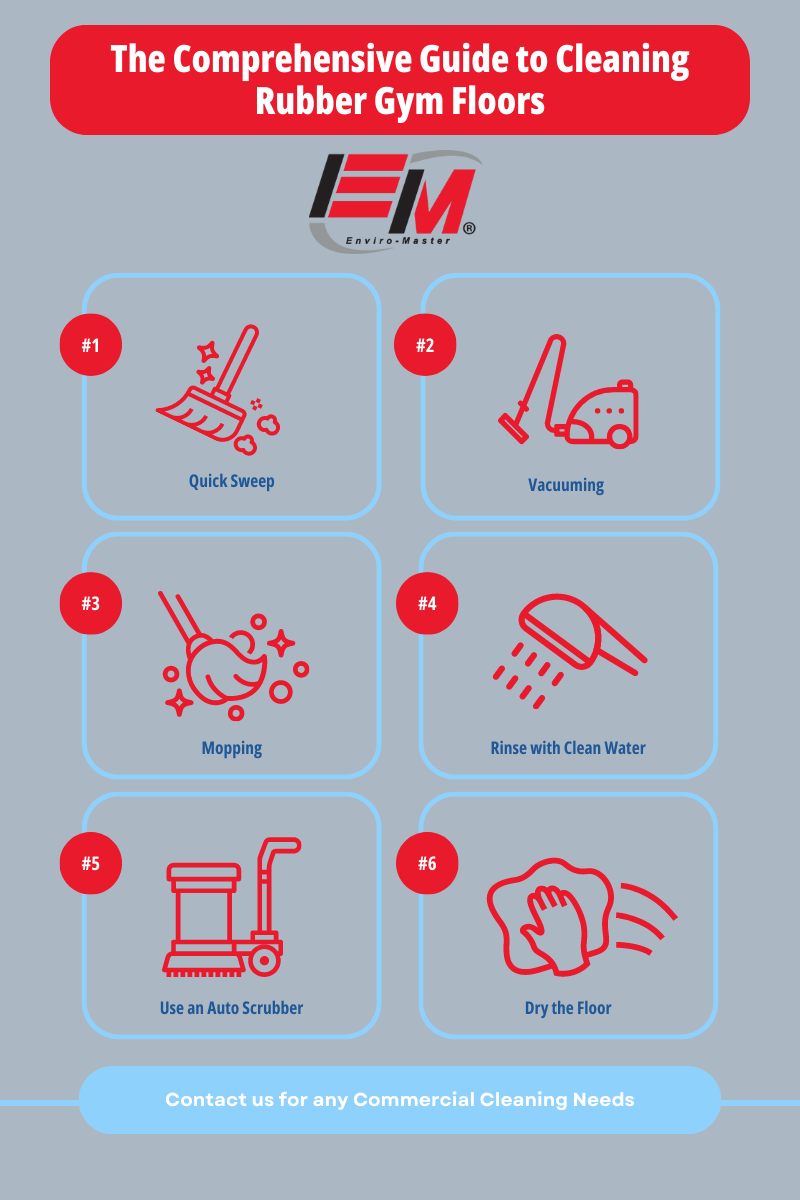
Image Source: enviro-master.com
Why Keep Your Gym Floor Spotless?
A clean gym floor is super important. It is not just about making the place look nice. A clean floor helps keep people safe. It stops slips and falls. It also stops germs from spreading. Think about all the sweat and feet hitting the floor every day! Cleaning makes sure the floor lasts a long time too. It protects your money you spent on it.
Getting Ready to Clean
Before you clean, get your things ready. You need the right tools and cleaning stuff. Using the wrong things can hurt the floor.
Tools You Need
- Soft broom or dust mop
- Vacuum cleaner (one that works on hard floors)
- Clean mop (a microfiber mop works well)
- Two buckets (one for cleaning water, one for rinse water)
- Spray bottle
- Clean cloths or towels
- Warning signs (like “Wet Floor”)
Picking the Right Cleaner
This is very important. You need the best cleaner for rubber gym floor. What makes a cleaner good?
- It should be gentle.
- It should not leave a slippery film. This means it needs to be a non-slip rubber floor cleaner.
- It should match your floor type.
- It should be safe for people and the planet.
Many floor cleaners are too strong. They have harsh stuff like bleach or ammonia. These can break down the rubber over time. They can make the floor crack or lose color.
Look for a pH neutral rubber floor cleaner. pH neutral means it is not too acid or too basic. It is balanced, like plain water. These cleaners clean well without harming the rubber. They are usually the safest choice.
Avoid cleaners with oil or wax. These can make the floor slick. That is the opposite of a non-slip rubber floor cleaner!
You can find cleaners made just for rubber floors. Or you can use a simple cleaner that is pH neutral and made for many types of floors. Always read the label on the cleaner bottle. Make sure it says it is safe for rubber.
Getting the Floor Ready
Before you start cleaning with water, you must get the dry stuff off the floor.
- Use a soft broom or dust mop. Sweep up all the loose dirt, dust, hair, and bits of paper.
- Work across the floor in sections.
- Get into corners and along edges.
- Pick up the piles of dirt.
You can also use a vacuum cleaner. Make sure it is okay for hard floors. A vacuum is great for getting dust out of small spaces. It works well for cleaning interlocking rubber tiles. Dirt can get caught where the tiles meet.
Doing this first dry step is key. If you just start mopping, you will push the dirt around. This can scratch the floor and leave streaks.
Everyday Cleaning Steps
You should clean your gym floor often. What is the right gym floor cleaning frequency? It depends on how many people use the gym.
- Busy gyms: Sweep or vacuum daily.
- Less busy gyms: Sweep or vacuum a few times a week.
After sweeping or vacuuming, you might need to damp mop. This is not a soaking wet mop. It is a slightly wet mop.
How to Damp Mop
- Fill one bucket with clean, cool water.
- Put a little pH neutral rubber floor cleaner in the water. Use only as much as the bottle says. More is not always better!
- Fill the second bucket with only clean, cool water. This is your rinse bucket.
- Dip your clean mop into the bucket with the cleaner water.
- Squeeze the mop out really well. It should be damp, not dripping. Too much water can be bad for rubber floors, especially cleaning interlocking rubber tiles. Water can get under the tiles.
- Mop a small section of the floor.
- Rinse the mop in the second bucket (the rinse bucket). This gets the dirt off the mop.
- Squeeze the mop out again.
- Dip the mop back into the cleaner water bucket (if needed).
- Keep mopping in sections. Change the water in both buckets when it looks dirty. This might be often in a gym!
- Let the floor air dry. It should dry pretty fast if the mop was only damp.
- Put up “Wet Floor” signs while the floor dries.
This damp mopping takes care of everyday sweat and dirt. It keeps the floor fresh. It is part of good gym floor maintenance tips.
Tackling Tough Problems
Sometimes the floor needs more than just everyday cleaning. Sweat can leave marks. Shoes can leave black lines. These need special steps.
Sweat Stain Removal on Rubber Floor
Sweat dries and leaves salt and body oils. These can make dull spots or light marks on the rubber. Sweat stain removal rubber floor needs a little care.
- Mix a little bit of your pH neutral rubber floor cleaner with water in a spray bottle.
- Spray the sweat stain directly.
- Let it sit for a minute.
- Rub the spot gently with a clean cloth or a soft brush.
- Wipe the area with a clean, damp cloth (just water).
- Dry the spot with a clean, dry cloth.
For old or tough sweat stains, you might need to do this a few times. Do not scrub too hard. This can hurt the rubber.
Remove Scuff Marks from Rubber Floor
Black lines from shoes are called scuff marks. These are common in gyms. To remove scuff marks from rubber floor:
- You can often rub them out with a clean pencil eraser. Use a white one.
- For harder marks, use a little bit of the pH neutral cleaner mix in your spray bottle.
- Spray the mark.
- Rub gently with a clean cloth or a soft brush.
- Wipe with a clean, damp cloth.
- Dry the spot.
There are also products made to remove scuff marks from rubber floor. Look for ones that are safe for rubber. Test it in a small spot first.
Deep Cleaning Your Gym Floor
Even with regular cleaning, rubber floors need a deeper clean sometimes. This gets rid of dirt that builds up over time. Deep cleaning rubber gym floor should happen less often than daily cleaning. Maybe once a month, or every few months, depending on gym use.
Deep cleaning is like a super wash for the floor.
Steps for Deep Cleaning
- Clear the area: Move any weights, benches, or machines you can. Clean around things you cannot move.
- Sweep or vacuum: Get all the loose dirt off the floor first. This is very important for deep cleaning.
- Get your cleaner ready: Use your best cleaner for rubber gym floor. This is likely a pH neutral rubber floor cleaner. Mix it with water in a bucket. You might need a bit more cleaner than for damp mopping, but follow the product directions carefully.
- Apply the cleaner: Do not pour cleaner right on the floor. Use a mop to spread the cleaning water on a section of the floor.
- Let it work: Let the cleaner sit on the floor for the time the cleaner bottle says. This lets it loosen dirt. Do not let it dry.
- Scrub gently: Use a soft brush or a cleaning pad made for rubber floors. Scrub the area where the cleaner is sitting. Work in small parts. Focus on dirty spots.
- Remove the dirty water: Do not just let the dirty water sit. Use a clean mop or a wet vacuum (called a shop vac) to pick up the dirty water right away. Rinse the mop often in your rinse bucket or dump the shop vac. Change the water as needed.
- Rinse the floor: This is a key step in deep cleaning rubber gym floor. Fill a bucket with only clean, cool water. Use a clean mop to rinse the area you just cleaned. This gets all the cleaner off the floor. If you leave cleaner behind, it can make the floor sticky or dull. Change the rinse water often.
- Dry the floor: The best way is to use a clean mop or towels to dry the floor by hand. Or use a fan to help it dry faster. Make sure the floor is fully dry before people use it again. This helps keep it a non-slip rubber floor cleaner surface.
- Move to the next section: Clean the floor section by section. Do not try to do the whole floor at once.
Deep cleaning takes more time and work. But it really gets the floor clean and helps it last longer. It is a crucial part of gym floor maintenance tips.
Special Notes for Interlocking Tiles
Cleaning interlocking rubber tiles is mostly the same as cleaning a rolled rubber floor. But there is one big thing to watch out for: the seams between the tiles.
- Water can get into the seams. If water stays there, it can cause problems. It can make the glue lift (if tiles are glued). It can also cause bad smells from mold or mildew.
- When damp mopping or deep cleaning, use the least amount of water possible.
- Wring out your mop extra well when cleaning interlocking rubber tiles.
- Make sure the floor dries completely after cleaning. Pay extra attention to the seams. You might need to use fans on the seams.
- Sweep or vacuum regularly to keep dirt from building up in the seams.
Taking extra care with water is important when cleaning interlocking rubber tiles.
Keeping Germs Away: Disinfecting
Gyms can have lots of germs. People sweat, touch things, and are often close together. Disinfecting gym floor is important, especially in areas where people lay down or do floor exercises.
Disinfecting kills germs. Cleaning removes dirt, but disinfecting kills the tiny living things that can make people sick.
When and How to Disinfect
- Frequency: You might not need to disinfect the whole floor daily. Maybe target high-use areas daily or weekly. Disinfect the whole floor during a deep cleaning rubber gym floor session.
- Choose a disinfectant: Make sure the disinfectant is safe for rubber floors. Read the label. Some strong disinfectants can hurt rubber. Look for products made for gyms or floors. Some cleaners are both cleaners and disinfectants. This makes it easier.
- Steps:
- Clean the floor first! Disinfectants work best on a clean surface. Sweep and mop to remove dirt and sweat.
- Mix the disinfectant as the bottle says. Do not use more than it says.
- Apply the disinfectant to the floor. Use a clean mop or spray bottle.
- Let it sit on the surface for the “contact time”. This is how long the disinfectant needs to stay wet on the germs to kill them. This time is usually on the product label. It might be 5 or 10 minutes. Do NOT let it dry during this time.
- After the contact time, you might need to rinse the floor with clean water. Some disinfectants need rinsing, some do not. Check the product label.
- Dry the floor completely.
Disinfecting gym floor helps keep your gym healthy. Always follow the product steps carefully.
More Gym Floor Maintenance Tips
Good cleaning is just one part of taking care of your floor. Here are more gym floor maintenance tips:
- Use floor mats: Put mats at the entrance doors. This stops dirt and small stones from getting on the rubber. Put mats under heavy machines to stop pressure marks.
- Clean spills right away: Do not let spilled water, sports drinks, or sweat sit on the floor. Wipe them up fast.
- Lift weights carefully: Try not to drop weights. Heavy weights dropped hard can dent or damage rubber floors. Use platforms for weightlifting if you can.
- Check shoes: Ask people to wear clean gym shoes. Outdoor shoes can bring in dirt and stones that scratch the floor. No street shoes on the gym floor!
- Fix small problems: If you see a loose tile or a small damaged spot, fix it soon. This stops the problem from getting bigger.
- Follow the maker’s guide: The company that made your rubber floor might have special cleaning tips. Check their website or papers that came with the floor.
Following these gym floor maintenance tips helps your floor stay in top shape for many years. It also means you might not need to deep cleaning rubber gym floor as often.
Putting It All Together: A Schedule
How often should you do each cleaning step? This is about gym floor cleaning frequency. Here is a possible plan:
| Task | How Often | Notes |
|---|---|---|
| Sweep or Vacuum | Daily (busy gym) | Gets rid of loose dirt |
| Damp Mop (with pH neutral cleaner) | Daily or several times a week | Removes sweat and light dirt |
| Spot Clean (scuffs, stains) | As needed | Handle marks and spills right away |
| Disinfect High-Use Areas | Daily or Weekly | Focus on floor exercise spots |
| Deep Cleaning | Monthly or Quarterly | Gets rid of built-up grime, includes rinsing |
| Disinfect Entire Floor | Quarterly or during Deep Clean | Full germ kill |
This table shows a general gym floor cleaning frequency. You can change it based on how busy your gym is. More people mean you need to clean more often. Less people mean you might clean less often. The key is to clean often enough so dirt does not build up.
Getting a Handle on Cleaners Again
Let’s look again at finding the best cleaner for rubber gym floor.
We talked about pH neutral rubber floor cleaner. Why is pH neutral so good?
* Rubber is made of long chains of stuff called polymers. Acids (low pH) and strong bases (high pH) can break these chains.
* Breaking the chains makes the rubber weak. It can get sticky, soft, or crumbly.
* pH neutral cleaners are gentle. They do not hurt the rubber material itself.
Think of it like your skin. Strong chemicals hurt your skin. Gentle soap is better. Your rubber floor is similar.
What about non-slip rubber floor cleaner?
* Some cleaners leave a film or coating. This makes the floor shiny but also slippery, especially when wet.
* A non-slip cleaner cleans the surface without leaving anything behind. It cleans off dirt and sweat that make the floor slippery, but it does not add slipperiness itself.
* Rinsing the floor well after cleaning helps make sure no cleaner is left to make it slick. This is why rinsing is part of deep cleaning rubber gym floor.
Always test a new cleaner in a small, hidden spot first. See how it looks and feels when dry. Does it make the floor sticky? Does it change the color? If it looks good, then use it on the rest of the floor.
Using the right cleaner makes your cleaning work easier and better. It protects your floor and keeps it safe for everyone.
Final Thoughts on Keeping It Clean
A clean rubber gym floor is a happy gym floor. It looks better, lasts longer, and is safer and healthier for everyone. It might seem like a lot of work, but breaking it down into small steps makes it easy.
Start with sweeping often. This is the simplest thing but makes a big difference. Have your pH neutral rubber floor cleaner ready for damp mopping. Know how to handle marks and stains like sweat stain removal rubber floor and how to remove scuff marks from rubber floor. Plan for deep cleaning rubber gym floor and remember to disinfecting gym floor regularly, especially busy spots. If you have cleaning interlocking rubber tiles, be extra careful with water.
Follow good gym floor maintenance tips like using mats and cleaning spills fast. Stick to a good gym floor cleaning frequency.
Taking these steps means you have mastered how to clean a rubber gym floor properly. You are keeping your gym looking great and providing a safe place for people to work out. Good job!
Frequently Asked Questions (FAQ)
h4 Does bleach hurt rubber floors?
Yes, bleach is too strong for most rubber floors. It can break down the rubber over time. It can make the floor weak or change its color. It is much better to use a pH neutral rubber floor cleaner or a cleaner made for rubber.
h4 Can I use a floor cleaning machine?
Yes, you can use some floor cleaning machines. Look for machines made for hard floors. A machine with soft pads or brushes is best. Make sure the machine does not use too much water. A machine that cleans and vacuums up the water right away is good for cleaning interlocking rubber tiles. Always check the floor maker’s guide before using a machine.
h4 How do I clean rubber walls or baseboards?
You can use the same pH neutral rubber floor cleaner mix in a spray bottle. Spray a cloth, not the wall directly. Wipe the rubber walls or baseboards. Rinse the cloth often with clean water. Wipe down with a damp cloth to rinse, then dry with a clean cloth.
h4 My rubber floor smells bad. What can I do?
Smells often come from sweat and bacteria building up.
1. Clean the floor well using your best cleaner for rubber gym floor.
2. Make sure you rinse well. Cleaner left on the floor can hold onto smells.
3. Make sure the floor dries completely after cleaning. Wet floors can grow things that smell.
4. Consider disinfecting gym floor to kill the bacteria causing the smell. Use a disinfectant safe for rubber.
5. Improve air flow in the gym. Open windows or use fans to help the floor dry faster and air out the room. Sometimes, a cleaner made to fight smells (an enzymatic cleaner, if safe for rubber) can help with tough odors, especially for sweat stain removal rubber floor.
h4 How often should I replace my rubber gym floor?
How long a rubber floor lasts depends on how good the floor is, how much it is used, and how well you take care of it. A floor that is cleaned often and well-maintained will last much longer. Following good gym floor maintenance tips and a regular gym floor cleaning frequency can help your floor last 10 years or more.
h4 Can I use a floor finish or wax on rubber?
No, most rubber floors should not have floor finishes or waxes. These products are made for other types of floors, like tile or wood. They can make rubber floors very slippery. This is the opposite of a non-slip rubber floor cleaner. Waxes can also be very hard to remove from rubber later.
h4 What temperature water should I use?
Cool or lukewarm water is best. Hot water can sometimes be too harsh on rubber materials or make certain stains set in. Use cool water with your pH neutral rubber floor cleaner.
h4 Will cleaning make my rubber floor slippery?
If you use the right cleaner (non-slip rubber floor cleaner or pH neutral) and rinse properly (if needed), cleaning should not make the floor slippery. Dirt, sweat, and leftover cleaner are what make floors slick. Cleaning removes these things, making the floor safer. Always let the floor dry completely before use.
h4 What is the difference between cleaning and disinfecting?
Cleaning removes dirt, dust, and spills from the surface. Disinfecting kills germs like bacteria and viruses on the surface. You should always clean before you disinfect. Disinfectants work best on a clean surface.
h4 I have a small gym at home. Is cleaning different?
The steps are the same for a home gym! You still need to sweep, damp mop with a pH neutral cleaner, and clean spills. Your gym floor cleaning frequency might be less often than a busy public gym. Maybe sweep/vacuum once a week and damp mop every week or two. Deep cleaning rubber gym floor might be every few months or just twice a year. You still need to remove scuff marks from rubber floor and do sweat stain removal rubber floor when they happen. The principles of gym floor maintenance tips are the same, just maybe less frequent tasks.
Why Keep Your Gym Floor Spotless?
A clean gym floor is super important. It is not just about making the place look nice. A clean floor helps keep people safe. It stops slips and falls. It also stops germs from spreading. Think about all the sweat and feet hitting the floor every day! Cleaning makes sure the floor lasts a long time too. It protects your money you spent on it.
Getting Ready to Clean
Before you clean, get your things ready. You need the right tools and cleaning stuff. Using the wrong things can hurt the floor.
Tools You Need
- Soft broom or dust mop
- Vacuum cleaner (one that works on hard floors)
- Clean mop (a microfiber mop works well)
- Two buckets (one for cleaning water, one for rinse water)
- Spray bottle
- Clean cloths or towels
- Warning signs (like “Wet Floor”)
Picking the Right Cleaner
This is very important. You need the best cleaner for rubber gym floor. What makes a cleaner good?
- It should be gentle.
- It should not leave a slippery film. This means it needs to be a non-slip rubber floor cleaner.
- It should match your floor type.
- It should be safe for people and the planet.
Many floor cleaners are too strong. They have harsh stuff like bleach or ammonia. These can break down the rubber over time. They can make the floor crack or lose color.
Look for a pH neutral rubber floor cleaner. pH neutral means it is not too acid or too basic. It is balanced, like plain water. These cleaners clean well without harming the rubber. They are usually the safest choice.
Avoid cleaners with oil or wax. These can make the floor slick. That is the opposite of a non-slip rubber floor cleaner!
You can find cleaners made just for rubber floors. Or you can use a simple cleaner that is pH neutral and made for many types of floors. Always read the label on the cleaner bottle. Make sure it says it is safe for rubber.
Getting the Floor Ready
Before you start cleaning with water, you must get the dry stuff off the floor.
- Use a soft broom or dust mop. Sweep up all the loose dirt, dust, hair, and bits of paper.
- Work across the floor in sections.
- Get into corners and along edges.
- Pick up the piles of dirt.
You can also use a vacuum cleaner. Make sure it is okay for hard floors. A vacuum is great for getting dust out of small spaces. It works well for cleaning interlocking rubber tiles. Dirt can get caught where the tiles meet.
Doing this first dry step is key. If you just start mopping, you will push the dirt around. This can scratch the floor and leave streaks.
Everyday Cleaning Steps
You should clean your gym floor often. What is the right gym floor cleaning frequency? It depends on how many people use the gym.
- Busy gyms: Sweep or vacuum daily.
- Less busy gyms: Sweep or vacuum a few times a week.
After sweeping or vacuuming, you might need to damp mop. This is not a soaking wet mop. It is a slightly wet mop.
How to Damp Mop
- Fill one bucket with clean, cool water.
- Put a little pH neutral rubber floor cleaner in the water. Use only as much as the bottle says. More is not always better!
- Fill the second bucket with only clean, cool water. This is your rinse bucket.
- Dip your clean mop into the bucket with the cleaner water.
- Squeeze the mop out really well. It should be damp, not dripping. Too much water can be bad for rubber floors, especially cleaning interlocking rubber tiles. Water can get under the tiles.
- Mop a small section of the floor.
- Rinse the mop in the second bucket (the rinse bucket). This gets the dirt off the mop.
- Squeeze the mop out again.
- Dip the mop back into the cleaner water bucket (if needed).
- Keep mopping in sections. Change the water in both buckets when it looks dirty. This might be often in a gym!
- Let the floor air dry. It should dry pretty fast if the mop was only damp.
- Put up “Wet Floor” signs while the floor dries.
This damp mopping takes care of everyday sweat and dirt. It keeps the floor fresh. It is part of good gym floor maintenance tips.
Tackling Tough Problems
Sometimes the floor needs more than just everyday cleaning. Sweat can leave marks. Shoes can leave black lines. These need special steps.
Sweat Stain Removal on Rubber Floor
Sweat dries and leaves salt and body oils. These can make dull spots or light marks on the rubber. Sweat stain removal rubber floor needs a little care.
- Mix a little bit of your pH neutral rubber floor cleaner with water in a spray bottle.
- Spray the sweat stain directly.
- Let it sit for a minute.
- Rub the spot gently with a clean cloth or a soft brush.
- Wipe the area with a clean, damp cloth (just water).
- Dry the spot with a clean, dry cloth.
For old or tough sweat stains, you might need to do this a few times. Do not scrub too hard. This can hurt the rubber.
Remove Scuff Marks from Rubber Floor
Black lines from shoes are called scuff marks. These are common in gyms. To remove scuff marks from rubber floor:
- You can often rub them out with a clean pencil eraser. Use a white one.
- For harder marks, use a little bit of the pH neutral cleaner mix in your spray bottle.
- Spray the mark.
- Rub gently with a clean cloth or a soft brush.
- Wipe with a clean, damp cloth.
- Dry the spot.
There are also products made to remove scuff marks from rubber floor. Look for ones that are safe for rubber. Test it in a small spot first.
Deep Cleaning Your Gym Floor
Even with regular cleaning, rubber floors need a deeper clean sometimes. This gets rid of dirt that builds up over time. Deep cleaning rubber gym floor should happen less often than daily cleaning. Maybe once a month, or every few months, depending on gym use.
Deep cleaning is like a super wash for the floor.
Steps for Deep Cleaning
- Clear the area: Move any weights, benches, or machines you can. Clean around things you cannot move.
- Sweep or vacuum: Get all the loose dirt off the floor first. This is very important for deep cleaning.
- Get your cleaner ready: Use your best cleaner for rubber gym floor. This is likely a pH neutral rubber floor cleaner. Mix it with water in a bucket. You might need a bit more cleaner than for damp mopping, but follow the product directions carefully.
- Apply the cleaner: Do not pour cleaner right on the floor. Use a mop to spread the cleaning water on a section of the floor.
- Let it work: Let the cleaner sit on the floor for the time the cleaner bottle says. This lets it loosen dirt. Do not let it dry.
- Scrub gently: Use a soft brush or a cleaning pad made for rubber floors. Scrub the area where the cleaner is sitting. Work in small parts. Focus on dirty spots.
- Remove the dirty water: Do not just let the dirty water sit. Use a clean mop or a wet vacuum (called a shop vac) to pick up the dirty water right away. Rinse the mop often in your rinse bucket or dump the shop vac. Change the water as needed.
- Rinse the floor: This is a key step in deep cleaning rubber gym floor. Fill a bucket with only clean, cool water. Use a clean mop to rinse the area you just cleaned. This gets all the cleaner off the floor. If you leave cleaner behind, it can make the floor sticky or dull. Change the rinse water often.
- Dry the floor: The best way is to use a clean mop or towels to dry the floor by hand. Or use a fan to help it dry faster. Make sure the floor is fully dry before people use it again. This helps keep it a non-slip rubber floor cleaner surface.
- Move to the next section: Clean the floor section by section. Do not try to do the whole floor at once.
Deep cleaning takes more time and work. But it really gets the floor clean and helps it last longer. It is a crucial part of gym floor maintenance tips.
Special Notes for Interlocking Tiles
Cleaning interlocking rubber tiles is mostly the same as cleaning a rolled rubber floor. But there is one big thing to watch out for: the seams between the tiles.
- Water can get into the seams. If water stays there, it can cause problems. It can make the glue lift (if tiles are glued). It can also cause bad smells from mold or mildew.
- When damp mopping or deep cleaning, use the least amount of water possible.
- Wring out your mop extra well when cleaning interlocking rubber tiles.
- Make sure the floor dries completely after cleaning. Pay extra attention to the seams. You might need to use fans on the seams.
- Sweep or vacuum regularly to keep dirt from building up in the seams.
Taking extra care with water is important when cleaning interlocking rubber tiles.
Keeping Germs Away: Disinfecting
Gyms can have lots of germs. People sweat, touch things, and are often close together. Disinfecting gym floor is important, especially in areas where people lay down or do floor exercises.
Disinfecting kills germs. Cleaning removes dirt, but disinfecting kills the tiny living things that can make people sick.
When and How to Disinfect
- Frequency: You might not need to disinfect the whole floor daily. Maybe target high-use areas daily or weekly. Disinfect the whole floor during a deep cleaning rubber gym floor session.
- Choose a disinfectant: Make sure the disinfectant is safe for rubber floors. Read the label. Some strong disinfectants can hurt rubber. Look for products made for gyms or floors. Some cleaners are both cleaners and disinfectants. This makes it easier.
- Steps:
- Clean the floor first! Disinfectants work best on a clean surface. Sweep and mop to remove dirt and sweat.
- Mix the disinfectant as the bottle says. Do not use more than it says.
- Apply the disinfectant to the floor. Use a clean mop or spray bottle.
- Let it sit on the surface for the “contact time”. This is how long the disinfectant needs to stay wet on the germs to kill them. This time is usually on the product label. It might be 5 or 10 minutes. Do NOT let it dry during this time.
- After the contact time, you might need to rinse the floor with clean water. Some disinfectants need rinsing, some do not. Check the product label.
- Dry the floor completely.
Disinfecting gym floor helps keep your gym healthy. Always follow the product steps carefully.
More Gym Floor Maintenance Tips
Good cleaning is just one part of taking care of your floor. Here are more gym floor maintenance tips:
- Use floor mats: Put mats at the entrance doors. This stops dirt and small stones from getting on the rubber. Put mats under heavy machines to stop pressure marks.
- Clean spills right away: Do not let spilled water, sports drinks, or sweat sit on the floor. Wipe them up fast.
- Lift weights carefully: Try not to drop weights. Heavy weights dropped hard can dent or damage rubber floors. Use platforms for weightlifting if you can.
- Check shoes: Ask people to wear clean gym shoes. Outdoor shoes can bring in dirt and stones that scratch the floor. No street shoes on the gym floor!
- Fix small problems: If you see a loose tile or a small damaged spot, fix it soon. This stops the problem from getting bigger.
- Follow the maker’s guide: The company that made your rubber floor might have special cleaning tips. Check their website or papers that came with the floor.
Following these gym floor maintenance tips helps your floor stay in top shape for many years. It also means you might not need to deep cleaning rubber gym floor as often.
Putting It All Together: A Schedule
How often should you do each cleaning step? This is about gym floor cleaning frequency. Here is a possible plan:
| Task | How Often | Notes |
|---|---|---|
| Sweep or Vacuum | Daily (busy gym) | Gets rid of loose dirt |
| Damp Mop (with pH neutral cleaner) | Daily or several times a week | Removes sweat and light dirt |
| Spot Clean (scuffs, stains) | As needed | Handle marks and spills right away |
| Disinfect High-Use Areas | Daily or Weekly | Focus on floor exercise spots |
| Deep Cleaning | Monthly or Quarterly | Gets rid of built-up grime, includes rinsing |
| Disinfect Entire Floor | Quarterly or during Deep Clean | Full germ kill |
This table shows a general gym floor cleaning frequency. You can change it based on how busy your gym is. More people mean you need to clean more often. Less people mean you might clean less often. The key is to clean often enough so dirt does not build up.
Getting a Handle on Cleaners Again
Let’s look again at finding the best cleaner for rubber gym floor.
We talked about pH neutral rubber floor cleaner. Why is pH neutral so good?
* Rubber is made of long chains of stuff called polymers. Acids (low pH) and strong bases (high pH) can break these chains.
* Breaking the chains makes the rubber weak. It can get sticky, soft, or crumbly.
* pH neutral cleaners are gentle. They do not hurt the rubber material itself.
Think of it like your skin. Strong chemicals hurt your skin. Gentle soap is better. Your rubber floor is similar.
What about non-slip rubber floor cleaner?
* Some cleaners leave a film or coating. This makes the floor shiny but also slippery, especially when wet.
* A non-slip cleaner cleans the surface without leaving anything behind. It cleans off dirt and sweat that make the floor slippery, but it does not add slipperiness itself.
* Rinsing the floor well after cleaning helps make sure no cleaner is left to make it slick. This is why rinsing is part of deep cleaning rubber gym floor.
Always test a new cleaner in a small, hidden spot first. See how it looks and feels when dry. Does it make the floor sticky? Does it change the color? If it looks good, then use it on the rest of the floor.
Using the right cleaner makes your cleaning work easier and better. It protects your floor and keeps it safe for everyone.
Final Thoughts on Keeping It Clean
A clean rubber gym floor is a happy gym floor. It looks better, lasts longer, and is safer and healthier for everyone. It might seem like a lot of work, but breaking it down into small steps makes it easy.
Start with sweeping often. This is the simplest thing but makes a big difference. Have your pH neutral rubber floor cleaner ready for damp mopping. Know how to handle marks and stains like sweat stain removal rubber floor and how to remove scuff marks from rubber floor. Plan for deep cleaning rubber gym floor and remember to disinfecting gym floor regularly, especially busy spots. If you have cleaning interlocking rubber tiles, be extra careful with water.
Follow good gym floor maintenance tips like using mats and cleaning spills fast. Stick to a good gym floor cleaning frequency.
Taking these steps means you have mastered how to clean a rubber gym floor properly. You are keeping your gym looking great and providing a safe place for people to work out. Good job!
Frequently Asked Questions (FAQ)
h4 Does bleach hurt rubber floors?
Yes, bleach is too strong for most rubber floors. It can break down the rubber over time. It can make the floor weak or change its color. It is much better to use a pH neutral rubber floor cleaner or a cleaner made for rubber.
h4 Can I use a floor cleaning machine?
Yes, you can use some floor cleaning machines. Look for machines made for hard floors. A machine with soft pads or brushes is best. Make sure the machine does not use too much water. A machine that cleans and vacuums up the water right away is good for cleaning interlocking rubber tiles. Always check the floor maker’s guide before using a machine.
h4 How do I clean rubber walls or baseboards?
You can use the same pH neutral rubber floor cleaner mix in a spray bottle. Spray a cloth, not the wall directly. Wipe the rubber walls or baseboards. Rinse the cloth often with clean water. Wipe down with a damp cloth to rinse, then dry with a clean cloth.
h4 My rubber floor smells bad. What can I do?
Smells often come from sweat and bacteria building up.
1. Clean the floor well using your best cleaner for rubber gym floor.
2. Make sure you rinse well. Cleaner left on the floor can hold onto smells.
3. Make sure the floor dries completely after cleaning. Wet floors can grow things that smell.
4. Consider disinfecting gym floor to kill the bacteria causing the smell. Use a disinfectant safe for rubber.
5. Improve air flow in the gym. Open windows or use fans to help the floor dry faster and air out the room. Sometimes, a cleaner made to fight smells (an enzymatic cleaner, if safe for rubber) can help with tough odors, especially for sweat stain removal rubber floor.
h4 How often should I replace my rubber gym floor?
How long a rubber floor lasts depends on how good the floor is, how much it is used, and how well you take care of it. A floor that is cleaned often and well-maintained will last much longer. Following good gym floor maintenance tips and a regular gym floor cleaning frequency can help your floor last 10 years or more.
h4 Can I use a floor finish or wax on rubber?
No, most rubber floors should not have floor finishes or waxes. These products are made for other types of floors, like tile or wood. They can make rubber floors very slippery. This is the opposite of a non-slip rubber floor cleaner. Waxes can also be very hard to remove from rubber later.
h4 What temperature water should I use?
Cool or lukewarm water is best. Hot water can sometimes be too harsh on rubber materials or make certain stains set in. Use cool water with your pH neutral rubber floor cleaner.
h4 Will cleaning make my rubber floor slippery?
If you use the right cleaner (non-slip rubber floor cleaner or pH neutral) and rinse properly (if needed), cleaning should not make the floor slippery. Dirt, sweat, and leftover cleaner are what make floors slick. Cleaning removes these things, making the floor safer. Always let the floor dry completely before use.
h4 What is the difference between cleaning and disinfecting?
Cleaning removes dirt, dust, and spills from the surface. Disinfecting kills germs like bacteria and viruses on the surface. You should always clean before you disinfect. Disinfectants work best on a clean surface.
h4 I have a small gym at home. Is cleaning different?
The steps are the same for a home gym! You still need to sweep, damp mop with a pH neutral cleaner, and clean spills. Your gym floor cleaning frequency might be less often than a busy public gym. Maybe sweep/vacuum once a week and damp mop every week or two. Deep cleaning rubber gym floor might be every few months or just twice a year. You still need to remove scuff marks from rubber floor and do sweat stain removal rubber floor when they happen. The principles of gym floor maintenance tips are the same, just maybe less frequent tasks.