
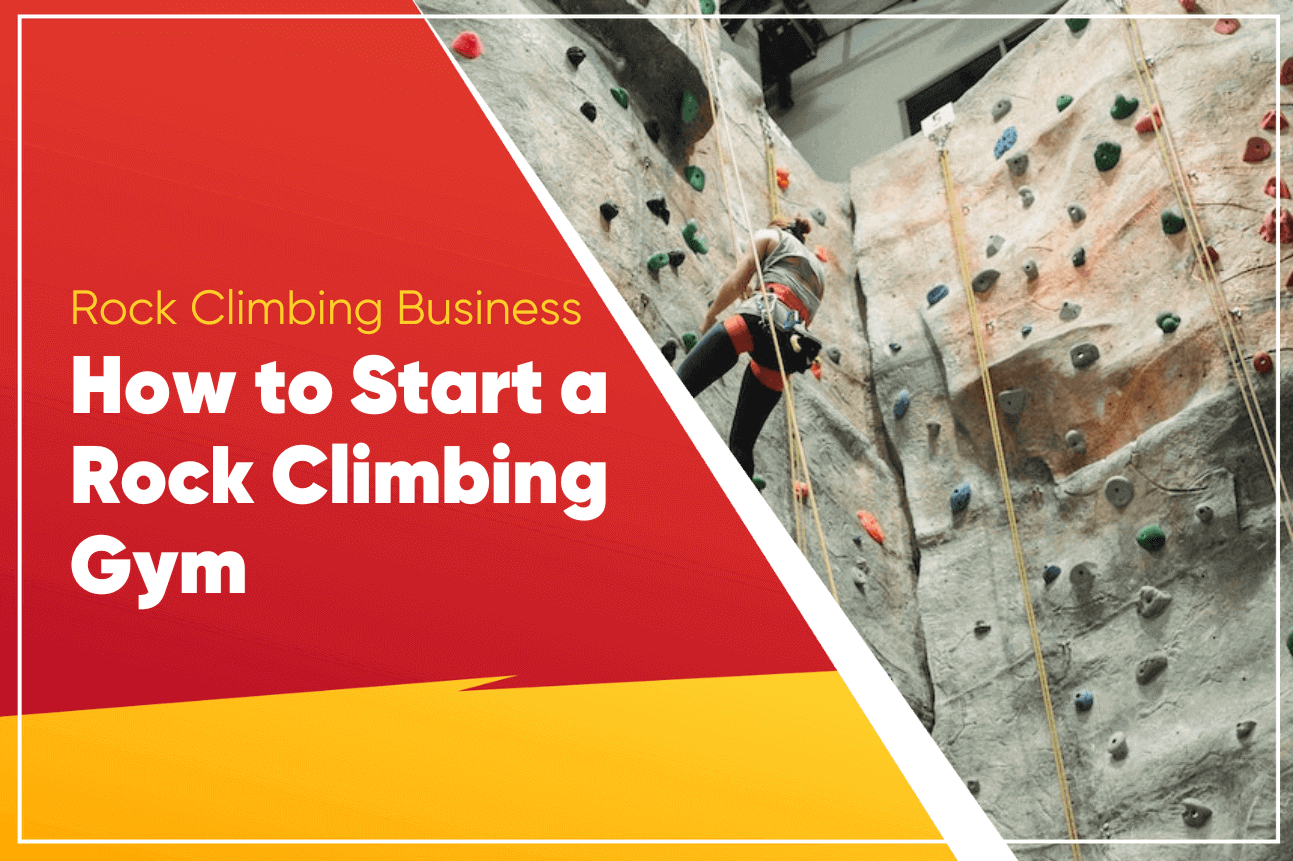
Image Source: gymdesk.com
How To Open A Rock Climbing Gym: Getting Started Guide
Thinking about opening a rock climbing gym? It’s a big dream, but it takes careful planning, money, and hard work. This guide will walk you through the key steps to help you get started. It covers everything from making your plan to finding money, building the walls, and running the gym day-to-day.
Is Opening a Climbing Gym Your Dream?
Opening a climbing gym is more than just building walls. It’s about making a place where people can challenge themselves, get fit, and be part of a community. Is this something you feel strongly about? Do you love climbing and want to share it with others?
Looking at Climbing Industry Trends
The world of rock climbing is growing. More and more people want to try it. The sport got a big boost from being in the Olympics. This means more people know about it and want to climb. Looking at these climbing industry trends helps you see that there’s a real interest out there. Gyms are no longer just for super strong climbers. Many new gyms are built for everyone – families, kids, and people just starting. This growth is good news if you want to open a gym.
What Kind of Gym?
Climbing gyms come in different types. You can open a gym just for bouldering, one just for ropes, or a mix of both.
- Bouldering Gyms: These gyms have shorter walls, usually less than 15 feet tall. Climbers don’t use ropes. Instead, big, soft pads are on the floor to catch falls. Bouldering gym startup costs can be lower than rope gyms because you don’t need tall buildings or as much safety equipment like harnesses and ropes for every climber. Bouldering is very popular because it’s easy to start. People can just rent shoes and chalk and begin climbing right away.
- Rope Gyms: These gyms have much taller walls, often 40 to 60 feet or more. Climbers use ropes, harnesses, and a belay device. Someone on the ground (the belayer) holds the rope to keep the climber safe. These gyms need more space upwards. They also need more safety training for staff and climbers.
- Mixed Gyms: Many gyms offer both bouldering and rope climbing. This lets them serve more people and offer more climbing options in one place. This type of gym might cost more to build, but it can bring in more customers.
Think about what kind of climbing you love most and who you want to serve. This helps you decide the best type of gym for your plan.
Mapping Out Your Gym Plan
You wouldn’t start a long trip without a map. Opening a climbing gym is a long trip for your business. You need a detailed plan.
Why You Need a Rock Climbing Gym Business Plan
A rock climbing gym business plan is your map. It puts all your ideas on paper. It shows how your gym will work. It talks about who your customers will be. It shows how you will make money. It also shows how you will spend money. Why is this plan so important?
- It Guides You: It helps you think through every part of the business. It makes you look at the details.
- It Helps Get Money: Banks or investors will want to see your plan. It shows them you have thought things through. It helps them decide if giving you money is a good idea.
- It Shows Your Goals: It states what you want your gym to be and how you will reach those goals.
Writing a good business plan takes time. But it is time well spent.
Key Parts of Your Plan
What goes into a rock climbing gym business plan?
- Summary: A short overview of your whole plan. Write this last.
- Company: Describe your gym idea. What is special about it? What are your goals?
- Market: Who will your customers be? How many people climb near your chosen spot? What are other gyms doing? (This is where you use those climbing industry trends you looked at.)
- Service: What climbing will you offer? (Bouldering, ropes, classes, fitness?) What other things will you sell? (Gear shop, food, coffee?)
- Marketing: How will people find out about your gym? How will you get customers to visit?
- Management: Who will run the gym? What is your team like?
- Money: This is a big part. How much money do you need to start? How will you make money? How will you pay bills? How long until you make a profit?
Location, Location, Location
Choosing where to put your gym is a huge decision. The right spot can make your gym boom. The wrong spot can make things very hard.
Finding the Right Spot
Look for a place that is easy for people to get to. Is it near main roads? Is there enough parking? Is it in a safe area? Think about your target customers. Where do they live or work? Being near them is a good idea. Also, look at who your neighbors might be. Being near other fun places or shops can help bring people in.
Thinking About Space Needs
Climbing gyms need a lot of space. Rope gyms need space that is very tall. Bouldering gyms need wide-open space. You need room for the climbing walls. You also need space for:
- Front desk
- Gear rental
- Locker rooms and restrooms
- Warm-up area
- Training area (weights, boards)
- Retail shop
- Lounge or seating area
- Staff offices
- Storage for holds and gear
The size and type of gym you want will shape how much space you need. A small bouldering gym startup might need 5,000-10,000 square feet. A large mixed gym could need 20,000 square feet or more.
Figuring Out the Money
This is often the hardest part. How much does it cost to open a climbing gym? And where do you get that money?
What are the Startup Costs for Climbing Gyms?
The startup costs for climbing gym can be very high. Building climbing walls costs a lot. Renting or buying a big building costs a lot. Buying all the gear costs a lot. Here are some main costs you will have:
| Cost Item | What It Is | How Much It Might Cost (Very Rough Idea) |
|---|---|---|
| Finding & Preparing Place | Rent deposit, fixing the building | $50,000 – $300,000+ |
| Climbing Wall Construction | Paying companies to build the walls | $500,000 – $2,000,000+ |
| Indoor Facility Design | Paying people to design the layout and look | $10,000 – $50,000+ |
| Climbing Gym Equipment | Ropes, harnesses, shoes, holds, crash pads | $100,000 – $500,000+ |
| Permits & Fees | Getting permission from the city | $5,000 – $50,000+ |
| Insurance | Paying for your first year of climbing gym insurance | $20,000 – $60,000+ |
| Starting Staff Pay | Paying staff before you make much money | $30,000 – $100,000+ (depends on staff size) |
| Marketing | Telling people about your new gym | $10,000 – $50,000+ |
| Other Gear | Front desk tech, cleaning supplies, furniture | $10,000 – $50,000+ |
| Money in the Bank | Saving money for the first few months of bills | $50,000 – $300,000+ |
These numbers are just examples. Your costs will be very different based on where you are, the size of your gym, and the quality of building and gear you choose. A bouldering gym startup will likely be on the lower end of these numbers than a big rope gym. But even a bouldering gym can cost a lot. The total startup costs can easily be $800,000 to $3,000,000 or more.
Finding Funding for Your Climbing Gym
Once you know how much money you need (from your business plan!), the next step is finding that money. This is called funding for a climbing gym.
Ways to Get Money
- Your Own Money: This is often the first money used. How much can you put in yourself?
- Loans: You can get loans from banks or other money lenders. They will want to see your business plan and maybe your own money situation.
- Investors: These are people who give you money for a part of your business. They hope to make more money back later if your gym does well. Finding investors often means having a very strong business plan and a good presentation.
- Small Business Help: Government programs or groups that help small businesses might offer loans or grants. Look for these in your area.
- Friends and Family: Sometimes people get money from people they know.
Getting enough money is hard. It takes time and effort. Be ready to share your plan many times.
Making the Numbers Work
Your business plan must show how you will make money. Where will money come from?
- Memberships (monthly or yearly)
- Day passes (people paying each time they visit)
- Classes (intro classes, safety classes)
- Youth programs (teams, camps, parties)
- Retail sales (selling shoes, chalk, clothes)
- Food and drinks
- Special events
You need to figure out how many customers you need each month to pay your bills and start making a profit. This is a key part of your financial plan within the rock climbing gym business plan.
Making Your Gym Take Shape
Once you have the money and the location, you start making the building ready and putting up the walls.
Getting Started with Indoor Climbing Facility Design
Good indoor climbing facility design is key to a great gym. It’s not just about putting walls anywhere. You need to think about how people will move through the space. Is the front desk easy to find? Is there a clear path to the climbing areas? Where do people put their bags? Where do they put on shoes?
Designers who know climbing gyms can help a lot. They know how to use the space well. They think about how tall the walls should be for different types of climbing. They plan for safety areas around the walls. They also think about things like light, air flow, and sound.
Key Ideas for Good Design
- Flow: Make it easy for people to get around without bumping into each other or getting in the way of climbers.
- Separate Areas: Keep bouldering separate from rope climbing. Have clear areas for warm-up, training, and just sitting around.
- Visibility: Can staff see most of the climbing areas to make sure people are being safe?
- Light: Good light helps people see the holds and routes better.
- Fun Shapes: Walls can have different angles (sloping out, straight up, overhanging). This makes climbing more fun and gives different challenges.
- Comfort Areas: People need places to rest, watch others, or work.
What About Climbing Wall Construction?
Building the climbing walls is a big job. This is a main part of your startup costs for climbing gym. You will likely need to hire special companies that know how to build climbing walls safely and strongly.
Choosing Builders
Look for companies with experience building climbing gyms. Ask to see examples of other gyms they have built. Talk to owners of those gyms to see if they were happy with the work. The builder needs to understand safety rules and build walls that can handle a lot of weight and use every day.
Building the Walls
Climbing walls are usually built with a strong wood frame covered in thick plywood panels. These panels have holes drilled in them. Special nuts called “T-nuts” go into these holes. Climbers’ hand and foot holds screw into these T-nuts. The surface of the wall is often painted with a special paint mixed with sand or texture to make it easier to grip with climbing shoes.
The builders will follow the indoor climbing facility design plan. They make sure the walls are strong and safe. They also need to make sure the building itself can handle the weight and forces from the walls and the climbers. This might mean working with engineers too. Climbing wall construction is a major investment, so picking the right team is very important.
Picking the Right Equipment
Once the walls are built, you need to fill the gym with gear. This is another big part of your costs.
Finding Climbing Gym Equipment Suppliers
You will need companies that sell climbing gear in bulk. These are your climbing gym equipment suppliers. You will buy things like:
- Climbing holds (you need thousands!)
- Rental shoes
- Rental harnesses (for rope climbing)
- Rental belay devices (for rope climbing)
- Ropes (for lead climbing and top-roping)
- Quickdraws (for lead climbing)
- Crash pads (for bouldering)
- Auto-belays (machines that lower climbers automatically)
- Chalk and chalk bags
- Brushes for cleaning holds
Look for suppliers with a good name. Ask other gym owners who they use. Get prices from a few different companies. Quality gear lasts longer and is safer, but it costs more. You need to find a balance.
What Gear Will You Need?
Here’s a list of the main things you’ll need to buy:
- Climbing Holds: Different sizes, shapes, and colors. You need enough to set many routes on the walls. This is one of the biggest ongoing costs for a gym.
- Rental Gear: A large number of shoes, harnesses, and belay devices for people who don’t own their own. You need many sizes.
- Safety Gear: Ropes, carabiners, quickdraws, pads. These need to be strong and checked often.
- Auto-belays: These are popular. They let people climb on ropes without needing a partner to belay them. They are expensive but can be a good investment.
- Training Gear: Maybe hangboards, campus boards, weights, and other fitness equipment.
- Retail Stock: Shoes, harnesses, chalk, clothes, books to sell to customers.
- Other Stuff: Mats for warm-up areas, cleaning supplies, first aid kits, office supplies, computers for the front desk, software for managing memberships and sales.
Getting all this gear adds up quickly. Make sure it’s in your plan and budget.
Keeping Everyone Safe
Safety is the most important thing in a climbing gym. People are climbing up high or falling onto pads. You must do everything you can to keep them safe.
Why You Need Climbing Gym Insurance
Accidents can happen even when everyone is careful. Someone could fall and get hurt badly. Gear could break. Building problems could cause harm. If someone gets hurt at your gym, they might try to sue you. Climbing gym insurance is needed to protect your business from the high costs of lawsuits and medical bills. It’s not an option; it’s a must-have. It’s a significant part of your startup costs for climbing gym and your ongoing monthly bills.
What Kind of Insurance?
You will need several types of insurance:
- General Liability Insurance: This is the most important one. It covers claims if someone is injured or their property is damaged at your gym.
- Property Insurance: This covers damage to your building and the things inside it (walls, gear, equipment) from things like fire or theft.
- Workers’ Compensation Insurance: This is required by law in most places. It covers your staff if they get hurt while working.
- Professional Liability (Errors & Omissions): If you offer classes or advice, this can cover claims if a customer is harmed because of your teaching or advice.
- Umbrella Policy: This gives you extra coverage on top of your other policies for very large claims.
Talk to an insurance agent who knows about climbing gyms or similar high-risk businesses. They can help you get the right coverage. Get quotes from a few different companies.
How to Run Your Gym Day-to-Day
Once the gym is built and ready, you need to run it well every single day. This is called climbing gym operations management. It covers everything from cleaning to staffing to setting routes.
Mastering Climbing Gym Operations Management
Good operations make customers happy and keep the gym safe.
- Route Setting: You need people to put the holds on the walls to create climbing “problems” (bouldering) or “routes” (ropes). You need to change these routes often to keep things fresh for climbers. This takes skill and creativity.
- Cleaning: Gyms get dirty! Chalk dust is everywhere. You need a plan for cleaning holds, walls, floors, and restrooms every day.
- Gear Checks: Rental gear and safety equipment must be checked often to make sure it’s in good shape. Ropes wear out and need to be replaced.
- Safety Rules: Have clear rules and make sure staff and customers follow them. This includes rules about falling in bouldering areas or proper belaying for rope climbing.
- Managing Staff: You need a team of people to work the front desk, teach classes, set routes, and keep the gym clean.
- Customer Service: Staff should be friendly and helpful. Happy customers come back.
Effective climbing gym operations management makes your gym a safe, fun, and welcoming place.
Staffing Your Gym
Your staff are the face of your gym. You need people who:
- Know about climbing and safety.
- Are good with people.
- Are reliable.
- Can teach and explain things clearly.
Train your staff well on safety rules, emergency plans, customer service, and how to teach basic climbing skills. You might need route setters, front desk staff, climbing instructors, and managers.
Membership and Pricing
How will you charge people?
- Day Passes: People pay each time they visit. Good for new climbers or visitors.
- Memberships: People pay a regular fee (like monthly or yearly) to visit as much as they want. This gives you steady money coming in. Offer different types of memberships (single, family, student).
- Punch Passes: People buy 5 or 10 visits at once.
Set prices that cover your costs and make a profit, but are also fair for your customers and competitive with other gyms nearby (if any).
Marketing Your Gym
You built a great gym, now how do people find out?
- Local Ads: Use local newspapers, radio, or community boards.
- Online: A good website and active social media (like Instagram and Facebook) are key. Share photos and videos of climbing.
- Events: Host parties, competitions, or movie nights.
- Work with Schools/Groups: Offer special rates or programs for kids or local companies.
- First Visit Deals: Offer a low price or a free intro class for new visitors.
Tell people what makes your gym special. Is it great for families? Does it have amazing bouldering? Is it focused on training?
Putting All the Pieces Together
Opening a rock climbing gym is a huge project. It needs passion for climbing, a solid plan (your rock climbing gym business plan), enough money (funding for a climbing gym to cover startup costs for climbing gym), experts for indoor climbing facility design and climbing wall construction, good climbing gym equipment suppliers, strong climbing gym insurance, and a clear plan for climbing gym operations management. Looking at climbing industry trends helps you see the big picture and the opportunity. Whether you start a full-service gym or a bouldering gym startup, each step requires careful thought and work.
It won’t be easy. There will be challenges. But if you plan well, build a strong team, and focus on safety and community, you can create a thriving gym that brings the joy of climbing to many people.
Frequently Asked Questions (FAQ)
H5: How much does it cost to open a rock climbing gym?
Opening a rock climbing gym is expensive. Startup costs for climbing gym can range from $800,000 to over $3,000,000, sometimes even more. This includes building walls, getting gear, rent, permits, and early operating costs. A bouldering gym startup might be less expensive than a large rope gym, but it still costs a lot.
H5: How long does it take to open a climbing gym?
It usually takes a long time. After getting funding for a climbing gym, finding the right location and doing indoor climbing facility design can take months. Climbing wall construction often takes 3 to 6 months or more, depending on the size and complexity. Getting permits can also add time. From starting the serious planning to opening the doors, it can easily take 1 to 2 years, sometimes longer.
H5: Do I need climbing experience to open a gym?
While you don’t have to be an expert climber yourself, having a strong understanding of climbing, safety, and the climbing community is very helpful. More importantly, you need business skills or a team with those skills. You also need to hire staff and managers who have deep climbing and safety knowledge for climbing gym operations management.
H5: Is opening a bouldering gym easier or cheaper?
A bouldering gym startup generally has lower startup costs for climbing gym compared to a full-service gym with tall ropes. You don’t need as tall a building or as much rope safety equipment. However, it still requires significant investment in walls, holds, and large crash pads, and you still need a solid rock climbing gym business plan, funding for a climbing gym, and good indoor climbing facility design. Easier is relative, as both require hard work and good climbing gym operations management.
H5: What are the biggest risks?
High startup costs and getting enough funding for a climbing gym is a big risk. Safety is another major risk; you must have excellent safety rules and climbing gym insurance. Not getting enough customers to cover bills is also a risk. Competition from other gyms or other fun activities in your area can also be a challenge. Staying on top of climbing industry trends and keeping your gym fresh helps lower some risks.