
Can spider veins go away with exercise? The direct answer is generally no, exercise alone cannot make existing spider veins disappear completely. While exercise is incredibly beneficial for overall leg health and circulation, and can help prevent new spider veins from forming and reduce symptoms, it doesn’t typically reverse or eliminate the tiny, visible veins already present on the skin’s surface.
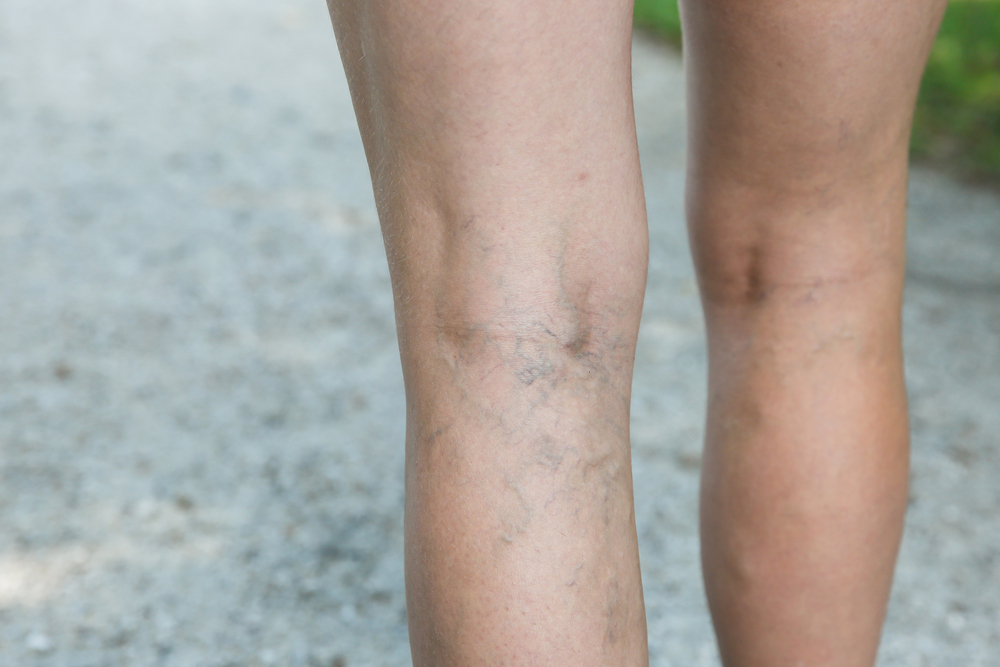
Image Source: premierdermatologyatlanta.com
Getting to Know Spider Veins
Spider veins, known medically as telangiectasias or angioectasias, are tiny blood vessels that you can see through the skin. They often look like a spiderweb or branches of a tree. They can be red, blue, or purple. You usually find them on the legs and face, but they can show up anywhere.
It’s helpful to know they are different from varicose veins. Varicose veins are larger, swollen, and often bulging blood vessels that can twist and turn. They happen when valves inside the veins don’t work right, causing blood to pool. Spider veins are smaller and are usually just a cosmetic concern, though sometimes they can cause mild itching or burning. Understanding the causes and treatment of spider veins helps us manage them better.
Deciphering the Causes Behind Spider Veins
Why do these little veins show up? Several things can make them appear. Often, it’s a mix of factors.
- Family History: If your parents or grandparents had spider veins, you are more likely to get them. Genetics play a big role.
- Age: As we get older, the valves in our veins might weaken. Our skin also gets thinner, making veins more visible.
- Hormones: Hormone changes can make spider veins more likely. This includes puberty, pregnancy, and menopause. Taking birth control pills or hormone replacement therapy can also contribute.
- Pregnancy: The extra weight and hormone changes during pregnancy increase pressure on leg veins. This can cause spider veins. They often improve after giving birth, but not always completely.
- Long Periods of Standing or Sitting: If your job or lifestyle involves standing or sitting for many hours without moving much, it can make it harder for blood to flow back to your heart. This can put pressure on leg veins.
- Obesity: Carrying extra weight adds pressure on the legs and veins. This can make spider veins and varicose veins more likely.
- Sun Exposure: On the face, sun damage can break down collagen and elastic tissue under the skin. This can make small blood vessels more visible.
- Injuries: Sometimes, an injury to the skin can cause spider veins to form in that area.
While these factors contribute, the exact reason for spider veins is not always clear. They happen when the tiny valves inside the veins weaken or get damaged. These valves usually help blood flow in one direction towards the heart. When they don’t work well, blood can pool, causing the small veins to become visible.
How Exercise Connects to Vein Health
Exercise is widely known for its many health benefits, and good vein health and exercise go hand in hand. Our circulatory system relies on muscles to help pump blood, especially from our legs back up to the heart.
Think of your leg muscles, particularly your calf muscles, as a second heart for your lower body. When you walk, run, or do other leg movements, these muscles contract. This squeezing action helps push blood through the veins against gravity. This is often called the “calf muscle pump” or “muscle pump.”
- Better Blood Flow: Regular exercise improves overall blood circulation throughout the body. This helps blood move efficiently and reduces pressure buildup in the veins.
- Stronger Muscles: Stronger leg muscles mean a more effective muscle pump. This makes it easier for blood to return to the heart.
- Healthy Weight: Exercise helps maintain a healthy weight. As mentioned, less body weight means less pressure on your leg veins.
- Lower Blood Pressure: Regular physical activity can help manage blood pressure, which is good for your entire circulatory system.
So, while exercise doesn’t fix damaged vein valves or make visible veins disappear, it creates a healthier environment for your veins and helps the circulatory system work better. This is key for preventing new spider veins and managing symptoms like aching or tiredness sometimes linked to poor circulation in the legs.
Can Exercise Really Make Spider Veins Disappear?
This is the big question! Based on how spider veins form and how exercise works, the answer is largely no, exercise does not typically cause existing spider veins to vanish.
Here’s why: Spider veins are already visible, dilated (widened) veins close to the skin surface. They are not caused by poor muscle tone, but rather by issues with tiny vein valves or damage near the skin surface, influenced by genetics, hormones, etc.
Exercise improves the flow of blood through the veins. It strengthens the muscle pump which helps deeper veins. This can help prevent blood from pooling and making veins worse or causing new ones. However, it doesn’t repair the specific damage to the tiny superficial veins that are already visible as spider veins. The structure of these visible veins remains unchanged by muscle contractions or improved blood flow in other parts of the leg’s circulatory system.
So, while exercise improves spider veins in the sense of preventing progression and promoting overall vein health, it won’t erase the ones you already have. Think of it as building a stronger foundation and improving the plumbing system, but not re-painting the exterior if it’s already marked.
How Exercise Does Help with Spider Veins
Even though exercise won’t erase them, exercising does improve spider veins in significant ways. It plays a vital role in managing vein health and can make a real difference in how your legs feel and look over time by reducing the risk of new veins and easing certain symptoms.
Here are the key ways exercise helps:
- Prevents New Spider Veins: This is one of the most important benefits. By improving circulation and strengthening your leg muscles, exercise helps reduce pressure in your veins. This makes it less likely for new tiny veins to become visible.
- Reduces Symptoms: While spider veins themselves often don’t cause symptoms, they can sometimes be linked to underlying vein issues. Exercise, especially leg circulation exercises, can help reduce feelings of achiness, heaviness, or fatigue in the legs. It promotes better blood flow, which eases pressure and discomfort.
- Improves Overall Leg Health: Stronger, healthier legs with good circulation are less prone to various vein problems.
- Helps Maintain Healthy Weight: As discussed, managing your weight reduces strain on your leg veins. Exercise is a crucial part of weight control.
- Boosts Confidence and Well-being: While not a direct physical effect on the veins themselves, feeling better physically and maintaining healthy habits can improve how you feel about yourself, which is important when dealing with visible veins.
So, instead of thinking “Can exercise make spider veins disappear?”, it’s more accurate to think “How can exercise help me live well with spider veins and prevent more?”. The answer is: significantly!
Best Exercises for Circulation in Legs
Choosing the right types of exercise is important for boosting circulation and supporting vein health. The best exercises for circulation legs are those that work your calf and leg muscles rhythmically, helping that muscle pump work effectively.
Here are some top choices:
- Walking: Simple, free, and very effective. Walking uses your calf muscles with every step, actively pumping blood upwards. Aim for a brisk pace if you can, but even a gentle walk is beneficial. Doing this regularly is one of the best leg circulation exercises you can do.
- Cycling: Whether on a stationary bike or outdoors, cycling is great for your legs. The pedaling motion engages the calf and thigh muscles, promoting blood flow. It’s also low impact, making it easy on your joints.
- Swimming: This is a fantastic full-body workout and particularly good for circulation. The water pressure itself provides gentle compression, which can help support blood flow. The leg movements in strokes like freestyle or breaststroke work the leg muscles effectively.
- Leg Raises: You can do these lying down. Lie on your back and lift one leg straight up towards the ceiling, then lower it slowly. Repeat with the other leg. This helps blood flow back down towards the torso.
- Ankle Pumps: Simple but effective, especially if you have to sit or stand for a while. While sitting or standing, flex your foot up towards your shin (like you’re pointing your toes up) and then point your toes down. Repeat this pumping action. This helps activate the calf muscles even when you’re not walking.
- Calf Raises: Stand with your feet flat and slowly rise up onto the balls of your feet, then lower down. You can do this while holding onto a chair for balance. This directly strengthens the calf muscle pump.
Remember to start slow if you’re new to exercise and gradually increase intensity and duration. Consistency is key for long-term vein health benefits.
Exercise Tips for Vein Health
To get the most out of exercise for your veins and to do it safely, keep these tips in mind:
- Be Consistent: Aim for regular physical activity, ideally most days of the week. Even short bursts of movement are better than none.
- Warm Up: Start with a few minutes of light activity, like gentle walking, to get your blood flowing before you start your main exercise.
- Cool Down: End your workout with slower movements and some stretching.
- Stay Hydrated: Drink water before, during, and after exercise. Good hydration supports healthy blood flow.
- Listen to Your Body: If you feel pain, stop. Don’t push yourself too hard, especially when starting out.
- Consider Compression Stockings: Wearing compression stockings during or after exercise can provide extra support to your veins and help with circulation. Talk to a doctor before using them regularly.
- Elevate Your Legs: After exercise, or after long periods of sitting or standing, elevating your legs above heart level for 15-20 minutes can help blood drain away and reduce pressure.
- Avoid Straining: While some exercises are great, be cautious with very heavy weightlifting, especially exercises that involve holding your breath and straining. This can put intense, temporary pressure on the veins. Lighter weights with more repetitions are generally preferred for vein health. If you do heavy lifting, make sure to breathe out during the exertion phase.
Incorporating these tips into your routine helps you exercise effectively for vein health and overall well-being.
More Lifestyle Changes for Managing Spider Veins
Exercise is just one piece of the puzzle for maintaining good vein health. Several other lifestyle changes spider veins can benefit from. These changes help prevent new veins and can make your legs feel better. Prevent spider veins naturally by adopting these habits:
- Maintain a Healthy Weight: We’ve mentioned this, but it’s worth repeating. Keeping your weight in a healthy range significantly reduces pressure on your leg veins.
- Avoid Long Periods of Standing or Sitting: If your job requires you to stand or sit for hours, try to move around or change positions frequently. If standing, shift your weight. If sitting, get up and walk around every 30 minutes.
- Elevate Your Legs: As noted before, raising your legs above heart level helps blood flow back towards your heart. Do this for 15-20 minutes several times a day if possible, especially after being on your feet.
- Avoid Tight Clothing: Clothes that are very tight around your waist, groin, or legs can restrict blood flow. Opt for looser, comfortable clothing.
- Watch Your Diet: Eating a balanced diet rich in fiber helps prevent constipation, which can put pressure on veins. Foods rich in antioxidants and Vitamin C can also support vein wall health. Avoid excessive salt intake, which can cause swelling.
- Stay Hydrated: Drinking enough water helps keep your blood from becoming too thick, promoting smoother flow.
- Limit Hot Baths and Saunas: Prolonged exposure to heat can cause veins to dilate (widen), potentially making spider veins more visible.
- Wear Compression Stockings: For many people, wearing compression stockings is a key part of managing spider veins and preventing new ones. They apply gentle pressure to the legs, helping support veins and improve blood flow. There are different levels of compression. A doctor can recommend the right type for you.
Making these lifestyle changes together with regular exercise provides a strong approach to managing spider veins without surgery.
Home Remedies and Topical Approaches for Spider Veins
Many people look for home remedies spider veins treatments or natural ways to make them disappear. It’s important to have realistic expectations about what these can do for existing spider veins.
Common home remedies often include:
- Apple Cider Vinegar: Some people apply diluted apple cider vinegar to the skin over spider veins, believing it improves circulation. There is no scientific evidence that this makes spider veins go away.
- Witch Hazel: This is an astringent often used to reduce swelling and inflammation. Applying it might temporarily soothe the skin or reduce minor redness, but it won’t eliminate the veins.
- Essential Oils: Oils like horse chestnut extract or essential oils diluted in a carrier oil are sometimes used topically. Horse chestnut extract, taken orally or applied topically in specific formulations, has shown some promise in studies for symptoms related to chronic venous insufficiency (a condition linked to varicose veins), but its effect on visible spider veins is not proven. Always dilute essential oils and patch test.
- Dietary Supplements: Some supplements, like horse chestnut extract, grape seed extract, or Vitamin C, are marketed for vein health. They might support overall vein function and help with symptoms in some cases, but they don’t erase spider veins.
Topical creams or lotions marketed specifically for spider veins are also widely available. These often contain ingredients like Vitamin K, arnica, or various plant extracts. While some people might notice a slight improvement in skin appearance or a reduction in redness around the veins, these creams do not penetrate deep enough to close off the visible veins themselves.
Important Note: Home remedies and topical treatments are generally not effective at making existing spider veins disappear. They may offer minor symptom relief or subtle cosmetic improvement for some individuals, but they are not a substitute for medical treatments if you want the veins removed. For many, managing spider veins without surgery relies more heavily on lifestyle, exercise, and compression than on these topical or supplemental approaches.
When to Consider Medical Advice
For most people, spider veins are mainly a cosmetic concern. However, there are times when it’s wise to talk to a doctor about them.
- If Symptoms Occur: If your spider veins are causing pain, aching, throbbing, itching, burning, or swelling in your legs, this could indicate a more significant underlying vein issue, possibly linked to varicose veins or chronic venous insufficiency. Exercise for varicose veins can help manage symptoms, but a medical evaluation is necessary.
- Rapid Increase or Spread: If you notice a sudden increase in the number of spider veins or they are spreading quickly.
- Skin Changes: If the skin around the spider veins becomes discolored, thickened, or develops sores.
- If You Want Them Removed: If the appearance of spider veins bothers you, a doctor can discuss effective medical treatment options.
A doctor, often a dermatologist or a vein specialist (phlebologist), can examine your veins and determine the best course of action, which might involve imaging tests to check deeper veins. They can also discuss causes and treatment spider veins tailored to your specific situation.
Medical Treatments for Spider Veins
If lifestyle changes, exercise, and home remedies don’t address your concerns about existing spider veins, or if they are causing symptoms, medical treatments are available. These are methods designed to close off or remove the visible veins. Managing spider veins without surgery (meaning avoiding invasive vein stripping) is often possible with these minimally invasive procedures.
Common treatments include:
- Sclerotherapy: This is the most common treatment. A doctor injects a solution directly into the spider veins. The solution irritates the lining of the vein, causing it to swell, stick together, and eventually close off. The vein then turns into scar tissue and fades from view over several weeks. It often requires multiple sessions.
- Laser Therapy: For very small spider veins, especially on the face, laser treatment can be effective. A laser light is directed at the vein, causing it to heat up and collapse. It’s less effective for larger spider veins on the legs than sclerotherapy.
- VeinGogh or Ohmic Thermolysis: A newer method that uses heat energy delivered through a tiny needle to close very fine spider veins, often used for those resistant to sclerotherapy or on sensitive areas.
- Other Laser/Light Treatments: Intense Pulsed Light (IPL) or other types of lasers might be used for diffuse redness and very tiny vessels.
These medical treatments target and eliminate the visible veins. They do not prevent new spider veins from forming elsewhere, which is why maintaining healthy lifestyle habits, including exercise, after treatment is still recommended.
Putting It All Together
So, can spider veins go away with exercise? No, exercise alone will not make existing spider veins disappear. However, the role of exercise in managing spider veins and promoting overall vein health is incredibly important.
Regular exercise improves circulation, strengthens leg muscles, helps maintain a healthy weight, and reduces pressure in the veins. These benefits are key for:
- Preventing the formation of new spider veins.
- Reducing symptoms like aching or tiredness sometimes associated with poor circulation.
- Supporting overall leg and vein health.
Combining exercise with other positive lifestyle changes like maintaining a healthy weight, avoiding long periods of inactivity, elevating your legs, and potentially wearing compression stockings offers a powerful strategy for managing spider veins without surgery and improving your quality of life. While home remedies and topical creams are generally not effective for removing visible veins, medical treatments like sclerotherapy and laser therapy are available options if you wish to eliminate them.
Ultimately, exercise is a vital component of vein health and a smart strategy for anyone concerned about spider veins, even if it’s not a magic eraser for those already present. Focus on the many proven benefits it provides for your legs and overall well-being.
Frequently Asked Questions (FAQ)
Q: Can I get rid of spider veins naturally with exercise?
A: No, exercise cannot naturally get rid of or eliminate existing spider veins. It can help prevent new ones and improve leg circulation, which is beneficial for vein health.
Q: What are the best exercises for circulation legs?
A: Walking, cycling, swimming, leg raises, ankle pumps, and calf raises are excellent exercises that use your leg muscles to improve blood circulation.
Q: Does walking help reduce the appearance of spider veins?
A: Walking improves blood flow and strengthens calf muscles, which helps support healthy circulation. While it won’t remove existing spider veins, it can help prevent new ones and may reduce some associated symptoms like leg ache.
Q: Are there home remedies that make spider veins go away?
A: There is little scientific evidence that home remedies like apple cider vinegar or topical creams can make spider veins go away. They might offer minor temporary relief for symptoms or slight cosmetic improvement, but they don’t eliminate the veins.
Q: If exercise improves spider veins, how long does it take to see results?
A: Exercise doesn’t make existing spider veins disappear. Its benefits are mainly preventative (reducing the chance of new veins) and symptom management (improving leg comfort). You might notice improved leg energy and less achiness from better circulation relatively quickly (weeks), but changes related to vein appearance from exercise alone are usually not seen.
Q: Can exercise make spider veins worse?
A: Regular, moderate exercise like walking or cycling is generally good for vein health. However, exercises that involve heavy lifting with straining or long periods of impact without proper support might potentially put temporary pressure on veins. Stick to vein-friendly exercises for best results.
Q: Besides exercise, what other lifestyle changes help with spider veins?
A: Maintaining a healthy weight, avoiding long periods of standing or sitting, elevating your legs, wearing compression stockings, staying hydrated, and eating a healthy diet are effective lifestyle changes for managing spider veins and preventing their progression.
Q: Is exercise good for both spider veins and varicose veins?
A: Yes, exercise is beneficial for both. For varicose veins exercise can help improve blood flow, reduce symptoms like aching and swelling, and prevent them from getting worse. However, just like spider veins, exercise does not cure existing varicose veins.
Q: Can I treat spider veins without surgery using only exercise?
A: You cannot eliminate spider veins using only exercise. Managing spider veins without surgery often involves a combination of lifestyle changes (including exercise, weight management, leg elevation, compression) and medical treatments like sclerotherapy or laser therapy to target and remove the visible veins.