
Keeping gym floors clean is a key job. People often ask, “How do I clean my gym floor?” and “What is the best cleaner for rubber gym flooring?”. To clean gym flooring well, you need the right tools and methods. The best cleaner often depends on the floor type, but mild, pH-neutral solutions are usually safe. This guide will walk you through proven ways to keep your gym floor clean, safe, and looking good. It covers how to clean sweat off gym floor, remove scuff marks gym floor, sanitize gym floor mats, and more. A good gym floor cleaning guide helps make sure your space is healthy and lasts a long time.
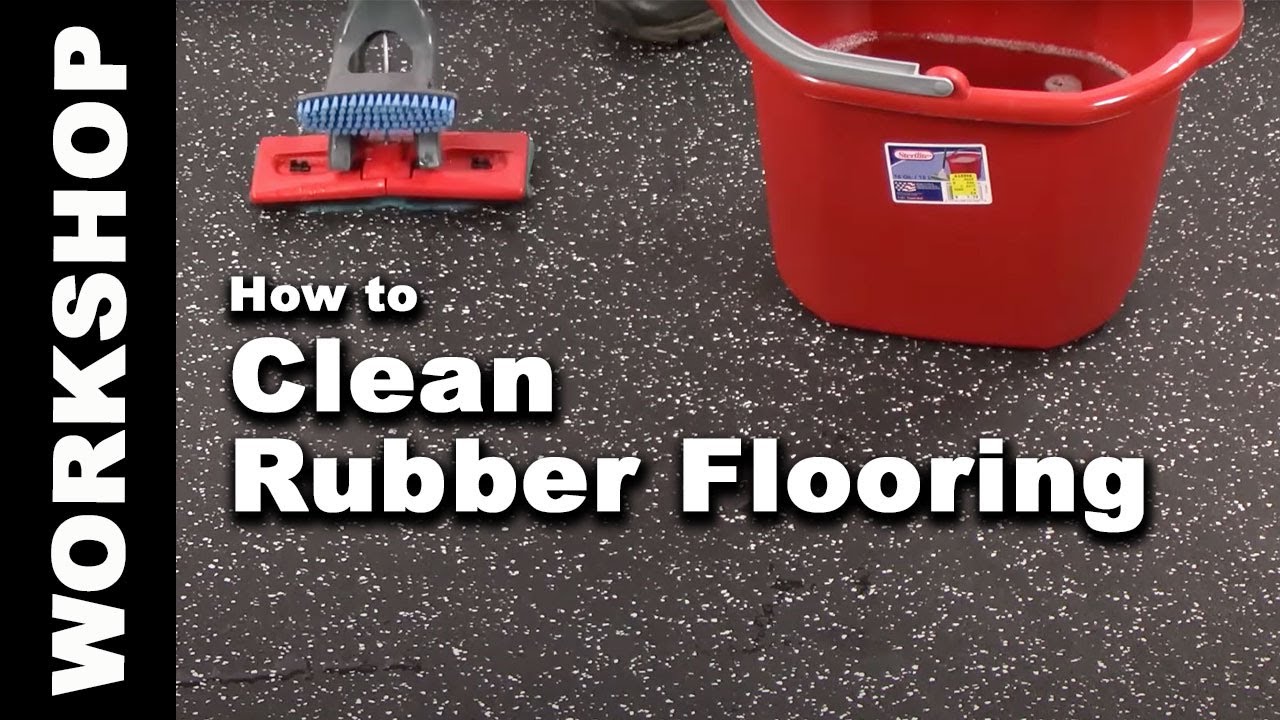
Image Source: i.ytimg.com
Why Cleaning Gym Floors Matters
Keeping gym floors clean is more than just making them look nice. It helps people stay healthy and keeps the floor in good shape.
Keeping People Healthy
Gyms are places where people sweat a lot. Germs and dirt can build up quickly. Cleaning helps get rid of these things. This stops germs from spreading between people. A clean floor means a healthier place to work out. It is important to sanitize gym floor mats and other areas where sweat falls.
Protecting Your Investment
Gym flooring costs money. Keeping it clean helps it last longer. Dirt and small bits can scratch and wear down the floor over time. Sweat can also harm some floor types. Cleaning regularly stops this damage. This saves you money by not having to fix or replace the floor too soon.
Making the Space Look Good
A clean gym looks better. People like to work out in a place that feels fresh and cared for. A dirty floor can make a gym look old and not well-kept. Cleaning makes the gym a nicer place to be. This can make people want to come back.
Learning About Different Gym Floor Types
Gyms use many kinds of flooring. How you clean depends on what your floor is made of. Cleaning gym floor types needs different steps.
Rubber Flooring
Rubber is very common in gyms. It is tough and can handle weights dropping. It is often made from recycled tires or new rubber.
How to Clean Rubber Floors
Rubber floors are quite easy to clean. They need regular sweeping or vacuuming to get rid of dirt. For deeper cleaning, you can use a wet mop. Use a mild cleaner made for rubber or a pH-neutral soap. Do not use cleaners with strong chemicals or oils. These can break down the rubber over time. Make sure the floor dries quickly after washing. Standing water can damage it. The best cleaner for rubber gym flooring is usually one made for it, or a simple neutral soap.
Foam Tiles or Mats
Foam mats are often used in areas for stretching or floor work. They are softer than rubber.
How to Clean Foam Mats
Foam mats can soak up liquids easily. This means they can hold sweat and germs. Clean them often. You can wipe them down with a cloth and a mild cleaning spray. Make sure the spray is safe for foam. Avoid harsh chemicals that might damage the foam. Let them air dry fully before putting them away or using them again. Sanitize gym floor mats like these very often.
Vinyl Flooring
Vinyl is smooth and easy to clean. It is often used in areas with less heavy weight.
How to Clean Vinyl Floors
Sweep vinyl floors daily. You can wet mop them with a mild floor cleaner. Vinyl usually handles water well, but do not let water sit for a long time. Harsh scrub brushes can scratch vinyl. Use soft pads or mops. Some vinyl floors have a wax or finish layer. Check if the cleaner is safe for that finish.
Wood Flooring
Wood floors are often in areas for sports like basketball or dance. They look nice but need special care.
How to Clean Wood Floors
Wood floors should not get too wet. Use a dust mop daily. If you need to wet clean, use a special wood floor cleaner and a damp mop, not a wet one. Wipe up spills right away. Wood can swell and get damaged if water sits on it. Wood floors often have a finish that needs care. Some cleaners can strip this finish. Use cleaners made for finished wood floors.
Carpet Tiles
Some gyms use carpet tiles in certain areas. These are not as common in main workout zones but might be in hallways or offices.
How to Clean Carpet Tiles
Vacuum carpet tiles often to remove dirt and dust. For spills or stains, clean them quickly. Use a carpet cleaner safe for the carpet type. Avoid getting the carpet too wet, as this can lead to mold or damage the backing.
Needed Tools and Cleaning Items
Having the right tools makes cleaning easier and better. You will need different items for different jobs. These are common items used in commercial gym floor cleaning equipment setups.
Cleaning Tools
- Dust Mops: Good for picking up dry dirt and dust daily. Use large ones for big areas.
- Vacuum Cleaners: Best for lifting dirt from textured surfaces like rubber or carpet. Look for models that work well on gym floors.
- Wet Mops: For washing the floor with cleaner and water. Microfiber mops work well as they hold dirt and dry faster.
- Buckets: You will need at least two: one for clean cleaning mix and one for dirty water. This keeps you from putting dirt back on the floor.
- Floor Scrubbers/Machines: For larger gyms, these machines can clean much faster and better than hand mopping. They scrub and sometimes vacuum up the dirty water. These are part of commercial gym floor cleaning equipment.
- Scrub Brushes/Pads: For spot cleaning tough marks or stains. Choose brushes or pads safe for your floor type.
- Cleaning Cloths/Towels: For wiping up spills, cleaning surfaces, and drying floors. Microfiber is best.
Cleaning Solutions
- Mild, pH-Neutral Cleaner: Safe for most floor types, especially rubber.
- Disinfectant Cleaner: Needed to kill germs, especially on mats and high-sweat areas. Make sure it is safe for the floor material. Some cleaners clean and disinfect at the same time.
- Special Cleaners: For specific floor types (like wood or vinyl) or specific problems (like degreasers for oily spots).
- Spot Cleaners: For removing stains or scuff marks.
Always read the labels on cleaning products. Make sure they are safe for your specific gym flooring.
Step-by-Step Gym Floor Cleaning Guide
Here is a general guide on how to clean gym flooring well. This process helps cover how to clean sweat off gym floor and other daily dirt.
Step 1: Clear the Area
Before you start cleaning, move any small equipment out of the way. This includes weights, mats, benches, and other items that can be moved easily. This lets you clean the whole floor area.
Step 2: Remove Dry Dirt
This is the first and very important step. Use a dust mop or a vacuum cleaner to get up all the loose dirt, dust, hair, and small bits. Pay attention to corners and edges. Getting rid of dry dirt first makes wet cleaning much more effective. It stops you from just pushing muddy water around. For rubber or textured floors, vacuuming is often better at lifting dirt from the surface.
Step 3: Prepare Your Cleaning Solution
Mix your cleaning solution in one bucket. Follow the directions on the cleaner bottle for how much to use. Use clean, cool or warm water. Do not use hot water, as it can sometimes damage floor finishes or make some stains harder to remove. Fill a second bucket with just clean water. This is for rinsing your mop.
Step 4: Wet Mop or Machine Clean
Dip your mop into the bucket with the cleaning solution. Wring it out well so it is damp, not dripping wet, especially on floors like wood or some rubber types. Start cleaning in one area, working your way across the floor.
For wet mopping: Mop a small area, then rinse your mop in the clean water bucket. Wring it out again and dip it back into the cleaning solution bucket. Change the water in both buckets often when it gets dirty.
For machine cleaning: Follow the machine’s instructions. These machines usually spray cleaner, scrub, and then vacuum up the dirty water all at once. This is very effective for large areas.
Focus on areas with sweat or marks. This step handles how to clean sweat off gym floor effectively, as the cleaner helps break down the residue. This also helps to sanitize gym floor mats and main areas if using a disinfectant cleaner.
Step 5: Rinse the Floor (If Needed)
Some cleaning solutions need rinsing. If yours does, use the clean water bucket and a clean mop. Mop the floor again with just clean water to remove any soap left behind. Make sure the mop is well wrung out. Change the rinse water often. For machine cleaning, the rinse step might be part of the machine’s process or a separate pass with just water.
Step 6: Dry the Floor
This is a very important step. Letting floors air dry can take too long and might lead to water damage or slippery spots. Use clean, dry mops or towels to dry the floor surface. Fans can also help speed up drying time. Make sure the floor is completely dry before people use the area again. This prevents slips and protects the floor material.
Step 7: Put Equipment Back
Once the floor is fully dry, move the equipment back into place.
Handling Specific Cleaning Issues
Some problems need special attention. Knowing how to deal with them keeps your floor looking its best. This includes knowing how to remove scuff marks gym floor and tackle cleaning stained gym flooring.
Removing Scuff Marks
Scuff marks often come from shoes. They are black lines that can be hard to remove with just mopping. To remove scuff marks gym floor:
- Try a Pencil Eraser: For light marks on tough surfaces like rubber or vinyl, a simple pencil eraser can sometimes rub them away.
- Use a Tennis Ball: Put a clean tennis ball on the end of a stick or broom handle. Rub the ball on the scuff mark. The texture of the ball can lift the mark without hurting the floor.
- Apply a Spot Cleaner: Use a cleaner made for removing scuff marks or general spot cleaning. Put a small amount on a cloth and rub the mark. Test the cleaner in a hidden spot first to make sure it does not damage the floor.
- Gentle Scrubbing: For stubborn marks, use a soft brush or non-abrasive pad with your cleaner. Be careful not to scrub too hard, especially on softer floors like foam or vinyl.
Always clean the area after removing the scuff mark to wash away any cleaner residue.
Cleaning Stained Gym Flooring
Stains can happen from spilled drinks, sweat, blood, or other things. Cleaning stained gym flooring quickly is key.
- Identify the Stain: Knowing what caused the stain helps you choose the right cleaner.
- Act Fast: The sooner you try to clean a stain, the easier it will be to remove.
- Blot, Don’t Rub: For liquid spills, use a clean cloth or paper towel to blot up as much as you can. Rubbing can spread the stain.
- Use the Right Cleaner:
- Sweat/Body Fluids: Use an enzyme-based cleaner. Enzymes break down the organic matter causing the stain and smell. This is great for how to clean sweat off gym floor stains.
- Colored Drinks: A mild all-purpose cleaner or hydrogen peroxide (test first!) might work.
- Grease/Oil: A degreaser or a cleaner made for oily stains is needed. Be careful with harsh chemicals on certain floor types.
- Blood: Cold water is best for blood stains. Avoid hot water, which can set the stain. If needed, a mild cleaner or hydrogen peroxide can help, but test it.
- Work from Outside In: When cleaning a stain, start at the edge and work towards the center. This stops the stain from spreading bigger.
- Rinse Well: After removing the stain, rinse the area with clean water to remove cleaner.
- Dry Fully: Make sure the spot is completely dry.
For tough or old stains, you might need stronger cleaners or even professional help. Always test any new cleaner in a small, hidden area first.
Choosing the Best Cleaner
Selecting the right cleaner is important for both cleaning power and protecting your floor. The best cleaner for rubber gym flooring might not be the best for wood.
Factors to Think About
- Floor Material: The most important factor. Rubber, vinyl, wood, foam, and carpet all react differently to chemicals.
- Cleaning Need: Are you doing daily cleaning, deep cleaning, or disinfecting?
- Safety: Is it safe for people using the gym? Does it have strong fumes? Is it environmentally friendly?
- Effectiveness: Does it actually clean the type of dirt and germs you expect in a gym?
- Residue: Does it leave a sticky or slippery film? This can be dangerous and attract more dirt.
- Disinfecting Power: For killing germs, a cleaner registered as a disinfectant is necessary. Check the label to see what germs it kills and how long it needs to stay wet on the surface to work (dwell time).
Types of Cleaners
- pH-Neutral Cleaners: These are balanced and gentle. They are often the best cleaner for rubber gym flooring and safe for most other surfaces for daily cleaning. They clean dirt without harming the material or finish.
- Alkaline Cleaners: These are stronger and good for breaking down grease and oil. They can be too harsh for some floors, especially if used often.
- Acidic Cleaners: Used for removing mineral buildup or rust. Not common for general gym floor cleaning and can damage many floor types.
- Enzyme Cleaners: Great for breaking down organic stains and odors (like sweat, urine, blood). Good for how to clean sweat off gym floor and removing smells.
- Disinfectant Cleaners: Kill bacteria and viruses. Read the label for proper use and dwell time. Essential for sanitizing areas. Some cleaners do both cleaning and disinfecting.
Always start with the mildest effective cleaner. Only use stronger cleaners when necessary for specific problems like cleaning stained gym flooring or heavy grease.
Setting Up a Gym Floor Cleaning Schedule
Cleaning works best when you do it often and follow a plan. A gym floor cleaning schedule makes sure all areas get cleaned properly and regularly.
Why a Schedule Helps
- Keeps it Consistent: Ensures cleaning happens when it should.
- Prevents Buildup: Stops dirt, grime, and germs from getting too bad.
- Divides Work: If multiple people clean, a schedule shows who does what and when.
- Plans for Different Needs: Allows for daily quick cleans, weekly deeper cleans, and less frequent major tasks.
- Ensures All Areas: Makes sure no parts of the gym floor are forgotten.
What to Include in Your Schedule
Your schedule should list tasks, how often to do them, and maybe who does them.
Daily Tasks
- Sweep or vacuum all floor areas to remove loose dirt and debris. This is essential for preventing scratches.
- Wipe down and sanitize high-touch areas and mats in free weight zones or stretching areas. This addresses how to clean sweat off gym floor and sanitize gym floor mats right away.
- Spot clean any spills or visible marks immediately.
Weekly Tasks
- Wet mop or machine scrub all general floor areas using a pH-neutral or appropriate cleaner.
- Deep clean and sanitize all mat areas.
- Inspect floors for any new stains, scuffs, or damage needing attention.
- Clean under equipment where possible.
Monthly Tasks
- Perform a deeper clean of the entire floor area. This might involve using a floor machine or focusing on edges and corners often missed.
- Check grout lines on tile floors if you have them.
- Assess your cleaning supplies and equipment.
Less Frequent Tasks (Every Few Months / Annually)
- Consider professional deep cleaning, especially for large rubber floors or wood floors that might need refinishing.
- Evaluate your cleaning program: Is it working? Are there areas that need more attention?
A gym floor maintenance routine includes both the regular cleaning tasks and checking the floor’s condition over time.
Advanced Gym Floor Maintenance
For large or busy gyms, or for certain floor types, more than basic cleaning might be needed as part of a full gym floor maintenance routine.
Machine Scrubbing
Automatic floor scrubbers are machines that apply cleaner, scrub the floor, and vacuum up the dirty water in one pass. They save a lot of time and effort compared to mopping. They provide a more consistent and deeper clean, especially on textured rubber floors where dirt can get trapped. These are key pieces of commercial gym floor cleaning equipment.
Buffing or Polishing
Some floor types, like vinyl or sealed wood, might benefit from periodic buffing or polishing. This helps restore the shine and can add a layer of protection. This is usually done after a deep clean. Make sure your floor type can be buffed or polished and use the correct pads and products.
Stripping and Refinishing
For vinyl or wood floors with a wax or finish layer that is worn or heavily stained, you might need to strip off the old finish and apply a new one. This is a more involved process that might require closing off the area and should sometimes be done by professionals. This is part of major gym floor maintenance routine work.
Tips for Keeping Floors Cleaner Longer
Preventing dirt and damage helps reduce how much you need to clean.
- Use Entry Mats: Place mats at entrances to trap dirt and moisture from shoes.
- Provide Towels and Wipes: Encourage members to wipe down equipment and floor areas after use, especially where they sweat. This helps with how to clean sweat off gym floor daily.
- Have Rules About Shoes: Ask people to wear clean gym shoes and avoid outdoor shoes on the workout floor.
- Clean Spills Right Away: Don’t let spills sit, as they can stain and become harder to clean later.
- Protect Floors Under Equipment: Use protective mats or pads under heavy machines or weight racks to prevent damage.
- Educate Staff and Members: Make sure everyone knows the rules about keeping the floor clean and how to help.
By combining a regular gym floor cleaning schedule, using the right methods and tools, and dealing with issues like cleaning stained gym flooring and removing scuff marks gym floor quickly, you can keep your gym floor clean, safe, and lasting for many years. Following this gym floor cleaning guide will help you maintain a top-notch facility.
Frequently Asked Questions (FAQ)
Q: How often should gym floors be cleaned?
A: Gym floors should be cleaned daily with sweeping or vacuuming. Wet cleaning or machine scrubbing should happen weekly or more often depending on how many people use the gym and how much dirt there is. Disinfecting high-sweat areas and mats should be done daily or after each use if possible. A gym floor cleaning schedule helps manage this.
Q: What is the best way to sanitize gym floor mats?
A: For most gym mats (rubber, foam), wipe them down with a disinfectant spray or solution. Make sure the product is safe for the mat material. Let the disinfectant stay wet on the surface for the time written on the bottle to kill germs (this is called “dwell time”). Then, wipe or let it air dry if the product allows. How to clean sweat off gym floor mats includes using enzyme cleaners for odor and residue before disinfecting.
Q: Can I use bleach to clean my gym floor?
A: Be very careful with bleach. Bleach can damage some gym floor materials, especially rubber, causing it to break down, change color, or become brittle. It also has strong fumes. Most manufacturers do not recommend bleach for rubber floors. It might be used on some hard surfaces but always test a small area first and consider milder disinfectants.
Q: How do I remove scuff marks gym floor?
A: Try rubbing the scuff mark with a pencil eraser or a clean tennis ball. If that does not work, use a small amount of a mild cleaner or a special spot cleaner on a cloth and rub gently. Always test cleaners first.
Q: What is the best cleaner for rubber gym flooring?
A: A pH-neutral cleaner is generally the best cleaner for rubber gym flooring for regular cleaning. Avoid oil-based cleaners, harsh chemicals, and strong solvents. Some companies make cleaners specifically for rubber floors.
Q: My gym floor smells bad. How can I fix this?
A: Bad smells often come from sweat and bacteria soaking into the floor or mats. Make sure you are cleaning and disinfecting regularly as part of your gym floor maintenance routine. Using an enzyme cleaner can help break down the source of the odor. Ensure the floor is drying completely after cleaning, as wetness can cause smells and mold. Increase ventilation in the gym.
Q: What kind of commercial gym floor cleaning equipment is best for a large gym?
A: For large areas, an automatic floor scrubber is highly recommended. It cleans much more efficiently than mopping. You will also need powerful vacuums (wet/dry vacs can be useful), large dust mops, and plenty of cleaning supplies.
Q: How do I prevent stains when cleaning stained gym flooring is so hard?
A: The best way to deal with stains is to prevent them. Clean up spills immediately. Use protective mats under equipment that might leak oil or rust. Encourage members to use towels. Make sure your regular cleaning removes dirt before it has time to set in as stains.