
Can anyone start a climbing gym? Yes, with careful planning and hard work. What is a bouldering gym startup? It’s a climbing gym focusing only on shorter walls that don’t require ropes. Starting a climbing gym is a big project, but it can be very rewarding. It needs a good plan, money, the right place, and a love for climbing. This guide walks you through the steps to make your dream climbing gym real.
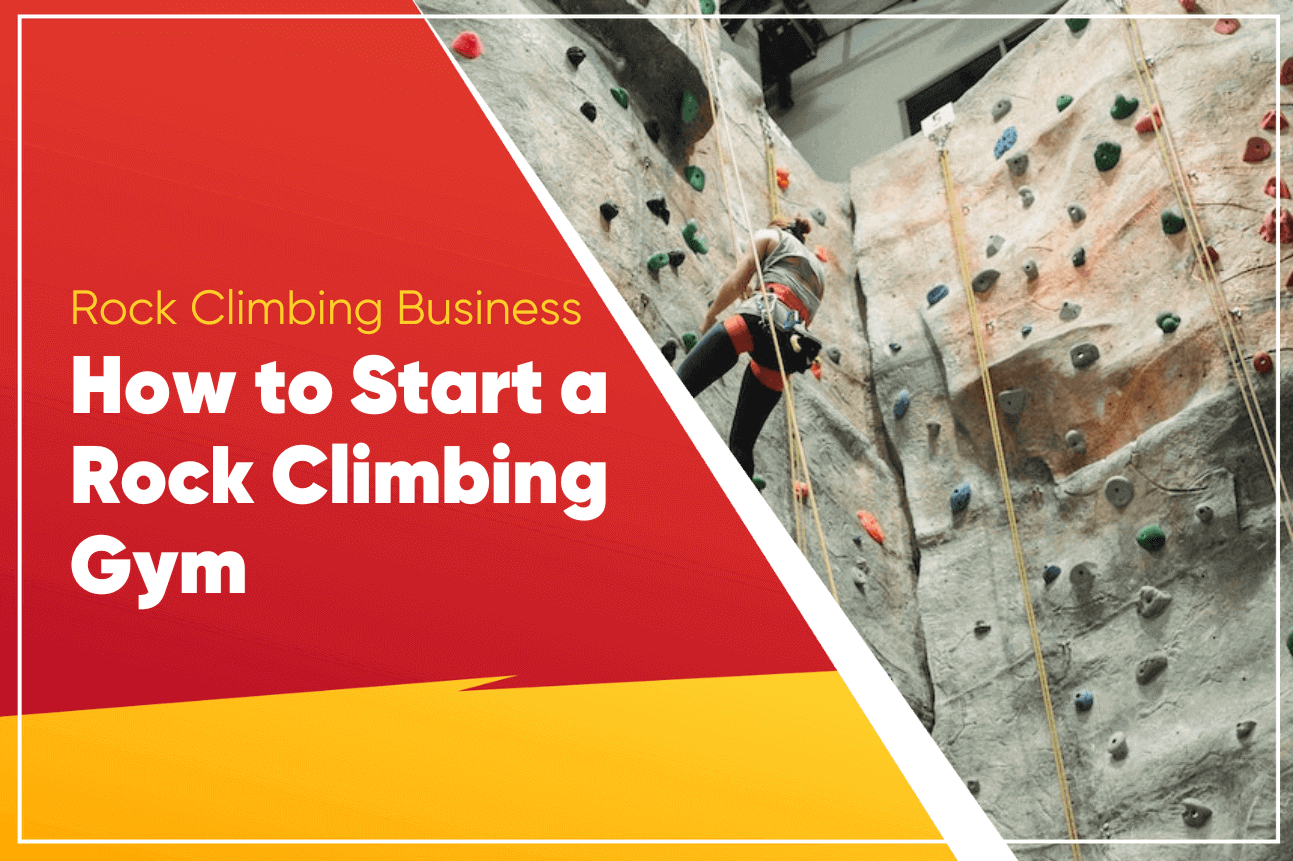
Image Source: gymdesk.com
Crafting Your Plan: The Basics
Starting any business needs a solid plan. For a climbing gym, this plan is key. A well-written climbing gym business plan acts like a map. It shows you where you are going and how you will get there. It helps others see your vision too.
Why You Need a Business Plan
A business plan does many things. It helps you think through your ideas. It shows you if your idea can make money. It helps you find money from banks or investors. It guides your choices as you build and run the gym.
What Goes in the Plan
Your plan should cover several main parts:
- Summary: A quick look at your whole plan. Make it exciting.
- Company Description: Tell about your gym. What makes it special? What kind of climbing will you offer? (Like ropes, bouldering, or both).
- Market Analysis: Who are your customers? What other climbing gyms are near you? How will you be different and better?
- Organization: How will the business be set up legally? Who will be in charge?
- Services: Describe what you will offer. Climbing, classes, gear sales, parties?
- Marketing: How will people find out about your gym?
- Funding Request: How much money do you need? How will you use it?
- Financial Plans: How will you make money? How much will things cost? Show future money ideas.
- Appendix: Add things like resumes or market study details.
Figuring Out the Money: Costs and Ways to Pay
One of the first big questions is about money. How much does it cost to start a climbing gym? What are the startup costs climbing gym owners face? It’s a lot. The price changes based on size, location, and features.
Looking at Startup Costs
Startup costs are all the one-time costs to open the doors. They can be very high. Here are some main costs:
- Building/Lease: Buying a building or paying a big deposit and first few months rent.
- Renovations: Making the space ready for climbing walls and people.
- Climbing Wall Construction: This is often the biggest cost. Building safe, fun walls.
- Climbing Gym Equipment: Holds, ropes, mats, harnesses, belay devices, retail gear.
- Permits and Fees: Paying the city or state for permission to open.
- Initial Staffing: Paying staff before you make much money.
- Marketing: Telling people you are opening.
- Insurance: Getting coverage before you even open.
Here is a simple look at possible costs. These numbers can change a lot.
| Item | Low Estimate | High Estimate |
|---|---|---|
| Building/Lease Prep | $50,000 | $500,000+ |
| Wall Construction | $150,000 | $1,000,000+ |
| Equipment (Holds, Mats) | $50,000 | $200,000+ |
| Permits & Legal | $5,000 | $20,000+ |
| Insurance Deposit | $10,000 | $30,000+ |
| Initial Marketing | $5,000 | $20,000+ |
| Working Capital | $50,000 | $200,000+ |
| Total Startup Costs | $320,000 | $2,000,000+ |
A bouldering gym startup might cost less than a gym with tall rope walls because the walls are shorter and you need less safety equipment like ropes and harnesses for every climber. Still, even a bouldering gym needs good mats and well-built walls.
Finding Money to Start
Getting the money needed is a big step. This is called funding a climbing gym. You have a few choices:
- Your Own Money: Using savings or selling things.
- Loans from Banks: Banks may lend money if your business plan is strong and you have some money yourself.
- Small Business Loans: Groups like the Small Business Administration (SBA) might help.
- Investors: People who give you money for a part of your business. They want to make money back later.
- Friends and Family: People you know might help you start.
- Crowdfunding: Asking many people for small amounts of money online.
- Grants: Sometimes there are grants for new businesses or community projects, but these are rare for a for-profit gym.
You will likely use a mix of these ways to get all the money you need.
Finding the Right Spot
Where you put your gym matters a lot. The right place brings customers. The wrong place makes it hard.
What to Look For
- Height: Climbing walls are tall! You need a building with very high ceilings. For rope climbing, you might need 40-50 feet or more. Bouldering needs less, maybe 15-20 feet.
- Size: You need space for walls, mats, front desk, bathrooms, maybe a workout area, and retail space. A gym can be small (5,000 sq ft for bouldering) or very big (20,000+ sq ft for full service).
- Location: Is it easy for people to get to? Is it near homes, schools, or businesses? Is there enough parking?
- Cost: Does the rent or building price fit your budget?
- Zoning: Check local rules. Can you run a business like a gym in that spot?
Finding a building with enough height can be hard. Old warehouses or big retail spaces might work well.
Designing Your Space: Making it Work
Once you have a spot, you need to plan the inside. This is the indoor climbing facility design. Good design makes the gym safe, fun, and easy to use.
Planning the Layout
Think about how people will move through the space.
- Entry Area: Where people check in. Make it friendly.
- Climbing Areas: Place bouldering walls and rope walls. Think about traffic flow. Keep rope areas separate from bouldering.
- Matting: Plan for thick, soft mats in bouldering areas.
- Safety Zones: Make sure there is clear space around walls.
- Other Areas: Bathrooms, changing rooms, maybe a training room, a kids’ area, a retail shop, staff room, storage.
- Viewing Areas: Places for people to watch without being in the way.
Thinking About the Walls
The walls are the heart of the gym. Design includes:
- Wall Shape: Flat walls, corners, overhangs, roofs. Variety is good.
- Wall Height: Based on your gym type (bouldering or rope).
- Features: Cracks, volumes (big shapes added to the wall), textures.
- T-nuts: These are small metal parts put in the wall panels. Holds screw into them. You need lots of them close together to put holds anywhere.
Working with experienced climbing wall builders is smart. They know about safety and design.
Building the Walls: Making it Happen
Building the climbing walls is a major construction project. This is climbing wall construction. It needs skilled workers.
The Building Process
- Design Approval: Finalize designs with engineers and builders.
- Frame Building: Build the wood or steel frame that supports the walls. This must be very strong.
- Paneling: Attach large panels (usually wood like plywood) to the frame.
- Adding Features: Put in t-nuts, textures, and special shapes.
- Painting/Finishing: Make the walls look nice and durable.
- Safety Checks: Ensure everything is built to high safety rules.
This process takes time, often several months. It needs careful work to be safe.
Getting the Gear: What You Need Inside
The walls are up, but you need more things to climb. Climbing gym equipment includes everything climbers and staff use.
Essential Gear List
- Climbing Holds: These are the colorful shapes you grab and step on. You need thousands! Get many shapes and sizes.
- Matting: For bouldering areas, thick crash pads or installed mat systems are a must for safety. For rope areas, thin mats might be used at the base.
- Ropes: If you have rope climbing, you need many strong climbing ropes.
- Harnesses: For rope climbers to wear.
- Belay Devices: Tools used to manage the rope and catch a fall.
- Climbing Shoes: Rental shoes for people trying climbing.
- Chalk and Chalk Bags: Helps hands stay dry.
- Quickdraws: For sport climbing walls.
- Auto-belays: Machines that lower climbers safely. Useful for people climbing alone.
- Safety Gear: First aid kit, staff safety equipment, height safety gear for route setting.
- Gym Equipment: Front desk computer, software for check-in, cash register, sound system, cleaning supplies.
You also might want to sell gear in a small shop, like shoes, chalk, and guidebooks.
Handling Paperwork: Rules and Permits
Starting a business means dealing with rules and getting permission. This is about climbing gym permits and legal steps.
Key Paperwork
- Business Structure: Decide how your business will be owned (like LLC, S Corp). This affects taxes and who is responsible if something goes wrong.
- Business License: Get a basic license to operate in your city or state.
- Building Permits: You need permits to build the walls and change the building. This involves showing plans and having inspections.
- Occupancy Permit: This permit says your building is safe for people to use as a gym.
- Fire and Safety Permits: Meet local fire codes.
- Insurance: Get the right types of insurance before you open.
These permits and steps take time. Start early and talk to your local government offices.
Protecting Your Business: Getting Insurance
Climbing has some risks. Protecting your business from possible problems is vital. This is where climbing gym insurance comes in.
Types of Insurance Needed
- General Liability Insurance: Covers basic risks like someone getting hurt if they trip, not related to climbing itself.
- Professional Liability (or Errors & Omissions) Insurance: Might cover things related to your staff teaching classes.
- Property Insurance: Covers damage to your building or equipment from things like fire or theft.
- Workers’ Compensation: Covers staff if they get hurt at work.
- Specific Climbing Liability Insurance: This is the most important and often most costly. It covers risks directly linked to climbing, like falls or equipment problems. Insurance companies look closely at your safety rules and staff training.
Insurance costs are a major ongoing expense. Work with an insurance agent who knows about the climbing industry.
Getting People Through the Door: Marketing
Once your gym is ready, you need climbers! Marketing a climbing gym is how you tell people you exist and why they should visit.
Ways to Market Your Gym
- Local Online Search: Make sure people find you when they search for “climbing gym near me” on Google. Have a website and use local online listings.
- Social Media: Use Instagram, Facebook, etc., to show cool climbing pictures, happy customers, and events.
- Website: Have a clear, fast website with hours, prices, location, and what you offer.
- Local Ads: Ads in local papers, community websites, or even flyers.
- Events: Host opening parties, climbing comps, or special nights.
- Partnerships: Work with local schools, outdoor groups, or businesses.
- Public Relations: Tell local news outlets about your opening or special events.
- Email List: Collect emails to send news and deals.
Show people what makes your gym special. Focus on safety, fun, community, or challenges.
Building Your Team: Hiring Staff
Your staff is the face of your gym. Finding good people is key to success.
Roles You Will Need
- Gym Manager: Oversees daily operations.
- Front Desk Staff: Greet customers, handle check-ins, answer questions.
- Route Setters: Design and put up the climbing routes and problems. Good route setting keeps climbers coming back.
- Instructors/Coaches: Teach classes, intro sessions, belay certification.
- Safety Staff: People on the floor watching climbers, answering questions, ensuring rules are followed.
- Maintenance/Cleaning: Keep the gym clean and equipment working.
Look for staff who are not just climbers but are friendly, responsible, and good with people. Train them well, especially on safety rules.
Running Day-to-Day Operations
Running a climbing gym is busy. You need systems for everything.
Daily Tasks
- Check-in and Payments: Make this easy for customers.
- Safety Briefings: Ensure every new climber gets a safety talk.
- Supervision: Staff need to watch the climbing areas.
- Route Setting: Keep the walls fresh with new routes regularly. This is very important.
- Equipment Checks: Check ropes, harnesses, and holds often.
- Cleaning: Keep the gym clean and nice.
- Staffing: Make sure you have enough staff for how many people are in the gym.
- Customer Service: Help climbers, answer questions, solve problems.
Good operations make the gym safe and fun, so people return often.
Looking Ahead: Growing Your Gym
Starting is just the first step. You’ll want to grow and make your gym better over time.
Ways to Grow
- Add Features: Build more walls, add a training area, a yoga room, or a cafe.
- More Programs: Offer more classes, youth programs, competitive teams, outdoor trips.
- Host Events: Big competitions or festivals can bring in crowds.
- Open More Locations: If one gym does well, maybe open another!
- Retail Expansion: Sell more types of gear.
- Membership Options: Offer different plans to fit different needs.
Keep watching climbing trends and what your customers want.
Grasping Different Gym Types
Not all climbing gyms are the same. The type you choose affects everything from design to cost.
Bouldering Gyms
- Focus: Shorter walls (usually under 15 feet) with thick pads below.
- No Ropes: Climbers don’t use ropes or harnesses.
- Less Staff Needed for Safety Watching: Climbers manage their own risk more.
- Lower Walls, Lower Building Cost: Don’t need super high ceilings.
- Popular: Bouldering is very popular as it’s easy to start.
A bouldering gym startup is often simpler and less costly to start than a full-service gym.
Rope Climbing Gyms
- Focus: Tall walls (25-50+ feet) using ropes, harnesses, and belay devices.
- Types: Top-roping (rope already at the top) and Lead Climbing (climber clips rope as they go up).
- More Gear: Needs many ropes, harnesses, belay devices.
- More Staff Training: Staff need to know how to teach and check belaying.
- Higher Building Cost: Needs very tall spaces.
- Offers Different Challenges: Good for endurance and height.
Full-Service Gyms
- Focus: Offer both bouldering and rope climbing.
- Most Complex: Needs space for both, plus often training areas, classes, etc.
- Highest Cost: Usually costs the most to build and run.
- Appeals to More People: Offers something for all types of climbers.
Your choice of gym type is one of the first and most important decisions.
Frequently Asked Questions
Q: How much space do I need for a climbing gym?
A: It depends on the type. A small bouldering gym might need 5,000 sq ft. A large full-service gym could need 20,000 sq ft or more. Height is also very important.
Q: Is owning a climbing gym profitable?
A: Yes, it can be. But startup costs are high, and running costs like rent, staff, and insurance are ongoing. Profit depends on getting enough members and visitors and managing costs well.
Q: Do I need climbing experience to start a gym?
A: While not strictly required, deep knowledge of climbing, safety, and the climbing community is a huge advantage. If you don’t have it, partner with someone who does or hire experienced key staff.
Q: How long does it take to build a climbing gym?
A: From planning to opening, it can take 1-3 years, or even longer. Finding a location, getting permits, funding, and construction all take time.
Q: What are the biggest challenges?
A: High startup costs, finding the right tall building, getting insurance, and managing safety risks are common challenges.
Starting a climbing gym is a big climb itself, but with careful planning, the right team, and a focus on safety and fun, you can reach the top. Good luck!