
Keeping a gym clean is very important. A clean gym is safe and inviting. One of the biggest parts of a gym is the floor. Rubber gym floors are popular. They are strong and protect people and equipment. But they get dirty fast. Sweat, dirt, and grime build up. So, how do you clean them well? What is the best way to clean rubber flooring? The best way involves regular care, using the right tools, and using mild cleaners. Let’s look at how to keep your rubber gym floor clean and looking new.
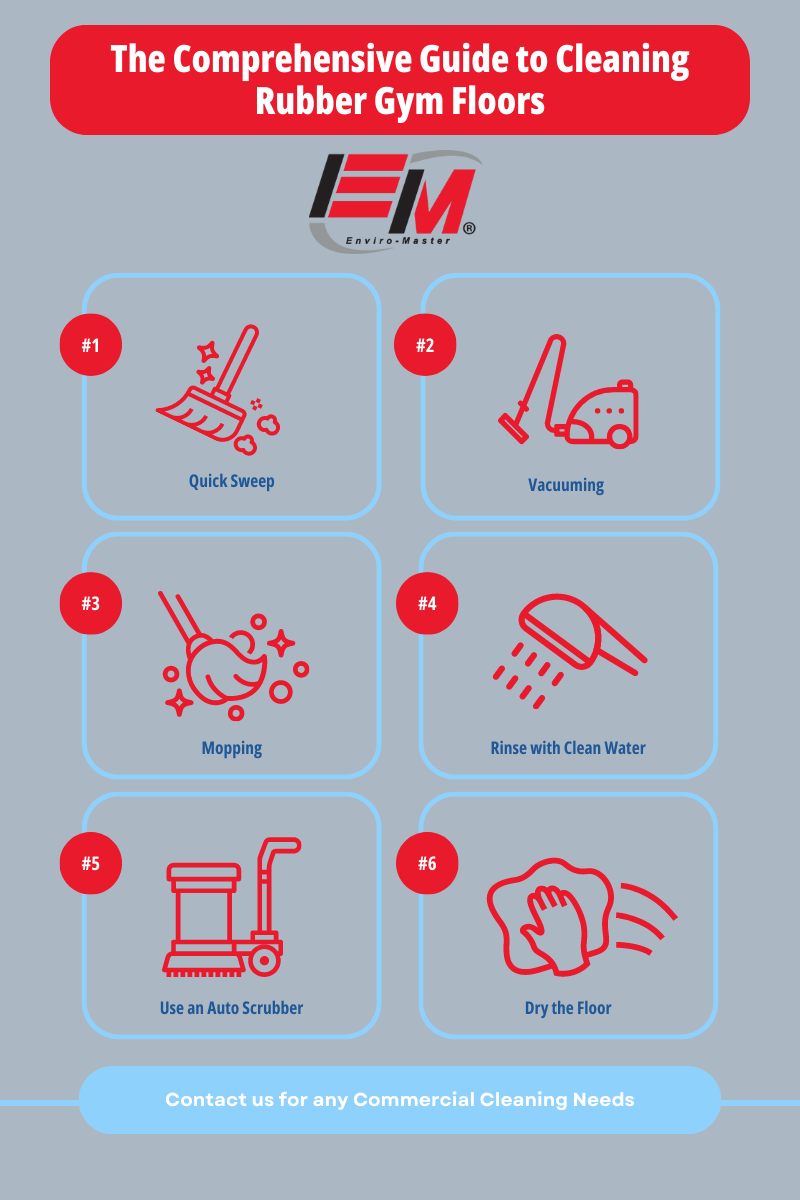
Image Source: enviro-master.com
Why Keeping Your Gym Floor Clean Matters
A clean gym floor does more than just look nice. It helps in many ways.
- Health and Safety: Sweat and dirt can hold germs. Cleaning stops germs from spreading. This keeps everyone healthier. A dirty floor can also be slippery. Cleaning helps prevent slips and falls.
- Floor Life: Dirt, grit, and harsh cleaners can hurt the rubber. Regular, proper cleaning makes your floor last longer. This saves you money over time.
- Gym Look and Smell: A clean floor makes the gym look good. It makes people feel good about being there. It also helps with removing smells from rubber floor. Gyms can get stinky. Cleaning helps keep the air fresh.
Tools You Will Need
You need the right tools to clean rubber gym floors. Using the wrong tool can damage the floor or not clean it well.
Basic Cleaning Gear
- Soft Broom or Dust Mop: Use this daily for dry cleaning. It picks up loose dirt and dust.
- Vacuum Cleaner: A vacuum made for hard floors or one with a hard floor setting is good. It gets dirt out of small spaces.
- Buckets: You need two buckets. One for clean cleaning mix and one for dirty water.
- Mop: A microfiber flat mop is often best. It holds water well but lets go of it easily. It also cleans well without too much water. Water should not sit on the floor for long.
- Clean Cloths or Rags: For wiping up small spills or drying spots.
- Floor Dryer or Fans: Helps the floor dry faster. This is key because standing water is bad for rubber floors.
Deep Cleaning and Spot Cleaning Gear
- Stiff Brush or Scrubber: For tough spots or marks. Do not use metal brushes.
- Spray Bottles: For spot cleaning mixes.
- Wet Vacuum or Auto Scrubber (Optional): For larger areas or deep cleaning rubber gym floor. These machines can save a lot of time and effort.
Picking the Right Rubber Floor Cleaner
Choosing the right cleaner is very important. Some cleaners can harm rubber floors.
What to Look For
- pH Level: Rubber floors do best with cleaners that have a neutral pH. This means a pH of around 7. Cleaners that are too acidic (low pH) or too alkaline (high pH) can break down the rubber over time. Look for cleaners labeled as “pH-neutral” or made for rubber floors.
- Non-Solvent: Avoid cleaners with solvents. Solvents can soften or make the rubber sticky. This attracts more dirt and damages the floor.
- Non-Abrasive: The cleaner should not have harsh grit or scrubbing particles. These can scratch the floor surface.
- Low-Foaming: Cleaners that make a lot of suds can be hard to rinse away. Leftover soap can leave a sticky film.
- Made for Rubber: The best option is a cleaner made specifically for rubber flooring. It will be made to protect the rubber while cleaning well.
What to Avoid
- Harsh chemicals like bleach or ammonia.
- Petroleum-based cleaners or solvents.
- Oil-based soaps.
- Strong acidic or alkaline cleaners.
Using a mild detergent for rubber floors is often enough for regular cleaning. Mix it with water as the product says.
Everyday Cleaning Steps
Daily cleaning is the first step in good gym floor maintenance tips. It keeps the floor from getting too dirty.
Step 1: Clear the Floor
Remove any items from the floor if you can. Move weights, mats, or benches out of the way.
Step 2: Dry Clean the Floor
Use a soft broom, dust mop, or vacuum. Sweep or vacuum the whole floor area. This removes dust, hair, and small bits of dirt. These small bits can act like sandpaper if left on the floor when wet. Pay attention to corners and edges.
Step 3: Spot Clean Spills
Clean spills right away. This includes water bottles, sweat, or drinks. Use a clean cloth or paper towel to soak it up. For sticky spills, use a damp cloth with a tiny bit of mild cleaner if needed. Wipe the area clean. This is key for cleaning sweat off gym floor quickly before it dries and causes smells.
Regular Cleaning (Weekly or Bi-Weekly)
Beyond daily cleaning, you need to clean the floor more deeply on a regular basis. This might be once a week or every two weeks, depending on how busy your gym is.
Step 1: Dry Clean
Start with dry cleaning again. Use a broom or vacuum the entire floor. Make sure all loose dirt is gone.
Step 2: Prepare Your Cleaning Mix
Fill one bucket with clean, cool water. Fill the second bucket with the proper rubber floor cleaner mixed with water. Follow the cleaner’s directions for how much to use. Do not use too much cleaner. More cleaner does not mean cleaner floors. It often means more residue.
Step 3: Damp Mop the Floor
Dip your mop into the bucket with the cleaning mix. Wring out the mop very well. The mop should be damp, not wet. Too much water is bad for rubber floors. It can get into seams and cause issues.
Mop the floor in sections. Work backwards so you are not walking on the wet parts. Rinse the mop often in the bucket of clean water. Wring it out again. Then dip it back into the cleaning mix bucket. This two-bucket method keeps you from putting dirty water back on the floor.
Step 4: Rinse the Floor (If Needed)
Some cleaners need rinsing. If yours does, mop the floor again using only clean water. Again, make sure the mop is just damp. This removes any cleaner left on the floor. Many pH-neutral rubber floor cleaners do not need rinsing. Check your cleaner’s instructions.
Step 5: Dry the Floor
This is a vital step. Do not let the floor air dry slowly. This can cause water marks or let water sit where it shouldn’t. Use fans or a floor dryer to dry the area quickly. Open windows if you can. The floor should be fully dry before people use it again.
Deep Cleaning Rubber Gym Floor
Sometimes, a regular cleaning is not enough. You may need to deep clean your rubber floor maybe once a month or every few months. This gets rid of built-up grime, dirt, and maybe helps with removing smells from rubber floor that are stuck in the material.
When to Deep Clean
- When the floor looks dull even after regular cleaning.
- When there are sticky spots or areas that just don’t seem clean.
- When the floor has a strong, bad smell that daily cleaning doesn’t fix.
Steps for Deep Cleaning
h4 Prepare the Area
Remove all equipment if possible. Sweep or vacuum the floor very well to remove all loose dirt.
h4 Choose a Deep Cleaner
You might need a stronger cleaner than your daily one, but it still needs to be safe for rubber. Look for deep cleaning rubber gym floor products. Some are made to lift stubborn dirt. Test any new cleaner in a small, hidden spot first.
h4 Apply the Cleaner
Mix the deep cleaner as directed. Apply it to a small section of the floor. Do not flood the floor. You can use a spray bottle for even coverage or apply with a damp mop.
h4 Let it Work
Let the cleaner sit on the floor for the time the product says. This gives it time to break down the dirt. Do not let it dry on the floor.
h4 Scrub the Area
Use a stiff, non-metal brush or a machine scrubber if you have one. Gently scrub the area. Focus on spots with more dirt or grime. The scrubbing helps lift the dirt the cleaner has loosened.
h4 Remove the Dirty Water
This is key. You must get the dirty cleaning mix and lifted dirt off the floor. Do not just spread it around. Use a wet vacuum to suck up the dirty water. If you don’t have a wet vacuum, use a clean, damp mop to soak up the dirty water. Rinse the mop often in a separate bucket and wring it out very well before soaking up more water.
h4 Rinse the Floor (If Needed)
If your deep cleaner requires rinsing, mop the area again with clean, damp water. Use the two-bucket method. Rinse the mop in the dirty water bucket, wring, then dip in the clean water bucket.
h4 Dry Completely
Dry the floor with fans or a floor dryer right away. Ensure the area is completely dry before putting equipment back or letting people use it.
Dealing with Specific Floor Problems
Rubber gym floors face certain problems often. Here’s how to handle them.
h3 How to Remove Scuff Marks From Rubber Floor
Scuff marks are common, especially from shoes.
h4 Simple Scuff Marks
For light marks, often a bit of rubbing with a clean rubber eraser works. Yes, a pencil eraser! It can lift the mark without hurting the floor.
h4 Tougher Scuff Marks
- Spray a small amount of rubber floor cleaner or mild detergent mixed with water onto a clean cloth or directly onto the mark.
- Rub the mark with the cloth or a soft brush.
- For very tough marks, you might need a plastic putty knife or the edge of a credit card. Be very gentle not to scratch the floor.
- Wipe the area clean with a damp cloth.
- Dry the spot fully.
Avoid harsh chemicals or abrasive pads, as they can damage the rubber finish.
h3 Removing Smells From Rubber Floor
Gym floors can smell because of sweat and bacteria build-up.
h4 Regular Cleaning Helps
The best way to fight smells is regular, thorough cleaning. Cleaning sweat off gym floor quickly is important. This removes the source of the smell.
h4 Use Deodorizing Cleaners
Some rubber floor cleaners have added features to help with smells. Look for products made to remove odors.
h4 Baking Soda Paste
For stubborn smelly spots, you can make a paste with baking soda and a little water. Put the paste on the spot. Let it sit for a while (maybe 15-30 minutes). The baking soda helps soak up smells. Gently scrub with a damp cloth or soft brush. Wipe clean and rinse lightly if needed. Dry the area very well. Test this in a small spot first.
h4 Air Out the Area
Good air flow helps a lot with smells. Open windows or use fans to keep the air moving in the gym.
Cleaning Interlocking Rubber Tiles
Many gym floors use interlocking rubber tiles. These tiles can hide dirt and moisture in the seams. Cleaning interlocking rubber tiles needs care.
h4 Regular Cleaning is Similar
Daily sweeping/vacuuming and regular damp mopping are the same as for rolled rubber floors. Pay extra attention to the seams when vacuuming to suck out debris trapped there.
h4 Watch the Seams
When damp mopping, be extra careful not to use too much water. Water can seep into the seams. This can cause smells, mildew, or even loosen the tiles over time. Make sure the mop is very well wrung out.
h4 Dealing with Seam Problems
If smells or dirt are coming from the seams:
- You might need to use a small brush (like a stiff toothbrush) with your cleaner to get into the seam lines.
- Make sure you remove the dirty water from the seams. A wet vacuum nozzle is great for this. If not, use a dry cloth to soak up water from the seams after cleaning.
- Ensure the seams dry fully. Fans are important here.
If a tile is very dirty or damaged, sometimes the best way for cleaning rubber gym floor tiles is to lift the tile. Clean underneath it if needed, clean the tile itself, and then put it back when everything is dry.
A Look at Different Cleaning Methods
You can clean rubber floors by hand or with machines.
h3 Manual Cleaning
This uses mops, buckets, and brushes. It is good for smaller gyms or for daily and spot cleaning. It lets you focus on problem areas. It can take more time and effort for big spaces.
h3 Machine Cleaning
Machines like auto scrubbers or wet vacuums can clean large areas faster and often better. They apply cleaner, scrub, and remove dirty water in one step. This leads to faster drying and less water use. Machines are a big help for deep cleaning rubber gym floor areas. They cost more to buy or rent.
h4 Which Method is Best?
The best way depends on your gym size, budget, and the type of cleaning. A mix is often best. Use manual methods for daily tasks and smaller areas. Use machines for regular or deep cleaning of the main floor areas.
Gym Floor Maintenance Tips for the Long Run
Good cleaning is part of overall floor care. Here are more tips for gym floor maintenance tips.
h4 Protect the Floor
- Use floor mats at entrances. This stops dirt from coming in.
- Put protective mats under heavy equipment or in areas where weights are dropped. This prevents dents and damage.
- Encourage members to wipe their shoes before working out.
h4 Clean Spills Right Away
Don’t wait. The faster a spill is cleaned, the less likely it is to stain or cause smells. This is especially true for cleaning sweat off gym floor.
h4 Follow a Schedule
Have a plan for cleaning.
* Daily: Sweep/vacuum, spot clean spills.
* Weekly/Bi-weekly: Damp mop with a rubber floor cleaner.
* Monthly/Quarterly: Deep clean.
Adjust this based on how much the gym is used.
h4 Use the Right Amount of Cleaner
Using too much cleaner leaves a sticky film. This film attracts dirt and makes the floor harder to clean next time. It can also look dull. Use only as much cleaner as the product label says. Using a mild detergent for rubber floors at the right mix is usually enough for regular cleaning.
h4 Dry the Floor Completely
This is so important it’s worth saying again. Water left standing can damage the floor, cause smells, and be a safety risk.
h4 Inspect the Floor
Look at the floor often. Check for loose tiles (cleaning interlocking rubber tiles can sometimes lift), damaged spots, or areas that are hard to clean. Fix small problems before they become big ones.
h4 Train Staff
Make sure anyone who cleans the floor knows the right steps and products to use. This keeps cleaning quality high and protects the floor.
Step-by-Step Guide: Regular Cleaning
Let’s put it all together for a standard regular clean.
h4 Get Ready
- Remove items from the floor.
- Sweep or vacuum well. Get rid of all loose dirt.
h4 Mix Cleaner
- Fill one bucket with clean water.
- Fill the second bucket with water and your chosen rubber floor cleaner. Use the right amount of cleaner.
h4 Mop the Floor
- Dip mop in cleaner bucket.
- Wring mop out very well. It should be just damp.
- Mop a small area.
- Rinse the mop in the clean water bucket. Wring well.
- Dip mop back in cleaner bucket. Wring well.
- Mop the next area.
- Keep going, rinsing the mop often in the clean water bucket and refreshing the cleaner bucket if needed.
h4 Rinse (If Needed)
- Empty both buckets.
- Fill one bucket with fresh, clean water.
- Dip a clean mop in the clean water.
- Wring mop out very well.
- Mop the floor area you just cleaned to rinse. Use the two-bucket method (one for clean rinse water, one to wring dirty rinse water into) if it helps.
h4 Dry the Floor
- Use fans or a floor dryer.
- Make sure the floor is completely dry before anyone walks on it or before putting equipment back.
Common Mistakes to Avoid
- Using Too Much Water: Rubber is not meant to be wet for long. Damp is good, wet is bad.
- Using Wrong Cleaners: Harsh chemicals damage the rubber.
- Not Rinsing: Leftover soap makes the floor sticky and dull.
- Not Drying: Leads to smells, water damage, and safety risks.
- Not Cleaning Regularly: Allows dirt and grime to build up, making cleaning harder later.
- Not Sweeping First: Pushing dirt around with a wet mop scratches the floor.
- Ignoring Spills: Allows stains and smells to set in.
Comparing Cleaner Types
When choosing a rubber floor cleaner, you might see different kinds.
| Cleaner Type | Description | Pros | Cons | Good For |
|---|---|---|---|---|
| pH-Neutral Concentrates | You mix with water. pH around 7. | Safe for rubber, effective for general dirt. Economic. | Requires mixing. | Regular cleaning, most rubber types. |
| Ready-to-Use Cleaners | Pre-mixed in a spray bottle or container. | Easy and fast to use. | More expensive per use than concentrates. May contain stronger scents. | Spot cleaning, small areas, quick clean. |
| Enzymatic Cleaners | Use helpful germs (enzymes) to break down organic matter. | Very good at removing smells (like sweat). | May take longer to work. Can be more expensive. | Removing smells from rubber floor. |
| General Purpose Cleaners | Not made specifically for rubber. | Easy to find. | Risk of being too harsh (high/low pH), having solvents. | Avoid unless confirmed safe for rubber. |
Stick to cleaners made for rubber floors or pH-neutral options. A mild detergent for rubber floors can work for simple dirt if it’s neutral pH and free of harsh additives. Always check the product label and test first.
FAQ About Cleaning Rubber Gym Floors
h3 Can I use bleach on my rubber gym floor?
No, you should not use bleach. Bleach is very harsh. It can damage the rubber material. It can make it lose color or break down.
h3 How often should I deep clean?
Deep cleaning rubber gym floor depends on how busy your gym is. For a high-use gym, maybe once a month. For a low-use gym, maybe every few months. Look at the floor. If it still looks dirty after regular cleaning, it’s time for a deep clean.
h3 My interlocking rubber tiles have a strong smell, what should I do?
Smells often come from sweat and moisture getting into the seams. First, make sure you are drying the floor fully after cleaning. Use fans. Try cleaning interlocking rubber tiles seams with a mild cleaner and a small brush. An enzymatic cleaner can be very good for removing smells from rubber floor by breaking down sweat residues. Ensure the area is fully dry afterwards. If a tile seems like the main source, you might lift it, clean underneath and the tile itself, and dry thoroughly before putting it back.
h3 How do I get rid of white marks on the floor?
White marks can be from minerals in water (if you let it air dry slowly) or from cleaner residue (if you didn’t rinse or used too much cleaner). For mineral marks, try cleaning the area again with a damp mop and a bit of vinegar mixed with water (test this first, vinegar is acidic but can work if diluted a lot for mineral removal). For cleaner residue, mop again with just clean, warm water, rinsing your mop very well. Make sure to dry the floor completely using fans.
h3 What’s the best way to clean rubber flooring quickly?
For a quick clean, focus on dry cleaning first. Sweep or vacuum well. Then, quickly spot clean any obvious spills or sweat spots with a damp cloth. Make sure those spots are dried quickly. A quick damp mop of high-traffic areas using a ready-to-use rubber floor cleaner and then using fans to dry is also fast for daily touch-ups.
h3 Can I use a steam cleaner?
Most rubber floor makers do not recommend steam cleaners. High heat and moisture can damage the rubber and the glue holding it down (if it’s glued). Stick to damp mopping with approved cleaners.
Summary
Keeping your rubber gym floor clean is vital. It makes the gym safer, healthier, look better, smell fresher, and helps the floor last longer.
- Clean daily by sweeping or vacuuming and cleaning spills fast.
- Clean regularly (weekly/bi-weekly) by damp mopping with a pH-neutral rubber floor cleaner or a mild detergent for rubber floors. Use the two-bucket method.
- Deep clean (monthly/quarterly) for tough grime and smells, perhaps using a specific deep cleaning rubber gym floor product and scrubbing.
- Always dry the floor fully and fast.
- Use the right rubber floor cleaner – avoid harsh chemicals, solvents, and high/low pH cleaners.
- Handle scuff marks and smells with specific methods like erasers, gentle scrubbing, or enzymatic cleaners for removing smells from rubber floor.
- Be careful with water when cleaning interlocking rubber tiles.
- Follow gym floor maintenance tips like using mats and cleaning spills right away.
By following these steps, you can keep your rubber gym floor in great shape for years to come.