
Generally, yes, you can often start light exercise 1 week after a tooth extraction, but it depends on your personal healing and what your dentist says. How soon can you exercise after tooth extraction is not a one-size-fits-all answer. Many people feel ready to do simple activities by this time, while others might need more rest. Always listen to your body and follow your dentist’s specific instructions for your exercise recovery after tooth extraction.
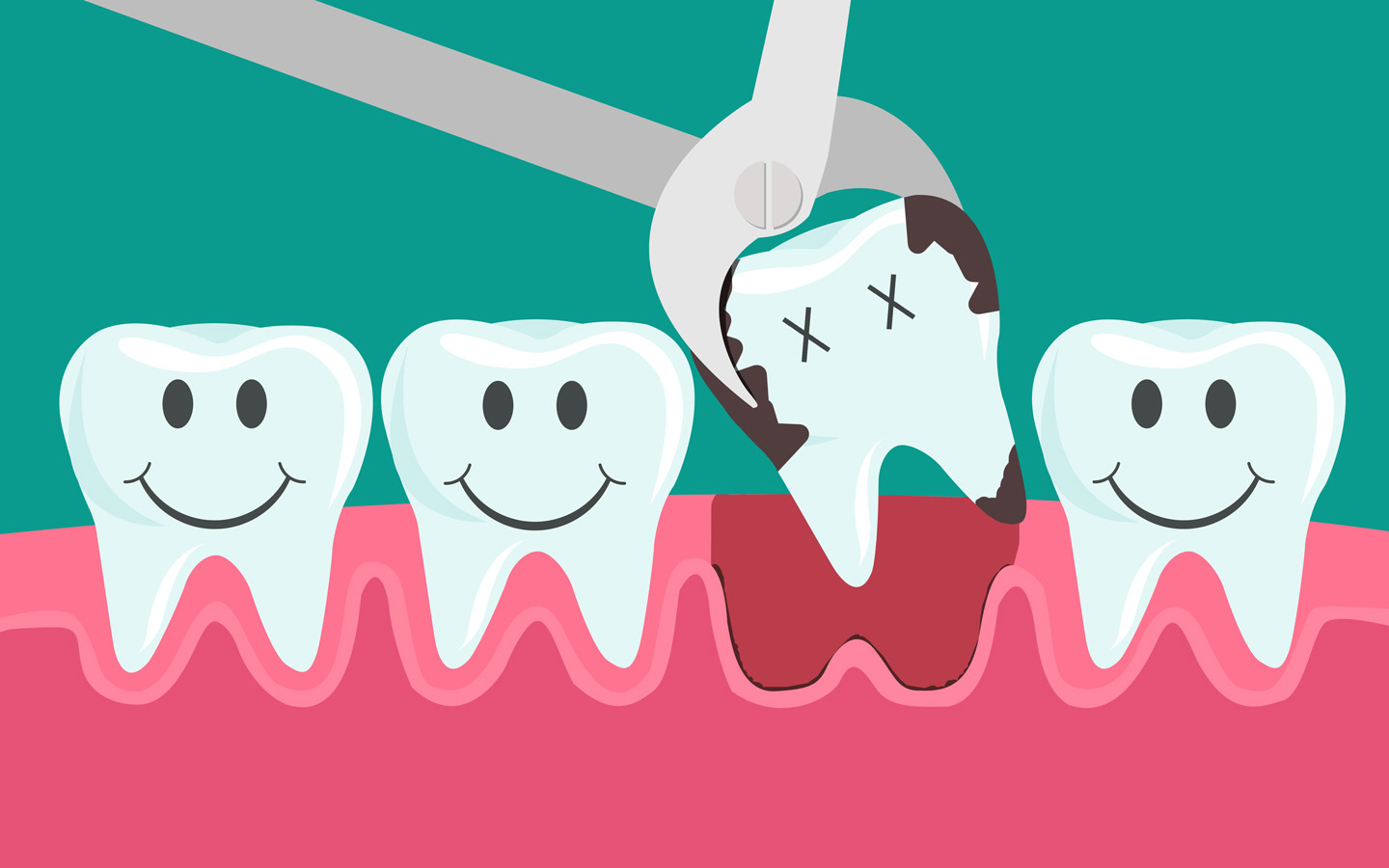
Image Source: www.medicomdtx.com
Your Mouth Needs Time to Heal
When a tooth is pulled out, it leaves a hole. This hole needs time to close up and heal. The most important part happens right after the tooth comes out. A blood clot forms in the socket. This clot is like a protective shield. It guards the bone and nerves underneath. It also helps the new tissue grow.
This blood clot is very important. It must stay in place for healing to happen well. If the clot comes out too soon, it can cause a painful problem called a dry socket. Healing takes days, sometimes weeks. In the first few days, the clot is fragile. It can be dislodged easily.
Eating soft foods helps. Not smoking helps. Not drinking through a straw helps. And resting helps a lot. Your body needs energy to heal the wound. Strenuous activity in the first few days uses up energy your body needs for fixing the socket. It can also raise blood pressure, which can push the clot out.
After about a week, the healing site is usually stronger. The blood clot is more stable. New tissue might start to cover the hole. But it’s still a healing wound. It’s not back to normal yet. Your dentist checks how things look at follow-up visits. They can tell you if your healing is on track.
The Role of Exercise in Your Healing Journey
Exercise is usually good for you. It helps your body stay strong. It can make you feel better. But right after a tooth extraction, exercise can cause problems. Your body is focused on healing. Pushing it too hard can slow down this process.
Think of healing like building a new wall. You need all your workers (your body’s cells) building that wall (the new tissue). If you send your workers to do other heavy jobs (like intense exercise), they can’t focus on the wall. The wall might not be built as well or as quickly.
Exercise makes your heart beat faster. It makes your blood pump harder. This raises your blood pressure. Higher blood pressure near the extraction site can disturb the blood clot. It can make the area bleed again. Bleeding after exercising tooth extraction is a common issue if you start too soon or do too much.
Heavy exercise also needs you to clench your teeth. Or it might involve movements that jolt your head. These actions can put stress on the healing area. They can also lead to problems.
However, very light exercise post tooth extraction, like gentle walking, might be okay after a few days for some people. It can even help blood flow a little, which can aid healing. But the key is light and gentle. And it must be approved by your dentist.
How to Decide: When Can You Safely Start?
There is no single day that is right for everyone to start exercising again. When can I workout after tooth extraction depends on many things.
Factors that influence when you can start include:
- The type of extraction: Was it a simple pull? Or was it a surgical extraction, like cutting through gum or bone? Surgical extractions usually take longer to heal.
- How many teeth were pulled: Taking out one tooth is different from taking out several at once. More extractions mean a bigger wound and more healing needed.
- Where the tooth was: Wisdom teeth, especially impacted ones, often require more complex surgery. Working out after wisdom tooth removal might need more time than after pulling a front tooth.
- Were there any problems during the extraction? If there were cuts or stitches, the healing might be more involved.
- How fast do you heal? Everyone is different. Some people heal quicker than others.
- Your overall health: Do you have any health problems that affect healing, like diabetes?
- What kind of exercise do you want to do? Light walking is different from heavy lifting or running.
Your dentist is the best person to tell you when you can start. They know how your extraction went. They can see how well you are healing. Follow their post extraction exercise guidelines closely.
A general timeline often looks like this:
- Days 1-2: No exercise at all. Rest is key.
- Days 3-7: Very light activities like walking might be possible if your dentist says yes and you feel up to it. Keep it short and easy.
- After 1 week: Many people can start doing light to moderate exercise. But avoid intense stuff and anything that puts pressure on the extraction site.
- After 2 weeks or more: You might be able to go back to your normal exercise routine. But again, this depends on your healing and your dentist’s OK.
It’s always better to wait a little longer than to start too soon and cause a problem.
What Kind of Exercise is Safe?
Not all exercises are the same when you are healing. Some are much safer than others. The goal is to avoid anything that:
- Raises your blood pressure a lot.
- Requires hard work or straining.
- Could cause you to hit your mouth or jaw.
- Makes you clench your teeth hard.
- Involves bouncing or shaking your head.
Light Activities You Can Do (Usually after Day 3-7, if approved)
If your dentist says it’s okay, you can try very gentle activities. These should not make your heart pound hard or make you breathe heavily.
Examples of light exercise post tooth extraction:
- Slow walking: Walk at a relaxed pace. Do not power walk or run. Just a gentle stroll. Maybe start with 15-20 minutes. See how you feel.
- Gentle stretching: Avoid stretches that make you strain or put pressure on your head or neck. Simple, easy stretches are okay.
- Light housework: Things like folding laundry or washing dishes are generally fine. Avoid heavy lifting or bending over for long periods.
- Desk work: If your job involves sitting, it’s usually fine.
When doing any activity, even light ones, stop immediately if you feel pain, throbbing, or notice bleeding from the extraction site. This is your body telling you it’s too much.
Activities to Avoid Early On (Usually for at least 1-2 weeks)
Certain types of exercise are risky in the first week or two (sometimes longer). These activities increase the chance of problems like bleeding or dry socket.
Examples of strenuous activity after tooth extraction to avoid:
- Running or jogging: These raise your heart rate and blood pressure significantly. The bouncing motion can also affect the healing clot.
- Weightlifting: Lifting weights after wisdom tooth extraction or any tooth extraction is risky. Straining to lift weights increases blood pressure dramatically. This is a major cause of bleeding and dry socket risk exercise tooth extraction. Avoid lifting heavy things, even outside of a gym.
- High-intensity cardio: Activities like HIIT, spinning, or intense sports are too much too soon.
- Contact sports: Any sport where you could get hit in the face is very dangerous.
- Swimming: While not necessarily strenuous, some dentists advise against swimming pools or hot tubs early on due to bacteria risk. Also, the pressure changes might not be good.
- Yoga with inversions: Poses where your head is below your heart can increase blood pressure in the head area.
- Anything that makes you breathe hard through your mouth: This can create suction that might dislodge the clot.
Always ease back into exercise slowly. Do not try to do as much as you did before the extraction. Start with shorter times and lower intensity.
Risks of Exercising Too Soon
Exercising before the extraction site has healed enough carries real risks. The two main problems are bleeding and dry socket.
Bleeding After Exercising Tooth Extraction
It is normal to have a little oozing from the extraction site for the first 24 hours. But exercise can cause significant bleeding to start again, even days later. When you work out, your heart pumps faster and harder. This sends blood through your body with more force. This increased pressure can:
- Push the blood clot out of the socket.
- Break open small blood vessels that were starting to heal.
If the site starts bleeding a lot during or after exercise, stop the activity right away. Sit or lie down with your head raised. Put firm but gentle pressure on the area with a clean piece of gauze or a tea bag (the tannic acid can help stop bleeding). If the bleeding doesn’t stop after 15-20 minutes of pressure, call your dentist.
Dry Socket Risk Exercise Tooth Extraction
This is one of the most painful problems after a tooth extraction. A dry socket happens when the blood clot in the hole is lost or doesn’t form correctly. This leaves the bone and nerves exposed. It causes a deep, throbbing pain that can spread up towards your ear. It often starts a few days after the extraction.
Exercise is a known risk factor for dry socket. Why? Because strenuous activity can:
- Increase blood pressure, dislodging the clot.
- Cause too much suction in the mouth (like breathing hard during intense cardio).
- Lead to excessive swelling, which can also disturb the clot.
If you get a dry socket, you will need to see your dentist. They will clean the socket and pack it with medicine to help with the pain and promote healing. Healing will take longer if you get a dry socket. Avoiding exercise in the critical first week significantly lowers your dry socket risk exercise tooth extraction.
Specific Situations: Working Out After Wisdom Tooth Removal
Wisdom teeth are often pulled out because they are impacted (stuck under the gum or bone) or don’t have enough space to come in right. Removing wisdom teeth is often a more complex surgery than a simple extraction of another tooth.
Because wisdom tooth removal is frequently surgical:
- There might be stitches.
- There is often more swelling and bruising.
- The healing site is usually larger or deeper.
- The risk of complications like dry socket is higher.
This means that working out after wisdom tooth removal usually requires a longer recovery time before you can exercise. While you might feel okay for light activity after 7 days, intense exercise might need to wait 2 weeks or even longer.
Listen very carefully to your oral surgeon or dentist’s advice after wisdom tooth removal. They will give you specific instructions based on how difficult the surgery was and how you are healing. Do not rush back to the gym just because a week has passed. Your body needs more time to heal from this type of extraction.
Heavy lifting after wisdom tooth extraction is especially risky. The straining involved can easily dislodge the clot from the larger socket left by a wisdom tooth.
Post Extraction Exercise Guidelines
To ensure safe exercise recovery after tooth extraction, follow these guidelines:
- Always Talk to Your Dentist First: Before starting any exercise after a tooth extraction, ask your dentist or oral surgeon. They will give you the best advice based on your specific situation.
- Wait at Least 24-48 Hours (Minimum): Do absolutely no exercise in the first day or two after extraction. Rest is essential.
- Start Slow and Light: When you get the OK, begin with very low-intensity activities like slow walking.
- Monitor Your Body: Pay close attention to how you feel. Look for signs of trouble.
- Pain: Does the extraction site start to hurt or throb more? Stop.
- Bleeding: Does the site start bleeding again? Stop immediately and apply pressure.
- Swelling: Does the swelling get worse? Stop.
- Throbbing: Do you feel a pulsing sensation at the site? This means blood pressure is high there. Stop.
- Dizziness or Weakness: Don’t push yourself if you feel faint.
- Avoid High Blood Pressure Activities: Stay away from lifting weights, running, and intense cardio for at least a week, often two or more. Strenuous activity after tooth extraction is a major risk.
- Avoid Head-Down Positions: Try not to do activities where your head is below your heart. This can increase blood pressure in the head.
- Stay Hydrated: Drink plenty of water, but do not use a straw.
- No Mouth Rinsing for 24 Hours: After that, rinse very gently with warm salt water (1/2 teaspoon salt in a glass of warm water). Do not swish hard or spit forcefully.
- Ease Back Gradually: Don’t jump back into your full workout routine at once. Slowly increase the intensity and duration over several days or weeks.
- Consider the Weather: Exercising in hot weather can increase blood pressure and make you more prone to problems. Be extra cautious.
These post extraction exercise guidelines help protect the vital blood clot and support proper healing. Your exercise recovery after tooth extraction should be slow and careful.
When to Talk to Your Dentist
Sometimes, even when you are careful, problems can happen. Or you might not be sure if something is normal. It is important to know when to call your dentist or oral surgeon.
Call your dentist if you have:
- Severe pain: Pain that is not controlled by the medicine they gave you, especially if it starts a few days after the extraction (could be dry socket).
- Bleeding that won’t stop: If you apply pressure with gauze for 15-20 minutes and the bleeding continues heavily. Light oozing is normal, heavy bleeding is not.
- Swelling that gets worse after the first 2-3 days, or swelling that is very large. Some swelling is normal, but it should start to go down after a couple of days.
- Signs of infection: Fever, pus coming from the site, bad taste or smell that is not getting better.
- Numbness that lasts for more than 24 hours (though this can happen sometimes, it’s good to report it).
- Trouble breathing or swallowing. (This is rare but needs immediate attention).
- If you accidentally dislodge the blood clot.
- Any questions or worries about your healing or when you can exercise.
Do not try to tough it out if you think something is wrong. It’s always better to call your dentist and ask. They are there to help you heal well.
Table: Exercise Suitability Timeline (General Guide)
This table gives a general idea. Always follow your dentist’s specific advice.
| Type of Activity | First 24-48 Hours | Days 3-7 | After 1 Week (approx) | After 2+ Weeks (approx) |
|---|---|---|---|---|
| Complete Rest | Yes | Not necessary, but easy | Not necessary | Not necessary |
| Slow, Gentle Walking | No | Possible (ask dentist, watch) | Likely OK (start slow) | OK, can increase pace |
| Light Stretching | No | Possible (ask dentist, gentle) | Likely OK | OK |
| Light Household Chores | No | Possible | Likely OK | OK |
| Brisk Walking/Jogging | No | No | Maybe light jogging (watch) | Likely OK, increase slowly |
| Weight Lifting (Heavy) | No | No | No | Possible (ask dentist, slow) |
| Intense Cardio (HIIT) | No | No | No | Possible (ask dentist, slow) |
| Swimming | No | Ask dentist | Ask dentist | Likely OK |
| Contact Sports | No | No | No | Only when fully healed |
Note: This is a very general guide. Healing varies greatly. Wisdom teeth removal often requires longer recovery for higher intensity activities.
How Long Until I’m Back to Normal Exercise?
For simple extractions, many people can return to most of their normal exercise routine within 1-2 weeks. For surgical extractions, especially wisdom teeth, it might take 2-4 weeks or even longer for strenuous activity.
The key is a gradual return. Do not expect to lift the same weights or run the same distance you did before the extraction on your first day back. Start with less intensity and shorter durations. Slowly build back up as your body allows and as your dentist approves.
Think of it as training for your sport or activity. You would not jump into a marathon without training. Similarly, do not jump back into heavy exercise after surgery without easing into it. Your body needs time to regain its full strength and for the surgical site to become completely stable.
Ignoring the need for rest and gradual return can lead to setbacks. You might cause bleeding, get a dry socket, or slow down the overall healing process. This means you will be out of action for even longer in the end. Patience is your friend during exercise recovery after tooth extraction.
Frequently Asked Questions
h4: Can I do yoga 1 week after tooth extraction?
Maybe, but only gentle yoga. Avoid poses where your head is below your heart or poses that require straining or holding your breath. Ask your dentist first.
h4: What if my job involves physical labor?
If your job requires heavy lifting or strenuous activity, you will likely need to take more than a week off. Talk to your dentist and your employer about when it is safe for you to return to full duty. Doing physical labor too soon is similar to doing strenuous exercise too soon and carries the same risks.
h4: How do I know if I’ve done too much?
Signs you have done too much include increased pain, throbbing, swelling, or bleeding at the extraction site. If you experience any of these, stop the activity immediately and rest. If symptoms continue or are severe, call your dentist.
h4: Is it okay to walk on a treadmill after a week?
Light walking on a treadmill at a slow pace might be okay if your dentist approves and you feel well. Avoid running or increasing the speed and incline too much. Listen to your body.
h4: Can I lift light weights after a week?
Some people might be able to lift very light weights (like hand weights) for simple exercises after a week, but this depends on your healing. Avoid anything that makes you strain or hold your breath. Avoid machine weights or heavy free weights. Lifting weights after wisdom tooth extraction should usually wait longer. When in doubt, wait longer or ask your dentist.
h4: How long does a dry socket last if I get one?
If you get a dry socket, the severe pain usually lasts for several days until your dentist treats it and the area starts to heal properly. The overall healing time for the socket will be longer than if you didn’t get one.
h4: What should I do if the extraction site bleeds after exercising?
Stop exercising immediately. Sit or lie down with your head raised. Place a clean piece of gauze or a tea bag over the extraction site and bite down firmly for 15-20 minutes. If the bleeding does not stop after doing this, call your dentist right away.
h4: Can I exercise if I am still taking pain medicine?
Pain medicine can make you feel dizzy or less coordinated. Exercising while taking strong pain medicine might not be safe, even if your mouth feels okay. Check with your dentist or doctor.
h4: Will exercising too soon make the hole bigger?
Exercising too soon won’t necessarily make the physical hole bigger, but it can disrupt the healing process (like dislodging the clot or causing bleeding) which delays the hole from closing properly.
h4: Is there any exercise I can do right away?
No, complete rest is recommended for at least the first 24-48 hours. Your body needs to focus all its energy on starting the healing process and forming that crucial blood clot. Even light walking is usually discouraged on day 1.
h4: What are the key post extraction exercise guidelines?
The main guidelines are: rest completely for 1-2 days, start very light and only if your dentist says yes after that, avoid raising blood pressure or straining, stop if you have pain or bleeding, and listen to your body and dentist always.
h4: When can I return to my regular workout routine after a tooth extraction?
This varies greatly. For simple extractions, maybe 1-2 weeks. For surgical extractions, potentially 2-4 weeks or longer. It depends on how well you heal and your dentist’s OK. Always ease back into it gradually.
Conclusion
Exercising 1 week after a tooth extraction is often possible, but it needs to be done carefully. Listen to your body, start with very light activity, and absolutely get approval from your dentist first. Avoid strenuous activity like heavy lifting or intense cardio, as this significantly increases the risk of bleeding and dry socket. Patience during the exercise recovery after tooth extraction is key. By following your dentist’s advice and the post extraction exercise guidelines, you can help ensure proper healing and get back to your normal activities safely. Your health and healing are the top priority.