
You just had a tooth pulled. Maybe it was causing pain, or maybe your dentist said it had to come out. Now that the hard part is over, you’re probably thinking about getting back to your normal life. For many people, that means getting back to physical activity. So, can you exercise after a tooth extraction?
The simple answer is no, not right away. You need to give your mouth time to heal. Jumping back into your workout routine too soon can cause problems. Your dentist or oral surgeon will give you specific instructions, but a general guideline is to avoid exercise for at least the first 24-48 hours. After that, you might be able to do some light activity, but strenuous activity should wait longer, usually several days to a week or more. It really depends on how your mouth is healing and the type of extraction you had. Always ask your dentist when it is safe for you to start exercising again.
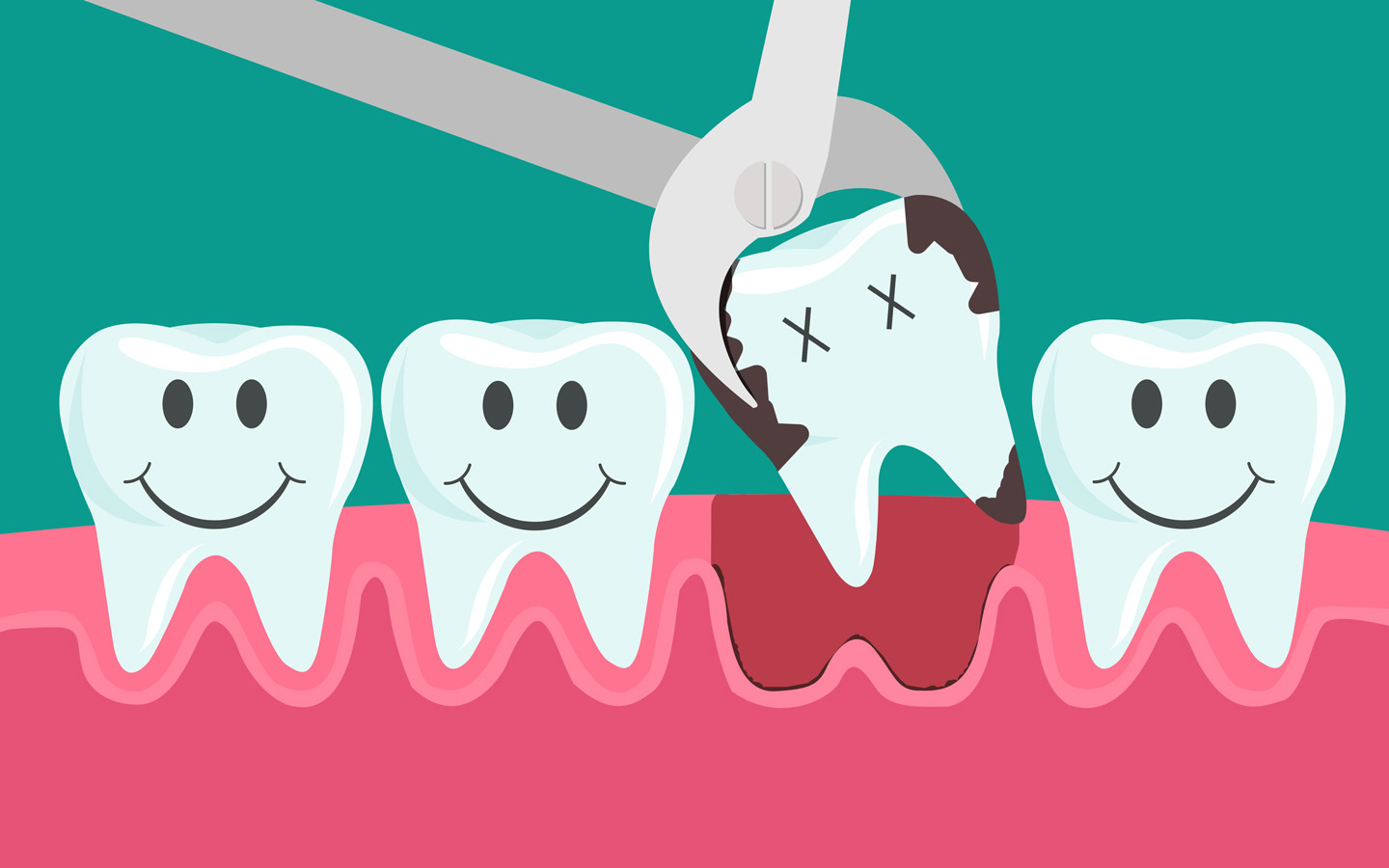
Image Source: www.medicomdtx.com
Deciphering the Initial Healing Process
Right after a tooth comes out, your body starts working to fix the spot where it used to be. This is a natural healing process. The most important step in the first 24 hours is forming a strong blood clot in the empty socket. Think of this blood clot like a natural bandage. It protects the bone and nerves underneath and helps new tissue grow.
- Blood Clot Formation: This happens quickly after the tooth is removed. It’s a crucial first step.
- Protecting the Clot: It is super important not to disturb this blood clot. If the clot comes out too early, it can lead to a painful problem called dry socket.
- Swelling and Bruising: You might see some swelling and maybe some bruising on your face or jaw. This is normal and part of the body’s reaction to the surgery.
- Pain Management: Your dentist will give you advice on how to handle pain. This might involve pain medicine and applying cold packs.
During this early stage, your body is using a lot of energy to start healing. Resting helps your body focus on this important work. Any kind of physical activity, especially hard exercise, can disrupt this delicate process.
Interpreting the Dangers of Exercising Too Soon
Jumping into working out after tooth removal carries several risks. The main goal is to protect the blood clot and prevent complications.
Risks if You Exercise After Surgery
- Dry Socket (Alveolar Osteitis): This is the biggest risk. If the blood clot gets dislodged or dissolves too early, the bone and nerves underneath are exposed. This causes intense pain, often throbbing, that can spread up to your ear or down your neck. It also causes a bad taste and smell in your mouth. Strenuous activity increases your heart rate and blood pressure, which can cause the clot to come loose or break down. This is why avoiding exercise after tooth extraction is key to preventing dry socket.
- Increased Bleeding: Exercise raises your blood flow. This increased pressure can cause bleeding to start again from the extraction site, even if it had stopped. More bleeding means a longer healing time and can also mess up the blood clot.
- Increased Swelling and Pain: Physical activity can make swelling worse around the extraction area. More swelling often means more pain and discomfort during your recovery period after tooth extraction.
- Delayed Healing: If you cause bleeding or swelling, or if you get a dry socket, your overall healing time after tooth extraction will be longer. This delays when you can get back to normal activities, including eating and talking comfortably.
- Infection Risk: While less direct, disrupting the healing site can potentially make it more open to bacteria, slightly increasing the risk of infection.
This is why dentists strongly advise against strenuous activity right after the procedure. The risks of exercising after tooth extraction are real and can make your recovery much harder and more painful.
Grasping the General Timeline for Physical Activity After Tooth Extraction
So, how long after tooth extraction can I exercise? There is no one-size-fits-all answer. It depends on the difficulty of the extraction, how many teeth were pulled, your overall health, and how quickly you heal. However, we can look at a general timeline.
The First 24-48 Hours: Complete Rest is Key
This is the most critical period for blood clot formation.
- Avoid: Absolutely no exercise or physical activity. This includes going to the gym, running, lifting weights, swimming, or even doing heavy chores around the house.
- What to Do: Rest at home. Keep your head elevated slightly, even when sleeping. Stick to soft foods. Avoid spitting, smoking, drinking through a straw, and hot liquids – all things that can dislodge the clot.
Days 3-7: Maybe Some Light Exercise
If you feel okay and have had no bleeding or major swelling, you might consider very light exercise after tooth extraction.
- Listen to Your Body: This is super important. If you feel any pain, throbbing, or increased bleeding, stop immediately.
- What to Consider:
- Slow, gentle walking.
- Very light stretching (avoiding anything that makes you clench your jaw or strain).
- Stationary cycling at a very slow pace with no resistance.
- Intensity: Keep your heart rate low. You should be able to talk easily while doing the activity. If you’re breathing hard, it’s too much.
- Duration: Start with very short periods, maybe 10-15 minutes. See how you feel afterward and the next day.
One Week and Beyond: Gradually Increasing Intensity
If you are healing well, with minimal pain and no complications like dry socket, you can slowly start to increase your physical activity after tooth extraction.
- Still Be Cautious: Don’t jump right back into your hardest workouts. Increase intensity and duration gradually.
- Monitor: Watch for any signs of increased pain, swelling, or bleeding during or after exercise.
- Types of Activity:
- Brisk walking.
- Light jogging (if comfortable).
- Lifting lighter weights than usual.
- Yoga (avoiding inversions or poses that put pressure on the head).
- When to Return to Normal: Most people can get back to their normal working out after tooth removal routine about 7-10 days after a simple extraction. However, this can vary greatly.
Two Weeks and Beyond: Approaching Normalcy
For most simple extractions, the recovery period after tooth extraction for exercise is largely over by two weeks. You should be able to return to strenuous activity after extraction unless you had a complex surgery or are experiencing issues.
When Can I Exercise After Wisdom Tooth Extraction?
Wisdom tooth extraction is often more complex than removing a regular tooth. Wisdom teeth are frequently impacted (stuck under the gums or bone), and their removal requires more significant surgery, including incisions and stitches. This means the healing time after tooth extraction for wisdom teeth is often longer and requires more caution.
Why Wisdom Tooth Extraction Requires More Rest
- More Trauma: The surgery area is larger and involves more tissue manipulation.
- Stitches: Often, stitches are used, which need time to dissolve or be removed. Exercise can pull on stitches.
- Increased Swelling: Wisdom tooth removal usually causes more swelling and bruising than a simple extraction.
- Higher Dry Socket Risk: The lower jaw, where wisdom teeth are often removed, has a slightly higher risk of dry socket.
Timeline for Exercise After Wisdom Tooth Extraction
Because it’s a bigger surgery, the “How long after tooth extraction can I exercise” rule is often extended for wisdom teeth.
- First 3-4 Days: Absolute rest. No exercise whatsoever. Focus purely on recovery, managing pain, and reducing swelling.
- Days 5-7: If you feel significantly better, swelling is going down, and there’s no pain at the extraction site, you might attempt very light exercise after tooth extraction, like a short, slow walk. Keep it minimal.
- One Week to 10 Days: You might be able to slowly introduce more moderate activity, like brisk walking or gentle stationary cycling, if your surgeon gives you the okay and you have no pain.
- Two Weeks: Many people can start to return to more strenuous activity after extraction around the two-week mark, but this depends heavily on your individual healing. Some might need longer.
- Beyond Two Weeks: Most should be able to return to their normal routine unless complications occurred.
Always, always follow the specific instructions given by your oral surgeon. They know exactly what was done during your surgery and can give you the most accurate timeline for when you can exercise after wisdom tooth extraction.
Table: General Activity Guidelines
This table gives a rough idea. Always listen to your body and your dentist!
| Time After Extraction | Activity Level | Examples | Key Considerations |
|---|---|---|---|
| 0-48 Hours | NO Exercise | Avoid all physical activity | Protect blood clot, prevent bleeding and dry socket |
| Days 3-7 | Light Exercise (Maybe) | Slow walking, gentle stretching | Listen to body, stop if pain/bleeding, low intensity |
| Days 7-14 | Gradually Increase | Brisk walking, light jogging, light weights | Monitor for symptoms, gradual return |
| 14+ Days | Approaching Normal | Strenuous activity (if no complications) | Full return based on individual healing |
Note: This is a general guide. Wisdom teeth extraction may require longer rest periods.
Comprehending the Difference: Light vs. Strenuous Activity
Not all exercise is created equal when you’re recovering. Understanding the difference helps you make smart choices.
Light Exercise After Tooth Extraction
This includes activities that do not significantly raise your heart rate, blood pressure, or involve jarring movements.
- Examples:
- Walking at a slow or moderate pace.
- Very gentle stretching (avoiding neck/jaw strain).
- Slow, easy cycling on a stationary bike.
- Tai Chi or very gentle Yoga (avoiding inversions).
- Why it might be okay later: These activities are less likely to dislodge the blood clot or cause significant increases in bleeding or swelling compared to more intense workouts. They can help you feel less stiff and improve mood without putting your healing site at risk.
Strenuous Activity After Extraction
This involves workouts that make your heart pump hard, increase blood pressure significantly, or involve impact or heavy lifting.
- Examples:
- Running or jogging.
- Weightlifting (especially heavy weights).
- High-intensity interval training (HIIT).
- Sports like basketball, soccer, tennis.
- Swimming (the pressure changes or putting your head below water might be risky).
- CrossFit or similar intense programs.
- Any activity that makes you strain, grunt, or clench your jaw.
- Why to avoid initially: These activities dramatically increase blood flow and pressure. This creates a high risk of dislodging the blood clot, causing renewed bleeding, increasing swelling, and leading to dry socket. Strenuous activity after extraction is the main type of exercise to avoid during the critical early recovery period.
Key Points for a Smoother Recovery Period After Tooth Extraction
Getting back to your routine safely means taking care of yourself beyond just avoiding exercise.
- Follow Post-Op Instructions: Your dentist or surgeon’s instructions are tailored to your specific situation. Read them carefully and follow them to the letter.
- Manage Swelling: Use ice packs on your face (20 minutes on, 20 minutes off) for the first 24-48 hours. This helps reduce swelling and discomfort.
- Control Pain: Take prescribed pain medication as directed. Don’t wait for the pain to get bad before taking it.
- Eat Soft Foods: Stick to soft, easy-to-chew foods for the first few days. Avoid hot, spicy, hard, or crunchy foods that could irritate the extraction site or dislodge the clot.
- Saltwater Rinses: After the first 24 hours, gently rinse your mouth with warm salt water several times a day (especially after eating). This helps keep the area clean and promotes healing. Use a gentle swishing motion, don’t spit forcefully.
- Avoid Smoking and Alcohol: Smoking significantly delays healing and increases the risk of dry socket. Alcohol can interfere with pain medication and healing.
- Stay Hydrated: Drink plenty of water, but avoid using a straw initially.
- Rest: Get plenty of sleep. Your body heals when you’re resting.
Taking these steps seriously contributes to a faster and less complicated healing time after tooth extraction, which means you can return to your normal physical activity sooner.
Fathoming Signs You Might Be Pushing Too Hard
If you decide to try light exercise after tooth extraction, pay close attention to your body. It will tell you if you’re doing too much.
- Increased Pain: The most obvious sign. If the dull ache turns into throbbing pain or gets significantly worse while exercising or afterward, stop.
- Bleeding: Any fresh bleeding from the extraction site during or after activity is a major warning sign. Stop immediately and apply pressure with a clean gauze pad if recommended by your dentist.
- Increased Swelling: If your swelling gets worse after exercising, you’ve likely done too much.
- Throbbing: A pulsing or throbbing sensation at the extraction site is a strong sign that you’ve increased blood flow too much and might be disturbing the clot.
- Fatigue or Dizziness: If you feel unusually tired, weak, or dizzy, your body is telling you it’s not ready for activity.
Ignoring these signs can lead to complications like dry socket exercise risk. It’s better to err on the side of caution and rest more than to push through and regret it.
The Crucial Role of Your Dentist or Surgeon
While general guidelines are helpful, every extraction and every person is different. The most important factor in deciding when you can exercise after tooth extraction is the advice from the dental professional who performed the procedure.
- They Know the Details: They know how complicated the extraction was, if there were any issues, and how healthy your mouth tissues are.
- They Can Assess Your Healing: During follow-up appointments (if any), they can check how well the site is healing.
- Personalized Advice: They can give you a timeline and specific precautions based on your individual situation.
- Don’t Hesitate to Ask: Before leaving the office, ask specifically: “When can I exercise after this tooth extraction?” and “What kind of physical activity should I avoid?” Call them if you have questions or concerns during your recovery period after tooth extraction.
Listening to your dentist or surgeon is the safest way to ensure a smooth recovery and avoid complications that could delay your return to working out after tooth removal.
Planning Your Return to Working Out After Tooth Removal
Once you’re past the initial high-risk phase and your dentist gives you the go-ahead to gradually increase activity, here’s how to plan your return:
- Start Small: Begin with very low intensity and short durations. A 15-minute walk is a good starting point, not an hour-long run.
- Listen and Observe: Pay close attention to how your mouth feels during the activity and for several hours afterward. Check the extraction site for any new bleeding or swelling.
- Increase Gradually: If a short, light session goes well, slowly add a little more time or a little more intensity the next time. Don’t try to do everything you did before the surgery all at once.
- Stay Hydrated: Drink plenty of water before, during, and after your activity.
- Avoid Contact Sports: Even after a couple of weeks, activities where you might get hit in the face should be avoided for a longer period. Ask your dentist when these are safe again. This prevents injuring the healing site.
- Modify Exercises: If a particular exercise causes discomfort or pressure in your jaw or head, find an alternative or skip it for now. For example, if lifting heavy weights causes you to clench your jaw tightly, use lighter weights or machines that require less stabilization.
- Be Patient: Your body has undergone a small surgery. Healing takes time. Don’t get frustrated if you can’t perform at your usual level right away.
This step-by-step approach helps ensure that you resume physical activity after tooth extraction safely, without risking your progress in healing. A little patience now can save you a lot of pain and trouble later.
Long-Term Considerations and Full Healing Time After Tooth Extraction
While you might feel ready to exercise normally after a week or two, full bone healing in the socket takes much longer – several months. The surface tissue heals relatively quickly, which is why the pain goes away and you can resume activities. However, the underlying bone remodeling takes time.
For most intents and purposes regarding exercise and daily activities, the “recovery period after tooth extraction” where you need to be cautious is usually the first 1-2 weeks. After this, the risk of dry socket is very low, and the soft tissue has closed over the socket.
However, if you have very complex extractions, multiple teeth removed, or require bone grafting, your dentist or surgeon will give you specific, potentially longer, restrictions. Always follow their guidance for your particular healing time after tooth extraction.
Frequently Asked Questions (FAQ)
Here are some common questions people ask about exercising after getting a tooth pulled.
Q: Can I go for a walk the day after tooth extraction?
A: It is generally recommended to avoid any physical activity, even walking, during the first 24 hours. Some dentists might say a very short, slow walk on day two is okay if you feel up to it and have no bleeding, but complete rest is best in the immediate 24-48 hours. Always check with your dentist first.
Q: What is the dry socket exercise risk?
A: The risk is that the increased heart rate, blood pressure, and potential jarring movements from exercise can dislodge the protective blood clot in the extraction socket. If the clot comes out too early, it leaves the bone and nerves exposed, leading to the very painful condition called dry socket.
Q: How long after wisdom tooth extraction can I return to the gym?
A: For wisdom teeth, which are often more complex extractions, you typically need to wait longer. Most oral surgeons recommend waiting at least 7-10 days before attempting even light workouts, and often two weeks or more before returning to strenuous activities like weightlifting or running. It depends greatly on your individual healing and the complexity of the surgery. Ask your oral surgeon for their specific timeline.
Q: Is light exercise after tooth extraction always okay after the first few days?
A: Not always. It depends on how you are healing. If you still have significant pain, swelling, or any signs of bleeding after the first few days, even light activity could make things worse. Always listen to your body and consult your dentist if you are unsure.
Q: When can I lift weights after a tooth extraction?
A: Heavy weightlifting significantly increases blood pressure and can involve straining, which puts pressure on the extraction site. This falls under strenuous activity after extraction. You should avoid it for at least 7-10 days after a simple extraction, and likely two weeks or more after a wisdom tooth extraction. Start with very light weights when you return and see how you feel.
Q: Can exercise delay the healing time after tooth extraction?
A: Yes, exercising too soon or too intensely can cause bleeding, swelling, or lead to dry socket. These complications will definitely delay the healing process and make your recovery period after tooth extraction longer and more uncomfortable.
Q: What kind of physical activity after tooth extraction is safest to start with?
A: The safest activities to try first, after the initial rest period (usually 48-72 hours), are very low impact and low intensity. Slow walking is often the first recommended activity.
Q: What happens if I exercise and the extraction site starts bleeding again?
A: Stop exercising immediately. Apply gentle pressure with a clean gauze pad over the extraction site if recommended by your dentist and elevate your head. If the bleeding is heavy or doesn’t stop after resting and applying pressure, contact your dentist or oral surgeon right away.
Q: Can I swim after a tooth extraction?
A: Swimming involves putting your head below water and can involve pressure changes or contamination risks. It’s generally considered a strenuous activity after extraction for the first 7-10 days, possibly longer. Ask your dentist or surgeon when it’s safe for you to swim.
Bringing it All Together
Getting a tooth extracted is a minor surgery, but your body still needs time to recover properly. While you might be eager to get back to working out after tooth removal, patience is crucial. Ignoring the risks of exercising after tooth extraction can lead to painful complications like dry socket, increased bleeding, and delayed healing.
Pay close attention to the recommended healing time after tooth extraction. Avoid all physical activity for the first 24-48 hours. If your recovery is going smoothly, you might try very light exercise after tooth extraction like gentle walking after a few days, but always listen to your body. Strenuous activity after extraction, including heavy lifting or running, should be avoided for at least a week, often longer, especially after wisdom tooth extraction.
Your personal recovery period after tooth extraction depends on many factors. The best person to tell you when it’s safe to resume working out after tooth removal is the dentist or oral surgeon who performed your surgery. Follow their specific instructions, be patient with your body’s healing process, and you’ll be back to your normal routine safely in no time.