
Yes, you can become a Physical Therapist Assistant (PTA) if you have an exercise science degree, but your bachelor’s degree alone is not enough to work as a PTA. The standard way to become a PTA is by earning an associate’s degree physical therapist assistant from a program accredited by the Commission on Accreditation in Physical Therapy Education (CAPTE). Your exercise science degree gives you a strong base of knowledge and can help you meet the PTA program prerequisites, making the path to becoming a PTA clearer.
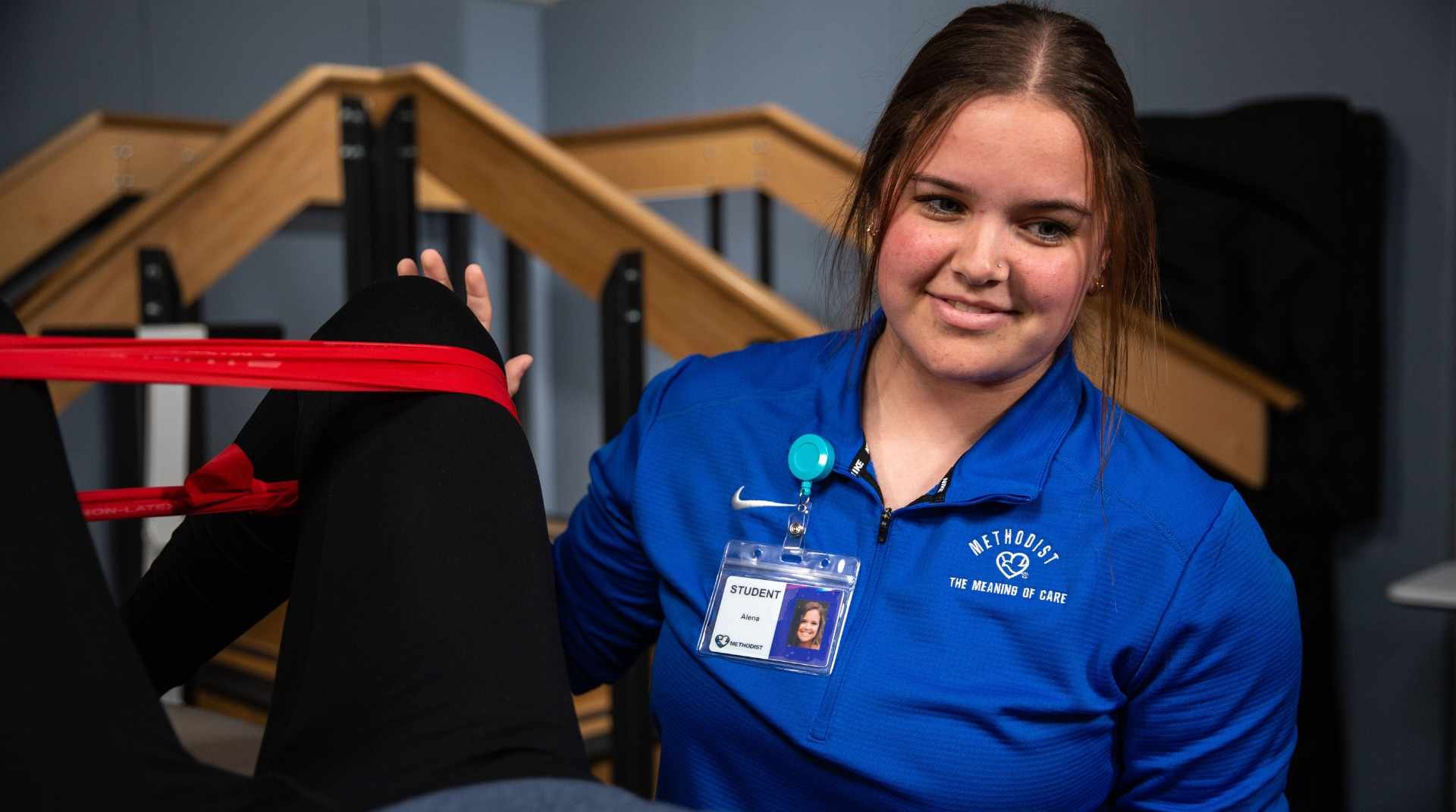
Image Source: blog.methodistcollege.edu
What an Exercise Science Degree Gives You
An exercise science degree teaches you a lot about the human body. You learn about how muscles work, how the heart and lungs respond to effort, and how exercise affects health. This degree often covers subjects like:
- Anatomy (how the body is built)
- Physiology (how the body works)
- Kinesiology (how the body moves)
- Exercise physiology (how exercise changes the body)
- Biomechanics (the physics of movement)
- Health and wellness
This knowledge is very useful in physical therapy. You already know about movement, exercise, and helping people reach health goals. This makes the exercise science career transition to PTA a smart move for many. Your background means you likely grasp key ideas used in physical therapy, like how exercise helps people heal and get stronger.
The Standard Way to Become a PTA
To work as a PTA, you must graduate from an accredited program and pass a national exam. Almost all accredited PTA programs give you an associate’s degree. This associate’s degree physical therapist assistant takes about two years to finish if you study full-time.
The program teaches you how to help physical therapists care for patients. PTAs carry out treatment plans created by physical therapists. This involves guiding exercises, using special equipment, and helping patients move better. The training includes classroom study and hands-on practice in clinics.
How Your Exercise Science Degree Fits In
Your exercise science degree is a big plus when you want to become a PTA. It helps in several key ways:
- Meeting Program Requirements: Many PTA program prerequisites are subjects you likely studied in your four-year degree. This can save you time and money by not needing to take those classes again.
- Making Your Application Strong: Applying to PTA school can be competitive. Having a bachelor’s degree shows you can handle college-level work. It also shows you are serious about health and movement. Using bachelor’s degree for PTA admission can make your application stand out.
- Building a Strong Foundation: The things you learned about the body, movement, and exercise in exercise science are exactly what you will build upon in a PTA program. You already speak some of the language of physical therapy.
- Clinical Experience: Some exercise science programs require or offer chances for hands-on work or internships. While this might not count directly as the required clinical observation hours PTA program, it shows you have experience working with people and maybe in a healthcare setting.
Getting Ready for a PTA Program
Even with an exercise science degree, you will need to make sure you meet the specific entry rules for the PTA programs you want to apply to. Each school has its own list of requirements.
Typical PTA Program Requirements
Most PTA programs need you to have finished certain college classes. These classes are often called prerequisites. Your exercise science degree probably covered many of them, but you need to check the exact courses each school asks for. Common PTA program prerequisites include:
- Anatomy and Physiology (A&P) – Often a two-part course.
- Biology
- Psychology (General or Developmental)
- Math (like college algebra or statistics)
- English Composition
- Sometimes Medical Terminology or Physics
Check the course descriptions from your exercise science degree against the prerequisite lists. Make sure the credits and content match what the PTA program needs. You might need to take one or two extra classes if your degree did not cover everything.
The Importance of Grades
PTA programs look closely at your college grades, especially in science classes. A good GPA from your bachelor’s degree shows you did well in hard courses. This is part of using bachelor’s degree for PTA admission to show you are ready for the tough work of PTA school.
Gaining Hands-On Experience
Most PTA programs require you to spend time watching physical therapists and PTAs work. This is called clinical observation hours PTA program. These hours are key. They let you see what the job is really like day-to-day. You see how PTs and PTAs work with patients. This helps you decide if this career is right for you. It also makes your application stronger because it proves you understand the work.
Even if your exercise science degree included internships, those hours might not fully meet the observation requirement. PTA programs usually want to see hours spent specifically in a physical therapy clinic. Check how many hours each program requires and start planning how to get them early. You might need to contact local clinics and ask if you can observe.
Picking the Right PTA Program
Choosing where to get your associate’s degree is a big step. Look for programs that are accredited by CAPTE. This is a must to be allowed to take the national certification exam later.
Think about:
- Where the program is located.
- How long it takes (PTA education length). Most are about two years full-time.
- The cost of the program.
- Their success rates (how many students finish, how many pass the exam, how many get jobs).
- The types of places you will do your hands-on training (clinicals).
The PTA Program Explained
Once you are in a PTA program, you will dive deep into the world of physical therapy. The curriculum is built around the physical therapist assistant degree requirements. It mixes classroom learning with lots of hands-on practice.
What You Will Study
You will learn about many health topics, including:
- Detailed anatomy and how the body moves
- Diseases and injuries PTAs often see
- How to help patients with different problems (like stroke, injury, surgery recovery)
- Different ways PTAs treat patients (exercise, manual therapy, using heat, ice, or electric tools)
- How to talk with patients and other healthcare workers
- Rules and proper actions in healthcare
Your exercise science background will help you grasp the information faster, especially the parts about movement and exercise.
Doing Your Clinical Work
A big part of any PTA program is doing clinical rotations. This is where you work in real physical therapy settings under the watch of licensed professionals. You will put what you learned in class into practice. You will work with patients, learn to do treatments, and see how clinics run. These experiences are very important for learning the job and getting ready to work.
After School: Getting Your License
Finishing your accredited PTA program is a huge step. The next step to working is getting your license. This process includes passing a national exam and meeting state rules.
The National PTA Exam
To get your license in most states, you must pass the National Physical Therapy Exam (NPTE) for PTAs. This exam is run by the Federation of State Boards of Physical Therapy (FSBPT). It tests your knowledge and skills you learned in your PTA program. Passing this exam is a main part of PTA certification requirements. Your PTA program will help you get ready for this test.
State Licensing Rules
After passing the national exam, you must apply for a license in the state where you want to work. Each state has its own licensing board and rules. These rules are part of the overall PTA certification requirements. They might include things like background checks or other steps. Make sure you know the rules for the state you plan to work in.
Is There a Direct “Bridge” Program?
People with a bachelor’s degree, like in exercise science, often ask about a fast track or bridge program exercise science PTA. In most cases, there is no specific “bridge” program that lets you skip major parts of the PTA associate’s degree because you have a bachelor’s. You still need to complete the full accredited PTA program.
However, having a bachelor’s degree often makes the associate’s degree program easier because:
- You likely finished many needed prerequisite courses.
- You know how to study at the college level.
- You already know a lot about the body and exercise, which is the base of the PTA job.
So, while it’s not a “bridge” that shortens the program length much, your bachelor’s degree bridges the gap in knowledge and helps you get into the PTA program and succeed there.
Connecting a Kinesiology Degree
What about a kinesiology degree pathway to PTA? Kinesiology is very similar to exercise science. Both degrees focus on how the body moves. So, the path for someone with a kinesiology degree is just the same as for someone with an exercise science degree. The kinesiology degree provides the same strong foundation and helps meet the same prerequisites for applying to a PTA program.
Making the Switch: Exercise Science to PTA
Many people with exercise science degrees find that becoming a PTA is a great next step. The exercise science career transition to PTA makes sense because:
- You can use your love for exercise and movement to help people heal.
- You get to work directly with patients.
- It’s a job with good demand and steady work.
- You become a key part of a healthcare team.
While an exercise science degree opens doors to careers in fitness, coaching, or exercise physiology, becoming a PTA offers a clear path into the clinical healthcare world, focusing on patient recovery and rehabilitation.
What a PTA Does Every Day
As a PTA, your day is spent working with patients who need to regain strength, movement, and function. You will follow the plan a physical therapist made for each patient. This might involve:
- Leading patients through exercises to build strength and flexibility.
- Helping patients walk or move safely.
- Using tools like heat, ice, ultrasound, or electrical stimulation.
- Massaging muscles.
- Keeping notes on how a patient is doing.
- Talking with the physical therapist about patient progress.
- Teaching patients and their families how to do exercises at home.
It’s a hands-on job where you make a real difference in people’s lives.
The Extra Value of Your Background
Coming into a PTA role with an exercise science degree gives you extra depth. You understand the science behind why certain exercises work. You can better talk with physical therapists who have a similar science background. Your knowledge of fitness and wellness can help you motivate patients and see the bigger picture of their health.
Sample PTA Program Requirements and How Exercise Science Helps
Here is a simple table showing common PTA program prerequisites and how an exercise science degree often helps:
| Common PTA Prerequisite Class | What You Learn in Exercise Science | How it Helps for PTA School |
|---|---|---|
| Anatomy & Physiology | Detailed body structure and function | You likely took these or similar courses. Already know the basics. |
| Biology | Cell biology, basic life processes | Builds a science base needed for health courses. You probably finished this. |
| Psychology | How people think and behave | Helps you understand patients’ feelings and needs. Common in 4-year degrees. |
| College Math | Math skills, sometimes statistics | Needed for science classes and understanding research. Often required in exercise science. |
| Kinesiology | How the body moves | This is a main part of exercise science! Great base for PTA work. |
| Exercise Physiology | How exercise changes the body | Another main part! Directly linked to patient exercise plans. |
| Medical Terminology | Not always required in exercise science | Might need to take this class separately if not covered. |
As you can see, an exercise science degree covers many key areas, making the using bachelor’s degree for PTA admission process smoother for meeting academic requirements.
Comparing Focus: Exercise Science vs. PTA
While both fields are about movement and health, their main focus is different:
| Feature | Exercise Science Degree (Bachelor’s) | PTA Degree (Associate’s) |
|---|---|---|
| Main Goal | Study exercise, fitness, wellness, human performance | Help physical therapists with patient rehab/recovery |
| Job Roles | Fitness coach, exercise physiologist, researcher, wellness coordinator | Physical Therapist Assistant |
| Patient Type | Generally healthy or performance-focused people, some clinical | Patients with injuries, illnesses, or disabilities |
| Education | 4 years (Bachelor’s) | ~2 years (Associate’s) |
| License | Usually not required for all roles | Required to work as a PTA |
This table helps show why the associate’s degree physical therapist assistant is necessary even with a four-year science degree. The PTA program is focused on the specific skills needed to work in a physical therapy clinic under a PT.
Making the Plan to Switch
If you have an exercise science degree and want to become a PTA, here are the steps to think about:
- Check Program Needs: Look at the PTA program prerequisites for the schools you are interested in. Compare them to your college classes. See what you need to finish.
- Get Experience: Plan to get your clinical observation hours PTA program. Contact clinics and ask about observing or volunteering.
- Apply: Fill out applications. Highlight your exercise science background and how it makes you a good fit for a PTA program. Emphasize your strong science base from using bachelor’s degree for PTA admission.
- Study Hard: Once in the program, use your existing knowledge but be ready to learn the specific skills of a PTA. Remember the PTA education length is usually about two years of focused study.
- Get Certified: Prepare for and pass the national exam (PTA certification requirements). Then get your state license.
The Exercise Science Career Transition to PTA – A Good Move?
For many, yes. If you enjoy helping people, are interested in rehabilitation, and want a direct role in healthcare, moving from exercise science to PTA is often a good path. You use your science knowledge daily to help people regain movement and improve their lives.
While there is no direct bridge program exercise science PTA that skips the associate’s degree, your previous education is a strong base that makes the journey smoother and faster than starting from scratch. Your kinesiology degree pathway to PTA is also very similar, offering the same benefits.
FAQ: Your Questions Answered
Here are answers to common questions about using an exercise science degree to become a PTA.
H5 Do I have to get another degree if I have an exercise science bachelor’s?
Yes, you need to get an accredited associate’s degree physical therapist assistant to be allowed to sit for the national licensing exam and work as a PTA. Your bachelor’s helps you get into the associate’s program but does not replace it.
H5 How long does it take to become a PTA after getting an exercise science degree?
The main part is the PTA education length, which is typically about two years for the associate’s degree program. Add time for applying, getting prerequisites, and getting observation hours before the program starts. After the program, add time to study for and take the licensing exam and get your state license. Overall, plan for maybe 2.5 to 3 years from deciding to apply to being a licensed PTA.
H5 Does my exercise science degree count for any credits in a PTA program?
Sometimes. Your previous college credits, especially for core science classes like Anatomy and Physiology, Biology, and Psychology, can often meet the PTA program prerequisites. This means you don’t have to take those classes again before or during the PTA program. However, the core PTA-specific classes must be taken as part of the associate’s degree.
H5 Is it hard to get into PTA school with an exercise science degree?
Having an exercise science degree, especially with good grades in science classes, generally makes you a strong applicant. It shows you have a relevant science background and can handle college work. You still need to meet all PTA program prerequisites, get required clinical observation hours PTA program, and have a strong application.
H5 What are the main steps to become a PTA if I have an exercise science degree?
- Check and finish any missing PTA program prerequisites.
- Get the required clinical observation hours PTA program.
- Apply to accredited PTA programs (using bachelor’s degree for PTA admission).
- Complete the associate’s degree physical therapist assistant program (PTA education length is usually 2 years).
- Pass the national exam (PTA certification requirements).
- Meet state licensing rules and get your license.
H5 Can my exercise science degree help me get a job as a PTA?
Yes. Your background in exercise science gives you extra knowledge about movement and exercise science that is very useful in a PTA role. Employers may see this as a valuable addition to your PTA skills. It can make you a more appealing job candidate.
In Conclusion
If you have an exercise science degree and want to become a Physical Therapist Assistant, you are starting with a solid base. Your degree gives you helpful knowledge and likely covers many classes needed to apply to PTA programs. While you absolutely must complete an accredited associate’s degree physical therapist assistant program (typically a PTA education length of two years) and pass the national exam to meet PTA certification requirements, your exercise science background makes you a strong candidate. There is no direct bridge program exercise science PTA, but using bachelor’s degree for PTA admission helps you meet PTA program prerequisites and makes your exercise science career transition to PTA a logical and achievable path. This is also true for a kinesiology degree pathway to PTA. It’s a switch that uses your love for movement and health to help people heal every day.