
Can you do yoga after a hip replacement? For many people, the answer is yes, but it requires careful timing, professional guidance, and significant modifications. You cannot simply return to your old yoga routine right away. Doing yoga wisely after this surgery means prioritizing safety, listening closely to your body, and working within the new limits of your hip joint.
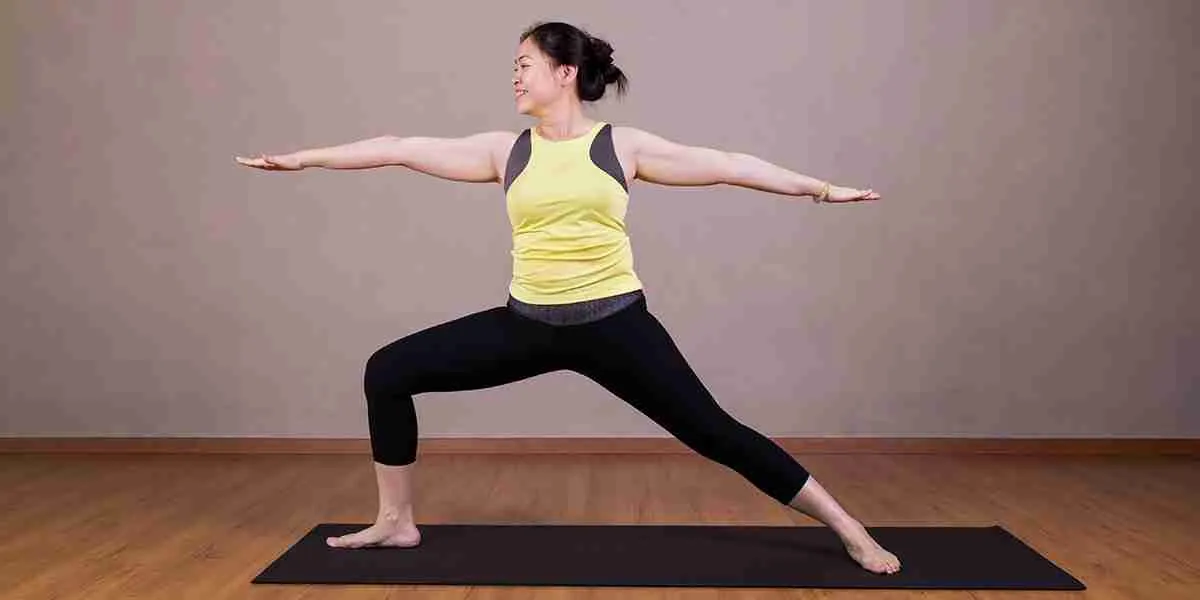
Image Source: www.jointreplacementhawaii.com
The Journey After Hip Replacement
Undergoing hip replacement surgery is a major event. It replaces a worn-out or damaged hip joint with an artificial one. This new joint can bring great relief from pain and improve your ability to move.
Recovery takes time. It involves healing of tissues, regaining strength, and learning how to move safely with the new joint. Physical therapy is a key part of this recovery process. Many people look forward to returning to activities they enjoy, and yoga is often high on that list. Yoga offers many benefits, such as improved flexibility, strength, balance, and reduced stress. It can be a wonderful tool for long-term health after surgery.
Fathoming the Right Time to Start Yoga
One of the most common questions is, “When can I do yoga after hip replacement?”. There is no single, fixed answer that applies to everyone. The timing depends on several things:
- Your surgeon’s specific instructions and recovery protocol.
- How well you are healing.
- Your progress in physical therapy.
- The type of hip replacement you had (anterior, posterior, lateral approach can affect initial movement restrictions).
- Your overall health.
Generally, you will not be cleared for yoga until you have completed a significant portion of your physical therapy and received specific permission from your surgeon or physical therapist.
H4 The Role of Medical Clearance
It is absolutely critical to consult doctor yoga hip replacement before you even think about unrolling your mat. Your surgeon understands the details of your specific surgery and how your new joint was implanted. They will tell you when it is safe to consider adding activities like yoga to your routine.
Your physical therapist also plays a vital role. They work with you daily or weekly to restore movement and strength. They can assess your current abilities and tell you if you have the stability and range of motion needed for even the most gentle forms of yoga. They might even incorporate yoga-like movements into your Post-hip replacement exercises program as you progress.
H4 Typical Timeline Considerations (Very General)
- First few weeks: Focus intensely on prescribed physical therapy exercises. Mobility might be limited to walking and specific movements approved by your therapist. Yoga is definitely not advised during this immediate post-op phase.
- 1-3 months: You are likely still in physical therapy, building strength and functional movement. You might be walking more confidently. Some very gentle, limited range-of-motion movements might be explored within the physical therapy setting, but a full yoga class is still generally too soon.
- 3-6 months and beyond: With clearance from your surgeon and therapist, you might be ready to start exploring very Gentle yoga after hip replacement. This beginning phase will look very different from pre-surgery yoga.
Remember, this is a very rough guide. Your personal timeline could be shorter or longer. Always follow your medical team’s advice.
Recognizing Potential Risks
Jumping into yoga too soon or attempting poses that are unsafe can lead to serious problems. It is crucial to understand the Risks of yoga after hip replacement. The primary concerns relate to protecting the new hip joint and the surrounding tissues as they heal.
H4 Specific Dangers
- Hip Dislocation: This is perhaps the most feared complication. Artificial hips can dislocate if moved into certain positions, especially in the early months. These positions often involve specific combinations of bending (flexion), bringing the leg across the midline of the body (adduction), and rotating the hip inward or outward. Many common yoga poses involve these exact movements.
- Damage to Healing Tissues: Muscles, tendons, and ligaments around the new joint need time to heal and strengthen. Pushing too hard, stretching too deeply, or engaging in strenuous poses can re-injure these tissues, causing pain and setting back your recovery.
- Falls: Balance can be challenging after hip replacement surgery due to changes in how you move and temporary muscle weakness. Many yoga poses require good balance. Falling can be extremely dangerous, potentially damaging the new hip or causing fractures.
- Increased Pain and Swelling: Even without causing serious damage, doing too much too soon can lead to significant pain, inflammation, and swelling around the surgical site. This signals that the body is stressed and needs more rest.
Understanding these Risks of yoga after hip replacement highlights why patience, modifications, and professional guidance are non-negotiable.
Building Strength with Post-Surgery Exercises
Before you even consider yoga, your initial focus will be on prescribed Post-hip replacement exercises. These exercises are designed by your physical therapist to:
- Improve circulation and prevent blood clots.
- Start regaining range of motion within safe limits.
- Activate and strengthen key muscles supporting the hip and leg (like quadriceps, hamstrings, glutes).
- Help you practice safe movement patterns for daily activities (like getting out of bed, sitting, walking).
Examples of these early Post-hip replacement exercises often include:
- Ankle pumps
- Quad sets (tightening thigh muscles)
- Glute sets (tightening buttock muscles)
- Heel slides (bending and straightening the knee while sliding the heel on a surface)
- Straight leg raises (often done while lying down)
- Gentle hip abduction/adduction (moving the leg out to the side and back, keeping it straight, within a small, safe range)
- Knee extensions (sitting)
These foundational exercises are crucial steps. They build the necessary muscular control and stability that will eventually allow you to safely attempt yoga postures. Think of them as preparing your body for the more complex movements yoga involves.
Embracing Safe and Gentle Practice
When your medical team gives you the green light, your first steps back into yoga must be with Safe yoga after hip replacement. This means starting incredibly gently and being mindful of every movement.
H4 Prioritizing Gentleness
Gentle yoga after hip replacement is not about intense stretches or challenging flows. It’s about:
- Slow, controlled movements.
- Staying well within your comfortable range of motion – never pushing into pain or deep stretch.
- Focusing on breathwork (Pranayama) which is always safe and helps calm the nervous system.
- Using supportive poses that build confidence without stressing the joint.
- Shorter practice sessions initially.
Think of it as therapeutic movement rather than a vigorous workout.
H4 The Power of Modification
Yoga modifications hip replacement are your best friends. You will need to change many traditional yoga poses to make them safe for your new hip. This involves using props and altering the way you perform the pose.
Common modifications include:
- Using a Chair: For balance and to reduce weight on the hip (more on this later).
- Using Blocks: To bring the floor closer in seated or standing poses, preventing excessive bending at the hip.
- Using Straps: To assist with reaching in seated forward bends or leg stretches without straining.
- Limiting Range of Motion: Only move your hip through the arc that feels comfortable and has been approved by your physical therapist. Avoid the extreme ranges.
- Changing Stance: Widening your stance in standing poses can sometimes make them safer than a narrow stance.
- Avoiding Crossing the Midline: Do not cross your operated leg over the center line of your body unless specifically advised it’s safe by your surgeon (this is a common dislocation precaution).
- Avoiding Internal Rotation: Do not turn your foot and knee inward excessively on the operated side.
- Avoiding Deep Hip Flexion: Do not bring your knee much higher than your hip crease, especially when lying on your back or sitting low. Avoid poses where your thigh is crunched deeply towards your chest.
Working with an instructor who understands Yoga modifications hip replacement or has experience with post-rehab clients is incredibly helpful. They can offer personalized guidance.
Exploring Initial Yoga Styles
When you are ready to start, certain styles are much safer starting points than others. Chair yoga after hip replacement is often an excellent entry point.
H4 Chair Yoga: A Supportive Foundation
Chair yoga after hip replacement is ideal because the chair provides constant support. This helps with balance, reduces the load on the hip joint, and allows you to safely explore movement and stretching in the upper body and legs while keeping the hip stable.
In Chair yoga after hip replacement, you can:
- Do seated gentle twists (being careful not to over-rotate).
- Perform seated forward bends.
- Lift and lower your legs while supported.
- Do gentle ankle and foot movements.
- Work on upper body strength and flexibility.
- Practice standing poses using the chair back for balance (like modified Warrior II, Triangle).
This style allows you to reap many Yoga benefits after hip replacement in a very controlled environment.
H4 Gentle Flow or Restorative Yoga
Once you progress, a very slow, Gentle yoga after hip replacement class might be appropriate, but only if you are confident in your ability to modify and know which poses to skip. Restorative yoga, which uses lots of props to support the body in gentle stretches for longer holds, can also be beneficial for relaxation and very mild flexibility work, provided poses are chosen carefully to protect the hip.
Styles to avoid initially include:
- Hot yoga (can lead to overstretching injured tissues due to heat)
- Power yoga or Vinyasa flow (fast pace, many transitions, challenging poses)
- Inversions (poses where hips are above the heart)
- Deep stretching classes that encourage pushing boundaries
Remember, the goal is safe movement and recovery, not advanced postures.
Identifying Poses to Approach with Caution or Skip
Knowing which movements and postures to avoid is just as important as knowing which ones to try. Many traditional yoga poses involve ranges of motion that can be risky for a new hip. Based on the Risks of yoga after hip replacement, here are common Yoga poses to avoid after hip replacement or do with extreme caution and specific modifications:
H4 Poses Involving Deep Hip Flexion (Bringing Thigh Close to Chest)
This angle can be risky depending on your surgical approach and individual precautions.
* Happy Baby (Ananda Balasana): Requires deep hip flexion and often external rotation.
* Knees-to-Chest (Apanasana): Bringing one or both knees deeply to the chest.
* Deep Squats or Malasana (Garland Pose): Involves very deep hip flexion.
* Plow Pose (Halasana): Combines inversion with deep hip flexion.
* Child’s Pose (Balasana): Depending on the angle and how the knees are positioned, this can create deep hip flexion. Modification: Use a block or bolster under the torso or sit back only partway.
H4 Poses Involving Crossing the Midline (Adduction)
Bringing the operated leg across the center line of the body can increase dislocation risk.
* Eagle Pose (Garudasana): Involves crossing one leg tightly over the other while standing or sitting.
* Cow Face Pose (Gomukhasana): Seated pose with legs stacked and crossed.
* Reclining Spinal Twist (Supta Matsyendrasana): While good for the spine, the position of the legs, especially crossing one knee deeply over the other, can be risky. Modification: Keep knees bent and stacked, or only drop legs a small amount, using props for support.
H4 Poses Involving Extreme Rotation (Internal or External)
Excessive twisting at the hip joint can be problematic.
* Lotus Pose (Padmasana) or Half Lotus: Requires significant external rotation of the hips and bending of the knees.
* Pigeon Pose (Eka Pada Rajakapotasana): Involves deep external rotation in the front leg and often hip extension in the back leg. This is often too extreme.
* Seated Twists (Matsyendrasana variations): While gentle seated twists can be okay, deep twists where you rotate strongly from the waist while keeping hips relatively still can torque the hip joint. Modification: Keep both sit bones grounded, twist only slightly, and lead the twist from the upper back, not the hips.
* Warrior I (Virabhadrasana I): The back foot position (often turned out 45 degrees) combined with squaring the hips forward can put stress on the back hip joint. Modification: Widen your stance sideways (train track stance) instead of placing feet in line, and don’t force hips to be completely square.
H4 Poses Involving Challenging Balance
Falls are a significant risk.
* Warrior III (Virabhadrasana III): A pose requiring strong balance on one leg while the torso is parallel to the floor.
* Standing Splits (Urdhva Prasarita Eka Padasana): Balancing on one leg while lifting the other high.
* Handstand or Forearm Stand: Inversions requiring significant strength and balance.
This list is not exhaustive, and modifications can sometimes make a pose safer, but it’s best to err on the side of caution and consult your medical team or a knowledgeable instructor about any pose you are unsure of. The goal is Safe yoga after hip replacement, not risky movements.
Finding Beneficial Movements
While many poses need to be modified or skipped, many others can be adapted and offer significant Yoga benefits after hip replacement. Once cleared, you can start exploring gentle versions of:
- Mountain Pose (Tadasana): Standing tall, focusing on posture and grounding. Safe and good for alignment.
- Chair Pose (Utkatasana) with Caution: Gentle bending of the knees as if sitting in a chair, without going too deep. Using a real chair behind you for reassurance is a good modification.
- Tree Pose (Vrksasana) with Support: Standing on one leg, bringing the other foot to the ankle or calf (never directly on the knee). Use a wall or chair for balance.
- Triangle Pose (Trikonasana) Modified: Wide stance, reaching down only to a block on your shin or a chair seat, keeping the spine long and avoiding deep hip flexion or twisting into the hip.
- Warrior II (Virabhadrasana II) Modified: Wide stance, keeping hips open to the side, bending the front knee only to 90 degrees or less, ensuring the knee tracks over the ankle. Use a chair for balance if needed.
- Bridge Pose (Setu Bandhasana) Gentle: Lying on your back, bending knees, lifting hips just a little off the floor. Avoid pushing hips up high, which can stress the joint.
- Supine Leg Raises (Modified): Lying on back, gently lifting one leg at a time a short distance, keeping the knee straight or slightly bent, staying within the safe range of motion. Good for building core and hip flexor strength gently.
- Staff Pose (Dandasana): Sitting with legs extended. Focus on upright posture.
- Seated Forward Bend (Paschimottanasana) Gentle: Sitting with legs extended, gently folding forward from the hips only as far as comfortable without rounding the lower back or straining the hip. Using a strap around the feet can help avoid excessive bending.
- Corpse Pose (Savasana): Lying on your back. Essential for relaxation. Use props like a bolster under the knees if your lower back feels strained.
- Breathing Exercises (Pranayama): Always safe and beneficial for stress reduction and focusing the mind.
Remember to apply Yoga modifications hip replacement to all these poses and work slowly. The goal is to increase mobility and strength gradually, building on the work started with your Post-hip replacement exercises.
Highlighting the Advantages
Despite the need for caution and modification, returning to yoga after hip replacement can offer significant Yoga benefits after hip replacement:
- Improved Flexibility and Mobility: Gentle stretching can help counteract stiffness that can develop after surgery and inactivity. It helps maintain the range of motion in the new joint and surrounding muscles.
- Increased Strength: Yoga postures, even modified ones, help build strength in the legs, core, and upper body, which supports the new hip and improves overall stability. This complements and extends the strength gained from initial Post-hip replacement exercises.
- Better Balance and Stability: As you regain strength and body awareness, yoga can significantly improve your balance, reducing the risk of falls – a major concern after hip surgery.
- Reduced Stiffness and Discomfort: Regular, gentle movement can help lubricate the joint and surrounding tissues, potentially easing everyday stiffness.
- Stress Reduction and Mental Well-being: The focus on breath and mindfulness inherent in yoga can help reduce anxiety and depression often associated with surgery and recovery. It provides a sense of control and accomplishment.
- Improved Body Awareness: Yoga encourages you to pay close attention to your body’s sensations, helping you understand its new limits and signals, which is vital for preventing injury.
- Enhanced Circulation: Movement helps promote healthy blood flow.
These Yoga benefits after hip replacement contribute to a better quality of life and can help you feel more confident and capable in your body.
The Role of Experts
Successfully integrating yoga back into your life after hip replacement surgery relies heavily on the guidance of professionals.
H4 Consulting Your Medical Team First
As stressed earlier, you must consult doctor yoga hip replacement. Get their explicit approval before starting any yoga practice. Be clear about the type of yoga you plan to do (e.g., gentle chair yoga). Ask about any specific movements or hip angles you must avoid based on your surgery.
H4 Collaborating with Your Physical Therapist
Your physical therapist is an invaluable resource. They understand your current physical state and limitations better than anyone outside of your surgeon. They can:
- Tell you if you are ready for yoga.
- Suggest specific modifications for poses based on your progress.
- Help you distinguish between normal muscle fatigue and pain that indicates you’re stressing the new joint.
- Sometimes, they may even guide you through modified yoga poses during therapy sessions.
Discuss your desire to do yoga with your physical therapist. They can help bridge the gap between focused Post-hip replacement exercises and a broader yoga practice.
H4 Finding the Right Yoga Instructor
Look for a yoga instructor who has experience with:
- Seniors
- Adaptive yoga
- Post-rehab clients
- Anatomy, particularly hip anatomy and replacements
A knowledgeable instructor can help you with Yoga modifications hip replacement in a class setting and suggest safer alternatives to poses that are off-limits. Let your instructor know about your hip replacement before class starts. Don’t feel pressured to do anything that causes pain or discomfort.
Crafting Your Yoga Journey
Starting yoga after hip replacement is a journey, not a race. Approach it with patience, self-compassion, and realistic expectations.
H4 Start Slow and Build Gradually
Begin with very short sessions, maybe just 10-15 minutes of Gentle yoga after hip replacement or Chair yoga after hip replacement. As you feel comfortable and confident, slowly increase the duration and perhaps the variety of movements, always staying within your safe limits.
H4 Listen to Your Body
This is paramount. Your body will tell you what feels right and what doesn’t. Any sharp pain, pinching, or significant discomfort around the hip joint is a signal to stop or back off immediately. Discomfort from gently working muscles is different from joint pain. Learn to recognize the difference.
H5 Be Patient with Progress
Healing takes time. Regaining strength and flexibility takes time. Don’t compare your current practice to what you could do before surgery or to others in a class. Celebrate small victories and acknowledge that some poses might simply not be safe for you anymore.
H5 Consistency Over Intensity
Short, regular practice sessions are much more beneficial than infrequent, intense ones. Aim for consistency, even if it’s just a few minutes each day.
By following these guidelines, working closely with your medical team, and committing to Safe yoga after hip replacement through modifications and gentle practice, yoga can become a valuable part of your post-recovery life, offering many physical and mental benefits.
Frequently Asked Questions
H4 How long after hip replacement can I do yoga?
This varies greatly depending on your surgeon’s protocol, healing rate, and progress in physical therapy. It’s typically several months (3-6 months or more) after surgery, and always requires explicit clearance from your surgeon or physical therapist.
H4 Is downward dog safe after hip replacement?
Downward-facing Dog involves hip flexion and weight-bearing on the hands and feet. While some individuals with anterior approach replacements might find it accessible later in recovery with modifications (like using blocks under hands or widening the feet), it can put significant stress on the hip joint angles for others, especially with posterior approach surgery. It’s best to avoid it initially and get specific clearance and modification advice if you wish to attempt it later.
H4 Can I sit cross-legged after hip replacement?
Sitting cross-legged (like in Sukhasana or Easy Pose) involves external rotation and flexion of the hips and can be risky, especially for those with posterior approach surgery due to dislocation precautions. Many surgeons advise against crossing the operated leg over the midline or deep hip flexion/rotation. Always check with your surgeon or physical therapist. Using a chair or sitting with legs extended or in a wide V-shape might be safer alternatives.
H4 What if a yoga pose hurts my hip?
Stop immediately. Pain is your body’s signal that something is wrong or that you are pushing too hard. Do not try to push through hip joint pain. Modify the pose significantly or skip it entirely. Consult your physical therapist or doctor if pain persists after a particular movement.
H4 Are there any yoga styles I should permanently avoid?
Styles that involve rapid transitions, deep twists, extreme ranges of motion, or inversions (like Power Yoga, Vinyasa Flow, Ashtanga, Hot Yoga, some forms of Iyengar with deep holds/alignment focus on risky angles) might be too challenging or risky long-term, depending on your specific replacement and recovery. Focus on gentle, restorative, or well-modified practices.
H4 Can I use props in yoga after hip replacement?
Yes, absolutely! Props like chairs, blocks, straps, bolsters, and blankets are essential tools for Yoga modifications hip replacement. They help support your body, reduce strain on your hip, and allow you to perform poses safely within your limits.
H4 Can yoga replace physical therapy?
No. Yoga is a complementary activity. Physical therapy provides targeted exercises crucial for initial healing, regaining basic function, and building foundational strength and safe movement patterns specific to post-hip replacement recovery. Yoga can be a great tool after you have completed much of your physical therapy and have been cleared.
Embarking on yoga after hip replacement is a positive step towards regaining mobility and well-being. By approaching it with wisdom, patience, and professional guidance, you can enjoy the many benefits yoga offers while keeping your new hip safe.