
Image Source: domf5oio6qrcr.cloudfront.net
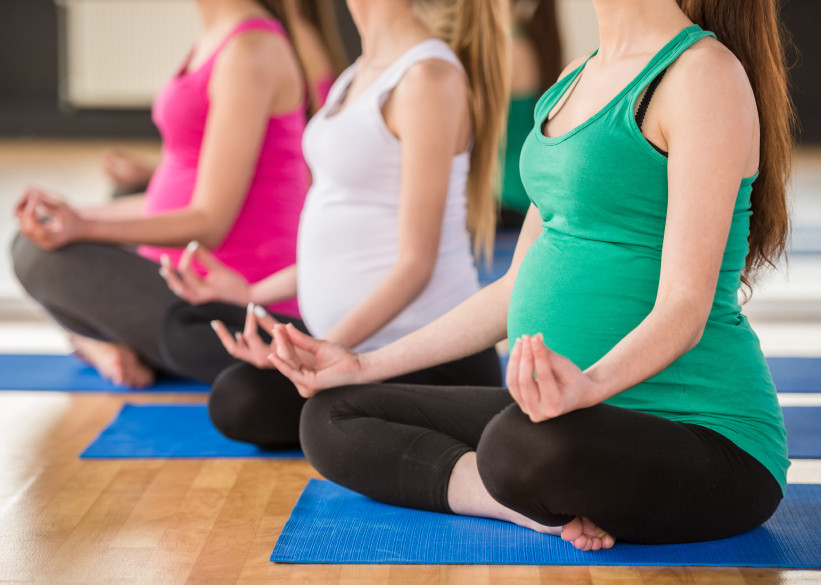
Your Guide to: Can I Do Yoga During Pregnancy Safely?
Yes, most people can do yoga during pregnancy. Yoga is generally safe and very helpful for pregnant bodies when done the right way. Prenatal yoga classes are made just for this time. They help your body and mind get ready for birth. But always talk to your doctor before you start any new exercise, including yoga. Your doctor knows your health story best. They can tell you if yoga is okay for you right now. This guide helps you learn how to do yoga safely while you are pregnant.
Grasping Prenatal Yoga
What is prenatal yoga? It is a type of yoga made just for pregnant people. It is different from regular yoga classes. A prenatal yoga class changes poses to fit your growing belly and changing body.
Why choose prenatal yoga?
* Specialized Classes: Teachers in prenatal yoga classes know about pregnancy. They know which poses are safe. They know which poses to change. They know which poses to skip.
* Focus on Pregnancy Needs: These classes focus on things that help pregnant bodies. They help with back pain. They help with tired legs. They help you sleep better.
* Community: You meet other pregnant people. You can share how you feel. This can make you feel less alone.
* Getting Ready for Birth: Prenatal yoga helps you get ready for labor. It teaches you breathing that can help you manage pain. It helps you make your body strong and open.
Gentle yoga during pregnancy is good. Prenatal yoga is often gentle. It focuses on helping you feel good and strong, not on doing hard tricks. It is about being kind to your body as it changes.
Is Yoga Safe During Pregnancy? Getting Doctor’s OK
Is yoga safe during pregnancy? For most people, yes. But the first step is always to talk to your doctor or midwife. This is very important.
Why must you talk to your doctor?
* Your Health History: Your doctor knows if you have any health problems. Some health problems mean you should not do yoga or certain types of exercise.
* Pregnancy Details: Every pregnancy is different. Maybe you have twins. Maybe you have had problems in the past. Your doctor knows what is safe for your pregnancy.
* Timing: Your doctor might say it’s okay to start now. Or they might say wait until later in your pregnancy.
Always ask your doctor before starting prenatal yoga. If they say yes, then you can feel good about starting.
Benefits of Prenatal Yoga for You and Baby
Doing prenatal yoga can help you and your baby in many ways. It helps your body. It helps your mind. It helps you feel ready for birth.
Physical benefits of prenatal yoga:
* Helps Reduce Back Pain: Carrying a baby changes your center of gravity. This can hurt your back. Yoga poses like Cat-Cow gently stretch your spine. This can help your back feel better.
* Makes Muscles Stronger: Yoga helps make your legs, arms, and back stronger. Strong legs help you carry the extra weight. Strong arms help you hold and care for your baby later.
* Helps with Swelling: Gentle movement helps your blood flow better. This can help reduce swelling in your hands, legs, and feet.
* Improves Sleep: Moving your body can help you sleep better at night. Yoga also calms your mind, which helps with sleep.
* Helps Digestion: Gentle twists and forward folds can help your digestion work better. This can help with things like constipation.
* Better Posture: Yoga helps you stand taller. Good posture helps your back and neck feel better. It also gives your baby more space.
* Opens Hips and Pelvis: Many yoga poses help open your hips and make your pelvis more flexible. This can be very helpful for labor and birth.
* Increases Flexibility (Carefully): Yoga helps you stretch. But remember the relaxin hormone makes you more flexible than usual. Don’t overstretch.
Mental and Emotional benefits of prenatal yoga:
* Calms Your Mind: Pregnancy can bring stress and worry. Yoga helps you focus on your breath. This can calm your nervous system. It helps reduce stress.
* Reduces Anxiety: The breathing exercises pregnancy teaches help you feel more in control. This can lower feelings of worry and anxiety.
* Connects You to Your Baby: Taking time to breathe and move can help you feel more connected to the life growing inside you.
* Boosts Mood: Exercise releases feel-good chemicals. Yoga can help you feel happier and more hopeful.
* Prepares for Labor: Yoga teaches you to breathe through hard moments. It helps you stay calm when things are intense. This is a great skill for labor preparation.
Overall, prenatal yoga is a wonderful way to care for yourself during pregnancy. It helps you feel stronger, calmer, and more ready for birth and being a parent.
Yoga by Trimester: Changes You Need
Your body changes a lot during pregnancy. Because of this, your yoga practice will change too. What you do in the first trimester will be different from the third trimester.
First Trimester (Weeks 1-12)
- How You Might Feel: You might feel very tired. Nausea (feeling sick) is common. Your body is making big changes even if your belly doesn’t show much yet. You might feel more emotional.
- Yoga Focus: Gentle yoga during pregnancy is best now. Listen to your body a lot.
- What to Do:
- Focus on feeling grounded.
- Do gentle stretches.
- Rest when you need to. It’s okay to skip a pose or lie down.
- Breathing exercises pregnancy are good anytime. Start practicing now.
- What to Avoid:
- Hot yoga (like Bikram). Getting too hot is not good for the baby.
- Hard or fast yoga. Your body is working hard already.
- Poses that put pressure on your belly (even though it’s small, be mindful).
- Deep twists.
This trimester is about being kind to yourself. It’s okay if your practice is not as strong as it was before pregnancy.
Second Trimester (Weeks 13-27)
- How You Might Feel: Many people feel better now. Nausea might be gone. You might have more energy. Your belly is starting to grow. You will start to feel the baby move.
- Yoga Focus: Build strength. Open your hips. Work on balance. Keep listening to your body.
- What to Do:
- Keep doing gentle yoga.
- Start adding more poses that build strength in legs and arms.
- Practice poses that open your hips (like Warrior II, Bound Angle).
- Use props! Blocks, blankets, bolsters are your friends now.
- Start making space for your belly in poses. Widen your feet in standing poses.
- Practice lying on your side or propped up instead of flat on your back.
- What to Avoid:
- Lying flat on your back for a long time (more than a few minutes). After about 20 weeks, this can press on a big vein called the Vena Cava. It carries blood back to your heart. Pressing it can make you feel dizzy or sick. It can also mean less blood goes to your baby. Use a wedge, pillow, or bolster under your right hip or back to stay propped up.
- Deep twists across the belly. Continue with open twists (twisting away from the belly).
- Lying on your belly (it’s getting too big and uncomfortable).
- Jump backs or quick movements.
- Inversions (like headstands) unless you did them a lot before and have a teacher guiding you.
This trimester often feels good for yoga. Enjoy the energy, but always be mindful of your changing body and balance.
Third Trimester (Weeks 28-40)
- How You Might Feel: Your belly is big. You might feel tired again. You might have more aches and pains. Balance can be harder. You are getting close to meeting your baby!
- Yoga Focus: Stay gentle. Focus on comfort. Practice breathing. Get ready for labor.
- What to Do:
- Go back to more gentle yoga during pregnancy if you feel tired.
- Use props even more. They help support your weight and make space.
- Focus on poses that help with labor preparation. Squats, hip openers, and upright sitting poses are great.
- Practice your breathing exercises pregnancy often. They will be very useful soon.
- Rest poses (like Child’s Pose with wide knees or lying on your side) are very important.
- Keep your balance in mind. Hold onto a wall or chair if needed.
- What to Avoid:
- Anything that feels hard or strains you.
- Poses where you could fall easily.
- Still avoid lying flat on your back. Stay propped up or lie on your side.
- Avoid poses that put direct pressure on your belly.
- Don’t push yourself into deep stretches because your joints are very loose from relaxin.
The third trimester is about winding down the physical practice a bit and focusing on relaxation, breathing, and mental preparation for birth.
Safe Yoga Poses Pregnancy Can Enjoy
Here are some safe yoga poses pregnancy often includes in prenatal classes. Remember to use props and listen to your body.
-
Cat-Cow Pose (Marjaryasana to Bitilasana)
- How to do it: Get on your hands and knees. Make sure your hands are under your shoulders and knees are under your hips.
- Cat: Breathe out. Round your back up towards the sky. Let your head drop softly.
- Cow: Breathe in. Drop your belly down towards the floor. Lift your head and tailbone up.
- Why it helps: This gentle movement feels good for your back. It helps ease back pain. It helps your spine stay flexible. It also helps your baby find a good position.
-
Child’s Pose (Balasana)
- How to do it: Kneel on the floor. Spread your knees wide apart (to make space for your belly). Bring your big toes together behind you. Sit your hips back towards your heels. Walk your hands forward on the floor. Rest your forehead on the floor or a blanket.
- Modification: If your hips don’t reach your heels, put a blanket or bolster between your bum and heels. If your forehead doesn’t reach the floor, stack your fists or use a block or blanket under your forehead.
- Why it helps: This is a good rest pose. It gently stretches your back and hips. It helps you feel calm and safe.
-
Warrior II (Virabhadrasana II)
- How to do it: Step your feet wide apart. Turn your right foot out to the side (the direction you are facing). Turn your left foot in a little bit. Make sure your right heel lines up with the middle of your left foot. Bend your right knee over your right ankle. Keep your knee pointing the same way as your toes. Keep your body facing the side. Reach your arms out straight, one over the right leg, one over the left leg. Look over your right hand.
- Modification: Don’t bend your front knee too deep if it hurts. Make your feet closer together if needed.
- Why it helps: This pose makes your legs strong. It helps open your hips. It builds stamina. It helps with balance.
-
Triangle Pose (Trikonasana)
- How to do it: Start with feet wide apart, like in Warrior II. Right foot out, left foot in slightly. Keep both legs straight (but not locked). Reach your right arm forward over your right leg. Then tilt your body down, letting your right hand rest on your shin, ankle, or a block. Reach your left arm up to the sky. Look up, forward, or down (whatever feels best for your neck).
- Modification: Use a block under your right hand to bring the floor closer. Don’t stretch too far down.
- Why it helps: This pose stretches your sides, legs, and hips. It helps with balance. It opens your chest, which can help with breathing.
-
Bound Angle Pose (Baddha Konasana)
- How to do it: Sit on the floor. Bring the soles of your feet together. Let your knees fall out to the sides. You can hold onto your feet or ankles. Sit up tall.
- Modification: Sit on a folded blanket or bolster. This helps your hips. Put blocks or blankets under your knees if they are high up.
- Why it helps: This pose is a great hip opener. It helps your pelvis prepare for birth. It feels good on your inner thighs. You can use this pose for sitting and breathing.
-
Squatting Pose (Malasana)
- How to do it: Stand with your feet a little wider than hip-width apart. Turn your toes out slightly. Lower your hips down into a squat. Bring your hands together in front of your chest. Use your elbows to gently press your knees wider apart. Keep your spine long.
- Modification: If your heels don’t touch the floor, put a rolled blanket or towel under them. If squatting is hard, sit on a block. Or hold onto a chair or the wall for balance.
- Why it helps: This is an excellent pose for labor preparation. It opens the pelvis a lot. It makes your legs strong. It helps your body get ready to birth.
These are just a few examples of safe yoga poses pregnancy can include. A good prenatal yoga teacher will show you these and many others. They will also help you change the poses to fit your body on any given day.
Yoga Poses to Avoid Pregnant People Should Skip
While many yoga poses are safe, some are not good for pregnant bodies. Your teacher will help you know which ones. Here are some to be careful with or avoid:
-
Lying Flat on Your Back: As mentioned, after about 20 weeks, this can press on the Vena Cava vein. This can be bad for you and the baby. Always prop yourself up with a wedge or blankets, or lie on your side. This includes the end relaxation time (Savasana). Lie on your left side with a pillow between your knees.
-
Deep Twists: Twisting across your belly can put too much pressure on it. Avoid poses where you twist your body towards your bent leg if your leg is across your belly (like a closed twist).
- Instead: Do open twists. This means twisting away from your bent leg and belly. Or do gentle twists sitting up tall without trying to go too far.
-
Lying on Your Belly: This becomes impossible and unsafe as your belly grows.
-
Hot Yoga (like Bikram): High heat can make your body temperature go up too much. This is not safe for the baby. Stay cool.
-
Poses with High Risk of Falling: Pregnancy changes your balance. Your center of gravity shifts. Be extra careful in poses like headstands, handstands, forearm stands (inversions). Also be careful with balancing poses. It’s best to avoid inversions you weren’t doing regularly and easily before pregnancy. For balancing poses, stand near a wall or use a chair for support.
-
Intense Backbends: Poses like Wheel Pose (Urdhva Dhanurasana) can put too much strain on your back and abdomen. The relaxin hormone makes your back feel more open, but you can easily overstretch or hurt yourself.
- Instead: Do gentle backbends like Cat-Cow or standing backbends where you place your hands on your low back and lift your chest softly.
-
Poses with Direct Pressure on the Belly: Avoid poses where you lie on props placed right under your belly or poses that crunch your belly.
-
Jump Backs and Jump Throughs: In flows like Sun Salutations, people sometimes jump between poses. This is not good for your joints or your pregnant body. Step your feet back and forward instead.
-
Anything That Causes Pain: This is the most important rule. If a pose hurts, stop. Your body is your best teacher right now.
Yoga Modifications for Pregnancy: Making Poses Work
Modification means changing a pose to make it safe and comfortable for your pregnant body. Good prenatal yoga teachers are experts at this. Here are common ways to modify:
- Widen Your Stance: In standing poses like Warrior II or forward bends, spread your feet wider than you normally would. This makes space for your belly and helps with balance.
- Use Props Generously:
- Blocks: Put blocks under your hands in poses like Triangle Pose or Standing Forward Bend (modified). They bring the floor closer. Use a block to sit on in seated poses to lift your hips.
- Blankets: Use folded blankets under your knees for padding. Use them to sit on. Use a rolled blanket under your heels in a squat.
- Bolsters (long firm pillows): Use a bolster under your back or side when lying down. Use it to sit on. Put it between your knees when lying on your side. Put it under your chest in Child’s Pose.
- Straps: Use a strap to help you reach your feet in seated forward bends (sit up tall, don’t fold deep).
- Change Position:
- Lie on your side instead of your back for Savasana (final rest pose). Put a pillow or bolster between your knees and under your head.
- Do standing or kneeling poses instead of lying down ones if that feels better.
- Adjust Depth: Don’t go as deep into stretches or bends as you might have before. Relaxin makes you flexible, but you can overstretch. Be gentle.
- Open Twists: Remember to twist away from your belly, not across it.
- Support for Balance: Hold onto a wall, chair, or counter if you feel unsteady in standing poses.
- Listen to Your Body: This is the best modification. Your body will tell you what feels right and what does not.
Breathing Exercises Pregnancy Can Use
Breathing (called Pranayama in yoga) is a very important part of prenatal yoga. It helps you stay calm. It helps you manage stress. It is also a powerful tool for labor.
-
Deep Belly Breathing (Diaphragmatic Breathing):
- How to do it: Sit in a comfortable seat or lie on your side. Put one hand on your chest and one hand on your belly. Breathe in slowly through your nose. Feel your belly rise and get big under your hand. Try to keep your chest still. Breathe out slowly through your nose or mouth. Feel your belly fall.
- Why it helps: This is a natural way to breathe. It calms your nervous system. It brings fresh air to you and your baby. It helps you relax.
-
Ujjayi Breathing (Ocean Breath):
- How to do it: Sit comfortably. Breathe in and out through your nose. Make a soft sound in the back of your throat as you breathe. It sounds like gentle ocean waves or soft snoring. Keep your mouth closed.
- Why it helps: This breath helps you focus your mind. It creates a gentle heat inside. It is often used in yoga classes to keep a steady rhythm. It can be a good focus during labor.
-
Breathing for Labor:
- Practice breathing slowly and deeply. When labor gets intense, your first reaction might be to hold your breath or breathe fast and shallow. Yoga teaches you to breathe into the sensation.
- Practice breathing through discomfort in your yoga poses. This helps you learn to use your breath when labor contractions come.
- Focus on making your exhale longer than your inhale. This helps your body relax.
- Find a breathing rhythm that feels good for you. This rhythm can be your anchor during labor.
Breathing exercises pregnancy teaches help you feel more in control. They help you stay calm when things are hard. They are a vital part of preparing for birth.
Yoga for Labor Preparation
Many parts of prenatal yoga are designed to help you get ready for labor and birth.
- Building Strength: Strong legs help you stand, walk, and change positions during labor. A strong back helps you manage pain and stay upright. Yoga builds this helpful strength.
- Opening the Pelvis: Poses like squats, Bound Angle, and deep lunges help create space in your pelvis. This space is needed for the baby to move down during birth. Practicing these poses helps make the muscles and joints around your pelvis more ready.
- Endurance: Holding poses helps build stamina. Labor can be long. Having physical stamina helps you work with your body.
- Breathing Techniques: As we talked about, breathing is key. Yoga teaches you to use your breath to manage intense feelings and physical sensations. This is very important during contractions.
- Learning to Relax: Labor takes a lot of energy. Being able to relax between contractions helps you save energy. Yoga teaches you how to find relaxation even when things are hard. The final rest pose (Savasana) is practice for this.
- Connecting with Your Body: Yoga helps you listen to your body’s signals. During labor, this connection is vital. You need to know what feels right and when to change position.
- Finding Comfortable Positions: Yoga helps you explore different positions for birth. Squatting, kneeling, and using all fours are often helpful positions during labor. Yoga poses help you get comfortable in these positions.
Yoga helps you trust your body. It helps you feel ready and able to handle the power of birth.
Gentle Yoga During Pregnancy: It’s Okay to Go Slow
You might hear “gentle yoga during pregnancy” often. This is because pregnancy is a time for nurturing, not pushing hard limits.
- Listen to Your Energy: Some days you will have energy, other days you will feel very tired. It is okay to do less on tired days. Maybe just do some simple stretches or breathing.
- Focus on Comfort: The goal is to feel better, not sore. If a pose doesn’t feel good, change it or skip it.
- Keep it Simple: You don’t need fancy or hard poses. Basic stretches, safe strengthening poses, and rest are enough.
- Hydrate: Drink plenty of water before, during, and after yoga.
- Don’t Overstretch: Remember that relaxin hormone! Be gentle in stretches. Don’t bounce.
Gentle yoga keeps your body moving. It helps prevent stiffness and aches. It helps you relax your mind. It is a great way to care for yourself and your baby.
Frequently Asked Questions (FAQ)
-
How often should I do prenatal yoga?
It is often good to do yoga 2 to 3 times a week. But listen to your body. Some weeks you might do more, some less. Even 10-15 minutes a few times a week can help. -
Can I start yoga if I never did it before pregnancy?
Yes! Pregnancy is a great time to start. But it is best to join a prenatal yoga class. The teacher will know how to help you safely. If there is no prenatal class, find a gentle yoga class and tell the teacher you are pregnant. -
Is hot yoga safe during pregnancy?
No, hot yoga is not safe. Getting too hot can be bad for your baby. Choose regular temperature classes. -
What if a pose hurts?
Stop the pose right away. Pain is your body telling you something is wrong. Try changing the pose with props. Or just skip that pose. Talk to your teacher. -
When should I stop doing yoga?
Stop doing yoga if your doctor tells you to stop. Stop if you have pain. Stop if you feel dizzy, sick, or have any unusual symptoms like bleeding, contractions that don’t stop, or fluid leaking. Always call your doctor if you are worried. -
Can I do my regular yoga class instead of prenatal yoga?
Maybe, but be very careful. You need a teacher who knows how to modify poses for pregnancy. You will need to know which poses to avoid or change. Prenatal yoga is made for your needs. It is often the safest and most helpful choice. -
Are there any types of yoga I should avoid besides hot yoga?
Very fast-paced or intense yoga styles (like certain types of Ashtanga or power yoga) might be too much unless you were doing them at a high level before pregnancy. Even then, you will need to make many changes. Stick to gentle, Hatha, or restorative yoga, or best of all, prenatal yoga. -
Is it okay to do yoga on the day I am giving birth?
Very gentle movement and breathing might help. But most people are focused on labor at that point! Listening to your body is key. If you feel like gentle stretching or breathing helps, that’s fine. But this is not a time to push yourself. -
Will yoga guarantee an easy birth?
No one can guarantee an easy birth. But yoga helps you prepare physically and mentally. It can help you feel stronger, calmer, and more ready to handle what comes. This can make the experience of birth feel better, even if it is not “easy.”
In Conclusion
Doing yoga during pregnancy can be a wonderful and safe way to support your body and mind. It offers many benefits, from easing aches and pains to helping you prepare for labor. Always get the okay from your doctor first. Find a prenatal yoga class or a gentle class with a teacher who knows how to help pregnant students. Listen closely to your body. Use props. Avoid poses that are unsafe. Focus on gentle movement, strength, and most importantly, your breath. Enjoy this special time connecting with yourself and your baby through the practice of yoga.