
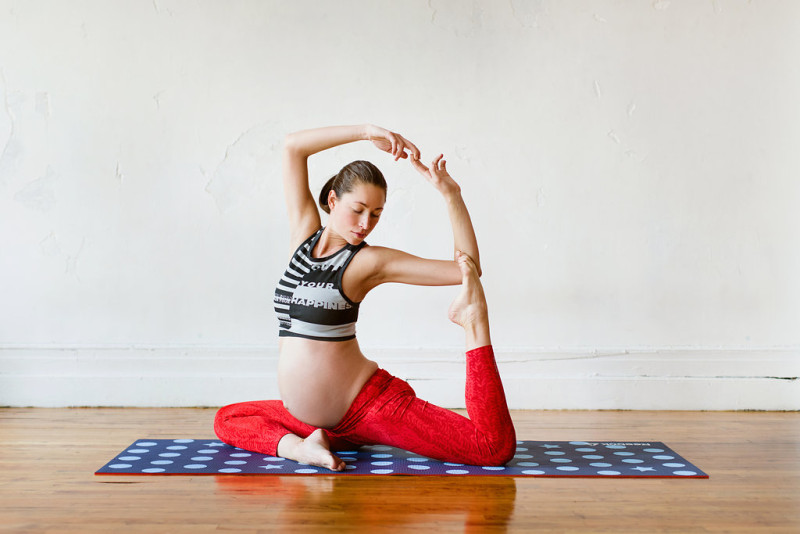
Image Source: www.mothermag.com
Guide: Can I Do Yoga While Pregnant Safely & Benefits
Yes, you can do yoga while pregnant. For most women, yoga is safe during pregnancy. It offers many benefits for both you and your baby. But, you need to be careful. Choose the right kind of yoga. Make changes to poses as your body changes. Always talk to your doctor or midwife first. They know your health history best. They can tell you if yoga is a good choice for you right now.
Why Yoga Helps During Pregnancy
Pregnancy is a time of big changes. Your body shifts. Your emotions can go up and down. Yoga can be a great tool during this time. It helps your body and mind. Many women find it helps them feel better. It can make pregnancy easier. It can also get you ready for giving birth.
There are many prenatal yoga benefits. It helps you stay active. Staying active is good for your health. It can help with common pregnancy aches. Things like back pain and hip pain can feel better. Yoga makes your muscles stronger. Strong muscles help support your changing body. This can also help during labor.
Yoga also helps you breathe better. Learning to breathe deeply is important. It helps you stay calm. This is good for managing stress. Stress can happen during pregnancy. Deep breathing is also very useful during labor and birth. It helps you focus and manage discomfort.
- Helps your body change: Makes muscles strong, helps with pain.
- Calms your mind: Reduces stress, helps you feel peaceful.
- Teaches breathing: Good for staying calm and for labor.
- Gets you ready for birth: Builds strength and focus.
Yoga helps you connect with your body. It also helps you connect with your baby. Paying attention to your body is key. It teaches you to listen to what your body needs. This is a valuable skill during pregnancy and motherhood.
Is Yoga Safe During Pregnancy?
Many people ask, “Is yoga safe during pregnancy?”. Yes, it usually is safe. But, it must be the right kind of yoga. It must be done the right way. Not all yoga styles are good during pregnancy. Hot yoga, like Bikram yoga, is not safe. Getting too hot is bad for your baby. Power yoga can be too hard. It moves too fast. It can put too much pressure on your body.
The best yoga for pregnant women is prenatal yoga. This type of yoga is made just for pregnant bodies. Teachers know what is safe. They know how to change poses for you. They understand the changes happening in your body. They focus on gentle movements. They focus on poses that support pregnancy. They also teach breathing and relaxation.
You need to be extra careful. Listen to your body. Do not push yourself too hard. If something hurts, stop. If you feel dizzy, stop. Rest when you need to. It is not a time to try hard new poses. It is a time to support your body.
Always tell your yoga teacher you are pregnant. Tell them how far along you are. A good teacher will help you. They will show you how to change poses. They will make sure you are safe.
Learning About Risks of Yoga While Pregnant
Even though yoga is mostly safe, there are risks of yoga while pregnant. You need to know what they are. This helps you stay safe.
- Falling: As your belly grows, your balance changes. Poses where you stand on one leg can be harder. Poses where you move quickly can cause you to lose balance. Falling can hurt you and your baby.
- Overstretching: Pregnancy hormones make your joints looser. This means you can stretch further than before. But, stretching too far can cause injury. It can hurt your ligaments and joints. Do not push into deep stretches. Stay within your normal range of movement.
- Overheating: We talked about hot yoga. Getting too hot is dangerous. Avoid heated rooms. Wear layers so you can cool down. Drink plenty of water.
- Pressure on the belly: Some poses put pressure on your stomach. Lying flat on your belly is not safe. Poses that twist your body a lot can also be bad. Avoid anything that presses hard on your growing baby bump.
- Lying flat on your back: After the first trimester, lying flat on your back is not good. Your uterus is heavy now. It can press on a big blood vessel. This vessel is called the vena cava. Pressure on it can make you feel dizzy. It can also reduce blood flow to your baby. Use props to lift your upper back and head. Or lie on your side.
It’s very important to listen to your body. If a pose doesn’t feel right, skip it. Do a different pose. Or just rest. Your safety and your baby’s safety come first.
Safe Yoga Poses During Pregnancy
Many yoga poses are safe for pregnant women. They can help your body feel better. They can prepare you for birth. Here are some safe yoga poses during pregnancy:
- Cat-Cow Pose (Marjaryasana to Bitilasana): This pose is great for your back. It helps ease back pain. Get on your hands and knees. Make sure your hands are under your shoulders. Make sure your knees are under your hips. As you breathe in, drop your belly and lift your head (Cow). As you breathe out, round your back and tuck your chin (Cat). Move slowly with your breath.
- Child’s Pose (Balasana): This is a resting pose. It feels good for your back and hips. Kneel on the floor. Open your knees wide to make room for your belly. Keep your big toes touching. Lower your torso between your thighs. Rest your forehead on the floor or on a pillow. Stretch your arms forward or back by your sides.
- Warrior II (Virabhadrasana II): This pose builds leg strength. It helps open your hips. Stand with your feet wide apart. Turn your right foot out 90 degrees. Turn your left foot in a little. Bend your right knee over your ankle. Keep your knee tracking over your second toe. Keep your upper body tall. Reach your arms out to the sides, parallel to the floor. Look over your right fingertips. Repeat on the other side.
- Triangle Pose (Trikonasana): This pose stretches your sides and legs. Stand with your feet wide. Turn your right foot out 90 degrees. Turn your left foot in a little. Straighten your right leg. Reach your right arm forward, then drop it down to your shin or a block. Reach your left arm up to the sky. Look forward or up. Use a block if you cannot reach your shin easily. Repeat on the other side.
- Goddess Pose (Utkata Konasana): This pose opens your hips and strengthens your legs. Stand with feet very wide. Turn your toes out. Bend your knees and sink your hips down. Keep your back straight. Knees should go towards your toes. You can bring your hands to your heart or rest them on your thighs.
- Squat Pose (Malasana): This pose is wonderful for opening the pelvis. It can help prepare for birth. Stand with your feet a bit wider than hip-width. Turn toes out. Bend your knees and lower your hips towards the floor. Keep your back straight. You can use a block under your hips for support. Bring hands together at your heart. Use your elbows to gently press knees wider.
- Supported Savasana (Corpse Pose): This is a resting pose at the end. Do not lie flat on your back. Prop yourself up with pillows or a bolster. Put them under your back and head. Or, lie on your left side. Put a pillow between your knees. This is safe and relaxing.
Remember to move slowly into and out of poses. Use props like blocks, blankets, and bolsters. They help you find comfort and support.
Yoga Poses to Avoid While Pregnant
Some yoga poses are not safe during pregnancy. You must know which ones to skip. Yoga poses to avoid while pregnant change as your pregnancy goes on.
- Lying flat on your belly: This is unsafe for obvious reasons as your belly grows. Avoid poses like Cobra, Sphinx, or Locust where you lie on your stomach.
- Deep twists: Poses that twist your body a lot can put pressure on your belly. Open twists are okay. This is where you twist away from the front leg in a lunge. Closed twists, twisting towards the front leg, are not safe. Even open twists should be gentle. Twist mostly from your upper back. Keep your belly soft.
- Inversions you are not used to: Going upside down can be risky. Your balance is off. Falling from a handstand or headstand could be dangerous. If you did these poses often before pregnancy, ask your doctor. But generally, it’s best to avoid them or do modified versions with expert help.
- Deep backbends: Poses like Wheel or Camel can put too much stretch on your abdomen. The muscles there are already stretching a lot. Deep backbends can also strain your lower back. Gentle backbends like Cat-Cow are fine.
- Poses that squeeze your belly: Avoid poses that crunch your abdomen. Think of things like boat pose or intense core work. Gentle core work that supports your back is okay.
- Lying flat on your back (after first trimester): As mentioned before, this can harm blood flow. Use props to lift your chest and head. Or lie on your side.
- Jump throughs and jump backs: These quick, strong movements are not safe. They can be jarring. They can also put too much pressure on your pelvic floor.
Always be cautious. If a pose feels wrong, don’t do it. There is always another option or you can rest.
Yoga in First Trimester
The first trimester (weeks 1-12) is a time of huge change inside your body. You might not look pregnant yet. But your body is working very hard. Many women feel tired. They might feel sick to their stomach.
During the first trimester, you can often do many of your usual yoga poses. But listen to your body. If you feel very tired, do less. If you feel sick, rest. It’s okay to skip a practice or take it very easy.
Focus on gentle, calming yoga. Restorative yoga is good. Slow flows are good. Avoid anything that makes you feel too hot or too tired.
Things to remember for yoga in first trimester:
- Listen to tiredness: It’s common to be very tired. Rest is important. Do shorter practices.
- Deal with sickness: If you feel sick, avoid poses that might make it worse. Skip twists or forward bends if they bother you. Hydrate well.
- Avoid overheating: Even in the first trimester, getting too hot is bad. No hot yoga.
- Be mindful of balance: Changes might start affecting balance sooner than you think. Be careful in standing poses.
- Start slow: If you are new to yoga, the first trimester is a good time to start gently. Find a prenatal class.
Many women can continue their regular yoga if it’s not too intense. But switching to prenatal yoga early is also a great idea. It helps you learn the modifications needed later.
Yoga in Second Trimester
The second trimester (weeks 13-28) is often called the “golden trimester.” Many women feel more energetic. Morning sickness might go away. Your belly starts to grow.
This is a good time to do more yoga if you feel up to it. Your energy might be higher. You can work on strength and flexibility. But you must start modifying poses for your growing belly.
Key things for yoga in second trimester:
- Modify for your belly: Poses where you lie on your belly are out. Start opening your feet wider in standing poses to make space.
- Avoid lying flat on your back: Start using props to lift your chest or lie on your side for Savasana. Some women feel okay on their back early in the second trimester, but it’s better to get used to modifying now.
- Watch your balance: Your center of gravity is shifting. Standing poses need more care. Use a wall for balance if needed.
- Don’t overstretch: Your joints are looser. Do not push into deep stretches. Be gentle.
- Focus on hip opening: Poses that gently open the hips can be helpful now and prepare for birth. Squats, Goddess pose are good.
This trimester is often a good time to join a prenatal yoga class. The teacher can guide you through the changes needed. They can teach you about your changing body.
Yoga in Third Trimester
The third trimester (weeks 29-40+) is the final stretch. Your belly is big. You might feel heavy and tired again. Your body is getting ready for labor and birth.
Yoga in third trimester focuses on comfort, staying mobile, and preparing for birth. Energy levels might be lower. Do not push hard. Focus on gentle movement, breathing, and relaxation.
Important points for yoga in third trimester:
- Comfort is key: Modify everything to feel comfortable. Use lots of props.
- Focus on breathing and relaxation: These are vital skills for labor. Spend more time in Child’s Pose, Supported Savasana, and simple seated poses.
- Keep moving gently: Gentle movement helps with swelling and aches. Walking and gentle yoga are great.
- Open the pelvis: Poses like supported squats, Butterfly pose (Baddha Konasana), and kneeling hip stretches are good.
- Avoid lying flat on your back: Absolutely avoid this now. Use props or lie on your side.
- Watch for swelling: If your ankles or feet swell, modify poses that put pressure on them. Elevate your feet when resting.
- Listen intently to your body: As you get closer to your due date, your body might feel different each day. Do what feels right that day.
- Pelvic floor awareness: Gentle pelvic floor exercises (Kegels) can be added into your yoga practice.
Prenatal yoga classes are especially helpful now. They often include partners in some sessions. They can teach laboring positions.
Prenatal Yoga Modifications
Making changes to poses is very important when you are pregnant. These are called prenatal yoga modifications. They keep you safe and comfortable. A good prenatal yoga class will teach you these.
Here are common modifications:
- For a growing belly:
- In standing poses, widen your stance. This makes space for your belly.
- In forward bends, fold from your hips. Keep your back long. Do not press your belly into your thighs. You can widen your feet or rest your torso on a bolster.
- In downward-facing dog, widen your feet further apart. This also makes space.
- Avoid poses where you lie on your belly.
- For balance changes:
- Use a wall for support in standing poses like Warrior III or Tree Pose.
- Use a chair for support.
- Keep your gaze steady on one spot.
- For loose joints:
- Do not push into deep stretches. Stretch only to a comfortable point.
- Keep a slight bend in your knees in standing poses like Triangle or Warrior II. Do not lock your knees.
- For lying on your back:
- After the first trimester, use a bolster or wedge pillow. Put it under your upper back and head. This props you up.
- Or, lie on your left side for rest. Put a pillow between your knees. Use a pillow under your head.
- For twists:
- Only do open twists. Twist away from your front leg.
- Twist mainly from your upper back. Keep your belly soft and facing forward more.
- For sitting:
- Sit on a folded blanket or block. This lifts your hips higher than your knees. It makes sitting easier and more comfortable. It also helps your pelvic floor.
Using props is not cheating. It helps you practice safely and comfortably. Blankets, blocks, bolsters, and straps are your friends during pregnancy yoga.
Best Yoga for Pregnant Women
The best yoga for pregnant women is usually prenatal yoga. These classes are made for your changing body. The teachers are trained to work with pregnant students.
- Prenatal Yoga: This is designed specifically for pregnancy. It focuses on safe poses, modifications, breathing, and relaxation. It often includes community with other pregnant women.
- Gentle Hatha Yoga: If it’s taught by a teacher familiar with pregnancy modifications, this can work. It is slower paced. But you must know how to modify poses yourself or ensure the teacher guides you.
- Restorative Yoga: This style uses lots of props to support your body. It focuses on deep relaxation. It is very gentle and good for managing fatigue and stress. Make sure the teacher knows about lying on your back restrictions.
Styles to be very careful with or avoid:
- Hot Yoga (Bikram, Hot Vinyasa): Avoid completely due to overheating risk.
- Power Yoga / Intense Vinyasa: Can be too fast, too strenuous, and includes too many poses that are unsafe.
- Ashtanga Yoga: Can be too demanding and includes poses like deep twists and jumping that are not safe.
If you want to do a non-prenatal class, talk to the teacher beforehand. Tell them you are pregnant. Ask if they are comfortable helping you modify. If they are not, find a prenatal class.
When to Stop Yoga During Pregnancy
Most women can do yoga up until they give birth. But there are times when you might need to stop or pause. When to stop yoga during pregnancy depends on how you feel and any health issues.
You should stop yoga and talk to your doctor or midwife right away if you have:
- Vaginal bleeding
- Leaking fluid from the vagina
- Pain or cramping in your abdomen
- Chest pain
- Dizziness or feeling faint
- Headache
- Muscle weakness
- Calf pain or swelling
These could be signs of a problem. It’s important to get checked out.
You might also need to stop or reduce yoga if your doctor tells you to. This could be because of certain pregnancy complications. Conditions like preeclampsia, placenta previa, or having twins might mean you need to rest more. Always follow your healthcare provider’s advice.
Even if you don’t have these issues, there might be days you just feel too tired or uncomfortable. It is okay to skip yoga and rest. Listen to your body. As your due date gets very close, you might feel less like moving. That is normal too. Gentle stretching and breathing might be all you do.
Yoga should feel good and supportive. If it starts to feel hard, painful, or scary, it’s time to rethink your practice.
Table of Safe Poses vs. Poses to Avoid
This table gives a quick look at some poses. Remember modifications are key for safe poses.
| Safe Poses (with Modifications) | Poses to Avoid (Generally) |
|---|---|
| Cat-Cow | Lying flat on belly (Cobra, Sphinx) |
| Child’s Pose (knees wide) | Deep Twists (like seated twists) |
| Warrior II | Inversions (Headstand, Handstand) |
| Triangle Pose (use block) | Deep Backbends (Wheel, Camel) |
| Goddess Pose | Intense Core Work (Boat Pose, Crunches) |
| Squat Pose (use block) | Lying flat on back (after 1st trimester) |
| Supported Savasana (on side or propped up) | Jump throughs / Jump backs |
| Gentle Forward Folds (feet wide, from hips) | Quick, jarring movements |
| Gentle Backbends (like Cat-Cow) | Poses causing pain or pressure on belly |
This is not a full list. Always learn from a certified prenatal yoga teacher.
Comprehending Prenatal Yoga Benefits Deeper
Let’s look more at why prenatal yoga benefits pregnant women so much. It is more than just stretching.
- Physical Strength and Flexibility: Yoga builds strength in muscles needed for pregnancy and birth. Legs, back, and arms get stronger. Flexibility in hips and pelvis helps prepare for labor.
- Reduced Back Pain: As your belly grows, your back muscles work harder. Yoga poses like Cat-Cow and gentle stretches help relieve tension and strengthen the back.
- Improved Balance: Your center of gravity changes. Poses that build stable footing help you stay balanced. Using a wall or chair adds safety.
- Better Sleep: Pregnancy can make sleeping hard. Yoga helps you relax. It calms your mind. This can lead to better sleep. Supported resting poses are very helpful before bed.
- Reduced Stress and Anxiety: Yoga links breath and movement. This calms the nervous system. It helps manage stress hormones. Relaxation techniques learned in yoga are very powerful for staying calm during pregnancy worries and labor.
- Preparation for Labor: Prenatal yoga teaches breathing techniques. These help manage contractions. Poses that open the pelvis can help during labor. Building stamina and mental focus through yoga is also key for the challenge of birth.
- Connection with Baby: Taking time for yourself on the mat lets you focus inward. You can connect with the life growing inside you. This can be a special part of your practice.
- Community: Prenatal yoga classes let you meet other pregnant women. Sharing experiences can be very supportive.
These prenatal yoga benefits support your well-being throughout pregnancy. They also build skills you will use during labor and motherhood.
Finding the Best Yoga for You
Finding the best yoga for pregnant women means finding a style and teacher you like.
- Look for Prenatal Classes: This is the best option. Teachers are trained for pregnancy needs. Search for studios in your area that offer prenatal yoga.
- Check Teacher Credentials: A teacher certified in prenatal yoga has special training. This is important for your safety.
- Online Resources: Many online platforms offer prenatal yoga classes. This is great if you cannot get to a studio. Make sure the instructor is certified in prenatal yoga. Make sure they offer clear modifications.
- Listen to Your Body: No matter the class or teacher, your body is the final guide. If a pose does not feel right, do not do it. Rest or choose a different pose.
- Consistency is Key: Doing yoga a few times a week is better than doing one long session rarely. Even short practices of 15-20 minutes can help a lot.
Talk to friends who did yoga while pregnant. They might have good recommendations. Try a few different classes or online teachers to see who you like best.
Practical Tips for Yoga During Pregnancy
Here are some easy tips to make your prenatal yoga practice safe and enjoyable:
- Stay Hydrated: Drink water before, during, and after your yoga session.
- Don’t Eat Right Before: It’s best not to have a full stomach. Wait about 1-2 hours after eating.
- Wear Comfortable Clothes: Choose clothes that let you move freely.
- Use a Non-Slip Mat: Your balance might be off. A good mat helps prevent slips.
- Use Props: Don’t be shy about using blocks, blankets, bolsters, and straps. They help you find comfort and support in poses.
- Listen to Your Body: This is the most important rule. If you feel pain, stop. If you feel dizzy or sick, stop and rest.
- Avoid Heating Up: Practice in a cool, well-aired room.
- Know When to Rest: Include rest poses like Child’s Pose or Supported Savasana in your practice.
- Focus on Breathing: Use your breath to guide your movements and stay calm.
- Be Patient with Yourself: Your body is changing. Some days will feel easier than others. Some poses will become harder. Be kind to yourself.
Yoga is a journey, not a race. During pregnancy, it’s about supporting your body and mind through this special time.
FAQs About Yoga and Pregnancy
Here are answers to some common questions.
Q: Can I start yoga if I’ve never done it before and I’m pregnant?
A: Yes! Pregnancy is a great time to start yoga. But, it’s best to start with a prenatal yoga class. These classes are made for beginners and pregnant bodies. The teacher will show you safe ways to move. Always talk to your doctor before starting any new exercise program, including yoga.
Q: How often should I do prenatal yoga?
A: This is up to you and how you feel. Many pregnant women benefit from doing yoga 2-3 times a week. Even shorter sessions (15-20 minutes) done more often can be helpful. Listen to your body. Some days you might want to do more, some days less.
Q: Can yoga help with labor pain?
A: Yes, yoga can help. Prenatal yoga teaches breathing techniques. These help you stay calm and manage pain during contractions. It also helps you build stamina and focus. Poses that open the pelvis can be used during labor. The skills you learn in yoga can help you feel more in control during birth.
Q: Is hot yoga safe during pregnancy?
A: No, hot yoga is not safe during pregnancy. Getting too hot can be bad for your baby. Avoid any yoga practice done in a heated room.
Q: What if a pose feels uncomfortable?
A: Stop the pose right away. Do not push through discomfort or pain. Your body is telling you something is not right. Rest in Child’s Pose or a comfortable seated position. Ask the teacher for a modification. Or choose a different pose that feels better.
Q: Do I need special yoga gear for prenatal yoga?
A: You don’t need special gear, but props are very helpful. A non-slip yoga mat is good. Having access to blocks, blankets, and a bolster will make many poses more comfortable and safe. Some studios provide props. If practicing at home, you can use things like firm pillows or stacked blankets as substitutes for bolsters or blocks.
Q: Can I continue doing yoga after the baby is born?
A: Yes, definitely! Postnatal yoga is great for helping your body recover after birth. It focuses on rebuilding core and pelvic floor strength. It also helps with relaxation and can include your baby. Talk to your doctor about when it’s safe for you to start exercising again after birth, usually around 6 weeks for vaginal birth and longer for a C-section.
Doing yoga while pregnant can be a wonderful experience. It supports your physical and mental health. It helps you connect with your baby. By choosing the right type of yoga and listening to your body, you can enjoy its many benefits safely.