
When you have a urinary tract infection, or UTI, you feel sick. You might wonder if you can still do your usual things, like exercise. Can you exercise with a urinary tract infection? Generally, no. Should you? Most likely, you should not. Exercising with a UTI is often not a good idea. It can make you feel worse. It might slow down your body’s fight against the infection. Doctors usually tell you to rest.
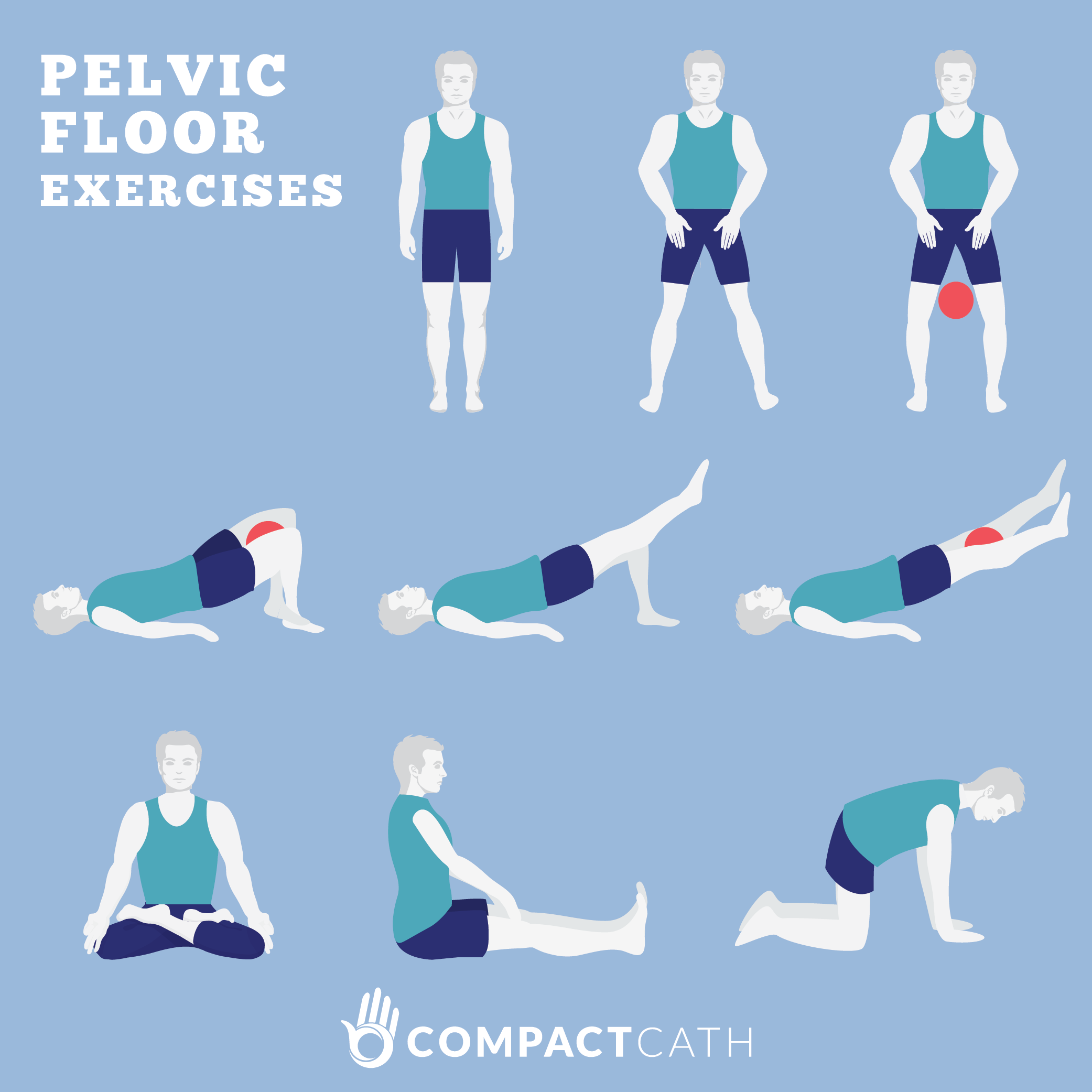
Image Source: www.compactcath.com
What Is a UTI and What Does It Feel Like?
First, let’s talk about what a UTI is. A UTI is an infection. It happens in part of your urinary system. This system makes pee and takes it out of your body. It includes your kidneys, tubes called ureters, your bladder, and a tube called the urethra.
Most UTIs happen in the bladder. This is often called a bladder infection. Germs, usually bacteria, get into the urethra. They travel up to the bladder. There, they grow and cause problems.
UTI symptoms can be very uncomfortable. They can make you feel really sick.
* You might feel a strong need to pee all the time.
* When you pee, it might burn or hurt.
* You might only pee a little bit at a time.
* Your pee might look cloudy.
* Your pee might smell strong.
* You might have pain in your lower belly or back.
* You might feel tired or weak.
* Some people get a low fever.
These feelings are signs your body is fighting germs. Your body needs energy for this fight. This is why you feel tired. Adding the stress of exercise makes this fight harder. Thinking about UTI symptoms and exercise together shows why rest is better.
Why Should I Rest With a UTI?
Doctors almost always tell you to rest when you are sick. A UTI is an infection. It means germs are in your body. Your body’s defense system, called your immune system, has to work hard. It sends special cells to fight the germs. This takes a lot of energy.
When you rest, you save energy. Your body can use this energy to fight the infection. Resting helps your body heal faster. It is like giving your body a break so it can do its important work. So, should I rest with a UTI? Yes, resting is one of the best things you can do. It supports your body’s natural healing process.
Rest also means not putting extra stress on your body. Exercise, especially hard exercise, is a stress. It makes your heart beat faster. It makes you breathe harder. It uses up a lot of energy. This is energy your body needs to fight the UTI.
Rest helps reduce inflammation too. Infections often cause swelling and irritation. Rest helps calm your body down. It lets the inflamed areas start to heal.
Comprehending Exercise Impact on UTI Recovery
Let’s think about how exercise affects your body when you are sick. When you exercise, your body temperature goes up. You sweat a lot. Your heart works harder. Your muscles get tired. This is normal when you are healthy.
But when you have a UTI, your body is already busy. It is fighting germs. It might feel hot from a fever. It might feel tired from the infection. Adding exercise on top of this can make things worse.
The exercise impact on UTI recovery can be negative. Instead of helping you get better, it can slow you down. Intense exercise can stress your immune system. This is the opposite of what you want when you have an infection. Your immune system needs to be strong to fight the germs. If exercise weakens it, the infection might take longer to go away. Or it might get worse.
Also, exercise can make your UTI symptoms feel much stronger. The burning feeling when you pee might hurt more. The need to pee often might feel even more urgent during or after working out. Pain in your lower belly or back could get worse. This is because exercise moves your body around. It can put pressure on your bladder area. It can irritate the inflamed tissues.
Some people might think sweating helps them feel better. But with a UTI, losing too much fluid is a risk. This leads us to another problem: dehydration.
Deciphering Dehydration and UTI Exercise
Staying hydrated is very important when you have a UTI. Drinking lots of water helps flush the germs out of your bladder. Water helps your kidneys work well. It helps keep your pee diluted. This makes peeing less painful for some people.
Exercise makes you lose water through sweat. If you exercise hard, you sweat a lot. If you do not drink enough water to replace what you lose, you get dehydrated. Dehydration and UTI exercise are a bad mix.
When you are dehydrated, you do not make as much pee. This means the germs in your bladder are not being flushed out as often. The pee that is there becomes more concentrated. This can make the burning and pain much worse. It gives the germs more time to grow in your bladder.
So, exercising with a UTI makes you sweat more. Sweating increases your need for water. If you don’t drink enough, you become dehydrated. Dehydration makes your UTI symptoms worse. It makes it harder for your body to get rid of the infection. It can slow down your recovery. This is a big reason why doctors say resting and drinking fluids is key.
Can Working Out Make UTI Worse?
Yes, can working out make UTI worse? It certainly can. We’ve touched on some ways already.
* Increased Inflammation: Exercise can increase swelling and irritation in your body. This is especially true for tissues already inflamed by the infection.
* Weakened Immune System: Very hard or long workouts can temporarily lower your body’s ability to fight off sickness. Your body focuses energy on recovering from the workout instead of fighting germs.
* Worsened Symptoms: The physical stress and movement can make bladder pain, burning, and the urge to pee much stronger.
* Dehydration: As discussed, losing fluids through sweat without replacing them makes it harder to flush out bacteria. This can allow the infection to grow.
* Delayed Recovery: By making your body work harder and possibly slowing the immune response, exercise can make your UTI last longer. It can take more time for the antibiotics (if you are taking them) to clear the infection completely.
Think of it like this: Your body is in a fight. It is using all its soldiers (immune cells) to win the battle against the germs. When you exercise hard, it is like asking those soldiers to also run a marathon while fighting. They get tired, some might leave the battle to recover from the run, and the enemy (the germs) gets stronger.
Grasping Specific Exercises
Some types of exercise might feel different when you have a UTI. Let’s look at a few.
Running with a Bladder Infection
Running with a bladder infection is usually a bad idea. Running is a high-impact activity. It involves a lot of jarring movements. This can be very uncomfortable when your bladder is inflamed and sore. The constant bouncing and pressure on your lower belly can make the urge to pee worse. It can increase pain.
Running also makes you sweat a lot. This increases the risk of dehydration, as we talked about. You also breathe harder, which can stress your system more when you are already feeling sick. Your heart rate goes up high. All of this takes away from your body’s ability to heal.
Even a short, slow run is likely not a good choice. Your body needs rest, not the stress of running, when fighting a bladder infection.
Walking with a Urinary Infection
What about something less intense, like walking with a urinary infection? A very short, slow walk might be okay if you feel almost normal and have only very mild symptoms. However, for most people with a UTI, even walking can be uncomfortable.
Walking still uses energy. It still makes you warm and sweat a little. It still puts some pressure on your bladder area. If walking makes any of your symptoms worse – like increasing the urge to pee, causing pain, or making you feel more tired – you should stop right away.
A short walk to the bathroom or kitchen is fine. But going for a walk for exercise is generally not recommended until you feel much better. If you are thinking about walking with a urinary infection, listen very carefully to your body. If it tells you “no,” then stay home and rest.
Other Activities
- Weight Lifting: Lifting weights puts strain on your body. It can increase pressure in your abdomen. This can make bladder pain or discomfort worse. It also uses significant energy. Avoid lifting weights with a UTI.
- Yoga or Pilates: Gentle stretching or very light yoga might seem okay. But many poses put pressure on the belly or require core strength, which can be painful or uncomfortable with a UTI. More active yoga styles would have similar problems to running or other intense exercise.
- Swimming: Swimming might seem less impactful. However, being in a swimsuit can hold moisture, which isn’t ideal for preventing irritation in the genital area. Also, the physical effort of swimming is still exercise. It uses energy and can lead to dehydration if not careful. The chlorine in pools can sometimes cause irritation as well. It’s generally best to avoid swimming with a UTI until you are well.
- Team Sports: Playing sports like basketball, soccer, or tennis is out of the question. These are high-intensity. They involve running, jumping, and quick movements. They greatly increase the risk of making symptoms much worse and delaying recovery.
Safe Physical Activity with UTI (If Any)
Are there any safe physical activity with UTI? Maybe, but it’s very limited and only for people with very mild symptoms who are starting to feel better, and only after talking to a doctor.
If your doctor says a little movement is okay because your symptoms are barely there, what can you do?
* Very Gentle Stretching: Slow, easy stretches that do not put pressure on your belly or cause any discomfort.
* Light Housework: Doing a few dishes or folding a bit of laundry. Nothing that makes you breathe hard or sweat.
* Moving Around: Just getting up and walking around your house for a minute or two every hour can be good for blood flow. But this is not exercise.
This is not about “working out.” It is about avoiding sitting still all day if you feel well enough to move slightly. For most people with typical UTI symptoms, even this small amount of activity might be too much. The general rule remains: rest is best.
Best Activities for UTI Recovery
The best activities for UTI recovery are not exercise. They are activities that help your body heal.
* Resting: Sleeping and lying down. This saves energy for your immune system.
* Drinking Fluids: Water is best. Cranberry juice (unsweetened) is also often recommended, though studies on how much it helps vary. Avoiding sugary drinks, caffeine, and alcohol is wise, as they can irritate the bladder or cause dehydration.
* Taking Medicine: If your doctor prescribed antibiotics, take them exactly as directed. Finish the whole course, even if you start feeling better.
* Using Heat: A warm bath or a heating pad on your lower belly can help ease pain and discomfort.
* Wearing Loose Clothing: Tight clothes can cause irritation.
* Avoiding Irritants: Stay away from perfumed products in the bath or on your skin near the genital area.
These actions support your body’s fight against the infection. They help relieve the uncomfortable symptoms. They are far more effective for recovery than any type of exercise.
Doctor Recommendations Exercise UTI
This is the most important point. Always ask your doctor for advice. Doctor recommendations exercise UTI will likely be to avoid exercise. They will tell you to rest. They will tell you to drink lots of fluids. They will likely prescribe antibiotics if the UTI is caused by bacteria.
Your doctor knows your health history. They know how severe your infection is. They can give you the best advice for you. Never push yourself to exercise with a UTI unless a doctor says it is okay. And even then, be very careful and listen to your body.
If you are an athlete or someone who exercises a lot, it can be hard to take a break. You might worry about losing fitness. But a few days or a week of rest for a UTI will not ruin your fitness level. Trying to push through it can lead to a longer illness. It could even lead to a more serious infection, like one that spreads to your kidneys. A kidney infection is much more serious and requires more rest and treatment.
Listen to your doctor. Their advice is based on keeping you safe and helping you recover as quickly as possible.
Making Sense of When Symptoms Go Away
You might start feeling better a day or two after starting antibiotics. The burning might lessen. The strong urge to pee might calm down. This is good! It means the medicine is working.
But feeling better is not the same as being fully recovered. The germs might not be completely gone yet. Your body is still healing. It’s important to finish all your medicine. It’s also important to keep resting and taking it easy for a little while longer.
Jumping back into intense exercise too soon can cause problems. It can bring back symptoms. It can make you feel wiped out. It could even lead to the infection coming back if it wasn’t fully cleared.
Wait until your symptoms are completely gone. Then, give yourself another day or two of feeling normal before trying any exercise.
How to Return to Exercise Slowly
When you are finally free of UTI symptoms and have finished any medicine, you can think about exercising again. Do not go back to your full routine right away. Your body has been sick. It needs time to get back to normal strength and energy levels.
Here is a simple way to return to exercise:
1. Start Very Slow: Begin with something light, like a short, easy walk (maybe 15-20 minutes).
2. Check How You Feel: Pay close attention to your body during and after this first light activity. Do you feel extra tired? Do any of your old symptoms come back? Does anything hurt?
3. Increase Slowly: If the first walk felt fine, try walking a little longer the next time. Or walk a little faster.
4. Listen to Your Body (Always): If at any point you feel symptoms returning or feel overly tired, stop. You might need another day or two of rest.
5. Add Variety Slowly: After a few days of easy walking feeling good, you might try other gentle activities. Maybe some light cycling or gentle stretching.
6. Build Back Up: Over a week or two, you can gradually increase how long and how hard you exercise. This lets your body get used to it again.
Do not expect to perform at your peak level right away. Be patient with yourself. Your body did a great job fighting off an infection. Give it time to fully recover before pushing it hard again.
Interpreting Signs That Exercise is Too Much
Your body will usually tell you if you are doing too much, especially when recovering from being sick. Here are signs that exercising with a UTI, or too soon after one, is not good:
* Your UTI Symptoms Get Worse: If the burning when you pee comes back or gets stronger. If the urge to go increases dramatically. If you feel more pain in your belly or back.
* You Feel More Tired: Feeling completely wiped out after just a little bit of activity.
* You Get a Fever Again: This is a sign the infection might be getting worse or returning.
* You Feel Sick to Your Stomach: Nausea or other signs of being unwell.
* Your Pee Looks Different: Goes back to being cloudy or smelly.
If you notice any of these signs during or after trying to exercise, stop immediately. You need more rest. It is a clear signal that your body is not ready. Pushing through these signs can make your illness last longer or lead to more serious problems.
Making Connections to Preventing UTIs and Exercise
While exercising with a UTI is not recommended, exercise itself is part of a healthy lifestyle. Being healthy can help prevent sickness in general. But there are things to think about regarding exercise and preventing UTIs specifically.
- Stay Hydrated During Exercise: This is key for preventing UTIs, not just when you have one. Drinking enough water before, during, and after working out helps your body work well and helps flush your urinary system. This helps prevent bacteria from staying and growing.
- Pee After Exercise: Try to pee as soon as you can after working out. This can help flush out any bacteria that might have entered the urethra.
- Wear Breathable Clothes: Cotton underwear and moisture-wicking workout clothes can help keep the area dry. Bacteria like warm, moist places.
- Shower Soon After Working Out: Cleanliness helps remove bacteria from the skin near the urethra.
- Avoid Irritating Products: Be careful with soaps, powders, or sprays used near the genital area, as they can cause irritation.
These steps are good habits for anyone who exercises regularly. They lower the chance of getting a UTI in the first place.
Comparing Rest vs. Exercise with a UTI
Let’s put it simply.
| Action | Impact on UTI | Result | Recommendation |
|---|---|---|---|
| Rest | Saves body energy, supports immune system | Faster recovery, less severe symptoms | Highly Recommended |
| Exercise | Uses body energy, stresses immune system | Slower recovery, worse symptoms, dehydration risk | Generally Avoid |
This table shows clearly why resting is better than exercising when you have a UTI.
Fathoming the Severity of Your UTI
Not all UTIs feel the same. Some might be very mild, maybe just a little burning. Others can be very painful and make you feel quite sick, sometimes with a fever.
How severe your UTI is plays a role in how you feel and what you can do. However, even a mild UTI needs care. It can get worse if not treated properly.
If you have a fever, chills, pain in your back (near your kidneys), or feel very sick, your UTI might be more serious. It could mean the infection has spread to your kidneys. This is a medical emergency. You need to see a doctor right away. In this case, exercise is absolutely out of the question. You need rest and medical care.
Even with a mild UTI, the risks of exercising usually outweigh any benefits. It is better to be safe and focus on recovery.
Summary: Listen to Your Body, Listen to Your Doctor
To sum up: When you have a urinary tract infection, exercise is usually not a good idea.
- Can you exercise? Maybe technically, but you likely won’t feel like it.
- Should you exercise? Almost always, no.
- UTI symptoms and exercise do not mix well. Exercise can make symptoms worse.
- The exercise impact on UTI recovery is often negative, slowing down healing.
- Safe physical activity with UTI is limited to very light movement, only if you feel almost well and a doctor agrees. Rest is the real best activity for UTI recovery.
- Should I rest with a UTI? Yes, rest is crucial for your body to fight the infection.
- Dehydration and UTI exercise is a dangerous combination that worsens symptoms and hinders recovery.
- Running with a bladder infection and walking with a urinary infection are generally not recommended because they can cause discomfort and stress the body.
- Can working out make UTI worse? Yes, it can increase pain, prolong illness, and lead to complications.
- Always get doctor recommendations exercise UTI. Your doctor’s advice is key.
Focus on resting, drinking plenty of fluids, and taking any medicine your doctor gives you. Give your body the time and energy it needs to clear the infection completely. You can get back to exercising when you are fully recovered. It is better to miss a few workouts than to make your illness worse or last longer.
FAQ: Common Questions About Exercise and UTIs
Here are answers to some common questions people ask about exercising with a UTI.
h4 How long after a UTI can I exercise?
Wait until all your UTI symptoms are completely gone. This usually means finishing your full course of antibiotics if you were prescribed them. Then, give yourself another day or two of feeling completely normal before trying any exercise. Start with very light activity.
h4 Is walking okay with a mild UTI?
For most people with a UTI, even mild symptoms, walking for exercise is not recommended. It can make symptoms worse and is not the best use of your body’s energy. Rest is better. A very short walk around the house might be okay if you feel up to it, but not for fitness.
h4 Can exercise cause a UTI?
Intense exercise itself doesn’t directly cause a UTI. But factors linked to exercise can increase the risk. These include dehydration, not peeing after working out, wearing tight or wet clothing for too long, and sometimes irritation from certain activities. Staying hydrated and practicing good hygiene around exercise can help prevent UTIs.
h4 What should I drink if I have a UTI and want to exercise?
If you mistakenly try to exercise, you should drink lots of water. But the best approach is to not exercise at all when you have a UTI. Instead, focus on drinking plenty of water and other doctor-recommended fluids while you rest.
h4 Will sweating help flush out a UTI?
No, sweating is not a way to treat a UTI. Sweating removes water from your body through your skin. Fighting a UTI requires flushing bacteria out through your urinary system by peeing. Sweating too much can actually make you dehydrated, which is bad for a UTI.
h4 Can I go back to my normal exercise routine as soon as my symptoms stop?
No. Even if symptoms stop, your body is still recovering. Start with light activity and slowly go back to your normal routine over several days to a week or two. Listen to your body to avoid setbacks.
h4 What if my job involves physical activity?
If your job requires physical labor, talk to your doctor. They might recommend taking time off work or asking for lighter duties while you recover from the UTI. Your health is important.