
Yes, in most gyms, you can wear sweatpants. Many people choose sweatpants because they are comfortable gym clothes. However, knowing about the gym dress code and what is considered appropriate gym wear can help you choose the best workout pants for your needs and the gym environment.
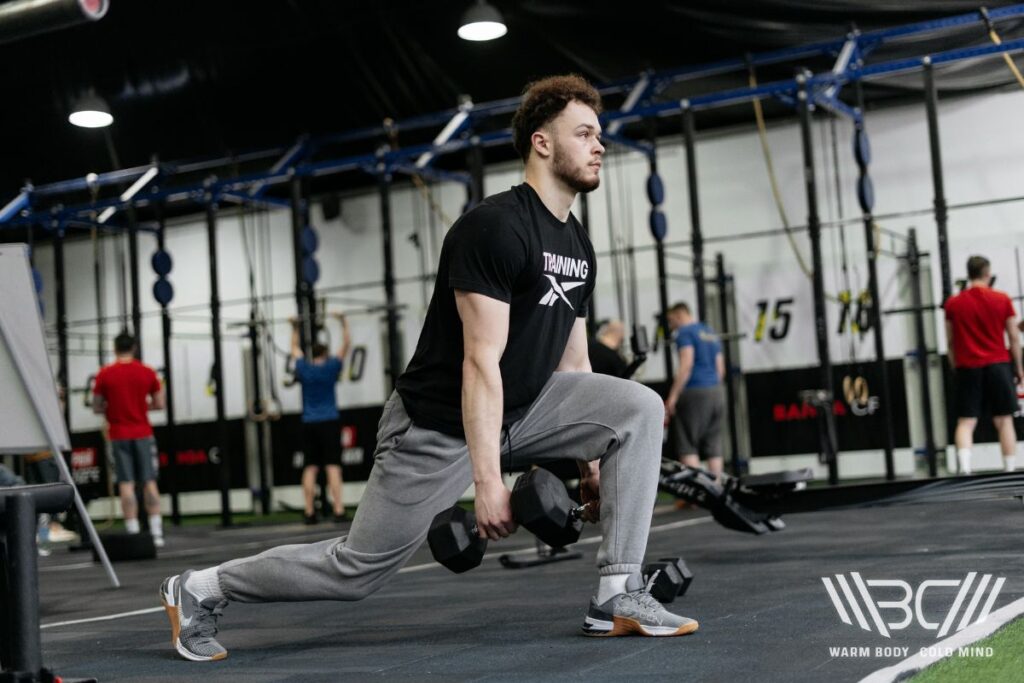
Image Source: blog.warmbody-coldmind.com
Fathoming the Gym Dress Code
Gyms are places for working out. What you wear matters for a few reasons. It affects how well you can move, how comfortable you feel, and sometimes, it’s about being safe and clean. This is the idea behind a gym dress code.
When thinking about what to wear working out, most gyms have simple rules. These rules are often not written down. They are more like common sense or gym clothing etiquette. The main idea is to wear clothes that let you exercise freely and safely. They should also be clean and cover you properly.
- Safety: Clothes should not get caught in machines. They should not make you slip or fall.
- Comfort: You will move a lot and sweat. Your clothes should feel good on your skin and manage sweat.
- Movement: You need to stretch, lift, and run. Your clothes must allow your body to move fully.
- Hygiene: Clean clothes are important for everyone in the gym. Clothes should also help keep sweat away from machines and surfaces.
So, while sweatpants are often okay, it helps to think about these points. Are your sweatpants safe? Are they comfortable for your workout? Do they help with sweat?
Decoding Sweatpants for the Gym
Sweatpants are a popular choice for many people. They are known for being very comfortable gym clothes. Let’s look at why people like them and if they are always the best choice for working out.
Why People Like Sweatpants for the Gym
- Comfort: This is the biggest reason. Sweatpants are usually soft. They have a loose fit or are made from stretchy material. They feel good to wear.
- Warmth: If the gym is cool, sweatpants keep your legs warm. This can be nice when you start your workout.
- Coverage: Some people like that sweatpants cover their legs fully.
- Modesty: For those who prefer to cover up more, sweatpants are a simple choice.
- Ease of Use: You just pull them on. They are simple and do not require much thought.
- Hiding Legs: Some people feel shy about their legs. Sweatpants offer an easy way to cover them.
- Variety: Sweatpants come in many styles, colors, and materials.
Possible Downsides of Sweatpants in the Gym
Even though sweatpants are comfy, they are not perfect for every workout or every gym.
- Getting Too Hot: Sweatpants are designed to keep you warm. This means you might get very hot and sweaty when exercising hard.
- Holding Sweat: Some materials used for sweatpants hold onto sweat. This can make them feel heavy and uncomfortable. It can also lead to chafing.
- Restricting Movement: If the sweatpants are too loose, they can get in your way. They might catch on equipment. If they are too tight, they might not let you move freely, like when doing deep squats or lunges.
- Visibility: For some workouts, like checking your form in a mirror, seeing your leg muscles work is helpful. Sweatpants can hide this.
- Hygiene Concerns: Very loose sweatpants might brush against equipment more. Materials that hold sweat might leave more sweat behind.
- Getting Caught: Loose fabric around the ankles can be a risk, especially on machines like treadmills or bikes.
So, while you can wear sweatpants, think about what kind of workout you plan to do. Think about how hot you usually get. Think about the fit of the sweatpants.
Grasping Sweatpants in Different Gym Places
Not all gyms are the same. The rules or norms for what to wear working out might be different depending on where you go.
Big Chain Gyms
Places like Planet Fitness, Anytime Fitness, or Gold’s Gym usually have a relaxed gym dress code. They care most about basic hygiene and safety. Sweatpants are almost always okay in these gyms. They want you to feel comfortable and come to work out. The key things to avoid are often overly revealing clothes, street clothes like jeans, or clothes with offensive pictures or words. Sweatpants usually do not fall into these problem areas.
Smaller Local Gyms or Studios
Smaller gyms might have slightly different vibes. Some might be very focused on a specific type of training, like powerlifting or CrossFit. The common gym clothing etiquette here might lean more towards functional clothing. However, sweatpants are still likely fine, especially if they are suitable for lifting.
Specialty studios, like for yoga or Pilates, might have different expectations. For yoga, clothes that let you see your body lines for alignment are often preferred. While some might wear loose sweatpants, many choose tighter options like leggings or joggers for gym workouts like these.
High-End or Private Gyms
Some very fancy or private gyms might have a stricter gym dress code. They might aim for a certain look or feel. Even here, sweatpants are often allowed, especially if they are clean and look decent. However, you might see more people in fitted workout gear options made from high-tech fabrics.
In general, you can wear sweatpants to most gyms. The main thing is to make sure they are suitable for your workout and follow basic gym clothing etiquette about cleanliness and safety.
Exploring Alternatives to Sweatpants
If sweatpants have downsides for you, or if you just want to see other options, there are many great choices for appropriate gym wear. These can also be considered best workout pants depending on your activity.
Leggings and Tights
These are very popular, especially for women, but men also wear compression tights.
* Pros: They offer a full range of motion. They don’t get caught on machines. They often use materials that wick sweat away. They let you see your body’s alignment.
* Cons: Some people find them too revealing. Finding the right fit is key; if they are too tight or too loose, they can be uncomfortable.
* Best for: Yoga, Pilates, running, cycling, weightlifting (seeing form).
Joggers
Joggers are like a mix between sweatpants and leggings. They are often made from lighter material than traditional sweatpants. They are usually looser on top but tighter around the ankle.
* Pros: They are comfortable. They offer good freedom of movement. The cuffed ankle means they are less likely to get caught than loose sweatpants. They look stylish. They are a great option for joggers for gym use.
* Cons: The cuffed ankle might feel tight to some. Material varies; some can still be too hot.
* Best for: Weightlifting, general gym workouts, light cardio.
Shorts
A classic choice for warmer weather or intense workouts.
* Pros: Very cool and allow maximum movement. No issue with fabric getting caught around ankles.
* Cons: Offer less coverage. Not suitable for all exercises where legs might rub.
* Best for: Running, cycling, high-intensity interval training (HIIT), leg-focused weightlifting.
Track Pants
These are usually lighter than traditional sweatpants, often made of nylon or polyester. They usually have a straight leg or a slight taper, but not a tight cuff like joggers.
* Pros: Lightweight and breathable. Often have zippers at the ankle for easy removal over shoes. Good for warm-ups.
* Cons: Can be noisy (swishy sound). May not be warm enough in cold gyms.
* Best for: Warm-ups, light activity, track work.
| Type of Pants | Comfort Level | Movement Freedom | Warmth | Sweat Handling | Risk of Getting Caught |
|---|---|---|---|---|---|
| Sweatpants | High | Moderate (varies by fit) | High | Variable | Moderate (if loose) |
| Leggings/Tights | High | Very High | Low | Good (if proper material) | Very Low |
| Joggers | High | High | Moderate | Variable | Low |
| Shorts | Moderate | Very High | Very Low | Good | Very Low |
| Track Pants | High | High | Low-Moderate | Good | Low |
Choosing the right pants is part of choosing appropriate gym wear and finding the best workout pants for you. It depends on your workout, the gym’s vibe, and your personal preference for comfortable gym clothes.
Selecting the Right Sweatpants (If That’s Your Choice)
If sweatpants are your preferred workout gear options, picking the right pair is important. Not all sweatpants are made equal when it comes to the gym. Look for features that make them better for exercise.
Material Matters
The fabric is key for comfort and how well the sweatpants work for you.
- Cotton: Soft and comfortable. But it holds moisture. Once you sweat, cotton sweatpants can become heavy, wet, and slow to dry. This can make you cold or cause chafing. Less ideal for intense workouts.
- Polyester/Spandex Blends: These are often better for the gym. They wick sweat away from your body. They dry faster than cotton. Spandex adds stretch, which helps with movement. This is a common material for modern workout gear options.
- Fleece-lined: Very warm. Good for warm-ups in a cold place but might be too hot for the main part of your workout.
Look at the tag to see what the sweatpants are made of. For the gym, aim for blends that handle sweat well.
Consider the Fit
The fit affects how you can move and your safety.
- Not Too Loose: Very baggy sweatpants can get caught on machine parts, especially around your feet or ankles. This is a safety risk.
- Not Too Tight: If they are too tight, they can restrict your movement, especially for exercises like squats or lunges. They might also feel uncomfortable as you heat up.
- Tapered or Cuffed Ankle: Sweatpants that get narrower towards the ankle or have a cuff (like joggers) are usually safer as the fabric is less likely to drag or catch. They combine the comfort of sweatpants with better safety features for gym attire rules.
Try them on and move around. Do some squats, stretch your legs. Make sure they feel good and don’t limit you.
Pockets and Drawstrings
- Pockets: Side pockets are handy for carrying a phone or keys, but make sure things won’t fall out during your workout. Zippers on pockets are a good feature.
- Drawstring: An adjustable drawstring at the waist helps ensure the pants stay up, which is important during active movements.
By thinking about these details, you can choose sweatpants that are not just comfortable but also functional and safe for the gym.
Interpreting Gym Clothing Etiquette
Beyond written rules or the lack thereof, there’s an unwritten gym clothing etiquette. This is about being considerate of others and creating a good environment for everyone.
Cleanliness is Key
Your gym clothes should be clean. This includes your sweatpants. Wearing clothes that smell or are dirty is not polite. It affects others around you. Wash your gym clothes regularly. This is a basic part of appropriate gym wear.
Avoid Smelly Fabrics
Some fabrics hold onto smells more than others. As mentioned, cotton can sometimes trap odors. Performance fabrics are often better at staying fresh, even after a hard workout.
Consider Your Surroundings
Think about the type of gym and the people there. While you can wear sweatpants, if you are in a very specific training environment (like a competitive weightlifting gym), you might see people wearing gear better suited for that sport (like squat-specific pants or singlets). Wearing clothes that allow you to participate fully and safely in the activity is part of the unspoken rules.
Modesty and Respect
Most gyms want members to feel comfortable. While rules vary, clothes that are overly revealing might make others feel awkward. Sweatpants generally offer good coverage and fit well within typical gym attire rules regarding modesty.
Following gym clothing etiquette helps everyone have a better experience. It shows respect for the shared space and the people in it.
Fabric Decoded for Gym Wear
We touched on materials, but let’s look a bit more at what makes certain fabrics good or bad for workout gear options. The right fabric makes a big difference in comfort, performance, and hygiene.
Good Gym Fabrics
- Polyester: Durable, wrinkle-resistant, and holds its shape well. It’s good at wicking moisture away from the body. Dries quickly.
- Nylon: Also durable and good at wicking sweat. It’s very stretchy and often blended with spandex. Smooth and lightweight.
- Spandex (Elastane/Lycra): Provides stretch and allows for a full range of motion. Usually blended with other fibers like polyester or nylon. Key for fitted workout clothes like leggings and joggers for gym use.
- Bamboo: Softer than cotton, natural, and has some moisture-wicking properties. Can be blended with other fibers.
Fabrics to Be Careful With
- Cotton: As mentioned, it absorbs and holds moisture. Can become heavy, uncomfortable, and slow to dry when wet with sweat. Better for very light activity or just lounging. Less ideal for intense gym work.
- Rayon: Also very absorbent and slow to dry. Can lose its shape when wet.
When choosing your workout gear options, including sweatpants or alternatives to sweatpants gym, pay attention to the fabric blend. High-tech blends are often designed specifically for active wear and offer better performance than simple cotton.
Practical Advice for Choosing Gym Clothes
Picking your gym outfit should be simple. Here are some practical tips for selecting appropriate gym wear, whether it’s sweatpants or other workout gear options.
- Prioritize Comfort: You will be moving, bending, and sweating. Your clothes should feel good against your skin and not itch, rub, or restrict you. Comfortable gym clothes are key to a good workout.
- Think About Your Workout: What are you doing? Lifting weights? Running? Yoga? Different activities might be better suited to different types of pants. Loose sweatpants might be fine for lifting but annoying for running. Leggings are great for yoga but some might prefer shorts for heavy leg lifting.
- Consider the Temperature: Is the gym hot or cold? Choose fabrics and styles that help you stay at a good temperature. Sweatpants add warmth. Shorts or lightweight joggers are cooler.
- Check the Fit: Make sure clothes allow a full range of motion. They shouldn’t be so loose they catch or so tight they pinch or limit movement.
- Look for Sweat Management: Fabrics that wick sweat away will keep you drier and more comfortable. This is especially important for intense workouts.
- Safety First: Avoid anything that could get caught in machines (very loose strings, excessively baggy pants).
- Keep it Clean: Always wear clean gym clothes.
By following these tips, you can make sure your gym attire is both comfortable and suitable for exercise, fitting within general gym clothing etiquette and safety guidelines.
Deciphering Specific Gym Attire Rules
While most gyms allow sweatpants, it’s always a good idea to know if your specific gym has any particular rules. How can you find this information?
- Check the Gym’s Website: Look for a “Rules,” “Policies,” or “FAQ” section. Gym dress code information is sometimes listed here.
- Read Your Membership Agreement: Sometimes, rules are mentioned in the contract you signed when joining.
- Look for Signs: Gyms might post rules on signs near the entrance, locker rooms, or workout areas.
- Ask the Staff: The easiest way is often just to ask the front desk staff or a gym employee. Say something like, “Do you have any specific dress code rules I should know about?”
- Observe Others: Look at what other people are wearing in the gym. While this isn’t a perfect guide, it can give you an idea of what is normally worn there and the general gym clothing etiquette.
Most gyms have very few strict rules about workout gear options, other than common sense things like wearing shirts and closed-toe shoes, and avoiding street clothes like jeans or boots. So, your sweatpants are likely fine, but checking never hurts.
Sweatpants for Specific Types of Workouts
Are sweatpants better for some activities than others? Let’s look at a few common gym activities.
Weightlifting
Sweatpants can be good for weightlifting, especially in a cooler gym. They keep muscles warm. For exercises like squats or deadlifts, make sure the fit allows for deep bending without pulling or restricting. Joggers or sweatpants with stretch are often preferred over baggy cotton ones. Seeing your leg form might be harder in sweatpants compared to leggings.
Cardio (Running, Elliptical, Bike)
This is where sweatpants can be less ideal. Cardio makes you hot and sweaty quickly. Sweatpants can become very hot and heavy. The extra fabric can feel bulky. Loose sweatpants around the ankles are a definite no-no on treadmills or bikes due to the risk of getting caught. Joggers or more fitted pants or shorts are often better workout gear options for cardio.
Group Fitness Classes (Zumba, HIIT, etc.)
These classes involve lots of movement, jumping, and sweating. Similar to cardio, sweatpants can get hot. You need clothes that allow big movements. Sweat-wicking fabrics are best. Joggers or leggings are usually more popular for these classes due to their better movement and sweat handling.
Yoga or Pilates
These focus on flexibility and specific poses. Seeing your body’s alignment is important. Very loose sweatpants make it hard to see your leg position. While some people wear them, most prefer tighter options like leggings or fitted joggers for gym sessions focused on these activities.
So, while sweatpants can be worn for most workouts, they might not be the best choice for all of them, especially intense cardio or classes where seeing your body lines helps.
Balancing Comfort and Performance
Finding the right balance between comfortable gym clothes and clothes that perform well during exercise is key. Sweatpants are very comfortable, but their performance varies greatly depending on the material and fit.
- For ultimate comfort: Soft, loose cotton sweatpants feel great before and after a workout.
- For best performance during intense exercise: You usually need fabrics that wick sweat and allow full, unrestricted movement. This might mean technical blend sweatpants, joggers, leggings, or shorts.
Think about your main goal. If you’re doing a light warm-up or cool-down, comfort is easy. If you’re pushing yourself hard, performance features in your gym attire will help you more. The best workout pants are often those that combine a good level of comfort with the right features for your activity. Joggers for gym use are a popular compromise, offering comfort with better function than traditional sweatpants.
Your Personal Style and Gym Wear
Can you show your personal style while following the gym dress code and gym clothing etiquette? Absolutely! Appropriate gym wear doesn’t mean everyone has to look the same.
Sweatpants come in countless colors, patterns, and fits. You can choose workout gear options that reflect your personality. The key is to ensure that your stylish choices still meet the basic needs: they must be safe, allow movement, and be clean.
Whether you love bright colors, simple black, or cool patterns, you can find sweatpants or alternatives to sweatpants gym that fit your style. As long as they are functional and follow the (usually simple) rules, feel free to express yourself.
In Closing: Can You Wear Sweatpants? Yes, But Choose Wisely
To answer the main question directly: Yes, you can almost always wear sweatpants to the gym. They are a common and comfortable gym clothes option.
However, it’s not just about “can I?” but “should I?” and “which ones?”.
Think about your specific workout, how much you sweat, and the temperature. Consider the material and fit of the sweatpants. Sweatpants made from moisture-wicking blends with a more fitted ankle (like joggers for gym use) are often better choices for serious workouts than thick, baggy cotton ones.
Be aware of general gym clothing etiquette and any specific gym attire rules at your location. Cleanliness and safety are always important.
If sweatpants don’t feel right for your activity, remember there are many other workout gear options available, from leggings and joggers to shorts and track pants. Finding the best workout pants depends on your personal needs and workout style.
Ultimately, the goal is to wear appropriate gym wear that helps you feel good, move well, and exercise safely and comfortably. For many people, the right pair of sweatpants fits that description perfectly.
Frequently Asked Questions (FAQ)
h4: Are all types of sweatpants okay for the gym?
Not really. Very baggy sweatpants can be a safety risk as they might get caught in machines. Thick cotton sweatpants can get too hot and hold too much sweat. Look for sweatpants made of performance fabrics and with a fit that allows movement without being overly loose.
h4: Are sweatpants hygienic for the gym?
Yes, as long as they are clean. Like any gym clothes, sweatpants should be washed after each workout. If you sweat a lot and the sweatpants hold moisture (like cotton ones), make sure you wipe down equipment after use.
h4: Can I wear sweatpants for running on the treadmill?
You can, but it might not be the best choice, especially if they are loose around the ankles. There is a risk of the fabric getting caught. You will also likely get very hot. Joggers or shorts are usually better for treadmill running.
h4: What are the best alternatives to sweatpants for comfort?
Joggers are often seen as a comfortable alternative, offering a relaxed feel with a more functional, tapered fit. Leggings or tights made from soft, stretchy fabrics can also be very comfortable and allow for great movement.
h4: Do different gyms have different rules about sweatpants?
Most gyms are quite relaxed, but some high-end or specialized studios might have slightly different expectations for appropriate gym wear. It’s always best to quickly check their website or ask the staff if you’re unsure about their specific gym dress code.
h4: Why do some people prefer sweatpants for lifting weights?
Sweatpants can keep your legs warm, which some lifters feel helps their muscles. For exercises like deadlifts or box jumps, they can also offer a layer of protection against scrapes from the barbell or box edges, though this is less common reasoning. Comfort and warmth are the main reasons.