
Image Source: img.livestrong.com
Can Yoga Get You In Shape? Benefits You Need to Know
Can yoga get you in shape? Yes, yoga absolutely can help you get in shape. It builds strength, makes you more flexible, and can help you manage your weight. It works your body in many ways.
Getting in shape means different things to different people. For some, it’s losing weight. For others, it’s building strong muscles. Some want to touch their toes. Yoga helps with all these things. It’s a full-body practice.
Grasping How Yoga Works Your Body
Yoga is not just stretching. It is a physical practice. You hold poses. You move from one pose to another. This works your muscles. It challenges your balance. It improves how your body moves.
Holding a pose needs muscle work. Think of holding a Warrior pose. Your legs work hard. Your arms are strong. This builds muscle strength over time. Moving between poses, like in a Sun Salutation, gets your heart rate up. This is like doing cardio.
Many yoga poses use your own body weight. This makes them a form of strength training. You lift yourself. You balance on one leg. These actions make your muscles work harder. They get stronger.
Yoga also connects your breath to your movement. This helps you stay present. It can also help manage stress. Less stress can help your overall health journey.
Yoga for Weight Loss: Burning Calories
Can yoga help you lose weight? Yes, it can be part of a plan. Weight loss happens when you burn more calories than you eat. Yoga burns calories. How many depends on the style and how hard you work.
Active styles of yoga burn more calories. Moving quickly between poses ups the burn. Holding challenging poses also uses a lot of energy.
Think of a fast-paced Vinyasa class. You move constantly. Your heart rate stays up. This is like a workout. It helps with calorie burn yoga.
Even slower styles help. Holding poses for longer uses muscles. Muscles burn calories even at rest. Building muscle helps your metabolism.
Yoga also helps with mindful eating. It makes you more aware of your body. This can help you make healthier food choices. It can reduce stress eating. Stress is often linked to weight gain. Reducing stress through yoga helps.
Yoga is often best for weight loss when combined with other things. Eating healthy food is key. Adding other types of exercise helps too. But yoga provides a strong foundation. It builds strength and awareness.
Calories Burned in Different Yoga Styles
The number of calories burned is just an estimate. It depends on your body size and how hard you try. Here’s a general idea:
- Hatha Yoga (Gentle): Around 180-240 calories per hour. Slower pace, focus on holding poses.
- Vinyasa Yoga (Flow): Around 350-500 calories per hour. Constant movement, links breath to movement.
- Power Yoga (Intense): Around 400-600+ calories per hour. Fast pace, often includes more strength poses.
- Bikram Yoga (Hot): Around 400-600+ calories per hour. Done in a heated room, adds challenge.
(Note: These are estimates. Actual burn varies greatly.)
Burning calories through yoga adds up. Doing it regularly makes a difference. A regular yoga fitness plan supports weight goals.
Yoga for Muscle Toning: Getting Definition
Does yoga tone your muscles? Yes, absolutely. Yoga is excellent for muscle toning. Toning means making muscles firmer and more defined.
You don’t need heavy weights for toning. Your own body weight is enough. Many yoga poses make your muscles work hard. They work in ways that build strength and definition.
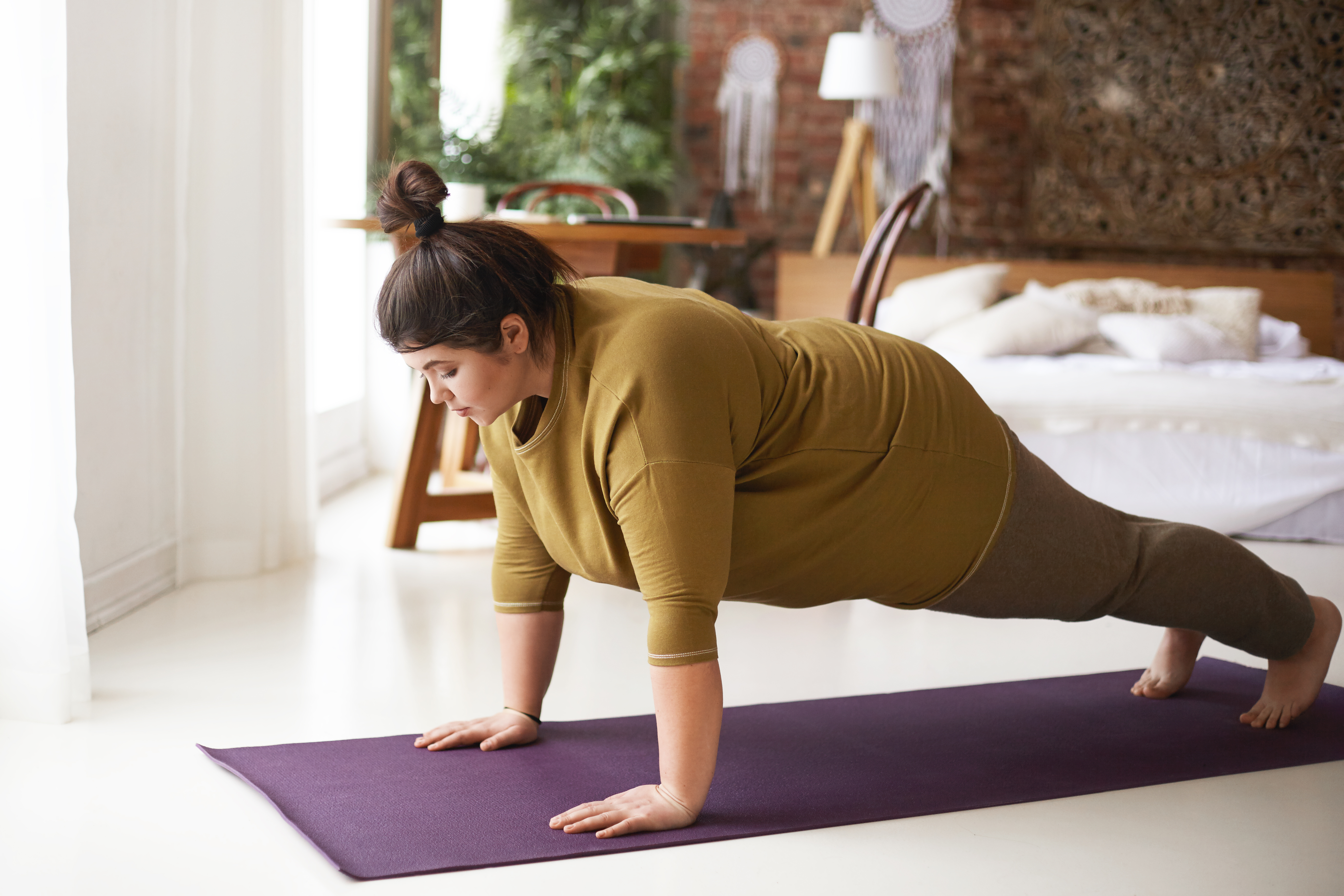
Holding a Plank pose works your core, arms, and shoulders. Warrior poses work your legs and glutes. Balancing poses work smaller stability muscles. These muscles get stronger and firmer.
Yoga often works multiple muscle groups at once. A pose like Downward-Facing Dog works your shoulders, arms, back, and legs. This full-body work leads to balanced toning.
The slow, controlled movements are important. They make you use your muscles fully. This helps build lean muscle mass. Lean muscle looks toned.
Yoga also helps improve your posture. Better posture makes you stand taller. This can also make you look more toned.
How Poses Tone Specific Areas
- Core: Plank, Boat Pose, variations of Crunches (like Bicycle Crunches in some styles).
- Arms & Shoulders: Downward-Facing Dog, Plank, Chaturanga (low push-up), Arm balances.
- Legs & Glutes: Warrior poses (I, II, III), Chair Pose, Lunges, Squats.
- Back: Cobra Pose, Locust Pose, Sphinx Pose, Upward-Facing Dog.
Consistency is key for muscle toning. Doing yoga often will show results. Your muscles will feel firmer and look more defined. This is a major yoga for muscle toning benefit.
Strength Building Yoga: Getting Stronger
Can yoga make you strong? Yes, yoga is a great way to build strength. It’s a form of strength training. You use your body’s resistance.
Many yoga poses require significant strength. Holding a pose for several breaths challenges your muscles. Moving into and out of difficult poses builds explosive strength.
Think about poses like:
* Chaturanga Dandasana (Low Plank): This is like the bottom of a push-up. It builds strong triceps, shoulders, and chest.
* Plank Pose: Builds core strength, arm strength, and back strength.
* Warrior III: Needs strong legs, core, and back to balance.
* Handstand or Forearm Stand (advanced): Builds incredible upper body and core strength.
Even basic poses build strength over time. Downward-Facing Dog strengthens arms, shoulders, and legs. Chair Pose builds leg strength.
Yoga builds functional strength. This means strength you use in daily life. Lifting groceries, climbing stairs, carrying children – yoga helps with all these tasks. It builds stability and control.
Different styles focus more on strength. Power yoga results often show significant strength gains. Vinyasa yoga benefits also include building strength through dynamic movement.
Building strength also supports joint health. Strong muscles protect your joints. This can prevent injuries. Strength building yoga is beneficial for your whole body.
Yoga Flexibility Benefits: Bending Better
Flexibility is a key part of yoga. It’s one of the first things people notice. Yoga helps lengthen muscles. It improves the range of motion in your joints.
Being flexible is important. It can help prevent injuries. It can improve posture. It can make everyday movements easier.
Yoga uses different types of stretching:
* Passive Stretches: Holding a pose for a long time. Gravity helps you deepen the stretch.
* Active Stretches: Using muscle strength to move into a pose. For example, using your leg muscles to lift your leg high.
Poses like forward folds stretch your hamstrings and back. Backbends open your chest and shoulders. Twists improve spine flexibility. Hip openers help tight hips.
Over time, your muscles will lengthen. Your joints will become more mobile. You will find it easier to reach, bend, and twist. Yoga flexibility benefits are felt in everyday activities.
Improved flexibility also links to better posture. Tight muscles can pull your body out of alignment. Yoga helps release this tension. This allows your body to find better alignment.
Yoga also teaches you to listen to your body. You learn your limits. You learn when to push gently and when to back off. This mindful approach helps improve flexibility safely.
Deciphering Different Types of Yoga for Fitness
Not all yoga is the same. There are many types of yoga. Some are very gentle and relaxing. Others are very physical and demanding. Choosing the right style matters for fitness goals.
Here are some types of yoga for fitness:
Hatha Yoga
- Focus: Basic poses, holding poses for a few breaths.
- Pace: Slower, gentle.
- Good For: Beginners, learning pose names and shapes, building basic strength and flexibility. Offers moderate calorie burn and toning.
Vinyasa Yoga
- Focus: Linking breath to movement, flowing from one pose to the next. Often includes Sun Salutations.
- Pace: Moderate to fast.
- Good For: Building heat, increasing heart rate, improving endurance. Excellent for calorie burn yoga, strength building yoga, and toning. Vinyasa yoga benefits include improved cardiovascular health and rhythmic movement.
Power Yoga
- Focus: Often based on Ashtanga but more flexible in sequencing. High-intensity, physically demanding.
- Pace: Fast, vigorous.
- Good For: Maximum calorie burn, significant strength building yoga, and muscle toning. Power yoga results include increased muscle mass, endurance, and heat generation.
Ashtanga Yoga
- Focus: Set sequences of poses practiced in the same order every time. Very physical.
- Pace: Energetic, flowing rhythm.
- Good For: Building serious strength and flexibility, mental focus, deep internal heat. A demanding style, good for dedicated fitness enthusiasts.
Bikram Yoga
- Focus: A specific set of 26 poses and 2 breathing exercises practiced in a room heated to 105°F (40°C) and 40% humidity.
- Pace: Moderate, but challenging due to heat.
- Good For: Intense calorie burn, flexibility (heat helps muscles stretch), detoxification (through sweat). Requires caution due to heat.
Iyengar Yoga
- Focus: Precise alignment in poses, holding poses longer. Uses props like blocks, straps, and blankets.
- Pace: Slower, very detailed.
- Good For: Building strength through long holds, improving posture, deep stretching, injury recovery. Less focus on calorie burn, more on foundational strength and alignment.
For fitness goals like weight loss, toning, and strength, styles like Vinyasa, Power Yoga, and Ashtanga are often most effective due to their pace and intensity. However, consistency in any style is key. Even Hatha yoga done regularly will improve strength and flexibility.
Fathoming a Yoga Fitness Plan
To truly get in shape with yoga, you need a plan. Just dropping into a class now and then is good, but consistency brings results.
How often should you practice? Aim for 3-5 times per week. This gives your body enough stimulus to change. It also allows for rest.
What style should you choose? Think about your goals:
* Weight loss: Mix faster styles (Vinyasa, Power) with healthy eating. Add other cardio if you like.
* Toning/Strength: Focus on Vinyasa, Power, or Ashtanga. Hold poses longer. Work on challenging poses like inversions and arm balances over time.
* Flexibility: Any style helps, but Iyengar or slower Hatha focused on stretching is great. Hold stretches longer.
* Overall fitness: A mix is best. Maybe 2-3 faster classes and 1-2 slower classes focusing on flexibility or restorative poses.
Building a yoga fitness plan:
- Set Clear Goals: What do you want to achieve? Lose weight? Build muscle? Touch your toes? Write it down.
- Schedule Your Practice: Put yoga on your calendar like any other appointment. Find classes that fit your schedule or plan home practice times.
- Choose Suitable Styles: Based on your goals and what you enjoy. Try different styles!
- Start Slowly: If you’re new, don’t do Power Yoga every day. Start with Hatha or beginner Vinyasa. Build up your practice.
- Listen to Your Body: Rest when you need to. Don’t push into pain. Yoga is not a competition.
- Combine with Other Healthy Habits: Yoga works best as part of a healthy lifestyle. Eat nourishing food. Get enough sleep.
- Track Your Progress: Note how you feel. See how your strength, flexibility, or weight changes. This keeps you motivated.
Consistency is the most important part of any yoga fitness plan. Make it a regular habit.
Yoga and Overall Health: More Than Just Muscles
Yoga helps you get in shape physically, but its benefits go deeper. Yoga and overall health are strongly linked.
It helps reduce stress. Yoga practices include breathing exercises (Pranayama) and sometimes meditation. These calm your nervous system. Less stress improves mood, sleep, and digestion. It can also help manage conditions made worse by stress.
Yoga improves balance and coordination. This helps prevent falls, especially as you age. It makes you more aware of your body in space.
It can help with pain. Yoga strengthens muscles that support your spine and joints. Gentle movement can ease stiffness. It can be helpful for back pain, arthritis, and other chronic pain conditions. (Always talk to your doctor before starting yoga for a medical condition).
Yoga can boost your mood. Physical activity releases feel-good chemicals in your brain. The mindfulness aspect of yoga also helps manage negative thoughts.
It can improve sleep. Regular physical activity and stress reduction help you sleep better.
Yoga brings a sense of well-being. It connects your mind and body. This connection is vital for health.
Think of yoga as training for your whole self. Your body gets stronger and more flexible. Your mind gets calmer and more focused. Your overall health improves. Yoga fitness plan includes all these aspects.
Table: Summary of Yoga Benefits for Fitness
| Benefit | How Yoga Helps | Best Styles | Related Keywords |
|---|---|---|---|
| Weight Loss | Burns calories (especially vigorous styles), builds muscle, reduces stress. | Vinyasa, Power, Bikram, Ashtanga | Yoga for weight loss, Calorie burn yoga |
| Muscle Toning | Uses bodyweight resistance, holds poses, works multiple muscle groups. | Vinyasa, Power, Ashtanga, Iyengar | Yoga for muscle toning |
| Strength Building | Challenging poses, dynamic movements, using bodyweight for resistance. | Power, Ashtanga, Vinyasa, Iyengar | Strength building yoga |
| Flexibility | Stretches muscles, improves joint range of motion, holds passive/active stretches. | Hatha, Iyengar, Yin (though not listed above), all styles to some extent | Yoga flexibility benefits |
| Overall Health | Reduces stress, improves balance, helps posture, boosts mood, aids sleep. | All styles, includes breathing & meditation | Yoga and overall health, Yoga fitness plan |
Putting It All Together: Your Yoga Journey
Getting in shape with yoga is possible. It requires regular practice and effort. It’s not a magic fix. It’s a path.
Start where you are. Find a class or online resource that suits you. Focus on learning the basics. Don’t worry about doing complex poses right away.
Consistency is key. Try to practice several times a week. Even short practices (20-30 minutes) help.
Listen to your body. Rest when needed. Modify poses if they don’t feel right. A good teacher can help you find safe variations.
Combine yoga with healthy eating. Fitness is built in the kitchen and on the mat.
Celebrate small wins. Can you hold a pose longer? Touch your toes a little easier? Feel stronger? These are signs of progress.
Yoga offers a complete approach to getting in shape. It works your body and calms your mind. It builds strength, flexibility, and helps manage weight. It supports your overall health.
So, can yoga get you in shape? Yes, it absolutely can. It’s a powerful tool for fitness and well-being. Start your yoga journey today. See how it transforms you.
Frequently Asked Questions about Yoga and Fitness
Here are some common questions people ask:
Can I lose weight with just yoga?
Yes, it’s possible, especially with vigorous styles like Power or Vinyasa yoga done regularly. However, for faster or more significant weight loss, combining yoga with a healthy diet and possibly other cardio exercise is usually more effective. Yoga helps by burning calories, building muscle (which boosts metabolism), and reducing stress that can lead to weight gain.
How long does it take to see results from yoga?
Results vary greatly depending on how often you practice, the style of yoga, and your starting point. You might feel more relaxed and notice improved flexibility within a few weeks. Strength and toning changes might take 1-3 months of regular practice (3-5 times per week). Weight loss results will depend heavily on diet as well. Be patient and consistent.
Is yoga considered cardio?
Some styles of yoga, like Vinyasa, Power Yoga, and Ashtanga, can be considered cardio exercise. Their fast pace and continuous movement raise your heart rate. Slower styles like Hatha or Iyengar are not typically considered cardio. A balanced fitness plan might include both vigorous yoga and other forms of cardio if needed.
Do I need to be flexible to start yoga?
No! This is a common myth. Yoga helps you become flexible. You start from where you are. Don’t worry if you can’t touch your toes. Your flexibility will improve with practice over time. Focus on the feeling in the pose, not how it looks.
What equipment do I need for yoga?
The most basic equipment is a yoga mat. It provides grip and cushioning. You might also find props helpful, especially as a beginner or for certain styles. Props include blocks, straps, blankets, and bolsters. They can help you access poses more safely and comfortably.
Can men do yoga?
Absolutely! Yoga is for everyone, regardless of gender. Many professional athletes use yoga to improve performance, flexibility, and prevent injuries. Styles like Power Yoga and Ashtanga are particularly popular among those looking for a challenging physical workout.
Is hot yoga better for fitness?
Hot yoga (like Bikram) increases calorie burn and can deepen stretches due to the heat. Some people find the heat uncomfortable or unsafe. It can also make you feel more flexible than you actually are, increasing injury risk if you push too hard. It’s a personal preference. If you have health conditions, check with a doctor before trying hot yoga.
How does yoga build muscle without weights?
Yoga uses your own body weight as resistance. Holding poses like Plank, Downward Dog, Warrior poses, and doing movements like Chaturanga is a form of bodyweight strength training. Your muscles work against gravity and your own body’s mass to maintain stability and move through poses. This builds lean muscle mass and improves endurance.
What is the difference between Vinyasa and Power Yoga?
Power Yoga evolved from Ashtanga and is often seen as a more intense, fitness-focused version of Vinyasa. Both link breath to movement and flow, but Power Yoga sequences are often less structured than traditional Vinyasa and might include more challenging poses or repetitions aimed specifically at building strength and heat. Vinyasa can vary more in intensity depending on the teacher.
Can yoga replace all other exercise?
It depends on your fitness goals. Yoga can be your main form of exercise, especially if you choose challenging styles and practice often. However, for optimal health, a balanced approach is often recommended. This might include yoga for strength and flexibility, plus some dedicated cardio (like running, swimming, or cycling) if your yoga practice isn’t fast-paced. Yoga can also perfectly complement other sports and workouts.