
Yes, yoga can help with back pain. Many people find relief through yoga practice. It can ease pain, make muscles stronger, and help you move better. This article will explore how yoga works for back pain and the specific ways it can help you feel better.
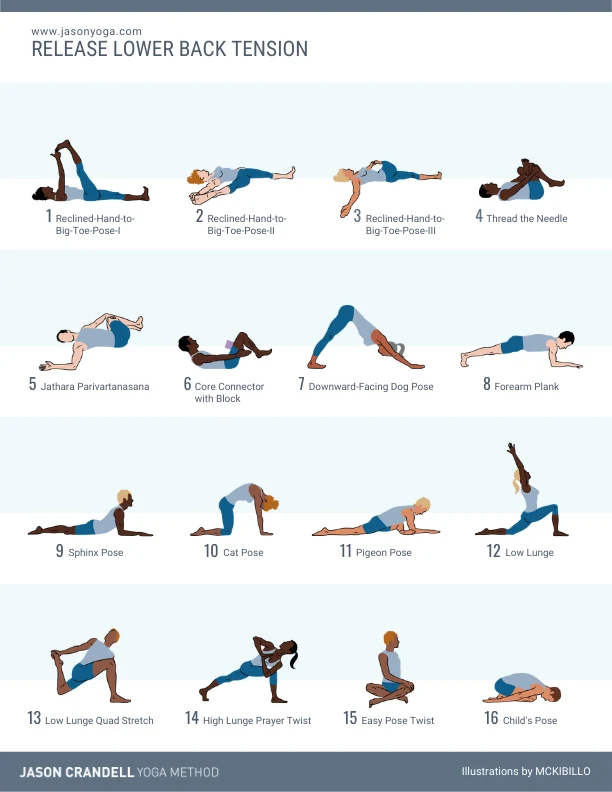
Image Source: jasonyoga.com
The Daily Challenge of Back Pain
Back pain is very common. Lots of people deal with it every day. It can hurt in your lower back, your upper back, or even feel like a constant ache. Sometimes it stops you from doing simple things. It can make life hard.
Back pain happens for many reasons. It might be from sitting too long. It could be from lifting something wrong. Sometimes it’s from an injury. Stress can even make it worse. Finding a way to manage back pain is important for feeling good again.
How Yoga Works for Your Back
Yoga is more than just stretching. It uses poses, breathing, and focus. These parts work together to help your back.
Yoga helps in a few main ways:
- It makes your muscles stronger.
- It makes your body more flexible.
- It helps you relax.
- It makes you more aware of your body.
These things are key to easing back pain. Strong muscles support your spine. Flexibility lets you move without strain. Relaxing helps tight muscles let go. Body awareness helps you spot bad habits that hurt your back.
How Yoga Strengthens Back Muscles
Weak muscles around your spine can cause pain. Yoga poses help build strength. They work muscles you don’t use every day. This includes muscles in your core, back, and legs.
Strong core muscles are vital. They support your lower back. Yoga poses often make you hold yourself stable. This builds strength gently. Over time, stronger muscles give your back better support. This can lessen pain.
Getting More Flexible with Yoga
Tight muscles can pull on your spine. Tight hips or hamstrings can affect your lower back. Tight chest or shoulders can affect your upper back. Yoga poses stretch these muscles.
Stretching feels good. It helps muscles relax and lengthen. More flexibility means your body moves with less effort. This can reduce strain on your back. Gentle stretches are very good for tight areas.
Using Breath to Help Your Back
Breathing is a big part of yoga. Deep breathing helps your body relax. When you relax, your muscles can loosen up. This is true for tight back muscles too.
Breathing deeply also helps you focus. It connects your mind and body. This helps you notice how your back feels. You can learn to relax areas that feel tight.
Knowing Your Body Better
Yoga teaches you to pay attention. You notice how your body feels in each pose. You learn what movements feel good and what hurts. This body awareness is powerful.
You can spot bad posture when sitting or standing. You can change how you lift things. This helps prevent pain. It also helps you understand what makes your back feel better or worse.
Yoga Styles for Easing Back Pain
Not all yoga is the same. Some styles are fast and hard. Others are slow and gentle. For back pain, gentle styles are often best.
Gentle Yoga for Back Pain
Gentle yoga is perfect for beginners. It uses simple poses. You hold poses for a short time. Or you move slowly between poses. There is less chance of strain.
This style focuses on basic movements. It helps you learn how your body feels. It builds strength and flexibility safely. It’s a great start if your back hurts.
Restorative Yoga for Back Issues
Restorative yoga is very relaxing. It uses props like blankets and bolsters. These props support your body. You hold poses for a long time. But you are not working hard.
This style helps your muscles release deeply. It calms your nervous system. It’s good for chronic back pain. It helps reduce muscle tension from stress. It feels very soothing.
Other styles like Hatha or Yin yoga can also be good. Look for classes described as ‘basic’ or ‘slow flow’. Always tell your teacher about your back pain.
Yoga Poses for Back Pain Relief
Many yoga poses can help your back. They target different areas. Some are good for the lower back. Some help the upper back. Some release tension in hips or legs that affects the back.
It’s important to move slowly. Do not push into pain. Only go as far as feels okay.
Here are some helpful poses:
Best Yoga Stretches for Lower Back Pain
Lower back pain is very common. These poses can help stretch and strengthen the lower back and nearby areas.
-
Child’s Pose (Balasana): Kneel on the floor. Sit back on your heels. Fold forward. Rest your belly on your thighs. Let your forehead touch the floor. Reach your arms forward or back. This pose is very restful. It gently stretches the back. It helps you relax.
-
Cat-Cow Pose (Marjaryasana-Bitilasana): Start on your hands and knees. Your hands are under your shoulders. Your knees are under your hips. As you breathe in (Cow pose), drop your belly. Lift your chest and tailbone. Look up a little. As you breathe out (Cat pose), round your spine. Tuck your chin to your chest. Pull your belly button up. Move slowly with your breath. This warms up the spine. It adds movement to the back.
-
Thread the Needle Pose (Urdhva Mukha Pasasana variation): Start on hands and knees. Lift your right arm up. Twist your body. Reach your right arm under your left arm. Rest your right shoulder and head on the floor. Keep your hips high. Your left hand can stay on the floor. Or reach it forward. This twists the upper and middle back. It releases tension. Repeat on the other side.
-
Supine Gentle Twist (Supta Matsyendrasana variation): Lie on your back. Bring your knees to your chest. Let your knees fall to one side. Keep your shoulders on the floor. Turn your head the other way. This twists the spine gently while you lie down. It helps the lower back release. Hold for a few breaths. Switch sides.
-
Knees-to-Chest Pose (Apanasana): Lie on your back. Bring your knees to your chest. Hug them with your arms. You can rock gently side to side. This is a simple stretch for the lower back. It can help release tightness.
Yoga for Upper Back Pain
Upper back pain often comes from poor posture. Sitting at a desk can cause it. These poses help open the chest and stretch the upper back.
-
Thread the Needle Pose (already described): Good for twisting the upper back.
-
Cobra Pose (Bhujangasana) – Gentle version: Lie on your belly. Place hands under your shoulders. Keep elbows close. Press your hands down gently. Lift only your head and chest a little. Keep your lower ribs on the floor. Do not push up high. This backbend strengthens upper back muscles. It opens the chest.
-
Sphinx Pose (Salamba Bhujangasana): Lie on your belly. Place your forearms on the floor. Your elbows are under your shoulders. Lift your chest up. Let your hips stay on the floor. This is a gentler backbend than Cobra. It works the upper back and opens the chest.
-
Eagle Arms (Garudasana arms): You can do this seated or standing. Cross one arm over the other at the elbows. Bend your elbows. Try to bring your palms together. Or just grab your shoulders. Lift your elbows up slightly. This stretches the upper back between your shoulder blades. Switch which arm is on top.
Sciatica Relief with Yoga
Sciatica is pain that runs down the leg. It often starts in the lower back or hip. It happens when the sciatic nerve gets pressed. Certain yoga poses can help release the muscles that press on the nerve.
-
Pigeon Pose (Eka Pada Rajakapotasana) – Gentle version: Start on hands and knees. Bring one knee forward. Place it behind your wrist. Slide the other leg back. Keep your front foot flexed. You can stay upright on your hands. Or fold forward over your front leg. This stretches the hip. A tight hip muscle (piriformis) can press on the sciatic nerve. Be very gentle in this pose. If it hurts, do not do it.
-
Figure Four Stretch (Sucirandhrasana): Lie on your back. Bend both knees. Put your feet flat on the floor. Lift one leg. Cross its ankle over the other leg’s knee. Reach through the space between your legs. Hold the back of the leg that is on the floor. Gently pull it towards your chest. This also stretches the hip muscle. It is a safer way to stretch the hip than Pigeon Pose for some people. Do both sides.
-
Supine Gentle Twist (already described): This can also help release tension around the lower back and hip area.
-
Child’s Pose (already described): Good for general back relaxation which can help ease nerve tension.
It is very important to be careful with sciatica. Do not do any pose that increases the sharp, shooting pain down your leg. Gentle stretches are key.
Table of Gentle Yoga Poses for Back Pain
Here is a quick look at some helpful poses:
| Pose Name | How to Do It Simply | What it Helps |
|---|---|---|
| Child’s Pose | Kneel, fold forward, sit on heels, forehead down. | Relaxes back, gentle stretch. |
| Cat-Cow Pose | On hands/knees, arch spine on breath in, round on breath out. | Warms spine, adds movement. |
| Thread the Needle | On hands/knees, reach one arm under body, rest shoulder. | Twists upper/middle back, releases tension. |
| Supine Gentle Twist | Lie on back, drop knees to side, head the other way. | Releases lower back, gentle spinal twist. |
| Knees-to-Chest | Lie on back, hug knees to chest. | Stretches lower back. |
| Gentle Cobra Pose | Lie on belly, hands under shoulders, lift head/chest a little. | Strengthens upper back, opens chest. |
| Sphinx Pose | Lie on belly, forearms on floor, lift chest on elbows. | Gentler backbend, opens chest/upper back. |
| Eagle Arms (seated/standing) | Cross arms, bend elbows, try to touch palms/grab shoulders. | Stretches upper back between shoulder blades. |
| Figure Four Stretch | Lie on back, cross ankle over opposite knee, pull other leg in. | Stretches hip muscle (piriformis), helps sciatica. |
Yoga Exercises to Prevent Back Pain
Yoga can also help you keep your back healthy. Regular practice builds strength and flexibility. This helps stop pain before it starts.
Think of it as building a strong support system for your spine.
- Strengthening your core: Poses like Plank (gentle versions), Boat Pose prep, or even just holding poses like Downward Dog can build core strength. A strong core helps support your back during daily tasks.
- Improving posture: Yoga makes you more aware of how you hold your body. This helps you stand taller and sit straighter. Good posture reduces strain on your back.
- Staying flexible: Keeping muscles and joints moving helps prevent stiffness. Stiffness can lead to pain. Regular gentle stretching keeps your back, hips, and legs flexible.
- Reducing stress: Stress can cause muscles to tighten. This includes back muscles. Yoga’s focus on breath and relaxation helps lower stress levels. This can prevent stress-related back pain.
Making yoga a habit is a good way to protect your back over time. Even short, regular sessions can make a difference.
What Scientific Studies Say
Many people say yoga helps their back pain. Science has looked into this too.
Scientific Studies Yoga Back Pain
Several studies have checked if yoga helps back pain. What have they found?
- Studies show that yoga can reduce chronic lower back pain. People who did yoga reported less pain. They could also move better.
- Yoga seems to work as well as other exercises for back pain. Some studies compared yoga to stretching or other fitness programs. Yoga often showed similar or better results for easing pain and improving function.
- Research suggests yoga helps by improving muscle strength and flexibility. It also helps people cope better with pain through relaxation and mindfulness.
- Some studies looked at how often people needed pain medicine. Those doing yoga sometimes used less medicine.
The research generally agrees. Yoga is a safe and helpful way to manage chronic back pain. It is often suggested as a choice for people dealing with long-term back issues.
Of course, yoga is not a magic cure. It works best as part of a plan. Your doctor might also suggest other treatments. But science supports yoga as a real help.
Benefits of Yoga for Chronic Back Pain
Chronic back pain means pain that lasts a long time. It can be hard to live with. Yoga offers many benefits for people with chronic back pain.
- Less Pain: This is the main goal. Yoga helps ease the ache and stiffness.
- Better Movement: Pain can make you avoid moving. Yoga helps you move safely again. It improves your range of motion.
- Stronger Body: Builds the muscles needed to support your back better.
- More Flexible: Releases tight spots that add to pain.
- Less Stress: Chronic pain is stressful. Yoga helps calm your mind and body. This can lower pain levels.
- Better Sleep: Pain often makes sleep hard. Relaxing practices in yoga can improve sleep quality.
- Feeling More Hopeful: Dealing with long-term pain can be tough mentally. Yoga can help you feel more in control and more positive.
- Learning to Manage Pain: Yoga teaches you skills like breathing and body awareness. These help you cope with pain moments better.
For chronic pain, consistency is key. Doing yoga regularly, even short sessions, is better than doing a lot once in a while.
Starting Yoga for Back Pain Safely
If you have back pain, start yoga carefully.
- Talk to Your Doctor: Always ask your doctor if yoga is okay for your specific back problem.
- Find a Good Teacher: Look for a yoga teacher with experience working with people with injuries or back pain. Tell them about your back before class starts.
- Start Gentle: Begin with a gentle yoga class or restorative yoga. Avoid hot yoga, power yoga, or very fast styles at first.
- Use Props: Don’t be afraid to use props like blocks, straps, or blankets. They can help you get into poses safely and comfortably.
- Listen to Your Body: This is the most important rule. If a pose hurts, stop. Do not push through sharp pain. Some discomfort from stretching is normal, but pain is a warning sign.
- Modify Poses: Your teacher can show you simpler ways to do poses if the full pose is too much. It’s okay to do a modified pose.
- Be Patient: Healing takes time. Don’t expect pain to disappear after one class. Keep practicing gently.
Starting yoga is a journey. Be kind to your body. Celebrate small improvements.
How Long Until You Feel Better?
This is different for everyone. Some people feel a little better after just one gentle class. For others, it might take a few weeks or months of regular practice.
It depends on:
- How long you have had back pain.
- How bad the pain is.
- What is causing the pain.
- How often you practice.
- If you are consistent.
Think of yoga as a long-term tool. It’s not a quick fix. But with regular practice, many people find lasting relief and better back health.
Beyond the Mat: Using Yoga Skills Daily
The benefits of yoga don’t just happen during the class. You can use what you learn in your daily life.
- Mindful Movement: Pay attention to how you move. Lift with your legs, not your back. Stand and sit with good posture.
- Body Scan: Take a moment to notice how your body feels. Where are you holding tension? Try to relax those spots.
- Deep Breathing: When you feel stressed or notice your back getting tight, stop and take a few deep breaths.
- Taking Breaks: If you sit a lot, get up and move every hour. Do a few simple stretches.
These small actions can make a big difference in managing back pain throughout the day.
Yoga for Different Types of Back Pain
While much focus is on the lower back, yoga can help other areas too.
- Yoga for Upper Back Pain: As discussed, poses that open the chest and stretch the upper back muscles can help pain from hunching or poor posture. Examples include gentle backbends and arm stretches.
- Yoga for Sciatica Relief with Yoga: Specific hip stretches and gentle twists can help ease pressure on the sciatic nerve. Again, listen very carefully to your body with sciatica.
- Benefits of Yoga for Chronic Back Pain: The combination of strengthening, stretching, relaxation, and body awareness makes yoga very suitable for long-term pain management.
It’s important to choose poses and practices that match your specific type of pain. If you are unsure, a qualified yoga therapist or a teacher with experience in anatomy can guide you.
Combining Yoga with Other Care
Yoga works well with other ways to treat back pain. It can be part of a larger plan.
- Working with Doctors: Keep seeing your doctor or specialist. Yoga supports their care, it doesn’t replace it.
- Physical Therapy: Yoga can be a good next step after finishing a course of physical therapy. Many physical therapy exercises are similar to yoga poses.
- Massage Therapy: Getting massages can release tight muscles. Yoga helps keep them loose afterwards.
- Mindfulness or Therapy: Dealing with chronic pain can affect your mental health. Yoga’s focus on mind-body connection can help. Therapy or counseling can also be very useful.
Using different approaches together often gives the best results for complex problems like back pain.
Making Yoga Part of Your Life
Fitting yoga into your busy life can be a challenge.
- Schedule It: Treat it like any other important appointment. Put it on your calendar.
- Start Small: Even 10-15 minutes a day can help. You don’t need an hour-long class.
- Home Practice: Once you know some safe poses, you can do them at home. There are many gentle yoga videos online. Be sure to choose videos made for back care.
- Find a Community: Practicing with others can be motivating. A class offers guidance and support.
- Listen to Your Body Every Day: Your back might feel different each day. Adjust your practice based on how you feel that day.
Finding a routine that works for you is key to getting the long-term benefits.
Frequently Asked Questions (FAQ)
Is yoga safe if I have a slipped disc?
You must talk to your doctor first. Yoga can help, but some poses could be harmful. A qualified teacher who knows about back injuries can help you find safe poses or modifications. Always be very gentle.
How often should I do yoga for back pain?
Doing yoga gently most days of the week is better than doing a lot just once. Even short, regular sessions (like 10-20 minutes) can help keep your back mobile and strong. Consistency is key.
What kind of yoga mat should I use?
Choose a mat that gives good cushioning. This protects your knees and joints. A thicker mat might be more comfortable if you have pain.
Can I do yoga if my back pain is very bad?
If your pain is very bad or new, see a doctor first. In some cases, complete rest might be needed at first. When you are ready, start with very gentle yoga or restorative poses under the guidance of an expert. Do not try hard poses.
Are there poses I should avoid?
Yes, certain poses can be hard on the back. Deep twists, strong backbends, or poses that bend you far forward from the hips might need changes or should be skipped depending on your pain. Ask your teacher what to avoid for your specific issue. Poses that cause sharp pain should always be stopped.
Does yoga cure back pain?
Yoga may not cure all back pain, especially pain caused by certain medical problems. But it can greatly reduce pain, improve how you move, and help you manage the pain better. For many people, it makes daily life much easier.
Wrapping Up
Back pain can make life hard. Finding ways to ease it is important. Yoga offers a powerful path to feeling better. It helps make your body stronger and more flexible. It calms your mind. It teaches you to care for your back.
Many yoga poses for back pain relief exist. Styles like gentle yoga for back pain and restorative yoga for back issues are great starting points. Yoga can help with sciatica relief with yoga, yoga for upper back pain, and is a great tool for yoga exercises to prevent back pain. Scientific studies yoga back pain show it works.
The benefits of yoga for chronic back pain are many. Less pain, better movement, and less stress are just a few. Start slow. Be gentle. Listen to your body. With time and regular practice, yoga can help you find real relief and a healthier back. It could be the step you need to feel better today.