
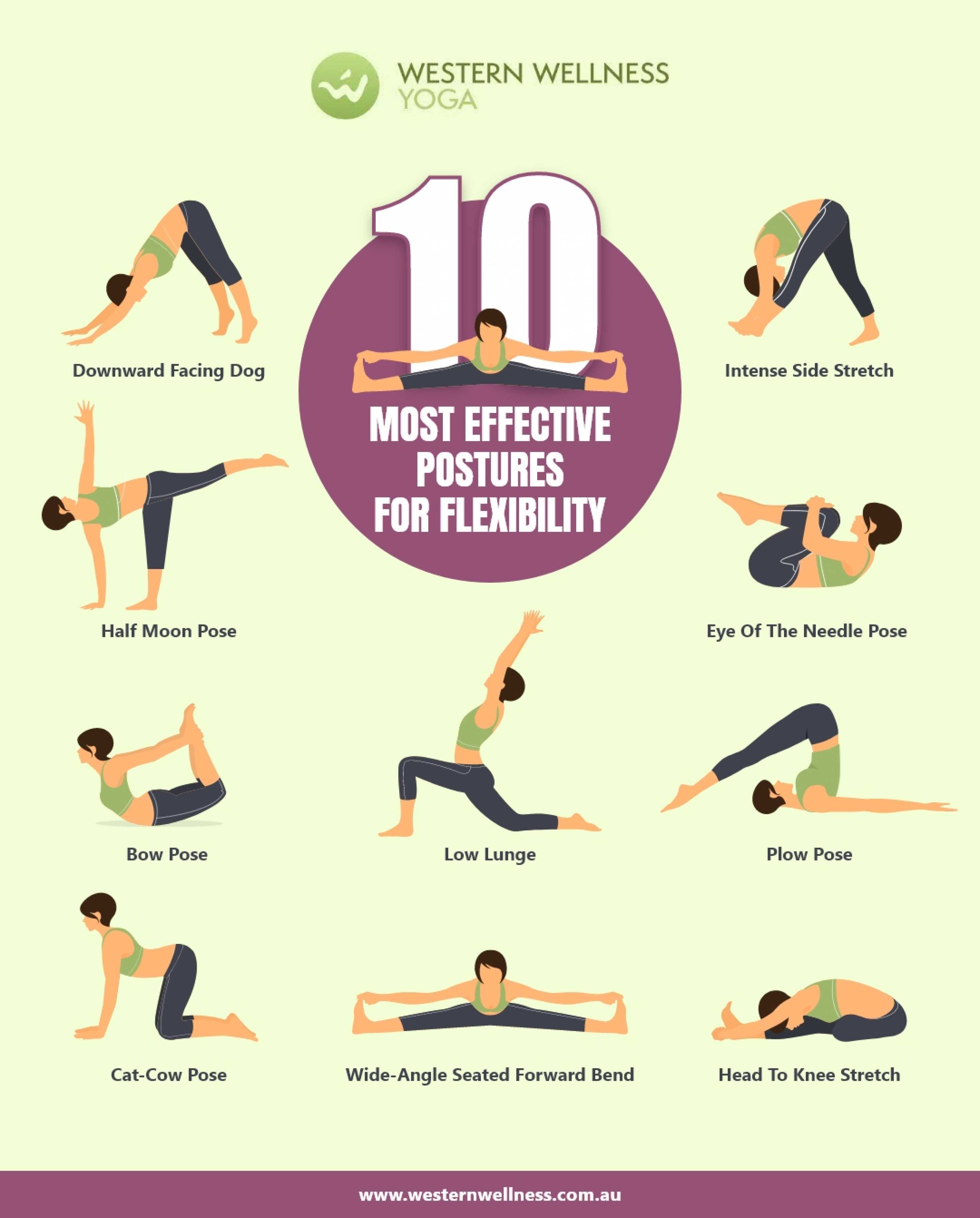
Image Source: www.westernwellness.com.au
Guide: Can Yoga Increase Flexibility? Yes; Here’s How!
Yes, yoga can absolutely increase flexibility. It is one of the most well-known yoga benefits. Regular yoga practice improves flexibility by stretching muscles and connective tissues. This helps your joints move more freely.
What Makes Us Flexible?
Flexibility means how much your joints can move. It is your range of motion. Muscles and things around them, like tendons and ligaments, affect this. Muscles can get tight. This makes moving hard. Yoga helps make these muscles longer and looser. It also helps the stuff around them stretch.
The Body’s Fabric: Anatomy and Flexibility
Think of your body like a machine with many parts.
* Muscles: These pull your bones to make you move. When you stretch, you make muscles longer.
* Tendons: These connect muscles to bones. They also stretch a little.
* Ligaments: These connect bones to other bones. They keep joints steady. You don’t want to overstretch ligaments much. Yoga is gentle enough for this.
* Fascia: This is like a web all through your body. It wraps around muscles and organs. Tight fascia can make you stiff. Yoga helps loosen this web.
Stretching in yoga gently pulls these parts. This helps them move better. It allows your joints a greater range of motion.
How Yoga Improves Flexibility
Yoga uses different methods to stretch your body.
* Holding Poses: You hold a stretch for some time. This gives muscles time to relax and lengthen.
* Moving Slowly: You move into and out of poses smoothly. This warms muscles up gently.
* Using Breath: Your breath helps you relax in a stretch. When you breathe out, you can often stretch a little deeper.
These things work together. They help your muscles get longer. They help your joints move through a bigger range. This is how yoga improves flexibility.
Deciphering the Science: Yoga and Flexibility Studies
Many people say yoga helps them stretch more. Science also looks at this. Scientific studies yoga flexibility show good results.
- One study looked at older adults. Those who did yoga became more flexible. They could reach further.
- Another study found that yoga improved the flexibility of dancers. They had a better range of motion in their hips and backs.
- Research on different groups, like athletes and people with desk jobs, shows yoga makes them less stiff.
These studies often look at specific body parts. They measure how far a person can bend or reach. Time after time, results show that regular yoga makes people more flexible. This backs up what many people feel from doing yoga.
Yoga Poses for Stretching
Yoga has many poses. Some are great for stretching. Here are some best yoga poses to help you become more flexible.
Poses for Leg Flexibility
Your legs can hold a lot of tightness. Hamstrings, hips, and calves often need stretching.
- Downward-Facing Dog (Adho Mukha Svanasana): This pose stretches the back of your legs. It also stretches your back and shoulders.
- Start on your hands and knees.
- Lift your hips high.
- Straighten your legs a little.
- Push your heels down toward the floor.
- Hold here. Feel the stretch in your hamstrings and calves.
- Forward Fold (Uttanasana): This pose gives a deep stretch to the back of your legs.
- Stand with feet hip-width apart.
- Bend forward from your hips. Keep your back straight at first.
- Let your head hang down.
- You can bend your knees if your hamstrings are tight.
- Hold the pose. Let your body release down.
- Triangle Pose (Trikonasana): This pose stretches the sides of your body and your inner thighs.
- Step your feet wide apart.
- Turn one foot out to the side.
- Reach your same arm forward.
- Bring that hand down to your shin or foot.
- Reach the other arm up.
- Keep your chest open.
- Feel the stretch along your side and inner leg.
- Lunge Pose (Anjaneyasana or Low Lunge): This pose opens your hips and stretches the front of your thigh.
- Step one foot forward.
- Bend the front knee over your ankle.
- Lower your back knee to the floor. You can put a cushion under it.
- Keep your torso upright.
- Feel the stretch in the front of your back leg’s hip and thigh.
- Pigeon Pose (Eka Pada Rajakapotasana): This is a deep hip opener. It helps loosen tight hips.
- Start on hands and knees or Downward Dog.
- Bring one knee forward behind your wrist.
- Angle your shin across the mat. Your front foot is near your other hip.
- Extend your back leg straight behind you.
- Stay upright or fold forward over your front leg.
- This can be intense. Go slowly. Use blocks under your hip if needed.
Poses for Back and Spine Flexibility
A flexible spine helps you move better. It can also help with back pain.
- Cat-Cow Pose (Marjaryasana to Bitilasana): This gentle flow warms up your spine.
- Start on your hands and knees.
- As you breathe in, drop your belly. Lift your chest and tailbone (Cow).
- As you breathe out, round your back like a cat. Tuck your chin and tailbone (Cat).
- Repeat this movement with your breath.
- Cobra Pose (Bhujangasana): This backbend helps your spine bend backward.
- Lie on your belly. Place hands under your shoulders.
- Keep your legs on the floor.
- As you breathe in, press hands down. Lift your chest off the floor a little.
- Keep your hips down.
- Feel the gentle bend in your lower back.
- Seated Forward Fold (Paschimottanasana): This pose stretches the back of your body, including your back and hamstrings.
- Sit with your legs straight out in front.
- Keep your back straight.
- As you breathe out, fold forward from your hips.
- Reach for your feet, ankles, or shins.
- Keep your back as flat as you can at first. Don’t force it.
- Let your body soften into the stretch.
- Twisting Poses (e.g., Seated Spinal Twist – Ardha Matsyendrasana): Twists help your spine move side to side.
- Sit with legs out. Bend one knee. Place the foot on the floor outside your other thigh.
- Keep the other leg straight or bend it too.
- Sit up tall.
- Place the arm on the same side as the bent knee behind you.
- Wrap the other arm around the bent knee or hook the elbow outside the knee.
- Gently turn your chest toward the bent knee side.
- Look over your shoulder.
- Twist from your core, not just your neck.
Poses for Shoulder and Chest Flexibility
Many people hold tension in their upper body. Yoga can help open these areas.
- Thread the Needle Pose (Urdhva Mukha Pasasana): This gentle pose stretches your shoulders and upper back.
- Start on hands and knees.
- Lift one arm up.
- Sweep that arm under your other arm.
- Lower your shoulder and head to the floor.
- Extend your other arm forward.
- Feel the stretch in your shoulder blade area.
- Melting Heart Pose (Anahatasana): This pose stretches your shoulders, chest, and upper back. It is like a puppy dog stretch.
- Start on hands and knees.
- Walk your hands forward while keeping your hips over your knees.
- Lower your chest toward the floor. Rest your forehead or chin down.
- Keep your arms active and straight.
- Feel your chest melting toward the mat.
- Cow Face Pose (Gomukhasana) – Arm Position: This stretch works deep into the shoulder joint.
- Sit up tall.
- Lift one arm up. Bend the elbow. Let your hand drop down your back.
- Take your other arm down. Bend the elbow. Bring that hand up your back.
- Try to link your fingers behind your back.
- If you can’t link fingers, hold a strap or towel between your hands.
- Sit tall and breathe into the stretch.
This list includes just a few yoga stretches. There are many more poses that help flexibility in different ways.
Yoga Deep Stretching
Some yoga focuses on yoga deep stretching. This often means holding poses for a longer time. Styles like Yin Yoga are good for this.
What is Deep Stretching?
Deep stretching goes past just the muscles. It aims to stretch the connective tissues. These are the fascia, tendons, and ligaments. These tissues need more time to stretch. Holding a pose for 2-5 minutes, or even longer, allows this deeper release. It gets into the places where tightness can hide. This is different from a quick warm-up stretch. It asks for patience and stillness in the pose.
Choosing Yoga Styles for Flexibility
Different types of yoga focus on different things. Some are better for flexibility than others. Here are some yoga styles for flexibility:
- Hatha Yoga: This is a general term. It usually means holding poses for a few breaths. It is good for beginners. It builds basic strength and flexibility.
- Yin Yoga: This style is all about deep stretching. You hold poses for a long time (3-5 minutes). The poses are often seated or lying down. It works on connective tissues. This is excellent for gaining flexibility.
- Restorative Yoga: This style uses props like blankets and bolsters. It helps your body relax completely in gentle stretches. While not as active as Yin, it helps release tension. Released tension leads to more flexibility.
- Vinyasa Flow: This style links poses with breath. It moves faster. It builds heat and strength. Some poses offer good stretches, but the focus is often on movement. Still, regular Vinyasa can improve flexibility over time. It is less focused on deep holds than Yin or Hatha.
If flexibility is your main goal, Yin or Hatha yoga classes are often the most direct path. However, any consistent yoga practice will help.
Building Your Yoga Routine for Flexibility
Consistency is key to seeing results. A regular yoga routine for flexibility works best.
How Often Should You Practice?
Aim for 2-3 times a week. Even short sessions (20-30 minutes) help. If you can do more, great! Daily short stretches are even better than one long one weekly.
What to Include in Your Routine?
- Warm-up: Start with gentle movements. Cat-Cow, gentle twists, simple sun salutations. This gets your blood flowing.
- Targeted Stretches: Focus on areas that feel tight. Use the poses mentioned earlier for legs, back, or shoulders.
- Hold Poses: Spend time in each stretch. Aim for 30 seconds to a minute at first. In Yin style, hold for several minutes.
- Balance: Don’t just stretch one area. Stretch the front, back, and sides of your body. Include twists and bends.
- Cool-down: End with gentle poses like Child’s Pose or lying on your back (Savasana). This helps your body relax.
Example Weekly Routine (Suggestion)
Here is an idea for a simple routine:
| Day | Focus Area | Example Poses | Style Hint | Duration |
|---|---|---|---|---|
| Monday | Full Body Flow | Gentle Sun Salutations, Downward Dog, Lunge, Twist | Hatha/Gentle Flow | 30 min |
| Tuesday | Hips & Legs | Forward Fold, Triangle, Low Lunge, Pigeon | Hatha/Yin | 30-45 min |
| Wednesday | Rest | Gentle walk or nothing | – | – |
| Thursday | Spine & Shoulders | Cat-Cow, Cobra, Seated Twist, Thread the Needle | Hatha | 30 min |
| Friday | Deep Stretch | Hold Seated Forward Fold, Pigeon, Butterfly long | Yin | 45-60 min |
| Saturday | Gentle/Any Area | Choose poses that feel good today | Restorative/Your Choice | 20-30 min |
| Sunday | Rest | Relax! | – | – |
You can change this plan. Listen to what your body needs each day. Some days you might need more back bends. Some days you might need more hip openers.
Interpreting Your Body’s Signals
One key part of yoga is paying attention.
* Pain vs. Stretch: A stretch should feel like a good pull. It should not feel like sharp pain. If you feel sharp pain, ease out of the pose.
* Using Props: Blocks, blankets, and straps are your friends! They help you get into poses safely. They can make stretches easier or deeper.
* Don’t Force: Your body changes each day. Some days you will feel more flexible than others. Accept where you are today.
* Breathe: Your breath is a guide. If you hold your breath, you are likely pushing too hard. Breathe smoothly in and out.
By listening to your body, you prevent injury. You also learn more about yourself. This is part of the deeper side of yoga.
More Benefits Beyond Flexibility
While increasing flexibility is great, yoga offers more. These yoga benefits make it a wonderful practice.
- Reduced Stress: Yoga calms the mind. Deep breathing helps lower stress hormones.
- Improved Strength: Holding poses builds muscle strength. This helps support your new flexibility.
- Better Posture: As you become more flexible and stronger, you stand and sit taller.
- Less Pain: Flexibility can ease muscle tension. This may help with back, neck, or joint pain.
- Better Balance: Many poses challenge your balance. This improves over time.
- Increased Body Awareness: You learn how your body feels. You notice where you hold tension.
All these benefits work together. They create a healthier, happier you. Flexibility is just one piece of this big picture.
Frequently Asked Questions About Yoga and Flexibility
h4: How long does it take to become more flexible with yoga?
It takes time. Everyone is different. You might feel a little more flexible after just one class. Seeing big changes usually takes a few weeks or months of regular practice (2-3 times per week). Be patient with yourself.
h4: Can I get too flexible from yoga?
It is rare to become “too flexible” from yoga if you practice safely. The goal is healthy range of motion, not being double-jointed. Yoga usually focuses on stretching muscles. It teaches you to listen to your body. This helps prevent overstretching joints. Avoid forcing yourself into extreme poses.
h4: Is Yin Yoga the only style for flexibility?
No, other styles help too! Hatha yoga, Restorative yoga, and even slower Vinyasa classes improve flexibility. Yin focuses most strongly on deep, long holds for connective tissues. But any yoga that includes stretches will help.
h4: Can I do yoga for flexibility if I am very stiff?
Yes! Yoga is great for stiff bodies. Start with gentle classes or poses. Use props like chairs, blocks, and straps. A good teacher can show you how to change poses for your body. Everyone starts somewhere.
h4: Should I feel pain when stretching in yoga?
No, you should not feel sharp or stabbing pain. A stretch feels like a strong pull or tension. It might be uncomfortable, but it should not hurt in a bad way. If you feel pain, ease up. Pain is your body’s way of saying “stop.”
h4: Can flexibility help reduce back pain?
Yes, for many people. Tight muscles in the back, hips, and legs can cause back pain. Stretching these areas can help. Yoga improves flexibility and strength, which can support your spine better. Talk to a doctor if you have ongoing pain.
Grasping the Path to Greater Movement
Yoga is a proven way to boost your flexibility. It works by gently stretching your muscles and the tissues around them. It helps your joints move more freely. Styles like Hatha and Yin are very helpful. Doing yoga often, even for short times, makes a difference.
Remember to listen to your body. Use poses like Downward Dog, Forward Fold, and Pigeon to target tight spots. Add poses for your back and shoulders. Build a simple routine you can stick to.
Greater flexibility has many ripple effects. It can ease pain, improve how you stand and sit, and help you move through life with more ease. It is one of the wonderful yoga benefits. So, unroll your mat and start your journey to a more flexible you!